Florida Homeowners Should Think Twice Before Chasing Possums Out Of Their Yards
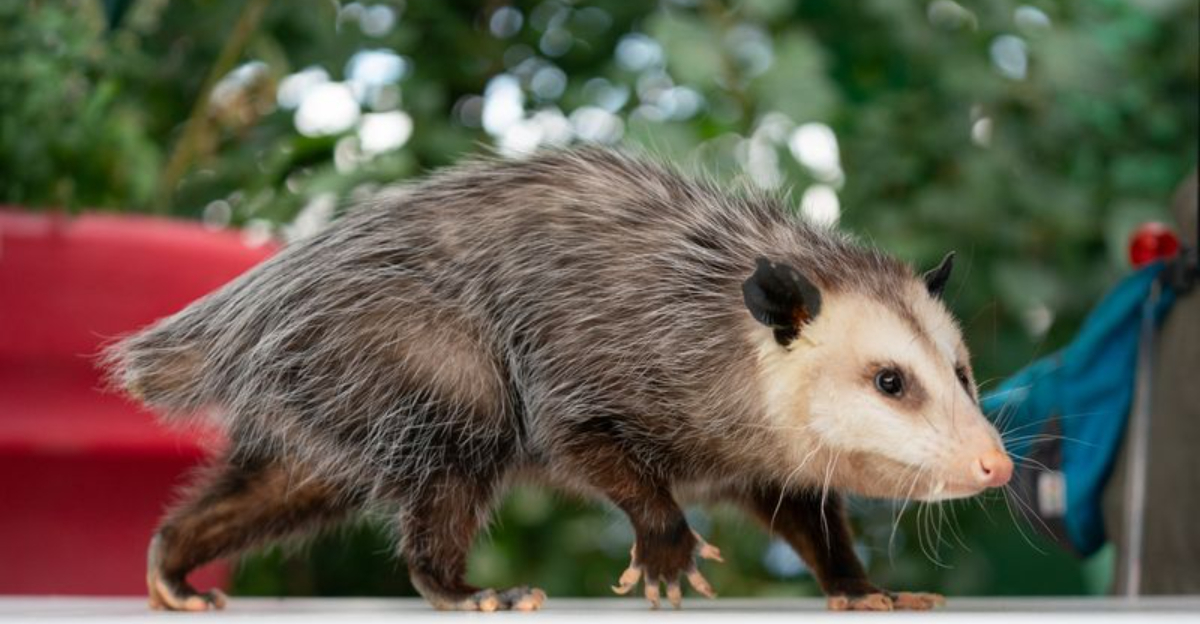
Seeing a possum in your Florida yard can make you jump, but before you chase it off, it helps to understand why these misunderstood animals show up and why letting them be is often the smarter choice.
Possums are native to Florida, they eat pests like ticks and insects, and they help clean up decaying fruit or small carrion.
Their presence can signal a balanced ecosystem rather than a threat to your garden or home. What looks like a nuisance might actually be a natural helper in your yard.
Rushing them out can make space for more problematic wildlife, disrupt local food chains, or unintentionally stress an animal that is mostly harmless.
Knowing how possums behave, what attracts them, and how to coexist safely lets you protect your property without unnecessary conflict. Understanding wildlife makes every yard safer for people and animals alike.
Tick Terminators
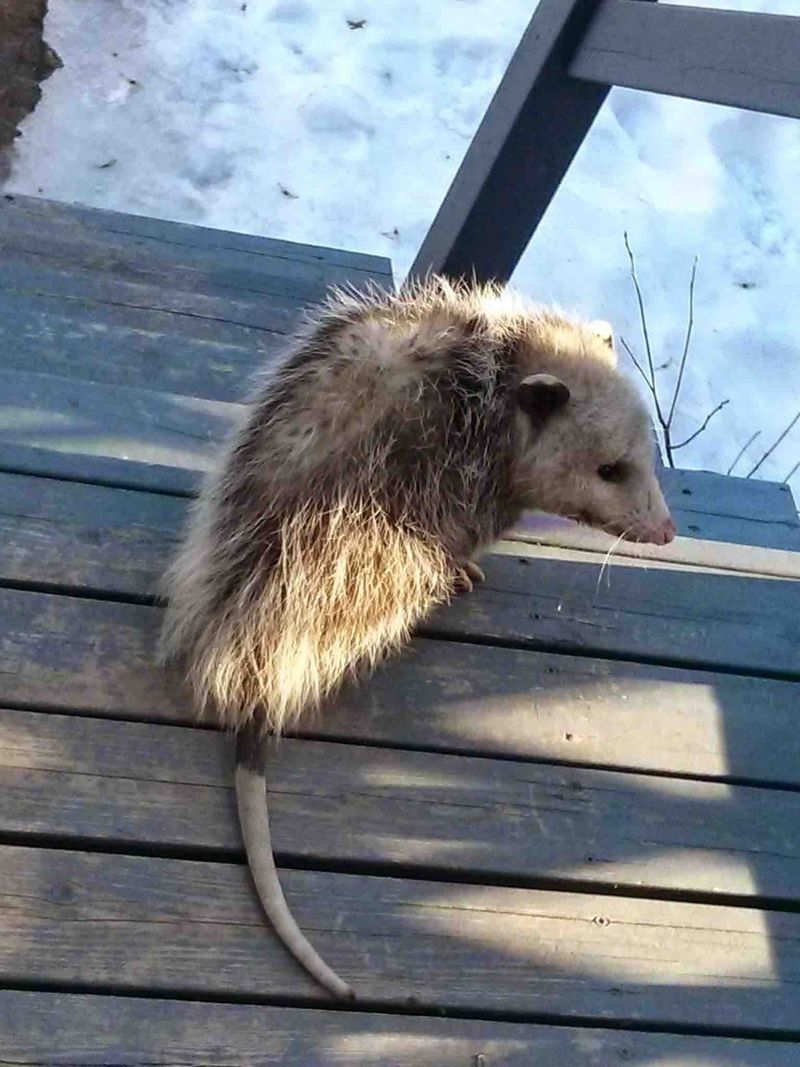
Possums are remarkable natural pest controllers, quietly patrolling yards and consuming thousands of ticks every week.
A single possum can devour up to 5,000 ticks in one season, dramatically reducing the risk of Lyme disease and other tick-borne illnesses for your family.
Unlike chemical solutions that may pose health risks to pets or children, possums provide a completely organic and free service, working day and night to keep your outdoor spaces safer.
Their meticulous grooming habits, which involve combing ticks off themselves before eating them, make them highly effective in controlling local tick populations.
In Florida, where the warm climate allows ticks to thrive year-round, the presence of possums is particularly valuable.
Homeowners often overlook these furry exterminators, yet their constant, low-profile activity offers ongoing protection without the need for sprays, traps, or pesticides.
Encouraging possums to visit your yard can be as simple as maintaining safe shelter, leaving fallen fruit or brush piles undisturbed, and avoiding unnecessary disturbances.
By welcoming these nocturnal helpers, residents gain an environmentally friendly solution to a persistent pest problem while promoting biodiversity and a balanced yard ecosystem that benefits both people and wildlife.
Snake Population Controllers
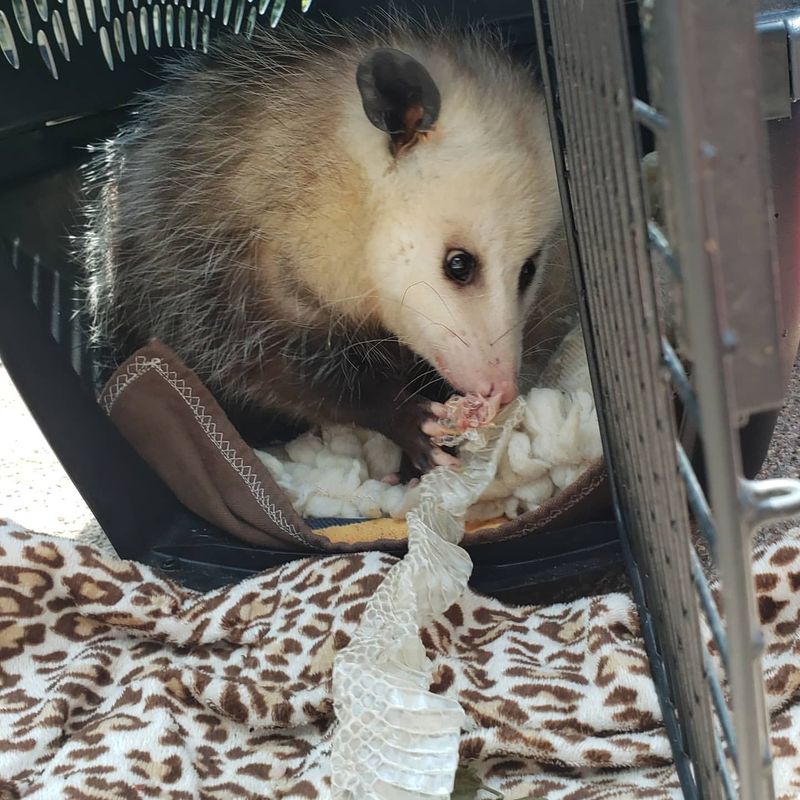
Possums are one of Florida’s most underrated natural snake predators.
Remarkably immune to most snake venom, they can hunt and consume venomous snakes such as copperheads and rattlesnakes without harm, providing free protection for homeowners and pets.
Florida is home to six venomous snake species, and suburban expansion combined with habitat loss has increased the likelihood of encounters in residential areas.
Possums’ hunting behavior reduces these risks by naturally keeping snake populations in check.
Unlike chemical repellents or lethal traps, possums target snakes as part of their diet without causing environmental harm.
Their foraging habits are especially beneficial in areas with dense underbrush, yards, or gardens where snakes often hide.
While many people fear snakes, understanding the possum’s role highlights how wildlife can maintain balance safely and effectively.
Encouraging possums through safe, non-intrusive means, such as leaving brush piles or fallen logs, allows these natural snake controllers to coexist alongside humans.
Their presence not only reduces the risk of venomous snake encounters but also supports broader ecological stability by controlling rodents, insects, and other small prey that attract snakes.
Welcoming possums offers a holistic, low-impact method for promoting safety and ecological balance in Florida yards.
Scorpion And Cockroach Cleanup Crew
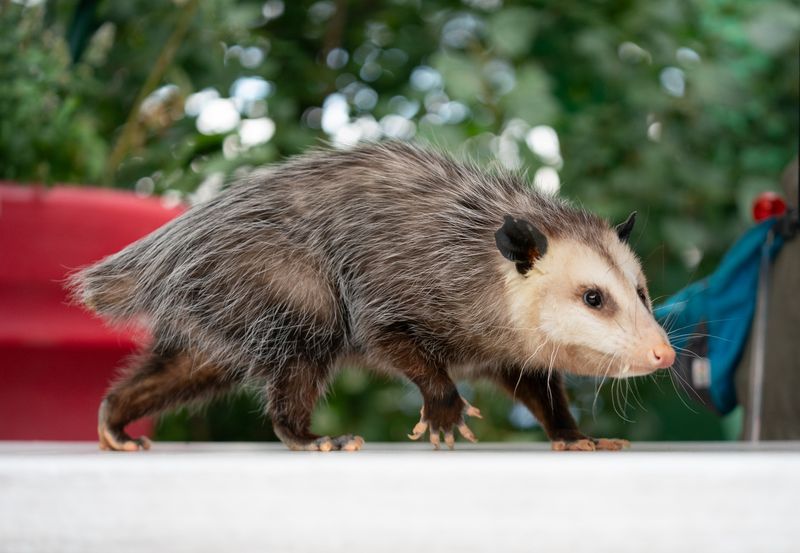
Possums are highly effective scavengers that help homeowners manage scorpion and cockroach populations without chemicals.
Florida’s warm climate allows these pests to reproduce rapidly, creating ongoing challenges for residents.
Possums consume scorpions, cockroaches, and other unwanted insects, reaching cracks, crevices, and hiding spots that conventional pest control methods may miss.
Their nocturnal activity means they often patrol areas when people are asleep, quietly reducing pest numbers overnight.
By feeding on these insects, possums prevent infestations from taking hold, protecting homes and outdoor spaces naturally.
Unlike traps or insecticides that may only address individual problem areas, possums provide continuous, self-sustaining pest control while contributing to overall yard health.
Their varied diet also includes other insects and invertebrates, making them versatile helpers in managing the smaller wildlife ecosystem.
Encouraging possums to visit gardens and yards can help maintain a healthier environment by lowering pest pressure without introducing toxins.
Residents who embrace these natural cleanup crews benefit from reduced infestations, fewer chemical treatments, and an improved understanding of the interconnected roles of local wildlife in sustaining balanced ecosystems across Florida’s unique climates and neighborhoods.
Garden Helpers And Fruit Cleanup
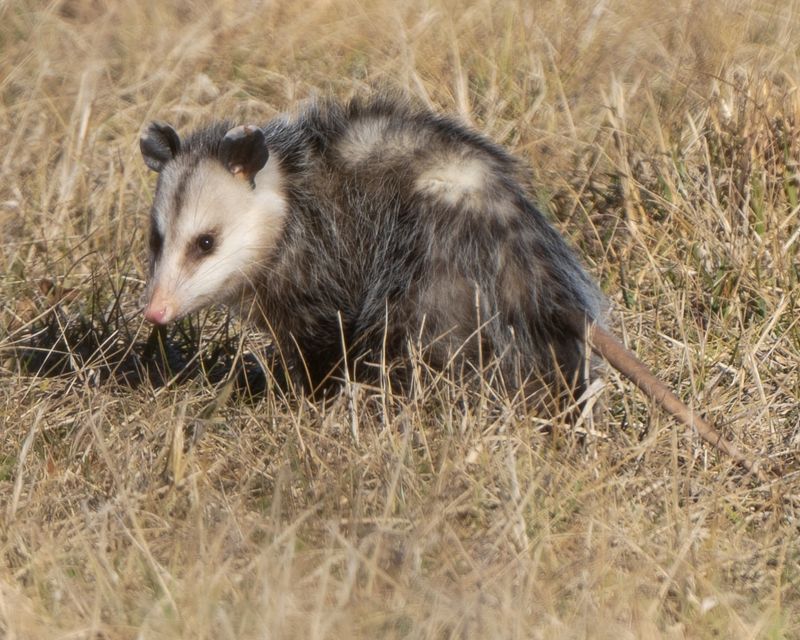
Fallen fruit in Florida yards can attract flies, rodents, and other pests, creating a cascade of problems that impact both gardens and households.
Possums act as natural cleanup crews, consuming rotting fruit before it becomes a breeding ground for pests.
Unlike raccoons, which may climb trees for fresh produce, possums focus on already-fallen fruit, preventing fruit rot, unpleasant odors, and infestations.
Their scavenging behavior is particularly valuable under mango, avocado, and citrus trees, common in Florida landscapes.
Beyond fruit cleanup, possums contribute to yard maintenance by feeding on insects and small invertebrates, further enhancing garden health.
Homeowners benefit from reduced chemical usage, lower pest populations, and the ecological advantages of supporting a native scavenger species.
Encouraging possums involves providing safe spaces, leaving brush piles or low shelters undisturbed, and allowing natural foraging behaviors.
These nocturnal visitors quietly patrol gardens, consuming fallen fruit and controlling insects, offering consistent and free assistance in maintaining property cleanliness.
By recognizing possums as active garden helpers, residents can enhance ecosystem balance, reduce labor-intensive cleanup tasks, and support biodiversity while coexisting with these beneficial mammals in a responsible and wildlife-friendly way.
Rabies-Free Wildlife
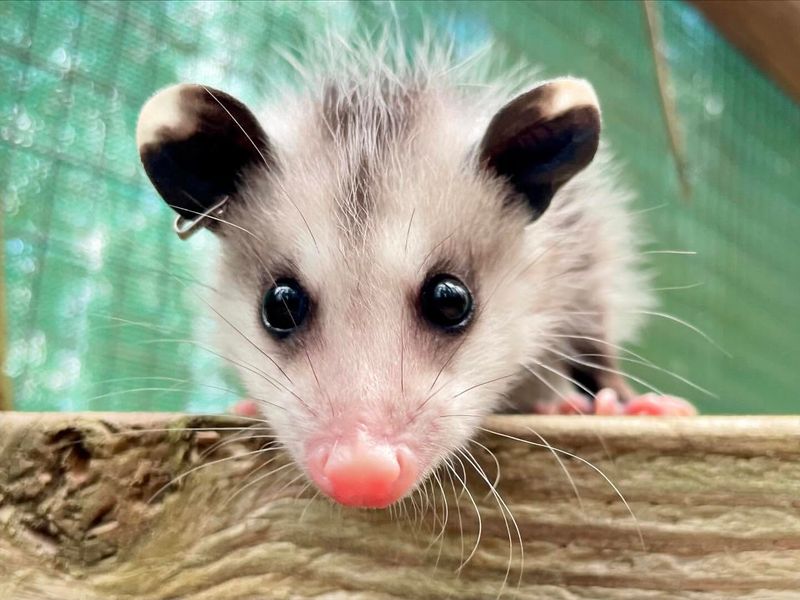
Possums are one of the safest wild mammals in Florida, rarely carrying rabies due to their unusually low body temperature, which makes it difficult for the virus to survive.
Many homeowners mistakenly fear possums as disease vectors, but they are far less likely to transmit rabies than raccoons, foxes, or stray cats.
Their natural resistance provides peace of mind when spotted near homes or pets, making them ideal neighbors for suburban yards.
Beyond rabies safety, possums contribute to local ecosystems by controlling ticks, insects, small rodents, and fallen fruit, providing multiple ecological services without the need for human intervention.
Their generally calm temperament and nocturnal habits reduce interactions that might stress homeowners, allowing possums to coexist safely in shared spaces.
By understanding and respecting these unique traits, residents can welcome possums as helpful wildlife partners rather than nuisances.
Promoting awareness about possums’ disease resistance and beneficial behaviors encourages environmentally friendly solutions to pest management, demonstrating that coexistence with local wildlife can be safe, practical, and rewarding.
These characteristics make possums an invaluable, low-risk presence in Florida gardens and suburban environments.
Carrion Cleaners
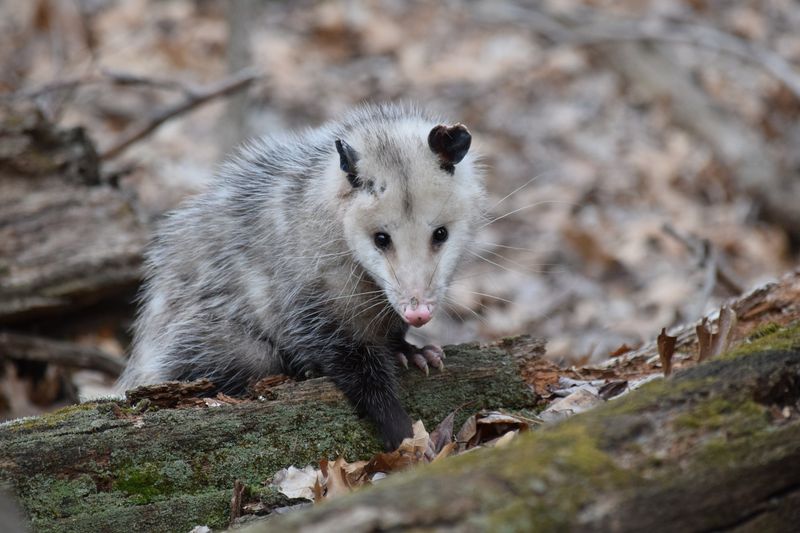
Possums serve as nature’s sanitation workers, efficiently removing dead animals before decomposition creates odor problems or attracts flies.
In Florida’s warm climate, decomposition happens quickly, making possums’ scavenging behavior especially valuable for maintaining clean outdoor spaces.
They consume everything from dead lizards to birds that may have collided with windows, often working quietly at night when residents are unaware of their activity.
By removing carrion, possums help reduce the spread of disease and insect infestations associated with decaying matter.
Unlike chemical or manual cleanup methods, possums offer an ongoing, self-sustaining service that benefits both homeowners and local ecosystems. Their presence contributes to nutrient cycling, returning organic matter to the environment through natural processes.
Encouraging possums to frequent yards involves providing safe shelter and minimizing disturbances, allowing them to patrol effectively and perform these cleanup services.
Homeowners gain a natural, cost-free solution to sanitation challenges while supporting native wildlife.
Recognizing possums’ role as carrion cleaners highlights their broader ecological importance, reinforcing the value of coexistence and appreciation for these often misunderstood but highly beneficial mammals.
Non-Destructive Neighbors
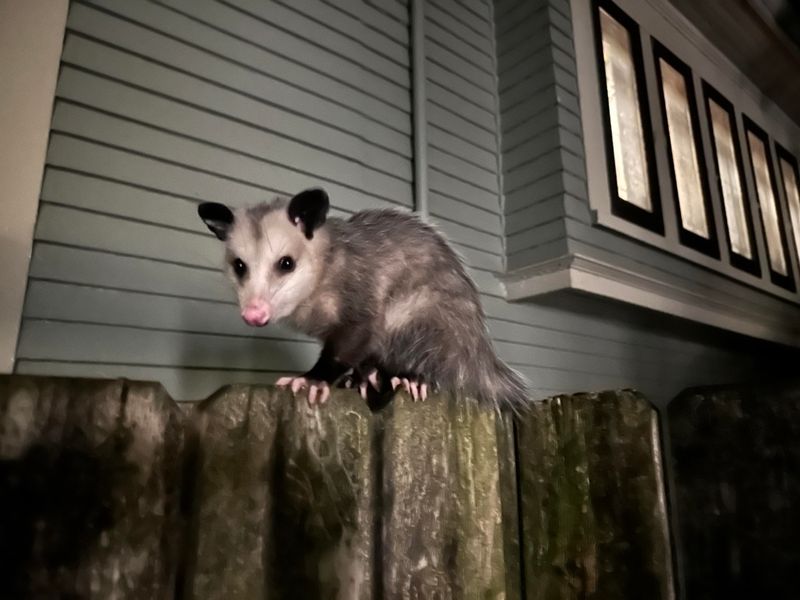
Unlike raccoons or squirrels, possums rarely cause property damage.
They do not dig extensive burrows, build nests in chimneys, or chew through wiring or structures to gain entry.
Instead, possums typically move through yards in search of food before moving on to the next location.
Their nomadic lifestyle means they rarely settle permanently, making them low-impact wildlife neighbors compared to other urban or suburban mammals.
Their presence provides ecological benefits, including pest control and scavenging services, without the risks associated with destructive behaviors.
Homeowners can encourage possums to visit while minimizing conflicts by offering safe foraging areas, avoiding the use of traps, and maintaining undisturbed brush piles or shelter.
Understanding possums’ natural behavior allows residents to coexist peacefully with these beneficial mammals, enjoying their services without property damage or the need for aggressive interventions.
By embracing their non-destructive nature, Florida homeowners can balance wildlife conservation with practical yard management, fostering harmonious interactions with native species while benefiting from the multiple ecological roles possums provide.
Protected Florida Wildlife
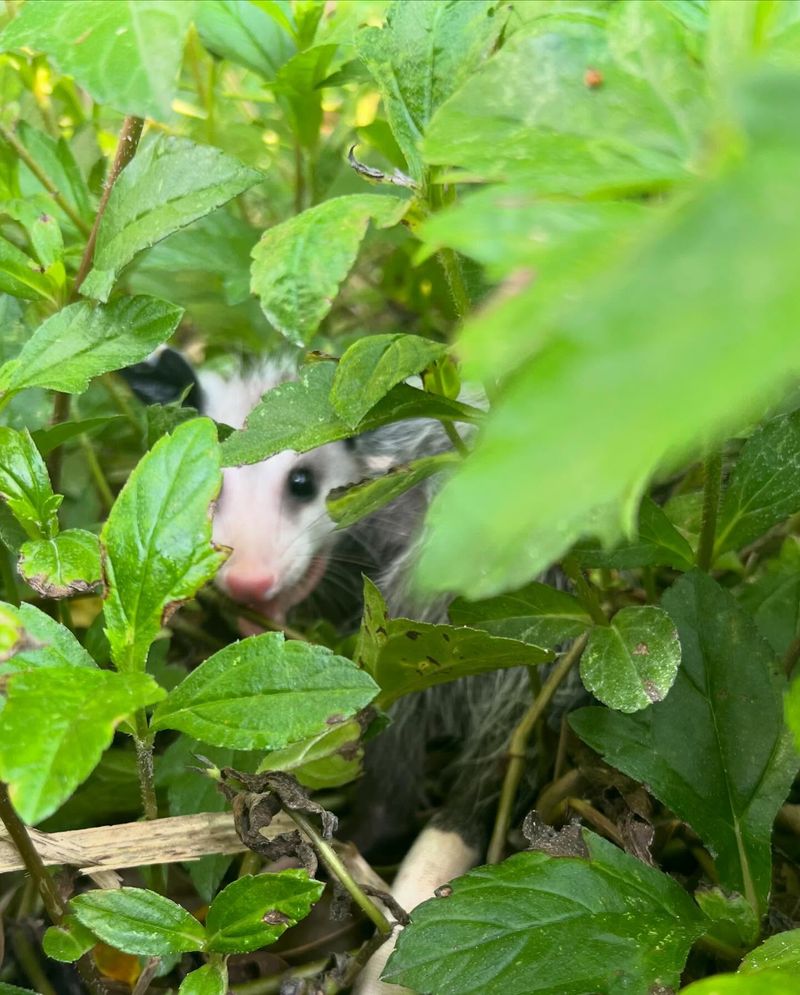
Possums are protected under Florida wildlife regulations, which makes removal potentially complicated and sometimes illegal without proper permits.
While professional removal services exist, they can be costly and are often unnecessary given the possum’s beneficial nature.
Many companies relocate possums, but this can disrupt survival patterns, as the animal may struggle to adapt to unfamiliar territory while new possums quickly occupy its former area.
In most cases, it is easier and more ecologically sound to work with possums rather than against them. Homeowners can provide safe foraging spaces, minimize disturbances, and allow possums to perform their natural pest control and scavenging roles.
These practices ensure that possums continue to reduce ticks, rodents, insects, and carrion effectively, while simultaneously maintaining compliance with state wildlife laws.
By understanding legal protections and recognizing the possum’s ecological contributions, Florida residents can enjoy the benefits of these unique mammals without conflict.
Promoting coexistence respects both the law and natural wildlife systems, creating a balanced, safe, and sustainable environment for humans and possums alike.