10 Florida Landscaping Ideas For Families With Year Round Blooming Flowers
Your Florida yard works hard all year. Kids run through it, friends gather in it, and somehow you still want flowers that actually bloom through every season.
Most families think they have to choose between a colorful garden and a space where life really happens, but Florida’s unique climate makes both possible when you plan with the right plants and smart design.
From shaded hangout spots to butterfly gardens the whole family enjoys, these landscaping ideas turn busy family yards into spaces that stay beautiful without demanding all your weekend time.
Each approach handles Florida heat, afternoon thunderstorms, and plenty of foot traffic while keeping blooms coming back month after month!
1. Start With A Backyard Hangout That Blends Shade And Flowers
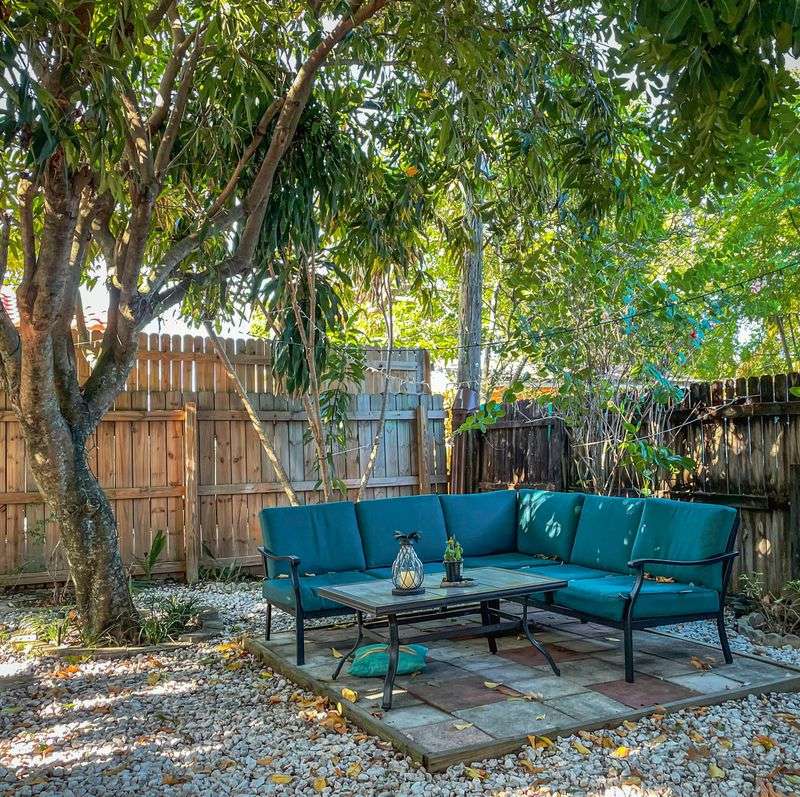
Most families spend their outdoor time in one favorite spot. Maybe it’s near the back patio where you set up chairs, or under that big oak where kids play in the shade.
Starting your year-round flower plan here makes sense because you’ll actually see and enjoy the blooms every single day.
Pentas thrive in partial shade and bloom constantly across Florida. Plant them in sweeping curves around your seating area, not in stiff rows.
They handle foot traffic better when grouped in beds rather than scattered as single plants.
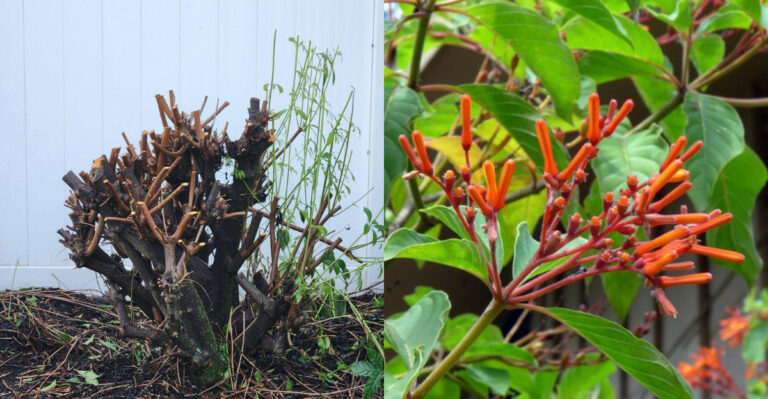
In South Florida, add firebush and jatropha for non-stop color. Central Florida families get great results mixing in salvias that bloom spring through fall.
North Florida yards benefit from planting cold-hardy lantana that bounces back after winter.
This setup creates a natural gathering space where flowers frame your family time instead of competing with it. After a few months, you’ll notice butterflies and hummingbirds joining your backyard hangouts, and the kids will start pointing out new blooms without you even asking.
2. Use Raised Flower Beds To Protect Plants From Busy Feet
Soccer balls fly through your yard. Bikes cut corners.
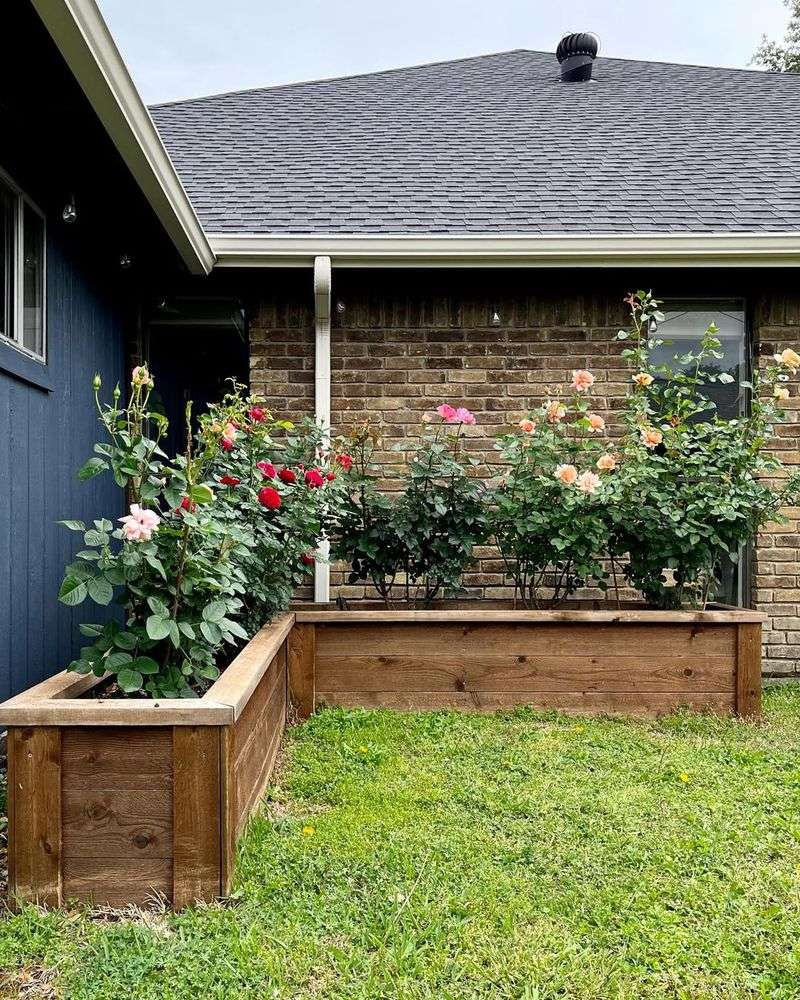
The dog takes the same shortcut every morning. Raised beds lift your flowers above the chaos and give them a fighting chance to bloom all year without getting trampled.
Build beds eight to twelve inches high using concrete blocks, landscape timbers, or composite materials that handle Florida humidity. Fill them with quality potting mix that drains faster than regular ground soil.
This matters during summer when afternoon storms dump inches of rain in minutes.
Blanket flowers and coreopsis bloom for long seasons in raised beds and tolerate the occasional stray ball. Periwinkles fill in fast and keep flowering even when kids occasionally step on the edges.
Gaillardia handles full sun and blooms heavily without much fussing.
The raised design also makes weeding easier since you’re not bending down as far. Families usually notice their flowers look fuller and healthier in raised beds because roots aren’t competing with grass and the soil stays warmer during brief North Florida cold snaps.
Your flowers get protection, and you get color that actually survives family life.
3. Add Instant Color With Patio And Walkway Container Gardens
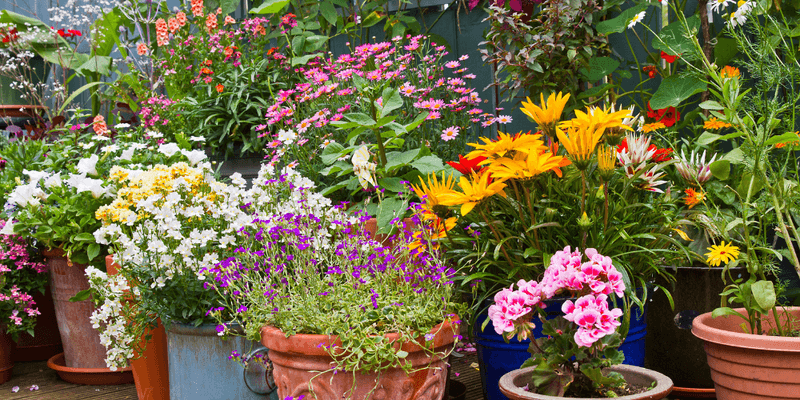
Containers let you move color exactly where you need it. Set them by the front door when company’s coming, cluster them on the patio for weekend cookouts, or line the walkway when you want your entrance looking sharp.
You’re not locked into one permanent design.
New Guinea impatiens bloom reliably in containers across all Florida regions. Use pots at least twelve inches wide so soil doesn’t dry out between waterings.
Bigger containers mean less daily maintenance during hot months.
Mix heights and textures for visual interest. Tall angelonia in the back, mounding petunias in the middle, and trailing verbena spilling over edges creates a layered look.
All three bloom heavily and handle container life well.
Water containers more often than ground plants since they dry faster in Florida heat. Adding slow-release fertilizer every few months keeps blooms coming without much effort.
Families appreciate how containers let them experiment with color combinations and swap out plants seasonally without disturbing the whole yard. When one container needs refreshing, you’re only replanting a few plants instead of an entire bed.
4. Attract Butterflies With A Garden The Whole Family Will Love
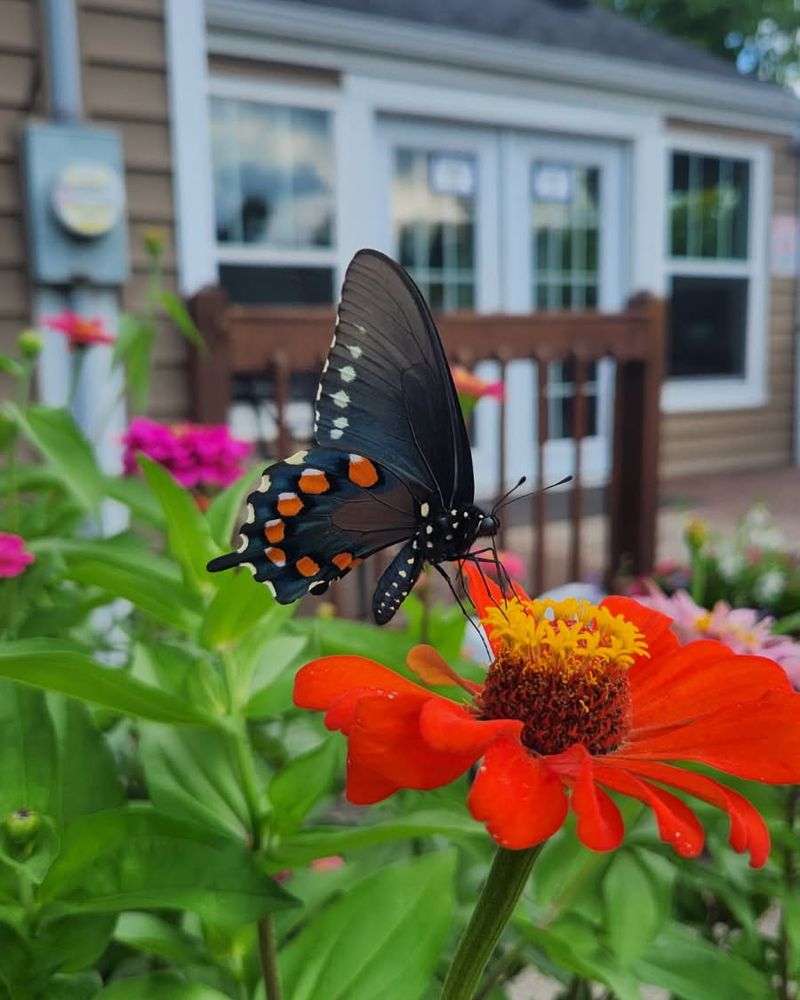
Kids remember the day they spot their first giant swallowtail or watch a monarch land inches from their face. Butterfly gardens create those moments while keeping your yard colorful every month.
You’re not just planting flowers, you’re building a living science lesson that blooms year-round.
Milkweed feeds monarch caterpillars. Passionflower vines attract gulf fritillaries and bloom heavily in South and Central Florida.
Add pentas, porter weed, and firebush for nectar sources that different butterfly species visit all year.
Group plants in sunny spots where butterflies can warm their wings in morning light. Avoid pesticides completely since they harm caterpillars and butterflies.
Leaving some leaf damage shows your garden actually works as butterfly habitat.
Most families notice butterflies arriving within weeks of planting. Kids start asking questions about lifecycles and checking leaves for caterpillars.
The garden becomes an outdoor classroom that teaches responsibility and observation skills while staying beautiful. Year-round blooms mean year-round butterfly activity, especially in South Florida where warm weather keeps them active through winter months.
5. Create A Front Yard That Looks Good All Year Long
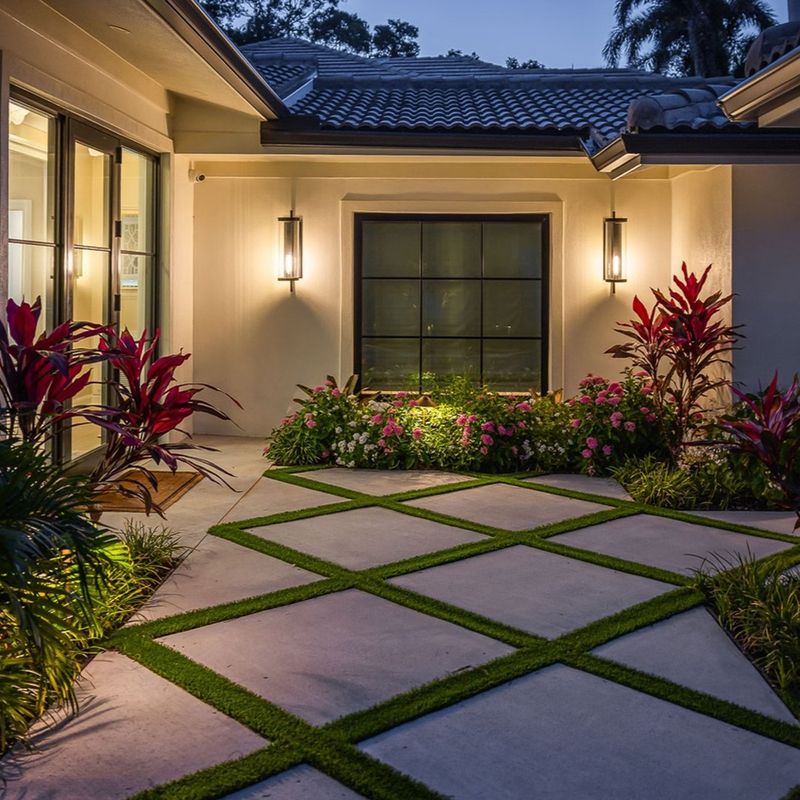
Your front yard greets everyone who visits and every neighbor who walks past. Keeping it colorful through all seasons takes planning, but Florida’s climate makes continuous blooms achievable when you choose plants that perform in your specific region.
Knockout roses bloom almost constantly in Central and North Florida with minimal care. Drift roses stay compact and flower heavily in all three regions.
Pair them with daylilies that send up repeat blooms.
Layer different bloom times for continuous color. Spring brings azaleas in North Florida, summer highlights canna lilies statewide, and fall showcases salvias.
Winter gaps get filled with snapdragons and dianthus in cooler regions, while South Florida keeps pentas flowering straight through.
Front yards need tougher plants since you’re not out there daily monitoring them. Choose varieties that handle missed waterings and still look presentable.
Mulch beds heavily to suppress weeds and retain moisture. Families usually find that a well-planned front yard actually requires less weekend maintenance than struggling with plants that don’t suit Florida conditions.
The right plant choices mean you’re enjoying your front yard instead of constantly fixing it.
6. Turn Narrow Side Yards And Shady Spaces Into Bloom Zones
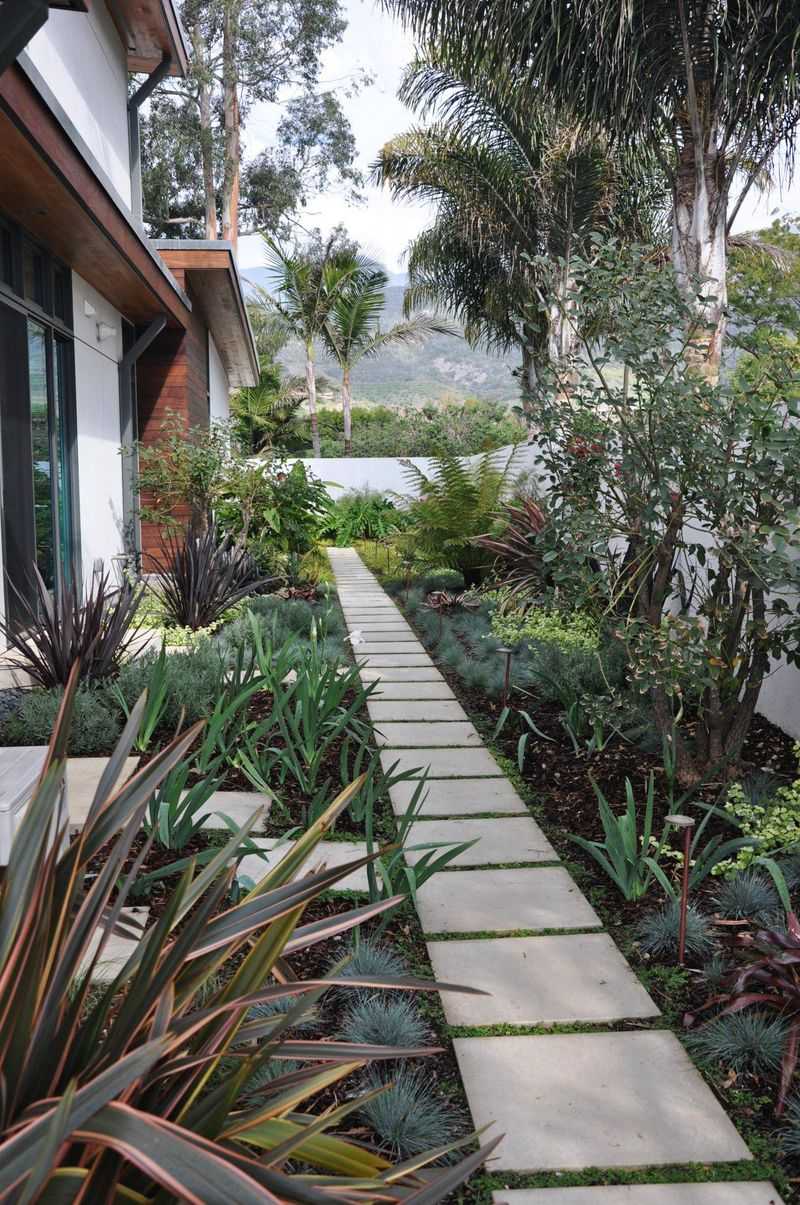
That skinny strip between your house and the fence usually gets ignored. It’s shady most of the day, awkward to access, and seems like wasted space.
But shade-loving bloomers turn these forgotten zones into colorful surprises that perform all year with barely any direct sun.
Begonias bloom heavily in shade and tolerate the humidity that builds up in narrow side yards. Caladiums add bold foliage color when paired with flowering plants.
Improve drainage in side yards since they often stay damp after rain. Add a thin layer of pine bark mulch to help water percolate and prevent fungal issues.
Install simple landscape lighting to highlight blooms you might otherwise miss in shadowy spaces.
These areas typically need less watering since they’re protected from direct sun and afternoon heat. Families often discover that their shady side yards become favorite spots for tucking away garden tools or creating secret pathways kids love exploring.
The blooms make utilitarian spaces feel intentional instead of neglected. Year-round color proves that every square foot of your Florida yard can contribute beauty, even the spots that seem challenging at first glance.
7. Design Backyard Flower Beds That Stay Colorful Year-Round
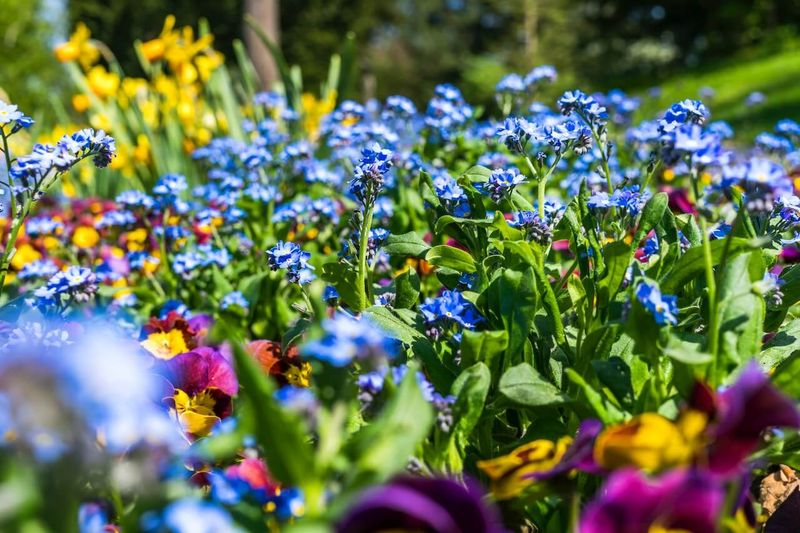
Backyard beds handle the heaviest family use. They’re where kids run past chasing the dog, where you toss the frisbee, and where everyone walks to reach the back fence.
Designing them for year-round blooms means choosing tough plants that keep flowering despite all that activity.
Start with a backbone of reliable bloomers. Blanket flowers, black-eyed Susans, and coreopsis tolerate occasional trampling.
Add seasonal layers with petunias in cooler months and zinnias during summer heat.
Design beds in wide curves rather than narrow strips. Wider beds give plants more root space and create visual impact from your windows.
Keep beds at least three feet deep so you can layer plants by height without everything looking flat.
Mulch heavily around plants to discourage weeds and help soil retain moisture during dry spells. Edge beds clearly so family members know where not to step.
Most families notice that well-designed backyard beds actually guide foot traffic naturally instead of fighting against it. The flowers become part of your outdoor living space rather than fragile decorations you’re constantly protecting.
Year-round blooms mean your backyard always looks intentional and cared for, even during the busiest family seasons.
8. Bring Coastal Style Home With Beach-Inspired Flower Areas
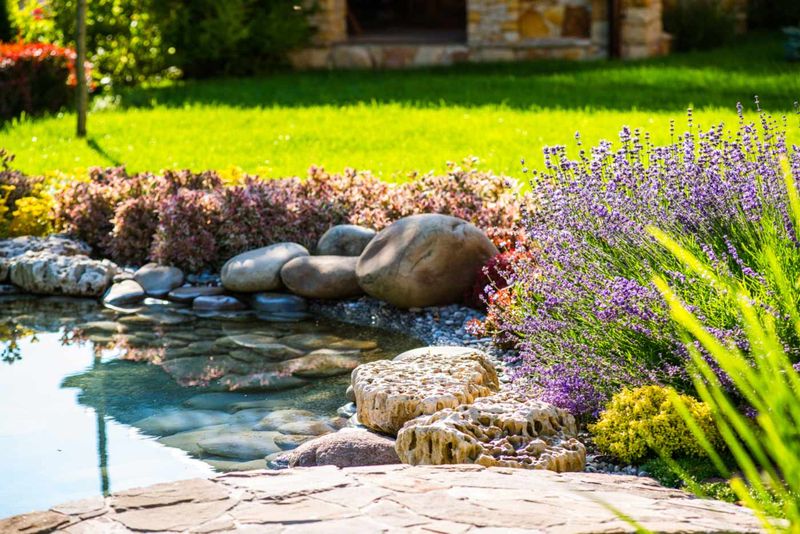
Beach vibes work inland too. Coastal-inspired flower areas use salt-tolerant plants and sandy textures that remind you of Florida shorelines.
These designs handle heat and drought exceptionally well, which matters during those stretches when watering gets forgotten during busy weeks.
Beach sunflowers bloom most of the year in South Florida and Central regions. Railroad vine produces morning glory blooms and tolerates poor soil.
Sea oxeye daisy flowers heavily and spreads to fill spaces naturally.
Use crushed shell or light-colored gravel as mulch instead of dark bark. The lighter material reflects heat and creates that beachy look.
Add driftwood pieces or large coral rocks as natural accents. Plant in mounded beds that mimic dune shapes.
These areas require less water once established since coastal plants evolved handling sandy, fast-draining soils. Families living near the coast appreciate using plants that already tolerate salt spray from ocean breezes.
Inland families enjoy the relaxed, vacation-home aesthetic that makes every day feel a bit more like a beach getaway. The plants bloom reliably without demanding constant attention, which suits families juggling sports schedules, homework, and everything else that fills Florida family life throughout the year.
9. Upgrade Your Entryway With A Welcoming Flower Display
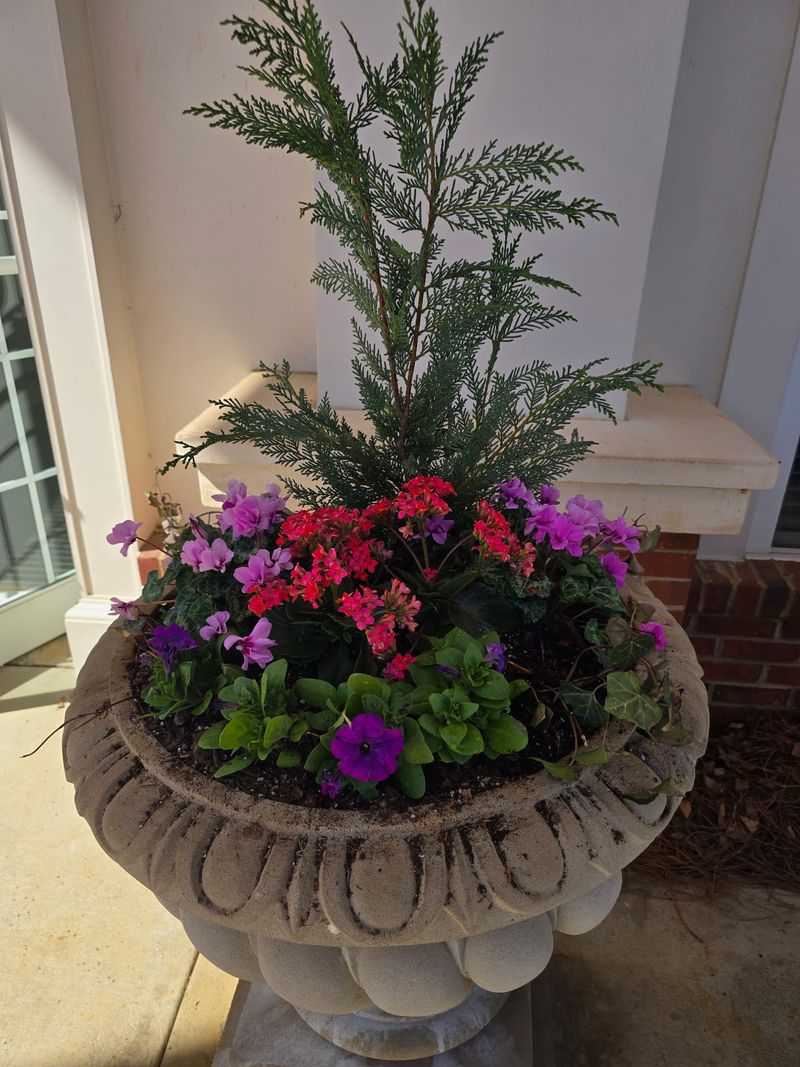
Your front entry gets seen every single day. It’s where you greet guests, where packages get delivered, and where you pause before heading inside after work.
Flowers here create an instant mood lift and signal that your home is cared for and welcoming.
Flank your door with matching containers filled with blooming plants. Pentas provide reliable color in sun or part shade.
Add trailing plants like million bells that cascade over pot edges. Refresh seasonal accents every few months to keep the display interesting.
Plant small flower beds on either side of the walkway leading to your door. Use low-growing plants like purslane or moss rose that won’t obstruct the path.
These bloom heavily in full sun and handle reflected heat from nearby pavement.
Consider lighting that highlights your entry flowers after dark. Solar spotlights work well for rentals or situations where wiring isn’t practical.
Most families notice that an upgraded entry makes coming home feel more special. It’s a small investment of space that delivers daily enjoyment.
Year-round blooms mean your entry always looks fresh and intentional, not just during holidays when you remember to add decorations. The flowers become your everyday welcome mat that never needs replacing.
10. Build Tough Flower Borders That Handle Florida Heat And Play
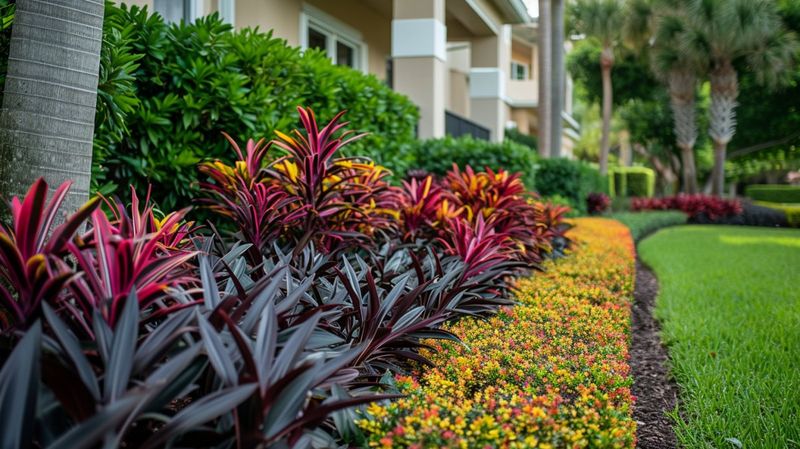
Border plantings define your yard’s edges and separate lawn from beds. They take abuse from mowers, string trimmers, and kids cutting across corners.
Building these borders with tough flowering plants means they survive family life while producing steady color through Florida’s demanding climate.
Lantana handles full sun and bounces back when accidentally mowed. Society garlic produces purple blooms and tolerates edge trimming.
Mexican heather stays compact, flowers heavily, and forgives occasional damage from yard equipment.
Install physical edging like metal or plastic barriers to protect plant roots from mower wheels. This simple step dramatically increases flower survival along borders.
Space plants close enough that they’ll eventually touch and create a continuous flowering hedge.
These borders need plants that don’t require perfect conditions. Choose varieties that bloom even when you miss a watering or forget to fertilize on schedule.
Most families discover that tough border plants actually look better than fussier options because they’re thriving instead of barely surviving. The continuous blooms create clean lines that make your entire yard look more polished and intentional.
Year-round color along borders means your property always has definition and structure, even during seasons when other plants take breaks from flowering.