Florida Lawns Need This March Fix Before Summer Stress Starts
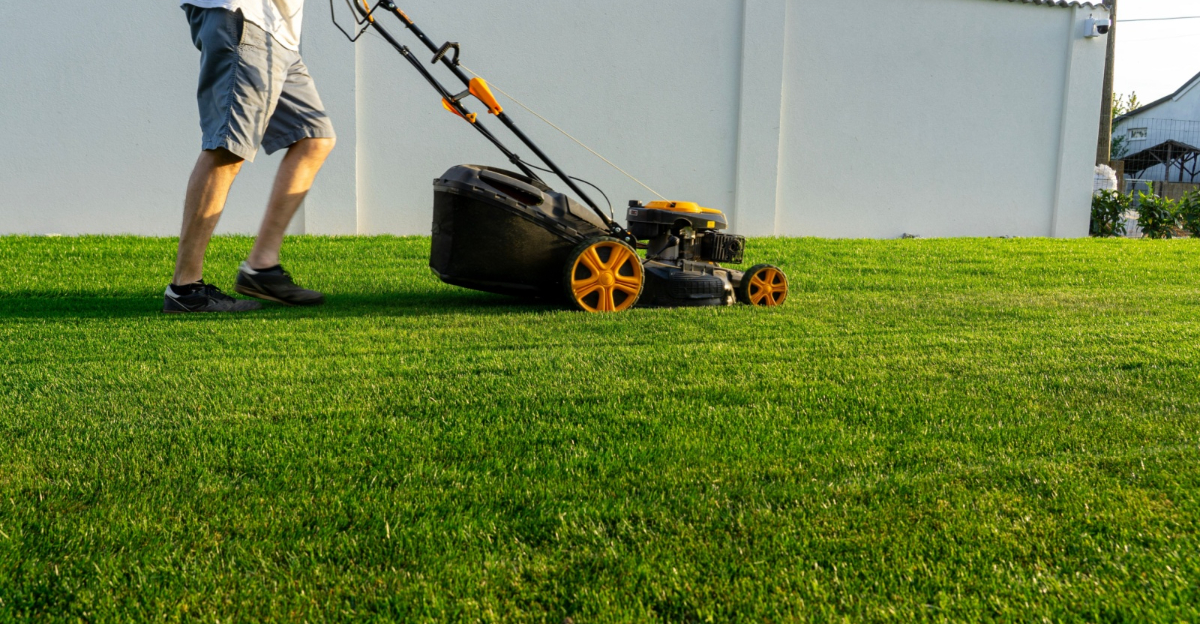
Your lawn can look fine in March, then collapse by June. That is the trap across Florida.
Heat, sand, pests, and hard rain expose weak roots fast, and most yards show the damage when recovery gets tougher and far more expensive. The fix starts now, before summer pressure locks in thin turf, bare spots, weed spread, and dull color.
One smart March reset can help grass hold moisture, build stronger roots, and face brutal heat with a real shot at survival. Miss this window, and your lawn may spend the rest of the season in rescue mode.
Florida yards do not wait for perfect plans. They respond to timing, and March is the month that sets the tone for every week ahead.
Put in the right correction now, and you can protect color, density, and curb appeal before stress takes over your yard. This is the moment that matters most for Florida grass.
1. Raise Your Mowing Height Before Summer Begins
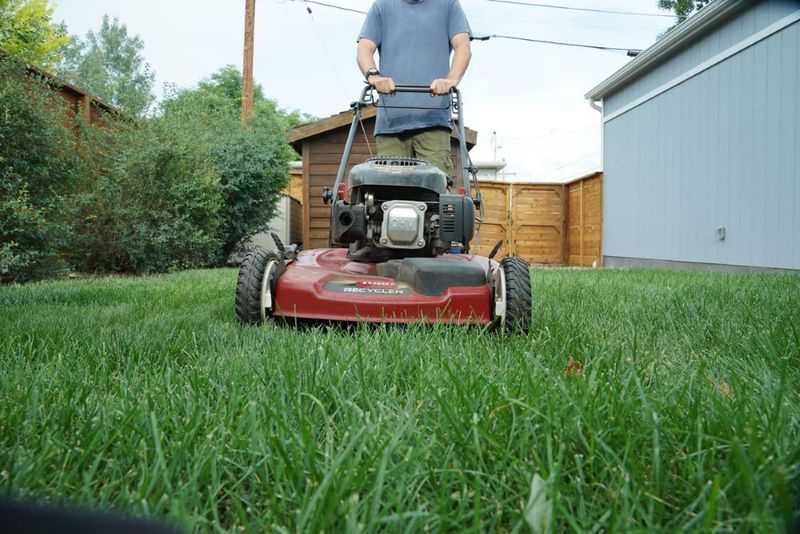
Right now, while the weather still feels pleasant and manageable, is the perfect time to take a close look at your mower settings. Raising your mowing height before Florida summer arrives is one of the most practical steps you can take in March, and it costs absolutely nothing to do.
According to UF/IFAS Extension, letting your grass grow slightly taller heading into the hot season gives it a natural layer of protection. Taller blades shade the soil, reduce surface temperature, and help the lawn hold onto moisture much more effectively than closely cropped turf.
Most Florida homeowners are used to keeping their lawns trimmed short because it looks neat. But neat and healthy are not always the same thing.
A lawn mowed at the right height for its grass type will outperform a closely shaved lawn every single time once July and August arrive.
Raising the deck by just a half inch to a full inch can make a noticeable difference in how your lawn handles heat and dry spells. Make this small adjustment now, before the stress season begins, and your grass will thank you all summer long.
2. Stop Cutting More Than One Third Of The Blade
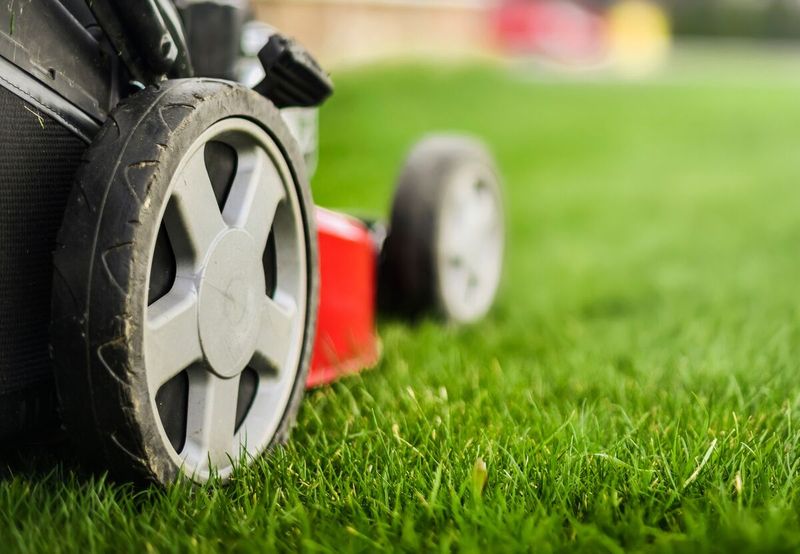
Most people have never heard of the one-third rule, but lawn care professionals follow it religiously. The rule is simple: never remove more than one-third of the grass blade in a single mowing session.
Cutting more than that puts serious stress on the plant and can set back your lawn right when it needs to be building strength.
UF/IFAS Extension has long recommended this practice for Florida lawns, especially as spring transitions toward summer. When you cut too much at once, the grass has to redirect energy away from root growth just to regrow its blades.
That energy drain leaves the lawn weaker and less capable of handling heat and reduced rainfall.
In practical terms, if your St. Augustine grass should be kept at four inches, you should mow before it reaches six inches tall. Letting it get too long and then cutting it back hard creates a cycle of stress that compounds over time.
Sticking to this rule in March helps your lawn stay in a steady, healthy rhythm heading into summer. Mow a little more frequently if needed, but always respect that one-third limit to keep your turf resilient and strong.
3. Use Taller Grass To Shade The Soil And Hold Moisture
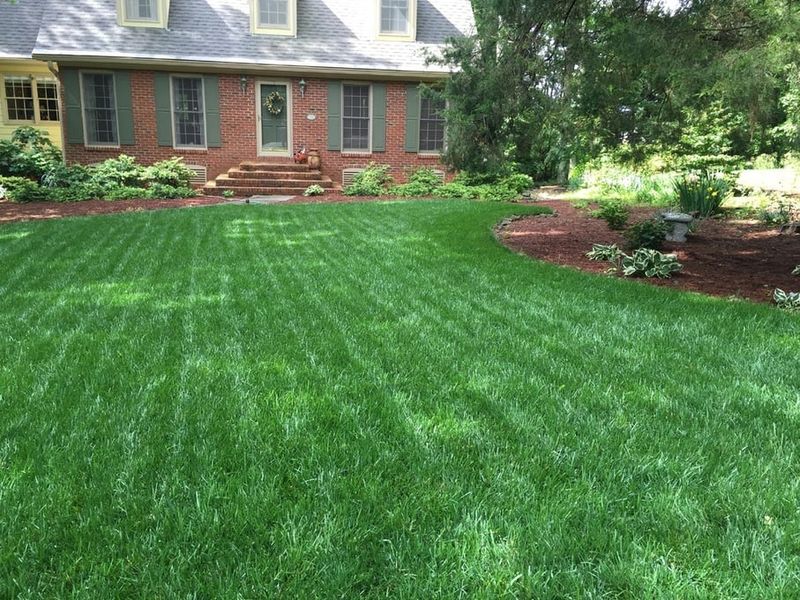
There is a reason experienced Florida landscapers do not scalp their lawns heading into summer. Taller grass acts like a natural umbrella for the soil underneath it.
Those extra inches of blade create shade that keeps the ground cooler and dramatically slows down the rate at which moisture evaporates from the surface.
Florida soil, especially sandy soil common across much of the state, drains and dries out quickly. Any help you can give it in retaining water means your lawn needs less irrigation, which saves money and supports deeper, more independent root growth.
Taller grass is one of the easiest ways to provide that help.
Research supported by UF/IFAS shows that properly maintained turfgrass height can reduce soil surface temperatures significantly compared to closely mowed turf. That cooler, more stable environment at ground level makes it easier for grass roots to stay active and healthy even when the air temperature climbs into the nineties.
Letting your grass grow to its recommended height range instead of trimming it to the lowest acceptable level is a small shift in habit. But in a Florida summer, that small shift translates into real, visible results when neighboring lawns start showing signs of heat stress.
4. Build Deeper Roots Before Extreme Heat Arrives
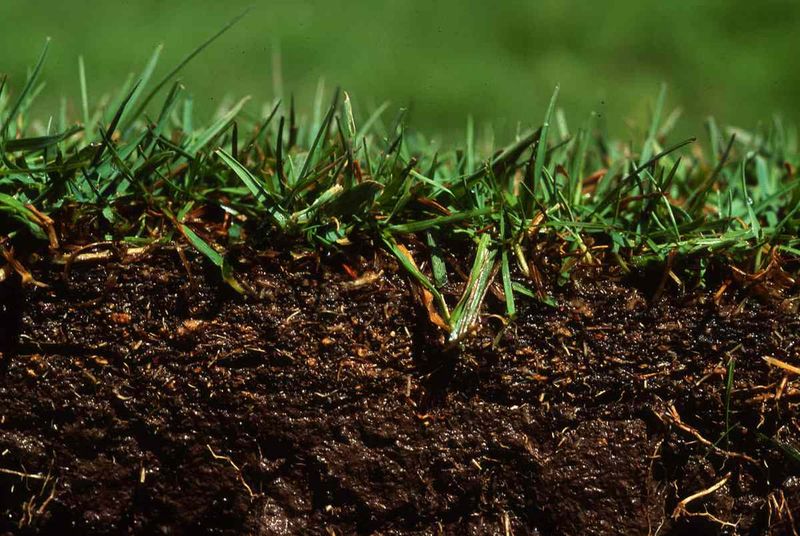
Underground is where the real work of summer survival happens. A lawn with shallow roots has almost no buffer when the heat and dry spells hit, but a lawn with deep, well-established roots can pull moisture from lower in the soil and stay greener far longer without extra watering.
Proper mowing height plays a direct role in how deep those roots grow. Grass that is consistently cut too short is forced to use its energy regenerating blades rather than pushing roots deeper into the ground.
Over time, this creates a lawn that looks fine on the surface but is actually quite fragile underneath.
UF/IFAS Extension guidance emphasizes that maintaining the correct mowing height encourages stronger root development across all common Florida grass types, including St. Augustine, Bahia, and Zoysia. March is the ideal time to start building that root depth because the grass is actively growing but not yet under summer stress.
Pair the right mowing height with deep, infrequent watering sessions and you create the best possible conditions for roots to reach down into the soil. Come July, that deeper root system becomes your lawn’s most important defense against Florida’s relentless summer heat.
5. Avoid Scalping Damage That Weakens Florida Lawns Fast
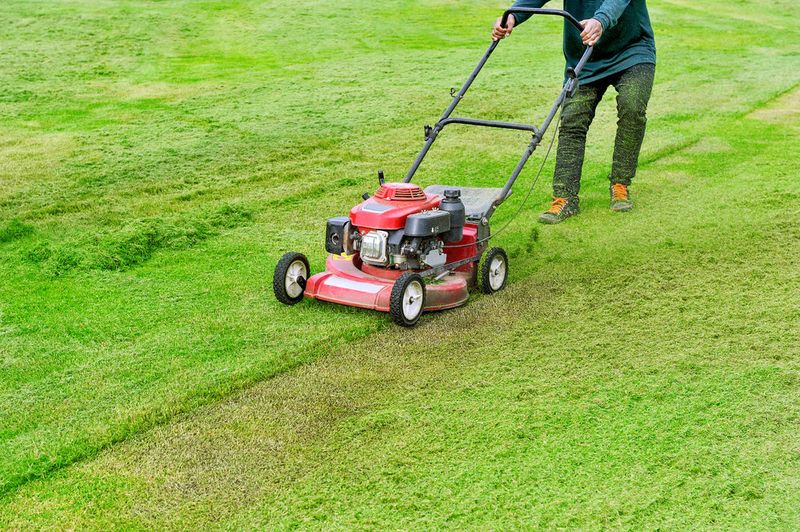
Scalping is one of those lawn mistakes that looks harmless in the moment but creates a cascade of problems that can last for weeks. Cutting grass so short that the soil or stem is exposed removes the green leaf tissue the plant needs for photosynthesis and leaves the lawn looking brown, patchy, and stressed almost immediately.
Florida’s intense spring and summer sun makes scalping especially damaging. Without leaf cover, the exposed soil heats up rapidly and dries out fast.
Weeds take advantage of the bare spots quickly, and the weakened grass has a much harder time recovering before the heat of summer adds even more pressure.
Some homeowners scalp their lawns intentionally in early spring thinking it will promote fresh growth. For some grass types and under very specific conditions, light scalping can have a role, but it should never be done casually or without understanding your specific grass type and current lawn health.
Getting it wrong in March can leave your lawn vulnerable heading into the toughest months of the year.
The safer approach is always to stay within the recommended height range for your grass type and avoid dramatic cuts that shock the turf. Consistent, moderate mowing protects your lawn far better than drastic corrections.
6. Keep Mower Blades Sharp For A Cleaner Healthier Cut
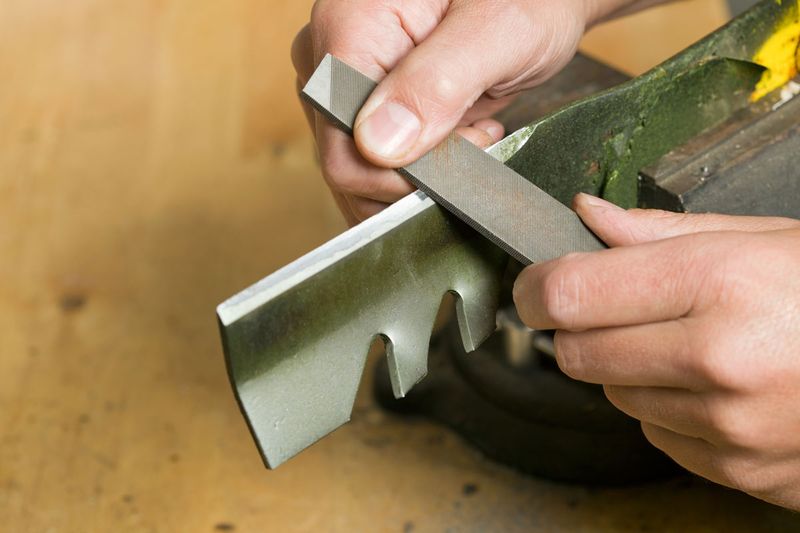
A sharp mower blade slices through grass cleanly, leaving a smooth, even tip that heals quickly and stays green. A dull blade does something completely different.
Instead of cutting, it tears and shreds the grass, leaving ragged ends that turn brown and create entry points for fungal diseases and other problems.
In Florida’s warm, humid climate, those ragged tips are not just an aesthetic issue. They can become starting points for lawn diseases that spread quickly once temperatures and humidity climb.
Keeping your blades sharp is one of the simplest preventive steps you can take before summer stress season begins.
Lawn care professionals generally recommend sharpening mower blades at least once or twice per season, and more often if you are mowing frequently or covering a large area. March is a logical time to sharpen up or replace worn blades because the grass is actively growing and regular mowing sessions are picking back up.
You do not need professional equipment to sharpen a mower blade. Many hardware stores offer sharpening services for just a few dollars.
A sharp blade also makes mowing easier on your mower engine, which extends the life of your equipment. It is a small maintenance step with outsized benefits for your Florida lawn.
7. Adjust Your March Routine For St Augustine Bahia Or Zoysia
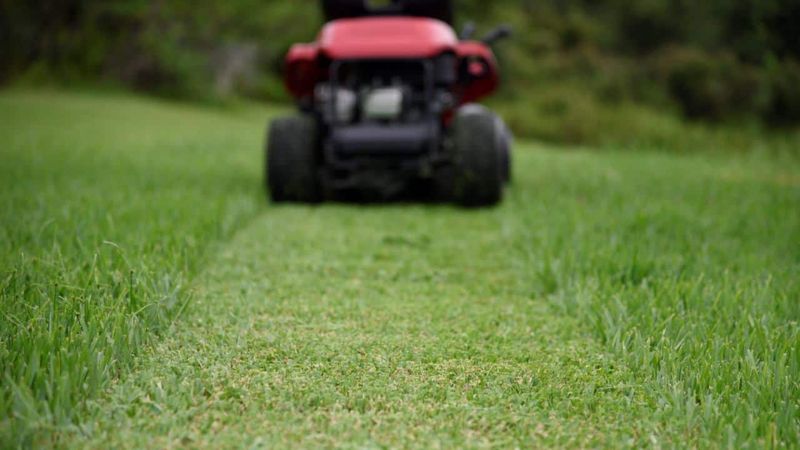
Florida lawns are not a one-size-fits-all situation. The state is home to several popular grass types, and each one has its own preferred mowing height and growth habits.
Treating them all the same way is one of the most common mistakes Florida homeowners make heading into summer.
St. Augustine grass, the most widely used turf in Florida, generally performs best when kept between three and a half and four inches tall during the warmer months. That extra height helps it handle shade, heat, and the occasional dry spell.
Cutting it shorter than three inches regularly puts it at a real disadvantage once summer arrives.
Bahia grass is tougher and more drought-tolerant by nature, and it is commonly found in North and Central Florida. UF/IFAS recommends keeping Bahia at three to four inches for best performance.
Zoysia grass, which is denser and slower growing, typically does well at one to two and a half inches depending on the variety, making it one of the lower-maintenance options for Florida yards.
Knowing your grass type before adjusting your mowing routine in March makes a real difference. A quick check with your local UF/IFAS Extension office can confirm exactly what you have and what height range will serve it best through the summer ahead.
8. Set Your Lawn Up Now For A Greener Less Stressed Summer
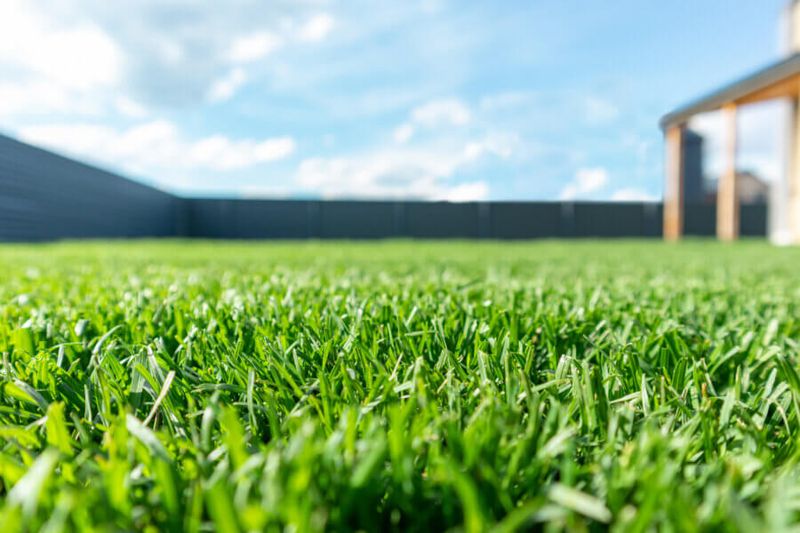
Everything you do in March shows up later in July and August. That is just how Florida lawns work.
The spring months are when your grass is building the strength, root depth, and resilience it will need to get through months of intense heat, humidity, and unpredictable rainfall patterns.
Raising your mowing height, following the one-third rule, keeping your blades sharp, and understanding your specific grass type are not complicated tasks. None of them require expensive products or professional equipment.
They are practical, accessible habits that any homeowner can adopt right now before the heat arrives.
Homeowners who make these adjustments in March often notice real differences by midsummer. Their lawns tend to stay greener longer between rain events, show fewer bare or brown patches, and require less supplemental watering than lawns that were not prepared properly in spring.
That translates directly into lower water bills and less frustration during the hottest part of the year.
Florida summers are not going to get easier, but your lawn does not have to suffer through them. A few smart moves this March, starting with something as simple as raising your mower deck, can make the difference between a lawn you are proud of and one you are constantly trying to rescue.
Start now and stay ahead of the heat.