Florida Native Plants To Add To Your Garden This April
April in Florida has a rhythm of its own. The days are getting longer, the soil is warming up, and yards start calling for a little attention after the cooler months.
It’s that time when many homeowners head to garden centers looking for something fresh to plant, only to end up with choices that struggle once the heat settles in. Native plants offer a different path.
They’re already adapted to Florida’s conditions, which means they settle in faster and tend to need less fuss along the way. For anyone who wants a yard that looks good without constant upkeep, this is a smart moment to rethink what goes in the ground.
A few well-chosen additions right now can shape how your garden performs through the months ahead, even as summer heat builds quickly.
1. Pickerel Weed For Bold Pondside Color
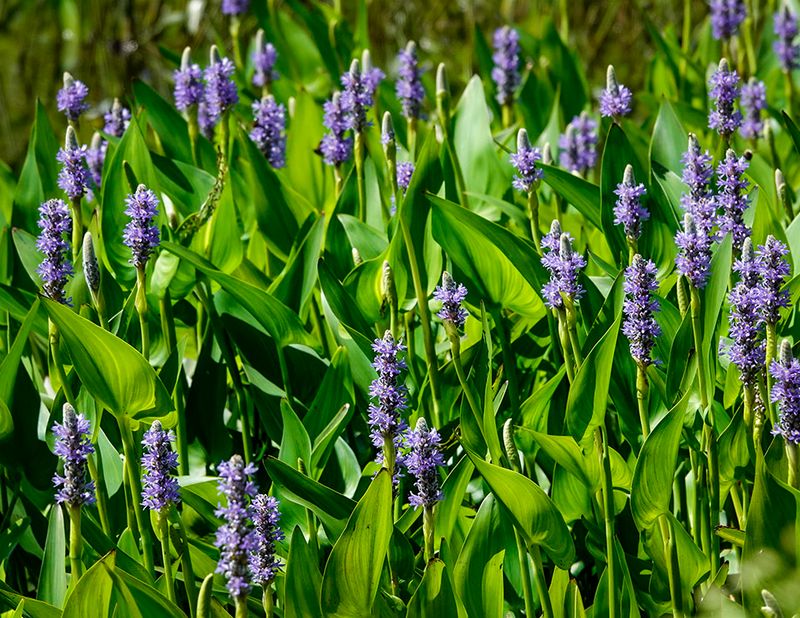
Right at the water’s edge, Pickerel Weed stands tall with striking purple flower spikes that seem to glow in the Florida sunshine. This native aquatic plant, known scientifically as Pontederia cordata, is a favorite among gardeners who have ponds, rain gardens, or boggy low-lying areas in their yards.
April is a great time to get it in the ground, as warming temperatures encourage fast, healthy growth.
Pickerel Weed thrives in shallow water or consistently moist soil, making it a natural fit for Florida’s many wetland-style landscapes. The glossy, heart-shaped leaves add texture and visual interest even when the plant is not in bloom.
Best of all, the bright purple flowers attract bees, butterflies, and even hummingbirds throughout the warm season.
Beyond its beauty, this plant plays an important role in the local ecosystem. It provides shelter for small aquatic creatures and helps filter water naturally.
Birds love to snack on the seeds in late summer and fall. If you want a low-maintenance plant that works hard for Florida’s wildlife while looking stunning in your garden, Pickerel Weed is a fantastic choice to plant this April.
2. Beautyberry With Its Eye-Catching Purple Berries
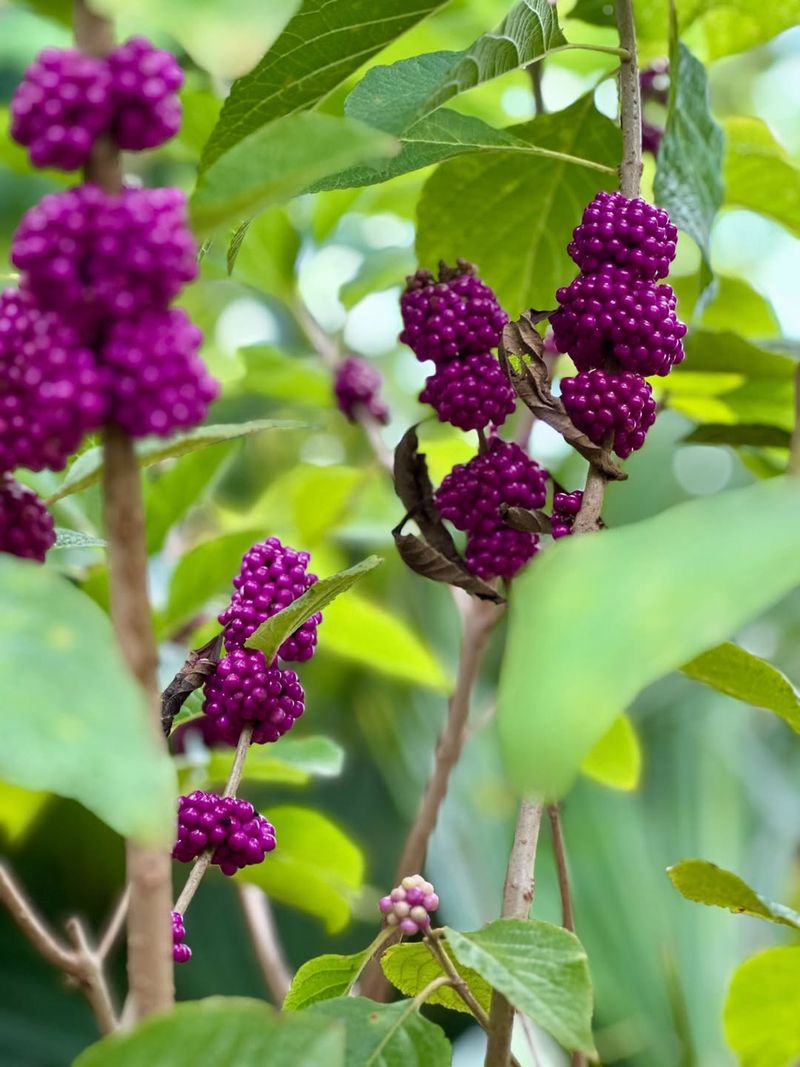
Few plants in Florida can match the jaw-dropping visual punch of Beautyberry in full fruit. Callicarpa americana is famous for its clusters of vivid magenta-purple berries that wrap tightly around the stem like strings of tiny jewels.
While the berries appear later in the season, planting in April gives this shrub plenty of time to establish strong roots before the show begins.
Beautyberry is wonderfully adaptable. It grows well in full sun or partial shade and tolerates a wide range of soil conditions, which makes it one of the easiest native shrubs to grow across Florida.
Once established, it handles drought surprisingly well and rarely needs extra fertilizer or fussing over. Gardeners who want results without constant effort will appreciate how little this plant demands.
Wildlife absolutely love Beautyberry. Cardinals, mockingbirds, and other native birds flock to the berries in fall and winter, making your yard a busy hub of natural activity.
White-tailed deer and foxes also enjoy the fruit. As a bonus, the leaves contain natural compounds that have historically been used as an insect repellent.
Beautyberry is truly one of Florida’s most rewarding native plants to grow.
3. Coontie For Easy, Low-Maintenance Greenery
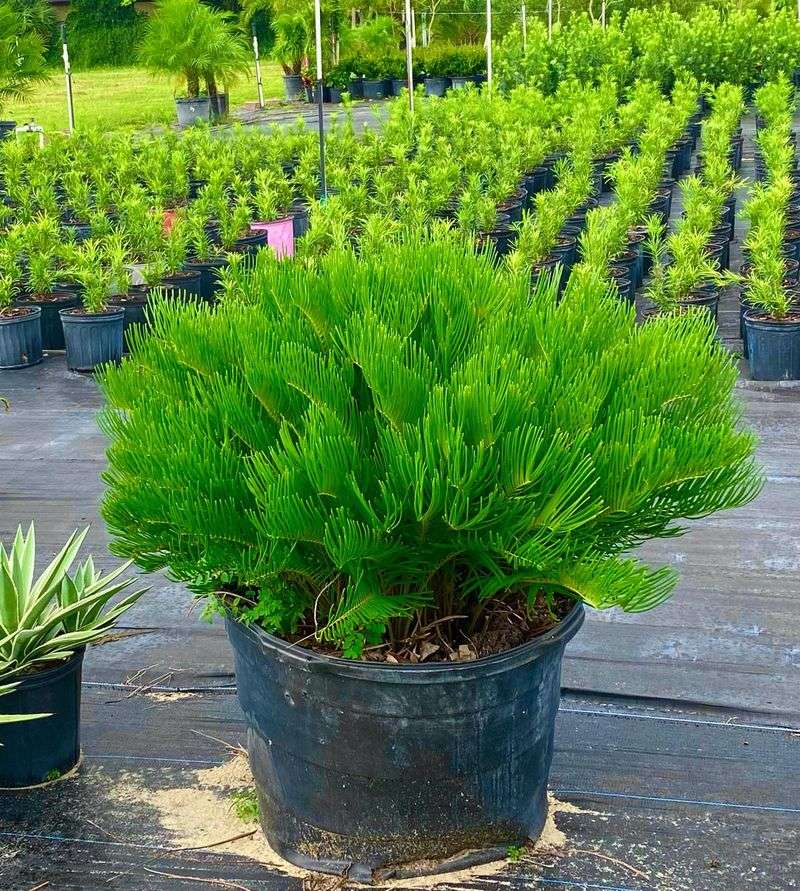
Long before Florida became a state, Coontie was already an essential part of the landscape. Zamia integrifolia is Florida’s only native cycad, a prehistoric plant group that has been around for millions of years.
Its dark green, fern-like fronds give it an elegant, tropical appearance that fits perfectly in both formal and naturalistic Florida gardens.
One of the best things about Coontie is its incredible toughness. It adapts to full sun, partial shade, or deep shade, and it tolerates sandy, well-drained soils with ease.
Once established, it is highly drought-tolerant and requires almost no maintenance. For Florida gardeners who want a reliable, handsome groundcover or accent plant, Coontie is hard to beat.
Ecologically, Coontie holds a very special place in Florida’s native landscape. It is the only known host plant for the Atala butterfly, a stunning species that was once thought to be nearly gone from Florida but has made a strong comeback thanks in large part to Coontie plantings.
By adding Coontie to your garden this April, you are directly supporting the recovery of this beautiful butterfly and contributing to a healthier local ecosystem. That is a pretty powerful reason to plant one.
4. Muhly Grass That Steals The Show In Fall
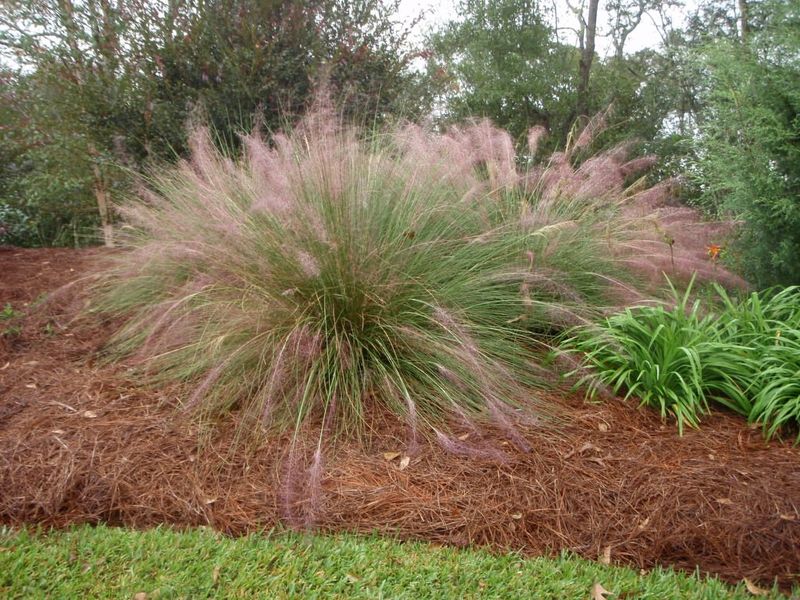
Imagine a soft, rosy cloud floating just above the ground in your Florida garden. That is exactly what Muhly Grass looks like when it blooms.
Muhlenbergia capillaris produces airy, feathery plumes in shades of pink and purple that seem to shimmer in the breeze. Planting in April gives this ornamental grass the whole growing season to establish before its spectacular fall bloom.
Muhly Grass is built for Florida’s tough conditions. It thrives in full sun and sandy, well-drained soil, asking for very little water once it gets going.
It handles heat, humidity, and coastal conditions without complaint, which makes it a standout performer across much of the state. Maintenance is minimal since a light trim in late winter keeps it looking tidy and encourages fresh new growth.
Beyond its visual appeal, Muhly Grass provides real ecological value. The dense clumps offer shelter for small birds and ground-nesting insects, while the seeds attract finches and sparrows during cooler months.
It also works beautifully as a border plant, a mass planting, or a striking accent next to walkways and driveways. Few plants deliver such dramatic seasonal beauty with so little effort, making Muhly Grass a must-have for any Florida native garden.
5. Coreopsis Bringing Bright, Sunny Blooms
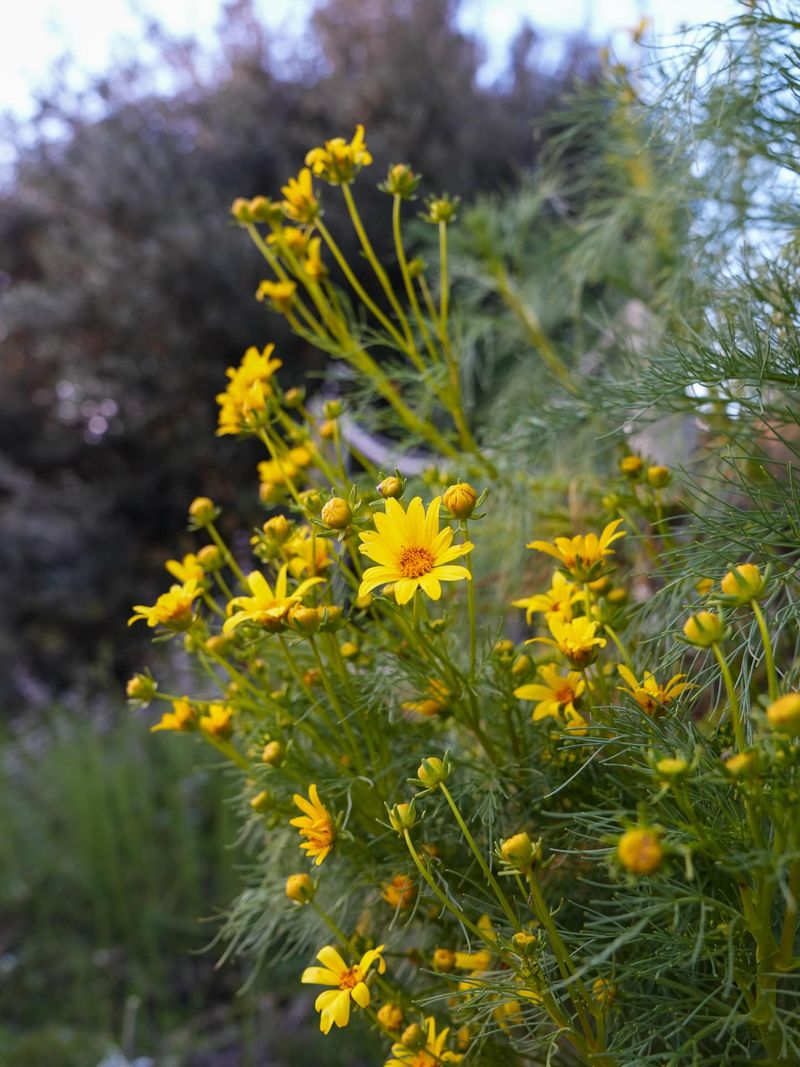
There is a reason Coreopsis is Florida’s official state wildflower. Coreopsis species, often called tickseed, produce cheerful, bright yellow blooms that light up roadsides, meadows, and gardens from spring through fall.
Planting it in April means you could be enjoying those sunny flowers in just a matter of weeks, right when your outdoor spaces need the most color.
Coreopsis is one of the most adaptable wildflowers you can grow in Florida. It thrives in full sun and tolerates everything from moist soils to dry, sandy conditions.
It self-seeds freely, meaning once you plant it, it tends to come back year after year with very little help from you. For gardeners who want a low-maintenance burst of color, Coreopsis is a dream come true.
Pollinators go wild for Coreopsis. Bees, butterflies, and beetles all visit the flowers regularly, making it a vital resource in any Florida pollinator garden.
The plant also pairs beautifully with other natives like Muhly Grass and Gaillardia, creating layered, naturalistic plantings that look like they belong in the Florida landscape. Whether you plant it in a container, a flower bed, or a wildflower meadow, Coreopsis never disappoints.
6. Gaillardia That Thrives In Heat And Sand
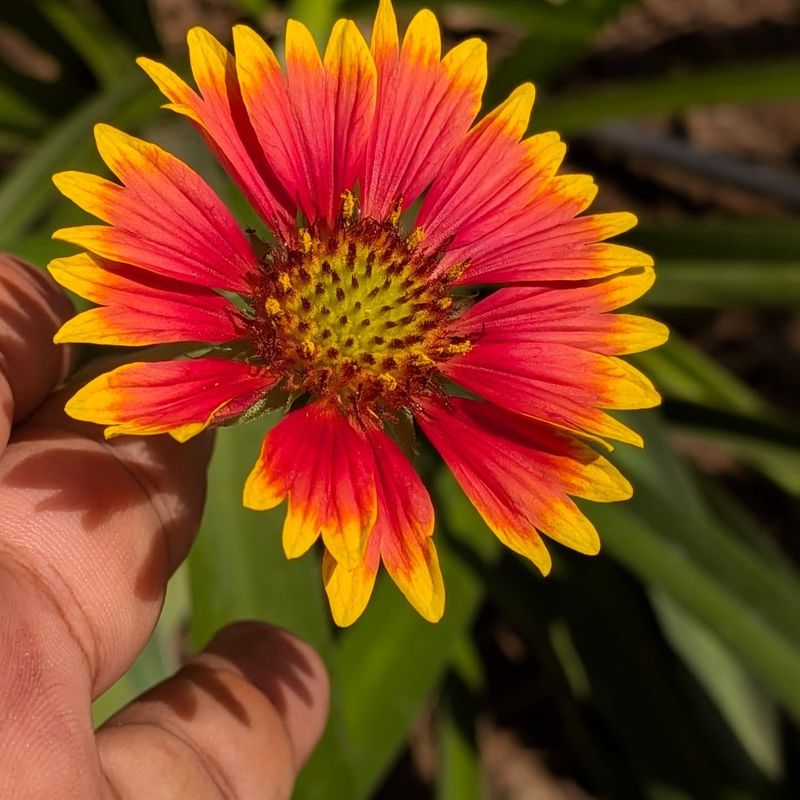
Bold, fiery, and nearly impossible to ignore, Gaillardia brings serious energy to any Florida garden. Also called blanket flower, Gaillardia pulchella produces large, daisy-like blooms in blazing combinations of red, orange, and yellow that look like tiny sunsets.
April planting allows the plant to settle in before the intense Florida summer heat arrives, setting it up for months of vibrant flowering.
Drought tolerance is one of Gaillardia’s greatest strengths. Once established in well-drained, sandy soil with plenty of sun, it can go long stretches without supplemental watering.
That makes it a perfect fit for Florida’s increasingly dry spring and summer periods. It also thrives in coastal gardens where salt spray and sandy soil challenge many other plants.
Pollinators absolutely flock to Gaillardia’s bright blooms. Bumblebees, sweat bees, and a wide variety of butterfly species visit the flowers throughout the growing season.
The plant also produces seeds that attract goldfinches and other small birds in late summer. Deadheading spent flowers encourages even more blooms, but honestly, Gaillardia performs well even without much intervention.
If you are looking for a tough, colorful, wildlife-friendly native plant for your Florida garden this April, Gaillardia belongs at the top of your list.
7. Firebush That Hummingbirds Can’t Resist
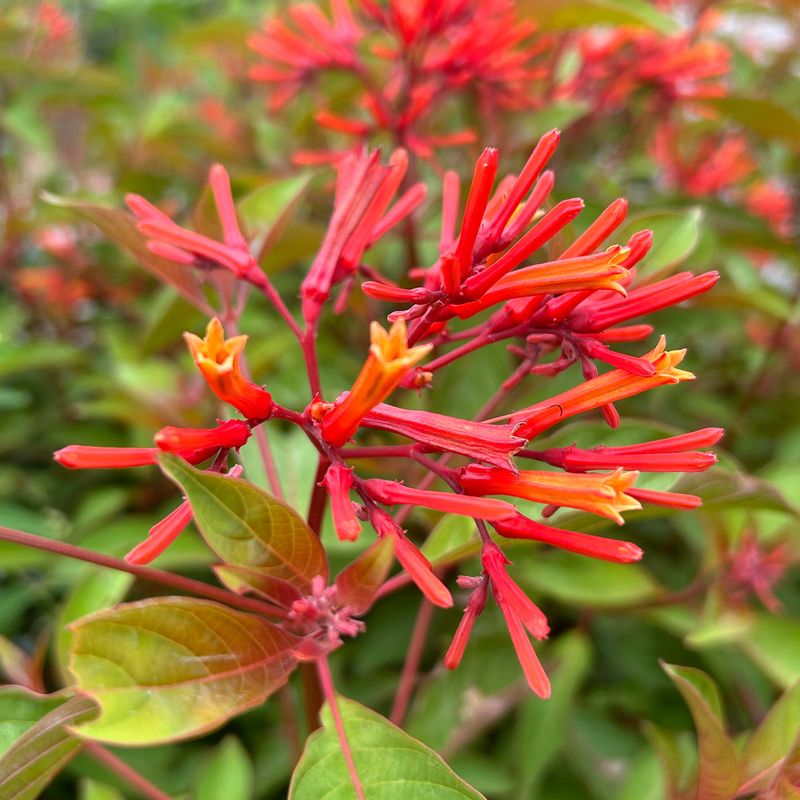
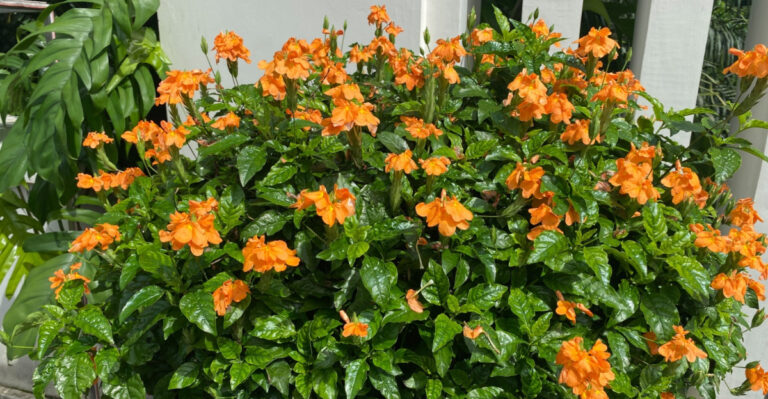
Walk past a Firebush in full bloom and you will understand exactly how it got its name. Hamelia patens lights up the Florida landscape with clusters of brilliant orange-red tubular flowers that seem to burn with color from late spring all the way through fall.
Hummingbirds appear almost immediately after the first flowers open, making this one of the most exciting plants to watch in a Florida garden.
Firebush is a fast-growing perennial shrub that handles Florida’s heat and humidity with ease. It performs best in full sun but tolerates partial shade and adapts to a range of soil types, including the sandy, nutrient-poor soils common throughout much of Florida.
Planting in April gives it a strong head start before the hottest months arrive, and you can expect impressive growth throughout the season.
Beyond hummingbirds, Firebush attracts butterflies by the dozen, including zebra longwings and gulf fritillaries. Small birds also enjoy the dark berries that follow the flowers in late summer.
The plant can grow quite large, reaching up to ten feet in frost-free areas of South Florida, so give it room to spread. For gardeners in Central and North Florida, it works wonderfully as a seasonal perennial that returns reliably each spring.
8. Fakahatchee Grass For A Soft, Natural Look
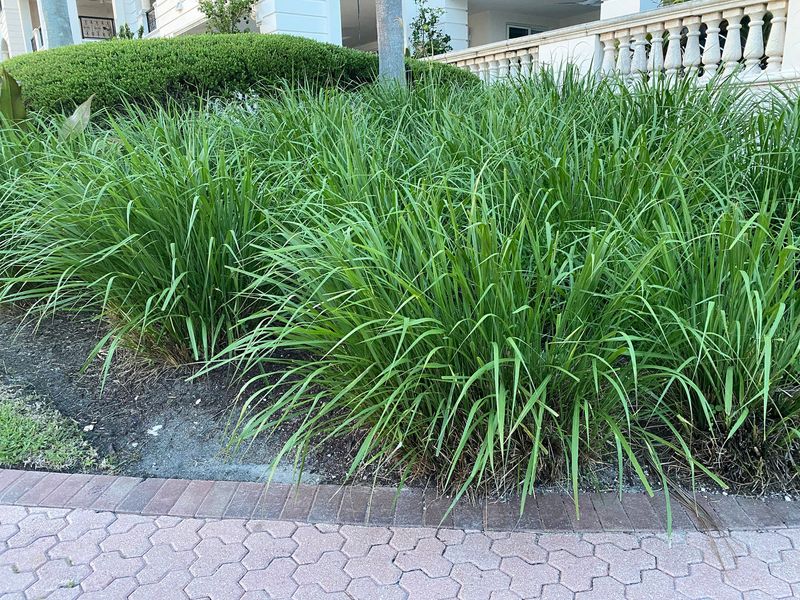
Named after the wild and beautiful Fakahatchee Strand in Southwest Florida, this native grass brings a sense of tropical lushness to any garden setting. Tripsacum dactyloides, commonly called Fakahatchee Grass or Eastern Gamagrass, grows in graceful, fountain-like clumps with long, arching green blades that move elegantly in the breeze.
It is a plant that makes a bold statement without needing to shout.
One of its standout qualities is its flexibility. Fakahatchee Grass grows well in both sun and shade, and it handles moist to wet soils particularly well, making it an excellent choice for rain gardens, pond edges, or low-lying areas of Florida yards that stay damp after heavy rains.
It is also tolerant of periodic flooding, which is a real advantage in Florida’s unpredictable weather.
Wildlife benefit greatly from this grass. The seeds are a reliable food source for birds, and the dense clumps provide excellent nesting cover for ground-dwelling species.
Fakahatchee Grass also serves as a larval host plant for several native skipper butterflies, adding yet another layer of ecological importance. For Florida gardeners who want a low-maintenance, high-impact native grass that supports local biodiversity, planting Fakahatchee Grass this April is a truly rewarding choice.
9. Spiderwort With Delicate, Daily Blooms
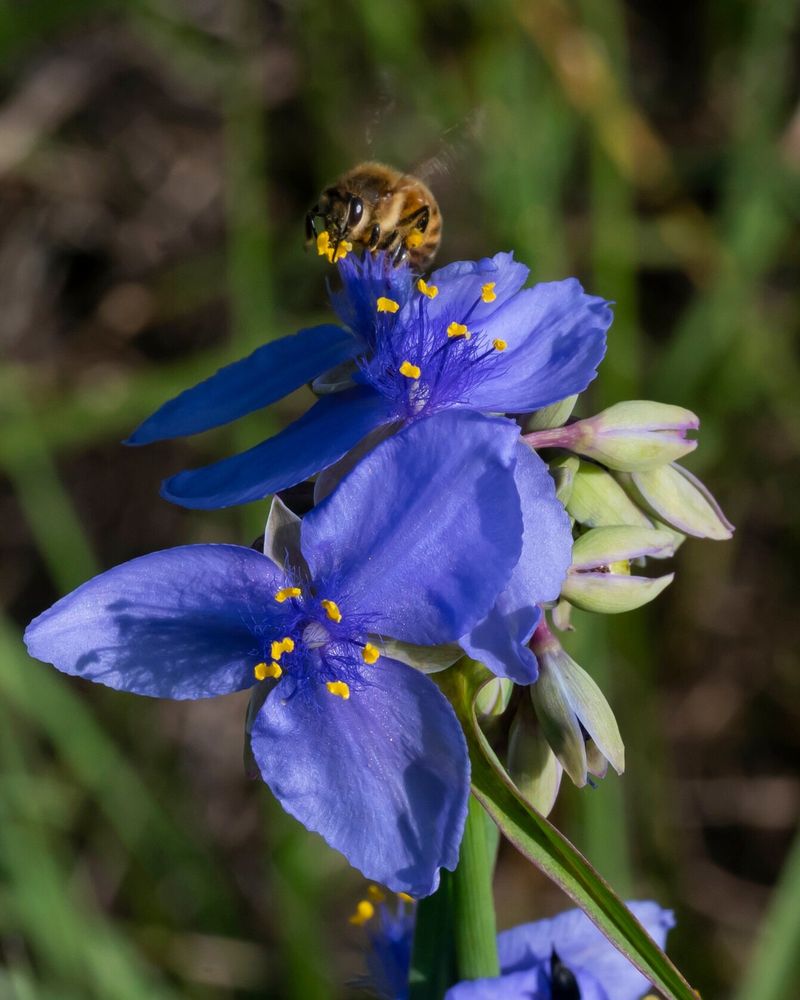
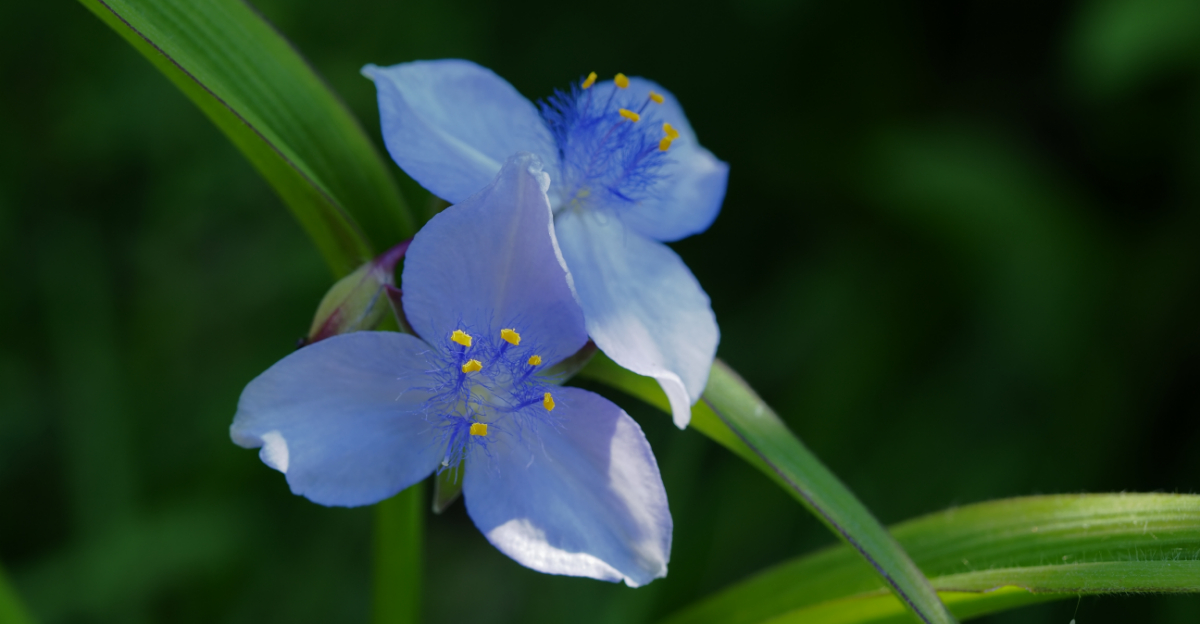
Early risers in Florida gardens are often treated to the charming sight of Spiderwort in bloom. Tradescantia ohiensis opens its bright purple, three-petaled flowers in the morning and closes them by midday, giving it a fleeting, almost magical quality that keeps gardeners coming back for a closer look day after day.
April is a wonderful time to plant it, as the mild conditions encourage quick establishment.
Spiderwort is impressively adaptable across Florida. It grows in full sun, partial shade, or even fairly heavy shade, and it tolerates both moist and moderately dry soils.
The long, slender leaves and upright growth habit make it a graceful addition to naturalistic garden beds, woodland edges, or shaded borders. It spreads gradually over time, filling in gaps and creating lush, informal drifts of color.
From an ecological standpoint, Spiderwort is a valuable early-season resource for native bees, especially bumblebees, which are among its most enthusiastic visitors. The plant also self-seeds gently, so once established, it tends to maintain a presence in the garden with minimal effort on your part.
Its quirky name reportedly comes from the way its sap stretches into thin, web-like strands when a stem is broken. Florida gardeners who appreciate plants with personality will love adding Spiderwort to their April planting list.