5 Florida Native Plants You’re Pruning Wrong And How To Fix It
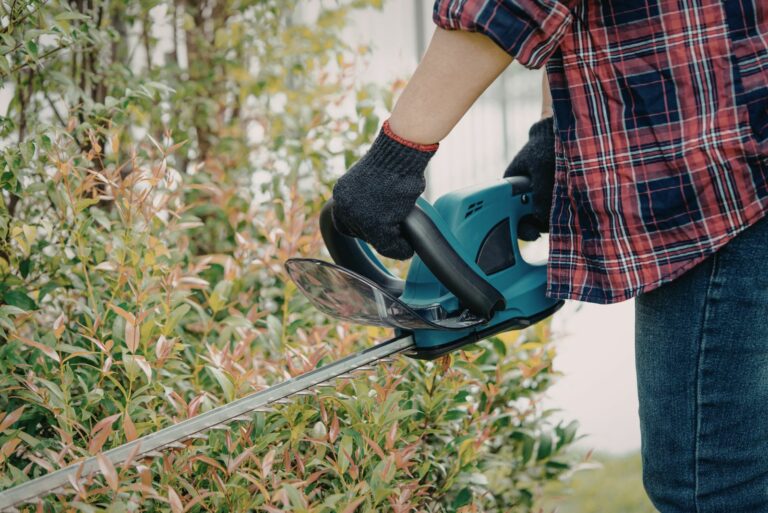
You might think your yard looks neat after a weekend trim, but many Florida native plants are quietly paying the price. Boxed hedges, flat tops, and constant shaping look tidy, yet they strip away flowers, berries, and wildlife value.
Birds lose food, pollinators lose nectar, and plants lose the chance to grow the way nature designed them to grow. The worst part is that most damage happens with good intentions and common habits passed down for years.
A few simple changes can turn stressed shrubs into thriving landscape stars. Better pruning means stronger growth, more blooms, richer color, and far less maintenance.
It also means a yard that works with Florida’s climate instead of fighting it. If you want healthier natives, more butterflies, and a landscape that finally looks alive, it starts with knowing which plants are being cut wrong.
1. That Clean Winter Cut Is The Beautyberry Problem
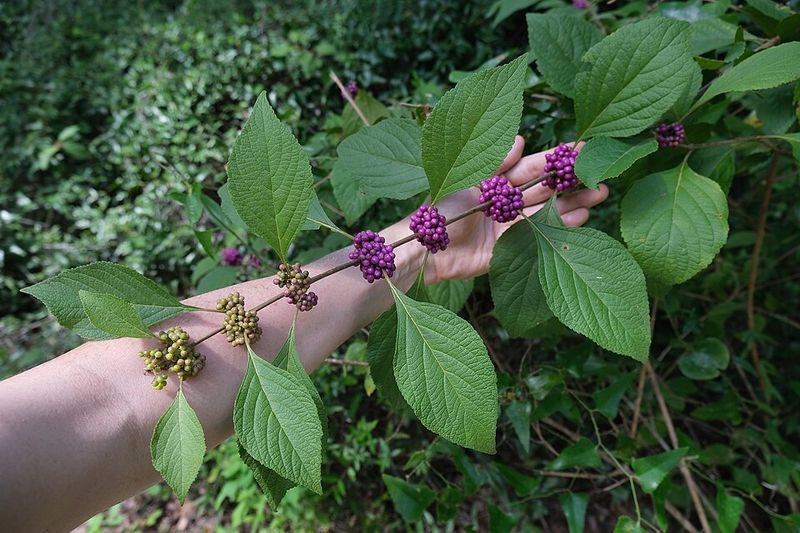
Walk through any Central Florida yard in late winter and you’ll see the same thing: beautyberry shrubs trimmed into tight mounds or sheared flat across the top.
Homeowners think they’re tidying up, but what they’re actually doing is cutting off all the stems that would produce berries later in the year.
Beautyberry blooms on new wood, which sounds like it should handle heavy pruning just fine, but the timing matters more than the technique.
When you shear beautyberry into a formal shape, you’re forcing it to spend energy rebuilding structure instead of flowering. The plant responds by pushing out lots of leafy growth lower down, but repeated shearing delays and disrupts flowering, which reduces berry production later in the season.
In South Florida, where the growing season stretches longer, you might see some recovery, but in North Florida, late pruning means no berries at all.
Instead of shearing, wait until late February or early March and selectively remove about one third of the oldest stems at ground level. In South Florida, this can be done a few weeks earlier because of the longer growing season.
This opens up the center, encourages fresh growth, and keeps the natural arching form intact. You’ll notice thicker, healthier stems and way more berries by fall.
If your beautyberry looks overgrown or leggy, you can cut the whole thing back hard in late winter, but only do that every few years. The plant will rebound fast as temperatures warm, and by summer you’ll see new shoots covered in flower buds.
That’s the difference between working with the plant’s rhythm and fighting it every season.
2. Why Firebush Performs Better Without Hedge Trimmers
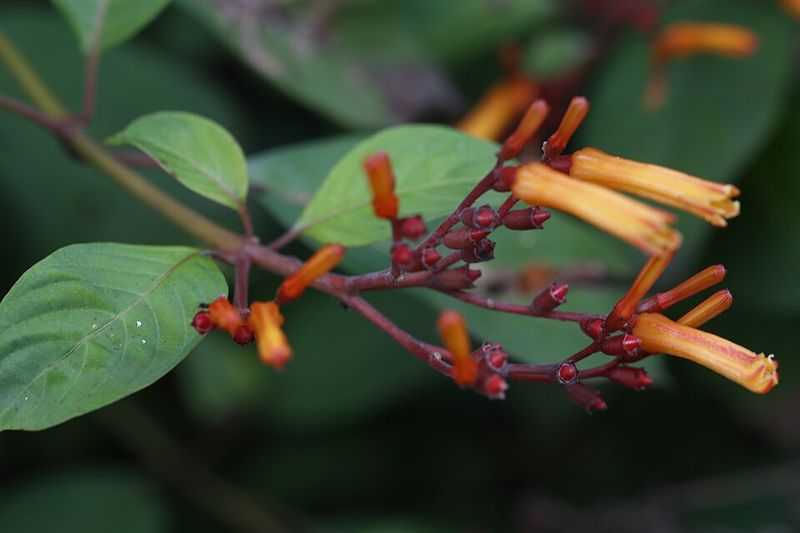
Firebush grows fast, and that’s exactly why so many people grab the hedge trimmer and box it into submission. You see it everywhere: firebush planted along a fence line or foundation, then sheared into flat rectangles like it’s a privet hedge.
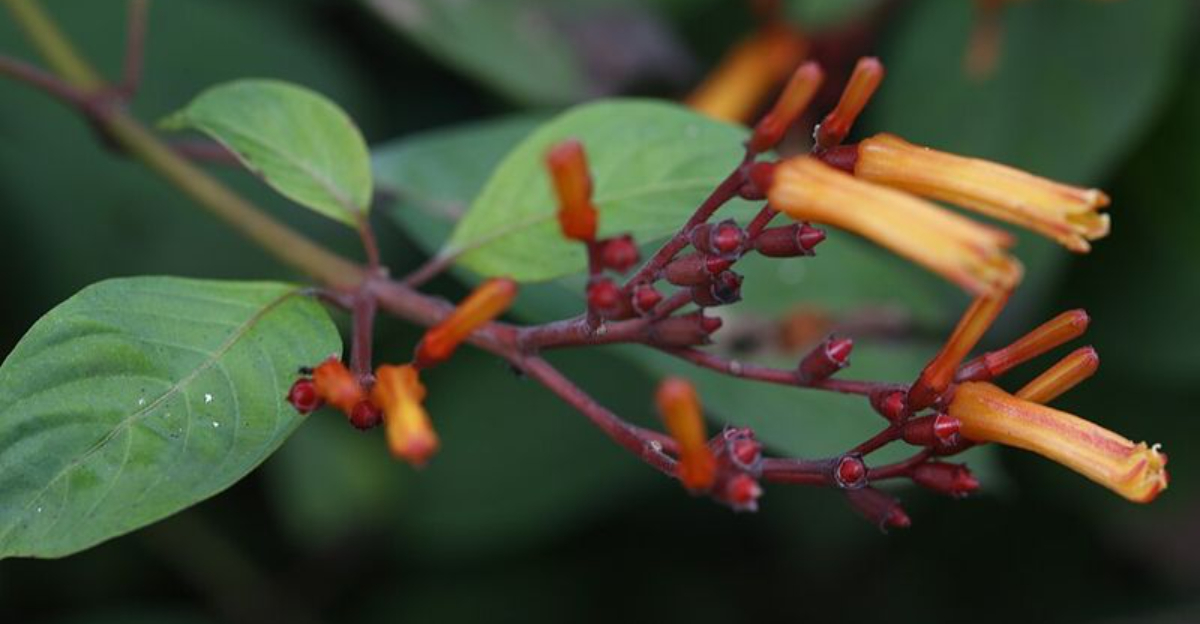
The problem is that firebush blooms at the tips of its branches, so every time you shear it, you’re removing the flowers that hummingbirds and butterflies depend on.
Constant shearing also weakens the plant over time. Firebush responds to cuts by sending out dense clusters of thin shoots, and those shoots don’t harden off properly before cooler weather arrives in North and Central Florida.
When a cold snap hits, all that soft new growth gets damaged, and you end up with a brown, ratty looking shrub that takes weeks to recover. This problem is especially common with tropical firebush varieties that are less cold tolerant than the true native form.
The better approach is selective pruning. In late winter or early spring, cut back individual branches to different heights inside the canopy.
This keeps the plant full but allows it to maintain its natural rounded shape and produce flowers continuously through the warm months. In South Florida, where firebush stays evergreen, you can prune lightly year round without much risk.
After a few months of selective pruning, you’ll see way more blooms and pollinators. The plant looks softer, fuller, and more like it belongs in a Florida landscape instead of a suburban office park.
If your firebush has been sheared for years, it might take a season or two to reshape, but the payoff in flowers and wildlife activity is worth the patience.
3. Coontie Grows Slowly And Pruning Makes It Worse
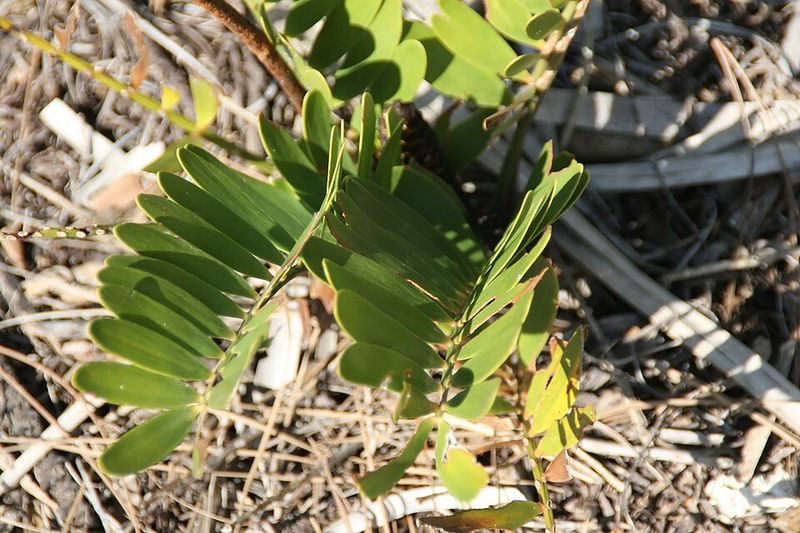
Coontie is one of those plants people assume needs regular trimming because the fronds start looking a little ragged after a while. So they grab the pruners and cut everything back to make it look neat again.
But coontie is a cycad, not a shrub, and it doesn’t respond to pruning the way most plants do. Every frond you remove is one the plant worked hard to produce, and cutting them off unnecessarily stresses the whole plant.
Coontie grows slowly, and it only produces a few new fronds each year. When you remove healthy green fronds just because they’re older or slightly yellowed at the tips, you’re reducing the plant’s ability to photosynthesize and store energy.
That’s especially tough in North Florida, where cooler winters already slow growth. The plant won’t bounce back quickly, and over time, repeated trimming leaves it looking sparse and weak.
The right way to prune coontie is to remove only the fronds that are completely brown or damaged. Use sharp pruners and cut each frond as close to the base as possible without damaging the crown.
Do this any time of year, but avoid removing more than a few fronds at once. Let the plant keep its full crown of healthy foliage.
Once you stop over-pruning, you’ll notice your coontie looks fuller and more vibrant. New fronds emerge in spring and early summer, and the plant develops that classic compact, symmetrical shape without any help.
If you’re patient and let it grow naturally, coontie becomes one of the most low-maintenance natives in your yard.
4. Pretty Shapes But Fewer Berries On Yaupon Holly
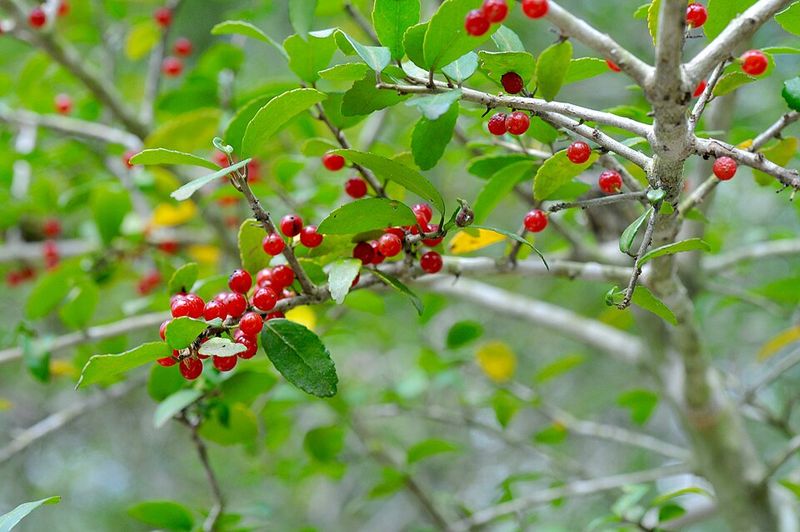
Yaupon holly is tough, adaptable, and forgiving, which is probably why so many people treat it like a hedge and shear it into tight shapes. You see yaupon trimmed into balls, cubes, and flat-topped screens all over Florida.
It tolerates that treatment better than most plants, but just because it survives doesn’t mean it thrives. Shearing removes the small white flowers that appear in spring, and without those flowers, you won’t get the bright red berries that make yaupon such a standout in fall and winter.
Only female yaupon hollies produce berries, and a male plant nearby is required for pollination.
Heavy shearing also creates dense outer growth that blocks light from reaching the interior branches. Over time, the center of the plant becomes bare and woody, and if you ever want to let it grow more naturally, you’re stuck with a hollow shell that takes years to fill in.
In Central and North Florida, where yaupon grows a bit slower, this problem becomes even more noticeable.
Instead of shearing, prune yaupon selectively by thinning out crowded branches and shortening individual stems to maintain shape. Do this in late winter before new growth starts, and avoid cutting into old wood unless you’re rejuvenating an overgrown plant.
This approach keeps the plant dense but allows light and air to reach the interior, which promotes healthier growth and better fruiting.
After switching to selective pruning, you’ll see more berries, better branching, and a plant that looks full from every angle. Yaupon develops a graceful, layered structure when you let it, and it still works as a screen or accent without looking stiff and artificial.
5. Simpson’s Stopper Gets Trimmed Too Often
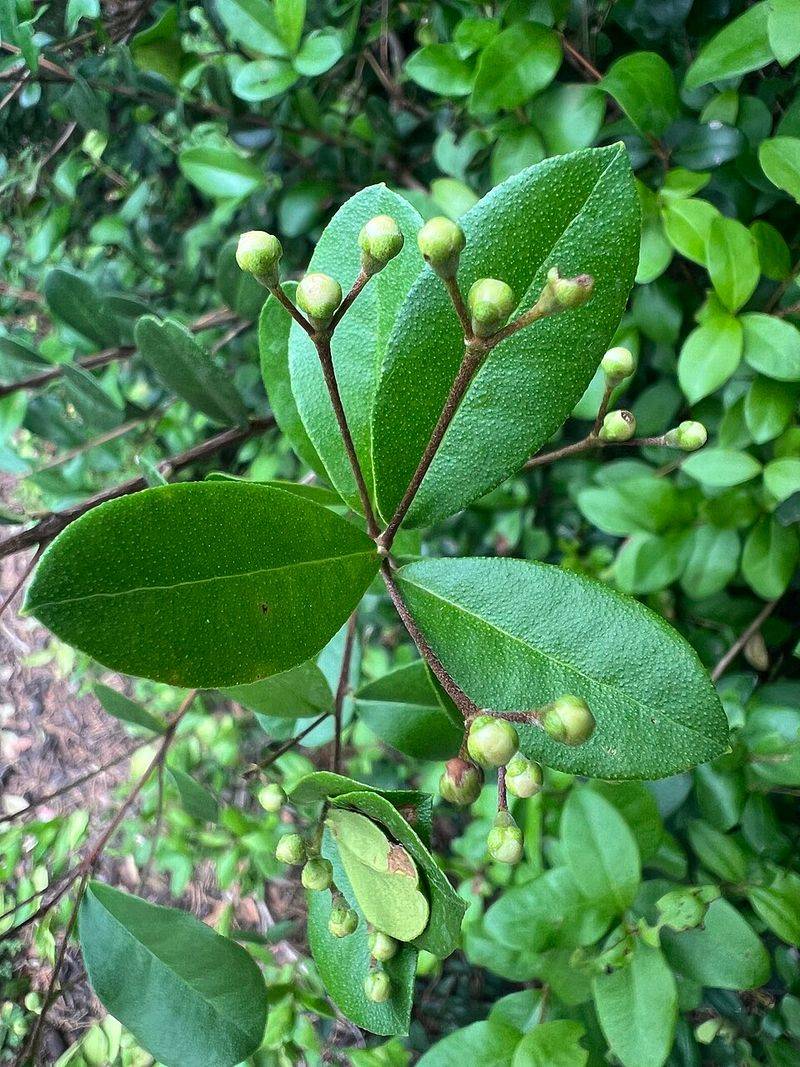
Simpson’s stopper is a beautiful native shrub with glossy leaves and fragrant white flowers, but it often gets pruned like a formal hedge because it grows densely and responds well to shaping. Homeowners and landscapers shear it flat across the top and sides, turning it into a green box that never flowers.
The plant tolerates this, but you’re missing out on the best parts: the blooms that smell like honey and the small fruits that attract birds.
When you shear Simpson’s stopper repeatedly, you’re removing all the branch tips where flower buds form. The plant keeps pushing out new growth, but that growth doesn’t mature enough to bloom before the next round of shearing happens.
In South Florida, where Simpson’s stopper can flower multiple times a year, this is a huge waste. Even in Central Florida, where blooming is more seasonal, shearing eliminates most of the floral display.
The better method is to prune selectively after the main flowering period in late spring or early summer, which allows new growth time to mature before the next bloom cycle. Remove individual branches to control size and shape, but leave enough mature wood to support next year’s blooms.
You can also thin the interior to improve airflow, which helps prevent fungal issues during Florida’s humid summers.
Once you stop shearing and start pruning thoughtfully, Simpson’s stopper transforms into a flowering shrub instead of a green blob. You’ll notice the fragrance first, then the pollinators, then the birds that come for the fruit.
The plant still works as a screen or hedge, but it contributes so much more to your landscape when you let it bloom.