8 Florida Perennials You Should Cut Back In March (And 3 To Leave Alone)
March arrives and Florida gardens suddenly wake up. Fresh growth pops up, beds start filling out again, and many gardeners reach for the pruning shears.
That quick trim can work wonders for some perennials. A well timed cutback often leads to fuller plants and more flowers later in the season.
But here is where many gardens go wrong. Not every perennial wants a spring haircut.
Cut the wrong plant now and it can take weeks to recover. The trick is knowing which plants appreciate a March trim and which ones prefer a little patience.
1. Cut Back Firebush For Fresh Spring Growth
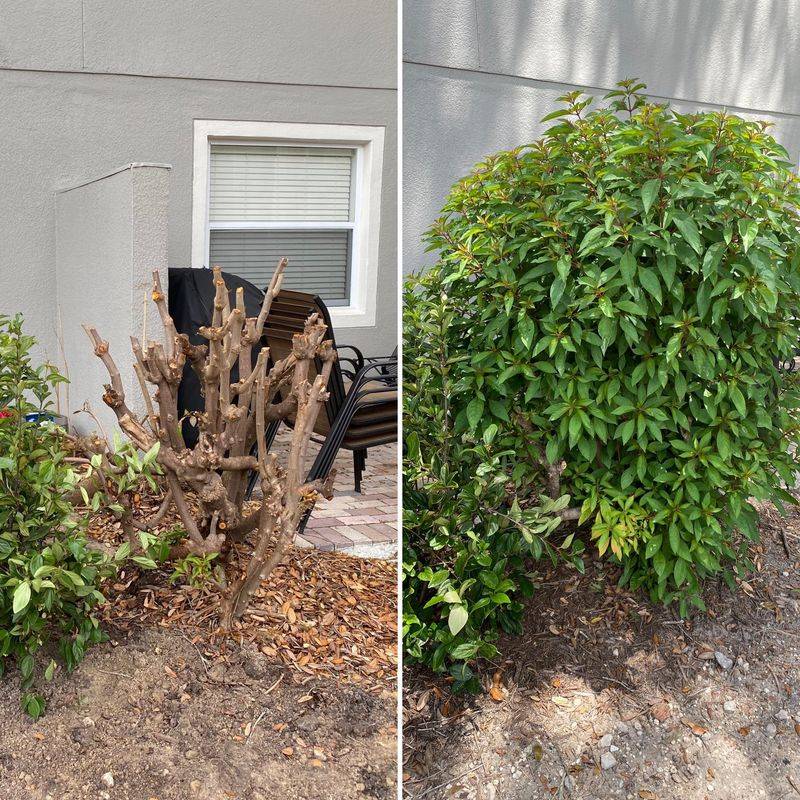
Few plants light up a Florida garden quite like firebush, with its blazing orange-red tubular flowers that attract hummingbirds and butterflies from spring through fall. By the time March rolls around, though, firebush can look pretty rough after a Florida winter.
Woody stems, thinning foliage, and a leggy overall shape are common signs that this plant is ready for a refresh.
Cutting firebush back hard in early March is one of the best things you can do for it. Trim stems back by about one-half to two-thirds, cutting just above a leaf node or healthy bud.
New growth emerges quickly once temperatures rise, and plants that were pruned come back noticeably fuller and more compact than those left untouched.
According to the University of Florida IFAS Extension, firebush is a tough Florida native that responds well to pruning and recovers fast in warm conditions. March gives the plant just enough warmth to push out vigorous new shoots before the heat of summer arrives.
If you skip the cutback, firebush tends to grow tall and sparse rather than bushy and flower-filled. A clean March trim sets the plant up for its best season yet.
2. Trim Pentas To Encourage Bushy Blooms
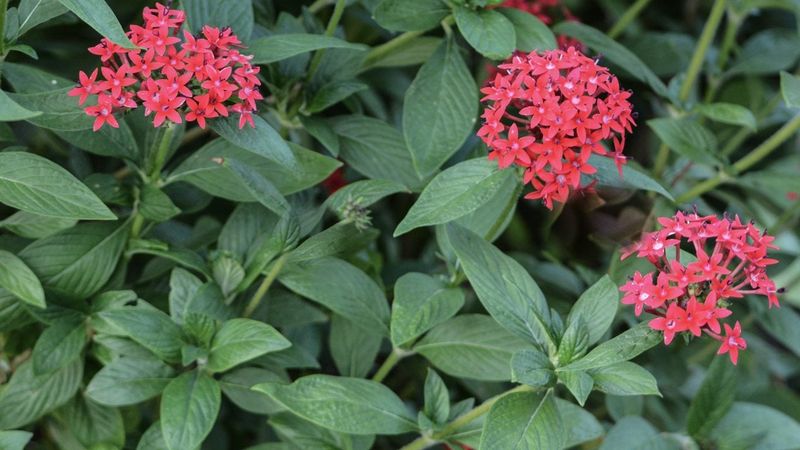
Pentas earns its reputation as a nonstop bloomer in Florida landscapes, feeding butterflies and other pollinators along the way. After a long winter, though, pentas plants often look stretched out, with long bare stems and fewer flower clusters than they had during peak season.
March is the perfect time to fix that.
Trimming pentas back by about one-third encourages the plant to branch out rather than keep growing tall and lanky. Each cut stem responds by sending out multiple new side shoots, which means more branch tips and, ultimately, far more flowers.
Use clean, sharp pruning shears and cut just above a set of leaves for the best results.
Florida gardeners in all regions can benefit from a March pentas trim, since the warming temperatures give plants plenty of energy to bounce back fast. Fertilizing lightly after pruning helps fuel that new growth.
Pentas prefers full sun and well-drained soil, which are both easy to provide in most Florida landscapes. The reward for a few minutes of trimming is a plant that looks polished, stays compact, and produces colorful blooms reliably all the way through the warm season.
3. Prune Blue Daze To Refresh Spring Color
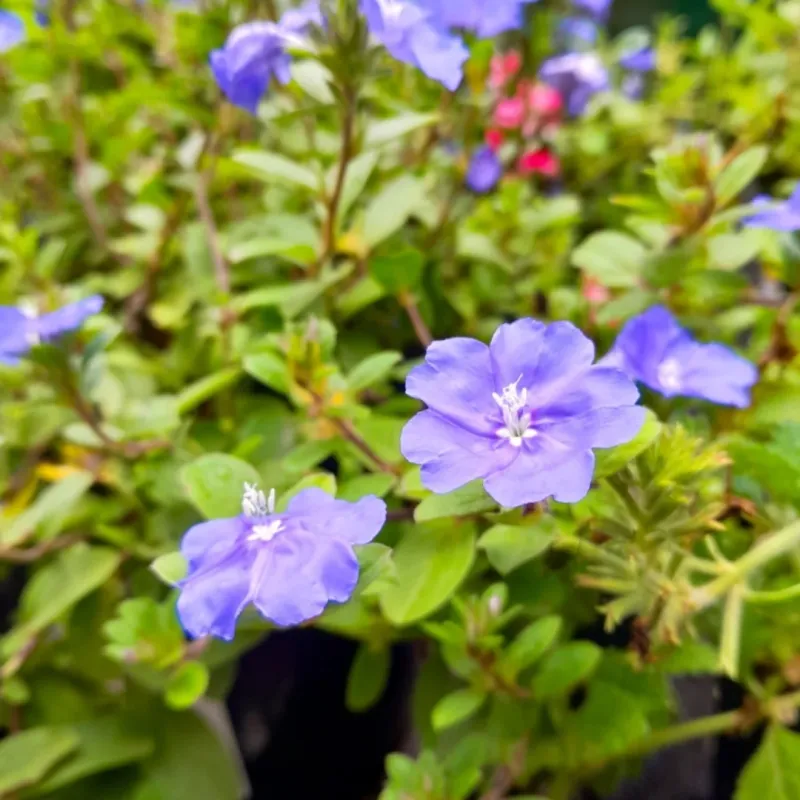
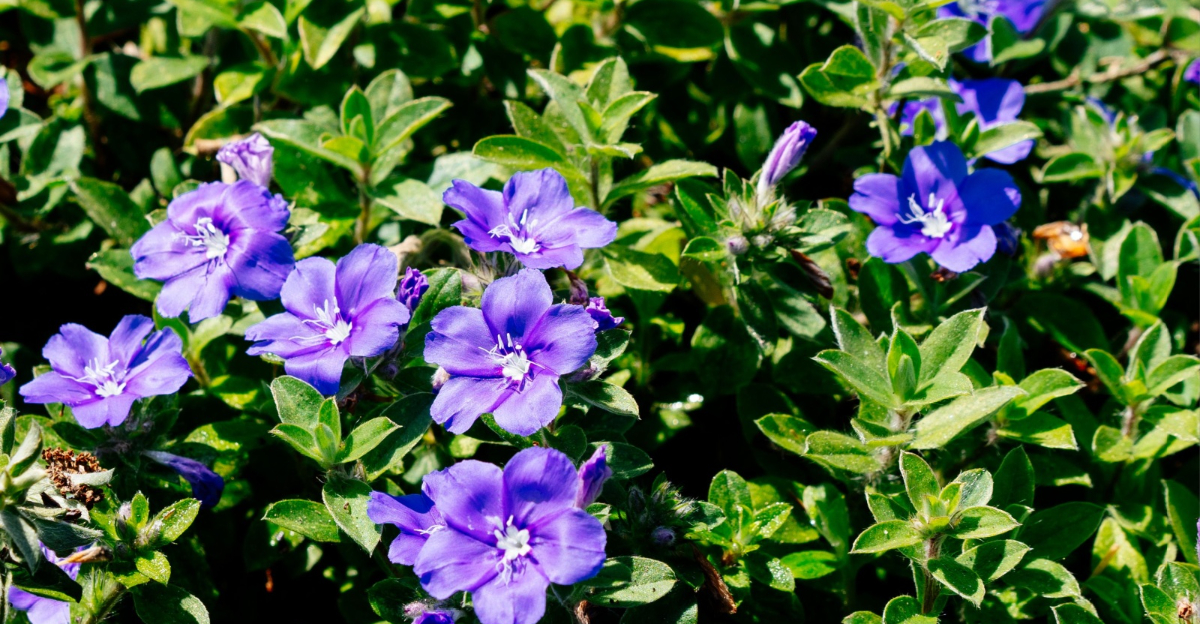
Few groundcovers deliver color as striking as blue daze in a Florida garden. Those small, vivid blue flowers against silvery-green foliage make it a standout in containers and garden beds alike.
Winter in Florida, even the mild version, can leave blue daze looking a bit ragged, with brown tips, damaged stems, and uneven growth.
A light pruning in March removes all that winter wear and tells the plant it is time to start fresh. Trim back stems by about one-third, cutting away any brown or damaged growth and shaping the plant into a tidy mound.
Blue daze responds to pruning by pushing out new shoots quickly, especially once daytime temperatures climb consistently into the 70s.
Horticulture specialists at the University of Florida recommend pruning blue daze in late winter or early spring to maintain its compact form and encourage the best flowering performance. Letting it go unpruned often results in a plant that gets woody in the center while the edges spread unevenly.
A March cleanup solves all of that in one quick session. Pair the trim with a slow-release fertilizer application and blue daze will reward you with a carpet of color that lasts well into fall.
4. Reduce Mexican Petunia For Stronger Growth
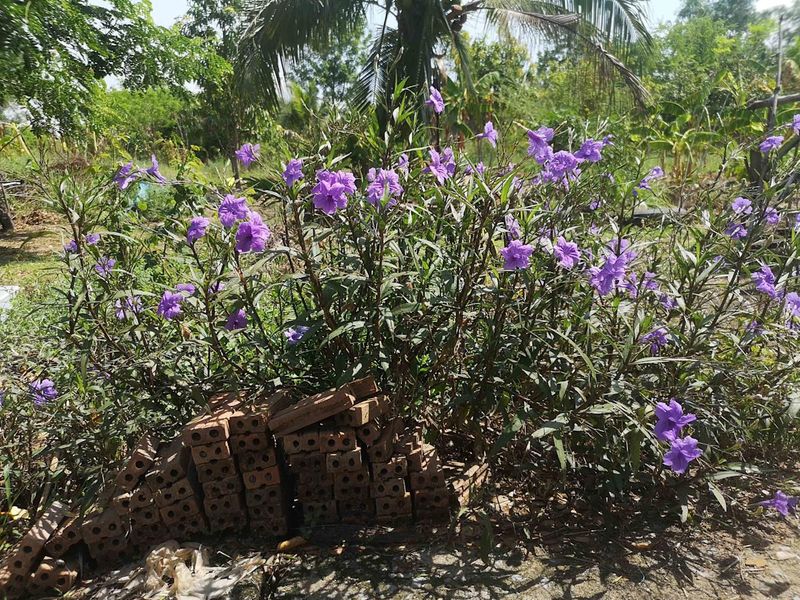
Mexican petunia has a bit of a reputation in Florida gardening circles. It is vigorous, colorful, and nearly impossible to ignore, but it can also get completely out of hand if left to its own devices.
By March, plants that went unpruned through the winter often look tall, floppy, and sparse at the base, with most of the growth happening way up at the top of long, leggy stems.
Cutting Mexican petunia back hard in early March solves this problem fast. Reduce stems to about six to twelve inches from the ground, and the plant will respond by sending up a flush of fresh, compact new shoots from the base.
This not only improves the plant’s appearance but also helps control its spreading habit, which is especially important because the original species can spread aggressively in Florida landscapes.
Choosing the sterile, non-spreading variety is a smart move for Florida gardeners who want the color without the spread. Either way, a March cutback keeps the plant looking its best and promotes the strongest growth cycle of the year.
New shoots emerge quickly in Florida’s warming spring conditions, and within a few weeks the plant looks completely renewed. Consistent pruning each year keeps Mexican petunia manageable and attractive season after season.
5. Shear Autumn Sage For A Compact Shape
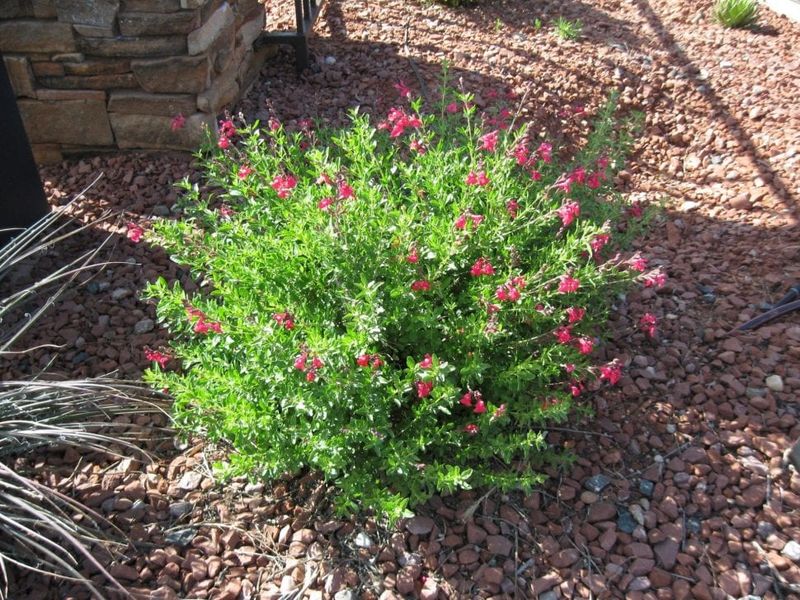
Autumn sage earns its place in Florida gardens through sheer reliability. Those cheerful red, pink, or coral tubular flowers show up in spring and fall, and the plant handles Florida heat and occasional drought better than many other flowering perennials.
After winter, though, autumn sage can look a bit scraggly, with older woody stems and uneven growth that takes away from its natural charm.
Shearing autumn sage back in March gives it a fresh start before the main spring bloom cycle begins. Trim the plant lightly by about one-third, removing woody or uneven growth while shaping it into a rounded, compact mound.
This removes old woody growth, opens up the center of the plant for better airflow, and stimulates the new stem tips where flowers will form.
Florida’s warming March temperatures give autumn sage exactly the conditions it needs to push out strong new growth quickly after pruning. Gardeners who shear it consistently each year tend to see fuller plants with more flower stems compared to those that skip the seasonal trim.
Adding a light application of balanced fertilizer after pruning helps fuel that new growth burst. Autumn sage is one of those plants that genuinely looks and performs better with regular attention, and March is the ideal month to give it that care.
6. Cut Back Coreopsis To Stimulate New Flowers
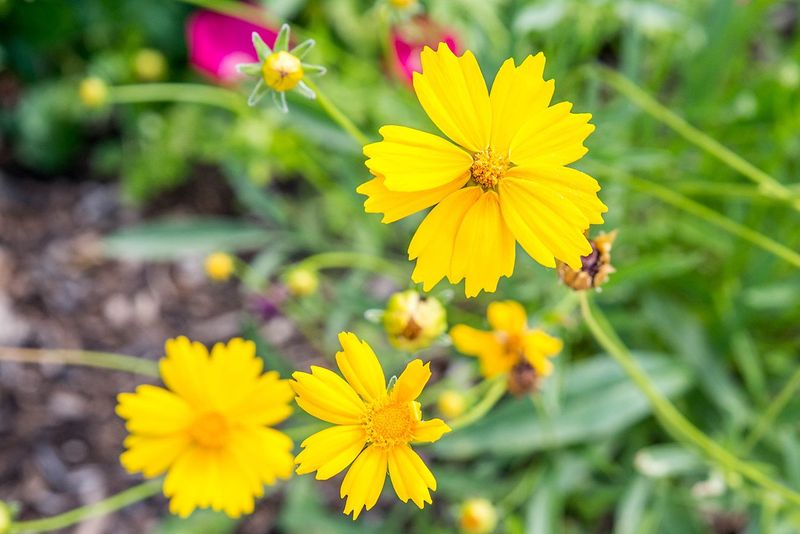
Tickseed coreopsis is practically the official wildflower of Florida, and for good reason. Those sunny yellow blooms are cheerful, easy to grow, and beloved by pollinators.
After winter, coreopsis plants often carry a mix of spent flower stems, brown foliage, and tangled old growth that makes the plant look tired even as new shoots try to push through from the base.
March is a good time to shear coreopsis lightly, removing old flower stems and thinning tangled growth so fresh shoots can take over. The plant responds quickly in Florida’s warming spring conditions, sending up fresh stems and flower buds within a few weeks of pruning.
The result is a tidier, more vigorous plant that blooms more heavily than it would have if left unpruned.
Florida native coreopsis varieties tend to be especially responsive to spring pruning, bouncing back with strong growth that is well adapted to the state’s heat and humidity. Pair the cutback with a light fertilizer application to help the plant make the most of the growing season ahead.
A light spring trim keeps coreopsis looking fresh and encourages steady flowering through the warm months.
7. Trim Society Garlic After Winter Foliage Damage
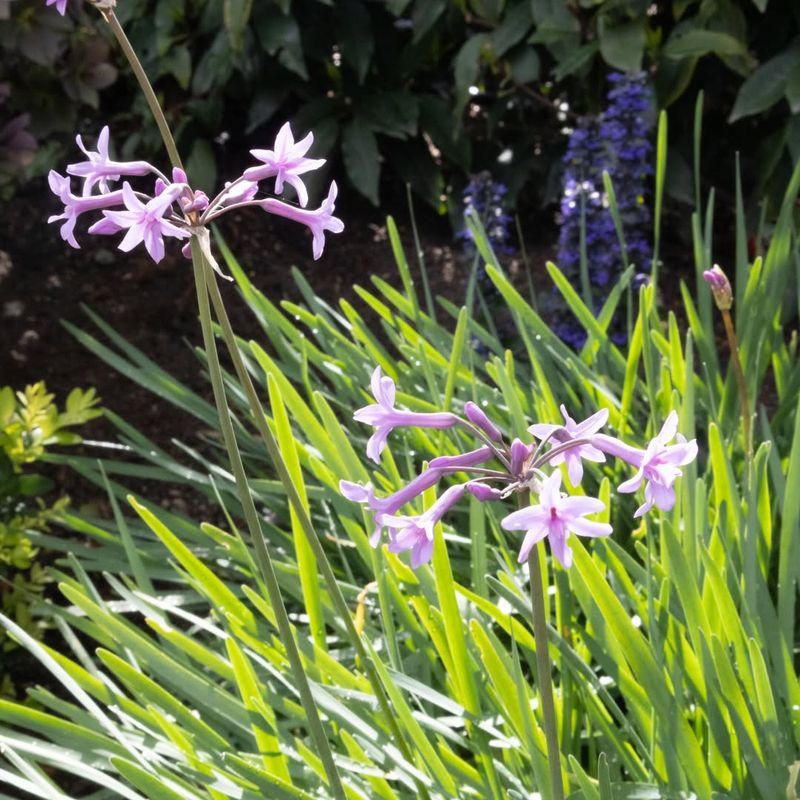
Society garlic is a quietly dependable Florida perennial that earns its keep without asking for much attention. Its strap-like leaves and clusters of soft lavender flowers add texture and color to garden beds and borders, and it handles Florida’s heat, drought, and occasional cold snaps remarkably well.
But after a chilly Florida winter, the foliage often looks brown and beaten, with damaged leaf tips that drag down the whole plant’s appearance.
Trimming society garlic in March is a straightforward process. Cut back the damaged foliage to just a few inches above the soil line, removing all the brown and tattered leaves while leaving the healthy green growth at the base.
Fresh new leaves and flower stalks push up quickly once the trimming is done, especially as March temperatures begin to climb.
Society garlic blooms most reliably when it gets regular light trimming, and the spring cutback sets the stage for a strong flowering season. Dividing clumps every few years after the spring trim also helps keep plants vigorous and prevents overcrowding.
The faint garlic scent that gives the plant its name is most noticeable when leaves are cut or bruised, which is a fun reminder of just how unique this Florida garden favorite really is. Spring trimming keeps it looking sharp all season.
8. Leave Lantana Alone Until New Growth Appears
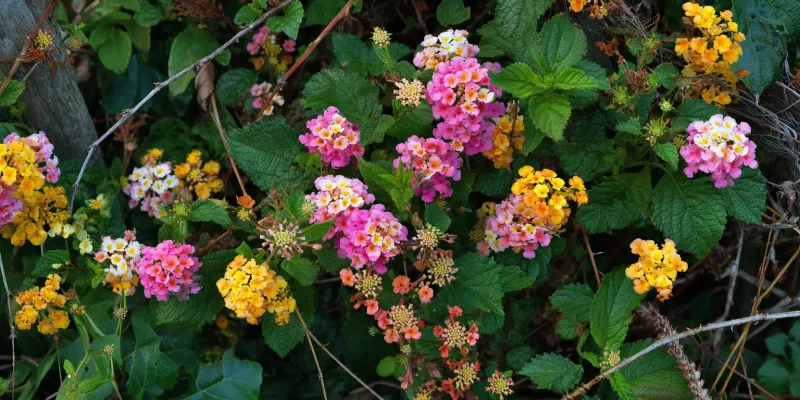
The clusters of tiny lantana flowers in vivid shades of orange, yellow, red, and pink attract butterflies by the dozens, and the plant thrives in Florida’s heat and humidity like few others.
But in March, patience is often the best tool in your gardening kit when it comes to lantana. In colder parts of Florida, plants can look completely lifeless after winter.
Stems may appear dry and bare even though the roots and lower portions of the plant are still healthy.
Waiting until new growth appears makes it much easier to see which parts of the plant survived before making major cuts. Fresh green shoots provide a clear guide for where pruning should begin.
Once that growth appears, trim stems back to just above the lowest healthy shoots, removing the old woody growth above that point. In North and Central Florida, this may not happen until late March or even early April, while South Florida gardeners often see new growth earlier.
Fertilizing after pruning helps push strong new growth, and within a few weeks lantana will be on its way to another spectacular blooming season.
9. Prune Hibiscus In March For Stronger Blooms
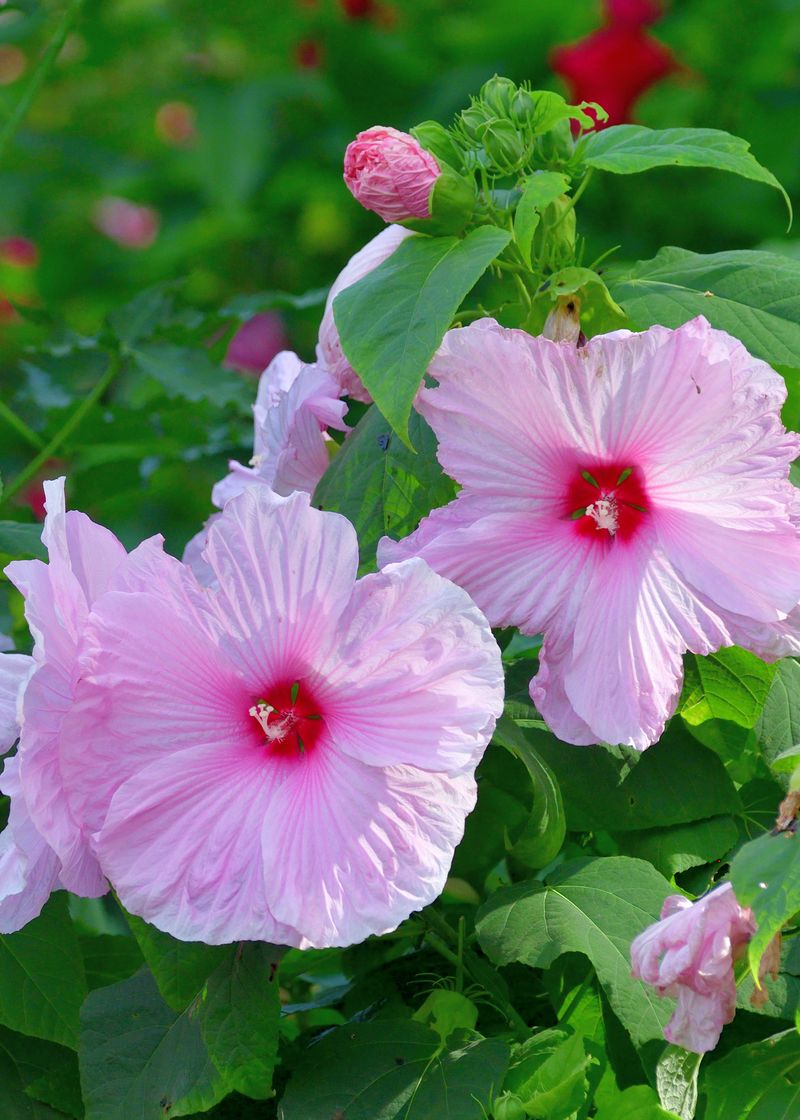
Tropical hibiscus is one of Florida’s most beloved flowering plants, and its large, colorful blooms in shades of red, pink, orange, and yellow make it a true garden showstopper. After a cooler winter, though, hibiscus plants can start to look woody, sparse, and a little uneven, which makes early spring the perfect time to give them a refresh.
March pruning helps reset the plant just as Florida’s growing season begins to accelerate. Hibiscus blooms on new wood, which means cutting the plant back actually encourages fresh stems that will carry the next round of flowers.
Before pruning, make sure the risk of frost has mostly passed in your area. In South and Central Florida, March usually provides safe conditions for trimming.
Gardeners in North Florida may wait until late March when nighttime temperatures remain consistently warm.
Cut stems back by about one-half to two-thirds of their length, making clean cuts just above a leaf node or healthy bud. This encourages strong branching and fuller growth.
With warm temperatures and longer days arriving, hibiscus responds quickly to pruning. Within a few weeks, fresh shoots begin to appear, setting the stage for a long season of vibrant blooms.
10. Avoid Cutting Back Tropical Milkweed Too Early
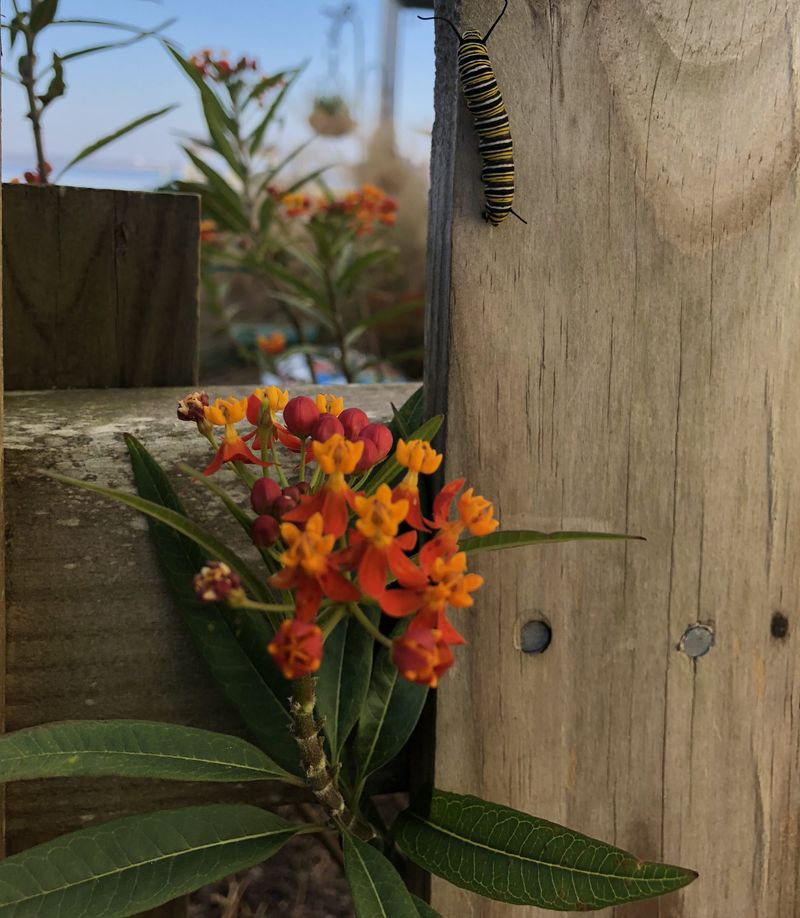
Tropical milkweed has become a staple in Florida butterfly gardens, largely because it is the host plant for monarch butterfly caterpillars. Gardeners who grow it are doing something genuinely meaningful for pollinator conservation.
When it comes to spring pruning, though, timing matters more for tropical milkweed than for almost any other plant in the Florida garden.
Cutting back tropical milkweed too early in March can remove stem tissue that is still in the process of recovering from winter cold. More importantly, pruning before new growth is visible can disrupt the plant’s regrowth cycle and delay the availability of fresh foliage for monarch caterpillars.
Florida gardening experts recommend cutting tropical milkweed back periodically so the plant can regrow fresh foliage, which helps reduce the buildup of OE parasites that affect monarch butterflies.
The University of Florida IFAS Extension recommends cutting tropical milkweed back in late winter to early spring to reduce the buildup of a parasitic protozoan called OE, which can harm monarchs. Once new growth is clearly visible, cut stems back to about six inches from the ground and allow the plant to regrow from scratch.
This gives monarchs visiting your Florida garden clean, healthy foliage to lay their eggs on. The plant regrows fast in warm conditions and will be ready to support new caterpillars within a few weeks.
11. Let Ornamental Salvia Regrow Naturally
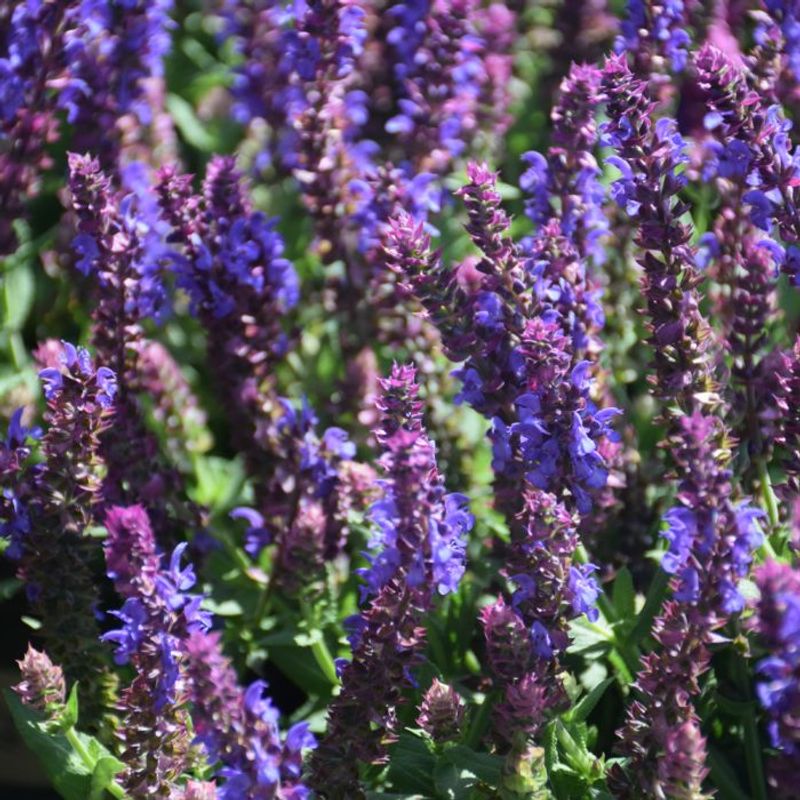
Ornamental salvia varieties are among the most rewarding perennials you can grow in a Florida garden. The tall spikes of purple, blue, red, or white flowers are magnets for hummingbirds and bees, and the plants come back reliably year after year with minimal fuss.
After a Florida winter, salvia stems can look bare and brown, and it is tempting to cut everything back immediately to tidy things up.
Waiting is actually the better strategy here. Ornamental salvia often has healthy crown tissue at the base of the plant that is preparing to push out new growth, even when the stems above look completely spent.
Pruning too early can disturb that process and make it harder to tell which stems still have life in them and which ones are truly finished.
Give salvia until late March or even early April to show its hand. Once you can clearly see new basal growth emerging, use clean pruning shears to remove the old flower spikes and any withered stems, cutting back to just above the fresh new shoots.
This approach lets the plant guide the process rather than forcing it on a calendar schedule. Florida’s warming spring temperatures will accelerate the regrowth, and within a few weeks ornamental salvia will be sending up fresh flower spikes ready for another season of color.