7 Florida Plants Birds Depend On In January And 4 To Avoid At All Costs
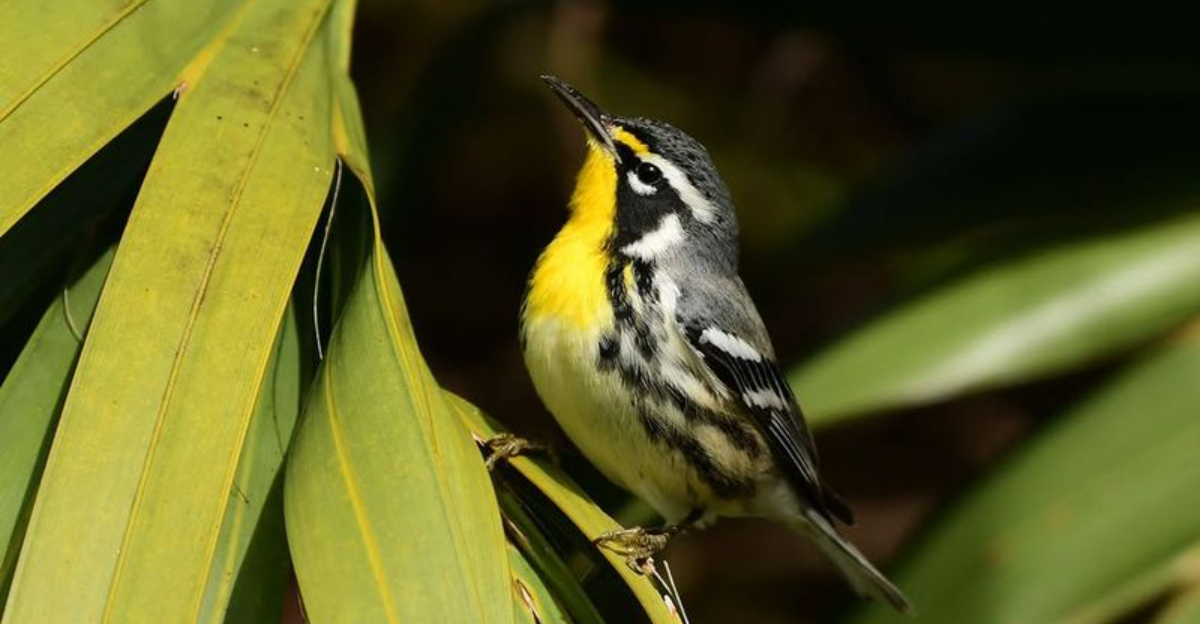
When you step outside on a January morning and hear birds calling from your trees, it feels peaceful. What most people don’t realize is that many of those birds are struggling to find enough food to make it through the day.
Winter may look gentle in Florida, but it quietly creates one of the hardest survival periods for backyard wildlife. Your yard plays a bigger role than you think.
The plants you choose can offer shelter during cold snaps, berries when insects disappear, and safe resting spots for exhausted migrants passing through the state.
Some popular ornamentals actually work against wildlife, while a handful of native plants can turn an ordinary yard into a lifeline.
If you care about wildlife, this list matters. These are the plants birds depend on in January, and the popular ornamentals you should avoid at all costs.
1. Wax Myrtle (Myrica cerifera)
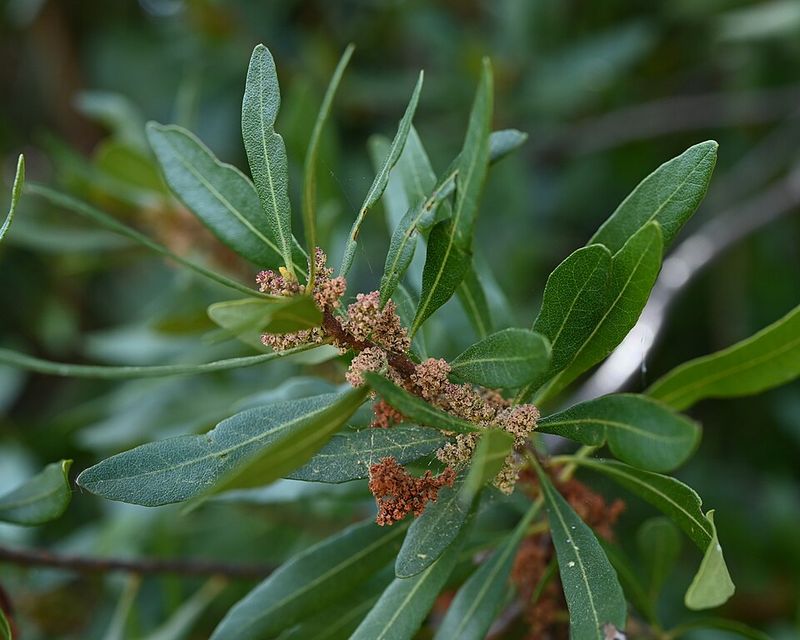
Watch warblers flutter through dense evergreen branches on a cool January morning, and you will notice something remarkable happening. Small blue-gray berries cluster along stems, drawing in hungry migrants and year-round residents alike.
Yellow-rumped warblers are one of the few species able to digest these waxy fruits and depend heavily on them when insects become scarce across Central and North Florida.
Wax myrtle thrives in nearly every Florida region, from coastal dunes to inland swamps, making it one of the most reliable native shrubs for winter bird habitat. The berries ripen in late fall and persist through January, providing critical fat and energy when other food sources dwindle.
Tree swallows, bluebirds, and even red-bellied woodpeckers visit these plants throughout the month.
Your yard benefits from wax myrtle because it grows quickly, tolerates wet or dry soils, and requires almost no maintenance once established. Birds use the dense foliage for shelter during cold fronts that occasionally sweep through the state.
Homeowners who plant wax myrtle often notice increased bird activity within a single season, especially during migration periods when flocks move through looking for dependable food sources along their routes southward.
2. Yaupon Holly (Ilex vomitoria)
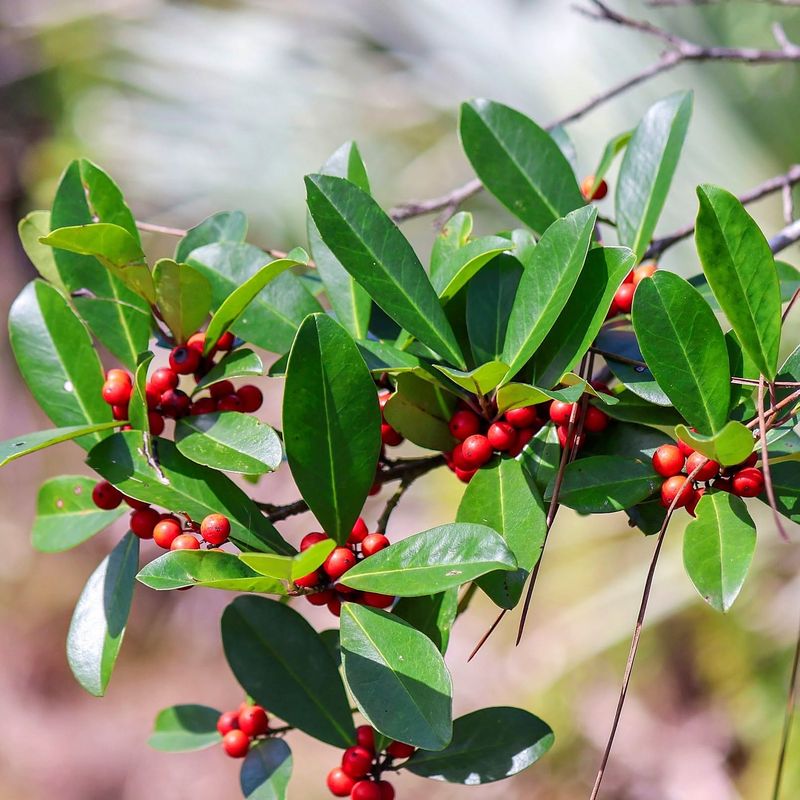
Bright red berries glisten against glossy green leaves, catching sunlight and bird attention throughout January. Cedar waxwings arrive in noisy flocks, stripping branches clean in a matter of hours when they discover a heavily fruited yaupon holly.
Robins, mockingbirds, and hermit thrushes also depend on these abundant winter fruits for survival during the coldest weeks.
Yaupon holly produces berries prolifically, and only female plants bear fruit, so choosing the right cultivar matters when you plan your landscape. The berries ripen in fall and hold on branches well into winter, making them available exactly when migratory birds need quick energy.
North Florida gardeners see the heaviest use during peak migration, while South Florida residents enjoy year-round visits from fruit-eating species.
Planting yaupon holly transforms ordinary yards into bird magnets because the dense branching structure also provides excellent shelter from predators and weather. You will notice increased activity around your feeders when birds feel safe using nearby holly for cover.
Florida-Friendly Landscaping programs recommend yaupon as a foundational native plant for wildlife habitat, and University of Florida research confirms its value for supporting diverse bird populations throughout winter months.
3. Sabal Palm / Cabbage Palm (Sabal palmetto)
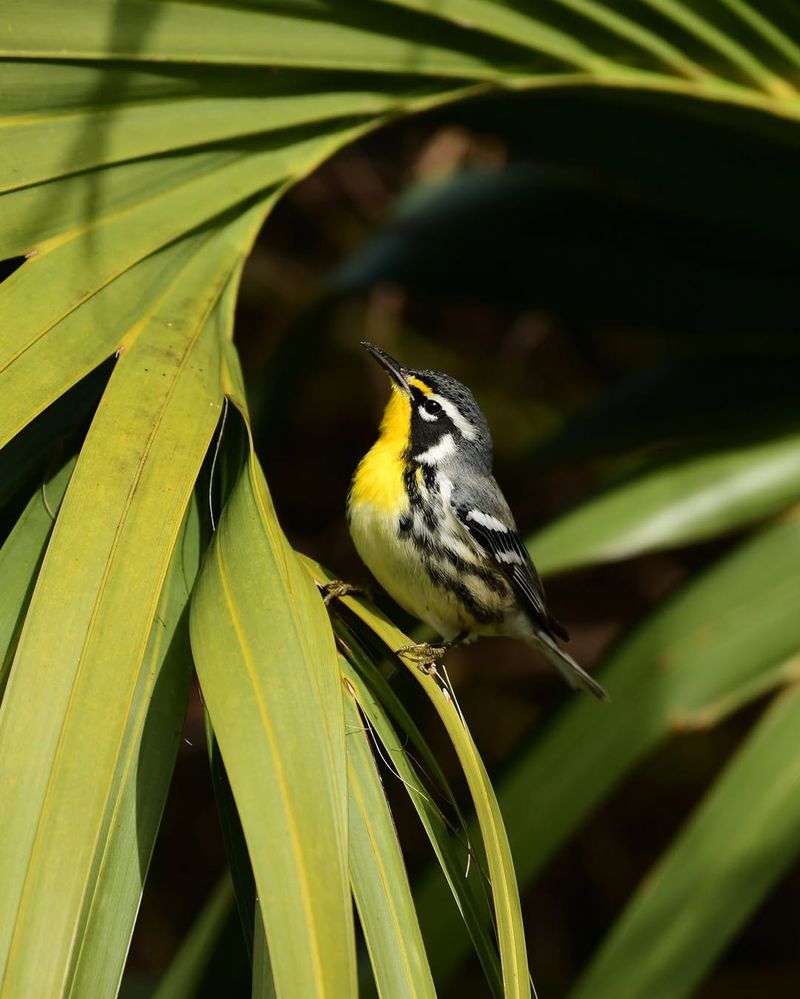
Clusters of small black fruits dangle from the crown of towering palms, and if you look closely in January, you will spot woodpeckers, jays, and even fish crows working through the ripened clusters.
Sabal palms produce fruit heavily in late fall, and the berries persist through winter, offering reliable food when flowering plants rest.
Northern flickers and red-bellied woodpeckers cling to frond bases, reaching for the energy-rich fruits.
Beyond food, sabal palms provide critical shelter and nesting sites that other landscape trees simply cannot match. The dense crown protects roosting birds from cold fronts, and the fibrous leaf bases create protected spaces where small birds shelter from predators.
South Florida sees constant use year-round, while Central and North Florida populations notice increased activity during migration and winter residency periods.
Your landscape gains ecological value when you preserve or plant sabal palms because they support not just birds but also native pollinators and other wildlife.
Florida recognizes this species as the state tree, and conservation groups emphasize its importance for maintaining healthy ecosystems.
Homeowners often underestimate how much wildlife depends on these palms until they spend time observing the steady stream of visitors throughout January mornings.
4. American Beautyberry (Callicarpa americana)
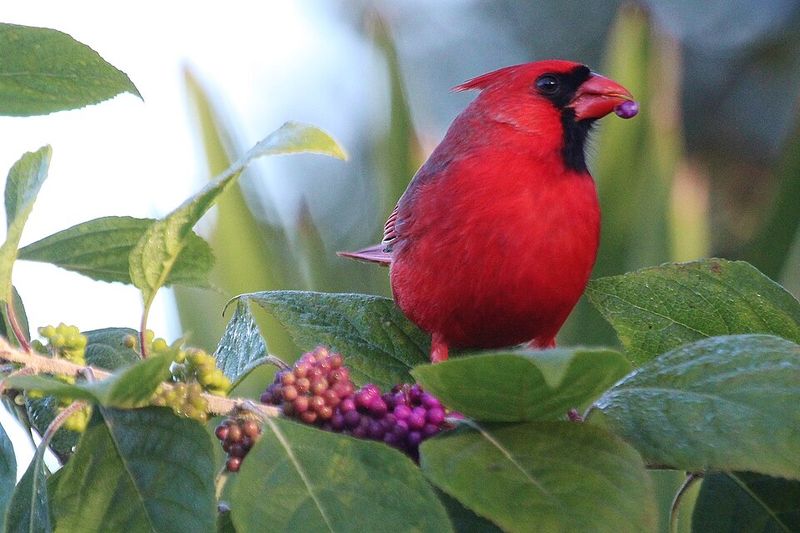
Brilliant purple berries glow like jewels along arching stems, and by January, most have already been devoured by grateful birds. Cardinals, catbirds, and brown thrashers strip the fruits quickly in early winter, but stragglers often remain for later visitors.
The plant loses its leaves in North and Central Florida, making the remaining berry clusters even more visible against bare branches.
American beautyberry thrives in shaded woodland edges and understory areas where many other fruiting shrubs struggle. The berries ripen in late summer and fall, with peak abundance occurring before January, but their value extends beyond just fruit production.
The dense branching structure provides excellent cover for ground-feeding birds like towhees, and insects shelter in the leaf litter beneath the plant, offering additional food sources for insect-eating species.
Homeowners appreciate beautyberry because it requires minimal care and tolerates a wide range of soil conditions once established. You might notice fewer berries remaining by mid-January compared to earlier months, but the shrub still contributes to overall habitat quality.
Florida wildlife experts recommend planting beautyberry in groupings to maximize fruit production and create better foraging opportunities for birds moving through your yard during the winter season.
5. Simpson’s Stopper (Myrcianthes fragrans)
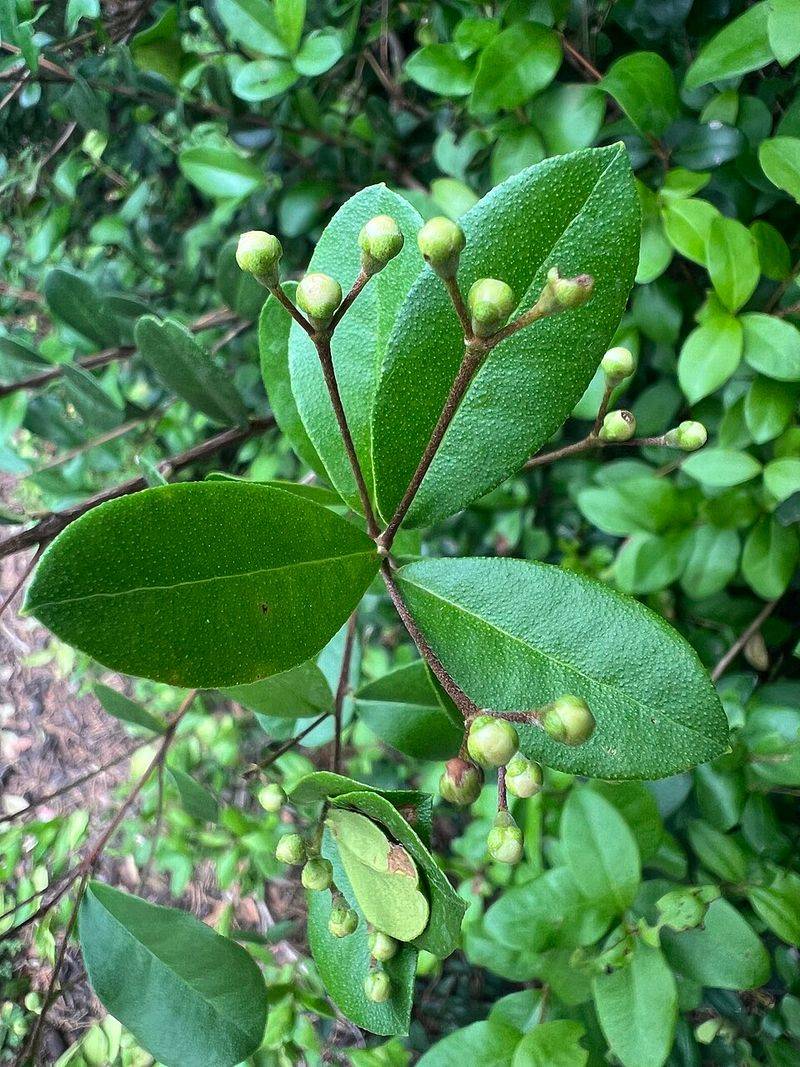
Small orange-red fruits speckle the branches of this evergreen shrub, and patient observers often spot painted buntings, one of Florida’s most stunning winter visitors, feeding quietly in the foliage.
Simpson’s stopper produces berries sporadically throughout the year, but January often brings a flush of ripe fruits that coincide perfectly with migrant arrivals.
The fruits attract a wide variety of species, from warblers to thrushes, all seeking high-energy food during cooler weather.
South Florida gardeners gain the most from planting Simpson’s stopper because it thrives in subtropical conditions and provides year-round habitat value. The dense evergreen foliage offers excellent shelter, and the fragrant white flowers that appear sporadically attract pollinators even during winter months.
Central Florida landscapes can support this plant in protected locations, though it shows less cold tolerance than some other natives.
Your yard becomes more ecologically valuable when you include understory plants like Simpson’s stopper because they fill niches that larger trees and palms cannot. Birds move between canopy layers, and having fruiting shrubs at multiple heights increases the diversity of species you will observe.
Audubon Florida recommends this plant specifically for supporting painted buntings and other wintering songbirds that depend on small fruits and insect-rich foliage during their Florida stay.
6. Wild Coffee (Psychotria nervosa)
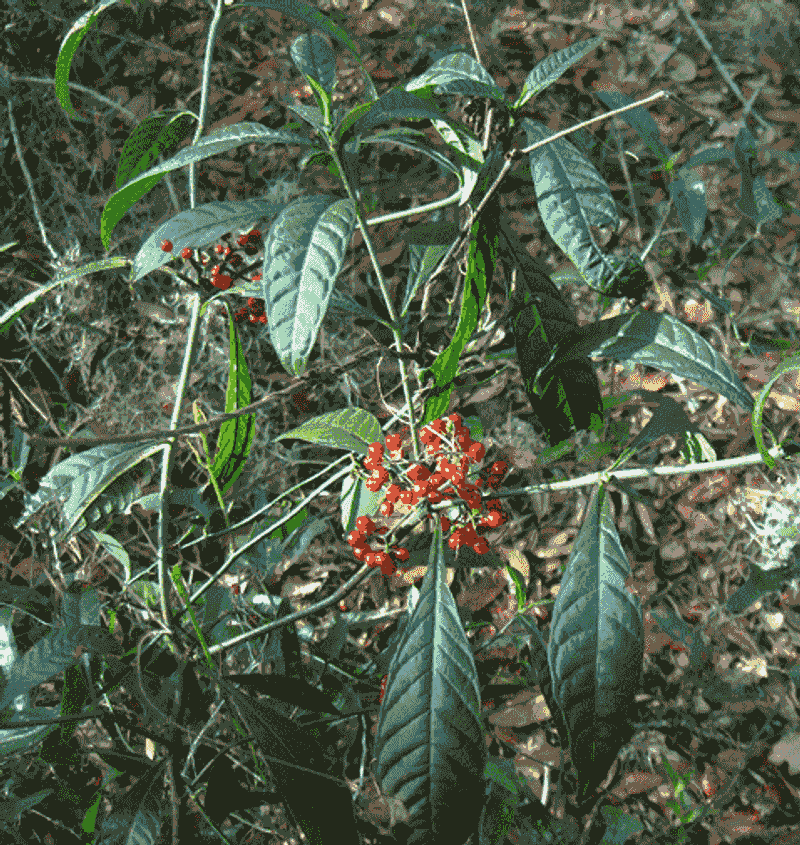
Glossy green leaves and bright red berries create a striking combination in shaded Florida yards, and if you watch closely, you will see warblers and vireos working through the foliage searching for both fruit and insects.
Wild coffee produces berries that ripen in late fall and persist into January, providing food exactly when shade-dwelling birds need it most.
The fruits attract species that prefer understory habitats, including ground-feeding thrushes and skulking catbirds.
South and Central Florida gardeners find wild coffee indispensable for creating layered wildlife habitat because it tolerates deep shade and grows well beneath oak canopies and palm groves. The plant remains evergreen, offering shelter throughout the year, and the dense branching structure creates safe spaces for birds to hide from predators.
North Florida residents can grow wild coffee in protected microclimates, though freezing temperatures may damage foliage during occasional hard freezes.
Homeowners often underestimate the value of understory plants until they notice how many birds use these lower layers for feeding and shelter. Your landscape gains complexity and supports more species when you include plants like wild coffee that fill ecological niches other ornamentals ignore.
University of Florida research highlights wild coffee as a critical component of Florida-Friendly wildlife gardens, especially for supporting winter migrants that rely on diverse food sources during their stay.
7. American Persimmon (Diospyros virginiana)
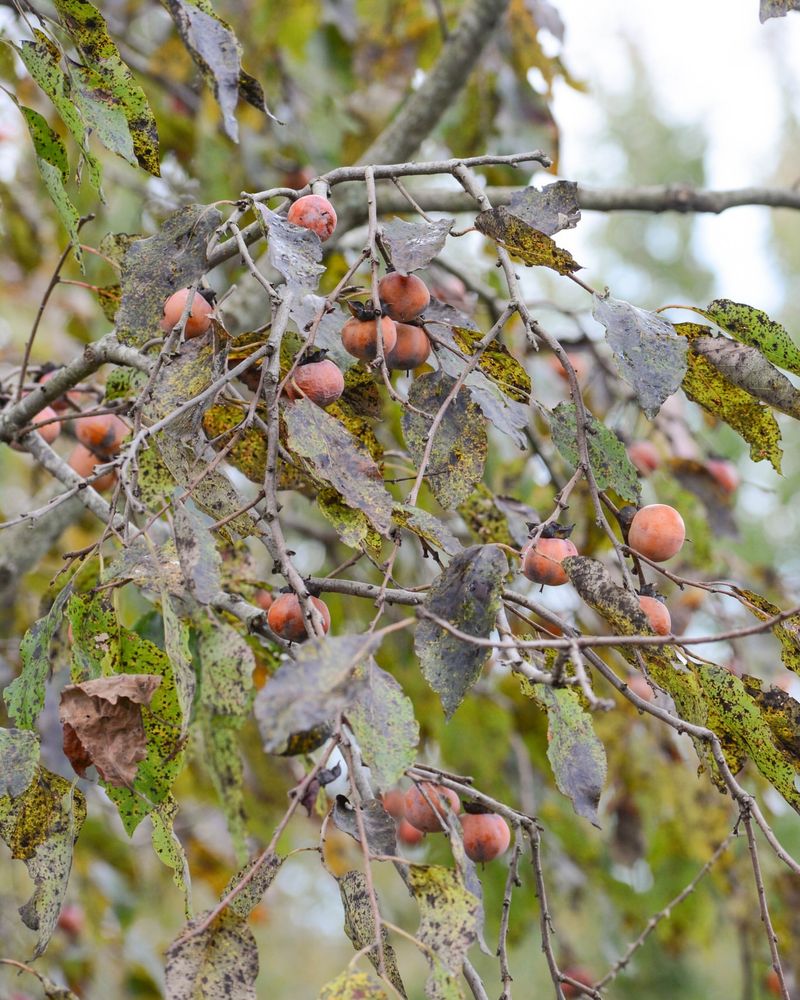
Orange fruits cling to bare branches like ornaments, and by January, the soft flesh has sweetened after exposure to cold temperatures. Raccoons, opossums, and birds all compete for the remaining fruits, with cedar waxwings, robins, and mockingbirds often winning the race to the treetops.
The fruits ripen in fall and many drop to the ground, but those that remain on branches become increasingly valuable as other food sources disappear.
American persimmon trees thrive throughout Florida, though they perform best in North and Central regions where occasional cold helps ripen the fruits.
The tree tolerates a wide range of soil conditions and grows quickly once established, providing both food and structure for bird habitat.
Birds use the sturdy branches for perching and nesting, and the fruits support not just wintering species but also year-round residents seeking easy calories during lean months.
Your landscape benefits from persimmon trees because they provide seasonal interest and wildlife value that few other native trees can match. Watching birds feast on the fruits creates memorable backyard moments, and knowing you are supporting migrant and resident species makes the experience even more rewarding.
UF/IFAS Extension and Florida wildlife habitat specialists recommend persimmons for homeowners seeking large-scale habitat improvements, especially in rural or suburban settings where space allows these trees to reach their full potential.
8. Brazilian Pepper Tree (Schinus terebinthifolia)
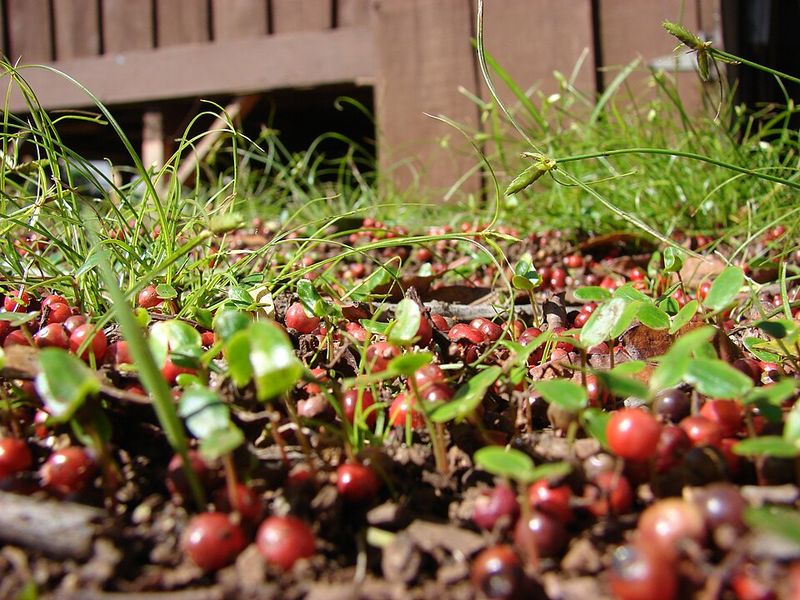
Bright red berries cover sprawling branches, and at first glance, you might think this tree offers excellent bird habitat. Homeowners plant Brazilian pepper for quick privacy screens and vibrant winter color, but the ecological cost far outweighs any perceived benefits.
Birds do eat the berries, which contributes directly to the plant’s aggressive spread across Florida landscapes, displacing native vegetation that provides far superior habitat value.
Brazilian pepper trees grow rapidly and outcompete native plants, forming dense monocultures that reduce biodiversity and degrade wildlife habitat.
While birds do consume the berries, Brazilian pepper provides far lower ecological value than native fruiting plants and actively displaces superior wildlife habitat through aggressive growth and allelopathic chemicals that inhibit surrounding vegetation.
Florida Exotic Pest Plant Council lists Brazilian pepper as a Category I invasive species, meaning it actively alters native plant communities and disrupts ecosystem function.
Your yard and your community suffer when Brazilian pepper establishes because removing mature trees requires significant effort and expense.
The tree resprouts aggressively after cutting, and seeds spread through bird droppings, creating new infestations in natural areas and neighboring properties.
Instead of planting or tolerating Brazilian pepper, choose yaupon holly or wax myrtle for similar visual appeal with genuine ecological benefits. Removing existing Brazilian pepper from your landscape protects Florida ecosystems and creates space for native plants that truly support bird populations throughout winter and beyond.
9. Australian Pine (Casuarina equisetifolia)
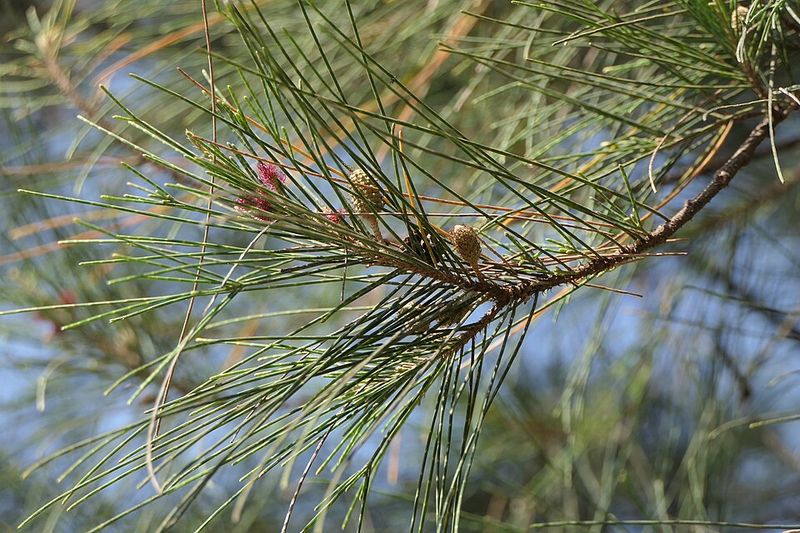
Tall evergreen trees line coastal areas, swaying in ocean breezes and dropping needle-like branchlets that carpet the ground beneath.
Australian pines might look like they provide excellent habitat, and homeowners once planted them widely for windbreaks and shade, but these trees offer almost nothing to Florida birds.
The dense canopy shades out native vegetation, and the thick layer of fallen branchlets prevents understory plants from establishing, creating biological deserts where diverse habitat once thrived.
Australian pines produce small cone-like fruits that provide very little usable food for birds, and the trees host almost no native insects compared to Florida’s native species. Birds may perch in the branches, but they find little food or nesting material, forcing them to travel elsewhere for resources.
Florida banned new plantings of Australian pine decades ago, and coastal communities actively remove these trees to restore natural beach and dune ecosystems that support shorebirds and other wildlife.
Your coastal property gains ecological value when you remove Australian pines and replace them with native alternatives like sabal palms or sea grapes. These natives provide food, shelter, and nesting sites while supporting the insects and other organisms that birds depend on for survival.
Florida Fish and Wildlife Conservation Commission recommends removing Australian pines wherever possible, and many coastal counties offer assistance programs to help property owners restore native vegetation after removal.
10. Chinese Tallow (Triadica sebifera)
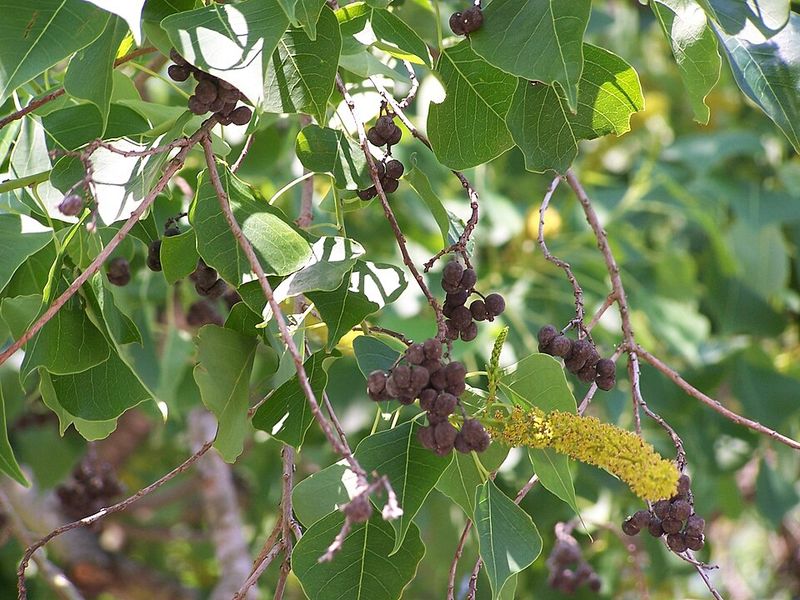
Heart-shaped leaves turn brilliant shades of red and orange in fall, and white waxy seeds dangle from branches into winter, creating ornamental appeal that once made this tree popular in Florida landscapes.
Homeowners appreciated the vibrant color and fast growth, but Chinese tallow has become one of the most problematic invasive species across the southeastern United States.
Birds eat the seeds and spread them widely, creating dense thickets that displace native vegetation and degrade wetland habitats.
Chinese tallow trees tolerate flooding and thrive in disturbed areas, allowing them to colonize natural areas rapidly once established. While birds eat the seeds, Chinese tallow severely disrupts native ecosystems by replacing higher-quality native food sources and supports almost no insect life, reducing food availability for insect-eating birds.
Florida Exotic Pest Plant Council lists Chinese tallow as a Category I invasive, and land managers spend millions of dollars annually trying to control its spread across conservation lands.
Your property becomes part of the problem when Chinese tallow establishes because seeds spread through bird droppings and water movement, creating new infestations downstream and in neighboring natural areas.
Removing existing trees and choosing native alternatives like American beautyberry or wax myrtle protects Florida ecosystems while providing genuine habitat value.
University of Florida experts strongly discourage any planting of Chinese tallow and recommend removal wherever feasible to prevent further ecological damage.
11. Nandina / Heavenly Bamboo (Nandina domestica)
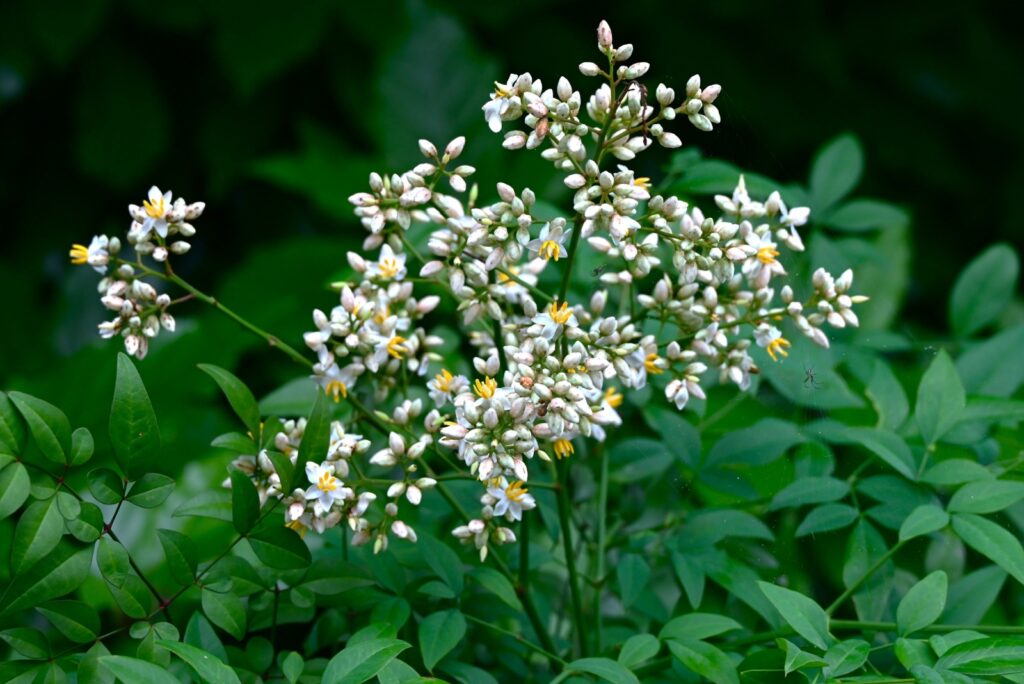
Clusters of bright red berries persist through winter on evergreen shrubs that require almost no maintenance, making nandina a popular foundation plant across Florida. Homeowners choose nandina for reliable color and tidy growth habits, and birds occasionally eat the berries, but recent research reveals a disturbing truth about this common ornamental.
The berries contain cyanogenic glycosides that can harm or poison certain bird species, particularly cedar waxwings, when large quantities of fruit are consumed during concentrated feeding sessions.
Nandina berries offer poor nutritional value compared to native alternatives, and birds that eat them may experience respiratory distress and other health problems.
Multiple documented cases across the Southeast show flocks of cedar waxwings suffering after feeding heavily on nandina berries, raising serious concerns about continuing to use this plant in wildlife-friendly landscapes.
The shrub also provides minimal shelter value and supports almost no insect life, reducing its overall contribution to bird habitat.
Your landscape becomes safer and more beneficial for birds when you remove nandina and replace it with native alternatives like wild coffee or Simpson’s stopper. These natives provide nutritious berries, excellent shelter, and insect habitat that supports diverse bird populations throughout the year.
Audubon Florida and other conservation organizations now actively discourage nandina planting and recommend removal where possible to protect wintering bird populations from potential harm.