14 Florida Plants That Grow Best When Planted With The Right Companions
Florida’s warm, humid climate creates ideal conditions for companion planting—a gardening approach where certain plants grow better when placed together.
Some combinations attract beneficial insects, others improve soil conditions, and many help reduce pests naturally.
In such a dynamic growing environment, choosing the right plant partners can make gardens healthier and more productive with less effort.
The right companions can boost yields, strengthen plant growth, and even improve flavor in vegetables and herbs.
For Florida gardeners looking to create thriving beds, knowing which plants support one another is one of the best tools available.
1. Tomatoes
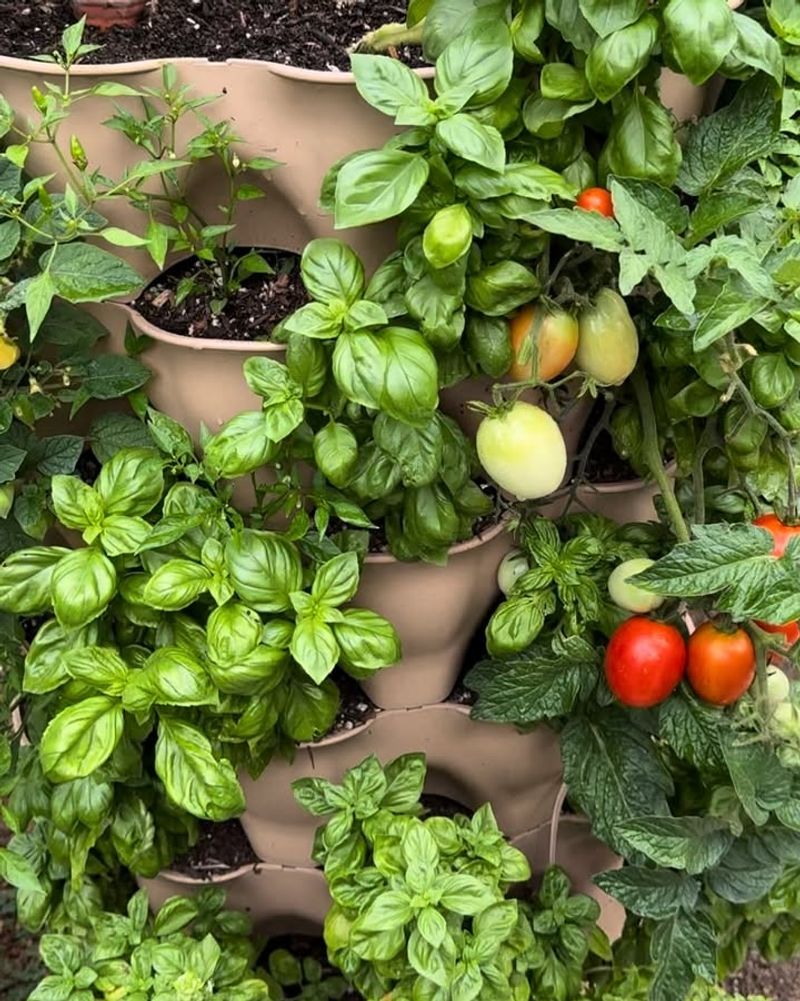
Basil isn’t just a kitchen staple—it’s also one of the best companions you can plant next to your tomato vines.
This aromatic herb works wonders in the garden by naturally repelling aphids, whiteflies, and hornworms that love to munch on tomato leaves.
Beyond pest control, basil attracts pollinators like bees and butterflies, which help your tomato plants produce more fruit.
Some gardeners even believe that basil improves the flavor of tomatoes when planted close by, though science hasn’t fully confirmed this delicious rumor.
In Florida’s hot and humid climate, both plants enjoy full sun and consistent watering, making them ideal garden partners.
Plant basil around the base of your tomato cages or in between rows to maximize the benefits.
As both plants mature, you’ll notice fewer pest problems and healthier foliage overall.
Harvesting fresh basil and tomatoes together also makes meal prep a breeze, especially when you’re craving homemade pasta sauce or caprese salad.
This classic pairing has been used by gardeners for generations, and for good reason—it simply works.
If you want a productive and aromatic garden bed, tomatoes and basil should be at the top of your planting list.
2. Peppers (Sweet And Hot)
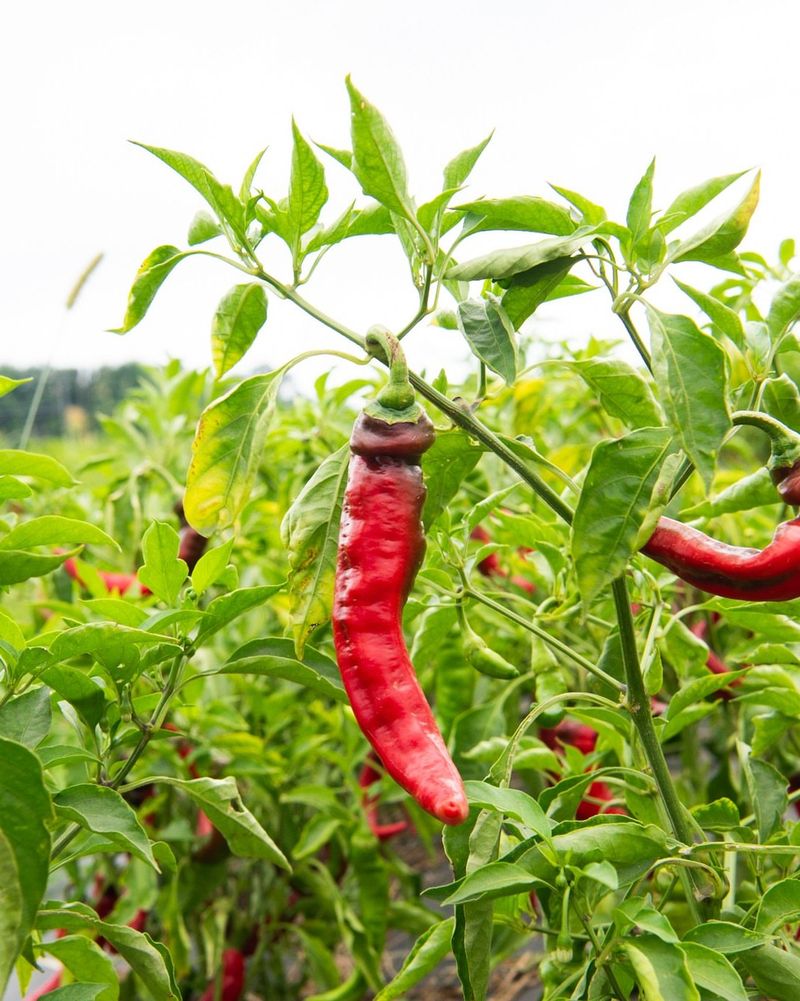
Marigolds are more than just pretty flowers—they’re hardworking companions that protect pepper plants from underground threats.
Root-knot nematodes are a common problem in Florida’s sandy soils, and they can seriously damage pepper roots and stunt plant growth.
Planting marigolds around your pepper beds releases natural compounds into the soil that nematodes absolutely hate.
These cheerful blooms also attract beneficial insects like hoverflies and ladybugs, which feast on aphids and other pests that target peppers.
Both sweet bell peppers and spicy varieties thrive in Florida’s warmth, and marigolds handle the heat just as well.
Space marigolds evenly around your pepper plants or create a border around the entire bed for maximum protection.
The bright colors of marigolds also add visual interest to your vegetable garden, making it as beautiful as it is productive.
As an added bonus, marigolds are incredibly low-maintenance and bloom continuously throughout the growing season.
You’ll spend less time worrying about pests and more time enjoying a bountiful pepper harvest.
Whether you’re growing jalapeños or sweet banana peppers, marigolds are the ultimate garden sidekick.
3. Cucumbers

Dill and cucumbers form one of the most beneficial partnerships in the vegetable garden.
This feathery herb attracts a parade of helpful insects, including ladybugs, lacewings, and parasitic wasps that prey on cucumber beetles and aphids.
Cucumber beetles can quickly destroy young cucumber plants, so having natural predators nearby is a game-changer for Florida gardeners.
Dill also attracts pollinators that increase cucumber production by ensuring flowers get properly fertilized.
Both plants enjoy similar growing conditions—plenty of sunshine, well-draining soil, and regular watering—which makes them perfect companions.
Plant dill at the edges of your cucumber bed or scatter it throughout the rows for continuous pest protection.
As dill matures, you can harvest the leaves for pickling your cucumbers, making this pairing doubly useful in the kitchen.
The umbrella-shaped flowers of dill are especially attractive to beneficial insects, so let a few plants go to seed for maximum garden benefits.
In Florida’s warm climate, both cucumbers and dill can be grown in spring and fall for extended harvests.
This dynamic duo proves that smart companion planting can reduce pest problems while boosting your overall garden productivity.
4. Eggplant
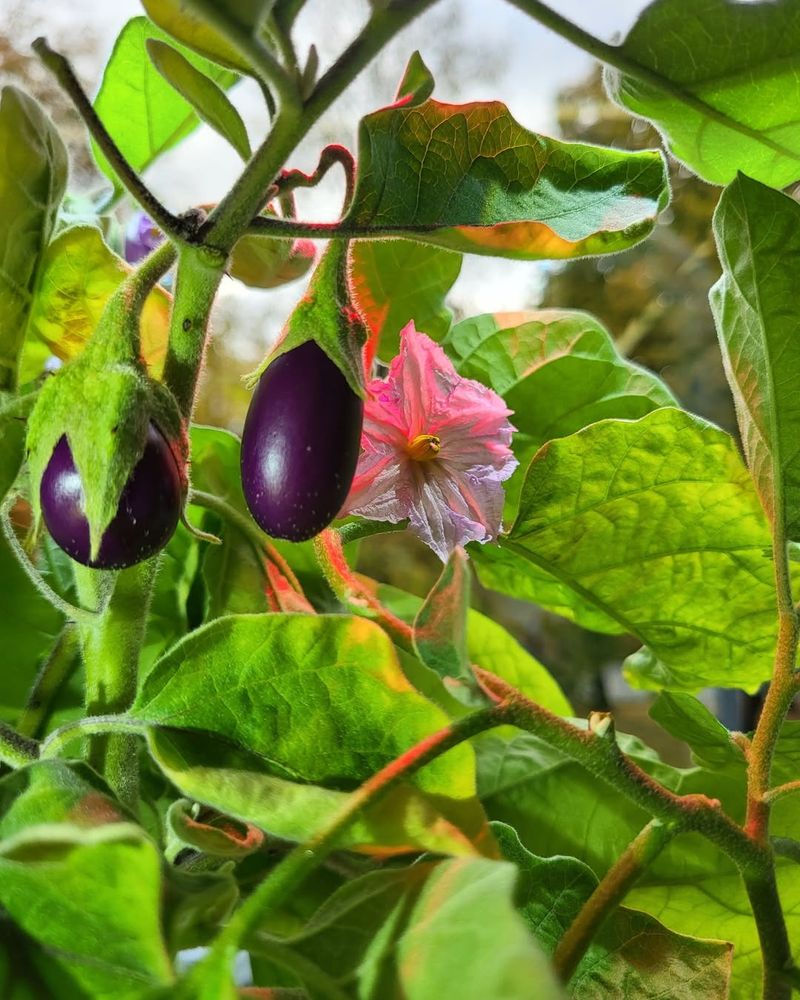
Flea beetles are tiny but destructive pests that love to attack eggplant leaves, leaving them riddled with holes.
Thyme offers a natural solution by releasing aromatic oils that confuse and repel these bothersome bugs.
Planting low-growing thyme around the base of your eggplant creates a living mulch that also helps retain soil moisture during Florida’s dry spells.
This Mediterranean herb thrives in the same sunny, well-drained conditions that eggplant prefers, making them compatible garden companions.
Thyme’s small flowers attract pollinators and beneficial insects that further protect your eggplant from pest damage.
As an added bonus, thyme is drought-tolerant once established, which means less watering work for you.
The herb stays compact and won’t compete with eggplant for nutrients or space, allowing both plants to flourish side by side.
Harvesting fresh thyme while tending your eggplant bed means you’ll always have flavorful herbs on hand for cooking.
In Florida, eggplant grows best in spring and fall, and thyme can remain in place year-round as a perennial ground cover.
This pairing not only reduces pest problems but also creates a productive and fragrant corner of your garden.
5. Squash And Zucchini
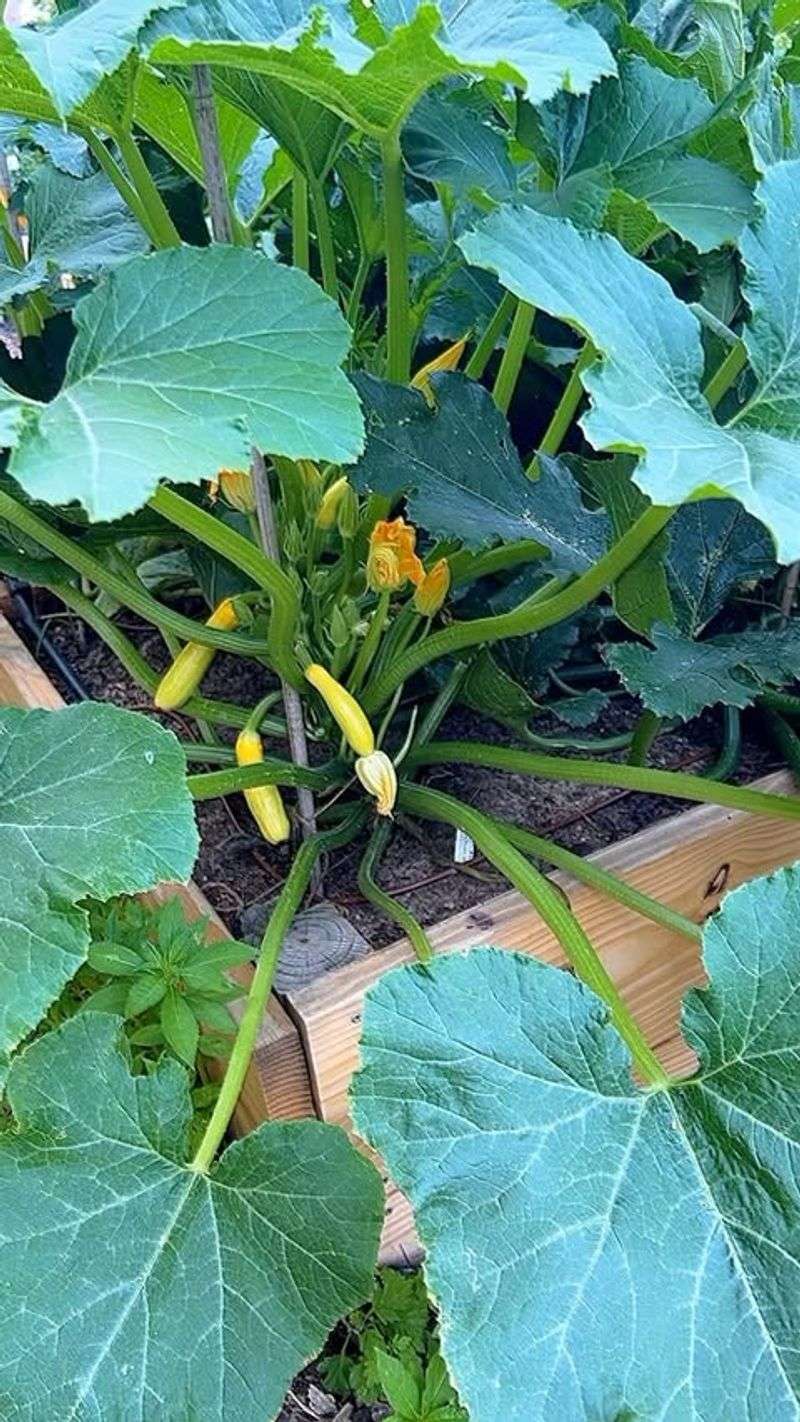
Nasturtiums are the ultimate trap crop for squash and zucchini plants.
Aphids find nasturtiums absolutely irresistible and will flock to these colorful flowers instead of attacking your squash vines.
This clever strategy allows your squash and zucchini to grow strong and healthy while the nasturtiums take the pest pressure.
Both the leaves and flowers of nasturtiums are edible, adding a peppery kick to salads and garnishes.
These fast-growing annuals thrive in Florida’s heat and can be planted directly from seed around your squash mounds.
Nasturtiums also act as a living mulch, covering bare soil and reducing weed growth around your sprawling squash vines.
Their bright blooms attract pollinators like bees and hummingbirds, which are essential for squash and zucchini fruit production.
Plant nasturtiums in a ring around each squash hill or scatter them throughout the bed for maximum aphid distraction.
You’ll notice fewer damaged leaves and healthier plants overall when this companion pairing is in place.
In Florida’s long growing season, you can succession plant nasturtiums to maintain continuous pest protection and garden beauty.
6. Roses
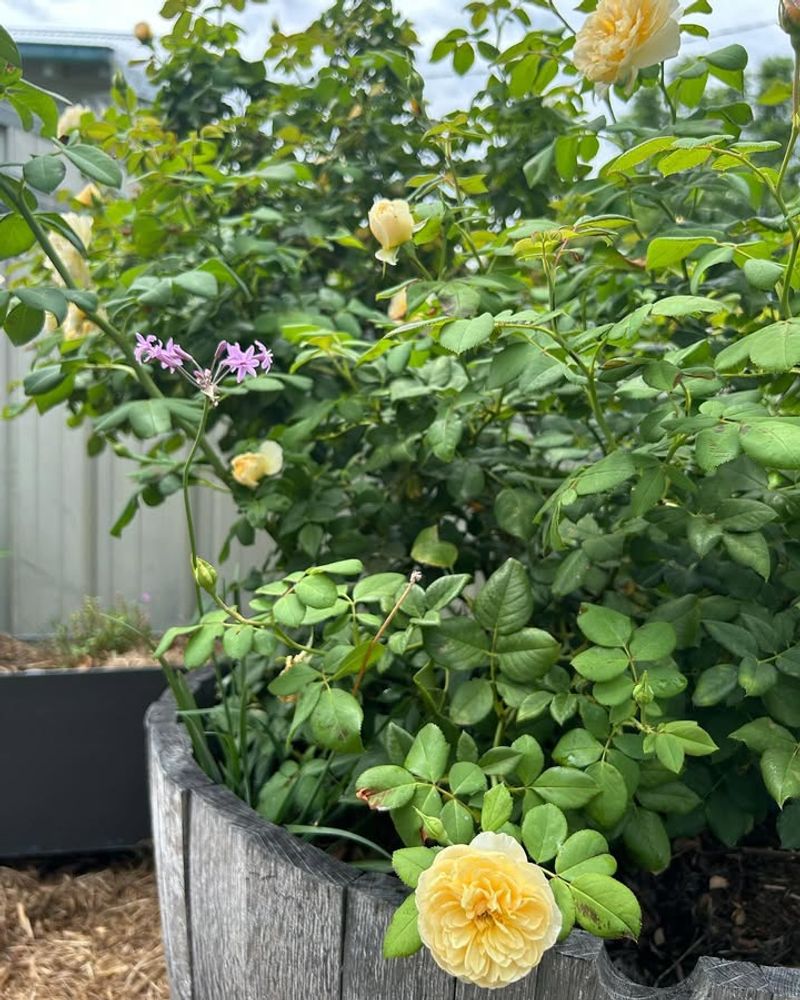
Garlic might seem like an unusual companion for elegant roses, but this pairing offers serious pest protection.
The strong sulfur compounds released by garlic bulbs naturally repel aphids, Japanese beetles, and spider mites that commonly plague rose bushes.
Garlic also has antifungal properties that can help reduce black spot and powdery mildew, two common rose diseases in Florida’s humid climate.
Plant garlic cloves around the base of your rose bushes in fall, and they’ll grow throughout winter and spring alongside your blooming roses.
This underground companion won’t compete with rose roots since garlic has a shallow root system.
As an added benefit, you’ll harvest fresh garlic bulbs in late spring, just as your roses are putting on their best show.
The contrasting textures of delicate rose petals and spiky garlic foliage create an interesting visual dynamic in your garden beds.
Garlic requires minimal care once planted, making it a low-maintenance companion that works hard behind the scenes.
Florida gardeners will appreciate having fewer pest problems and healthier roses without resorting to chemical sprays.
This unexpected partnership proves that beauty and function can coexist perfectly in the garden.
7. Blueberries
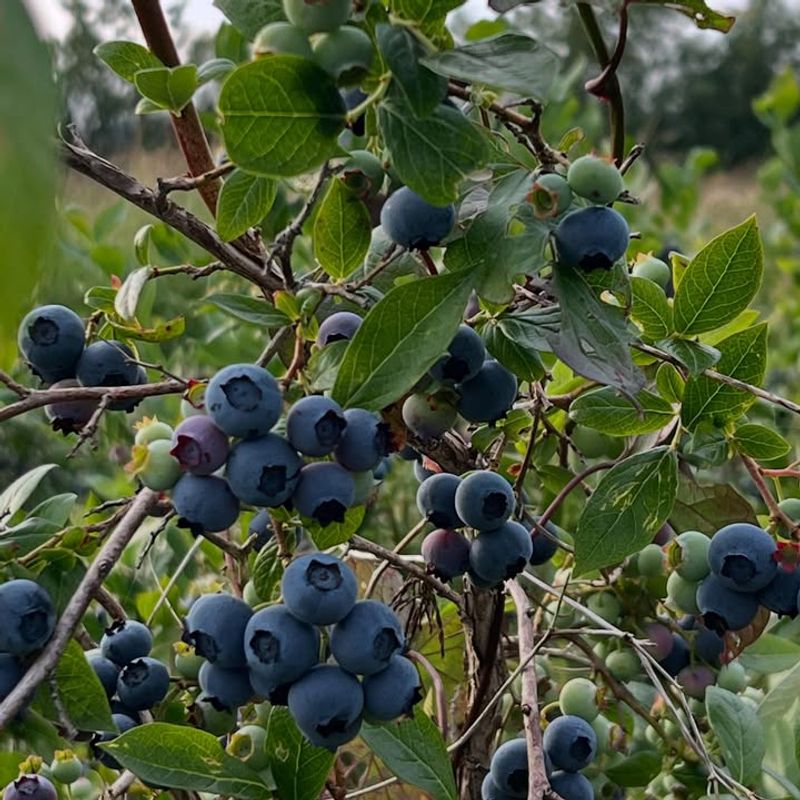
Blueberries are acid-loving plants that thrive when surrounded by companions that support their soil preferences.
Pine trees are natural partners because their fallen needles gradually acidify the soil as they decompose, creating the perfect pH balance for blueberry roots.
Planting blueberry bushes near established pines or under their canopy provides dappled shade that protects berries from Florida’s intense afternoon sun.
Other acid-loving shrubs like azaleas and camellias also make excellent companions, creating a cohesive landscape design while supporting soil chemistry.
This companion strategy eliminates the need for constant soil amendments, saving you time and effort in garden maintenance.
The pine canopy also provides wind protection for delicate blueberry branches during Florida’s summer thunderstorms.
As pine needles accumulate around blueberry bushes, they act as a natural mulch that retains moisture and suppresses weed growth.
Blueberries planted in these conditions produce sweeter, more abundant fruit because their nutritional needs are naturally met.
This pairing works especially well in North and Central Florida, where both pines and blueberries are well-adapted to local growing conditions.
Creating a woodland-style garden with blueberries and pines brings both beauty and delicious harvests to your landscape.
8. Corn
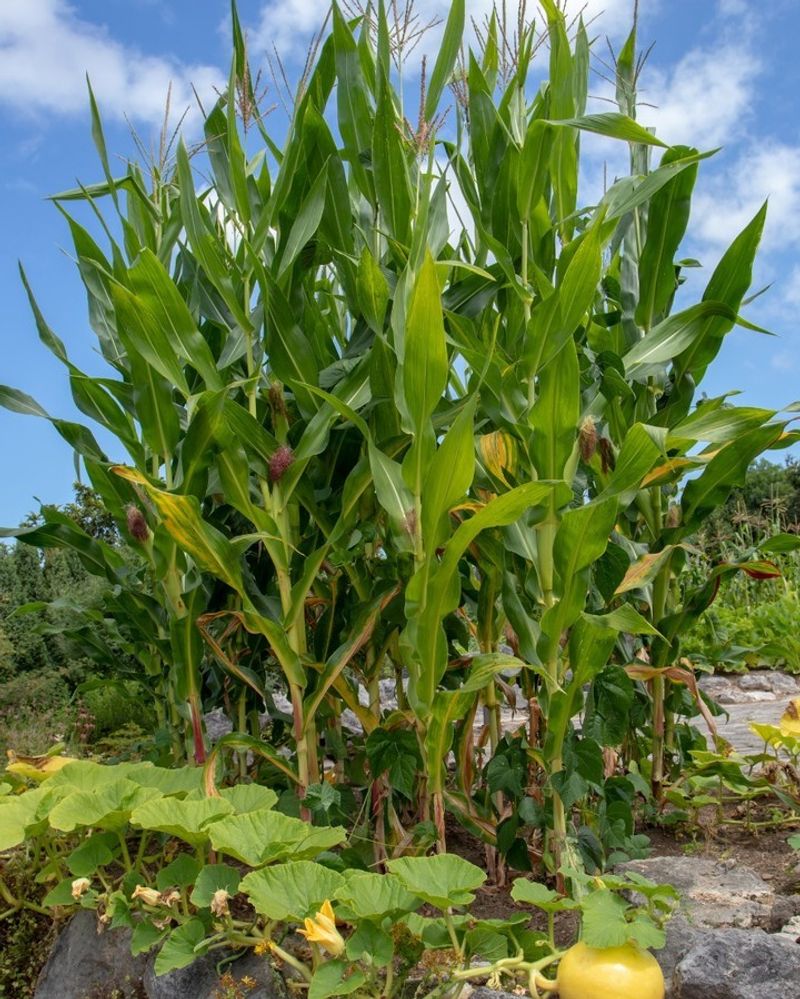
The classic Three Sisters planting method pairs corn with pole beans for mutual benefit.
Corn provides a natural living trellis for bean vines to climb, eliminating the need for stakes or other supports.
Meanwhile, beans fix atmospheric nitrogen in the soil through their root nodules, feeding the heavy-feeding corn plants throughout the growing season.
This ancient companion planting technique has been used by indigenous farmers for thousands of years because it simply works.
In Florida, plant corn first and wait until stalks are about six inches tall before adding bean seeds around the base.
As beans grow upward, they’ll wrap around corn stalks without damaging them, creating a productive vertical garden.
Both plants enjoy full sun and warm temperatures, making them perfectly suited to Florida’s climate.
The nitrogen provided by beans reduces the need for synthetic fertilizers, making this pairing environmentally friendly and cost-effective.
Harvesting fresh corn and beans together means you’ll have the makings of succotash straight from your garden.
This partnership maximizes garden space while improving soil health, proving that traditional growing methods still have plenty to teach modern gardeners.
9. Beans
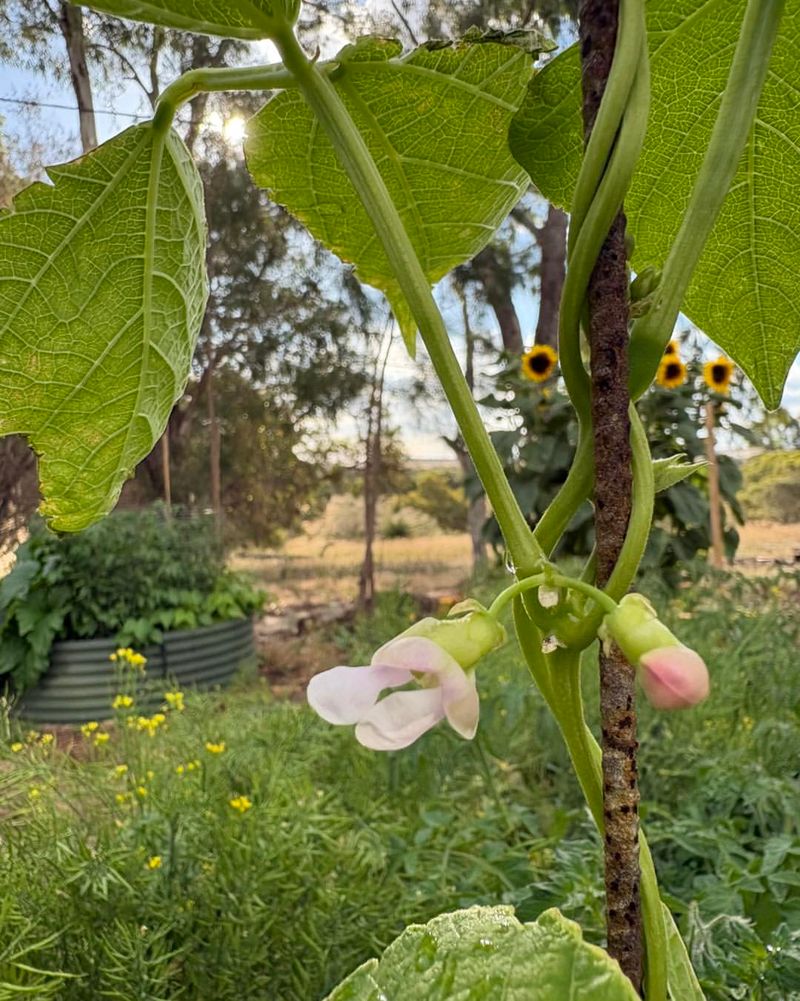
Sunflowers make spectacular living trellises for climbing bean varieties.
Their thick, sturdy stems can easily support the weight of bean vines loaded with pods, and the height advantage allows beans to reach more sunlight.
This pairing creates a stunning visual display in your garden, with bright yellow sunflower blooms towering above lush green bean foliage.
Plant sunflowers first and allow them to establish strong stems before introducing bean seeds at their base.
Beans will naturally twine around sunflower stalks as they grow, creating a mutually beneficial vertical garden structure.
Sunflowers attract pollinators that also benefit bean flower production, increasing your overall harvest.
Both plants thrive in Florida’s heat and sunshine, requiring similar watering and care schedules.
As an added bonus, you’ll harvest both edible beans and sunflower seeds from the same garden space.
This companion pairing is particularly useful in small gardens where vertical growing maximizes limited space.
Kids especially love watching beans climb up cheerful sunflower towers, making this combination both educational and productive for family gardens.
10. Citrus Trees
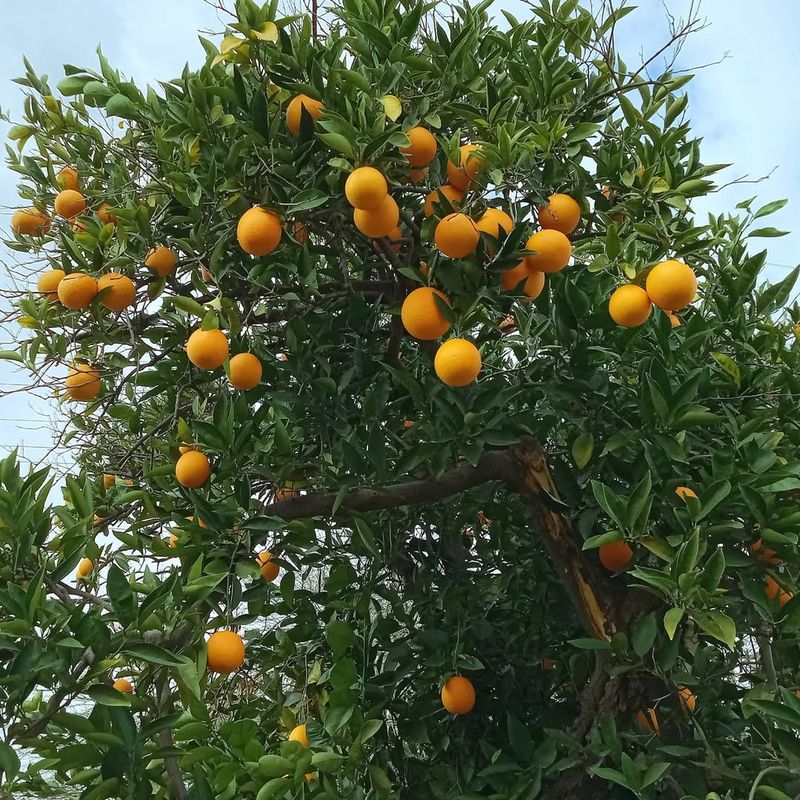
Citrus trees benefit tremendously from low-growing herb companions planted around their base.
Marigolds and lemongrass both release aromatic compounds that naturally repel aphids, whiteflies, and other pests that target citrus foliage.
Lemongrass is especially effective at deterring mosquitoes, making your citrus grove a more pleasant place to spend time during Florida’s buggy seasons.
These companion plants also attract beneficial insects like ladybugs and lacewings that prey on citrus pests.
Planting a ring of marigolds and lemongrass around your citrus trees creates a protective barrier without competing for nutrients or water.
Both companions are drought-tolerant once established, which is perfect for Florida’s sandy soils and occasional dry spells.
The bright colors of marigolds add ornamental value to your citrus landscape, while lemongrass provides fresh herbs for cooking and tea.
This underplanting strategy also reduces bare soil around tree trunks, minimizing weed growth and soil erosion.
Citrus trees produce better when pest pressure is reduced naturally, resulting in healthier fruit and less need for chemical interventions.
Whether you’re growing oranges, lemons, or limes, these herbal companions will help your citrus trees reach their full potential.
11. Strawberries
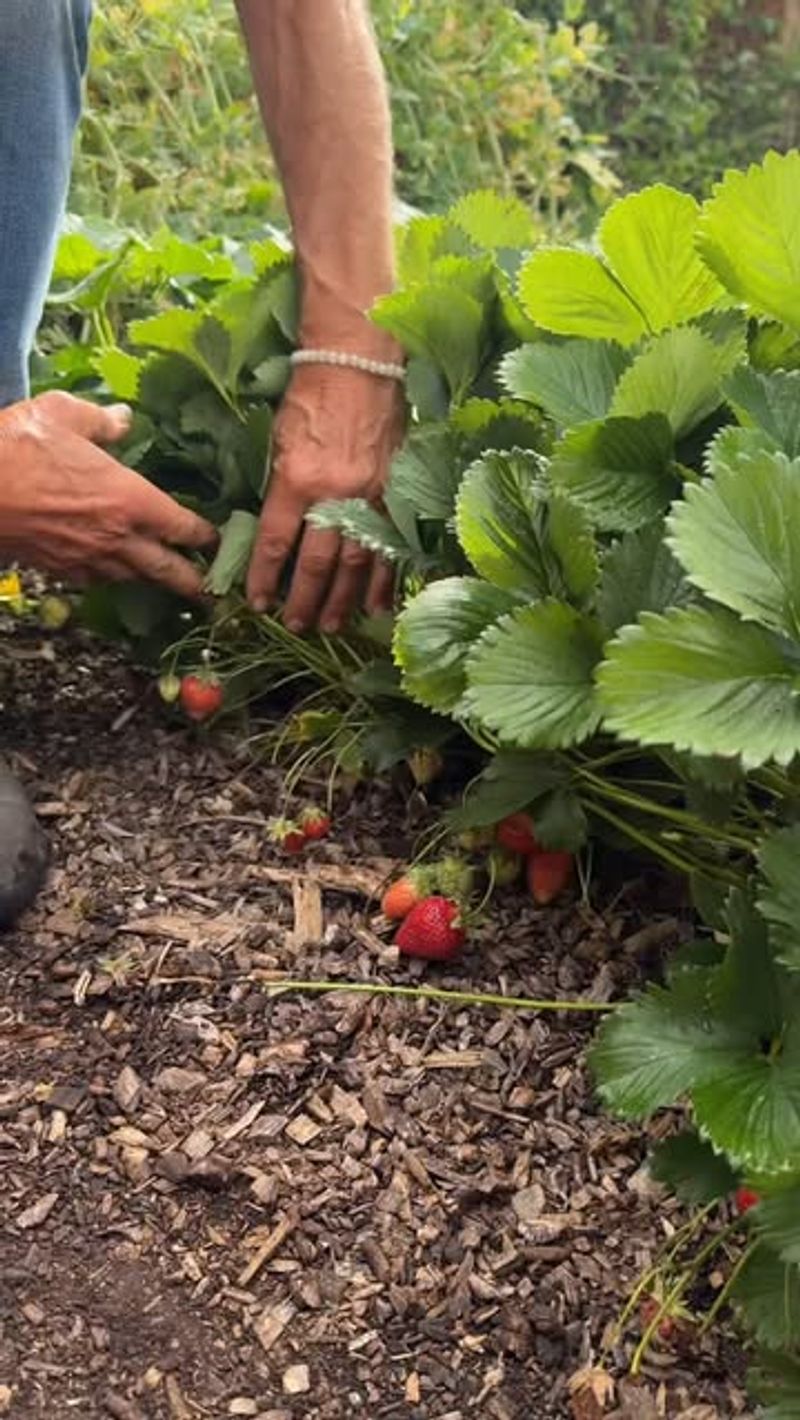
Borage is a powerhouse companion for strawberry beds, offering multiple benefits in one cheerful package.
This herb attracts an abundance of pollinators with its stunning blue star-shaped flowers, which significantly increases strawberry fruit set.
Borage also repels tomato hornworms and cabbage worms, though it’s the strawberry protection that really shines in companion planting.
The deep taproot of borage brings up trace minerals from deep in the soil, making them available to shallow-rooted strawberry plants.
Some gardeners believe borage improves strawberry flavor and growth through beneficial root interactions, though the science is still catching up to the folklore.
In Florida, plant borage at the edges of your strawberry beds where it won’t shade the berries but can still provide pollinator support.
Borage self-seeds readily, so you’ll have continuous coverage year after year with minimal effort.
The young leaves of borage are edible and taste like cucumber, adding another harvest dimension to your strawberry patch.
Both plants prefer well-drained soil and moderate watering, making them compatible in Florida’s variable climate.
This beautiful partnership results in sweeter strawberries and a garden buzzing with beneficial activity.
12. Collard Greens
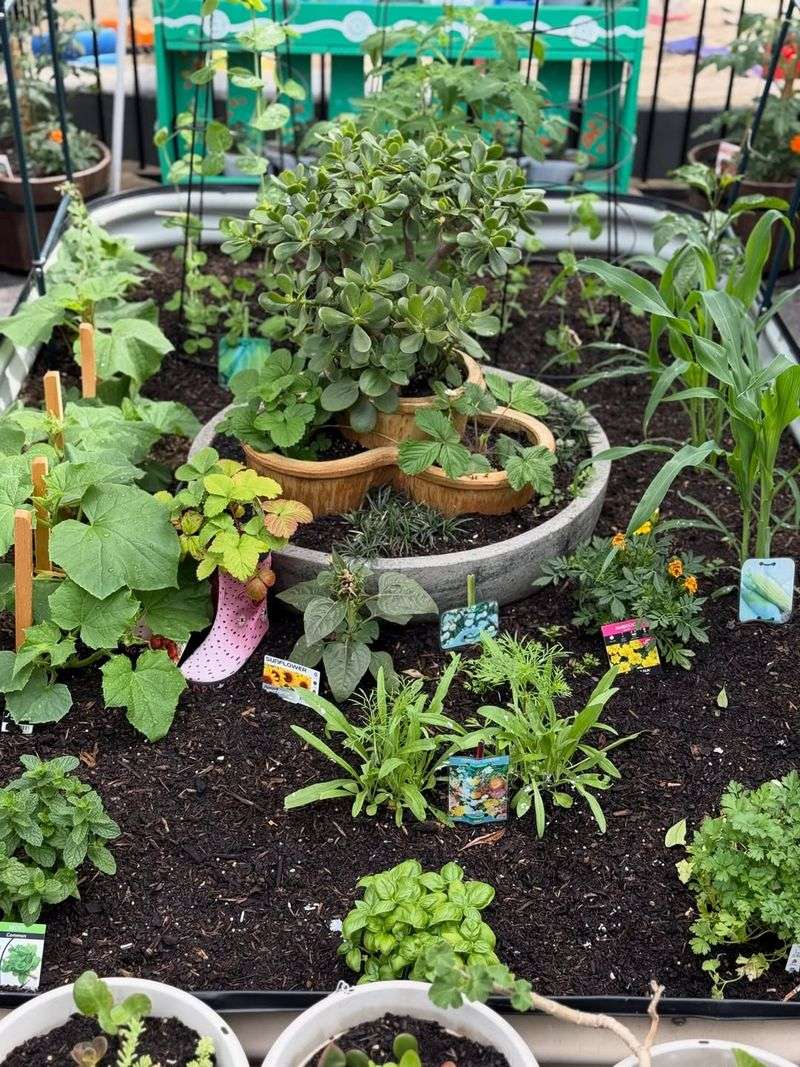
Mint serves as an excellent pest deterrent for collard greens and other brassica family members.
Cabbage moths are notorious for laying eggs on collard leaves, which hatch into caterpillars that can decimate your crop.
The strong scent of mint confuses these moths and reduces egg-laying activity, protecting your collards from damage.
Plant mint in containers near your collard bed rather than directly in the ground, since mint can become invasive and take over garden space.
This contained approach gives you all the pest protection benefits without the headache of controlling aggressive mint runners.
Mint also attracts beneficial insects like hoverflies and predatory wasps that naturally control aphids and other collard pests.
In Florida’s heat, both collards and mint appreciate afternoon shade and consistent moisture, making them compatible growing partners.
Harvesting fresh mint while tending your collard patch means you’ll always have herbs ready for tea, mojitos, or cooking.
Collards grow best in Florida’s cooler months, and mint remains evergreen year-round, providing continuous pest protection.
This pairing combines practical pest management with culinary convenience, making your vegetable garden both productive and useful.
13. Okra
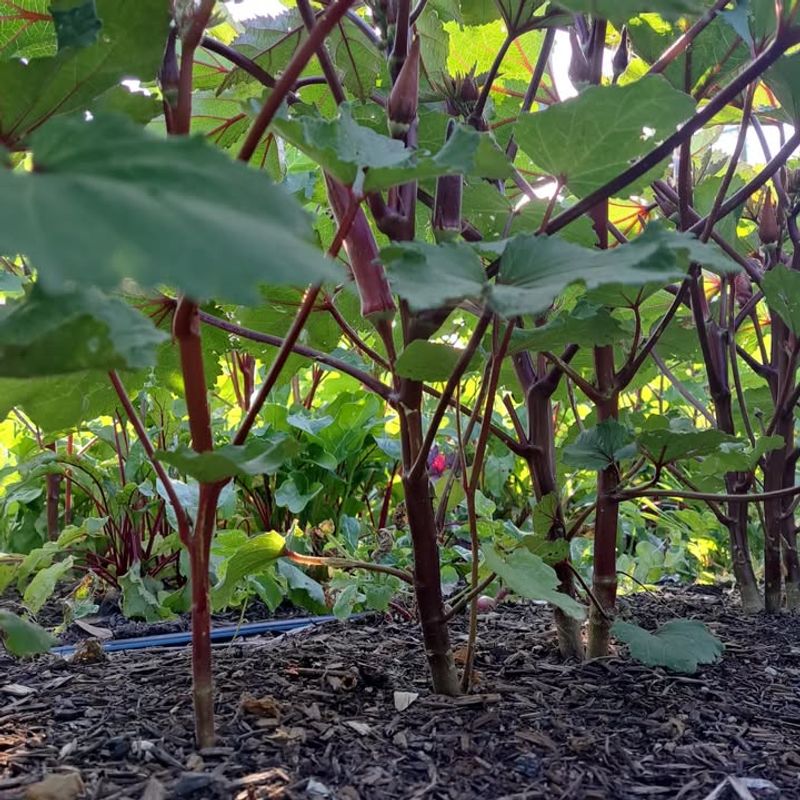
Okra and sweet potatoes create a perfect vertical and horizontal companion pairing.
Tall okra plants reach skyward, producing pods several feet above ground, while sweet potato vines spread horizontally as a living mulch.
This combination maximizes garden space by using different growing zones without any competition between plants.
Sweet potato vines shade the soil beneath okra plants, keeping roots cool and reducing moisture loss during Florida’s hot summers.
The dense vine coverage also suppresses weeds, eliminating hours of tedious hand-weeding around okra stems.
Both plants are heat-lovers that thrive in Florida’s long, warm growing season, making them perfectly matched companions.
Sweet potatoes improve soil structure with their spreading roots, while okra’s deep taproot breaks up compacted layers below.
This pairing is particularly effective in sandy Florida soils where moisture retention and weed control are constant challenges.
Harvesting okra pods from tall plants while sweet potatoes develop underground means you’ll get two completely different crops from the same garden space.
This smart companion strategy proves that thinking vertically and horizontally can dramatically increase garden productivity without expanding your growing area.
14. Carrots
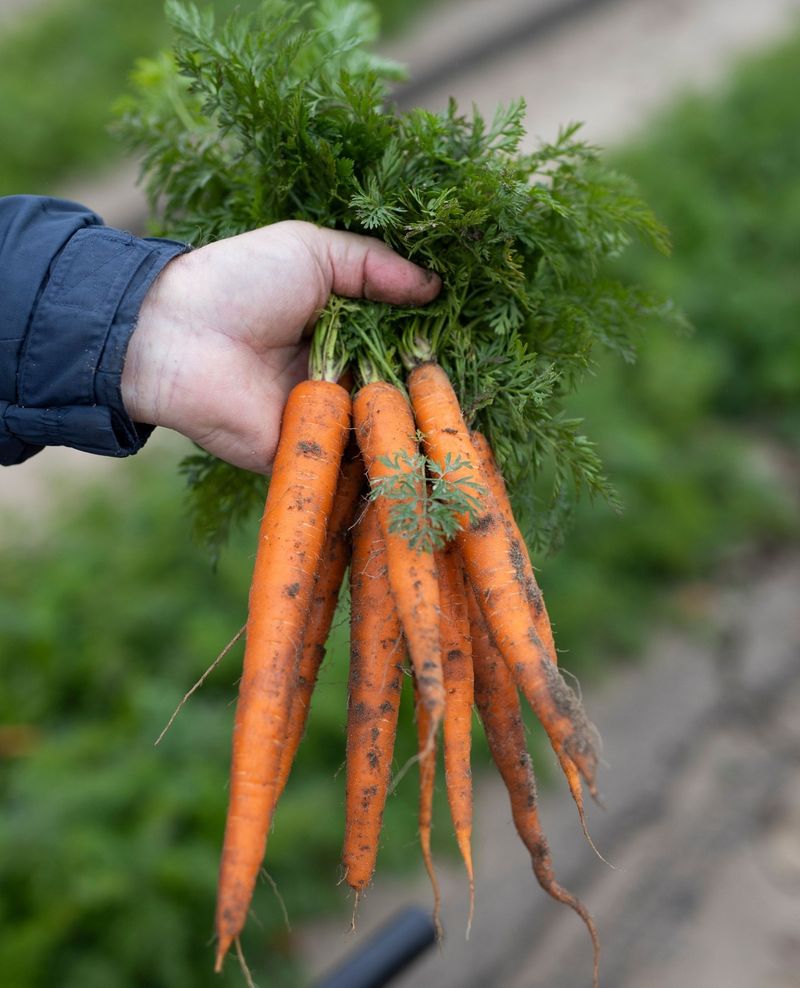
Chives are the perfect companion for carrots, offering both pest protection and potential flavor enhancement.
Carrot rust flies are a common pest that can ruin an entire carrot crop, but the strong onion scent of chives masks the smell of carrots and confuses these pests.
Planting rows of chives between carrot rows creates a protective barrier that significantly reduces pest damage.
Chives also attract pollinators and beneficial insects with their purple pom-pom flowers, adding another layer of garden support.
Both plants have similar water and sunlight needs, making them easy to care for together in Florida’s climate.
The vertical growth of chives doesn’t shade low-growing carrot foliage, allowing both plants to photosynthesize efficiently.
Some gardeners swear that carrots grown near chives develop better flavor, though this remains a delicious mystery worth testing yourself.
Chives are perennial in most of Florida, meaning they’ll return year after year while you replant carrots seasonally.
Harvesting fresh chives and carrots together provides ingredients for countless recipes, from soups to salads.
This classic companion pairing has stood the test of time because it delivers real results in pest reduction and garden productivity.