7 Florida Plants To Fertilize In April And 4 To Skip For Now
April hits Florida and suddenly everything starts moving. New growth shows up fast, lawns green up, and plants look like they are ready for a boost.
It feels like the perfect moment to grab fertilizer and give the whole yard a fresh start. But hold on a second.
That quick rush to feed everything can backfire more than most people expect. Some plants are ready for it right now, while others are better off left alone for a bit longer.
In Florida’s sandy soil, nutrients do not stick around for long, so timing really counts. Get it right, and plants take off in a way that feels almost effortless.
Get it wrong, and you can end up with weak growth, fewer blooms, or wasted effort. A few simple choices this month can make the difference between a strong season and a frustrating one.
1. Citrus Trees Benefit From A Spring Feeding Boost
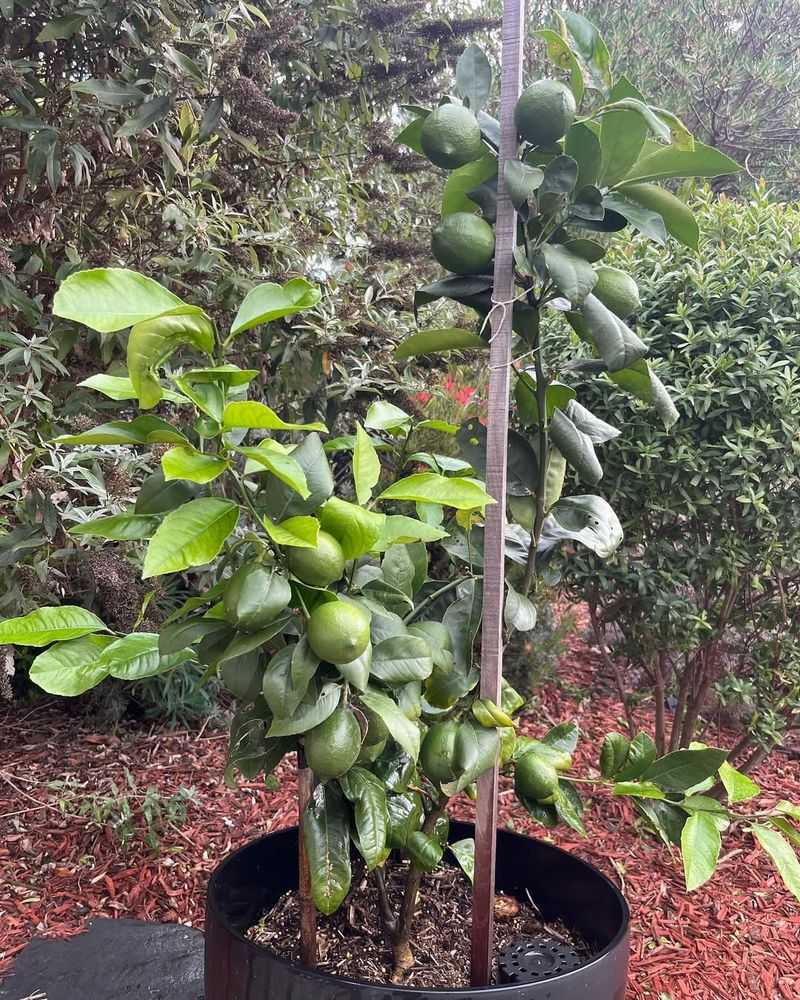
Few things signal Florida spring gardening like the smell of citrus blossoms drifting through a warm April morning. Citrus trees are heavy feeders, and according to UF/IFAS Extension, spring is one of the most critical times to get fertilizer down.
Missing this window can mean weaker fruit set and less vigorous growth through the rest of the season.
Look for a slow-release citrus fertilizer that includes key micronutrients, especially magnesium, manganese, and iron. Florida’s sandy soils drain fast and leach nutrients quickly, so micronutrients matter just as much as the main N-P-K numbers.
Without them, you may notice yellowing between leaf veins, which is a classic sign of deficiency.
Rather than applying a large dose all at once, split your applications across the growing season. UF/IFAS recommends three to four feedings per year for bearing trees.
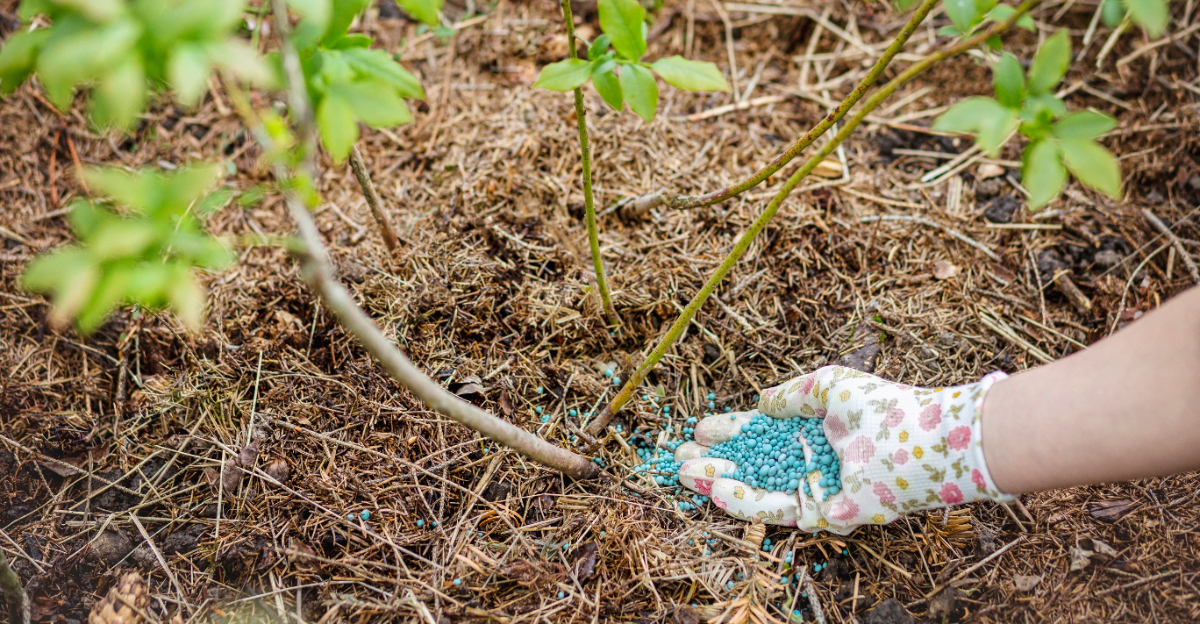
April is the first feeding, so keep amounts reasonable and spread the fertilizer evenly under the canopy out to the drip line. Avoid piling fertilizer directly against the trunk, and always water thoroughly after applying to help nutrients move into the root zone.
2. Roses Keep Blooming Strong With Regular Feeding
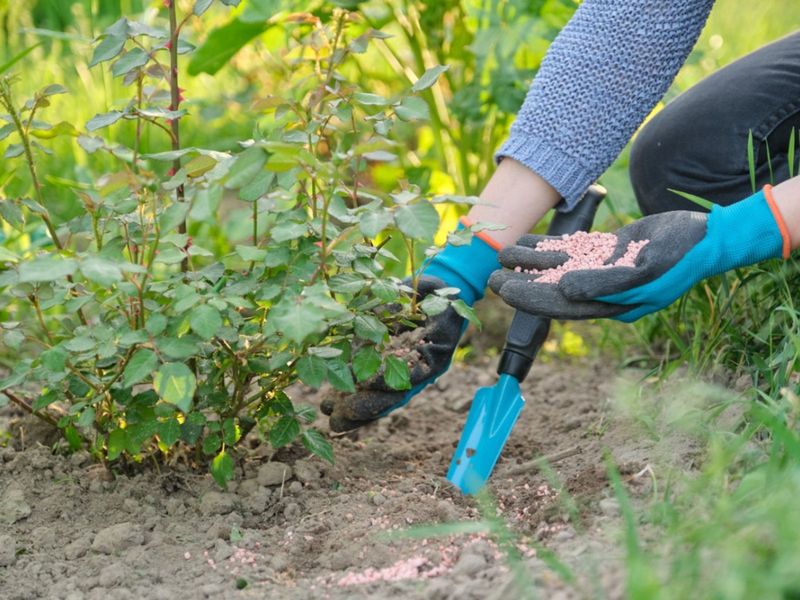
Roses in Florida can be almost surprisingly productive when they get what they need on a regular schedule. April feeding sets the tone for months of strong blooms, and skipping it often shows up as smaller flowers and less vigorous canes by early summer.
Monthly feeding during the active growing season is the standard recommendation for Florida roses.
A balanced fertilizer works well, but many rose growers prefer one that is slightly higher in phosphorus to push flower production. Look for products labeled specifically for roses or flowering shrubs, as these tend to have the right nutrient ratios.
Granular slow-release formulas are convenient and reduce the risk of burning foliage if you follow label directions.
Watering before and after applying fertilizer is a simple but important step. Moist soil helps the roots absorb nutrients more efficiently and prevents root burn from concentrated granules sitting too close to feeder roots.
Apply the fertilizer in a ring around the plant, keeping it a few inches away from the main canes. With consistent monthly feeding and good watering habits, Florida roses can bloom reliably from spring well into fall.
3. Blueberries Need An April Boost For Better Harvests
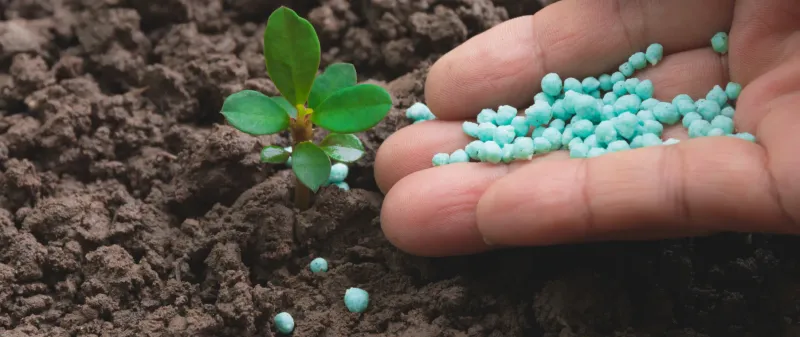
Blueberries are one of those crops where timing your fertilizer correctly makes a measurable difference in how much fruit you actually harvest. UF/IFAS Extension specifically recommends fertilizing Florida blueberries in April as part of a split-application approach that supports steady growth without overwhelming the plants.
Getting this application right gives developing fruit the nutrients it needs without stressing the roots.
Blueberries require an acidic soil environment to thrive, and the fertilizer you choose should reflect that. Ammonium sulfate is a widely recommended option because it provides nitrogen while also helping to lower soil pH over time.
Products marketed for acid-loving plants work well too, just check that they are formulated without sources that raise pH.
One practical tip that often gets overlooked: keep fertilizer away from the base of the plant. Blueberry roots are shallow and sensitive, and concentrated fertilizer sitting near the crown can cause damage.
Spread it in a wide ring starting several inches out from the main stems. Water it in gently after applying.
Following these steps through the season, with additional applications in June, August, and October according to UF/IFAS guidelines, gives Florida blueberry bushes the best shot at a full, flavorful harvest.
4. Palms Respond Well To A Balanced Spring Fertilizer
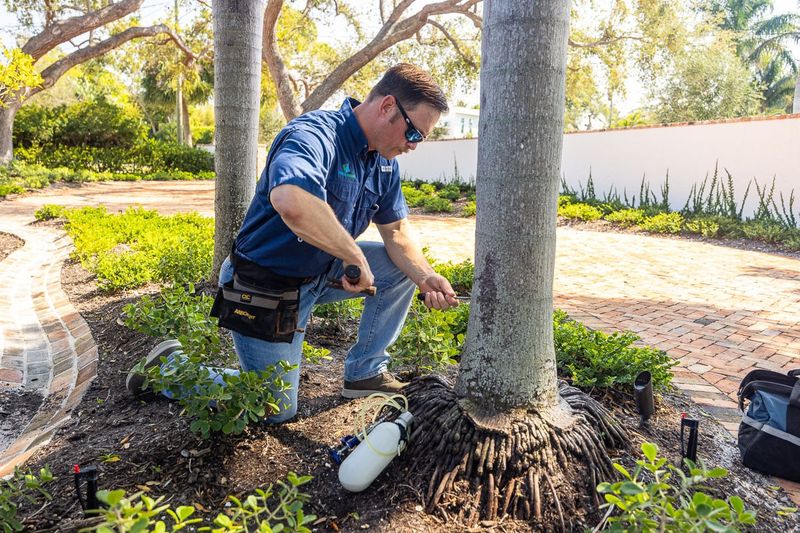
Palms are practically synonymous with Florida landscapes, but they are also surprisingly easy to fertilize incorrectly. Using the wrong product or applying it in the wrong spot can lead to nutrient deficiencies that show up as yellowing fronds, stunted growth, or worse.
UF/IFAS has done extensive research on palm nutrition and their recommendations are specific for good reason.
The recommended fertilizer for Florida palms is an 8-2-12-4 slow-release formula, which stands for nitrogen, phosphorus, potassium, and magnesium. It also needs to include chelated micronutrients like manganese, iron, and boron.
This combination addresses the specific deficiencies that Florida’s sandy, fast-draining soils tend to create for palms over time.
Application method matters a lot here. Spread the fertilizer evenly under the entire canopy, extending out to the drip line, rather than piling it near the trunk.
Fertilizer spikes are not recommended for palms because they create concentrated nutrient pockets rather than even distribution. Apply palm fertilizer three to four times per year, with April being an excellent starting point.
Watering after application helps move the slow-release granules into the soil where the roots can actually use them.
5. Azaleas Can Be Fed After Blooming Finishes
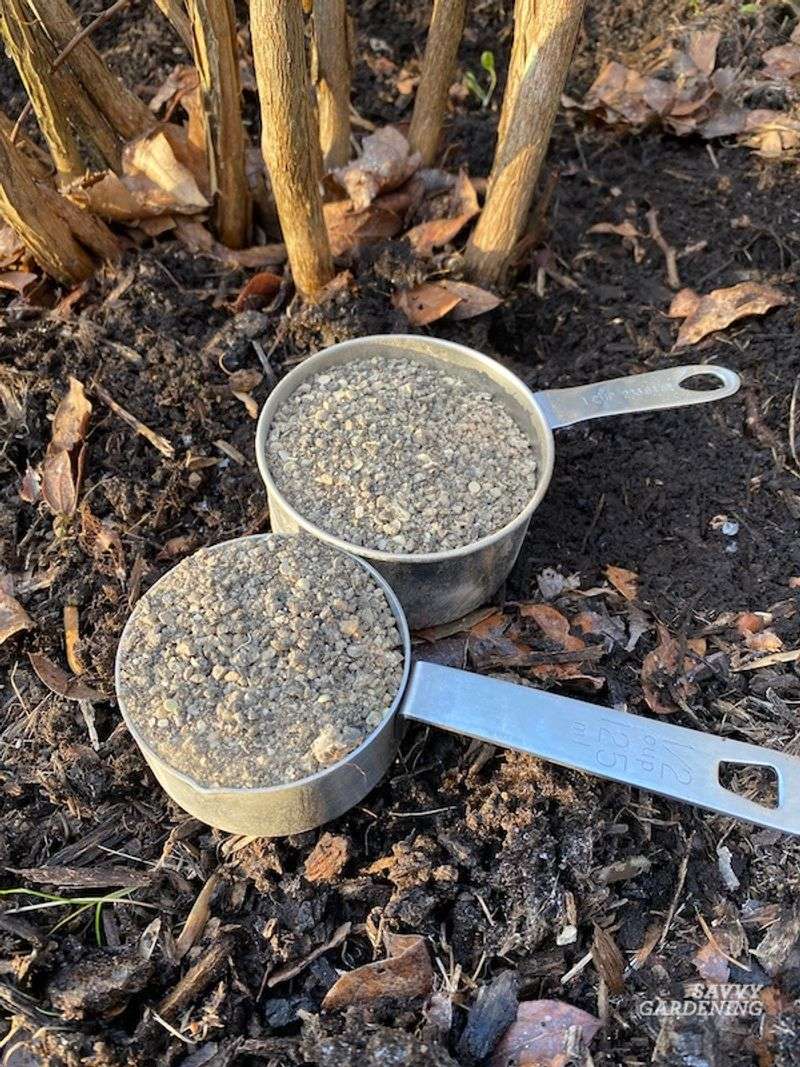
Azaleas put on a spectacular show in early spring, and once those blooms start to fade, that is your signal that fertilizing time has arrived. Feeding azaleas while they are still in full flower is not recommended because it can push the plant toward leafy growth at the expense of the bloom cycle.
Waiting until flowering finishes allows the plant to shift its energy toward healthy foliage development instead.
Acid-forming fertilizers are the right choice for azaleas, which prefer a soil pH between 4.5 and 6.0. Products labeled for azaleas and camellias typically contain ammonium-based nitrogen sources that gradually acidify the soil as they break down.
This is especially helpful in Florida, where soils can trend toward neutral or slightly alkaline in some areas.
Light feeding is the key phrase to remember with azaleas. Over-applying nitrogen can cause rapid, weak growth that is more susceptible to pests and stress.
One light application after bloom drop in spring is usually sufficient, followed by another in late summer if the plant looks like it needs support. Always water thoroughly after fertilizing and avoid applying during extreme heat, which can stress the root system and reduce nutrient uptake efficiency.
6. Camellias Benefit From Light Feeding After Flowering
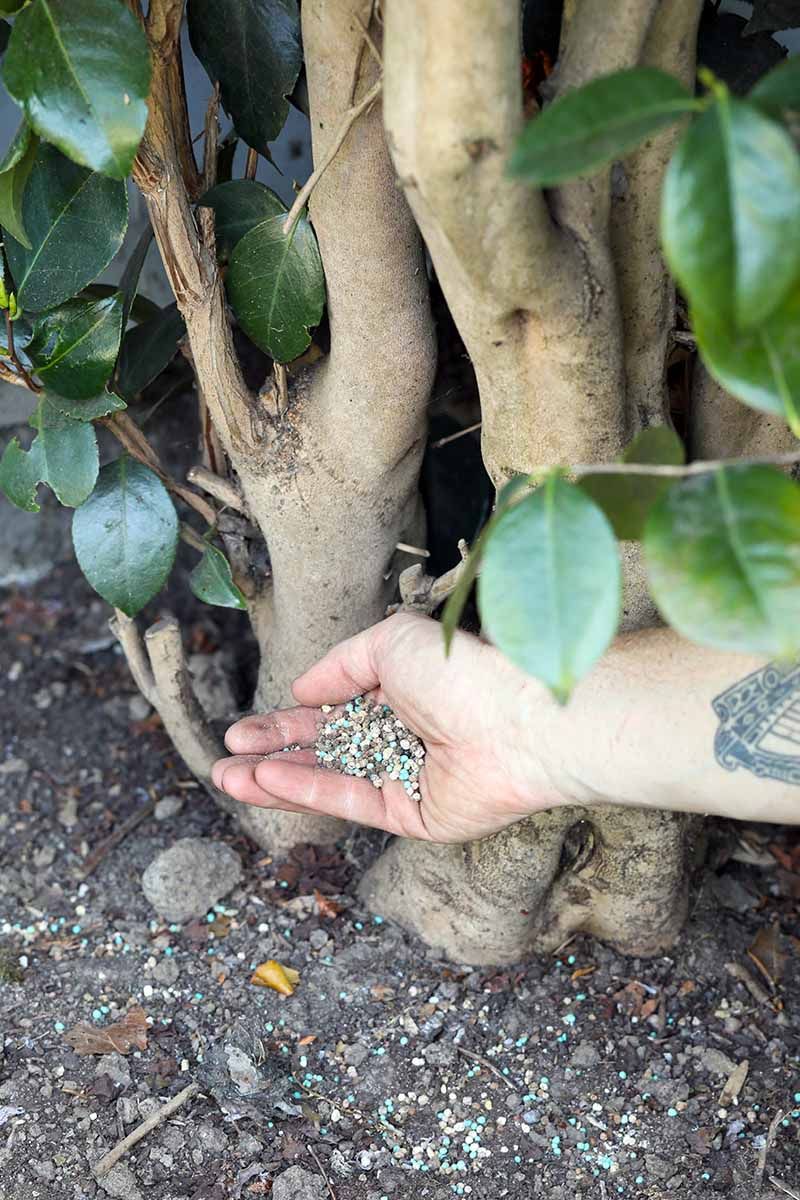
Camellias are slow-growing, long-lived shrubs that reward patient gardeners who understand their preferences. Timing fertilizer correctly is one of the most important things you can do for them.
Like azaleas, camellias should only be fertilized after their blooming period has fully ended, which for most Florida varieties wraps up by late winter or early spring.
A slow-release, acid-forming fertilizer is the right fit for camellias. These plants thrive in slightly acidic soil, and using a fertilizer that helps maintain that pH range supports better nutrient absorption and overall plant health.
Products formulated for azaleas and camellias together are widely available and work well for both shrubs.
Moderation is important when feeding camellias. Applying too much fertilizer, especially nitrogen, can stimulate excessive soft growth that is more vulnerable to fungal issues and environmental stress.
A light application in spring after bloom drop is the standard approach, and many gardeners in Florida add one more feeding in late summer to support the following season’s bud development. Keep granules away from the main trunk, water in well after applying, and avoid fertilizing during periods of drought or heat stress.
Steady, measured care keeps camellias performing beautifully year after year.
7. Florida Lawns Need Careful Spring Fertilizing Timing
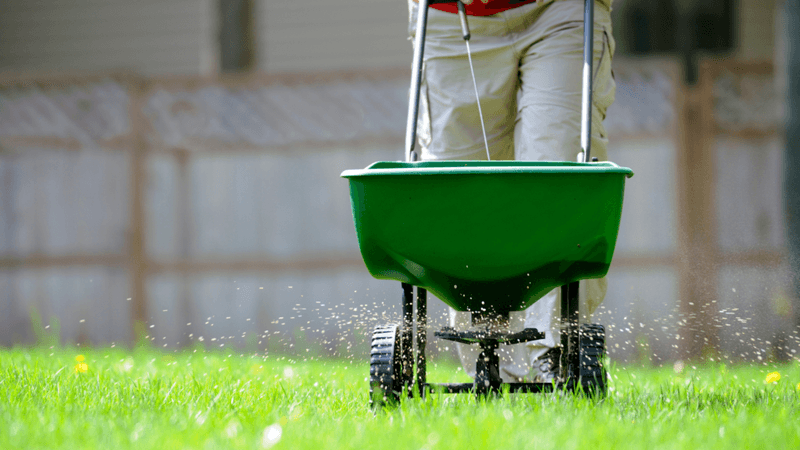
Lawn fertilizing in Florida is not a one-size-fits-all situation, and April is where regional timing differences really start to matter. In Central and South Florida, warm-season grasses like St. Augustine, Bahia, and Zoysia typically green up earlier in the year, making late March or early April a reasonable window for that first nitrogen application.
In North Florida, waiting until mid-April ensures the grass has fully come out of dormancy before feeding begins.
The key rule to follow is simple: never fertilize a lawn that has not yet greened up. Applying fertilizer to dormant or semi-dormant turf is wasteful at best and harmful at worst, since nutrients that grass cannot absorb can run off into nearby water bodies.
Florida has strict fertilizer ordinances in many counties, and most require slow-release nitrogen formulations to minimize this runoff risk.
When you do apply, stick to no more than one pound of nitrogen per 1,000 square feet per application. Slow-release fertilizers are strongly preferred because they feed the grass gradually over several weeks rather than causing a sudden flush of growth.
A fertilizer with a ratio like 15-0-15 or similar low-phosphorus formula works well for established Florida lawns where phosphorus is rarely deficient.
8. Gardenias Don’t Need Another Feeding This Early
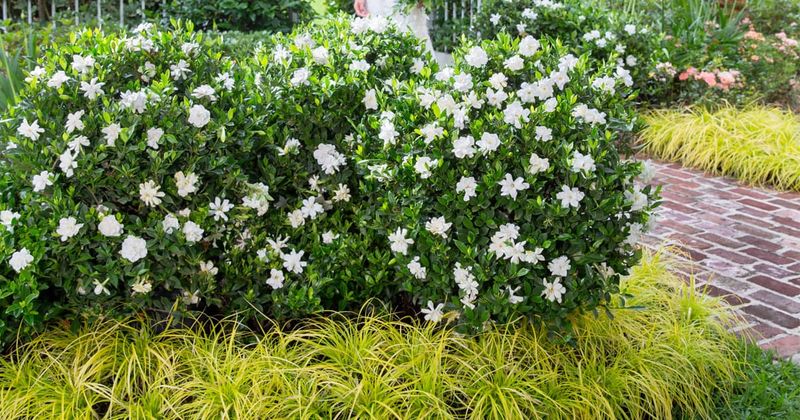
Gardenias have already had their moment in the fertilizer spotlight by the time April rolls around. Most Florida gardeners who follow standard care guidelines would have applied a feeding in late winter or very early spring, which means adding more in April is usually unnecessary and potentially counterproductive.
Overfeeding gardenias is a common mistake that leads to lush green leaves but fewer flowers.
Too much nitrogen at the wrong time pushes gardenias toward vegetative growth when they should be putting energy into bud development. If you already fertilized in February or March, your gardenias are likely in good shape and do not need anything more right now.
Give them time to respond to what they have already received before considering another application.
If you skipped the earlier feeding entirely and your gardenia looks pale or stressed, a light application of an acid-forming fertilizer in early April could be appropriate. But for most established gardenias in Florida landscapes, patience is the better move this month.
Focus instead on keeping the soil consistently moist, maintaining a layer of mulch to hold in moisture and moderate soil temperature, and checking for common issues like whiteflies or sooty mold, which gardenias are prone to in warm, humid conditions.
9. Established Shade Trees Rarely Need Fertilizer
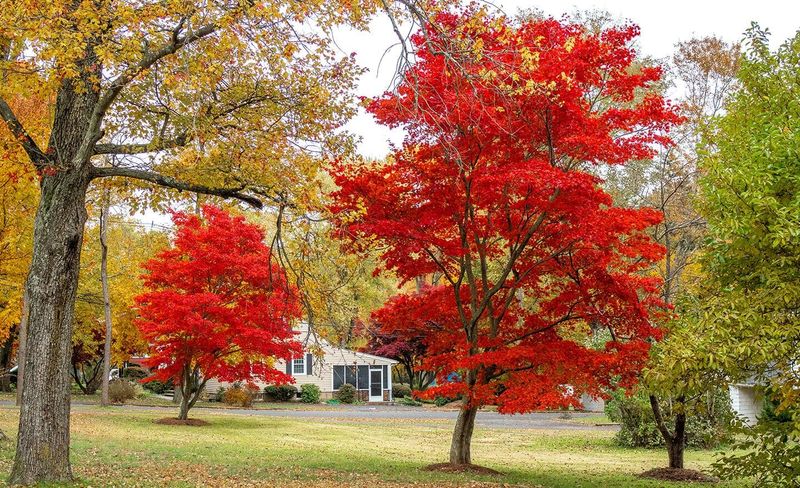
There is a common assumption that bigger plants need more fertilizer, but mature shade trees in Florida actually tell a different story. According to UF/IFAS Extension, established landscape trees generally do not need routine fertilization unless a specific nutrient deficiency has been identified.
Healthy, mature trees have extensive root systems that access nutrients from a wide area of soil naturally.
Applying fertilizer to trees that do not need it can encourage excessive top growth that puts stress on the structural root system. It can also push nutrients into the soil profile where they leach into groundwater or nearby waterways, which is a real concern in Florida’s porous sandy soils.
Unnecessary fertilization is both wasteful and potentially damaging to the surrounding environment.
Instead of fertilizing by habit, look for actual signs that a tree is struggling. Yellowing leaves, unusually small foliage, poor annual growth, or off-color patterns between leaf veins can indicate a deficiency worth addressing.
A soil test or tissue analysis from your local UF/IFAS Extension office can confirm what, if anything, is actually lacking. If a deficiency is confirmed, targeted treatment with the appropriate nutrient is far more effective and responsible than a blanket fertilizer application every spring.
10. Newly Planted Shrubs Should Not Be Pushed With Heavy Fertilizer
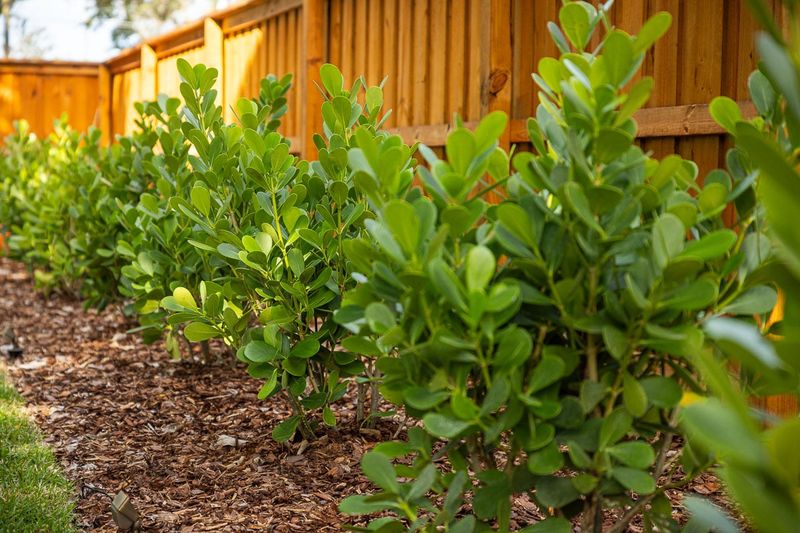
New plants may look like they need a boost to get going, but fertilizer is not what helps them settle in. What they really need first is time to establish a strong, healthy root system.
When shrubs are newly planted, their roots are still adjusting to the surrounding soil. Adding a heavy dose of fertilizer too early can actually stress those young roots instead of helping them grow.
In Florida’s sandy soils, nutrients also move quickly, which increases the risk of fertilizer sitting too close to sensitive root zones.
UF/IFAS guidance generally focuses on proper planting, watering, and soil preparation rather than immediate fertilizing. In many cases, a quality planting mix or existing soil already provides enough nutrients for the first several weeks.
The priority after planting should be consistent watering, not feeding. Keeping the root ball evenly moist helps roots expand outward into the surrounding soil, which is far more important than pushing top growth too soon.
If you do decide to fertilize, keep it light and wait until you see signs of new growth. A gentle, slow-release application placed away from the base of the plant is usually all that is needed.
Giving shrubs time to establish properly leads to stronger, more resilient plants that perform better long term.
11. Stressed Or Drought-Hit Plants Should Not Be Fertilized Until Conditions Improve
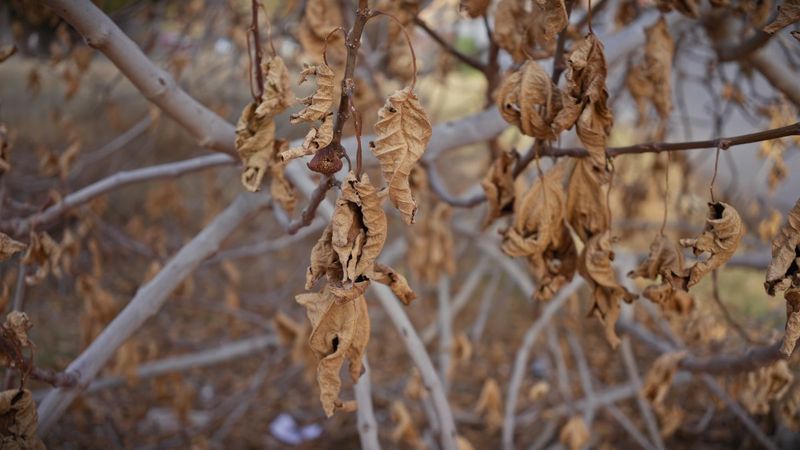
When a plant looks weak, wilted, or off-color, fertilizer can seem like the obvious solution. But in Florida gardens, stressed plants usually need relief first, not extra nutrients.
Drought stress is a common spring problem, especially once temperatures rise and sandy soil starts drying out fast. When roots are struggling for moisture, they are not in a good position to absorb fertilizer efficiently.
Adding fertilizer at that point can make things worse by increasing salt levels around the root zone and putting even more pressure on a plant that is already under stress.
The better move is to correct the growing conditions before reaching for the fertilizer bag. That might mean watering more deeply, adding mulch to slow evaporation, or giving the plant time to recover from heat, transplant shock, or dry weather.
Once the plant begins putting on healthy new growth again, that is the time to think about feeding. A plant that is actively recovering can use nutrients far more effectively than one that is still struggling to stay hydrated.
A simple rule helps here: fix the stress first, then fertilize later if the plant still needs support.