10 Florida Plants To Grow Under Tomatoes For Stronger Vines
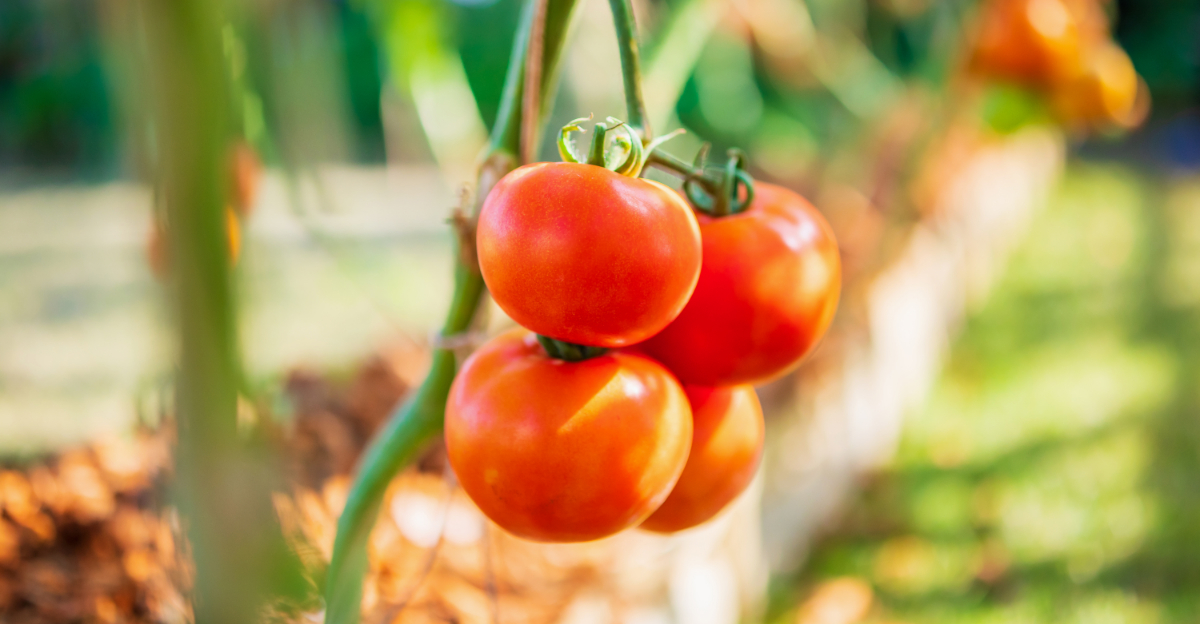
Tomatoes have a way of taking over the garden once spring arrives in Florida. One minute you have neat little seedlings, and a few weeks later those vines are stretching, climbing, and asking for more space than you planned.
Experienced gardeners often tuck other plants around the base of their tomatoes instead of leaving the soil bare. Some help shade the ground, others attract helpful insects, and a few quietly help keep certain pests away.
It is an old gardening habit that has been passed around backyard fences for years. The right companions can make a tomato patch look fuller while giving those vines a little extra support.
And a few of these plants might already be growing somewhere in your yard.
1. Basil That Helps Repel Pests And Support Tomato Growth
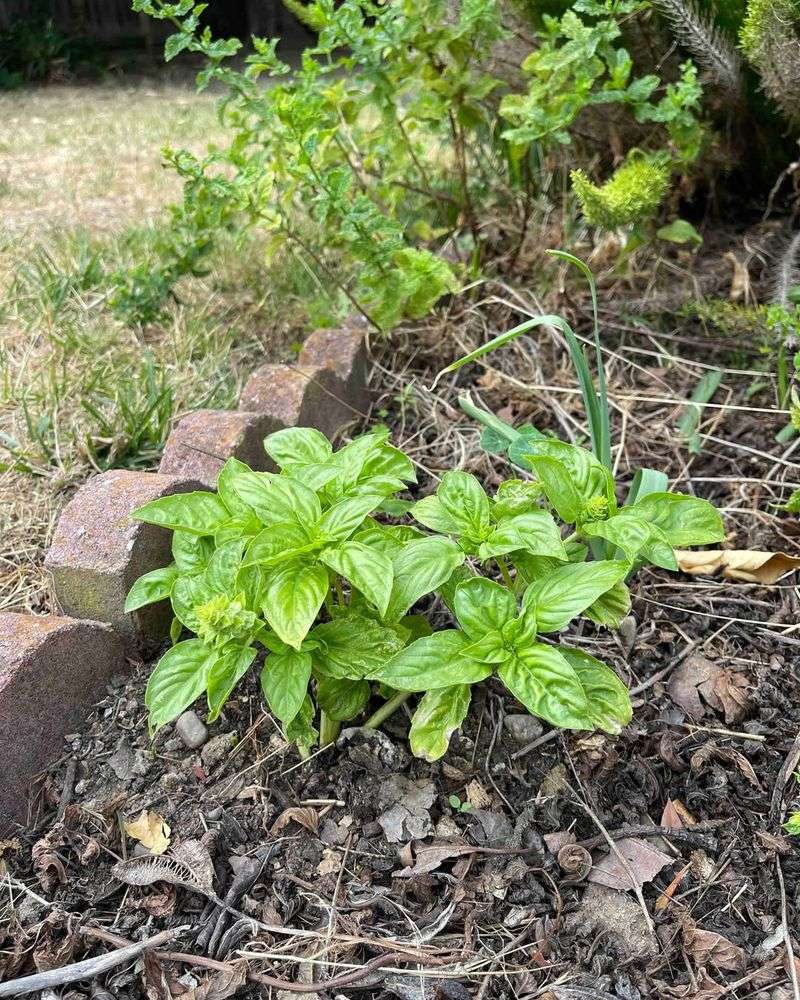
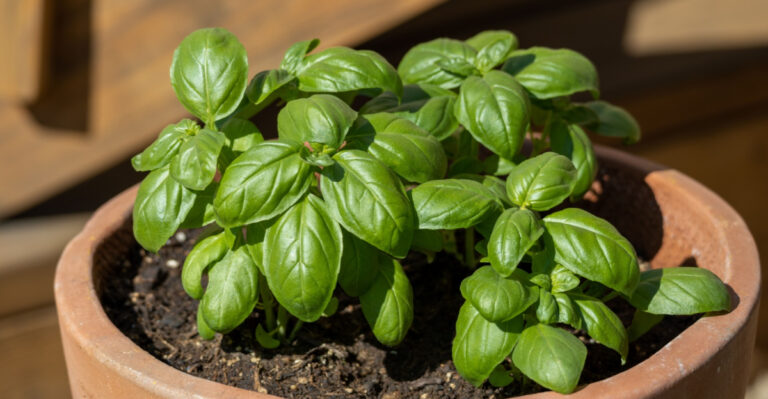
Few plants earn their place in a Florida garden quite like basil does. Not only does it smell amazing, but basil is also one of the most well-known companion plants for tomatoes, and for very good reason.
Gardeners across Florida have been pairing these two together for generations because the results really speak for themselves.
Basil releases strong aromatic oils that naturally confuse and push away common tomato pests like whiteflies, aphids, and tomato hornworms. When planted close to the base of your tomato vines, it creates a kind of invisible shield that makes your garden a less welcoming place for insects that would otherwise cause serious damage.
Florida’s warm climate actually helps basil grow fast and stay fragrant for longer stretches of the season.
Some gardeners also believe that basil improves the flavor of tomatoes grown nearby, though the science behind that is still being explored. What is clear is that basil is easy to grow in Florida’s sandy soils, thrives in full sun, and does not compete aggressively with tomato roots for nutrients.
Plant it about 12 inches away from your tomato stems to give both plants enough breathing room. You can also harvest basil leaves regularly, which encourages bushier growth and keeps it from flowering too quickly.
It is a low-effort, high-reward addition to any Florida tomato garden.
2. Marigolds That Help Reduce Nematodes In Florida Garden Soil
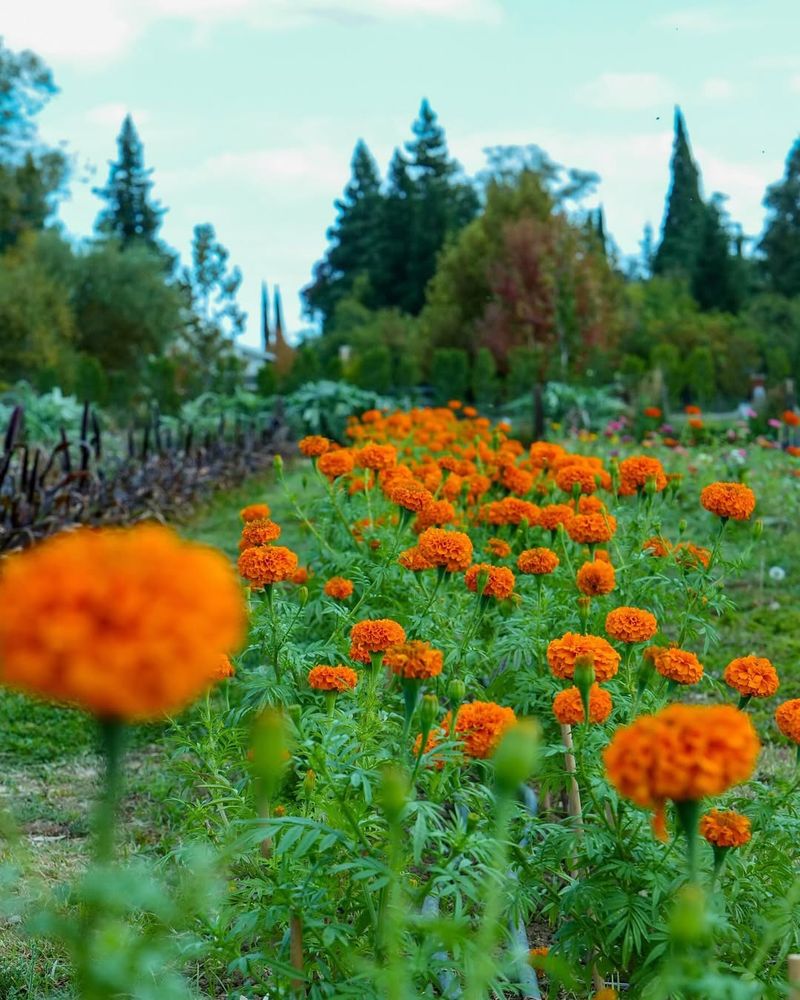
Walk through almost any thriving Florida vegetable garden and you will likely spot marigolds tucked in among the tomatoes. These cheerful, sun-loving flowers are far more than just pretty faces.
Marigolds have a long history as one of the most effective companion plants for tomatoes, especially in Florida where soil nematodes are a serious and ongoing problem.
Nematodes are tiny worm-like organisms that live in the soil and attack plant roots, causing tomato vines to weaken and struggle to produce fruit. Marigolds release a natural chemical from their roots called alpha-terthienyl, which has been shown to reduce nematode populations over time.
Planting marigolds beneath and around your tomatoes throughout the growing season, and then tilling them into the soil afterward, can make a real difference in soil health the following year.
French marigolds, in particular, are highly recommended for Florida gardens because they are compact, heat-tolerant, and bloom continuously through much of the year. They also attract pollinators, which helps your tomatoes set fruit more reliably.
Plant marigolds a few inches away from the base of each tomato plant and water them regularly during dry spells. Florida’s intense sun suits them well, so they will not need much extra care.
Over a full growing season, marigolds can genuinely help transform the health and productivity of your entire tomato patch.
3. Parsley That Fits Easily Beneath Tomato Plants
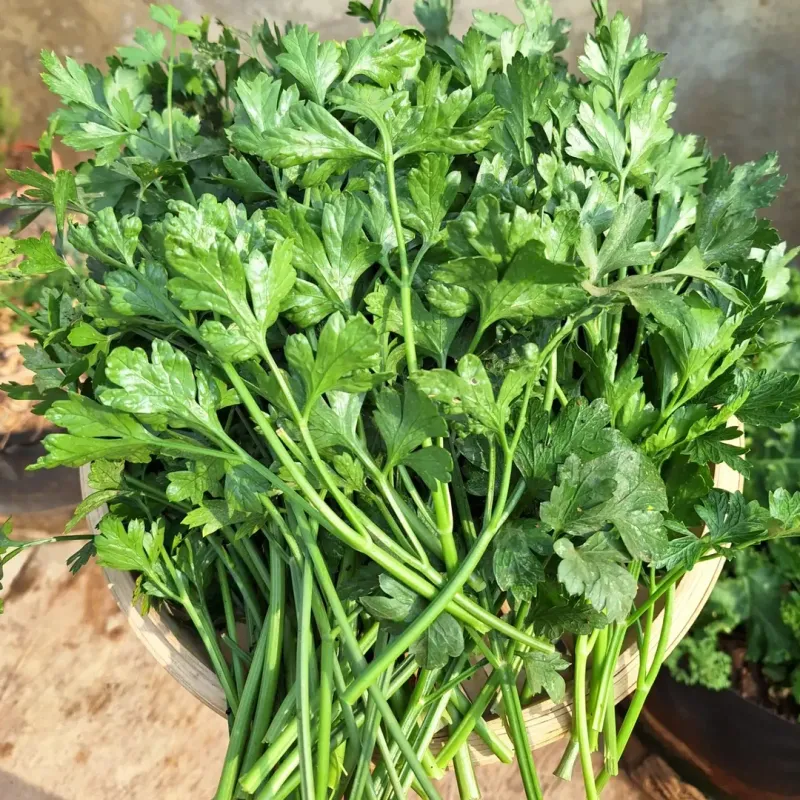
Parsley might seem like a humble herb, but underneath those tomato vines, it quietly does a lot of good work. Compact and easy to manage, parsley is one of the better low-growing companions for tomatoes in Florida because it fits naturally in the shaded space below the main canopy without competing for light.
That makes it a practical and space-saving choice for Florida gardeners who want to make the most of every square foot.
One of parsley’s biggest benefits is its ability to attract predatory insects like parasitic wasps, which feed on common tomato pests such as caterpillars and aphids. By bringing these beneficial insects into your garden, parsley acts as a natural pest management tool without requiring any sprays or chemicals.
In Florida’s climate, where pests are active for much of the year, that kind of natural support is genuinely valuable.
Parsley also grows slowly enough that it will not crowd out your tomato roots or steal significant nutrients from the soil. It prefers moist, well-drained soil, which is easy to maintain with regular watering and mulching, both of which are common practices in Florida gardens.
You can harvest parsley leaves throughout the season for cooking, which gives you a tasty bonus on top of the gardening benefits. Start it from transplants rather than seeds to get it established faster, especially in Central and South Florida where the growing window can shift quickly.
4. Chives That Help Deter Aphids Around Tomatoes
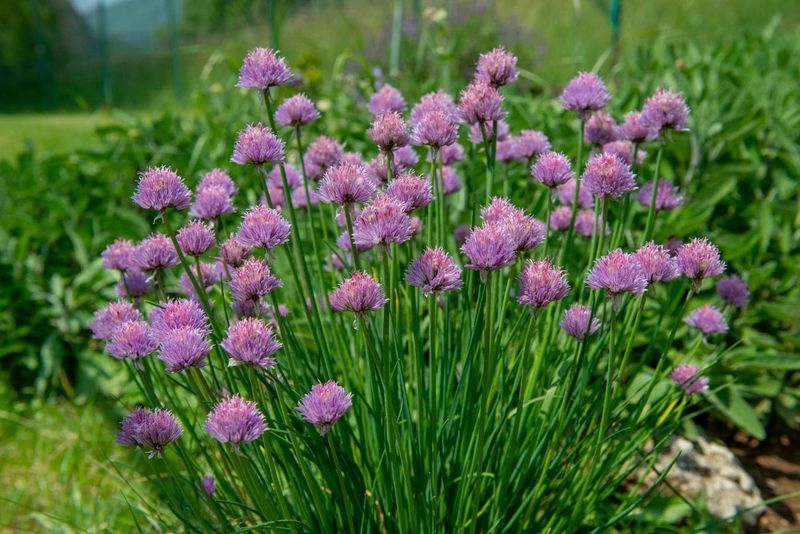
With their mild but persistent onion-like scent, these allium family plants can quietly help with common garden pest problems without demanding much attention. Chives may look modest, but plenty of pests want nothing to do with them.
For tomato growers across Florida, that makes chives a reliable and low-maintenance companion worth planting every single season.
Aphids are one of the most frustrating pests Florida tomato gardeners deal with. These tiny insects cluster on stems and new growth, sucking out plant sap and weakening vines over time.
Chives planted around the base of tomato plants help mask the scent of the tomatoes, making it harder for aphids to locate and settle on them. Some gardeners also report fewer cases of fungal issues near their tomatoes when chives are planted close by, possibly due to the antifungal properties found naturally in allium plants.
What makes chives especially appealing for Florida gardens is how little care they actually need. They tolerate the heat reasonably well, bounce back after trimming, and can be harvested regularly for use in the kitchen.
Their purple flowers are also attractive to pollinators, which benefits the whole garden. Plant chives around 6 to 8 inches away from tomato stems, and cut them back if they start to flower heavily to keep them focused on leafy growth.
In Florida’s long growing seasons, chives can provide pest-deterring benefits for many months at a stretch.
5. Onions That Help Protect Tomatoes From Garden Pests
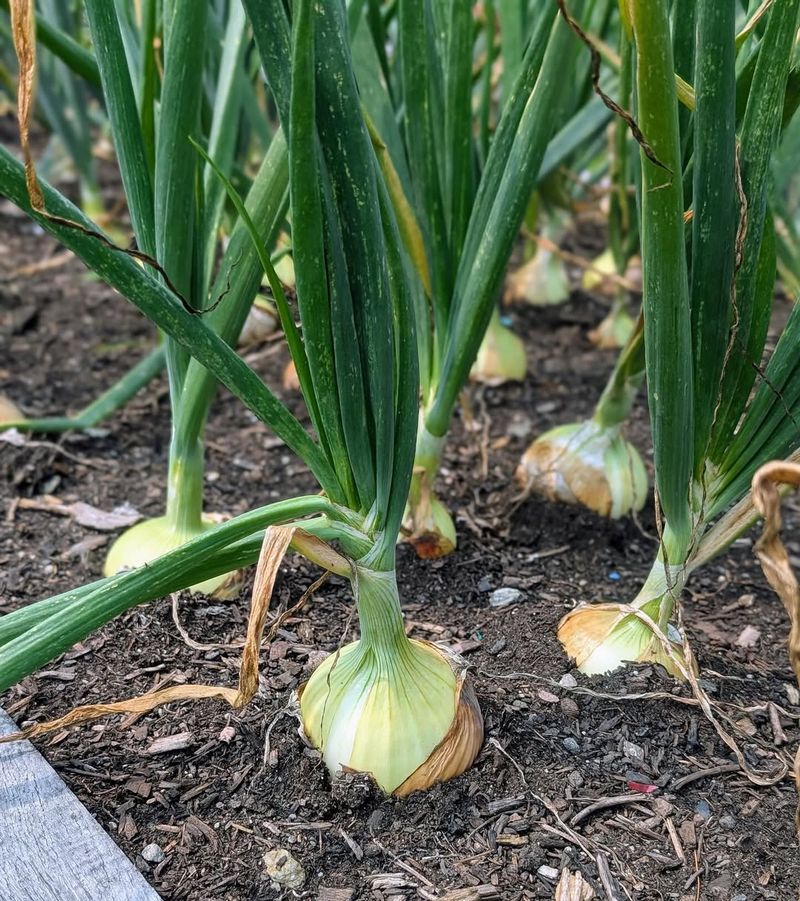
For centuries, companion planting traditions have made room for this pungent crop, and Florida gardeners still have good reason to keep it nearby. Onions give off a strong scent that can confuse and discourage many insects that might otherwise head straight for tomato plants.
Planting onions beneath your tomatoes creates a multi-layered garden that uses space wisely and protects your crop at the same time.
Common pests like aphids, spider mites, and certain beetles find the smell of onions deeply off-putting. When onions are tucked in around the base of tomato vines, the scent mingles with the garden air and makes the whole area less appealing to these nuisance insects.
Florida gardeners dealing with persistent pest pressure throughout the warm growing months often find that onion companions help reduce the frequency of infestations without relying on chemical sprays.
Green onions and bunching onions are especially well-suited for planting beneath tomatoes because they stay compact and do not need deep soil to grow well. They also work great in Florida’s sandy soils when given consistent moisture and a bit of organic compost at planting time.
You can harvest green onions throughout the season, which keeps the plants tidy and gives you a steady supply for cooking. Plant them about 6 inches apart around each tomato plant for the best coverage.
Over time, onions and tomatoes planted together tend to create a healthier, more resilient garden environment across Florida’s diverse growing regions.
6. Nasturtiums That Act As A Trap Crop For Aphids
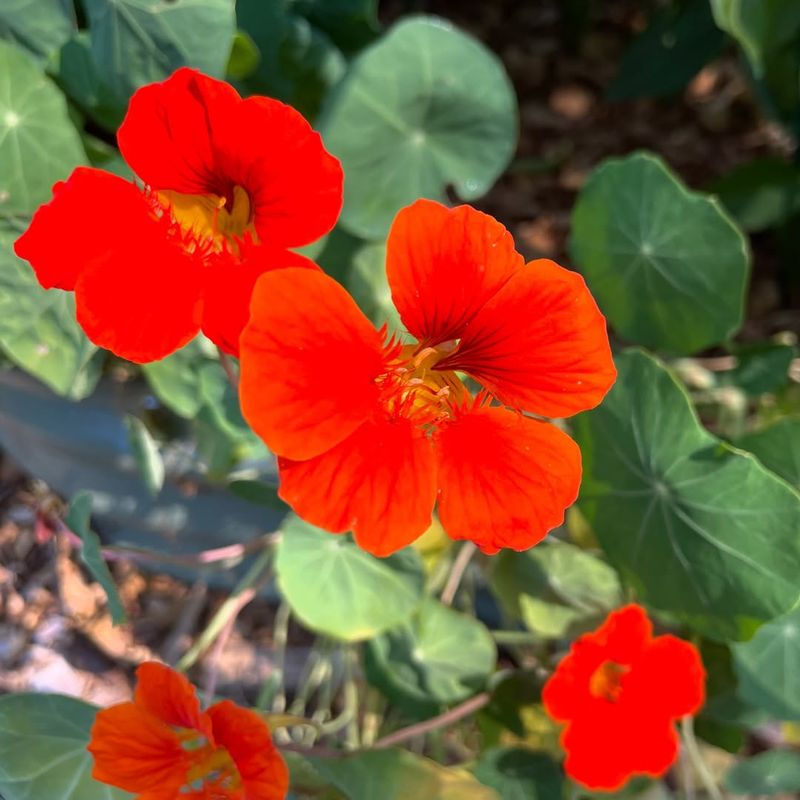
One of the cleverest tools a Florida gardener can use against aphids is a bright, fast-growing flower that draws these pests away from more valuable crops. Nasturtiums interact with aphids in a way that can help protect nearby plants.
Rather than simply chasing pests away, nasturtiums actually attract aphids on purpose, drawing them away from your precious tomato vines and concentrating them on a plant you are willing to sacrifice. This strategy, known as trap cropping, is a smart and chemical-free approach to pest management.
When aphids swarm onto nasturtiums, they leave your tomato plants largely undisturbed. You can then deal with the infested nasturtiums by washing them off with water or removing heavily affected stems without worrying about damaging your tomatoes.
Nasturtiums grow quickly and produce new growth fast enough that they can handle some pest pressure while still thriving throughout much of Florida’s growing season.
Beyond pest control, nasturtiums bring a lot of color and pollinator activity to the garden. Their bright flowers in shades of orange, yellow, and red attract bees and butterflies, which also helps your tomatoes set fruit more reliably.
Both the flowers and leaves are edible, with a pleasant peppery flavor, so nothing in the plant goes to waste. Nasturtiums prefer well-drained soil and actually do better with less fertilizer, making them easy to manage in Florida’s often sandy garden beds.
Plant them around the outer edge of your tomato rows to create a natural buffer zone that keeps pest insects from reaching your vines.
7. Sweet Alyssum That Attracts Beneficial Predatory Insects
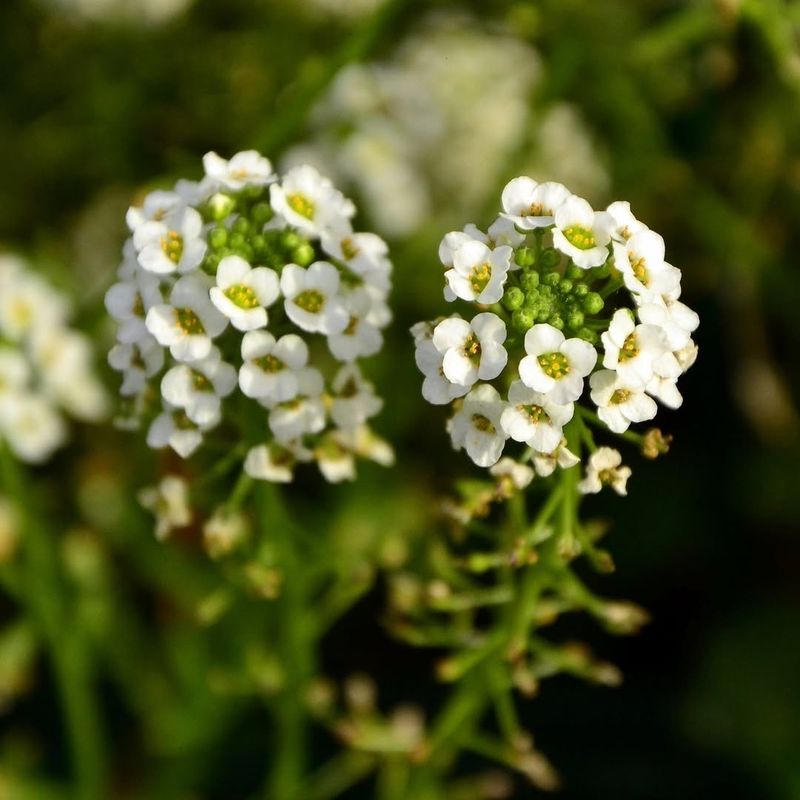
This small, low-spreading flowering plant is a bit of a secret among Florida tomato growers. It produces masses of tiny white or purple blooms that release a light, honey-like fragrance.
Sweet alyssum may look delicate, but it can play an important role in the garden. That scent is irresistible to beneficial insects like hoverflies and parasitic wasps, both of which are powerful natural predators of common tomato pests.
Hoverflies, for example, lay their eggs near aphid colonies, and their larvae then feed on those aphids, helping to bring infestations under control naturally. Parasitic wasps target caterpillars and other soft-bodied pests that frequently damage tomato vines in Florida.
By planting sweet alyssum beneath your tomatoes, you are essentially rolling out a welcome mat for these helpful insects and encouraging them to set up shop right where you need them most.
Sweet alyssum grows quickly from seed and tends to spread out along the soil surface, which also helps suppress weeds around the base of your tomato plants. It tolerates Florida’s heat reasonably well, though it may slow down during the hottest summer months and bounce back in the cooler fall season.
Water it consistently and trim it back lightly if it gets leggy to encourage fresh blooms and continued insect activity. Because it stays low to the ground, sweet alyssum never competes with your tomatoes for light, making it one of the most garden-friendly companions available for Florida vegetable growers.
8. Borage That Draws Pollinators And Beneficial Insects
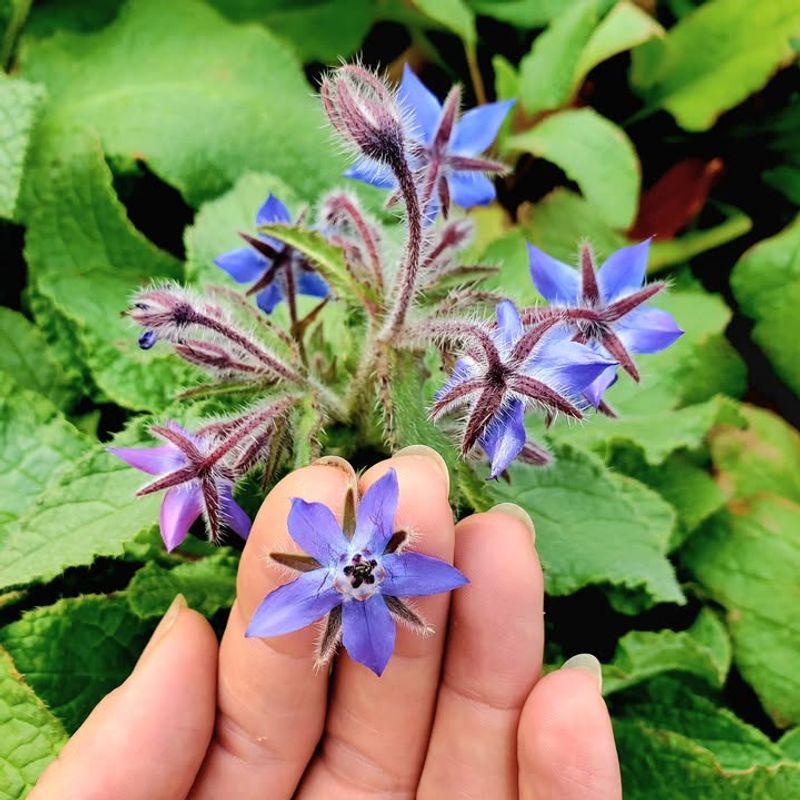
Few companion plants earn as much praise from experienced gardeners as this one, and it is easy to see why once it is growing near tomatoes in a Florida garden. Its striking blue, star-shaped flowers are especially attractive to bees, which can mean more pollinator activity and better fruit set on tomato vines.
Borage brings plenty of visual appeal, but it also pulls its weight in the garden. In Florida, where heat can sometimes reduce pollinator activity during peak summer, having borage nearby can give your tomatoes a real advantage.
Beyond attracting pollinators, borage is also said to repel tomato hornworms, one of the most damaging caterpillars that Florida tomato growers face. While hornworms can strip a plant of its leaves rapidly, having borage planted close by may discourage them from settling in.
Some gardeners also believe that borage improves the overall vigor of nearby tomato plants, though the exact mechanism is still debated among horticulturists.
Borage grows to a medium height, so it works best planted at the edges of your tomato beds rather than directly underneath the vines. It thrives in Florida’s full sun and handles warm temperatures well, though it appreciates regular watering during dry stretches.
The plant self-seeds freely, which means once you grow it once, it tends to come back on its own the following season without much effort on your part. Both the flowers and young leaves are edible and carry a mild cucumber-like flavor, adding an extra layer of usefulness to this already impressive companion plant.
9. Lettuce That Grows Well In Tomato Shade
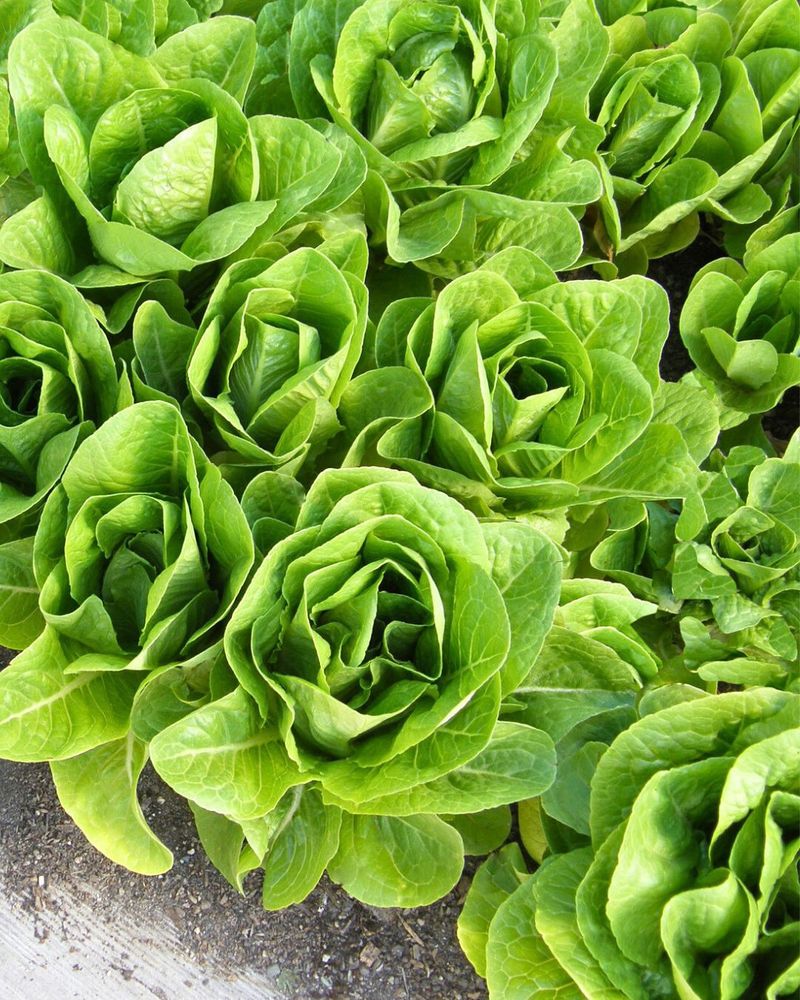
Most Florida gardeners know that lettuce struggles in the intense heat of the state’s long summers. That is exactly why planting it beneath tomatoes is such a clever move.
Tall tomato vines cast natural shade over the ground below, and that lower-light, slightly cooler environment is ideal for lettuce, which tends to bolt and turn bitter when exposed to too much direct sun and heat.
By tucking lettuce plants beneath your tomatoes, you get two crops growing in the same space at the same time, which is a huge advantage in smaller Florida gardens where every square foot counts. The lettuce benefits from the shade and protection, while the tomatoes benefit from having their soil covered, which helps retain moisture and reduce soil temperature around the roots.
That moisture retention is especially useful during Florida’s hot, dry spells between rain events.
Loose-leaf varieties like red leaf, green leaf, or butterhead lettuce tend to work best in this setup because they grow quickly and can be harvested by cutting outer leaves without removing the whole plant. Start your lettuce transplants around the same time you set out your tomato seedlings so both plants establish together.
In Florida’s fall and winter growing seasons, this combination is particularly productive because temperatures are mild enough for lettuce to thrive even in partial sun. With just a bit of planning, you can enjoy fresh salads while your tomato vines keep growing stronger overhead.
10. Beans That Help Add Nitrogen To The Soil Nearby
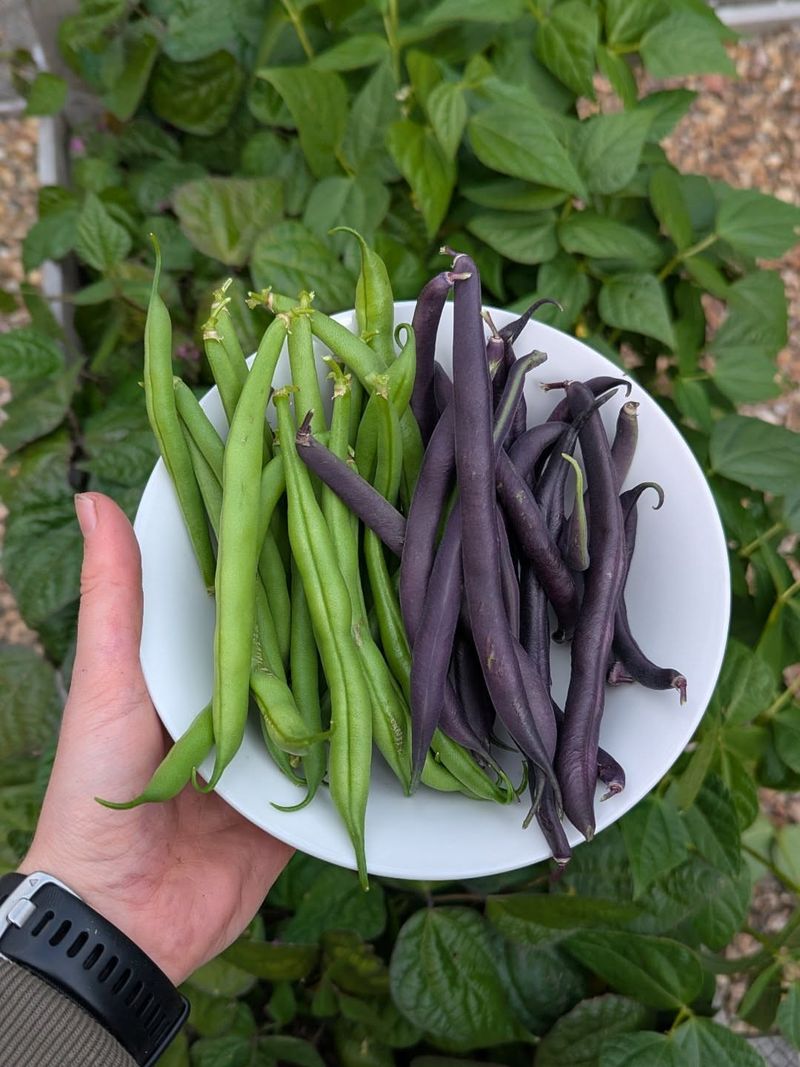
At first glance, this pairing can seem a little unusual, but plenty of Florida gardeners still like growing these crops in the same bed. Beans and tomatoes can share space well when they are planted with enough room and managed carefully.
Beans belong to the legume family, which means they form a partnership with naturally occurring soil bacteria that allows them to capture nitrogen from the air and store it in small nodules on their roots. Nitrogen is an important nutrient for leafy growth, so legumes often play a helpful role in long-term soil health.
It is worth understanding how that process actually works in the garden. While bean plants are actively growing, most of the nitrogen they collect remains inside the plant itself.
Research from university Extension programs shows that neighboring plants usually do not receive much of that nitrogen until the bean plants are cut down and allowed to decompose in the soil.
Even so, beans can still fit nicely into a tomato bed. Bush beans stay relatively compact, which means they rarely compete heavily with tomato plants for sunlight.
They also help fill open garden space and provide an additional harvest while your tomatoes are developing.
Florida’s sandy soils often benefit from regular additions of organic matter, so once your bean plants finish producing, you can cut the plants at ground level and leave the roots in place. As those roots slowly break down, some of the stored nitrogen may return to the surrounding soil over time.
Plant bush beans roughly 10 to 12 inches away from tomato stems so each plant has enough room to grow comfortably.