7 Florida Plants To Prune This April And 4 To Leave Alone
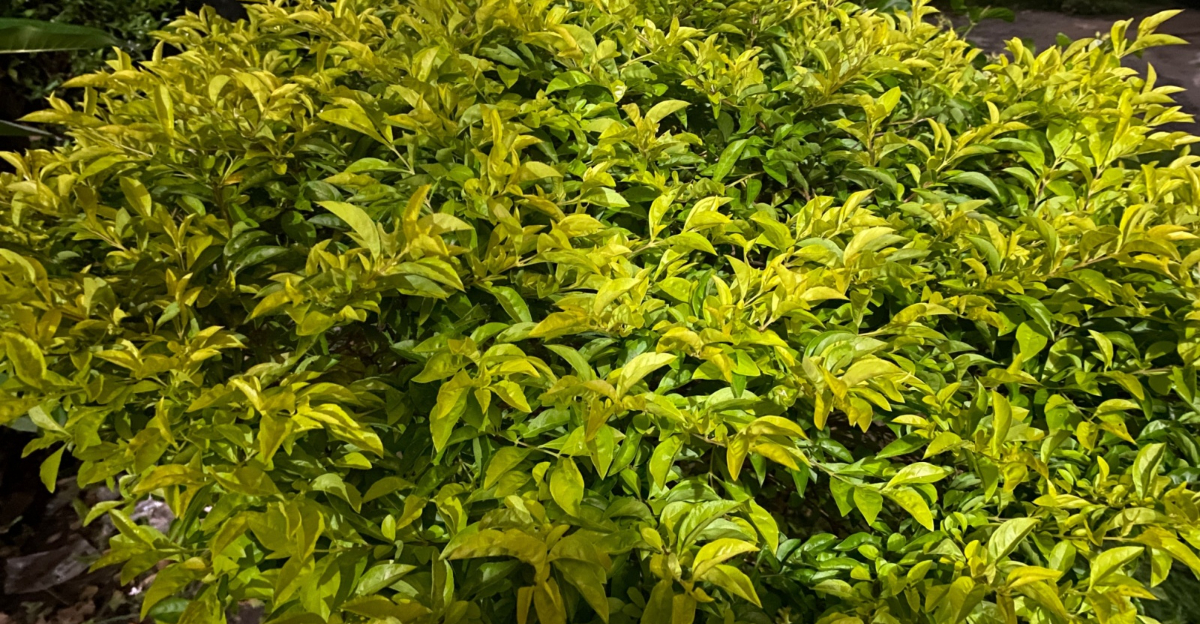
April in Florida flips a switch in the garden. One minute things look calm, then suddenly everything is pushing out new growth, stretching fast, and asking for attention.
It is tempting to grab the pruners and start cutting back anything that looks a little wild. That move can pay off, or it can wipe out weeks of blooms and slow plants right when they are gearing up for the season.
Florida timing plays by its own rules, and not every plant appreciates an April trim. Some bounce back fuller and stronger, while others need to be left alone to keep their best show.
Knowing which is which makes the difference between a yard that thrives and one that feels a step behind all season.
1. Firebush Benefits From A Light Spring Reset Before Growth Takes Off
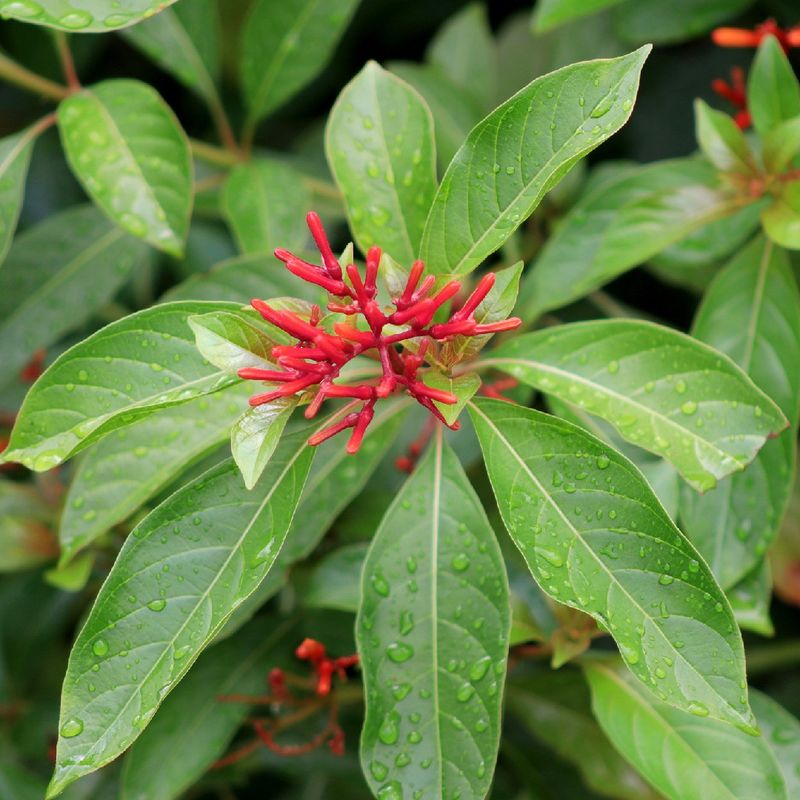
Walk past a firebush in early April and you can practically see it waking up. New leaf growth is pushing out from the tips, and the whole plant seems eager to get moving after the slower winter months.
This is exactly the right window to give Hamelia patens a light to moderate trim before that energy goes into leggy, uneven branches.
Light pruning now encourages the plant to branch out more fully rather than just stretching upward. You are not removing a lot of material, just tidying up the shape and cutting back any stems that look thin or uneven.
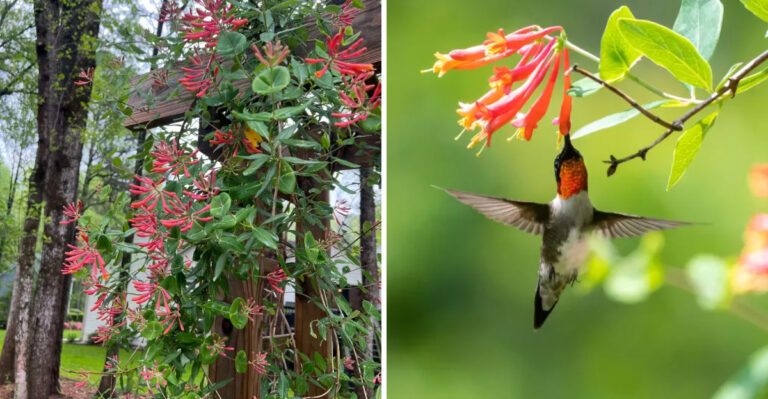
The result is a fuller, more compact shrub that produces more of those beloved orange-red tubular flowers hummingbirds and butterflies cannot resist.
South Florida gardeners can get started earlier in April since frost risk is essentially gone by March. In North Florida, it is worth waiting until you are confident that cold nights are truly behind you, usually by mid to late April.
According to University of Florida IFAS Extension, firebush is a Florida-Friendly plant that responds well to shaping and recovers quickly in warm conditions. Keep cuts clean and sharp, and this plant will reward you generously through summer.
2. Croton Responds Well To Shaping As Warm Weather Returns
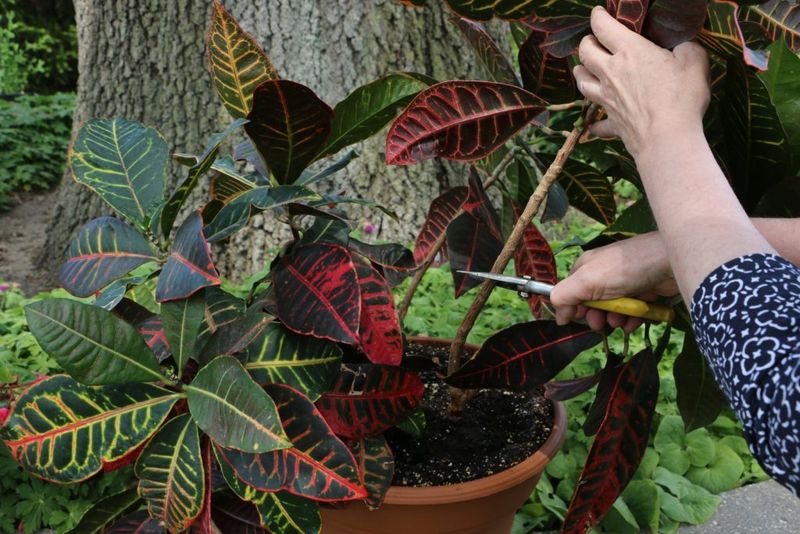
Few plants bring as much color to a Florida garden as croton. Those bold, painterly leaves in red, orange, yellow, and green are hard to miss, and by April the plant is usually ready to start pushing out fresh foliage.
That new growth is actually a great reason to do some light shaping now.
Codiaeum variegatum responds well to light to moderate pruning during warm weather, but the key word here is light. Heavy cuts on croton can stress the plant and reduce that signature leaf color for several months.
The goal in April is to shape the plant, remove any leggy stems, and encourage a more compact, balanced form going into summer.
In South and Central Florida, croton handles April pruning with ease since temperatures are already climbing steadily. In North Florida, patience pays off.
Wait until nighttime temperatures are consistently above 50 degrees Fahrenheit before making any cuts, since croton is sensitive to cold and a late chill can slow recovery significantly. Always use clean pruning shears to avoid spreading fungal issues, which can be a concern with this plant in humid conditions.
A little shaping now goes a long way toward a healthier, more vibrant croton all season long.
3. Hibiscus Can Be Trimmed Now For Fuller, Bushier Growth
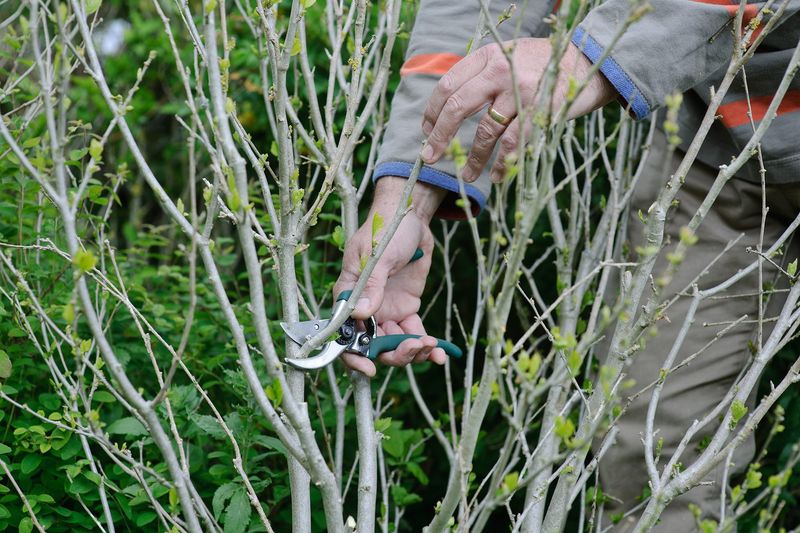
There is something genuinely satisfying about pruning a tropical hibiscus in April and watching it come back bigger and more floriferous than before. Hibiscus rosa-sinensis is one of those plants that actually rewards you for cutting it back at the right time.
April, when warm temperatures are returning and new growth is just beginning, is that time.
Moderate pruning is the move here. You are not cutting the plant down to a stump, but you are removing about one-third of the overall growth to open up the canopy, improve air circulation, and stimulate branching.
More branches mean more flowering tips, which translates directly into more of those big, showy blooms through summer and fall.
In South Florida, hibiscus often never fully stops growing, so April pruning fits naturally into an ongoing maintenance rhythm. In North Florida, where hibiscus may have experienced some cold damage over winter, April is a good time to remove any frost-damaged wood once you can clearly see which stems are producing new growth.
According to University of Florida IFAS Extension, tropical hibiscus thrives with regular pruning and is well-suited to Florida-Friendly landscapes. Sharp, clean cuts at a slight angle just above a leaf node give the best results.
4. Copperleaf Bounces Back Quickly From A Spring Cutback
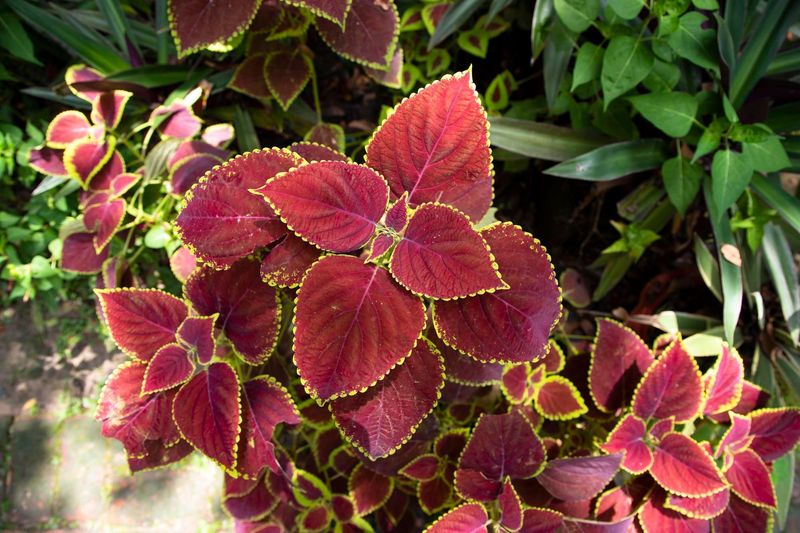
If you have ever watched a copperleaf get cut back hard and come roaring back within weeks, you already know how resilient this plant is. Acalypha wilkesiana has an impressive ability to recover from significant pruning, which makes April a great time to reshape plants that have gotten oversized or unruly over the winter months.
Unlike some shrubs that need gentle handling, copperleaf can tolerate moderate to even heavier pruning when temperatures are warm and rising. The plant responds by pushing out a flush of fresh, richly colored new foliage that often looks even better than the old growth.
Cutting back to a more manageable size also helps maintain the bold, coppery leaf color that makes this plant such a standout in the landscape.
Copperleaf is best suited to South Florida, where it grows vigorously and handles hard pruning with no hesitation. In Central Florida it performs well too, though it may grow a bit more slowly.
In North Florida, copperleaf is more cold-sensitive and may have experienced dieback over winter. In those cases, wait until new growth confirms which stems survived before making cuts.
University of Florida IFAS Extension recommends it as a low-maintenance, heat-tolerant shrub well adapted to Florida conditions.
5. Blue Daze Can Be Trimmed To Refresh Its Spreading Growth
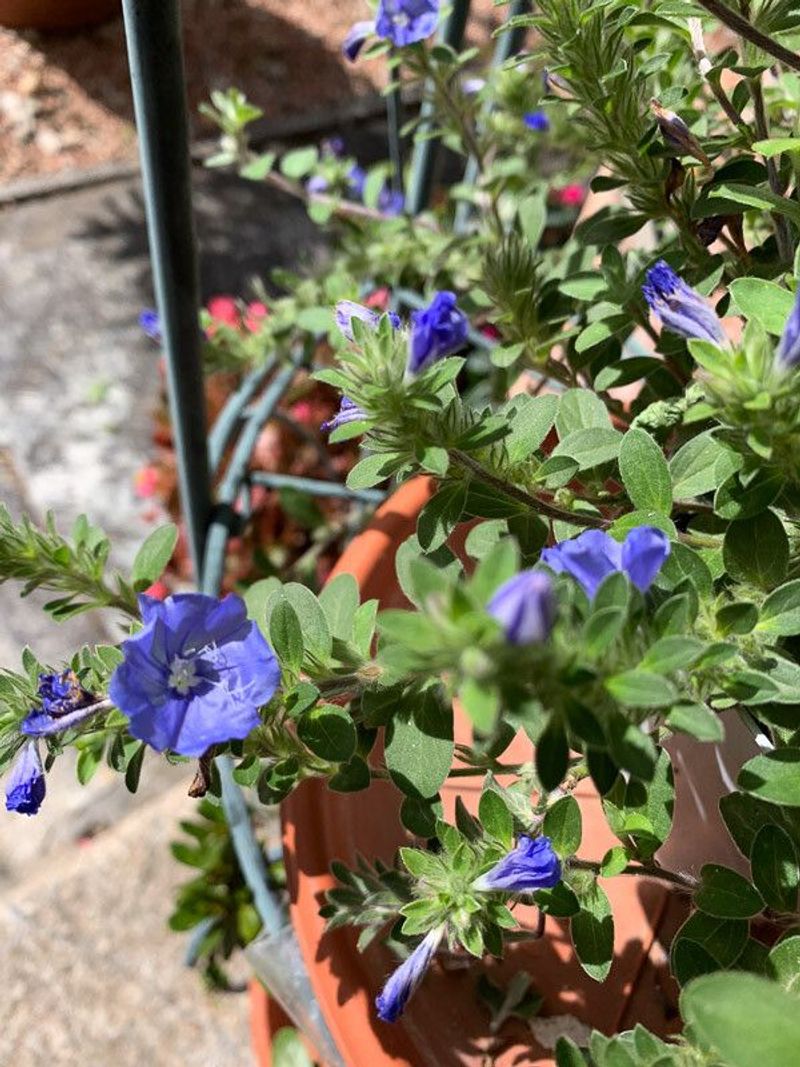
Blue daze has a way of quietly spreading across a garden bed all season long, which is part of its charm. By April, though, some plants may look a little stretched out or uneven after winter, and a light trim can make a big difference in how tidy and full the plant looks heading into the warmer months.
Evolvulus glomeratus does not need aggressive pruning. What it benefits from in April is light trimming to remove any leggy or withered stems, tighten up the shape, and encourage more compact, bushy growth.
Over-pruning can temporarily reduce the number of those cheerful blue flowers, so the goal is refreshing the plant rather than cutting it back significantly.
Blue daze grows well across much of Florida, but it is especially vigorous in South Florida where warmth and sun are plentiful almost year-round. In Central and North Florida, April is a good time to trim once you are past any risk of cool nights, since blue daze can be sensitive to temperature dips.
According to Florida-Friendly Landscaping principles, Evolvulus glomeratus is drought-tolerant once established and thrives in full sun with well-drained soil. A light April trim keeps it looking its best and encourages a fresh wave of blooms throughout the summer season.
6. Duranta Recovers Fast From Spring Pruning And Fills Out Quickly
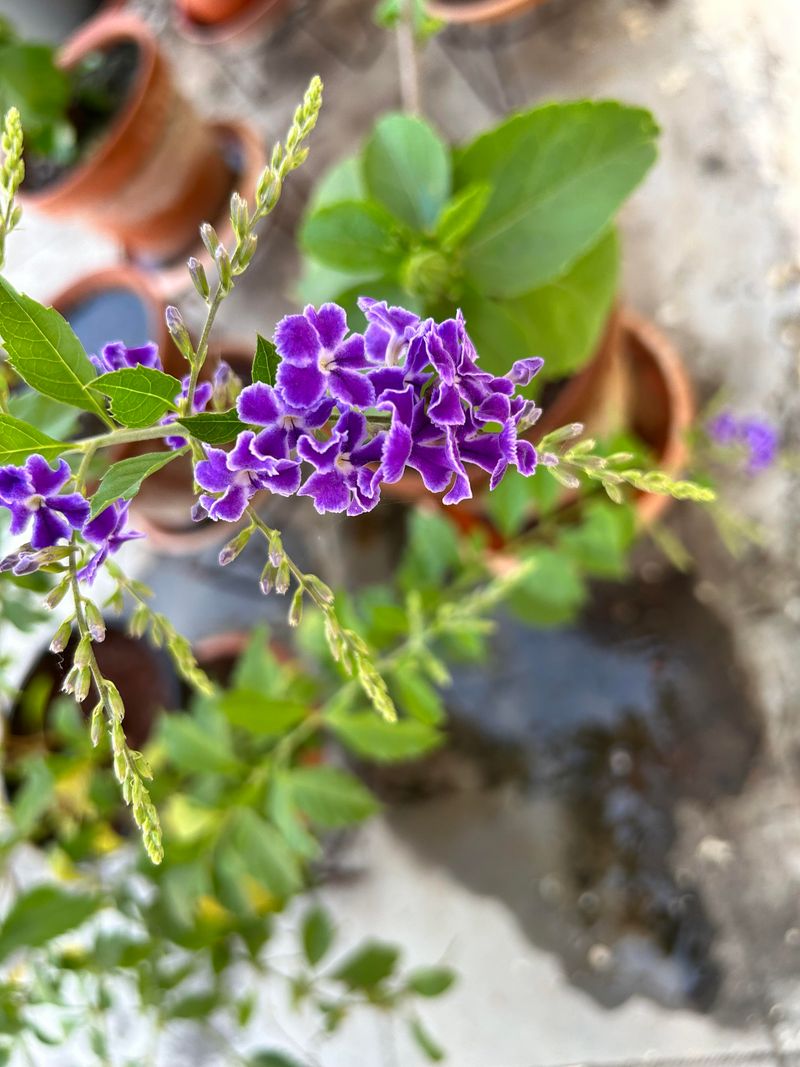
Duranta is the kind of shrub that can go from neatly shaped to sprawling in what feels like a matter of weeks during Florida’s warm season. Getting ahead of that growth in April with a light to moderate pruning is one of the smartest things you can do for the long-term shape of this plant.
Duranta erecta handles spring pruning well and fills back in quickly once temperatures are consistently warm. The key is avoiding very heavy cuts right before the plant enters its main flowering cycle.
Removing too much material at once can delay blooms and reduce the clusters of purple flowers and golden berries that make duranta so attractive in the landscape. Light to moderate shaping is the right approach for April.
In South and Central Florida, duranta is a reliable performer that recovers from pruning with impressive speed. In North Florida, duranta can experience significant dieback during cold winters, and plants may look rough in early spring.
In those cases, wait until new growth is actively emerging before making any cuts, so you can clearly see what has survived. University of Florida IFAS Extension notes that Duranta erecta is well-adapted to Florida’s climate and responds positively to regular maintenance pruning throughout the warm season.
7. Plumbago Can Be Cut Back Lightly To Encourage Fresh Blooms
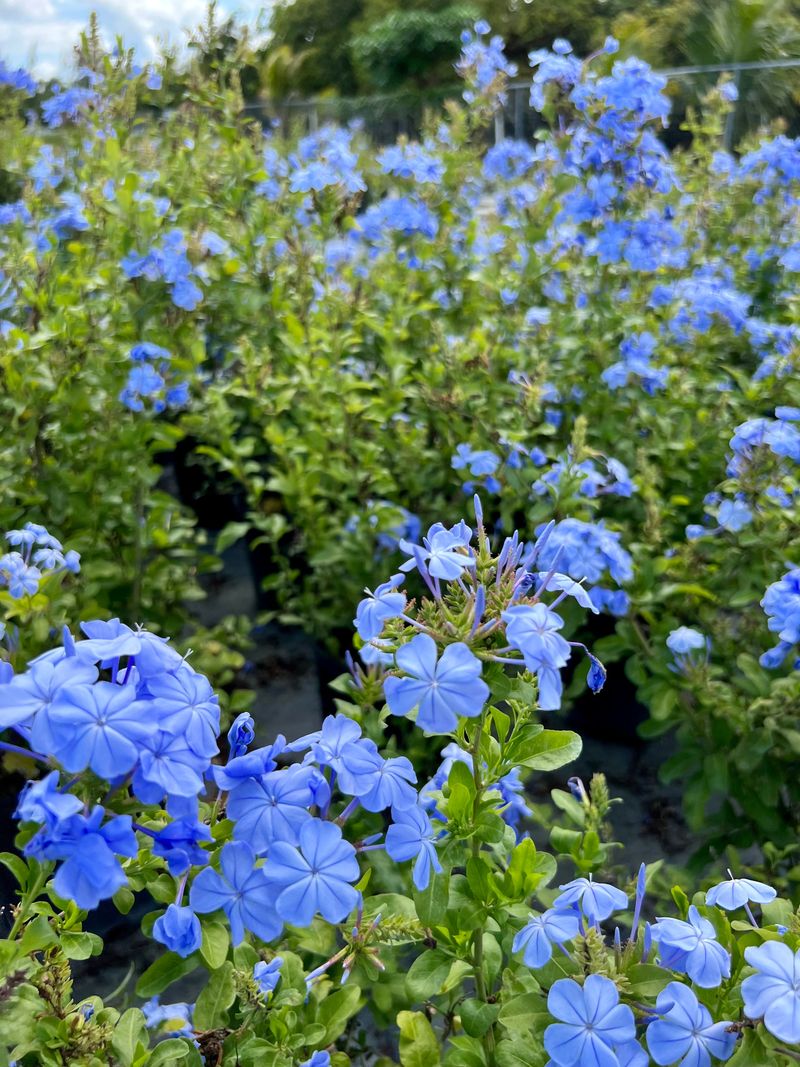
Few flowering shrubs in Florida deliver as much casual, effortless beauty as plumbago. Those soft blue flower clusters seem to appear almost constantly through the warm months, and a light spring trim in April helps set the stage for an especially strong blooming season ahead.
Plumbago auriculata benefits from light pruning in April, not aggressive cutbacks. The goal is to remove any winter-worn stems, tidy up the overall shape, and encourage fresh branching that will carry the next wave of flowers.
Cutting back too hard in April can delay blooming and stress the plant during what should be a period of active growth. Think of it as a light refresh rather than a major renovation.
Plumbago performs best in South and Central Florida, where it grows vigorously and blooms heavily from spring through fall. In cooler parts of North Florida, the plant may be slower to rebound after winter, so it is worth waiting until you see steady new growth before trimming.
Florida-Friendly Landscaping guidelines highlight plumbago as a low-maintenance, drought-tolerant option once established. It thrives in full sun with well-drained soil and rewards consistent but gentle pruning with a fuller, more floriferous plant.
Clean cuts just above a healthy leaf node produce the best results.
8. Azaleas Should Finish Blooming Before Any Pruning Begins
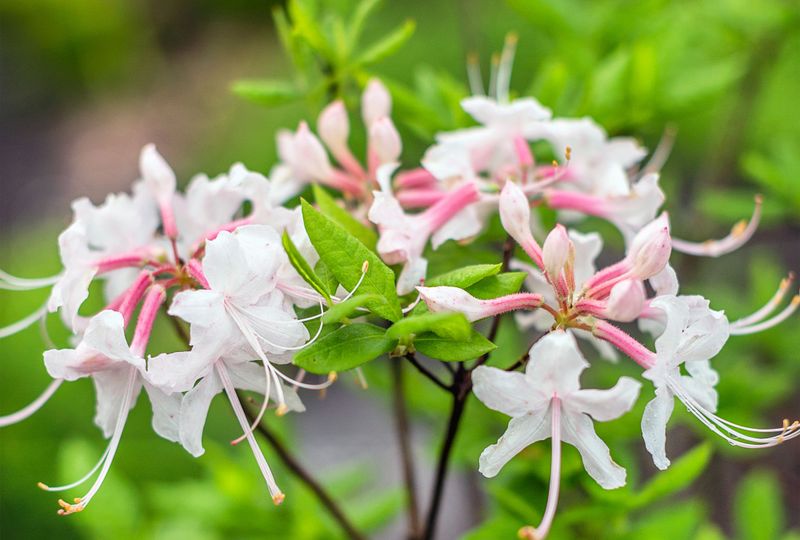
Seeing azaleas in full bloom is one of the most rewarding sights in a Florida spring garden. Those masses of pink, white, red, and lavender flowers are worth protecting, which is exactly why April is the wrong time to reach for the pruning shears on most azalea plants.
Rhododendron spp. blooms on old wood, meaning the flower buds for this season were set on growth from the previous year. Pruning now, even lightly, removes those buds and cuts the bloom season short.
The right time to prune azaleas is immediately after flowering ends, while the plant still has enough of the season ahead to set new buds for the following year.
Bloom timing for azaleas varies across Florida. In South Florida, some varieties may finish blooming earlier in the season, while in North and Central Florida the peak bloom period often extends further into April.
The universal rule is to wait until your specific plants have fully finished flowering before making any cuts. According to University of Florida IFAS Extension, pruning azaleas too late in the season can reduce or eliminate the following year’s bloom.
Patience here is genuinely rewarded with a healthier, more floriferous plant next spring.
9. Gardenias Set Buds Early And Should Not Be Cut Now
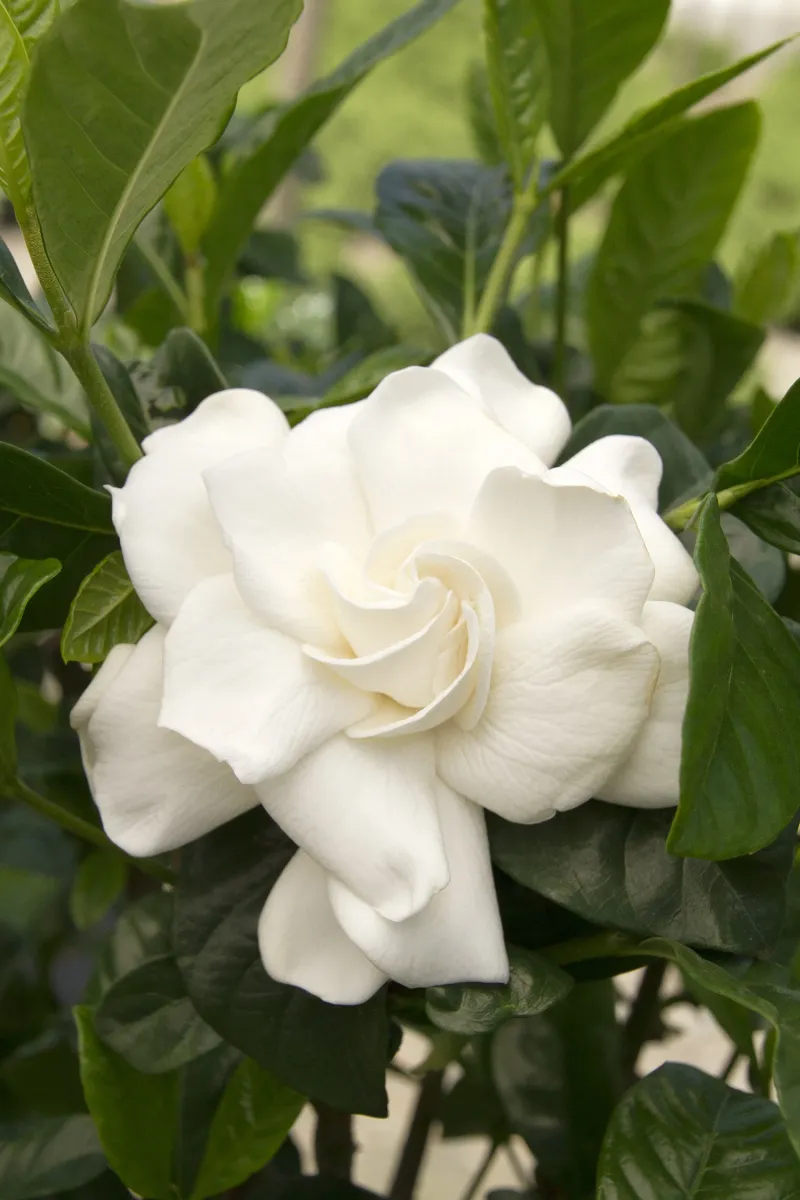
The scent of a gardenia in bloom is one of those garden experiences that is hard to describe and impossible to forget. Getting that fragrant display in late spring and early summer depends entirely on leaving the plant alone in April, when bud development is already well underway.
Gardenia jasminoides sets its flower buds early in the season, and those buds are developing right now on plants across Florida. Pruning in April, even a light trim, risks removing those developing buds and significantly reducing or delaying the bloom display you have been waiting for.
The blooms are already in progress beneath the surface, and cutting now interrupts that process.
This advice applies statewide. While bud set timing can vary slightly between South and North Florida, April is generally too early to prune gardenias regardless of your region.
The recommended window for pruning gardenias is immediately after they finish blooming, which typically falls in late spring to early summer. At that point, you can shape the plant and remove spent stems without affecting next season’s buds.
University of Florida IFAS Extension supports this approach and notes that gardenias perform best with minimal pruning and consistent moisture. Hold off for now, and the blooms will be worth the wait.
10. Camellias Form Next Season’s Buds Soon After Blooming
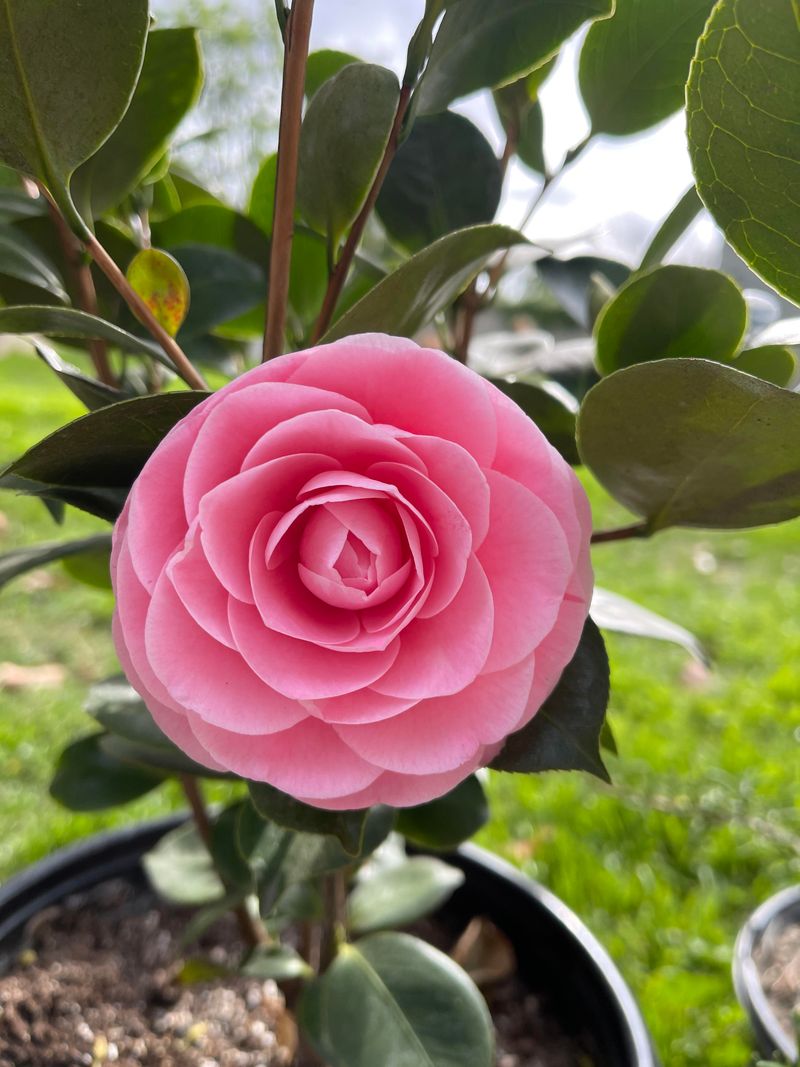
Camellias are one of the most beloved flowering shrubs in Florida landscapes, prized for blooms that appear when most other plants are taking a break. But that beauty comes with a specific pruning window that is easy to miss if you are not paying attention to the calendar.
Camellia spp. should be pruned immediately after blooming ends, and not a moment later than necessary. The plant begins forming buds for the following season surprisingly soon after its flowers fade, and any pruning done after that bud development starts will reduce next year’s bloom.
For most camellia varieties in Florida, April is already pushing the edge of that safe pruning window.
Bloom timing differs between North and South Florida. In South Florida, camellias may finish blooming earlier in the season, giving gardeners a slightly longer window to prune before new buds form.
In North Florida, the bloom period can extend later, but April still tends to be late for safe pruning. University of Florida IFAS Extension recommends pruning camellias only as needed for shaping, and always right after bloom.
If your camellias have already finished flowering and you have not pruned yet, move quickly. If they are still blooming, wait until every last flower has dropped before touching them.
11. Oakleaf Hydrangea Needs Careful Timing To Protect Summer Flowers
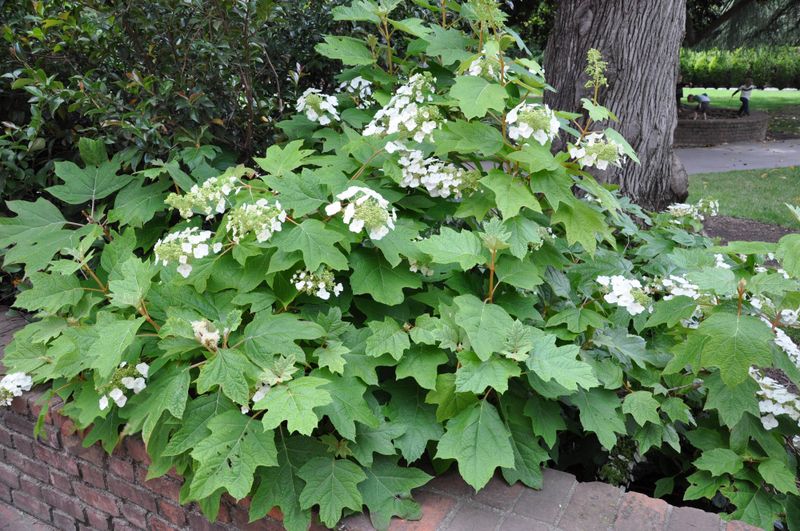
Oakleaf hydrangea is a standout in North and Central Florida gardens, offering those dramatic cone-shaped white flower clusters that age beautifully through summer and into fall. Protecting that display means understanding something very specific about how this plant produces its flowers.
Hydrangea quercifolia blooms on old wood, meaning the flower buds for this coming season are already present on last year’s stems. Pruning now in April removes those buds directly, and the result is a summer season with few or no blooms.
Unlike new-wood hydrangeas that can be cut back hard in spring, oakleaf hydrangea requires a completely different approach.
The correct time to prune oakleaf hydrangea is immediately after it finishes blooming in summer, giving the plant enough time to set new buds on the growth that follows. This timing is especially important in North and Central Florida, where the bloom cycle is more defined and predictable.
South Florida gardeners may see slightly different timing, but the principle remains the same. University of Florida IFAS Extension confirms that oakleaf hydrangea is well-suited to Florida landscapes and performs best when pruning is timed carefully.
Skipping the April trim entirely is the right call, and your patience will show up as a full, stunning flower display in the months ahead.