6 Florida Plants You Can Safely Prune This March And 4 To Leave Alone
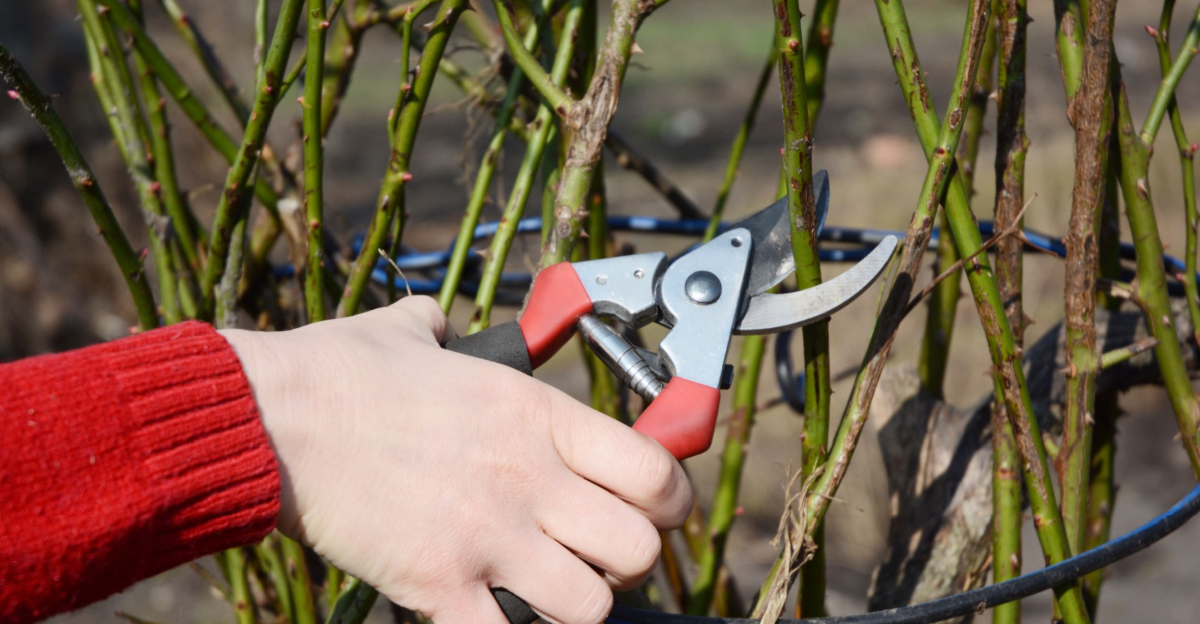
March in Florida hits different. One week feels like spring break, the next feels like summer showed up early.
Gardens wake up fast, pests gear up, and plants push out fresh growth almost overnight. This short window can shape your yard for the rest of the year.
Prune at the right moment and you unlock bigger blooms, stronger branches, and a landscape that looks professionally maintained. Make the wrong cut and you risk stunted flowers, sun-scalded stems, or months of regret.
Timing matters more than effort. Smart gardeners treat March like a power move.
Strategic trimming now channels energy into vibrant color, dense foliage, and hurricane-ready structure before heat and storms roll in. At the same time, certain favorites need patience.
Touch them too soon and next season’s show disappears. Before you grab the shears and start cutting, know which Florida plants crave a March reset and which demand a hands-off approach.
1. Shape Your Tropical Hibiscus Now For A Bloom Explosion Later
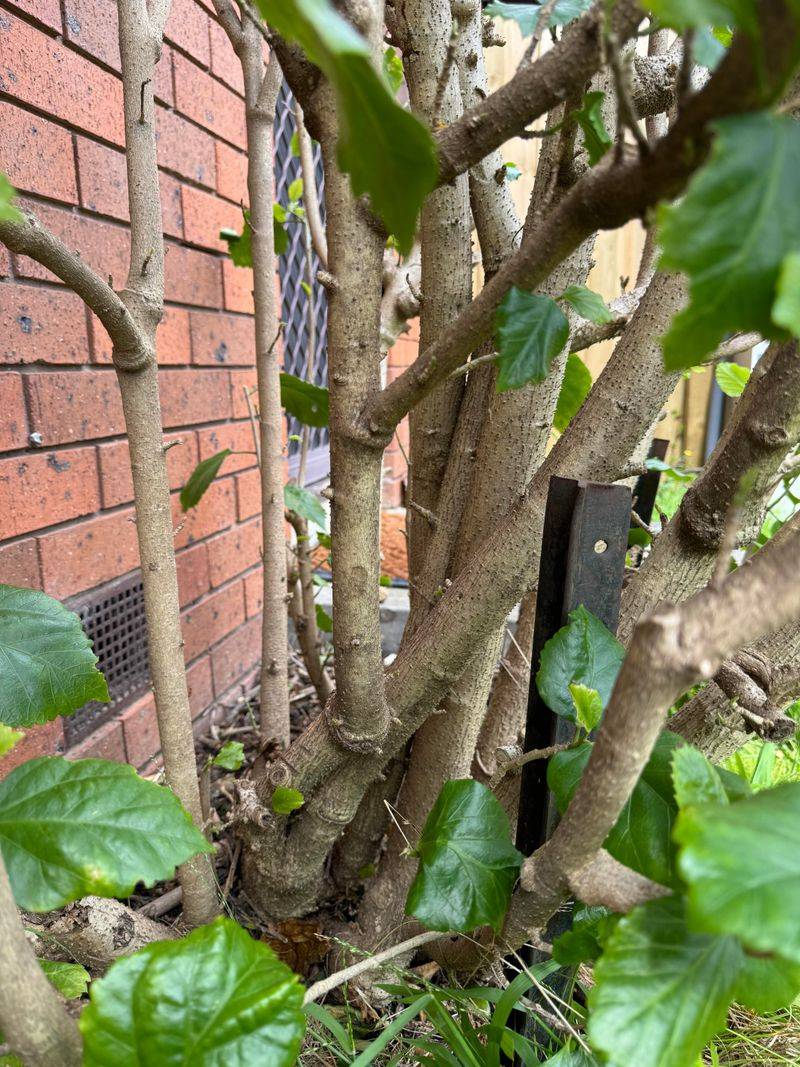
Spring warmth triggers rapid growth in tropical hibiscus, making late winter the perfect window for shaping these colorful showstoppers. Since these plants bloom on new wood, pruning now encourages fresh stems that will produce flowers throughout the growing season.
Pruning after strong spring growth begins can delay flowering and reduce early-season blooms, since you’ll be removing actively growing stems rather than shaping dormant wood.
North Florida gardeners should watch frost forecasts carefully before pruning. A late cold snap after you’ve trimmed can damage tender new growth.
Central and South Florida gardeners typically have more flexibility since frost risk drops earlier in these regions.
Focus on removing crossing branches and thinning the center to improve air circulation. Florida’s humidity creates ideal conditions for fungal problems, so opening up the plant structure helps prevent disease.
Cut stems back by about one-third, making clean cuts just above outward-facing leaf nodes.
Many Florida gardeners make the mistake of leaving hibiscus unpruned year after year. This creates leggy plants with flowers only at the tips.
University of Florida IFAS Extension recommends annual pruning to maintain compact, bushy specimens that bloom heavily from top to bottom. Removing old wood also stimulates the vigorous branching that produces the most flower buds for summer and fall displays.
2. Cut Back Plumbago Now For Fuller Plants And Brighter Blue Flowers
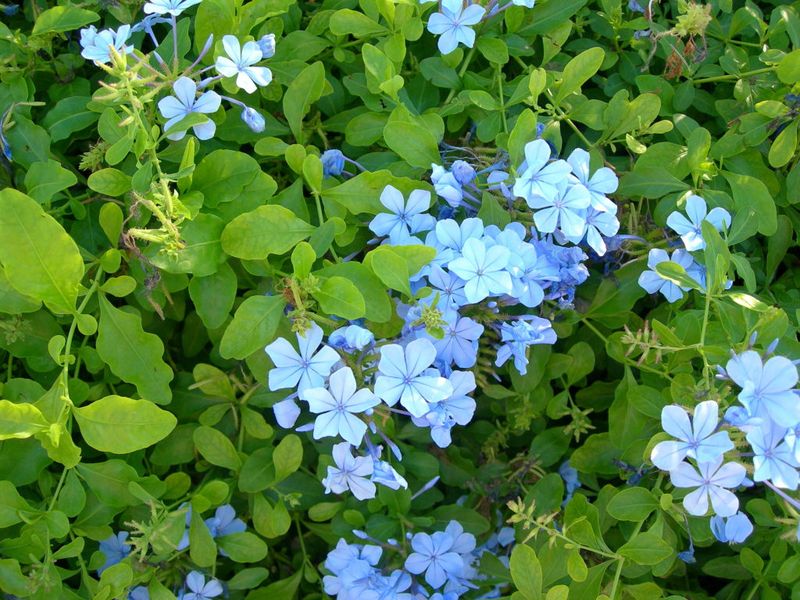
Late winter presents the ideal opportunity to refresh plumbago before it starts its vigorous spring flush. This reliable Florida favorite blooms continuously on new growth, so cutting it back now means more flowering stems later.
The plant tolerates hard pruning remarkably well, bouncing back quickly once temperatures warm.
Plumbago tends toward legginess without regular maintenance. Stems become woody and bare at the base while flowers appear only at branch tips.
Cutting the entire plant back by half or even two-thirds rejuvenates it completely. This aggressive approach encourages dense branching from the base, creating that full, rounded shape most gardeners prefer.
South Florida gardeners can prune earlier than those in northern counties since the growing season starts sooner. Central Florida falls somewhere in between, with mid-March typically safe throughout most years.
Avoid the temptation to simply shear the plant into a ball. Instead, selectively thin some branches to the base while cutting others back to varying heights for a more natural appearance.
University of Florida IFAS Extension notes that proper pruning timing prevents the common problem of sparse, woody growth. The plant responds to March trimming with an explosion of soft new stems covered in sky-blue flowers that last through fall.
3. Prune Allamanda Before Spring Growth Takes Off
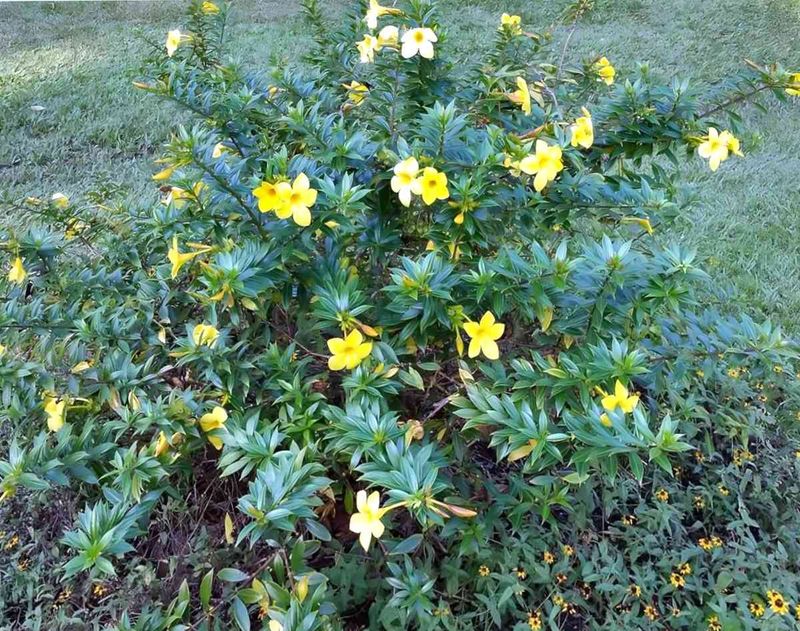
Golden trumpet flowers appear on current-season growth, making early spring the right moment for size control and shaping. Allamanda grows vigorously in Florida’s warmth, often becoming larger than gardeners anticipate.
Pruning before the spring growth surge keeps plants manageable while maximizing flower production on fresh stems.
Wear gloves when working with allamanda since the milky sap can irritate skin. Make clean cuts with sharp pruners to minimize sap flow.
Remove any frost-damaged tips first, then shape the plant by cutting back long vines to encourage branching lower down.
South Florida’s extended growing season means allamanda may already be showing active growth by early March. In these areas, prune sooner rather than later to avoid cutting into active new growth that will soon produce flowers.
North and Central Florida gardeners typically have until mid-month before new growth becomes significant.
Many people let allamanda sprawl unchecked, resulting in tangled masses of stems with flowers only at the outer edges. Regular pruning creates better structure and distributes blooms throughout the plant.
University of Florida IFAS Extension recommends annual trimming to maintain compact specimens that flower heavily rather than spending energy on excessive vegetative growth. Cutting back by one-third to one-half encourages the branching that produces the most trumpet-shaped blooms.
4. Trim Frangipani Now For Stronger Branches And Bigger Blooms
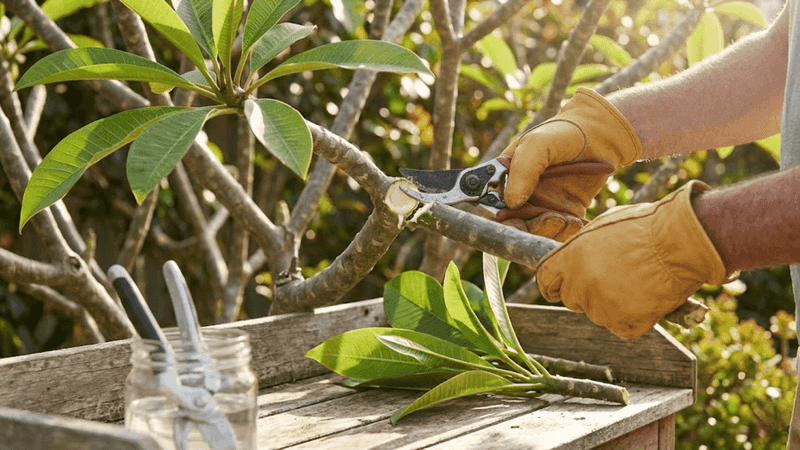
The slower growth period of late winter makes this an ideal time for shaping frangipani without stressing the plant. These tropical beauties naturally slow down during cooler months, and pruning while they rest encourages strong branching when growth resumes.
Flowers form at the tips of mature branches, and pruning encourages new branching that creates additional flowering tips in the following growth cycle.
Frangipani branches are thick and succulent-like, requiring sharp tools for clean cuts. Remove any branches growing inward or crossing others to open up the structure.
Light shaping maintains the natural form while encouraging the plant to branch where you want more fullness.
North Florida gardeners should wait until frost danger passes completely before pruning. A late freeze can damage fresh cuts and tender new growth that emerges afterward.
Central Florida typically sees safe conditions by early March, while South Florida gardeners can prune even earlier if desired.
Avoid the common mistake of over-pruning frangipani in an attempt to control size. Removing too much growth stresses the plant and delays flowering.
University of Florida IFAS Extension suggests removing no more than one-quarter of the branches in any single season. Focus on improving structure rather than drastically reducing height, since frangipani naturally develops an attractive branching pattern when given proper space and light pruning guidance.
5. Refresh Your Roses In Early March For Healthier Growth
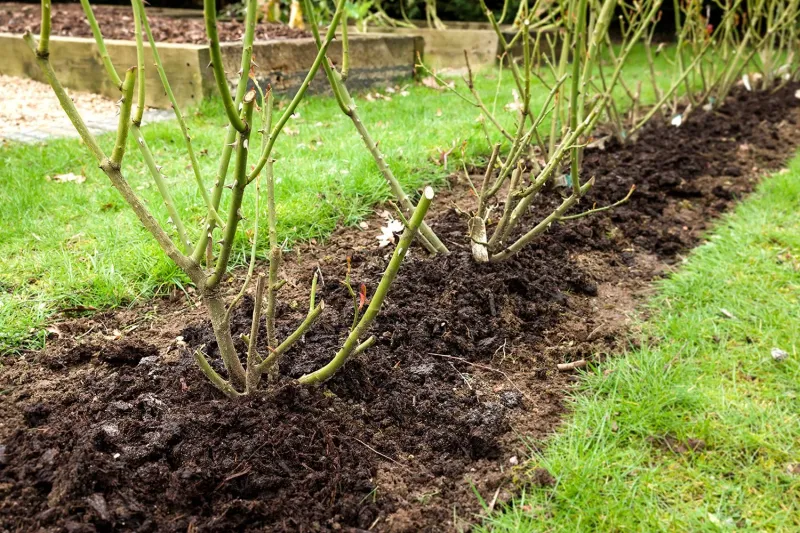
Late winter pruning prepares roses for their spectacular spring flush in Florida gardens. Timing varies by region, with South Florida gardeners often pruning in late January or February, while North Florida should wait until early March when hard frost risk diminishes.
Central Florida falls in between, with timing dependent on specific winter weather patterns each year.
Start by removing any branches smaller than a pencil since these rarely produce quality blooms. Cut out withered wood completely, making cuts back to healthy tissue that shows white or green inside.
Open up the center of the plant to improve air circulation, which matters tremendously in Florida’s humid climate where fungal diseases thrive in crowded conditions.
Make cuts at a 45-degree angle just above outward-facing bud eyes. This encourages branches to grow away from the center, maintaining that open structure roses need for good health.
Remove about one-third of the overall height on hybrid teas, while shrub roses need lighter pruning to maintain their natural shape.
Many Florida gardeners prune too late, after roses have already broken dormancy and started pushing new growth. This can slow flowering and reduce the strength of the spring flush.
University of Florida IFAS Extension recommends pruning during the late winter rest period, before strong spring growth begins, for the best structure and healthiest new flush of growth.
6. Finish Pruning Crape Myrtle Before New Leaves Appear
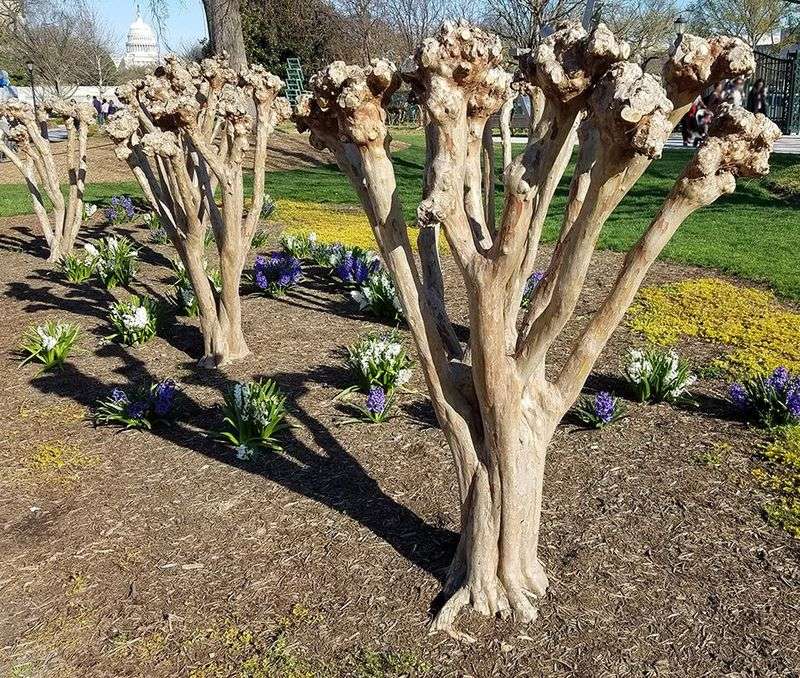
March marks the final window for crape myrtle pruning before spring growth begins. These summer bloomers flower on current-season wood, so late winter trimming doesn’t sacrifice any flowers.
Instead, proper pruning creates better structure and encourages the vigorous new growth that produces the largest flower clusters.
Resist the urge to top crape myrtles by cutting all branches back to the same height. This practice, unfortunately common in Florida, ruins the natural form and creates weak growth prone to storm damage.
Instead, remove entire branches at their origin to thin the canopy while preserving the graceful vase shape.
Focus on eliminating crossing branches, suckers at the base, and any stems smaller than a pencil. Complete pruning before new growth begins and buds start to swell, since once active growth starts, major structural pruning becomes less ideal and can reduce early-season vigor.
South Florida’s earlier spring means pruning should happen even sooner, ideally by late February, since new growth often appears in early March in warmer regions.
University of Florida IFAS Extension recommends structural pruning over severe topping for healthiest trees and best flowering. Removing select branches rather than shearing everything back maintains the attractive bark and branching pattern while still encouraging plenty of new flowering wood.
Proper timing and technique result in spectacular summer blooms without compromising the tree’s natural beauty or structural integrity.
7. Do Not Prune Azaleas Until After They Finish Blooming
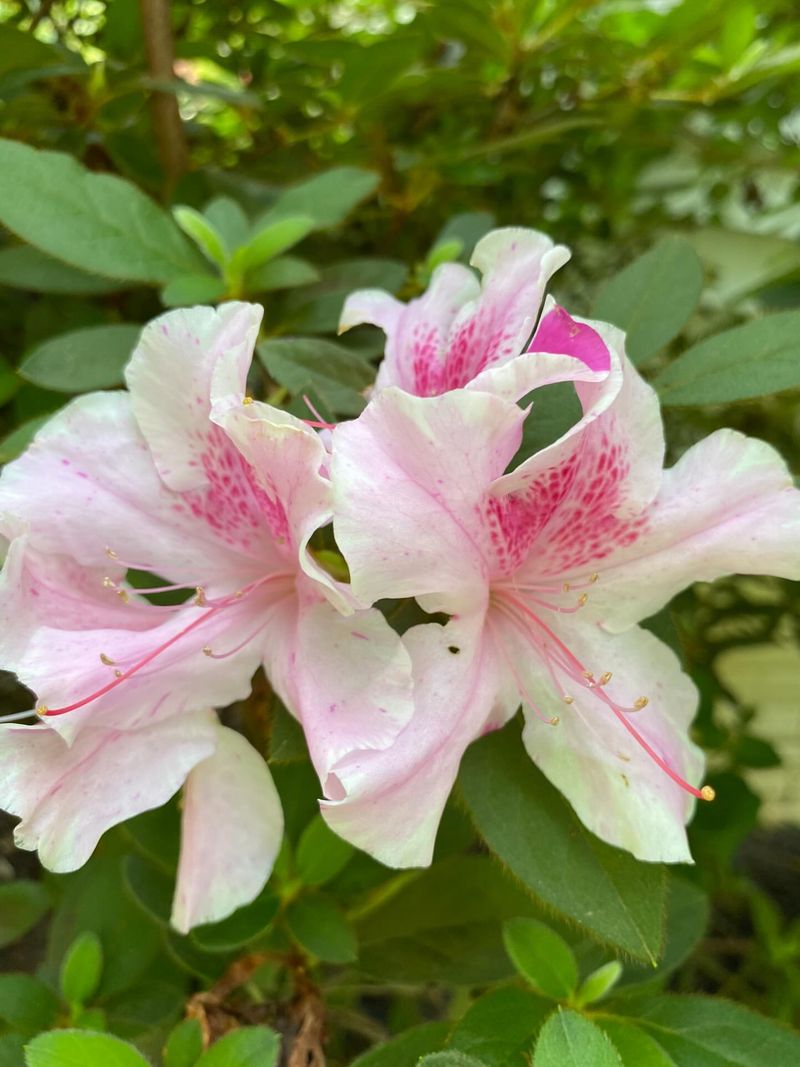
Flower buds formed last summer and fall sit waiting on azalea branches right now. Pruning in March removes these buds and eliminates this spring’s floral display.
These shrubs bloom on old wood, meaning flowers appear on growth from the previous season rather than on new stems.
North Florida azaleas typically bloom in March and early April, while South Florida specimens often flower earlier, sometimes starting in late February. Central Florida falls between these timelines.
Regardless of your location, wait until flowers fade completely before reaching for pruners.
The proper window for azalea pruning opens right after flowering finishes and closes by early summer. This gives plants time to form next year’s buds on the new growth that emerges after pruning.
Cutting too late in summer or fall removes developing buds just like early spring pruning does.
Many Florida gardeners accidentally sacrifice blooms by pruning at the wrong time. The temptation to tidy up azaleas in early spring is strong, especially when other plants benefit from March trimming.
University of Florida IFAS Extension emphasizes timing pruning to the plant’s bloom cycle rather than following a calendar date. Patience now means enjoying the colorful display these shrubs provide, followed by shaping after flowers drop for a fuller plant next year.
8. Let Camellias Finish Flowering Before You Reach For The Pruners
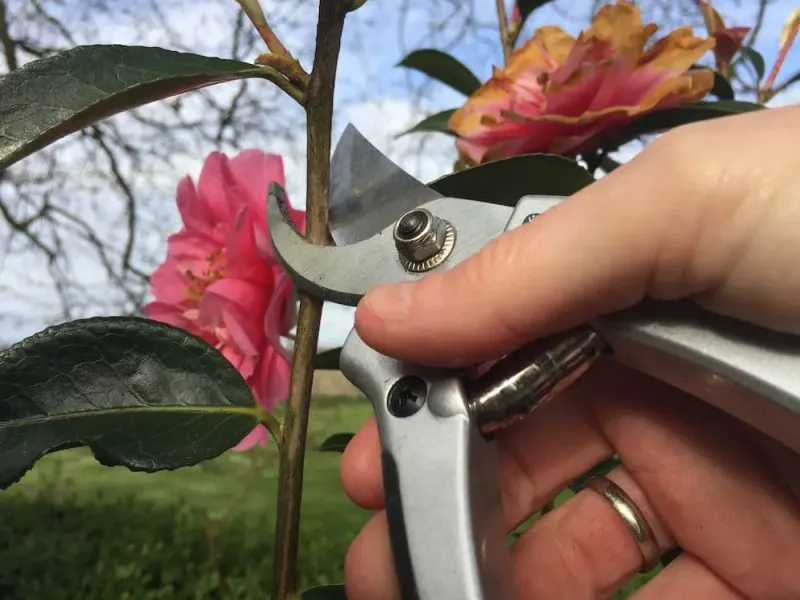
Camellia blooms grace Florida gardens through late winter and early spring, with timing varying by variety and region. Some finish flowering by early March while others continue into April.
Pruning before this cycle completes removes flowers you’ve waited months to enjoy and disrupts the plant’s natural rhythm.
Flower buds for next season begin forming shortly after current blooms fade. The plant needs time after flowering to develop new growth where future buds will appear.
Pruning immediately after the last flowers drop gives camellias maximum time to produce and mature this new wood before next year’s bud formation begins.
South Florida camellias often bloom earlier than those in northern counties, potentially finishing their display by late February or early March. North Florida specimens may continue flowering well into April depending on variety and weather patterns.
Watch your specific plants rather than following a set date to determine the right pruning window.
Avoid the mistake of pruning camellias on the same schedule as new-wood bloomers like hibiscus or roses. This common error costs you both current and future flowers.
University of Florida IFAS Extension notes that proper timing maintains the reliable blooming these shrubs are known for. Shape plants lightly after flowering ends, removing only what’s necessary to control size or improve form rather than cutting heavily.
9. Avoid Cutting Back Bigleaf Hydrangeas In Early Spring
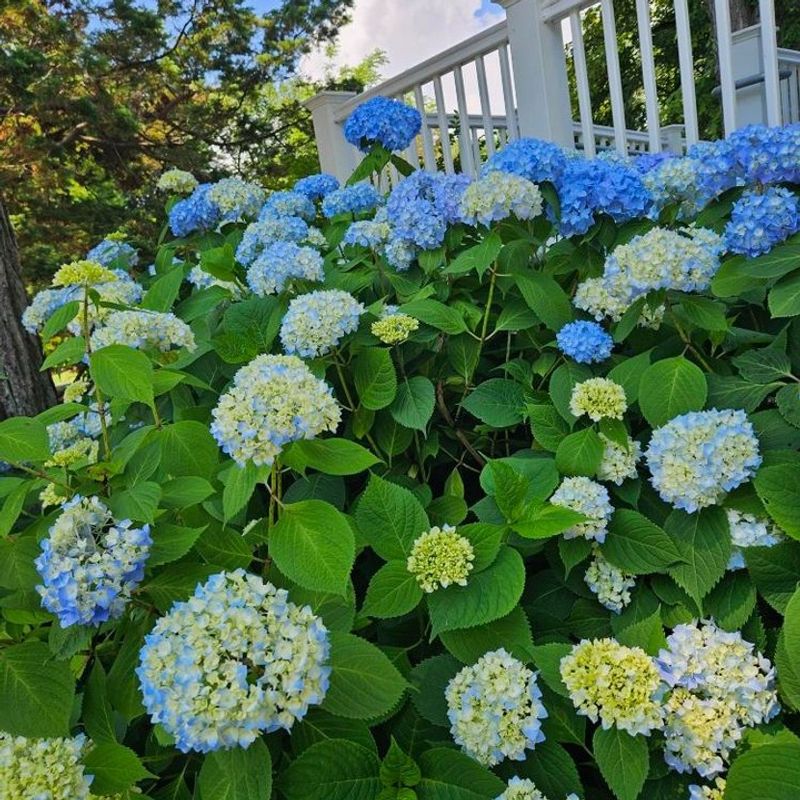
Bigleaf hydrangeas carry next spring’s flower buds on stems that grew last year. March pruning removes these developing buds, leaving you with green shrubs and no blooms when flowering season arrives.
Understanding the difference between hydrangea types prevents this disappointing outcome that frustrates many Florida gardeners.
Traditional bigleaf varieties, including mophead and lacecap types, bloom on old wood, meaning they set flower buds on stems that grew the previous year. Some newer reblooming cultivars can flower on both old and new growth, but most established bigleaf hydrangeas in Florida landscapes follow the old-wood pattern.
Other hydrangea species like panicle and smooth hydrangeas flower on new growth and tolerate early spring pruning. Correctly identifying your specific type determines appropriate pruning timing.
North Florida gardeners sometimes see winter damage on bigleaf hydrangeas that tempts them to prune in early spring. Remove only obviously damaged tissue, leaving healthy stems with their precious buds intact.
South Florida’s milder winters rarely cause significant damage, making the temptation to prune for neatness the bigger risk.
The proper time for bigleaf hydrangea pruning comes right after flowering ends in late spring or early summer. This allows you to shape plants while giving them maximum time to develop new wood that will carry next year’s buds.
University of Florida IFAS Extension emphasizes that Florida’s humidity and growing conditions mean these shrubs need little pruning anyway. Resist the urge to cut them back hard, focusing instead on removing only spent flowers and occasional wayward branches.
10. Resist Pruning Gardenias Until After Their Fragrant Bloom Cycle
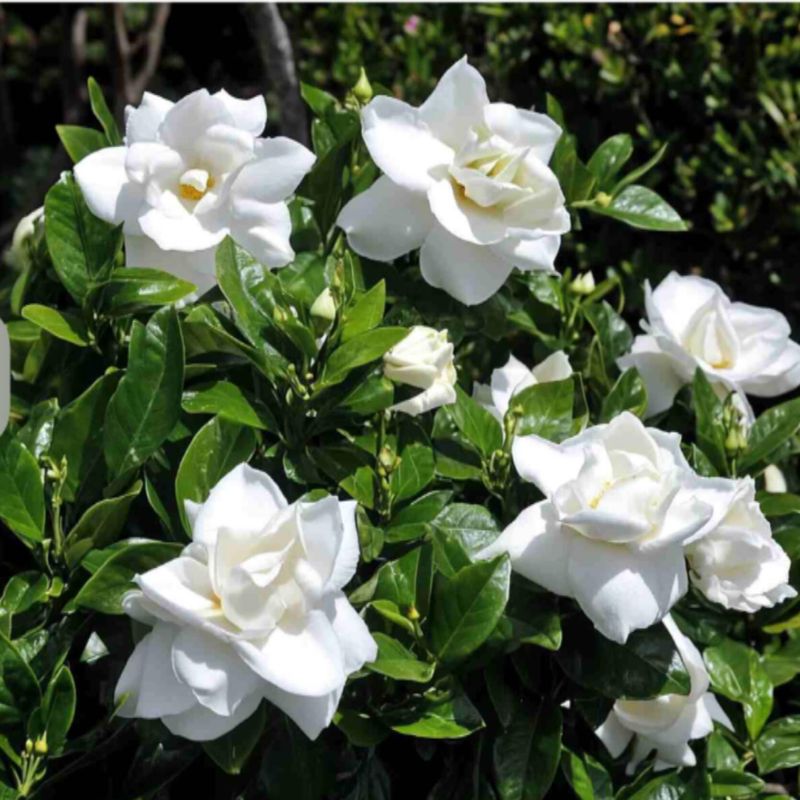
Gardenia buds developing right now will open into those intensely fragrant white flowers that make these shrubs so beloved in Florida landscapes. March pruning sacrifices this anticipated display since gardenias bloom on old wood formed during previous growing seasons.
Flower buds set during late summer and fall, then wait through winter to open in spring.
South Florida gardenias often begin blooming in March or even late February, while North Florida specimens typically flower in April and May. Central Florida timing falls between these windows.
Regional differences mean South Florida gardeners face earlier temptation to prune but should still wait until flowers finish.
The extended growing season in southern counties sometimes produces a second, lighter flush of gardenia blooms in fall. These plants form buds on growth that emerged after spring flowering ended.
Pruning too late in summer removes developing buds just like early spring trimming does.
Many Florida gardeners prune gardenias in early spring while working on other landscape plants, not realizing these shrubs follow a different schedule. University of Florida IFAS Extension recommends pruning right after the main spring bloom cycle completes.
This timing allows shaping while giving plants the full growing season to produce and mature new wood that will carry next year’s buds. Light pruning works best since gardenias naturally maintain attractive form without heavy cutting.