Florida Rules About Clearing A Neighbors Vines Over Your Fence
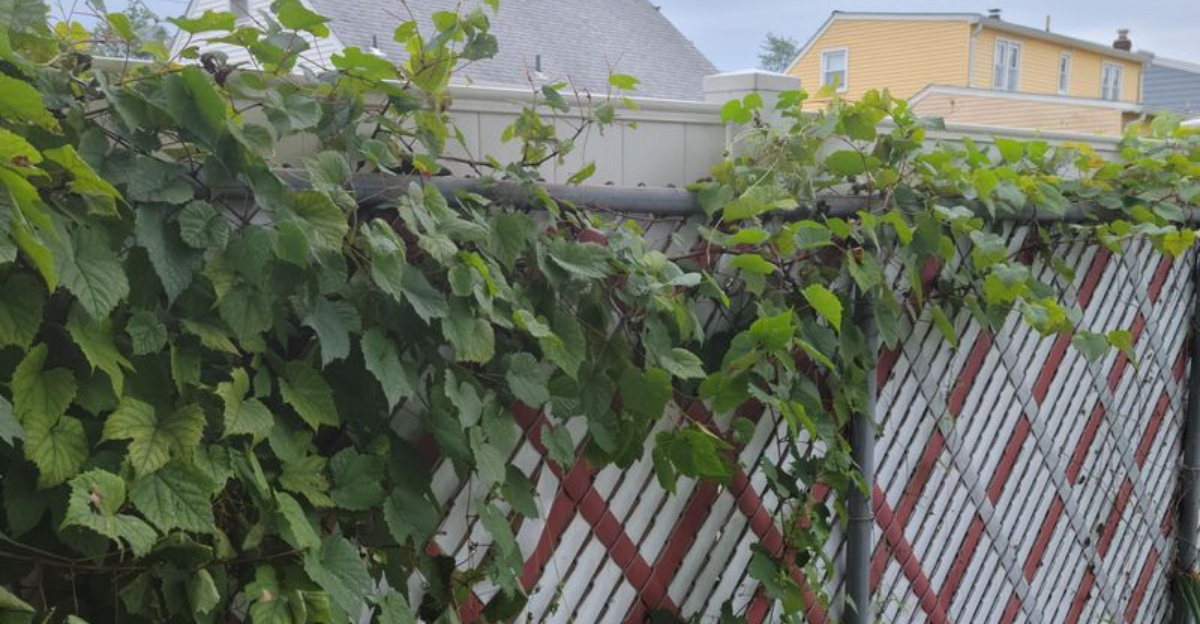
Florida yards grow fast, and vines often cross property lines without an invitation.
One season brings lush cover, the next brings tension over shade, damage, or tangled fences.
What feels like a simple snip can spark hard feelings or legal trouble if rules slip through the cracks.
State law draws a fine line between self-help and overreach, and many homeowners step over it without a clue.
Neighbors may smile today and call a lawyer tomorrow.
Sunshine laws favor clarity, not guesswork.
Know where your rights stop and responsibility starts before clippers come out.
A little knowledge can save money, protect peace, and keep disputes from taking root where vines already do.
1. Property Line Rights Allow Trimming
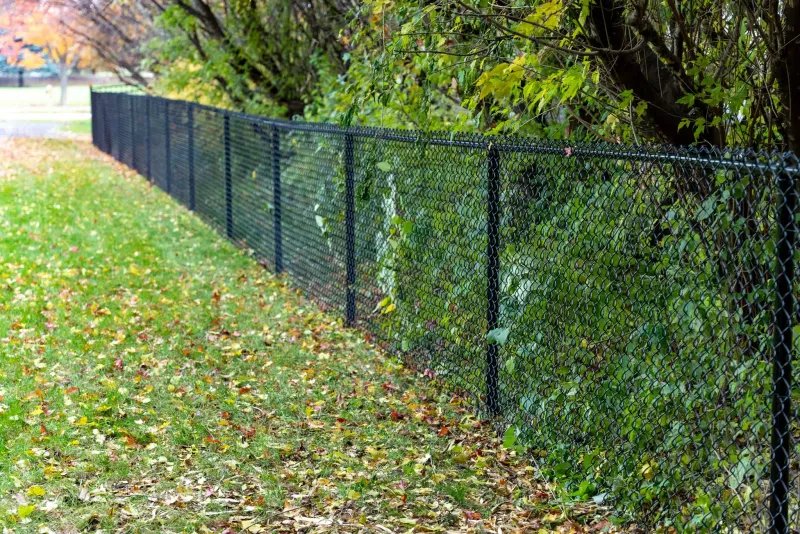
Florida law gives you the right to trim branches, vines, and roots that cross over your property line.
This means you can cut back any vegetation that extends onto your side of the fence without asking your neighbor first.
The key detail involves cutting only what hangs over your boundary.
You cannot reach over to the neighbor’s side or trespass onto their land to remove plants.
Your trimming must stay within your own property limits.
Courts have upheld this right for many years, recognizing that landowners should control what grows on their land.
Keep in mind that even though you have this right, you should try to be reasonable and respectful.
Cutting vines carefully prevents unnecessary damage to the main plant.
Sharp, clean cuts help the plant heal better than rough tears.
Document the overgrowth with photos before you trim.
This creates a record in case any disputes arise later.
Most neighbors appreciate a friendly conversation before you start cutting, even though the law does not require it.
Good communication often prevents future problems and maintains positive relationships across property lines.
2. You Must Not Damage The Main Plant
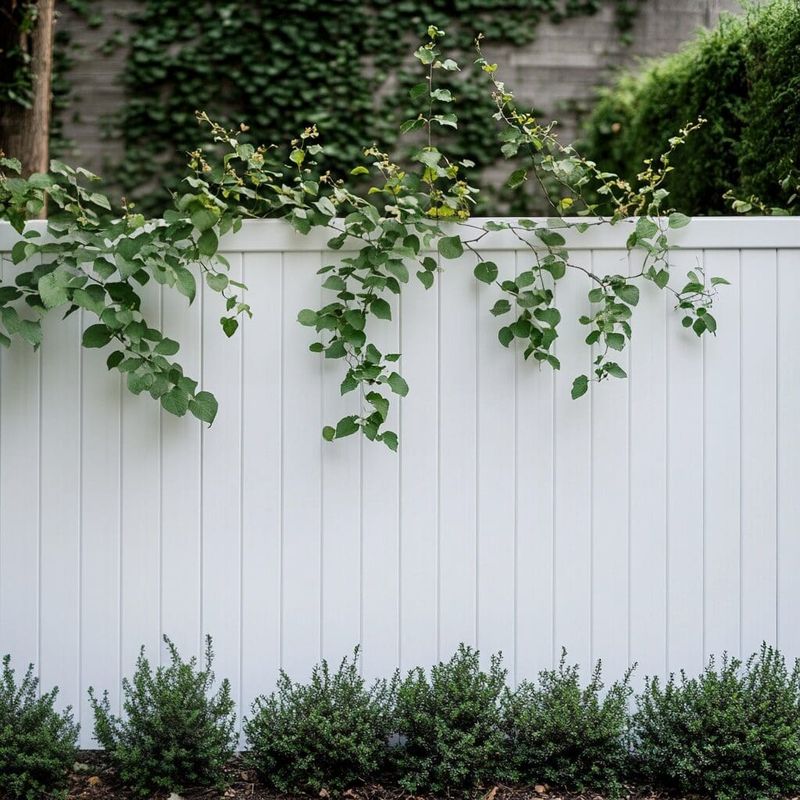
When trimming vines that cross your fence, Florida law requires you to avoid harming the main plant on your neighbor’s property.
Cutting too aggressively or removing too much can weaken or damage the entire vine system.
Courts may hold you responsible if your trimming causes significant harm.
The rule exists to balance your rights with your neighbor’s property interests.
You can remove what encroaches on your space, but you cannot destroy their plant in the process.
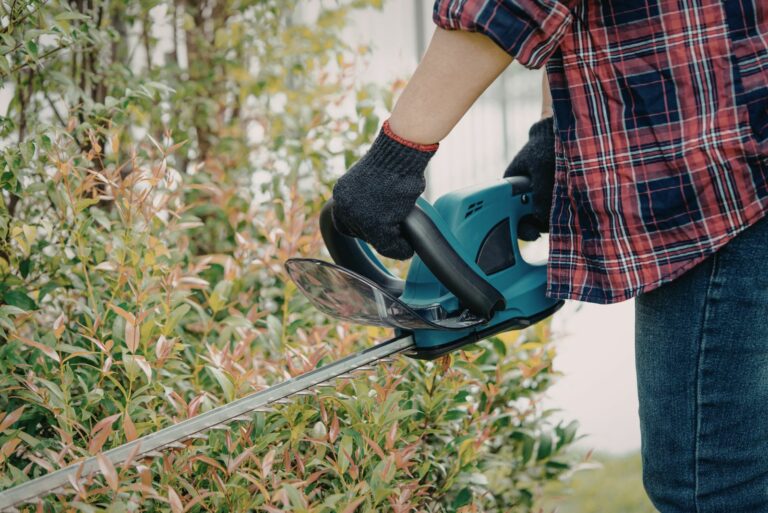
This means you should use proper tools and techniques when cutting.
Sharp pruning shears work better than dull blades because they create clean cuts.
Avoid pulling or ripping vines, which can damage the roots or main stems.
Cut at appropriate points where the vine naturally branches.
If you accidentally cause damage, you might face legal consequences including paying for repairs or replacement.
Some homeowners hire professional landscapers to handle tricky trimming jobs.
Professionals understand plant biology and know how to trim without causing lasting harm.
Taking a cautious approach protects both your legal position and your relationship with your neighbor, while still allowing you to maintain your property as you see fit.
3. Responsibility For Trimmed Vegetation
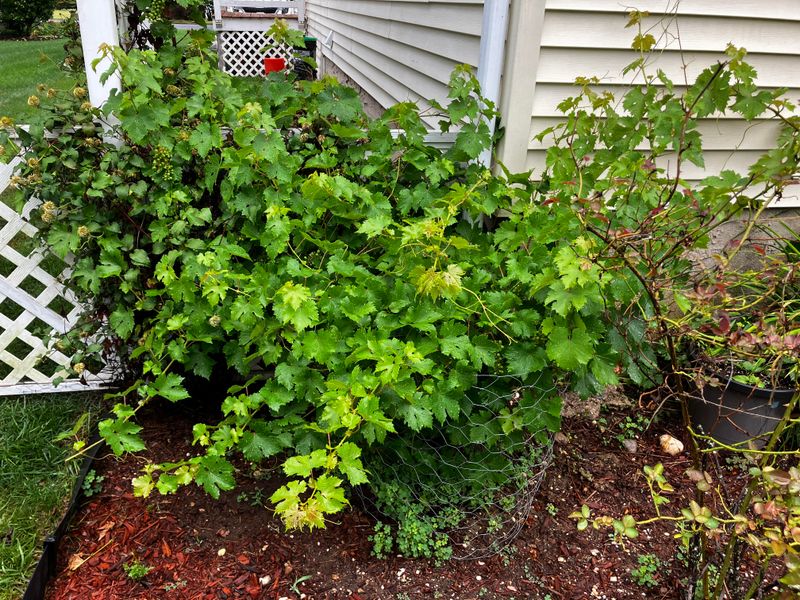
After you trim vines from your side of the fence, Florida law typically makes you responsible for disposing of the cut vegetation.
You cannot simply toss the trimmings back over the fence onto your neighbor’s property.
Proper disposal maintains good neighborly relations and follows local waste management rules.
Most Florida counties offer yard waste collection services on specific days.
You can bag the vine clippings in paper yard waste bags or place them in designated containers.
Some communities have composting programs that accept plant material.
Another option involves creating your own compost pile if local regulations allow it.
Vine clippings break down over time and create nutrient-rich soil for gardens.
Check with your homeowners association about any restrictions on composting.
Burning yard waste is illegal in many Florida municipalities due to fire hazards and air quality concerns.
Always verify local ordinances before attempting any burning.
Some homeowners rent dumpsters for large trimming projects.
Taking responsibility for disposal shows respect for community standards and environmental regulations.
Proper cleanup also prevents the cut vines from taking root in unwanted areas of your yard, which could create new problems down the road.
4. Notice Requirements Before Major Removal
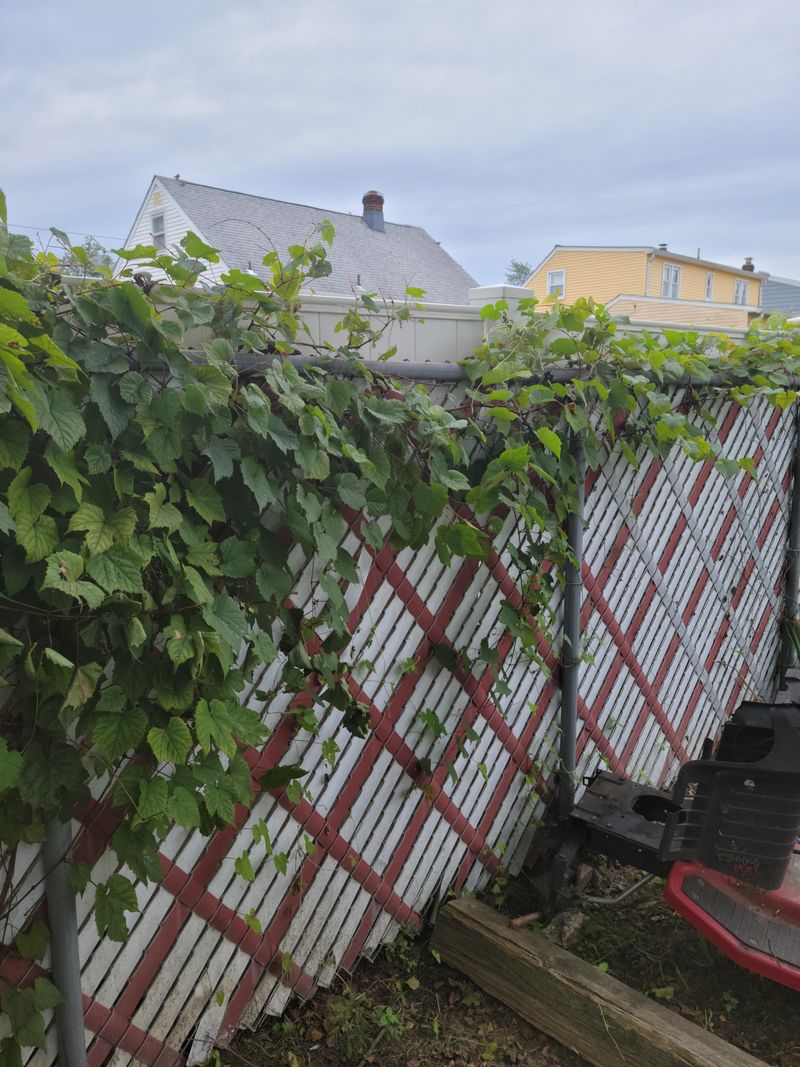
While Florida law does not always require formal notice for simple trimming, providing advance warning to your neighbor demonstrates courtesy and can prevent conflicts.
Major removal projects that might affect the appearance or health of the plant often benefit from communication.
A simple conversation or written notice explains your intentions and gives your neighbor a chance to respond.
Some situations do require formal notice under local ordinances or homeowners association rules.
Check your community guidelines before starting significant vegetation removal.
Written notice creates a paper trail that protects both parties.
Your notice should include the date you plan to trim, the extent of the work, and your contact information.
Be specific about which vines you intend to cut and why.
Photos can help illustrate the problem clearly.
Giving your neighbor time to respond allows them to address the issue themselves if they prefer.
They might offer to trim the vines from their side, which could result in a neater outcome.
This collaborative approach often leads to better long-term relationships.
Even when the law is on your side, taking the extra step to communicate shows maturity and consideration for those who share your property boundaries.
5. Nuisance Laws And Excessive Growth
Florida nuisance laws come into play when vine growth becomes so excessive that it interferes with your reasonable use of your property.
Vines that block sunlight, damage structures, or attract pests may qualify as a legal nuisance.
This gives you additional options beyond simple trimming at the property line.
To establish a nuisance claim, you must show that the vine growth substantially interferes with your property rights.
Minor inconveniences typically do not meet this standard.
Courts look at factors like the severity of the problem and whether it affects health or safety.
Before taking legal action, document the issue thoroughly with photos and written records.
Note any damage to your fence, roof, or other structures.
Keep records of conversations with your neighbor about the problem.
Many homeowners start with a certified letter requesting that the neighbor address the excessive growth.
This formal communication shows you attempted to resolve the matter peacefully.
If the neighbor refuses to act, you might file a nuisance complaint with local authorities or pursue civil remedies.
Legal action should be a last resort after other methods fail.
Understanding nuisance laws empowers you to protect your property while following proper legal channels for resolution.
6. Shared Fence Considerations
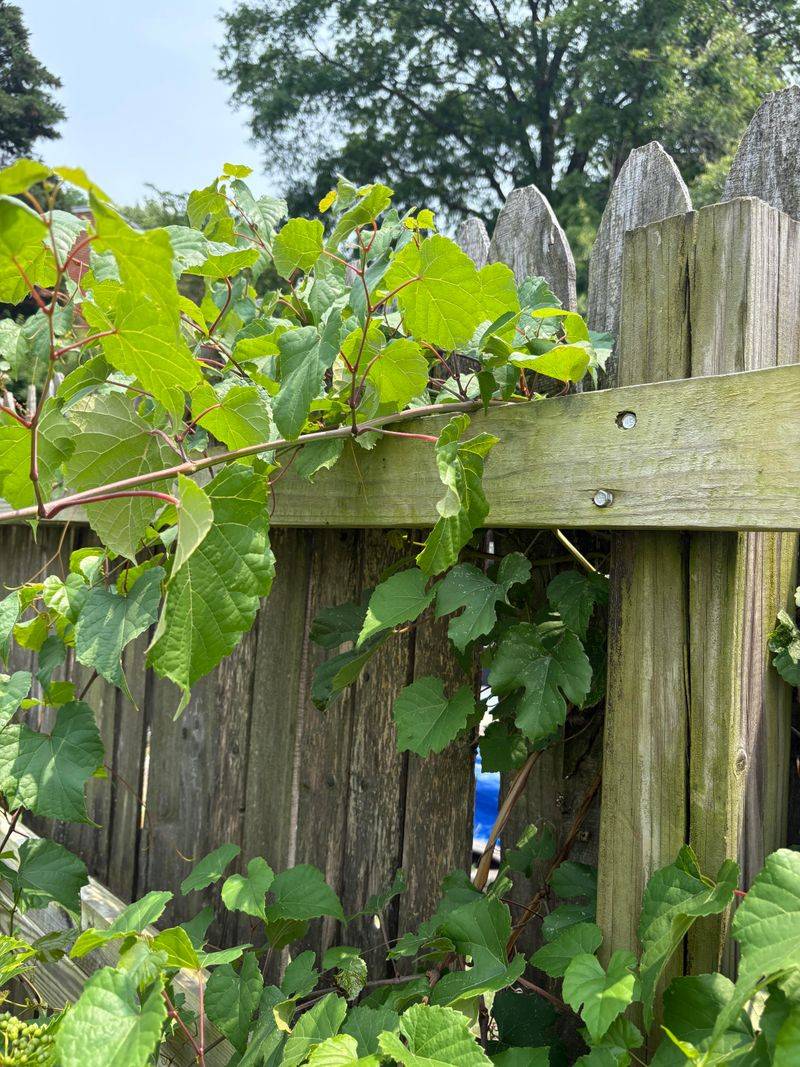
When a fence sits directly on the property line, both neighbors typically share ownership and maintenance responsibilities.
Vine growth on a shared fence creates unique challenges because both parties have interests in the structure.
Florida law recognizes these shared rights and requires cooperation between neighbors.
Neither neighbor can make major changes to a shared fence without consulting the other.
This includes removing vines that might provide structural support or aesthetic value.
Communication becomes essential before taking any action.
If vines grow from one side but cover both sides of the fence, the situation requires careful handling.
The neighbor whose property produces the vines generally maintains responsibility for their growth.
However, both parties should discuss trimming plans to avoid disputes.
Some shared fence agreements include specific provisions about vegetation management.
Review any existing agreements or deeds before proceeding with vine removal.
Creating a written agreement about maintenance can prevent future conflicts.
When both neighbors contribute to vine management, the fence often looks better and lasts longer.
Shared responsibility works best when both parties communicate openly and respect each other’s preferences while maintaining the fence structure properly for everyone’s benefit.
7. Legal Remedies For Continued Problems
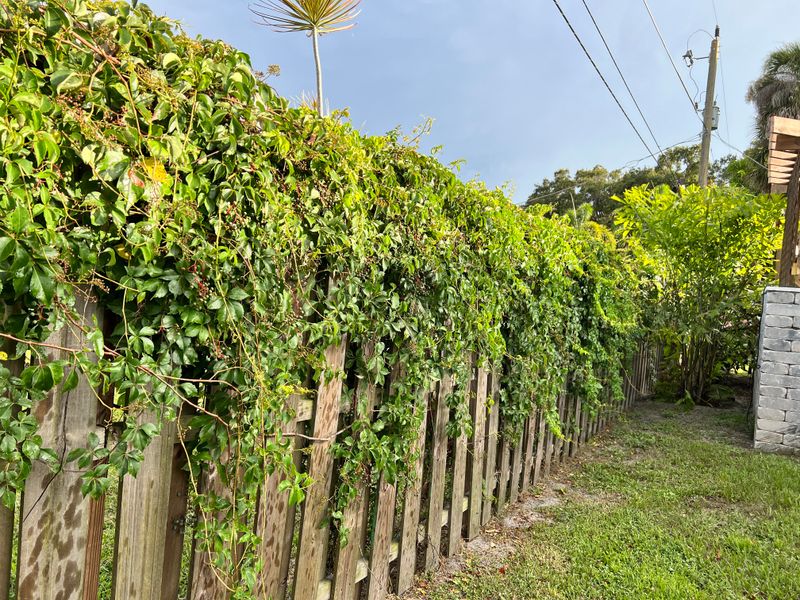
Sometimes neighborly conversations and self-help remedies fail to resolve vine problems, and legal action becomes necessary.
Florida offers several legal pathways for homeowners facing continued vegetation encroachment.
Understanding these options helps you make informed decisions about protecting your property rights.
Small claims court handles property disputes involving amounts up to $8,000 in Florida.
You can file a claim for damages caused by vine growth, such as fence repairs or roof damage.
The process is relatively simple and does not always require an attorney.
Mediation provides another option where a neutral third party helps neighbors reach an agreement.
Many counties offer free or low-cost mediation services for property disputes.
This approach often preserves relationships better than courtroom battles.
For serious ongoing problems, you might seek an injunction requiring your neighbor to remove problematic vines.
Courts can order specific actions when nuisance conditions persist.
This remedy works best when you have strong documentation of the problem.
Attorney consultation becomes valuable for complex cases involving significant property damage.
Legal action requires time and money, so exhaust other options first.
Knowing your legal remedies provides leverage in negotiations and ensures you can protect your property when necessary.