Florida Seniors’ Love Of Gardening Is Inspiring A New Wave Of Gardeners
In Florida, many seniors have turned gardening into both a daily ritual and a lifelong companion.
Their gardens aren’t about trends or perfect symmetry; they’re about enjoyment, routine, and time well spent.
Early mornings, familiar tools, and plants chosen for reliability form the backbone of these spaces.
Over the years, experience has taught them what works in Florida’s heat, humidity, and sandy soil.
Younger gardeners are taking notice, drawn to the steady, practical wisdom that can’t be learned overnight.
Raised beds, container plants, and native choices show how gardening can adapt to changing needs without losing its joy.
These seniors prove that gardening isn’t about speed, it’s about pacing yourself and finding pleasure in the process.
Their approach feels refreshingly grounded in a world of quick fixes.
By sharing plants, advice, and stories, they’re quietly shaping a more welcoming gardening culture.
It’s inspiration rooted in patience and grown through experience.
Gardening With The Morning Sun
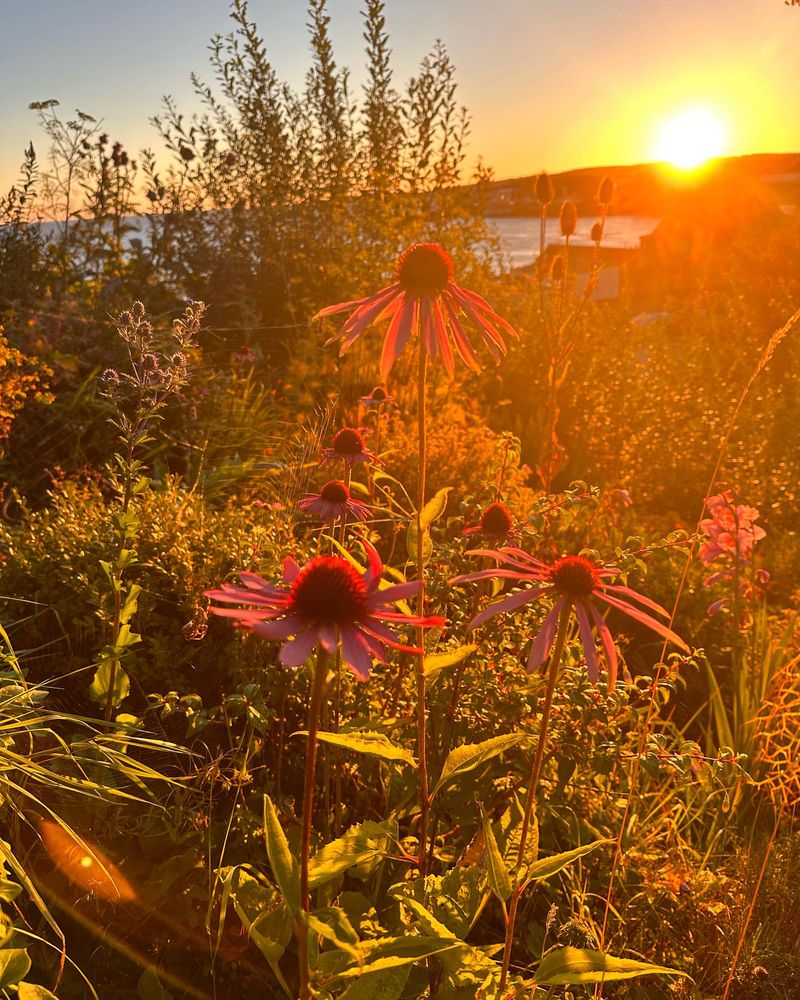
Early risers know the secret to comfortable gardening in Florida’s heat.
Many seniors wake before dawn to work their gardens while temperatures stay pleasant and energy levels run high.
This habit started out of necessity but became a cherished daily ritual that keeps them consistent and committed.
Morning gardening offers cooler air, softer sunlight, and quieter surroundings that make the work feel peaceful rather than exhausting.
Watering plants early allows moisture to soak deep into soil before midday heat causes evaporation.
Seniors who garden at this time often finish their tasks by nine or ten, leaving the rest of the day free for other activities.
Younger gardeners are noticing this pattern and adopting it themselves.
Starting early helps them avoid sunburn, dehydration, and fatigue that come with afternoon heat.
It also builds routine and discipline, two qualities that make gardening more successful over time.
Florida’s climate demands smart scheduling, and seniors have perfected this approach through years of trial and error.
Their morning garden sessions prove that timing matters just as much as technique.
By following their lead, new gardeners learn to work with nature instead of against it, creating habits that last a lifetime.
Plants That Thrive With Less Effort
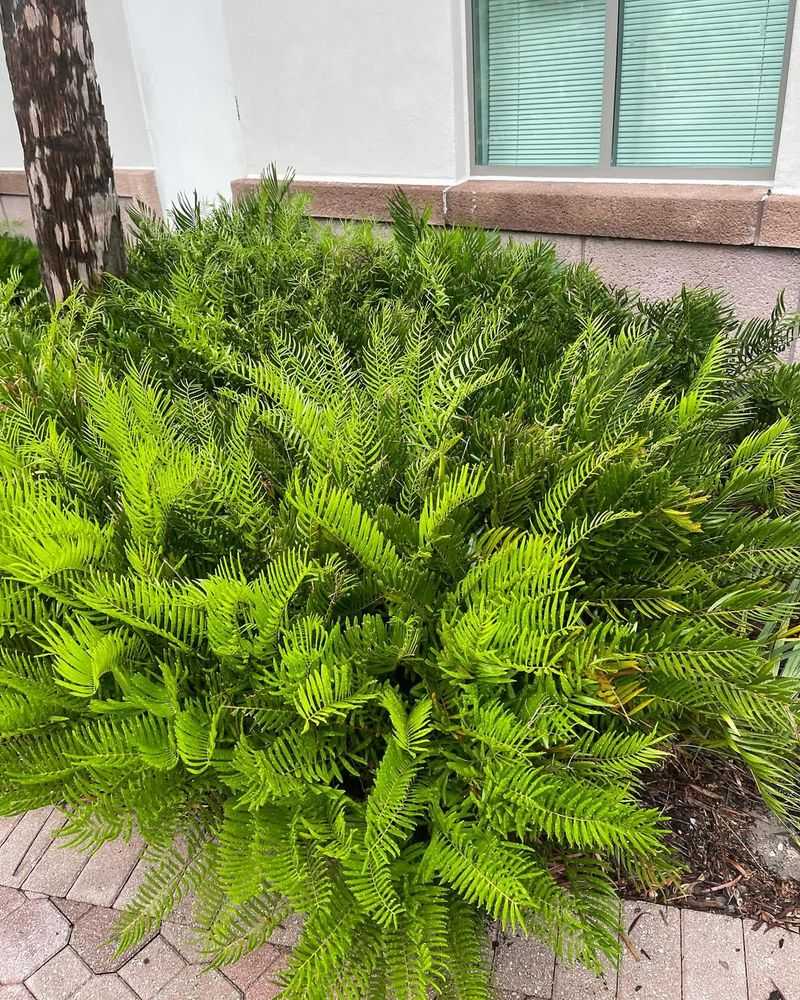
Choosing the right plants makes all the difference when gardening in Florida’s intense heat and humidity.
Seniors have learned which flowers, shrubs, and ground covers can handle tough conditions without constant attention.
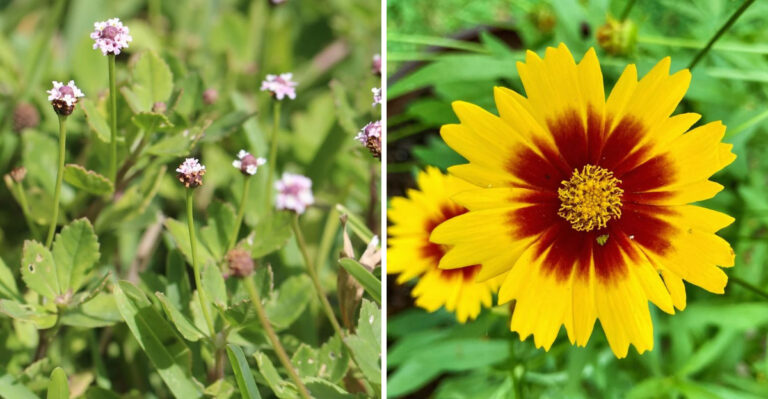
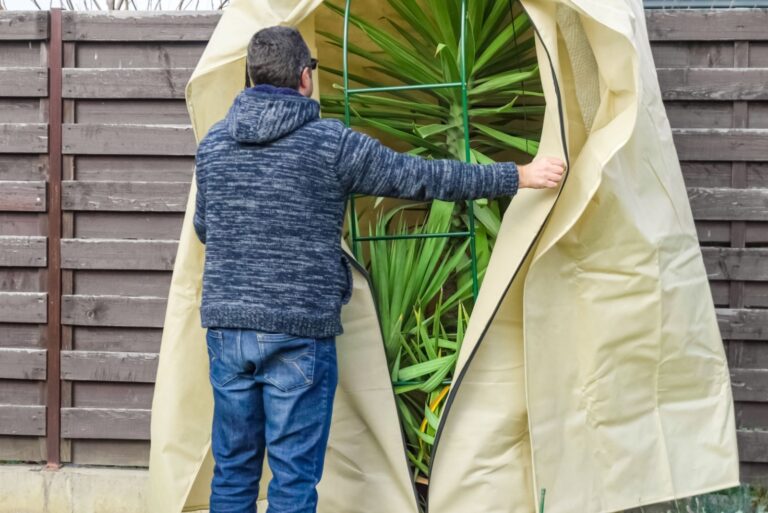
Pentas, blanket flowers, and coontie are favorites because they bloom reliably and need minimal fussing.
These plants tolerate sandy soil, sporadic rainfall, and blazing sun without wilting or requiring frequent fertilizer.
Many are native or well-adapted to Florida, which means they naturally resist local pests and diseases.
Seniors appreciate plants that reward them with color and texture without demanding daily care.
Younger gardeners often start with high-maintenance varieties that require special soil, frequent watering, or precise pruning schedules.
Learning from experienced growers helps them skip those frustrations and focus on plants that actually thrive in their environment.
This shift saves time, money, and disappointment.
Low-effort gardening doesn’t mean low beauty.
Florida seniors prove that smart plant selection creates stunning landscapes that stay vibrant year-round.
Their approach emphasizes working smarter, not harder, and that philosophy resonates with busy new gardeners looking for sustainable, rewarding outdoor spaces.
Raised Beds For Comfort And Access
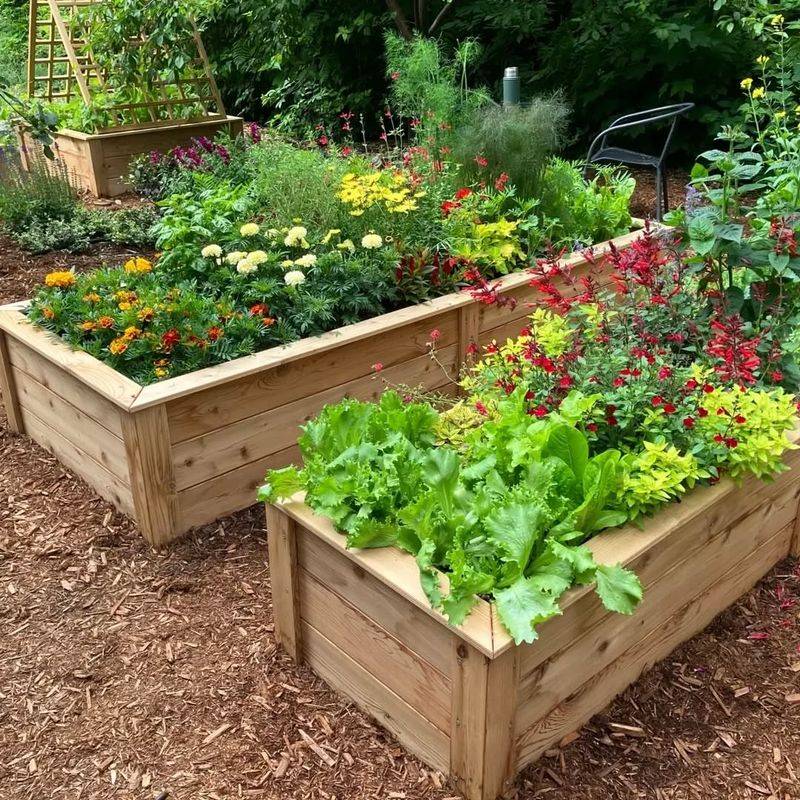
Bending, kneeling, and crouching can turn gardening into a painful chore, especially as joints stiffen and backs ache.
Raised garden beds solve this problem by bringing soil up to a comfortable working height.
Seniors across Florida use these elevated structures to continue gardening without strain or discomfort.
Raised beds range from knee-high to waist-high, allowing gardeners to sit or stand while planting, weeding, and harvesting.
They also offer better drainage, which helps prevent root rot in Florida’s rainy season.
Filling them with quality soil means fewer weeds and healthier plants from the start.
Younger gardeners are building raised beds in their own yards after seeing how practical and productive they are.
These structures make gardening accessible to people of all ages and abilities, not just seniors.
They turn gardening into an activity that feels less like hard labor and more like a pleasant hobby.
Florida seniors demonstrate that gardening should adapt to the gardener, not the other way around.
Raised beds remove barriers and open doors for anyone who wants to grow food or flowers.
This simple innovation keeps experienced gardeners active while inspiring newcomers to start their own beds.
Container Gardening On Patios And Porches
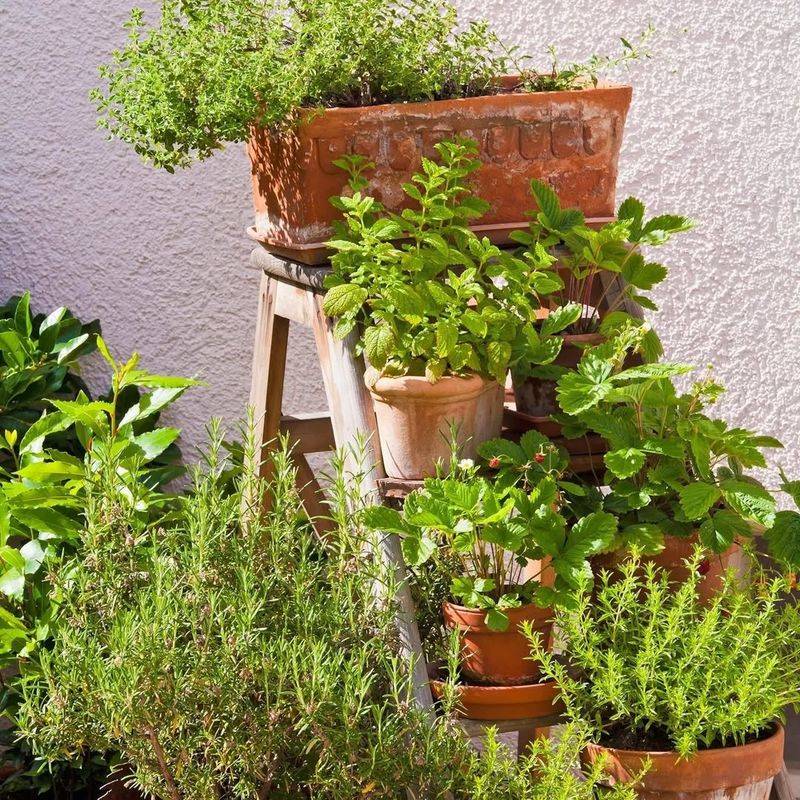
Not everyone has a big backyard, but that doesn’t stop Florida seniors from growing impressive gardens.
Containers bring gardening within arm’s reach, turning patios, porches, and balconies into productive green spaces.
Tomatoes, peppers, herbs, and flowers all flourish in pots when given proper care.
Container gardening offers flexibility that traditional beds can’t match.
Pots can be moved to follow sunlight, avoid storms, or make room for outdoor gatherings.
Seniors appreciate this mobility, especially when they need to protect plants from extreme weather or pests.
Watering and fertilizing containers requires more attention than in-ground plants, but the trade-off is worth it.
Everything stays close, manageable, and easy to monitor.
Younger gardeners with limited space are embracing this method after seeing how much seniors can grow in just a few square feet.
Container gardening proves that size doesn’t determine success.
Florida seniors show that creativity and consistency matter more than square footage.
Their potted gardens inspire renters, apartment dwellers, and anyone with tight spaces to start growing, no matter where they live or how much room they have available.
Native Plants That Need Less Water
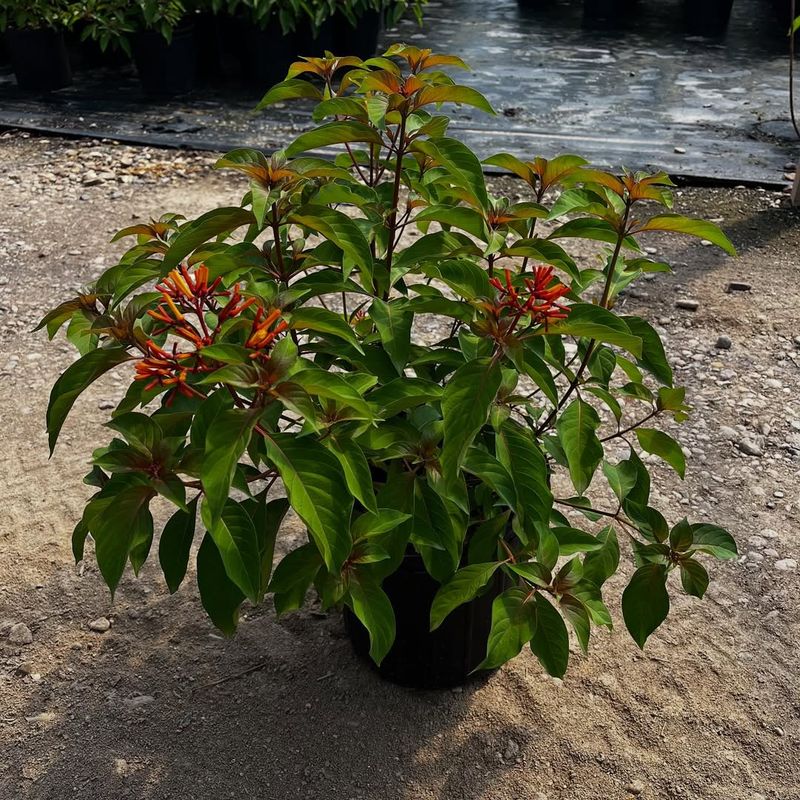
Water conservation matters in Florida, where droughts and water restrictions can limit garden irrigation.
Seniors have turned to native plants that evolved to survive the state’s natural rainfall patterns.
Species like muhly grass, firebush, and saw palmetto need far less water once established, making them ideal for sustainable landscapes.
Native plants also support local wildlife, including butterflies, bees, and birds that rely on familiar food sources.
These plants resist pests better than exotic species, reducing the need for chemical treatments.
Seniors value this low-input, high-reward approach that aligns with Florida’s natural ecosystems.
Younger gardeners are discovering that native plants offer beauty without guilt.
They create gardens that look lush and vibrant while using fewer resources.
This shift toward sustainability reflects a broader environmental awareness that seniors helped pioneer through decades of observation and adaptation.
Florida’s native plant movement started with practical concerns about water and maintenance, but it grew into something bigger.
Seniors demonstrate that working with nature instead of against it produces healthier, happier gardens.
Their example encourages new gardeners to research local species and build landscapes that thrive naturally.
Gardening As A Daily Routine
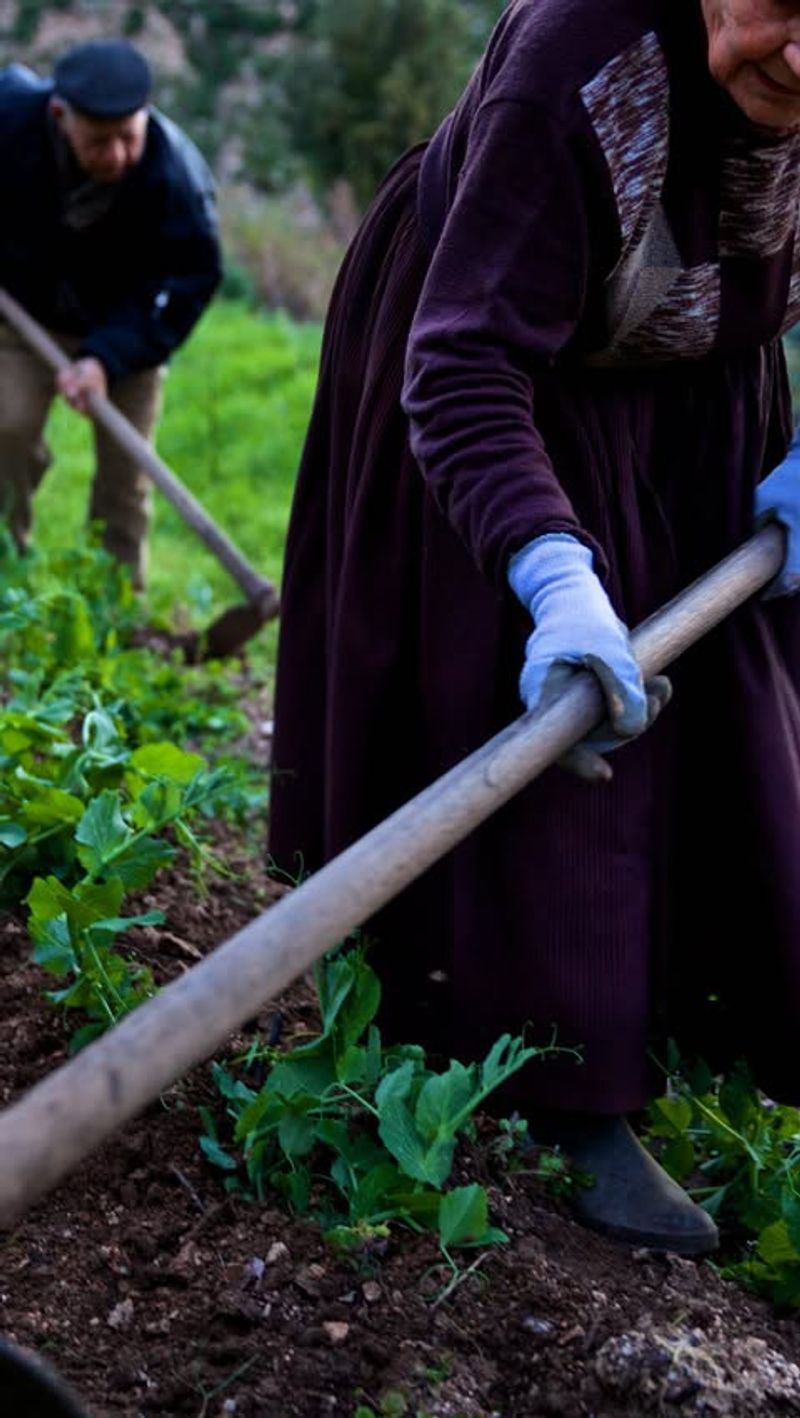
Consistency turns gardening from a weekend hobby into a meaningful daily practice.
Florida seniors treat their gardens like appointments they never miss, checking plants each morning for new growth, pests, or watering needs.
This regular attention keeps small problems from becoming big disasters.
Daily routines don’t require hours of labor.
Fifteen or twenty minutes spent watering, deadheading flowers, or harvesting vegetables makes a noticeable difference over time.
Seniors find that these short sessions keep them physically active and mentally engaged without overwhelming their schedules.
Younger gardeners often approach gardening in bursts, planting everything at once and then neglecting it for weeks.
Learning to visit the garden daily, even briefly, changes the entire experience.
It builds connection, awareness, and responsibility that make gardening feel less like a chore and more like a relationship.
Florida’s climate rewards consistent care because plants grow fast and conditions change quickly.
Seniors show that daily habits create thriving gardens and healthier gardeners.
Their example proves that small, steady efforts beat occasional marathon sessions every time, and that philosophy applies far beyond the garden.
Sharing Plants With Family And Neighbors
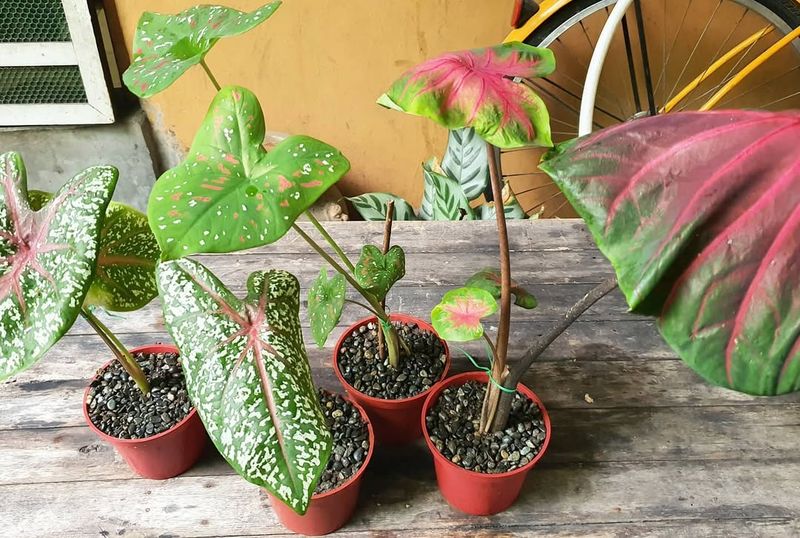
Generosity flows naturally among gardeners, and Florida seniors are experts at spreading plants and knowledge.
They share cuttings, seeds, and seedlings with family members, neighbors, and anyone who shows interest.
This tradition keeps favorite varieties alive while building community connections that last for years.
Plant swaps happen casually over fences, at community centers, or during neighborhood gatherings.
Seniors often propagate extra plants specifically to give away, knowing that sharing multiplies joy without costing much.
Each cutting carries a story, a memory, or a piece of advice that makes the plant even more valuable.
Younger gardeners benefit enormously from these exchanges.
They receive free plants that are already proven to thrive locally, along with tips on care and placement.
This hands-on learning beats internet research because it comes with personal experience and genuine encouragement.
Sharing plants bridges generations and creates gardening networks that strengthen neighborhoods.
Florida seniors understand that gardens grow bigger when knowledge and resources circulate freely.
Their willingness to share inspires new gardeners to adopt the same generous spirit, creating a culture where everyone helps everyone else succeed.
Teaching Through Experience Not Trends
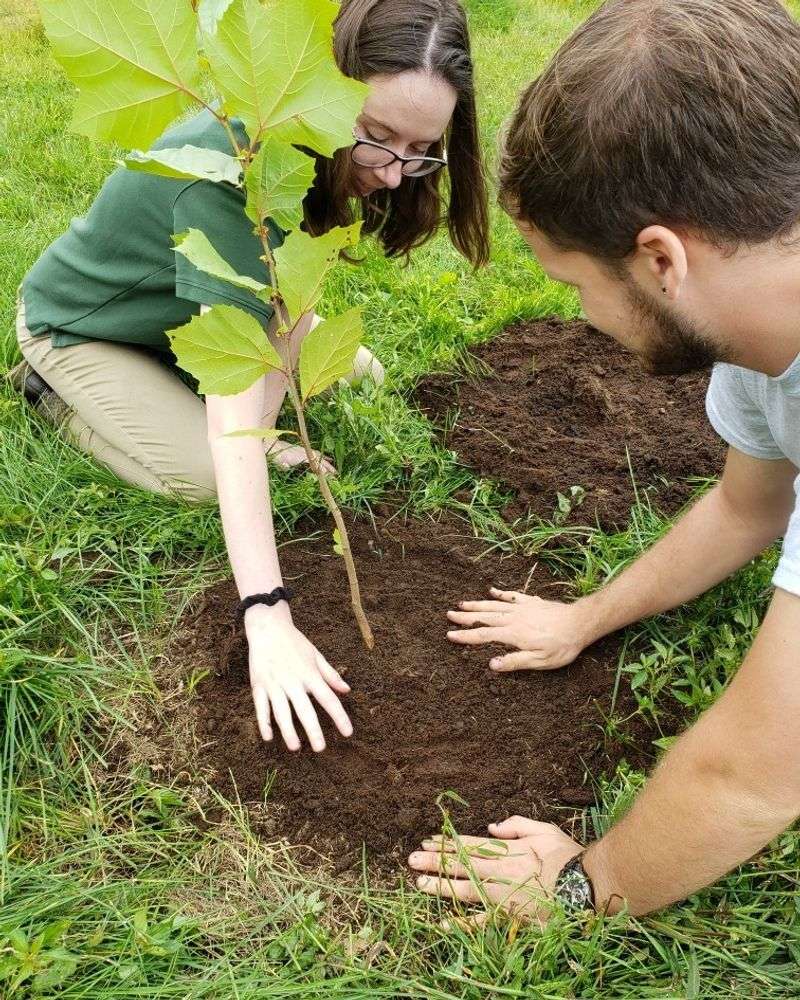
Social media overflows with gardening trends that promise instant results but often ignore local realities.
Florida seniors rely on decades of hands-on experience that tells them what actually works in their specific climate and soil.
Their knowledge comes from trial, error, observation, and patience rather than viral videos or influencer endorsements.
When seniors teach, they share practical skills like proper watering depth, pest identification, and seasonal timing.
They explain why certain methods work and what to watch for when things go wrong.
This kind of teaching builds real competence instead of superficial confidence.
Younger gardeners who learn from experienced growers skip the frustration of chasing fads that don’t fit Florida’s environment.
They gain skills that transfer across seasons and plant types, creating a solid foundation for lifelong gardening.
This mentorship feels personal and valuable in ways that online content rarely matches.
Florida seniors prove that wisdom beats novelty when it comes to gardening success.
Their teaching style emphasizes understanding over memorization, encouraging learners to think critically and adapt techniques to their own situations.
This approach creates confident, capable gardeners who know how to solve problems instead of just following instructions.
Gardens That Support Health And Wellness
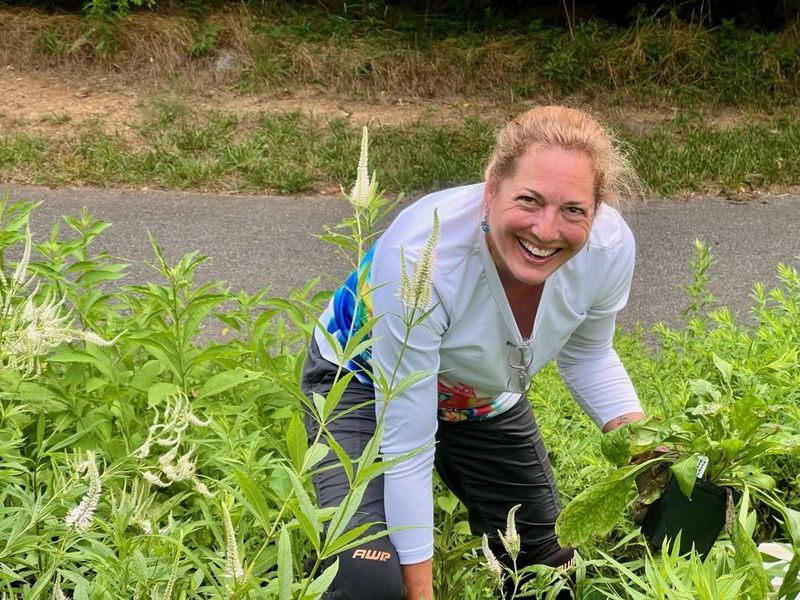
Gardening keeps Florida seniors moving, thinking, and connected to nature in ways that benefit both body and mind.
Digging, planting, weeding, and watering provide gentle exercise that builds strength and flexibility without feeling like a workout.
Spending time outdoors reduces stress, improves mood, and encourages mindfulness.
Many seniors credit gardening with keeping them active and independent as they age.
The physical tasks challenge muscles and joints in functional ways that support daily living.
Mental engagement comes from planning layouts, tracking growth cycles, and solving problems as they arise.
Younger gardeners are recognizing these wellness benefits and seeking gardens as a form of self-care.
They see seniors who remain vibrant and energetic partly because of their gardening habits.
This realization makes gardening attractive not just as a hobby but as a lifestyle choice that promotes long-term health.
Florida’s year-round growing season means gardening can be a consistent wellness practice, not just a summer activity.
Seniors demonstrate that gardens nourish people as much as plants.
Their example inspires new gardeners to view gardening as an investment in their own well-being, creating habits that support health for decades to come.
Growing For Enjoyment Not Perfection
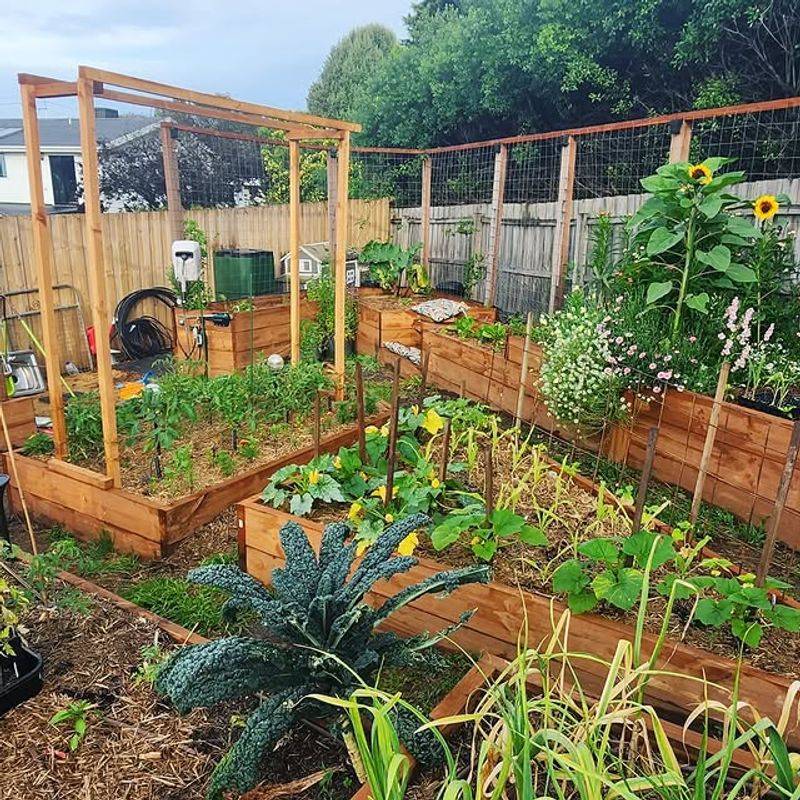
Perfect gardens exist mostly in magazines and social media feeds, not in real backyards.
Florida seniors embrace imperfection, knowing that gardens are living, changing spaces that never look flawless.
Their focus stays on enjoyment, experimentation, and the simple pleasure of growing things rather than achieving picture-perfect results.
This mindset frees them from the pressure that paralyzes many new gardeners.
They plant what they love, try new ideas without fear of failure, and accept that some plants will struggle or fail.
Each season brings lessons, and mistakes become stories rather than sources of shame.
Younger gardeners often feel intimidated by images of pristine gardens and worry about doing everything right.
Seeing seniors garden with joy and flexibility helps them relax and start growing without perfectionist anxiety.
This shift makes gardening accessible and welcoming instead of stressful and competitive.
Florida’s unpredictable weather and intense conditions guarantee that no garden stays perfect for long.
Seniors show that the real reward comes from the process, not the outcome.
Their relaxed, joyful approach inspires new gardeners to start small, learn as they go, and find happiness in every bloom, harvest, and unexpected surprise.