Florida Trees That Can Get Homeowners In Trouble If They Are Not Removed
Florida’s warm climate allows almost anything to grow, but not everything belongs in the backyard.
Some trees spread so aggressively or cause so much ecological damage that state and county rules now require homeowners to remove them when they appear on private property.
Florida’s environmental laws take these species seriously because they shade out native plants, harm wetlands, invite pests, or pose real risks during storms.
Many homeowners are surprised to learn that keeping one of these trees—especially if it spreads—can lead to HOA citations, county warnings, or mandatory removal orders.
What may look like a harmless tree in the corner of the yard might actually be one of Florida’s most strictly prohibited species.
Knowing which trees make the list can help homeowners avoid trouble, protect their landscape, and support local wildlife.
Understanding the rules before planting is the easiest way to keep your yard—and your wallet—safe.
Brazilian Pepper Tree (Schinus Terebinthifolia)
Bright red berries might look festive during the holidays, but the Brazilian pepper tree is anything but a gift to Florida homeowners.
This aggressive invader earned its spot on the state’s Category 1 invasive species list, making it illegal to plant or possess in many counties.
Local governments can issue removal orders, and ignoring them may result in hefty fines or legal action.
Originally brought from South America as an ornamental plant, this tree spreads rapidly through bird-dispersed seeds, choking out native vegetation and disrupting local wildlife habitats.
Its dense canopy blocks sunlight, preventing other plants from thriving beneath it.
Homeowners often discover these trees along fence lines or property edges where birds have dropped seeds.
Removal can be tricky because the tree’s sap may cause skin irritation in sensitive individuals.
Many counties require professional removal and proper disposal to prevent further spread.
If you spot a Brazilian pepper on your property, contact your local extension office immediately.
Taking swift action protects you from legal trouble and helps preserve Florida’s natural beauty for future generations.
Australian Pine (Casuarina Spp.)
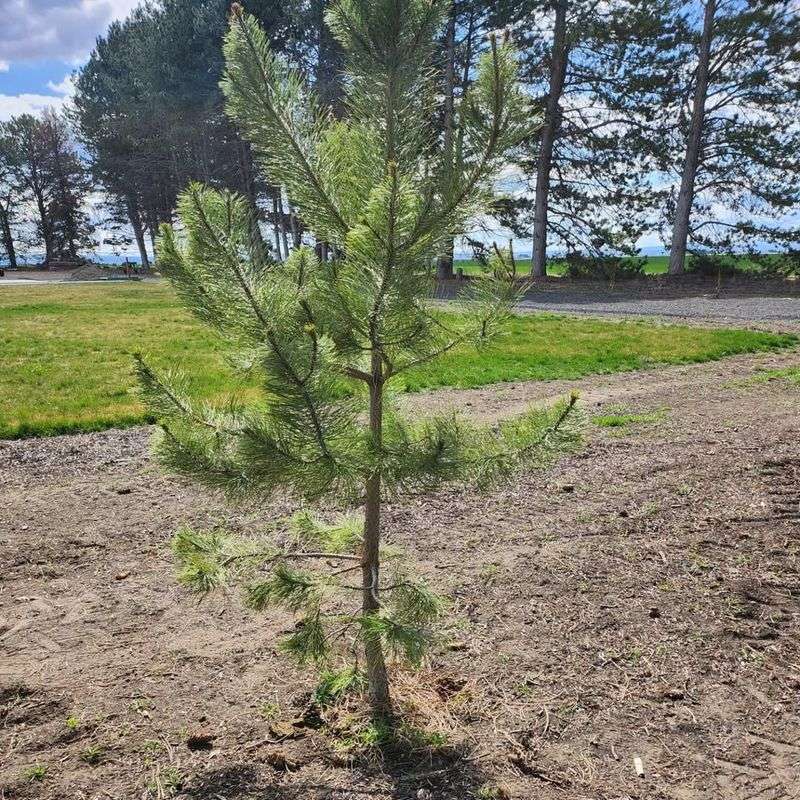
Despite its towering presence along Florida’s coastlines, the Australian pine is banned statewide for good reason.
These trees develop shallow root systems that make them vulnerable to toppling during hurricanes and tropical storms, posing serious dangers to homes, power lines, and people.
Their fallen branches and trunks have caused millions of dollars in property damage over the years.
Beyond storm risks, Australian pines aggressively displace native coastal vegetation that stabilizes dunes and provides crucial habitat for sea turtles and shorebirds.
Beach erosion accelerates when these invasive trees replace natural dune plants.
Florida law prohibits planting Australian pines, and many municipalities require existing trees to be removed, especially near beaches and waterways.
Homeowners who refuse removal orders may face escalating fines and legal enforcement.
The wood is brittle and breaks easily, creating constant cleanup headaches even in mild weather.
Professional arborists recommend complete removal rather than trimming, as these trees resprout vigorously from stumps.
Replacing Australian pines with native species like sea grape or cabbage palm not only keeps you compliant with regulations but also strengthens your property’s resilience against Florida’s unpredictable weather patterns.
Melaleuca Or Paperbark Tree (Melaleuca Quinquenervia)
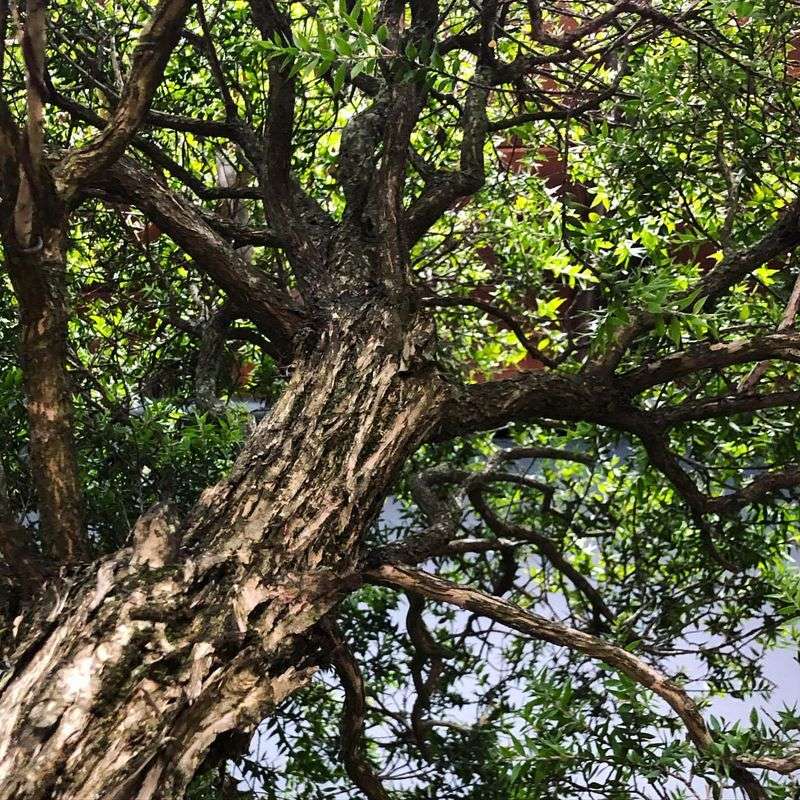
Peeling layers of papery bark give this tree its common name, but beneath that distinctive exterior lies one of Florida’s most destructive invasive species.
Melaleuca trees were intentionally planted decades ago to help drain swamps, and they succeeded far too well.
A single mature tree can consume up to 50 gallons of water daily, dramatically altering wetland hydrology and threatening the Everglades ecosystem.
Federal and state agencies have spent millions trying to control its spread, and the tree is now prohibited throughout Florida.
Homeowners with melaleuca on their property may receive mandatory removal notices from environmental agencies or local governments.
These trees produce millions of tiny seeds that disperse through wind and water, allowing them to colonize new areas rapidly.
Their dense stands crowd out native sawgrass, cypress, and other wetland plants essential to Florida’s water filtration systems.
Removal requires careful planning because disturbed trees often release massive seed clouds as a survival response.
Professional removal services use specialized techniques to prevent seed spread during extraction.
Ignoring removal orders can result in significant fines and ongoing legal complications.
Protecting Florida’s precious wetlands depends on eliminating melaleuca trees, making compliance both a legal obligation and an environmental responsibility.
Chinese Tallow Tree (Triadica Sebifera)
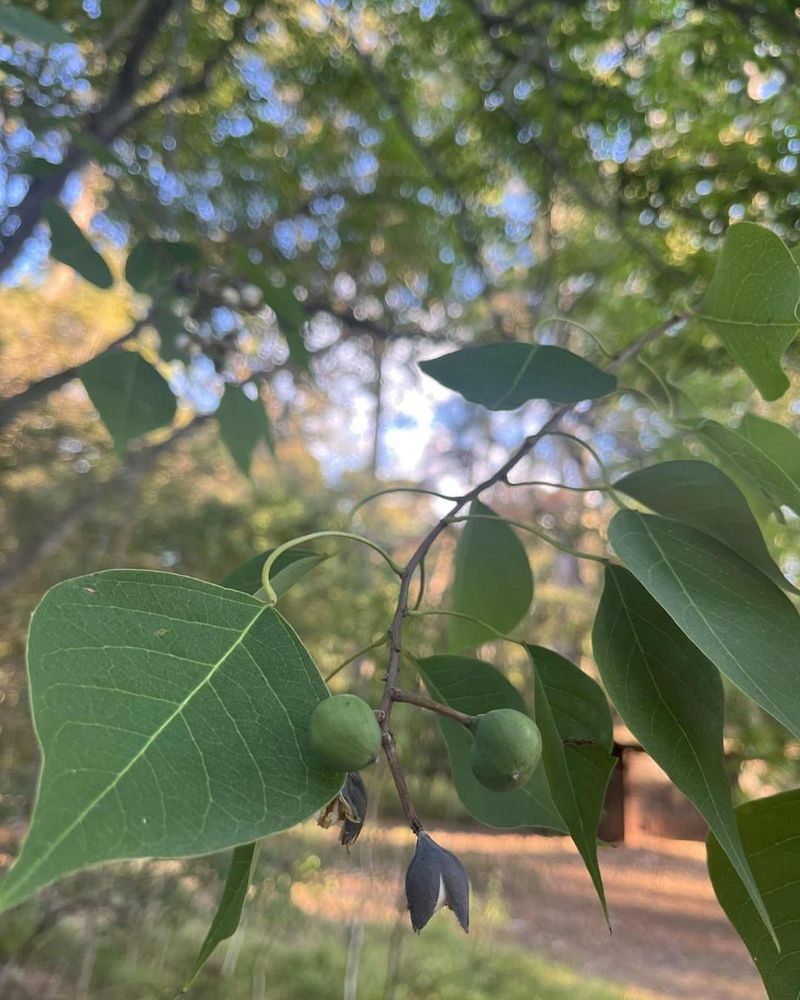
Heart-shaped leaves that turn brilliant colors in fall make the Chinese tallow tree seem like an attractive landscape choice, but Florida homeowners quickly learn this beauty comes with serious consequences.
The tree produces toxic sap that can cause skin irritation and stomach upset if ingested by pets or children.
More concerning is its classification as a prohibited invasive species throughout the state.
Chinese tallow trees spread aggressively through prolific seed production, with a single mature tree generating thousands of waxy white seeds annually.
These seeds germinate easily in various soil conditions, allowing the species to invade forests, wetlands, and even well-maintained landscapes.
Many homeowners associations and county ordinances specifically require removal of Chinese tallow trees upon discovery.
The tree’s rapid growth rate means a small sapling can become a significant problem in just a few years.
Native wildlife generally avoid the tree due to its toxic properties, reducing biodiversity in affected areas.
Removal should be handled carefully due to the irritating sap, and stumps must be treated to prevent resprouting.
Local extension offices can provide guidance on proper removal techniques and recommend native alternatives with similar fall color.
Addressing Chinese tallow trees promptly keeps you compliant with regulations while protecting your family and pets from potential health hazards.
Earleaf Acacia (Acacia Auriculiformis)
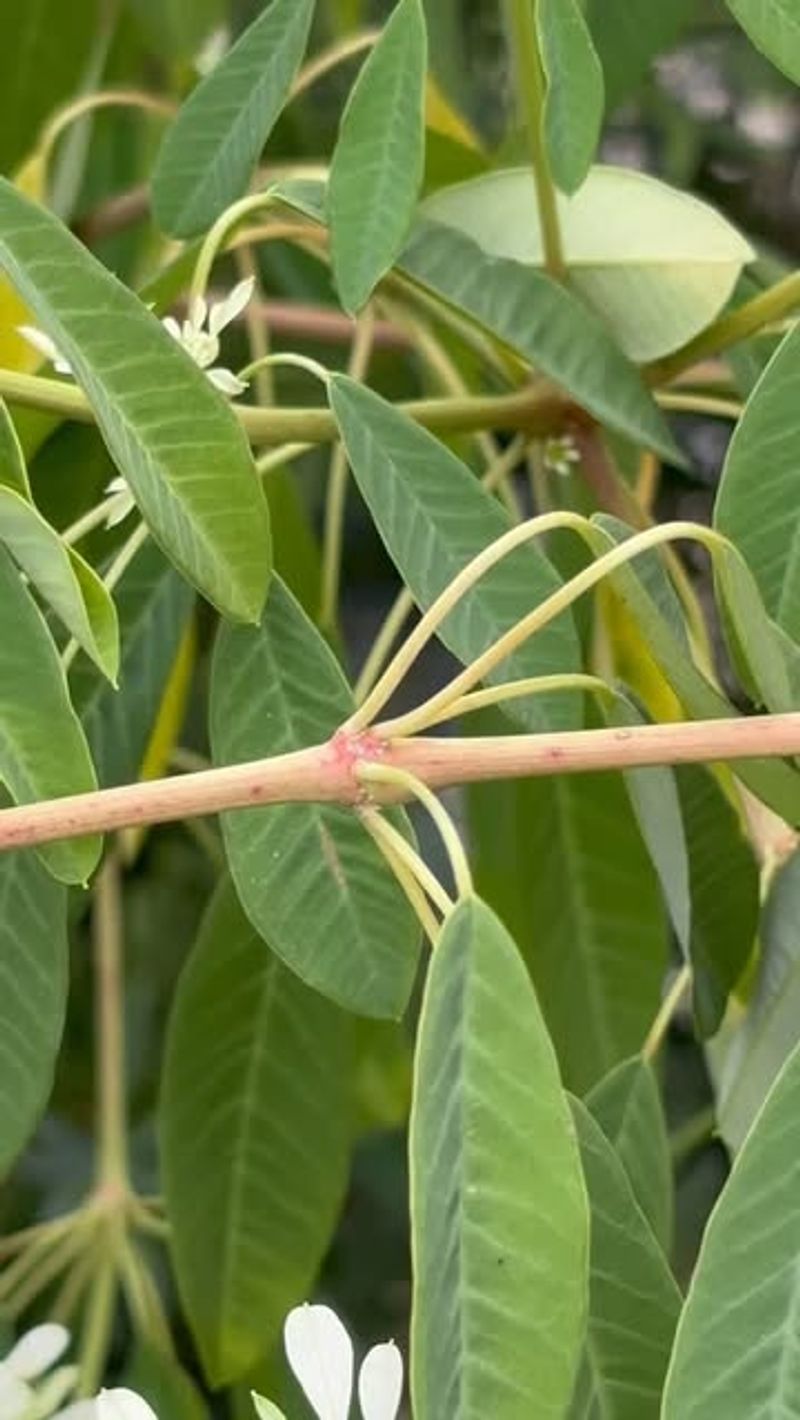
Long, flat seed pods dangling from branches might catch your eye, but the earleaf acacia brings more problems than visual interest to Florida properties.
This Australian native grows incredibly fast, which initially made it popular for quick shade and erosion control.
However, that rapid growth comes at a steep price for native ecosystems and property owners alike.
Earleaf acacia produces allelopathic chemicals that inhibit the growth of surrounding plants, essentially poisoning the soil for native species.
The tree’s aggressive root system can damage sidewalks, driveways, and even building foundations as it expands.
Many Florida counties have added earleaf acacia to their prohibited species lists, requiring removal when discovered on residential properties.
Its dense canopy blocks sunlight so effectively that grass and other plants struggle to survive beneath it.
The abundant seed pods contain numerous seeds that remain viable for years, creating persistent reinfestation problems even after tree removal.
Birds and small mammals spread seeds throughout neighborhoods, making this an invasive species that affects entire communities.
Professional removal is often necessary due to the tree’s extensive root system and the need for proper stump treatment.
Homeowners who delay removal may face escalating compliance orders and fines from local code enforcement.
Replacing earleaf acacia with native shade trees provides better long-term value without the legal and ecological headaches.
Seaside Mahoe Or Sea Hibiscus (Hibiscus Tiliaceus)
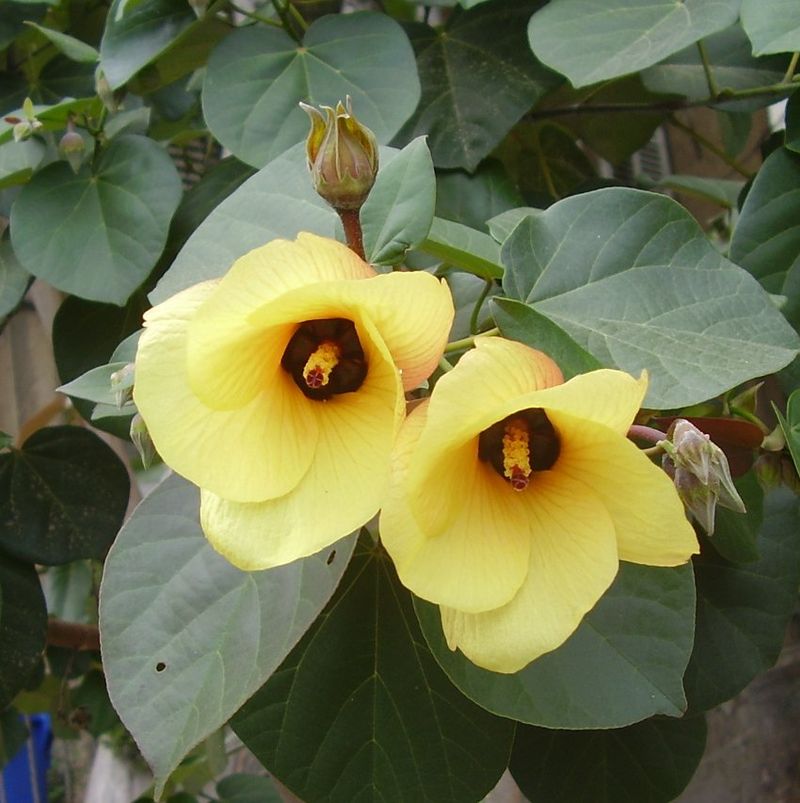
Cheerful yellow flowers might seem like a perfect addition to a beachfront property, but the seaside mahoe has become a coastal nightmare for Florida homeowners.
This tropical tree spreads aggressively along shorelines, crowding out native mangroves and dune vegetation that provide critical storm protection and wildlife habitat.
Coastal counties frequently issue removal orders to protect fragile beach ecosystems from this invasive species.
The tree reproduces through both seeds and vegetative growth, with branches that touch the ground often taking root to form new trees.
This spreading habit allows seaside mahoe to quickly dominate an area, forming impenetrable thickets that block beach access and reduce property values.
Native sea turtles and shorebirds lose nesting habitat when this invasive tree replaces natural dune plants.
Homeowners near beaches or waterways may receive notices from environmental agencies requiring immediate removal.
Failure to comply can result in fines and mandatory professional removal at the owner’s expense.
The tree’s fibrous wood and extensive root system make removal challenging for inexperienced individuals.
Many coastal communities offer assistance programs or contractor recommendations for proper removal and native plant restoration.
Protecting Florida’s beaches requires vigilance against invasive species like seaside mahoe.
Taking action when these trees appear keeps you compliant with local regulations while preserving the natural beauty and function of coastal areas for everyone to enjoy.
Woman’s Tongue Tree (Albizia Lebbeck)
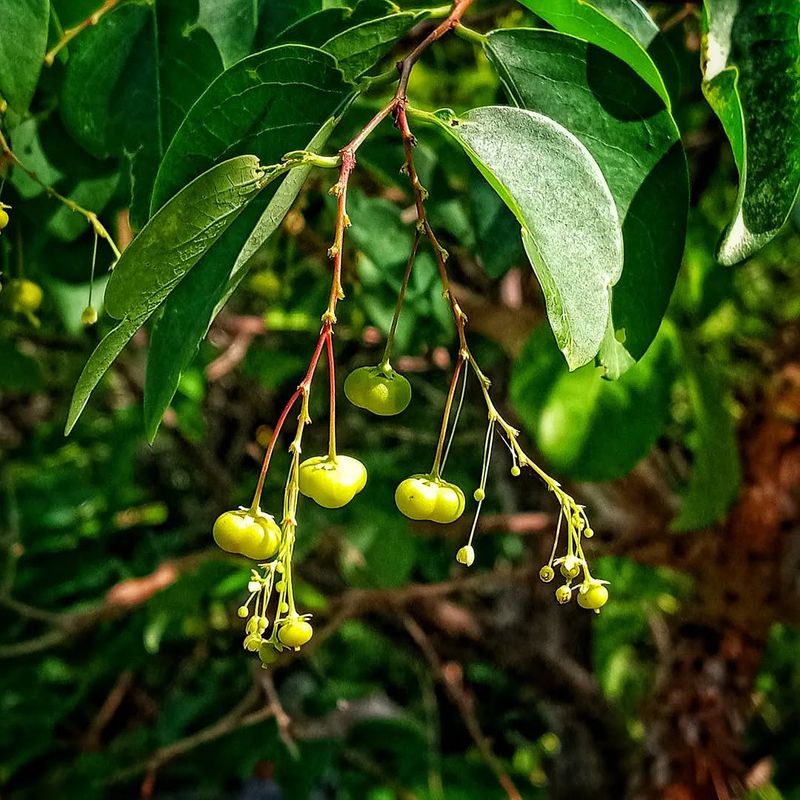
Rattling seed pods that sound like chattering voices gave this tree its unusual common name, but Florida homeowners find nothing amusing about the woman’s tongue tree.
Listed as an invasive species by the Florida Exotic Pest Plant Council, this fast-growing tree creates significant problems in residential areas.
Its brittle branches break easily during storms, creating hazards for homes, vehicles, and power lines.
The tree drops copious amounts of leaves, flowers, and seed pods year-round, creating constant maintenance headaches and clogging gutters.
More seriously, the abundant seeds germinate readily, allowing the tree to spread rapidly throughout neighborhoods and into natural areas where it outcompetes native vegetation.
Many municipalities have added the woman’s tongue tree to their prohibited species lists, requiring removal when identified on private property.
The tree’s aggressive growth can damage sidewalks and driveways as roots expand in search of water and nutrients.
Homeowners associations often cite these trees as violations of landscape covenants due to their invasive nature and maintenance issues.
Allergic reactions to the tree’s pollen and seed pod dust affect some individuals, adding health concerns to the list of problems.
Professional removal ensures proper stump treatment to prevent resprouting and helps contain seed spread during the extraction process.
Addressing woman’s tongue trees promptly protects your property value and keeps you in good standing with local regulations and community standards.
Carrotwood Tree (Cupaniopsis Anacardioides)
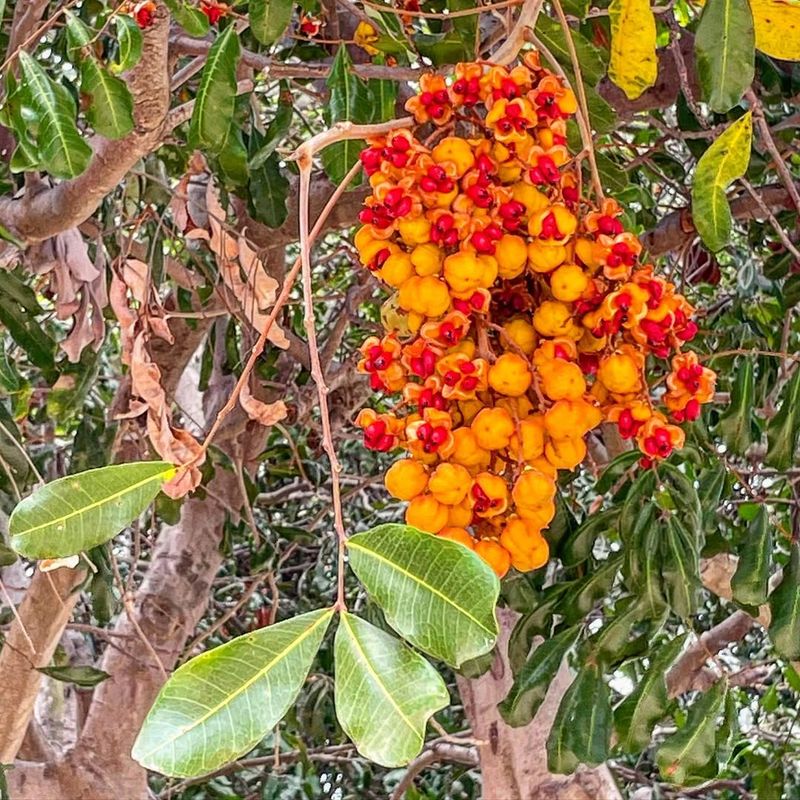
Orange berries and attractive glossy leaves once made carrotwood a popular ornamental choice, but Florida homeowners now face removal requirements for this prohibited species.
The tree earned its invasive classification through aggressive seed production and the ability to thrive in various soil conditions from wetlands to upland areas.
Birds eagerly consume the bright orange fruits and disperse seeds throughout neighborhoods and natural preserves, spreading the invasion far beyond the original planting site.
Homeowners associations frequently issue violation notices for carrotwood trees, as they’re specifically prohibited in many community covenants.
County code enforcement officers also target these trees during property inspections, issuing removal orders with strict compliance deadlines.
The tree’s dense canopy shades out native understory plants, reducing biodiversity and disrupting local ecosystems.
Carrotwood roots can invade septic systems and drainage pipes, causing expensive plumbing problems for unsuspecting homeowners.
The wood is relatively soft and prone to storm damage, with broken branches creating cleanup challenges after severe weather.
Professional removal is recommended because the extensive root system requires proper extraction to prevent regrowth.
Many tree service companies in Florida have experience with carrotwood removal and can ensure compliance with local disposal regulations.
Replacing carrotwood with native Florida trees like dahoon holly or Simpson’s stopper provides similar aesthetic appeal without legal complications.
Taking prompt action on carrotwood removal protects your property from code violations and helps preserve Florida’s native plant communities.
Camphor Tree (Cinnamomum Camphora)
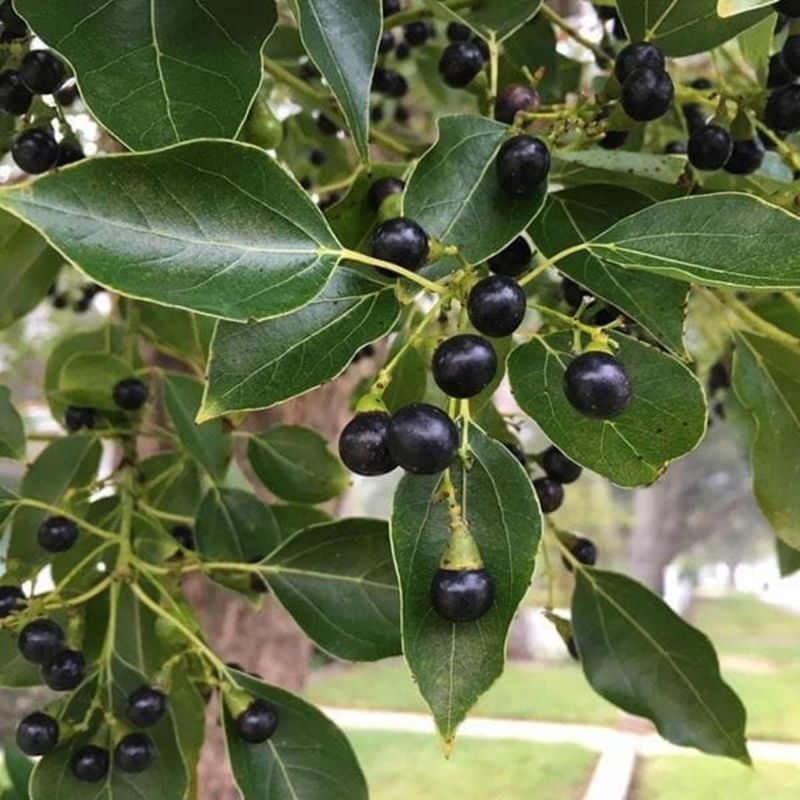
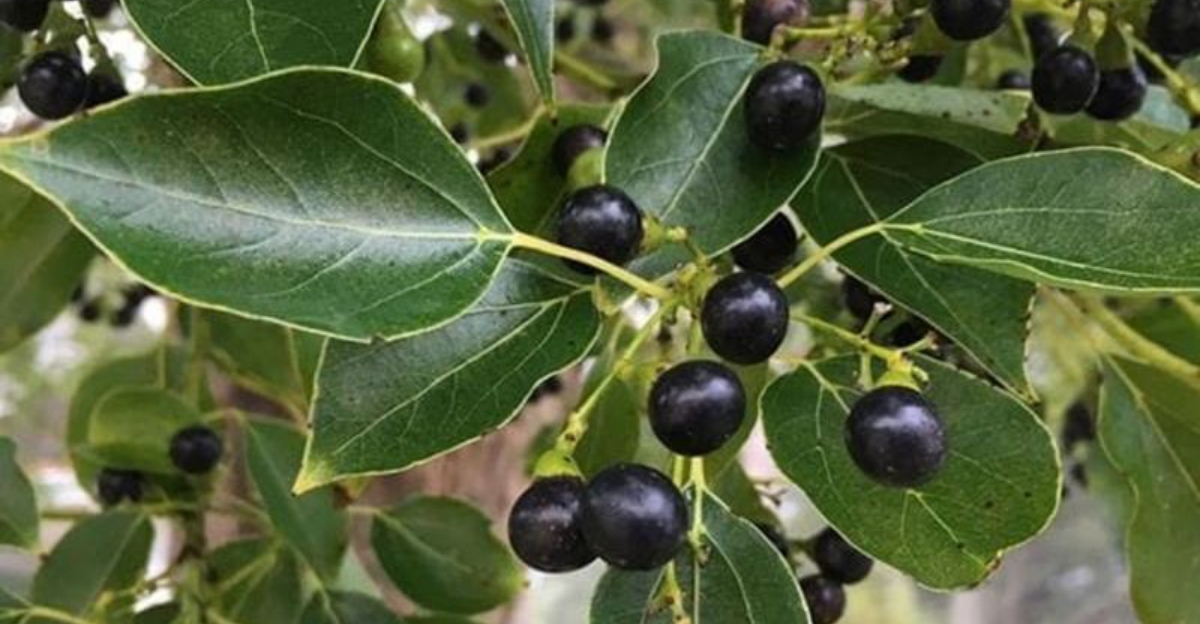
Aromatic leaves that smell like medicinal camphor might seem interesting, but this distinctive scent signals trouble for Florida property owners.
The camphor tree is invasive statewide and banned from planting in numerous municipalities due to its aggressive spread and negative environmental impacts.
Birds distribute the small dark berries widely, leading to camphor tree infestations in both urban and natural areas throughout the state.
The tree’s allelopathic properties inhibit the growth of other plants beneath its canopy, creating barren zones that reduce landscape diversity and function.
Many cities specifically prohibit camphor trees in their landscape ordinances, requiring removal when discovered during property inspections or code enforcement surveys.
The tree’s extensive root system can damage foundations, sidewalks, and underground utilities as it spreads in search of water.
Camphor trees drop leaves, berries, and twigs constantly, creating persistent maintenance issues and potential slip hazards on walkways.
Some individuals experience allergic reactions to the tree’s aromatic compounds, particularly when pruning or removing branches.
The wood’s camphor content makes it difficult to burn and unsuitable for most landscaping uses after removal.
Professional tree services understand proper handling and disposal requirements for camphor trees in Florida.
Homeowners who ignore removal notices may face escalating fines and eventual forced removal at their expense.
Choosing native alternatives like live oak or Southern magnolia provides beautiful shade without the legal and environmental problems associated with invasive camphor trees.