7 Florida Trees You Should Never Top And What To Do Instead
Florida neighborhoods are full of flat topped trees after pruning season, and most homeowners believe they are protecting their property. In reality, this common practice may be doing the exact opposite.
Topping trees can weaken their structure, trigger fast but fragile regrowth, and increase the risk of breakage during storms. That means higher chances of fallen limbs, damaged roofs, and expensive cleanup after the next hurricane or summer thunderstorm.
Some of Florida’s most popular landscape trees respond especially poorly to topping, even though they are trimmed this way every year. The damage is not always obvious at first, which is why so many people repeat the same mistakes season after season.
If you have large shade trees, palms, or flowering favorites in your yard, this is information you should see before the next round of pruning begins.
1. Live Oak (Quercus virginiana)
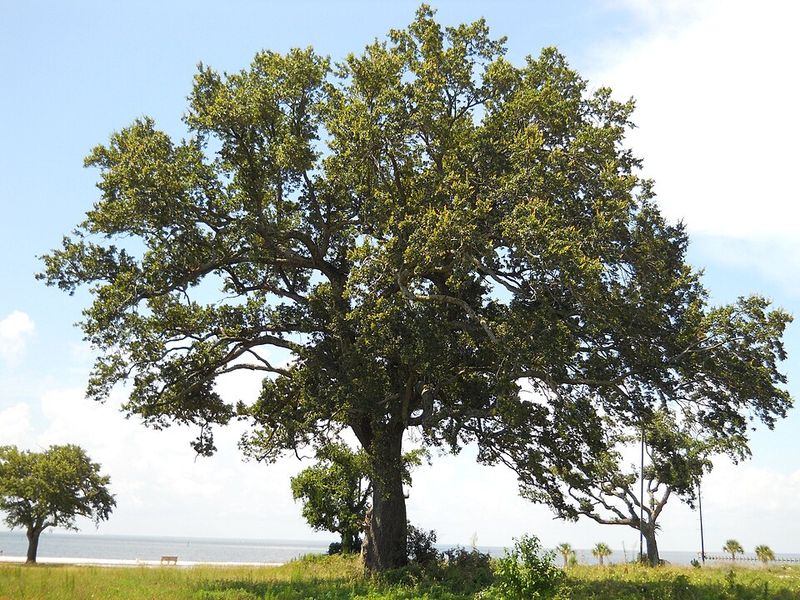
You’ve probably noticed that wide, majestic tree in your front yard suddenly looking like someone lopped off its crown with a chainsaw. Live oaks are Florida icons, and homeowners often top them because the canopy spreads so far over roofs and driveways that it feels overwhelming.
After a few hurricane seasons, the urge to cut back everything grows stronger.
But topping a live oak triggers aggressive, weakly attached shoots called epicormic growth. These shoots cluster around cut wounds and grow fast, creating dense, top-heavy canopies that snap easily during storms.
In Florida’s warmer regions, regrowth can occur nearly year-round, while cooler parts of the state see slower seasonal recovery that still ends up structurally weak.
Instead of topping, work with a certified arborist who uses crown reduction and selective thinning. They remove entire branches back to lateral limbs, maintaining the tree’s natural shape while reducing weight and wind resistance.
Your live oak keeps its strength, and you keep your peace of mind knowing it won’t become a hazard. Proper pruning preserves the architectural beauty that makes live oaks so beloved across Florida yards.
2. Laurel Oak (Quercus laurifolia)
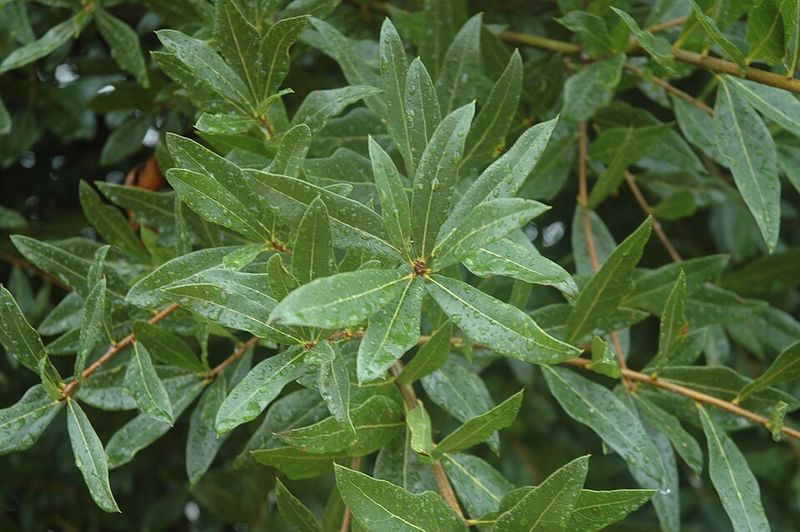
That fast-growing oak with the narrow leaves probably shot up quickly after you planted it, and now it towers over your house with branches reaching in every direction. Laurel oaks grow so rapidly in Florida’s climate that homeowners panic and start cutting back tops to control height.
The tree seems unmanageable, especially in Central Florida where growth rates stay high most of the year.
Topping a laurel oak is particularly risky because this species already has weaker wood than live oak. When you top it, regrowth sprouts in thick clusters with poor attachment angles, and these branches break easily under their own weight or during summer thunderstorms.
The wounds from topping also invite decay, shortening the tree’s already relatively short lifespan compared to other oak species.
Your better option involves structural pruning starting when the tree is young. A certified arborist can establish a strong central leader and remove competing stems before they become problems.
For mature laurel oaks, crown thinning reduces wind load without destroying structure. You’ll notice improved light penetration and reduced storm damage risk, all while keeping the tree’s graceful upright form intact throughout your landscape.
3. Southern Magnolia (Magnolia grandiflora)
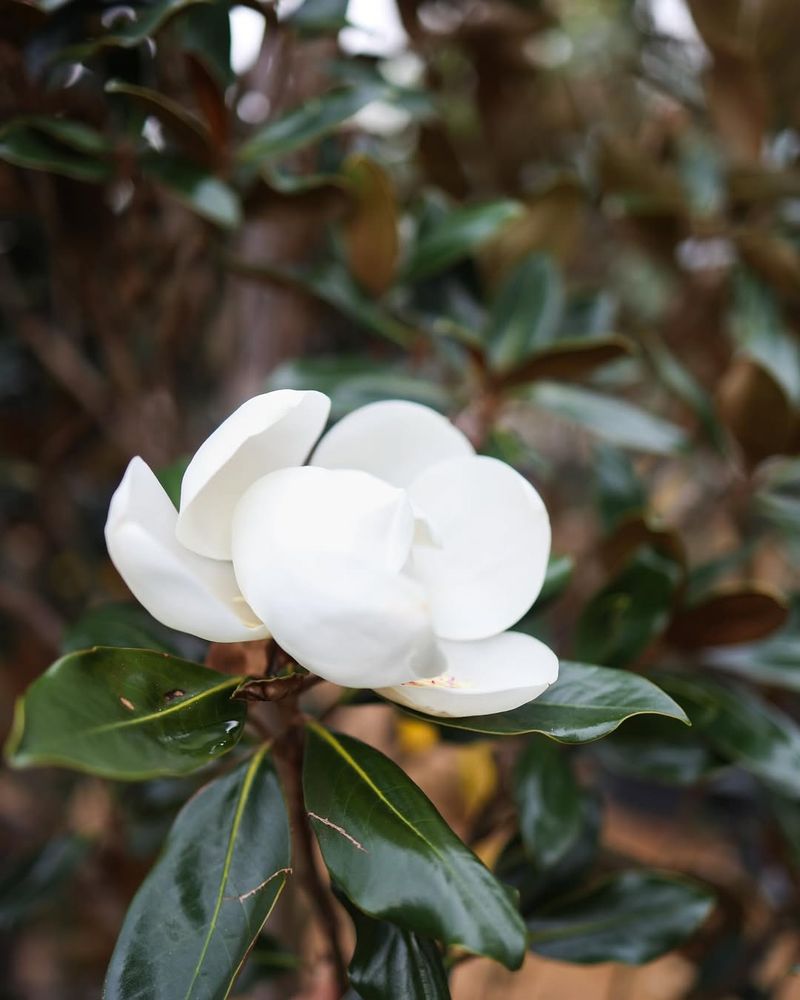
Walk past any older Florida home and you might see a massive magnolia with a chopped-off top, looking more like a telephone pole than the elegant evergreen it should be. Homeowners top magnolias because the trees grow tall and dense, blocking views and dropping those big glossy leaves everywhere.
The temptation to just cut the whole top off feels like a quick solution.
When you top a southern magnolia, you destroy its natural pyramidal shape and force it to produce weak, upright shoots that crowd together.
These shoots grow quickly but lack the structural integrity of natural branches, and they may split away from the trunk during heavy winds or when loaded with wet foliage after summer rains.
Large topping cuts on magnolia heal slowly and can increase the risk of internal decay over time.
Proper pruning means selectively removing lower limbs to raise the canopy and thinning interior branches to improve airflow. Your magnolia maintains its classic shape while becoming easier to walk under and less prone to wind damage.
In North Florida, prune after the coldest weather passes to avoid frost damage on fresh cuts, and your tree will reward you with healthy growth and those stunning white blooms each summer.
4. Crape Myrtle (Lagerstroemia indica)
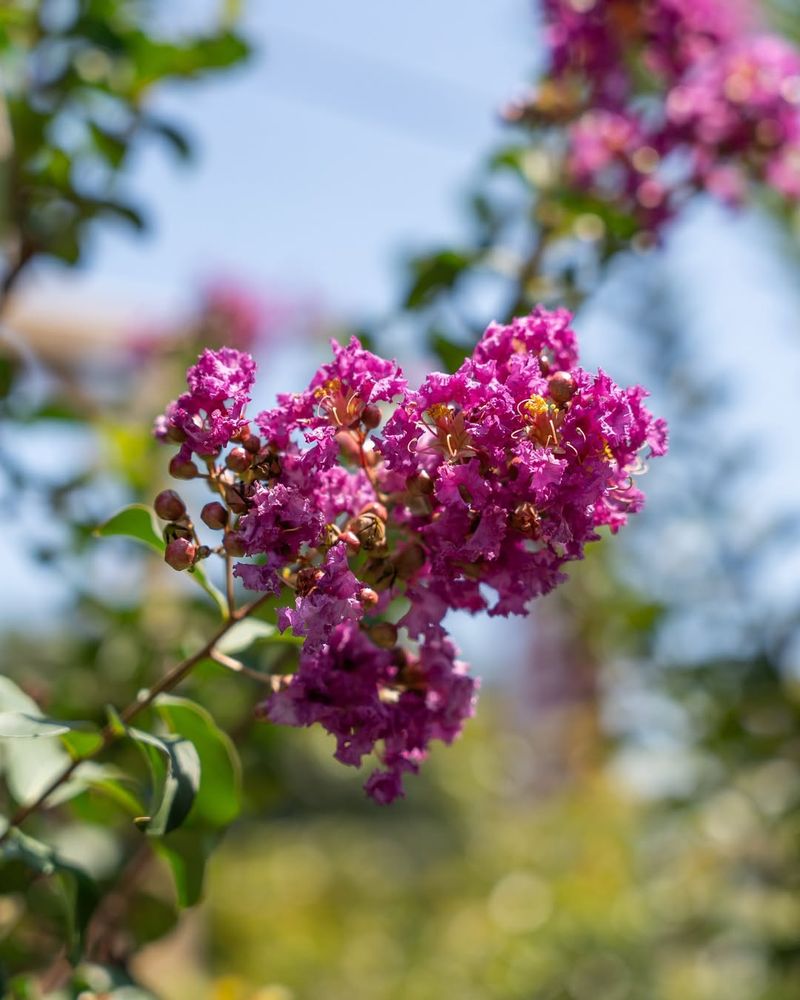
Every winter, you see crape myrtles across Florida neighborhoods cut back to ugly stubs, a form of severe topping that arborists strongly discourage. People top these small trees thinking it produces more blooms or keeps them compact, but this myth persists despite decades of extension service warnings.
The practice became a tradition that nobody questions anymore.
Topping crape myrtles creates knobby growth points that sprout dozens of thin, weak branches each spring. These branches crowd together, block airflow, and actually reduce bloom quality because the tree wastes energy on excessive shoot production instead of flower development.
Dense regrowth can reduce airflow and may increase susceptibility to common problems like powdery mildew and aphids, especially in Florida’s humid conditions where disease pressure can remain high for much of the year.
Instead, prune crape myrtles lightly by removing crossing branches, thinning crowded areas, and cutting back to a lateral branch if height reduction is truly necessary. Your tree will develop a beautiful vase shape with smooth, exfoliating bark visible in winter and abundant summer blooms.
In Central and North Florida, late winter pruning before new growth emerges gives you the best results without sacrificing the elegant structure that makes crape myrtles garden favorites.
5. Palm Trees (All Species, Especially Royal, Queen, Sabal)
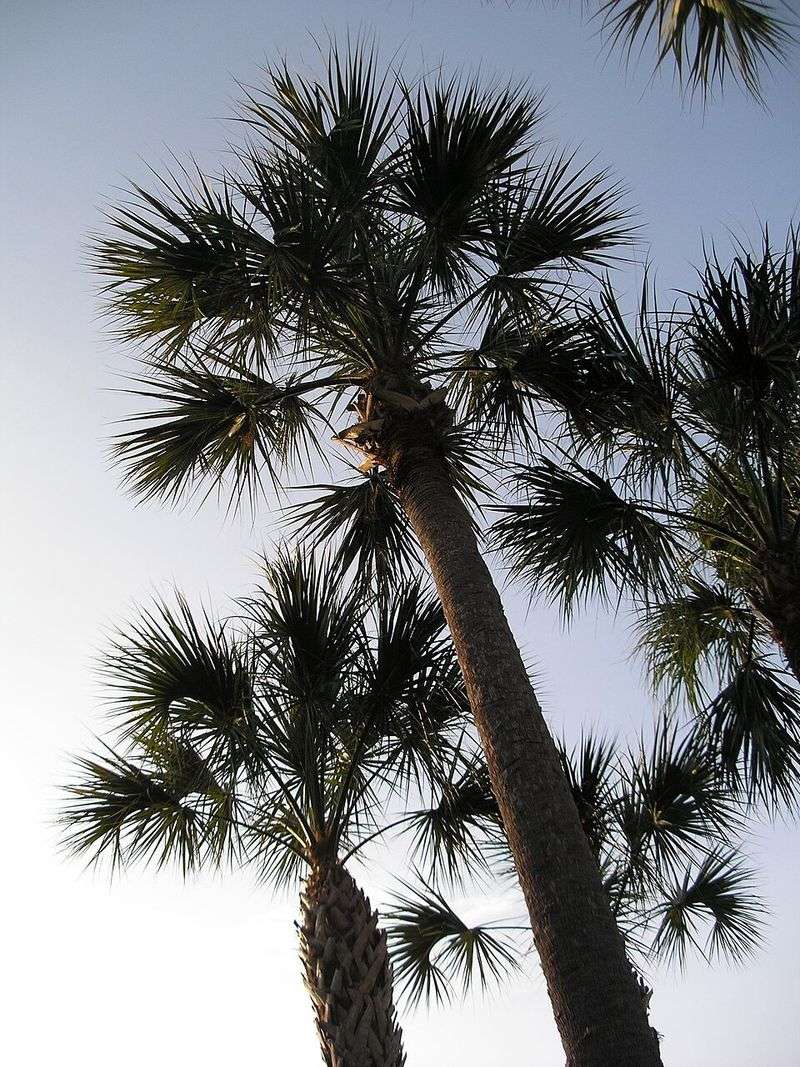
You might think palms are different from other trees and can handle aggressive cutting, but topping a palm actually ends its life because palms grow from a single terminal bud at the crown. Homeowners sometimes remove green fronds to reduce hurricane wind resistance or because they believe it helps the palm grow stronger.
This misunderstanding causes permanent damage across all Florida regions.
If the growing point at the top of a royal, queen, or sabal palm is damaged or removed, the palm cannot produce new fronds and will decline.
Even removing too many healthy green fronds stresses the palm by reducing its ability to photosynthesize and produce the energy needed for root growth and storm resistance.
University of Florida Extension guidance indicates that palms with full canopies of green fronds often fare better in hurricanes than over-pruned specimens because the fronds work together to dissipate wind.
Proper palm pruning means removing only completely brown, withered fronds and avoiding the temptation to create that hurricane cut or pineapple shape. Your palms stay healthier, more wind-resistant, and better able to recover after storms.
In South Florida’s year-round growing season or Central Florida’s extended warmth, this approach keeps your palms thriving without the risks that come from misguided topping attempts. While palms should never be topped, removing only completely withered brown fronds is considered proper maintenance.
6. Ficus / Indian Laurel Fig (Ficus microcarpa)
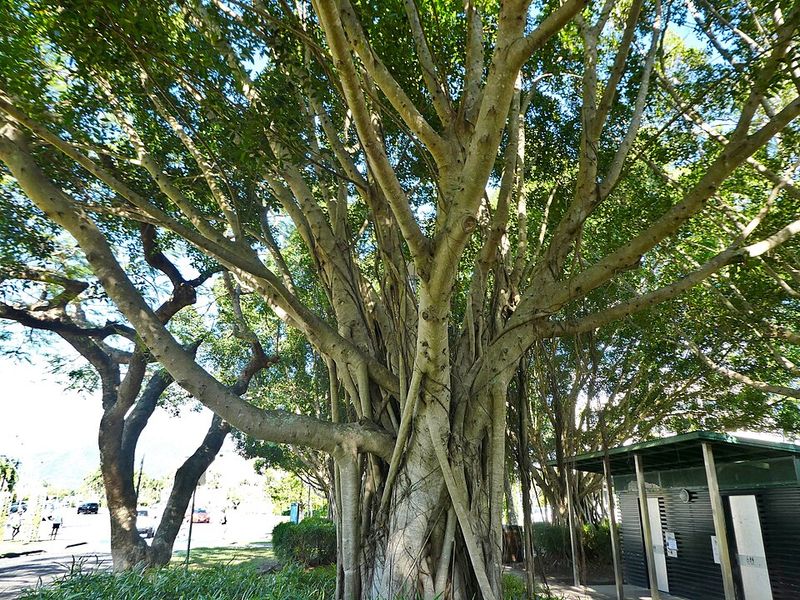
Those dense, dark green ficus hedges and trees lining commercial properties and older neighborhoods often get topped because they grow incredibly fast in Florida’s warmth and humidity.
Homeowners and property managers top them to maintain size, not realizing this creates a cycle of constant regrowth that requires even more frequent cutting.
The tree often seems to explode with new growth within weeks of topping.
Topping ficus triggers heavy epicormic sprouting, and the new shoots grow in thick clusters with weak attachments that break easily under their own weight. The dense regrowth also traps moisture, creating perfect conditions for fungal diseases and pest infestations.
In South Florida, where ficus thrives year-round, topped trees become maintenance nightmares that need cutting every few months just to look presentable.
A better approach involves selective pruning to thin the canopy and reduce overall size gradually while maintaining branch structure. Certified arborists can use reduction cuts that preserve the tree’s natural form and slow regrowth compared to topping.
Your ficus stays manageable without the constant cycle of aggressive cutting and explosive regrowth. Throughout Florida, proper pruning reduces long-term maintenance costs and keeps these trees looking intentional rather than butchered in your landscape.
7. Maple Trees (Red Maple – Acer rubrum)
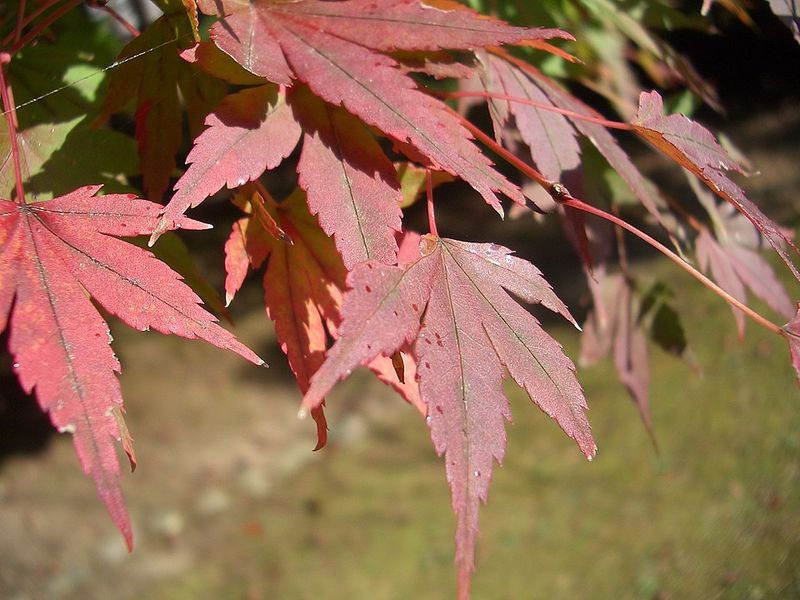
Red maples grow beautifully in North and Central Florida, but their rapid vertical growth sometimes leads homeowners to top them when branches start reaching toward power lines or over roofs. The tree grows so vigorously in Florida’s long growing season that it feels impossible to control without drastic cuts.
Many people assume maples can handle heavy pruning because they see it done to other trees.
Topping a red maple destroys its natural oval shape and forces weak, upright shoots that grow even faster than the original branches. These shoots have poor attachment and often split away during strong storms or high wind events.
The large topping wounds also struggle to close, leaving the tree vulnerable to decay fungi that hollow out the trunk over time and create serious safety hazards.
Proper pruning involves crown reduction cuts that remove branches back to lateral limbs, maintaining the tree’s natural form while controlling height.
Your red maple keeps its graceful shape and brilliant fall color, especially noticeable in North Florida where cooler temperatures enhance leaf pigmentation.
Working with a certified arborist ensures cuts are made correctly, preserving both the tree’s health and your property’s safety throughout Florida’s unpredictable weather patterns and seasonal changes.