9 Florida Vegetables You Shouldn’t Start Right Now (And Why)

Sunshine can be misleading in Florida.
One warm afternoon is all it takes to convince gardeners that planting season has arrived, but that optimism often backfires.
Seeds go in, hope goes up, and weeks later the garden limps along instead of taking off. Florida doesn’t punish bad soil alone.
It punishes bad timing.
Cool ground, chilly nights, and short winter days quietly stack the odds against certain vegetables.
They don’t fail fast or dramatically.
They stall, sulk, attract pests, and drain your patience one leaf at a time.
This is the moment when restraint matters more than enthusiasm.
Some vegetables demand real heat, stable soil temperatures, and longer days before they will perform.
Put them in too early, and you spend the season fixing problems instead of harvesting food.
Holding off now isn’t procrastination.
It is strategy.
Knowing what not to plant yet keeps your garden from spinning its wheels and sets you up for stronger growth when conditions finally line up.
1. Tomatoes
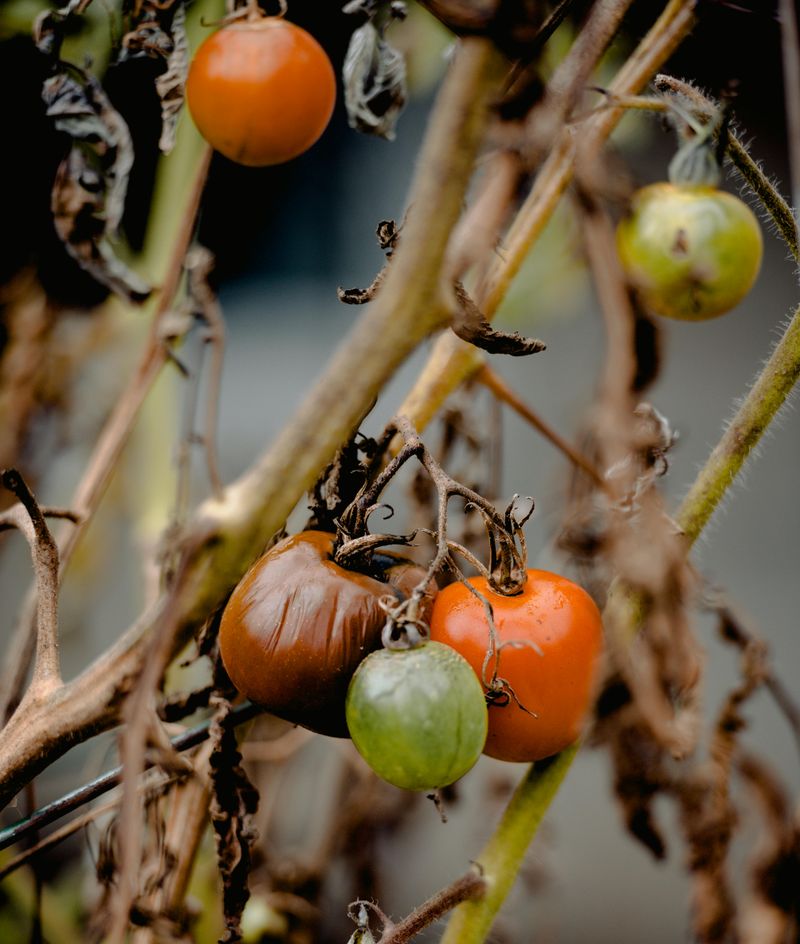
Cool soil temperatures during Florida’s cooler months create a real challenge for tomato seeds and young plants.
Root systems develop painfully slowly when the ground hasn’t warmed up enough for vigorous underground growth.
Short winter daylight hours further limit photosynthesis, meaning your tomato plants won’t produce the energy they need.
Disease pressure increases dramatically when tomatoes sit in cool, damp conditions for extended periods without thriving.
Fungal issues and bacterial problems find easy targets in stressed seedlings that can’t establish themselves properly right now.
Waiting until soil warms consistently above sixty-five degrees gives roots the environment they crave for strong development.
Florida gardeners see much better results when they start tomatoes after the risk of prolonged cool snaps passes.
Use this waiting period to prepare beds with compost, plan your staking system, and research disease-resistant varieties.
Early-planted tomatoes often sit idle for weeks, burning valuable growing time without making real progress.
Waiting also reduces transplant stress, helping plants establish faster once conditions finally support active growth.
2. Peppers
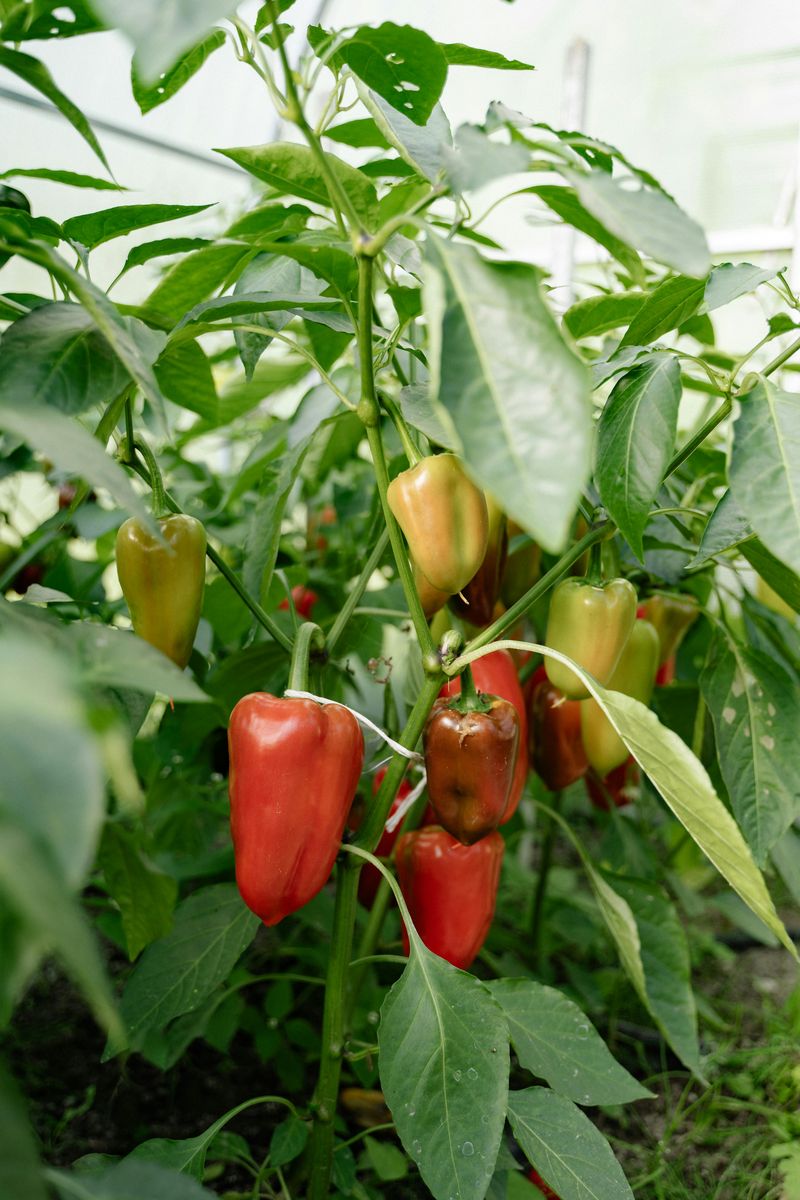
Peppers absolutely demand warm soil before they’ll even consider putting down roots and growing with any enthusiasm.
Cool nighttime temperatures in Florida during certain seasons cause pepper plants to stall completely rather than push forward.
Growth slows to a crawl when evening temperatures dip below what these heat-loving plants require for metabolism.
Flowering gets delayed significantly, which means you won’t see peppers forming when you hoped they would appear.
Patience truly pays off with peppers since rushing them into cool conditions wastes weeks of potential growing time.
Florida’s climate eventually provides the consistent warmth peppers crave, but timing your planting makes all the difference here.
Starting too early results in leggy, weak plants that struggle to catch up even after conditions finally improve.
Spend this time hardening off seedlings indoors, testing your soil pH, and gathering mulch for future planting success.
Peppers remember early stress, even after weather improves, and that slow start often limits their total yield later.
Starting them at the right time allows plants to flower sooner and produce steadily through the season.
3. Cucumbers
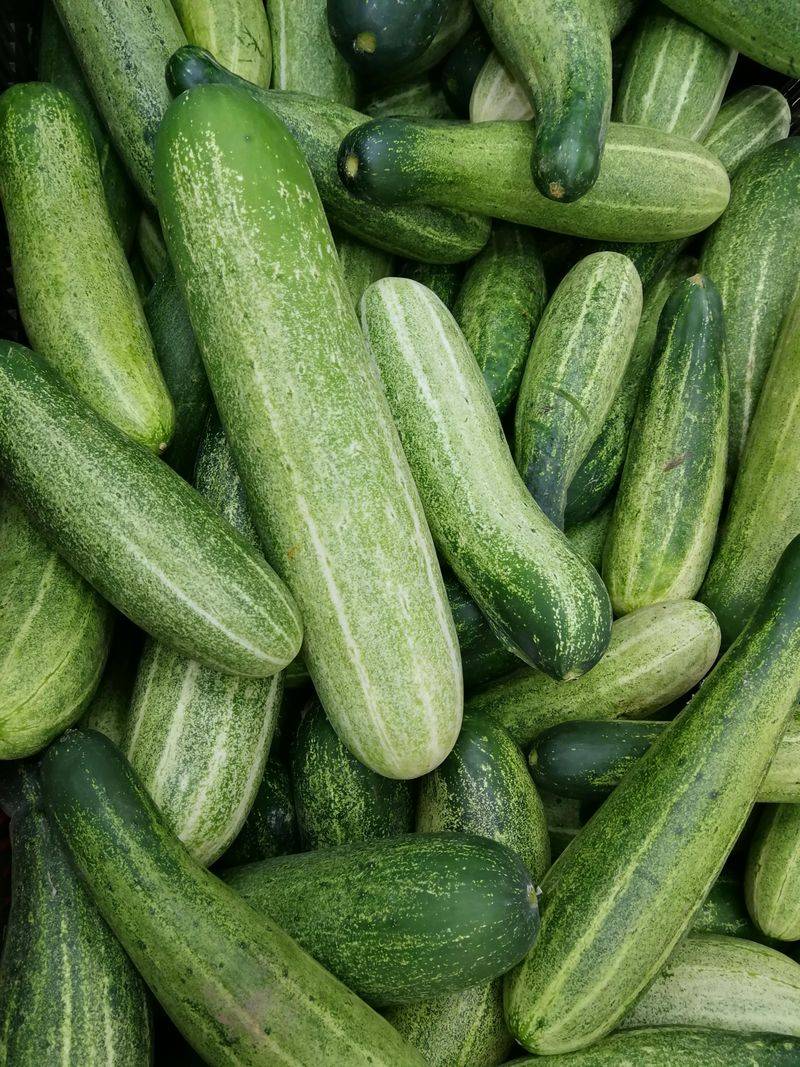
Germination rates plummet when cucumber seeds encounter soil temperatures below their preferred range in Florida gardens right now.
Cool soil causes seeds to rot before they sprout, or they emerge so slowly that pests discover them.
Vine stress becomes obvious when young cucumber plants face conditions that don’t match their tropical heritage and needs.
Pest exposure increases dramatically since struggling plants can’t produce the protective compounds that healthy cucumbers make naturally.
Flowering and fruit set depend heavily on warm temperatures and active pollinator activity throughout the growing season.
Florida timing affects every stage of cucumber development, from germination through harvest, making patience absolutely essential here.
Planting when soil warms properly results in vigorous vines that race up trellises and produce abundantly all season.
Meanwhile, focus on building sturdy trellises, enriching soil with organic matter, and planning your cucumber variety selections carefully.
Weak early growth also shortens the productive lifespan of cucumber vines, leading to fewer harvests overall.
Proper timing encourages rapid vine growth that shades soil, suppresses weeds, and supports strong fruit set.
4. Zucchini
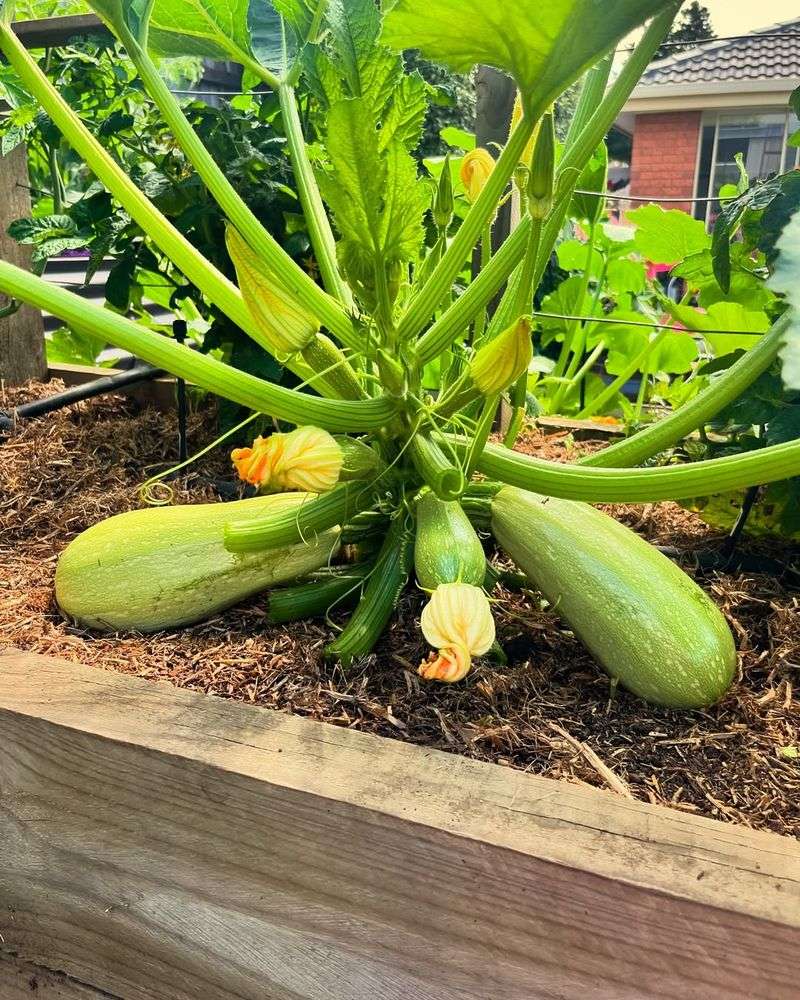
Rapid decline happens quickly when zucchini plants face cool stress during Florida’s less predictable weather patterns right now.
These summer squash varieties simply can’t tolerate extended periods of cool nights and struggle to maintain healthy growth.
Reduced pollination activity becomes a major problem since bees and other pollinators stay less active in cooler conditions.
Flowers may form but fail to develop into fruits without sufficient warmth and reliable pollinator visits daily.
Florida squash thrives only after stable warmth arrives and stays consistent for weeks at a time without interruption.
Early stress also increases the risk of blossom drop, which leaves gardeners wondering why flowers never turn into fruit.
Warm conditions support both plant growth and pollinator activity that zucchini depends on.
Waiting ensures your zucchini plants explode with growth rather than limp along barely surviving through challenging conditions.
Strong plants established in proper conditions can produce enough zucchini to share with neighbors throughout the summer months.
Use this preparation time to plan succession plantings, gather compost, and identify the sunniest spots in your garden.
5. Squash
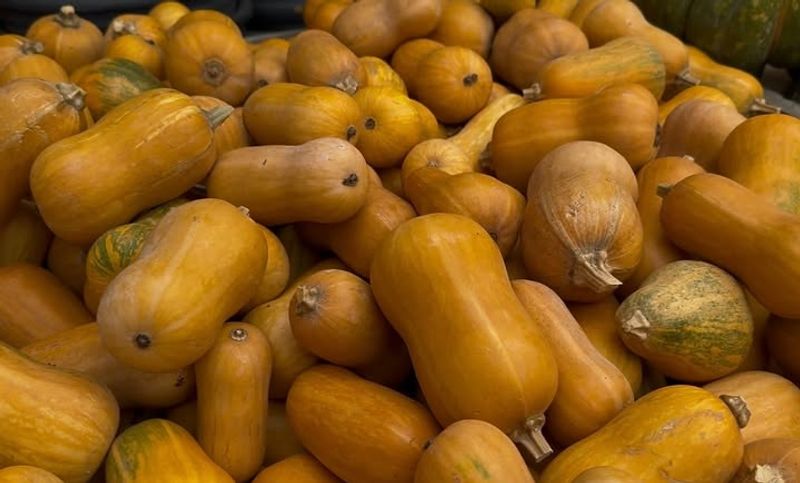
Soil warmth requirements for squash are non-negotiable since these plants evolved in warm climates and expect specific conditions.
Early pest pressure intensifies when squash plants grow slowly and can’t outpace the insects that target young leaves.
Mildew risks skyrocket in Florida when cool, damp conditions persist and squash plants sit vulnerable without vigorous growth.
Weak early growth sets the tone for the entire season, creating plants that never quite reach their potential.
Florida planting windows prevent these problems by aligning your gardening efforts with the climate squash actually needs consistently.
Proper timing means your squash plants establish quickly, resist pests better, and produce heavily throughout their growing season.
Rushing squash into the ground before conditions align wastes seeds, space, and the effort you put into planting.
Instead, prepare your beds now, research powdery mildew resistant varieties, and plan your garden layout for maximum success.
Slow-growing squash plants struggle to recover once pests or disease take hold early.
Strong early growth helps squash outgrow minor damage and maintain steady production longer into the season.
6. Green Beans
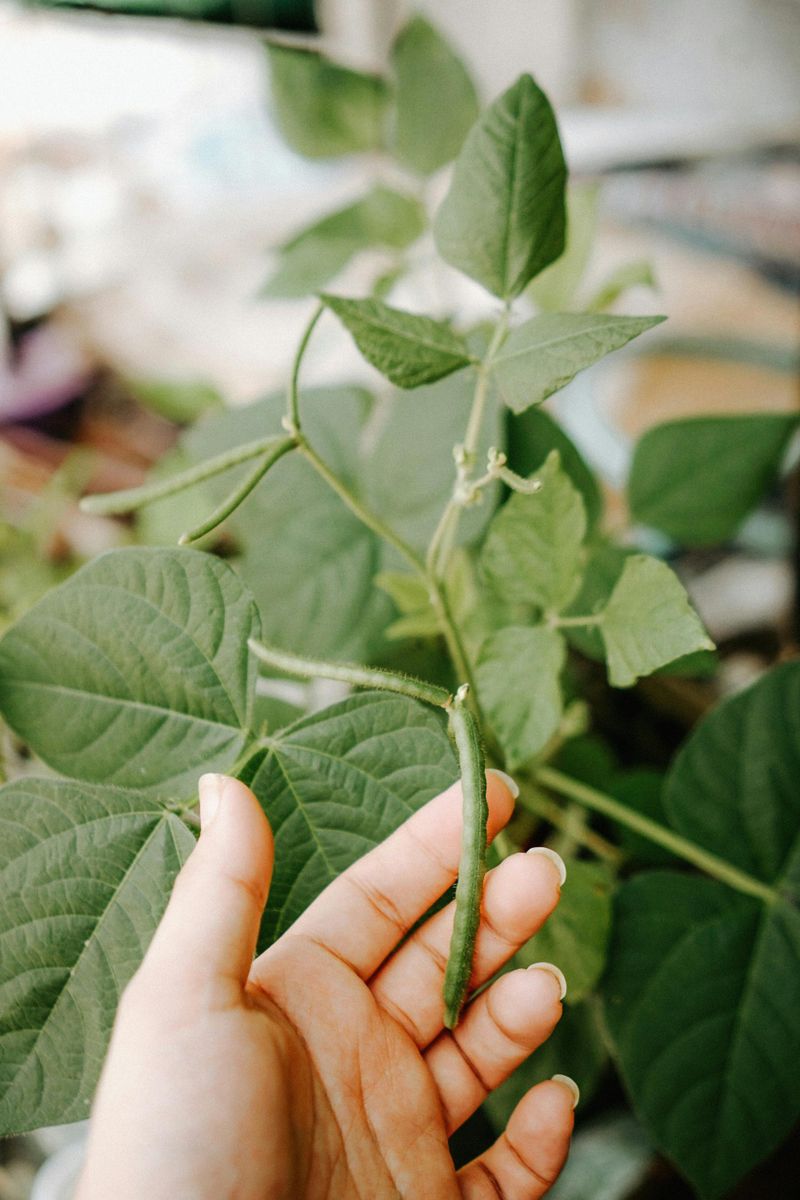
Poor sprouting frustrates Florida gardeners when bean seeds encounter soil temperatures below their germination sweet spot right now.
Uneven growth results when some seeds sprout while others rot, creating a patchy garden bed that never fills in.
Slowed nitrogen fixation means beans can’t perform their soil-enriching magic when root nodules don’t develop properly in cold soil.
Florida beans need warmer conditions to establish the beneficial bacterial relationships that make legumes such valuable garden additions.
Cool soil also increases the likelihood of seed rot and fungal problems that prevent successful germination entirely unfortunately.
Waiting for consistent soil warmth ensures your bean seeds sprout uniformly and grow into productive plants quickly thereafter.
Strong bean plants established at the right time produce tender pods continuously for weeks with proper harvesting practices.
Prepare by sourcing fresh seeds, planning trellis systems for pole varieties, and testing soil to ensure proper drainage.
Cold starts also reduce overall yields, even if plants survive long enough to produce.
Beans planted at the right time grow faster, flower sooner, and deliver more consistent harvests.
7. Corn
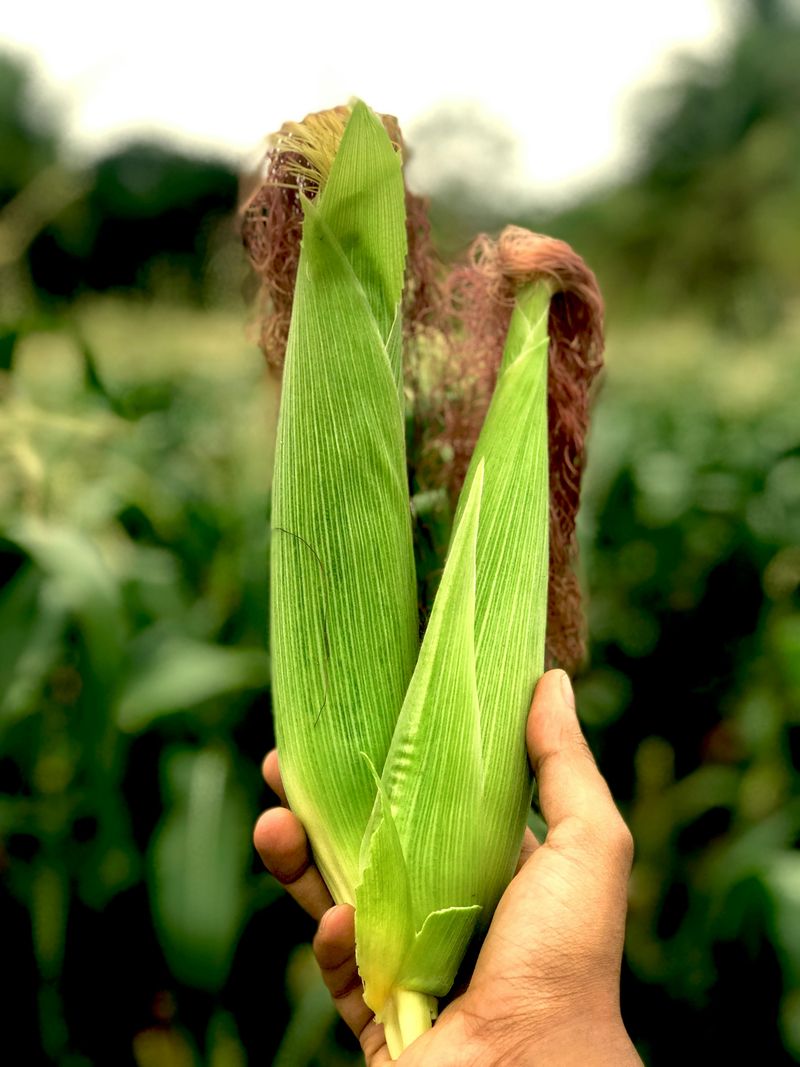
Soil temperature thresholds matter enormously for corn since these seeds simply refuse to germinate reliably in cool ground.
Uneven germination creates gaps in your corn rows, which leads to poor pollination since corn relies on dense planting.
Wind stress affects young corn seedlings more severely when they emerge during Florida’s cooler, windier periods right now.
Mistimed Florida plantings reduce pollination success dramatically since corn depends on pollen traveling between plants in warm conditions.
Each corn plant needs neighbors close by for the pollen to successfully fertilize ears and produce full kernels.
Gaps from poor germination mean fewer plants, less pollen, and disappointing partially filled ears at harvest time unfortunately.
Proper timing ensures your corn emerges uniformly, grows vigorously, and produces full ears with plump kernels throughout summer.
Focus now on planning block plantings rather than rows, enriching soil with nitrogen, and selecting varieties suited to Florida.
Remember, poor early establishment also makes corn more vulnerable to lodging later in the season.
Strong roots formed in warm soil help plants withstand wind and support heavy ears as they mature.
8. Okra
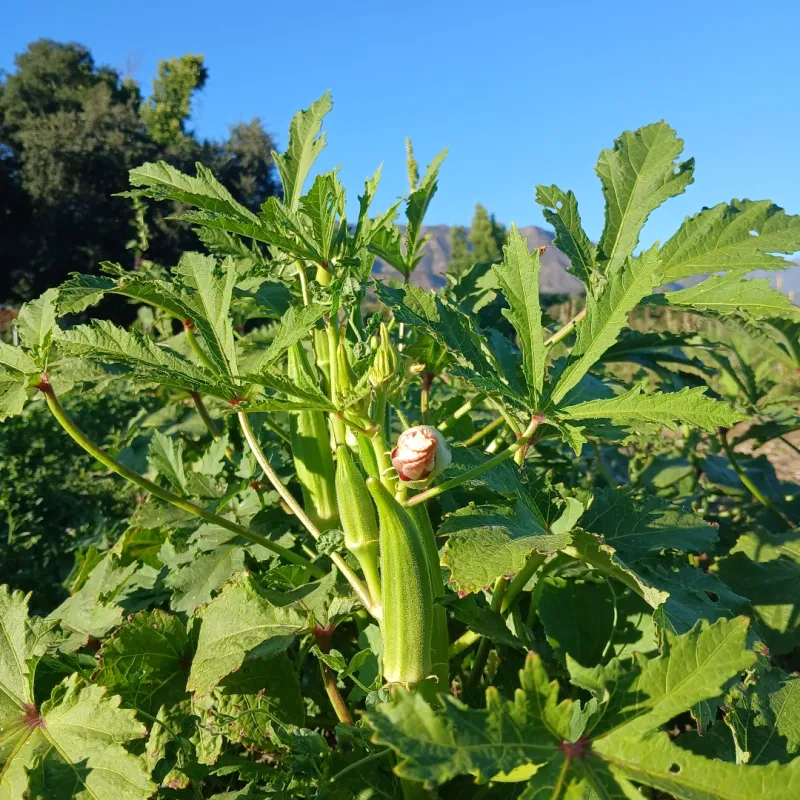
Heat-loving nature defines okra completely since this vegetable originates from Africa and craves tropical warmth constantly throughout growth.
Extremely slow winter growth disappoints Florida gardeners who plant okra before temperatures stabilize at summery levels day and night.
Okra struggles without consistent warmth, sitting nearly dormant rather than shooting upward like it does in proper conditions.
Plants may survive cool periods but won’t produce the abundant pods that make okra worth growing in gardens.
Florida okra planted at the right time grows so vigorously that gardeners struggle to keep up with harvesting.
Waiting for truly warm weather transforms okra from a struggling curiosity into a productive powerhouse in your garden beds.
Established okra plants in warm conditions produce tender pods daily, requiring frequent harvesting to maintain continuous production throughout summer.
Prepare by researching spineless varieties, planning for okra’s considerable height, and ensuring full sun exposure in your garden layout.
Early planting often results in tall but unproductive plants that never reach their full potential.
Heat-driven growth leads to thicker stems, larger plants, and dramatically higher pod production.
9. Eggplant
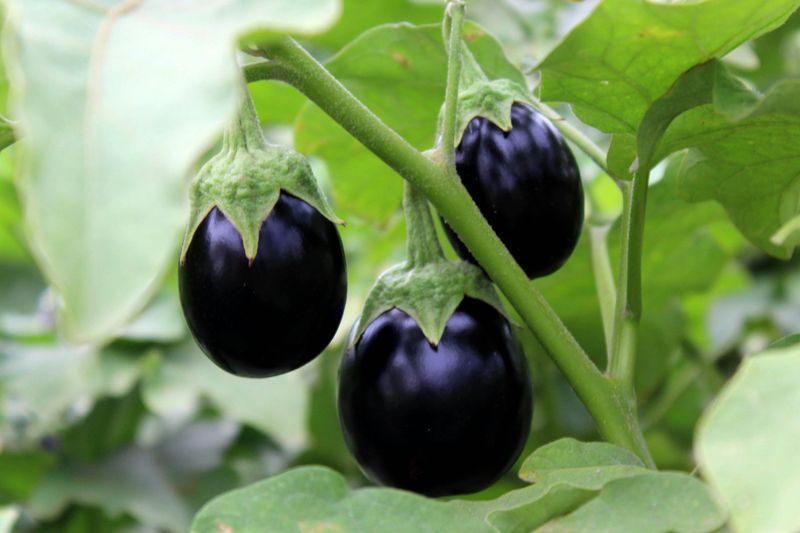
Sensitivity to cool nights makes eggplant one of the trickiest vegetables to time correctly in Florida gardens right now.
Delayed flowering frustrates gardeners who planted too early and watch their eggplants sit without producing blossoms for weeks.
Pest vulnerability increases when eggplants grow slowly, attracting flea beetles and other insects that damage stressed young plants.
Florida eggplants benefit tremendously from later starts when nighttime temperatures stay consistently warm enough for active growth patterns.
Cool conditions cause eggplants to harden off prematurely, developing tough stems and leaves rather than tender productive growth.
Proper timing allows eggplants to grow quickly, flower abundantly, and set fruits that develop into glossy beautiful vegetables.
Strong eggplants planted at the right time resist pests better and produce heavily throughout Florida’s long warm season.
Spend this time researching Japanese and Italian varieties, preparing rich soil, and planning for staking these eventually heavy plants.
Early setbacks can delay harvests by weeks, even after temperatures improve.
Waiting allows eggplants to establish quickly and maintain steady fruit production once flowering begins.