11 Florida Winter Flowers That Attract Bees And Butterflies
Florida winters flip the script, turning backyards into a living tapestry where color, fragrance, and fluttering wings steal the show.
While frost bites elsewhere, the Sunshine State hums with life as bees and butterflies chase nectar like kids in a candy shop.
Blooms pop off the page of the landscape, painting beds with ruby reds, golden yellows, and violet blues that keep spirits high and pollinators well fed.
A garden planted with winter flowers becomes a busy crossroads, a place where every petal pulls its weight and every visitor plays a part.
Nature pulls out all the stops, proving that good things come to those who grow.
From sandy shores to shady corners, these floral standouts roll out the welcome mat, keeping wings beating and gardens glowing.
Dive in and watch your winter landscape turn into a buzzing storybook of beauty and balance.
1. Gaillardia (Blanket Flower)
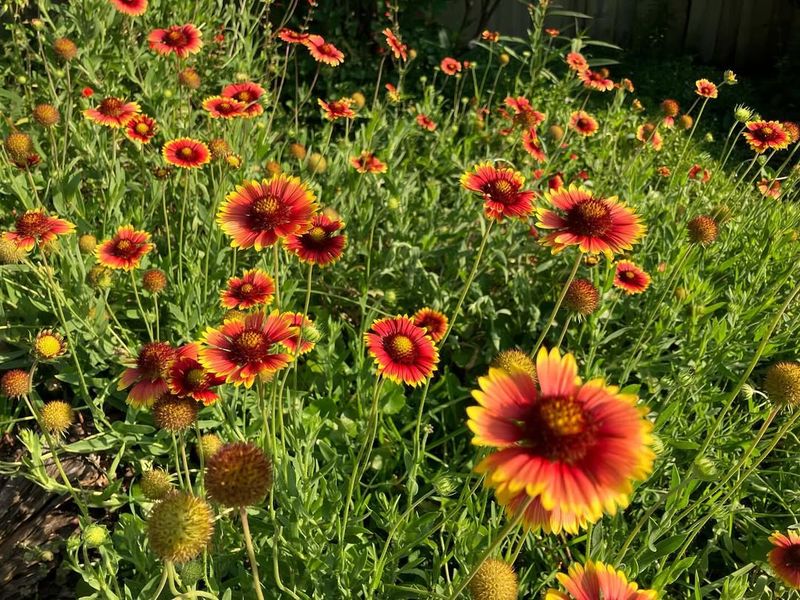
Bright red and yellow petals radiate from the center of this cheerful native flower like rays of sunshine warming a cool winter morning.
Gaillardia brings bold color to your garden beds and borders throughout the coldest months, blooming continuously when many other plants take a rest.
Bees and butterflies flock to these daisy-like flowers because their wide, open faces make nectar and pollen incredibly easy to access.
Florida’s mild winter temperatures allow Blanket Flower to flourish without the stress of harsh freezes that would damage more delicate species.
This tough native plant tolerates sandy soil, salt spray, and drought conditions once established, making it perfect for Florida landscapes.
The flowers keep producing new blooms for months, giving pollinators a reliable food source when they need it most.
Growing Gaillardia at home requires minimal effort since it thrives in full sun and well-drained soil.
Plant seeds or transplants in fall, water regularly until roots establish, then enjoy watching bees and butterflies visit your garden all winter long.
Deadheading spent blooms encourages even more flowers to appear, extending the pollinator feast well into spring.
2. Coreopsis (Tickseed)
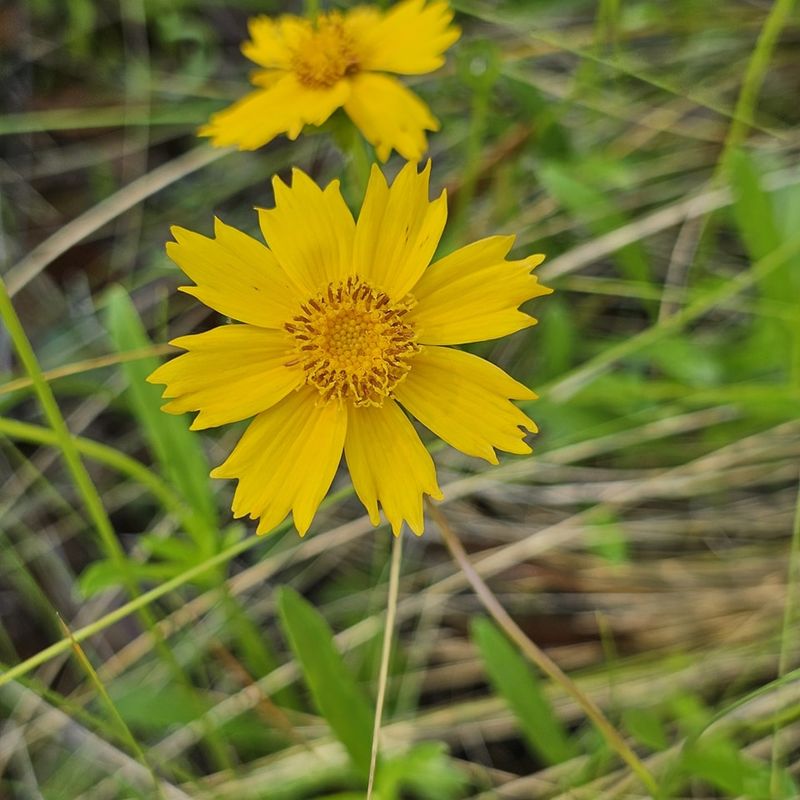
Golden petals dance on slender stems, creating waves of sunny color that brighten even the grayest winter days in Florida gardens.
Coreopsis is a Florida native wildflower that blooms prolifically during cooler months, producing dozens of cheerful flowers on each plant.
Pollinators adore these blooms because the simple flower structure provides easy landing pads and abundant pollen rewards for their winter foraging efforts.
Winter in Florida provides ideal growing conditions for Coreopsis since it prefers cooler temperatures and moderate moisture levels.
The plant stays compact and bushy during winter months, producing more flowers than it would in the heat of summer.
Native butterflies recognize this plant as a valuable nectar source and often visit repeatedly throughout the day.
Starting Coreopsis in your garden is wonderfully simple because it adapts to various soil types and requires little maintenance once established.
Scatter seeds in prepared beds during fall or plant container-grown specimens for instant impact in your landscape.
Water moderately and place in full sun for best results, then watch as your garden transforms into a pollinator paradise that buzzes with activity all season long.
3. African Blue Basil
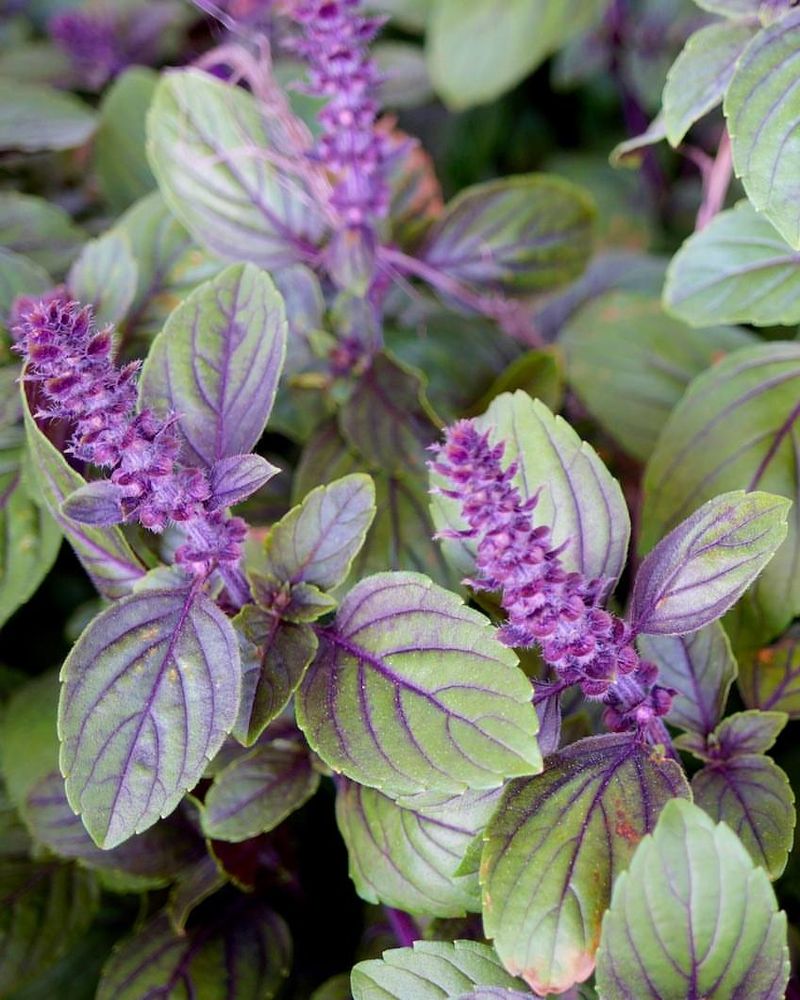
Purple-blue flower spikes rise above aromatic green leaves, creating an edible landscape feature that pollinators find absolutely irresistible during Florida winters.
African Blue Basil produces flowers continuously throughout the cooler months, offering both beauty and fragrance to your garden space.
Bees buzz around these blooms from sunrise to sunset, drawn by the intense nectar production and the plant’s wonderful scent.
Cool winter weather actually enhances this basil’s flowering performance since it reduces the stress that summer heat places on the plant.
The flowers keep coming week after week, providing a consistent food source for butterflies and bees when other plants may be dormant.
This hybrid basil tolerates Florida’s occasional cold snaps better than many tropical plants, bouncing back quickly after brief temperature drops.
Planting African Blue Basil requires a sunny spot with good drainage and rich soil amended with compost for best growth.
Space plants about two feet apart, water regularly to keep soil moist but not soggy, and pinch back stems occasionally to encourage bushier growth.
Your herb garden will become a pollinator magnet while also providing aromatic leaves you can harvest for cooking throughout the winter season.
4. Pentas
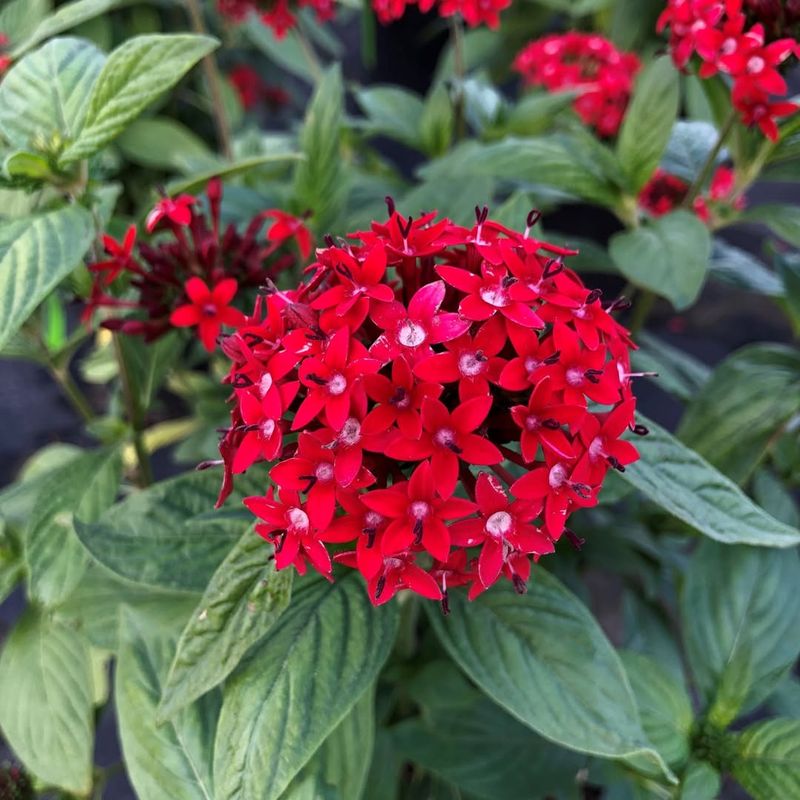
Star-shaped flowers cluster together in rounded heads of red, pink, white, or lavender, creating spectacular color displays that attract butterflies like magnets throughout Florida winters.
Pentas blooms continuously during cooler months, producing fresh flowers that replace faded ones without any deadheading required.
Butterflies land on these flower clusters and move from bloom to bloom, sipping nectar from the tubular flowers that seem designed specifically for their long tongues.
Florida’s winter climate suits Pentas perfectly since the plant thrives in temperatures between 60 and 75 degrees that are typical of our cooler season.
The flowers remain vibrant and fresh looking for weeks, unlike summer blooms that can fade quickly in intense heat.
Bees also visit Pentas regularly, though butterflies are the primary pollinators drawn to these colorful clusters.
Growing Pentas successfully means choosing a location with full to partial sun and planting in well-drained soil enriched with organic matter.
Water consistently to maintain even soil moisture, especially during dry winter periods when rainfall may be scarce.
Fertilize monthly with a balanced fertilizer to keep blooms coming strong, and enjoy watching your garden become a butterfly haven that brings joy every time you step outside.
5. Sweet Alyssum
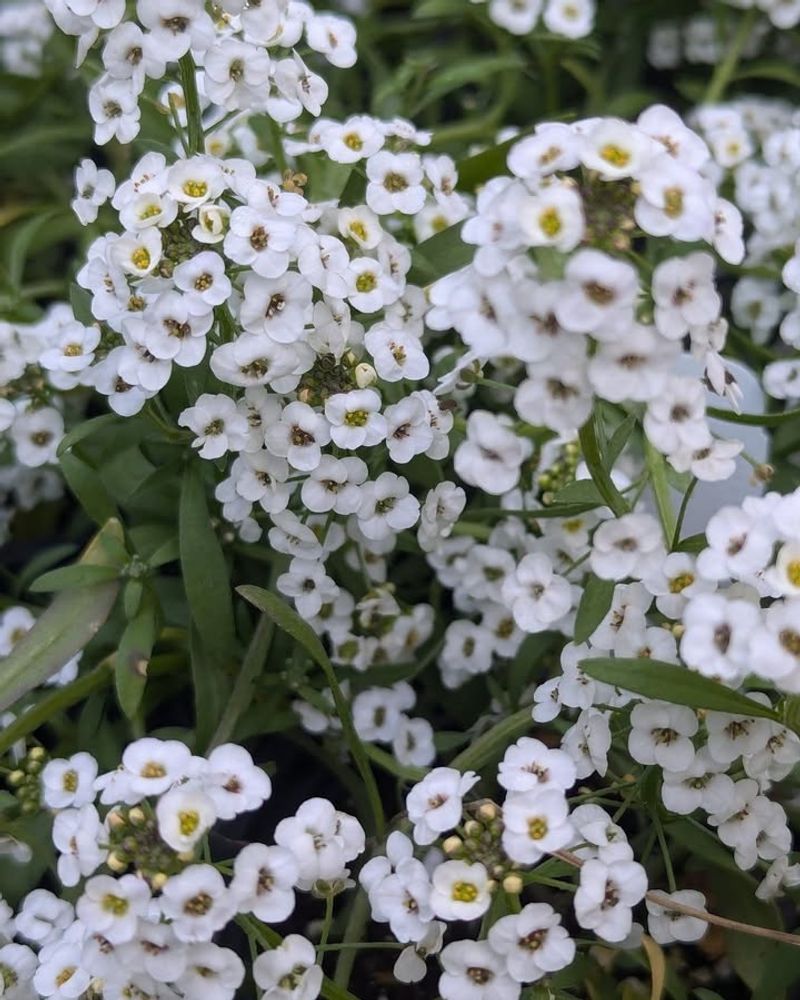
Tiny white or purple flowers form fragrant carpets that spill over container edges and fill garden gaps with delicate beauty throughout Florida winters.
Sweet Alyssum blooms most profusely during cooler months, creating clouds of flowers that release a honey-like scent that attracts beneficial insects from far and wide.
Small bees and butterflies land gently on these miniature blooms, finding abundant nectar despite the flowers’ diminutive size.
Winter temperatures in Florida allow Sweet Alyssum to perform at its absolute best since heat causes this cool-season annual to fade and stop blooming.
The plant stays compact and covered in flowers for months when grown during our mild winter season.
Pollinators appreciate this low-growing plant because it provides nectar close to the ground, creating feeding opportunities in spaces taller plants cannot fill.
Establishing Sweet Alyssum in your landscape is remarkably easy since seeds germinate quickly when scattered on prepared soil in fall or early winter.
Press seeds lightly into the soil surface without covering them completely, as they need light to sprout properly.
Water gently and regularly, place in full sun to light shade, and watch as your garden edges transform into fragrant ribbons of color that buzz with pollinator activity all season.
6. Blue Porterweed
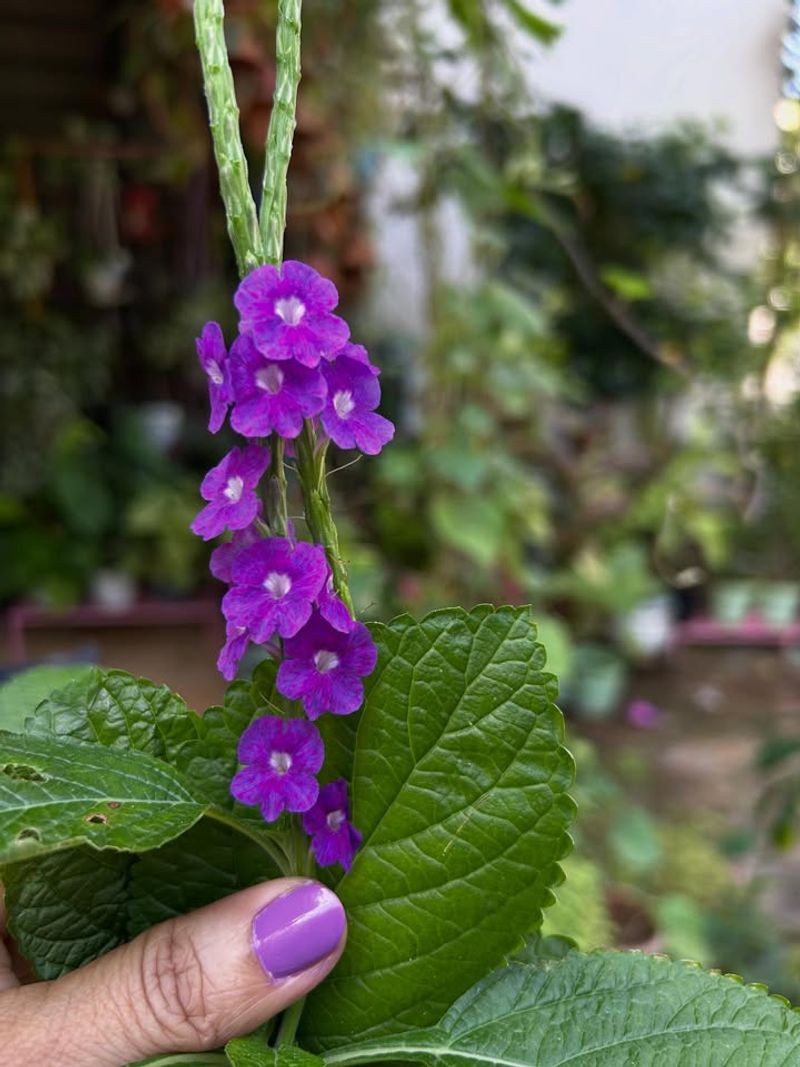
Delicate blue-purple flowers arranged in slender spikes create an airy, graceful presence that butterflies simply cannot resist visiting during Florida’s cooler months.
Blue Porterweed is a Florida native that blooms year-round but truly shines in winter when its flowers stand out against the landscape.
Butterflies hover around these tubular blooms, inserting their proboscis deep into each flower to reach the sweet nectar hidden inside.
Winter growing conditions allow Blue Porterweed to produce abundant flowers without the stress of extreme summer heat that can sometimes slow its blooming cycle.
The plant remains evergreen throughout winter, providing both flowers and foliage that shelter beneficial insects seeking refuge from occasional cold fronts.
This native species has evolved alongside Florida’s pollinators, creating a perfect partnership that benefits both plant and insect.
Planting Blue Porterweed requires selecting a spot with full sun to partial shade and soil that drains well after rain or irrigation.
Space plants about three feet apart since they can spread and form attractive clumps over time.
Water regularly until established, then reduce watering as the plant becomes drought tolerant, and enjoy watching monarchs, swallowtails, and other butterflies visit your garden repeatedly throughout the winter season.
7. Firebush
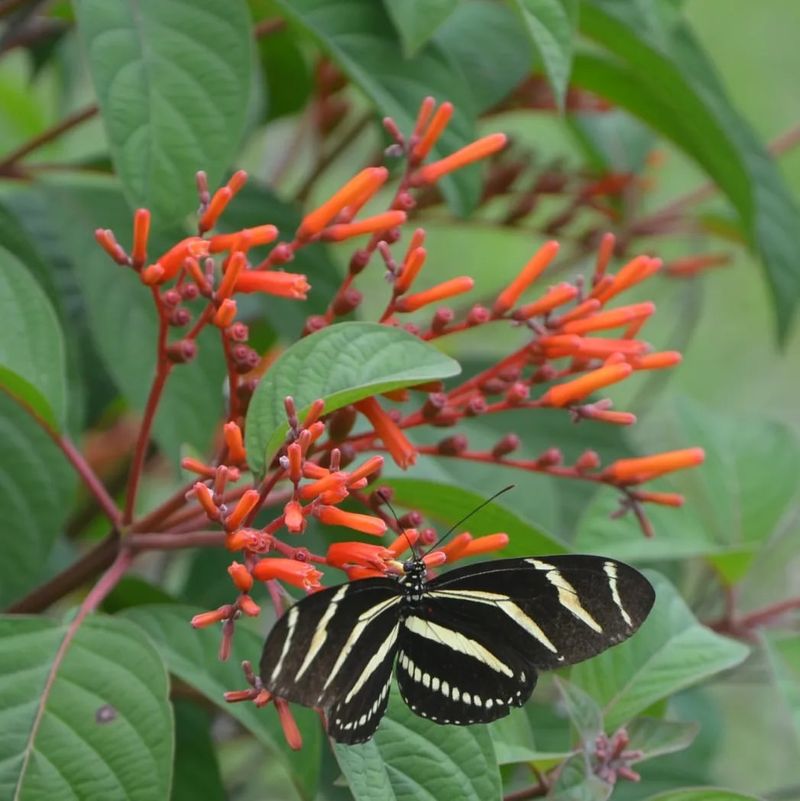
Tubular orange-red flowers glow like flames against dark green foliage, creating a warm beacon that attracts hummingbirds, butterflies, and bees throughout Florida winters.
Firebush is a Florida native shrub that produces flowers continuously during cooler months, offering reliable nectar when many other plants rest.
Pollinators recognize this plant from a distance thanks to its brilliant flower color that signals abundant food rewards.
Florida’s mild winter temperatures keep Firebush blooming steadily since it thrives in the 60 to 75 degree range typical of our cooler season.
The plant may experience some leaf drop during brief cold snaps but quickly recovers and resumes flowering when temperatures warm again.
Butterflies particularly love Firebush because the tubular flowers provide easy access to nectar while the foliage serves as a host plant for certain butterfly larvae.
Growing Firebush successfully means providing full sun to partial shade and planting in well-drained soil that receives regular moisture during establishment.
This adaptable native tolerates various soil types and becomes quite drought tolerant once roots spread deep into the ground.
Prune lightly in early spring to maintain shape and size, and enjoy watching your garden come alive with pollinator activity that continues from fall through spring in most Florida regions.
8. Beach Sunflower
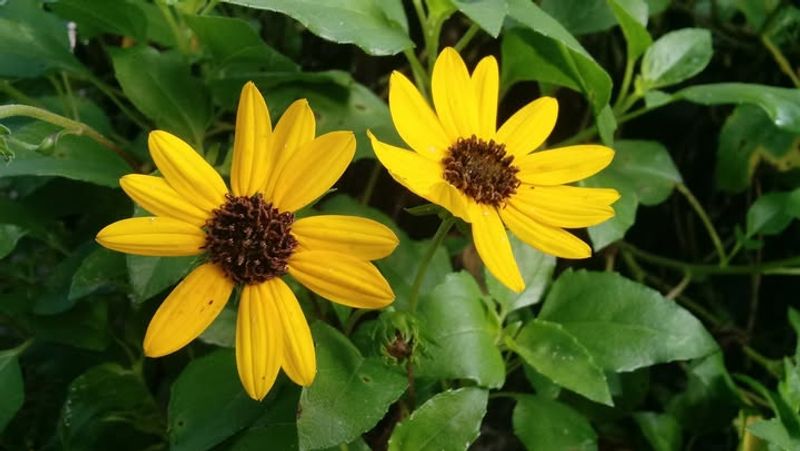
Cheerful yellow flowers with dark centers spread across sprawling plants that bloom abundantly during Florida winters, bringing sunshine to coastal and inland gardens alike.
Beach Sunflower is a tough Florida native that produces flowers continuously throughout cooler months, creating reliable nectar sources for bees and butterflies.
Pollinators land on the wide flower faces, collecting pollen and nectar while moving from bloom to bloom across the plant’s spreading branches.
Winter conditions allow Beach Sunflower to thrive since it prefers the moderate temperatures and lower humidity levels typical of Florida’s cooler season.
The plant tolerates salt spray, sandy soil, and drought once established, making it perfect for challenging landscape situations.
Native bees especially appreciate this flower because it provides the pollen and nectar they need to maintain their colonies during winter months.
Starting Beach Sunflower in your garden requires planting in full sun and well-drained soil, though this adaptable native tolerates poor soil conditions better than most ornamentals.
Space plants several feet apart since they spread and form attractive groundcovers over time.
Water regularly during establishment, then reduce irrigation as the plant becomes self-sufficient, and watch as your garden transforms into a pollinator paradise that requires minimal care while providing maximum beauty and ecological value.
9. Bidens Alba (Spanish Needle)
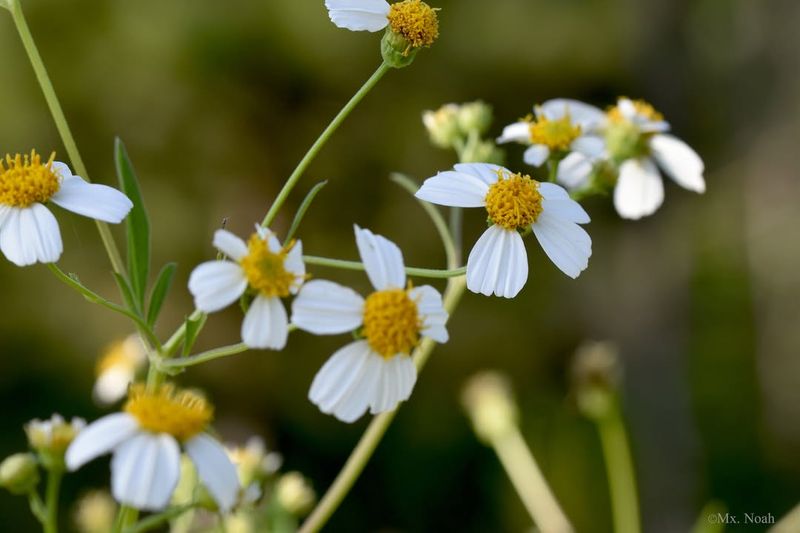
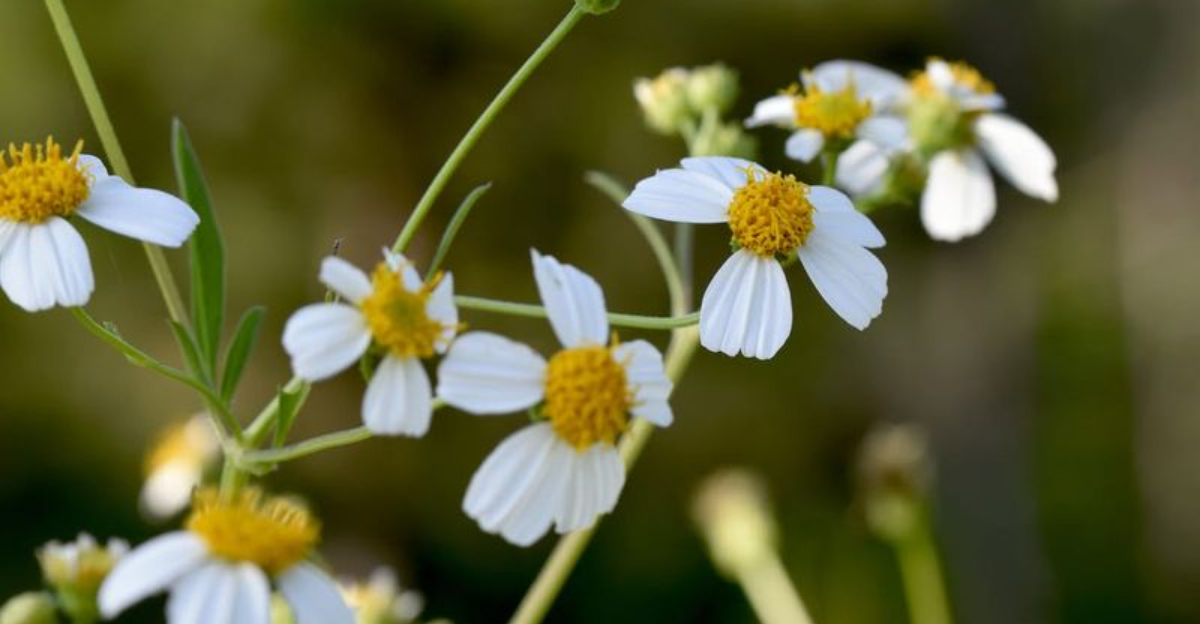
White daisy-like flowers with yellow centers appear continuously on this enthusiastic Florida native that pollinators consider an essential winter food source.
Bidens Alba blooms prolifically during cooler months, producing dozens of flowers on each plant that attract bees, butterflies, and other beneficial insects.
Pollinators visit these flowers throughout the day, drawn by the abundant nectar and pollen that help them survive and thrive during winter.
Florida’s winter climate provides perfect growing conditions for Spanish Needle since it flourishes in the moderate temperatures and occasional rainfall typical of our cooler season.
This native plant self-seeds readily and often appears in gardens without being planted, spreading naturally to create spontaneous pollinator habitats.
Butterflies particularly value this plant because it blooms when many other nectar sources become scarce.
Cultivating Bidens Alba intentionally means allowing it space to spread in wilder garden areas where its enthusiastic growth habit becomes an asset rather than a nuisance.
Plant seeds or transplants in full sun to partial shade, provide moderate water, and watch as the plant establishes quickly and begins blooming within weeks.
Some gardeners consider this plant weedy, but pollinator enthusiasts recognize its tremendous ecological value and welcome it as a winter garden superstar that feeds countless beneficial insects.
10. Salvia (Sage Varieties)
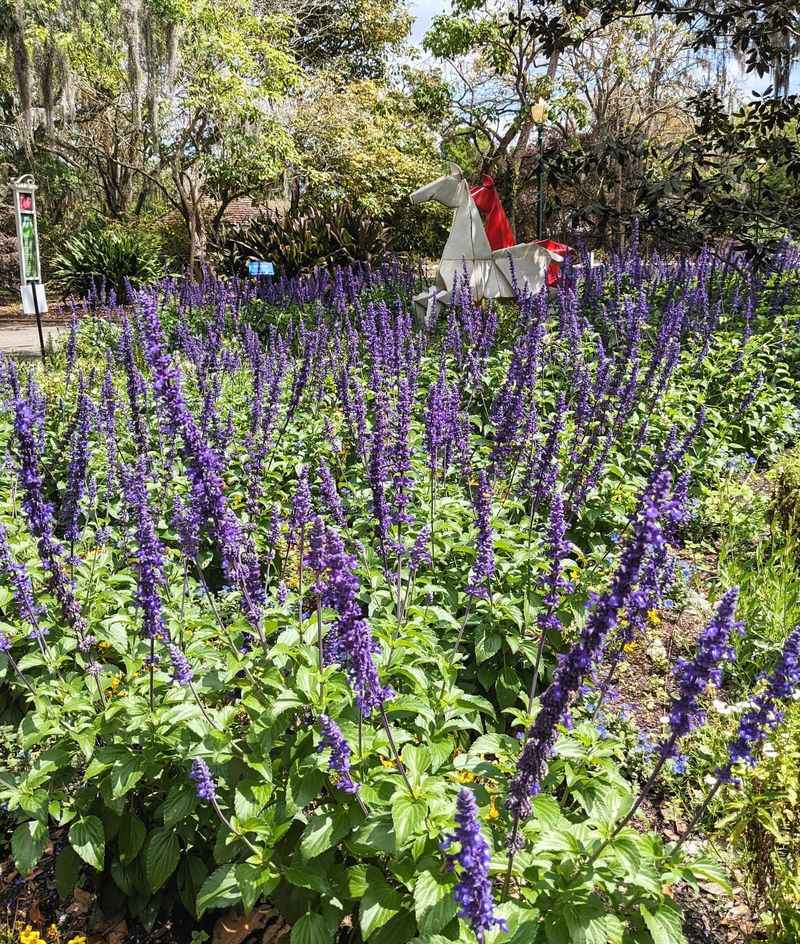
Tubular flowers in shades of blue, purple, red, or white rise on tall spikes that create vertical interest while attracting butterflies, bees, and hummingbirds throughout Florida winters.
Salvia varieties bloom continuously during cooler months, producing fresh flowers that replace spent ones in an ongoing cycle of color and pollinator activity.
Bees land on the lower lips of these flowers, triggering a mechanism that deposits pollen on their backs as they reach for nectar inside.
Winter temperatures in Florida suit many Salvia varieties perfectly since they prefer the moderate conditions that allow them to bloom without heat stress.
The aromatic foliage releases fragrance when brushed or warmed by sunshine, creating a sensory garden experience that humans and pollinators both enjoy.
Different Salvia species attract different pollinators, with some favored by butterflies and others preferred by bees or hummingbirds.
Growing Salvia successfully requires planting in full sun and well-drained soil amended with compost to improve fertility and moisture retention.
Space plants according to variety size, water regularly until established, then reduce irrigation as most Salvias become quite drought tolerant.
Remove spent flower spikes to encourage additional blooming, and enjoy watching your garden become a pollinator hotspot that provides beauty, fragrance, and ecological benefits throughout the winter season and beyond.
11. Scarlet Sage
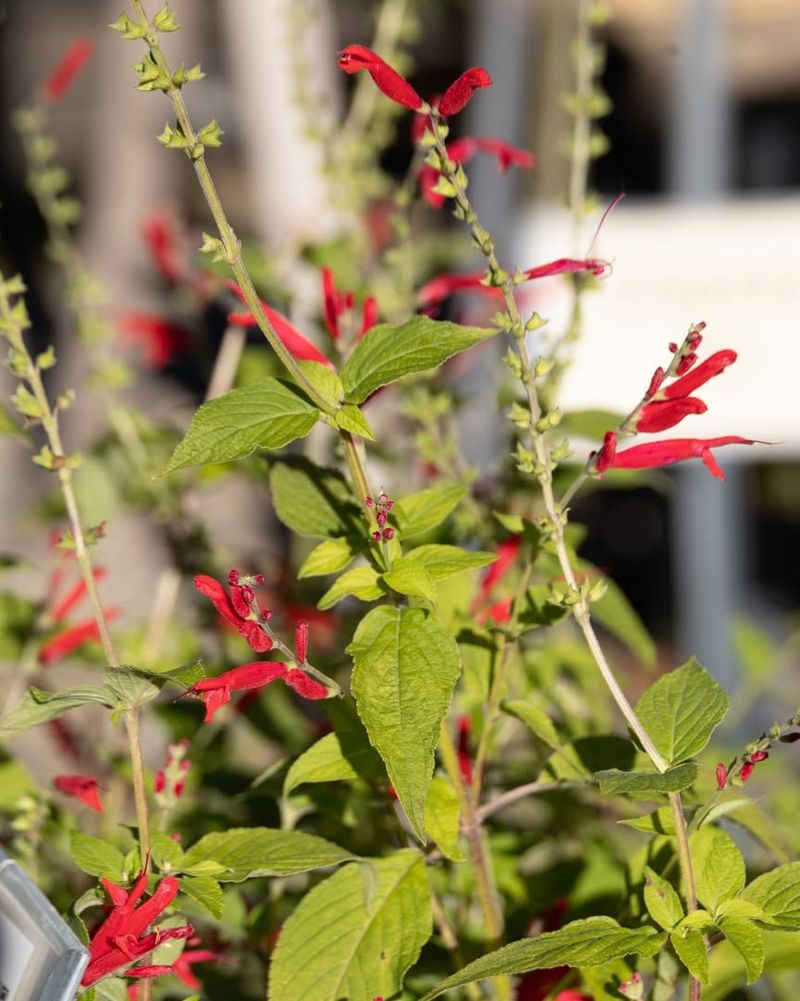
Brilliant red flower spikes stand tall and proud, creating dramatic vertical accents that attract butterflies and hummingbirds like beacons throughout Florida’s cooler months.
Scarlet Sage blooms continuously during winter, producing vibrant flowers that seem to glow against green foliage and blue winter skies.
Butterflies hover around these tubular blooms, drawn by the intense color that signals abundant nectar rewards waiting inside each flower.
Florida winters provide ideal conditions for Scarlet Sage since it thrives in the moderate temperatures that would be too cool for many tropical plants.
The flowers remain fresh and colorful for weeks, creating long-lasting displays that require minimal maintenance beyond regular watering.
Bees visit these flowers alongside butterflies, though the tubular shape seems specially designed for long-tongued pollinators like butterflies and hummingbirds.
Planting Scarlet Sage requires choosing a location with full sun to partial shade and preparing soil with organic matter to improve drainage and fertility.
Space plants about twelve inches apart for a full, lush appearance once they mature and fill in the space.
Water consistently to keep soil evenly moist, fertilize monthly during the growing season, and deadhead spent flower spikes to encourage continuous blooming that keeps your garden alive with color and pollinator activity all winter long.