Florida’s Flora Of Fright: 6 Spooky Plants Found In The Wild
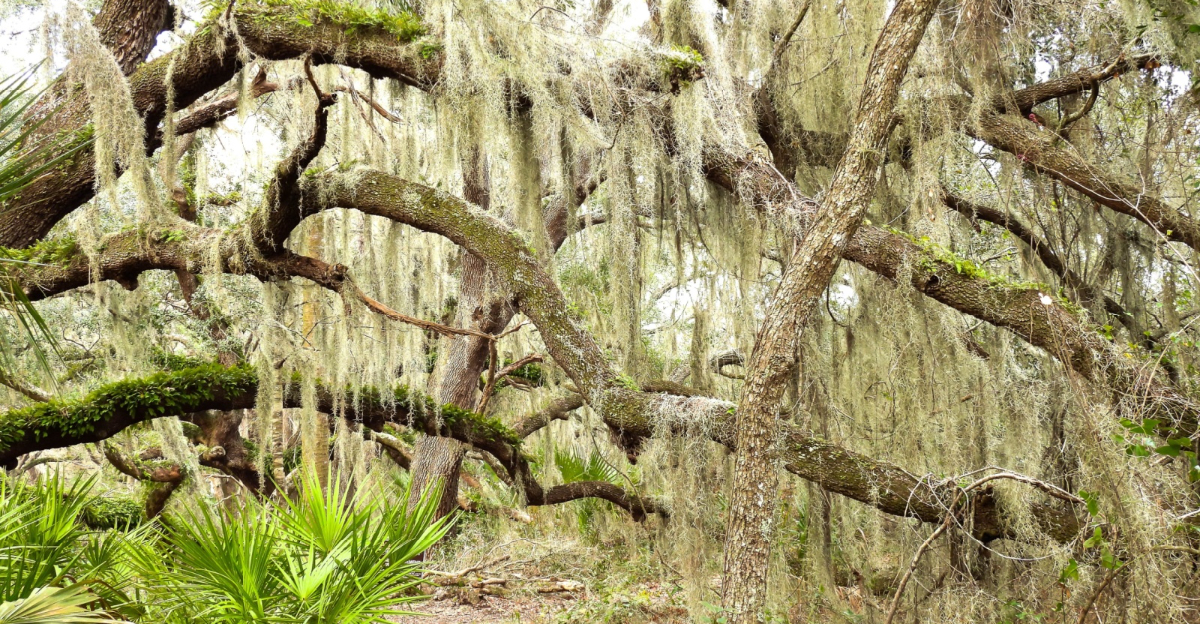
Deep in Florida’s wetlands and shadowed forests, nature writes stories that feel almost supernatural. Twisted shapes, ghostly blooms, and strange survival tricks give certain wild plants an eerie presence that stops hikers in their tracks.
Beauty and unease often grow side by side, and some species seem pulled from folklore rather than soil. Pale petals glow at dusk, tangled vines creep across forgotten ground, and unusual forms hint at secrets hidden within the swamp.
These plants thrive in silence, far from garden borders, where mist, heat, and still water shape their haunting character. Each one carries a reputation built on appearance, mystery, or strange behavior in the wild.
Florida’s wilderness holds more than sunshine and palms, it shelters a darker botanical side few expect to see.
Step carefully into this world of shadows and discover the chilling charm of plants that turn ordinary landscapes into scenes of natural suspense and wonder.
1. Spanish Moss Creates Ghostly Forest Scenes
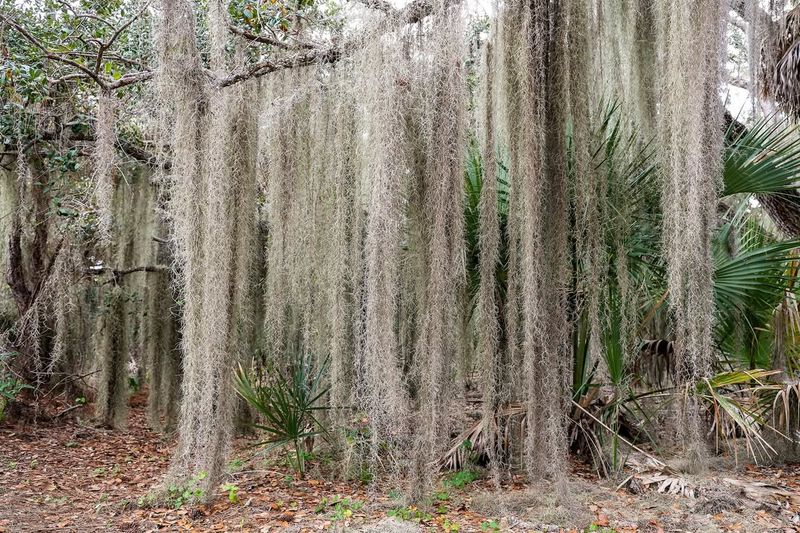
Trees draped in Spanish moss reach across old roads and forgotten trails throughout the state, hanging in curtains of silvery gray that sway with every breeze. Spanish moss transforms ordinary trees into something that looks plucked from a gothic novel.
The soft, tangled strands catch morning fog and cast strange shadows that shift as light filters through the canopy.
Despite its name, Spanish moss is neither Spanish nor a true moss. This plant belongs to the bromeliad family, making it a relative of pineapples.
It grows as an epiphyte, anchoring itself to tree bark without drawing nutrients from the host. Instead, it absorbs moisture and minerals directly from rain and airborne particles, surviving entirely on what drifts through the atmosphere.
Florida’s humid climate provides ideal conditions for this unusual plant. It thrives in areas where moisture lingers and air circulation remains steady.
Live oaks, bald cypress, and other hardwoods offer sturdy support, and the moss responds by creating dense, flowing masses that may add weight, especially on already-stressed limbs.
Wildlife depends on Spanish moss more than most people realize. Birds gather it for nesting material, weaving the soft fibers into secure cradles for their eggs.
Bats roost within thick clumps, and a variety of insects, spiders, and small creatures find shelter in its tangled structure. The plant supports a hidden ecosystem that remains largely invisible to casual observers.
Spanish moss adds atmosphere to Florida landscapes, but it also serves practical ecological purposes. It helps moderate temperature and humidity in the microhabitats it creates.
The plant has been harvested historically for mattress stuffing and craft materials, though wild collection has declined. Because it absorbs nutrients from the air, Spanish moss has been used as a bioindicator for monitoring air quality.
Walking beneath trees adorned with Spanish moss feels like entering a place where time moves differently, where nature holds onto its mysteries just a little longer.
2. Indian Pipe Haunts The Shadowy Forest Floor
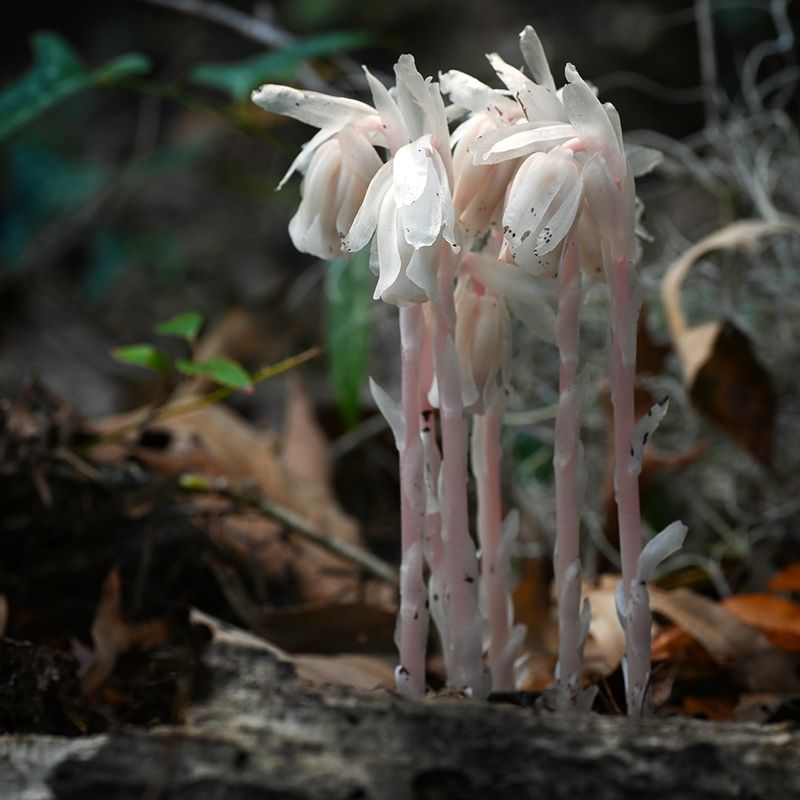
Pale stems rise from the leaf litter like miniature ghosts frozen mid-emergence. Indian pipe appears so white and translucent that it barely seems real.
The entire plant lacks any trace of green, standing out starkly against the dark soil and decaying leaves of Florida’s shaded forests. Each stem curves at the top, forming a nodding shape that resembles a tobacco pipe, which inspired the common name.
This strange plant survives without photosynthesis, a trait that sets it apart from nearly all other flowering species. Indian pipe forms a complex relationship with fungi in the soil, which in turn connect to the roots of nearby trees.
The fungi act as middlemen, transferring nutrients from tree roots to the pale stems. This arrangement allows Indian pipe to thrive in deep shade where most plants would struggle.
Spotting Indian pipe requires patience and a careful eye. The plants often appear and bloom in fall, sometimes after wet weather, often in small clusters scattered across the forest floor.
They prefer areas with rich organic soil and dense tree cover. Florida’s hardwood hammocks and mixed forests provide suitable habitat, though the plant remains uncommon and easily overlooked.
Folklore has long surrounded this ghostly species. Some traditions viewed it as a plant of mystery, associated with spirits or supernatural events.
Its sudden appearance and rapid decay after blooming added to its otherworldly reputation. The plant turns black as it ages, completing a transformation from spectral white to dark remnant within weeks.
Indian pipe plays a quiet role in forest ecosystems. It participates in the underground network that connects trees and fungi, contributing to nutrient cycling in ways scientists continue to study.
The plant produces seeds that scatter across the forest floor, waiting for the right conditions to germinate. Finding Indian pipe in Florida feels like discovering a secret, a reminder that even familiar forests hold hidden wonders.
Its presence indicates a healthy fungal community beneath the soil, an invisible world supporting life above ground.
3. Sundews Trap Insects With Sinister Precision
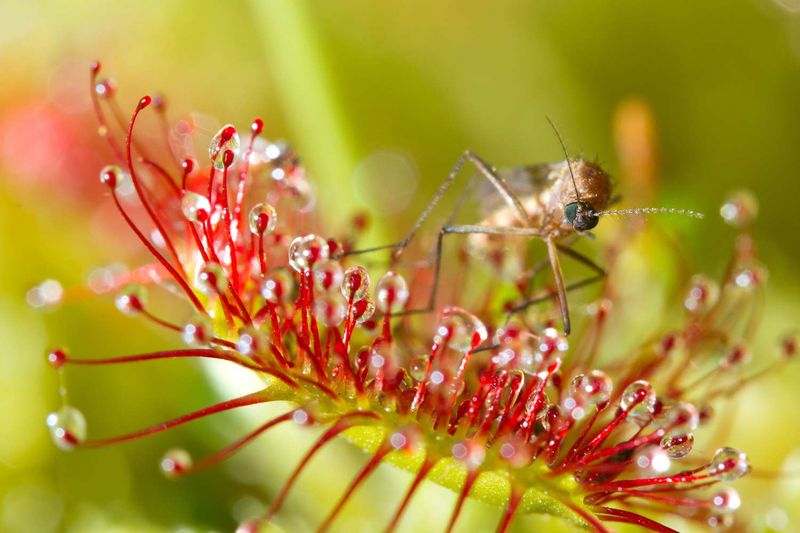
Tiny red leaves glisten in the sunlight, each covered with what looks like sparkling dewdrops. Sundews appear delicate and almost jewel-like, but those glistening droplets serve a sinister purpose.
Each one sits at the tip of a hair-like tentacle and contains a sticky substance that traps any insect unlucky enough to land on the leaf. Once caught, the prey cannot escape, and the leaf slowly curls inward to begin digestion.
Carnivorous plants like sundews evolved to survive in habitats where soil provides almost no nutrients. Florida’s acidic bogs and wet pine flatwoods offer plenty of water and sunlight but lack the nitrogen and phosphorus most plants need.
Sundews compensate by capturing insects, extracting vital nutrients from their bodies. This adaptation allows them to thrive where other species would starve.
Several sundew species grow wild in Florida, including the pink sundew and the Tracy’s sundew. They form low rosettes close to the ground, often surrounded by sphagnum moss and other bog specialists.
The plants remain small, rarely exceeding a few inches in diameter, but they can capture plenty of tiny insects in their immediate area. Gnats, flies, and other tiny creatures make up the bulk of their diet.
Watching a sundew capture prey reveals nature’s patience. The tentacles move slowly, bending over the course of hours rather than minutes.
Enzymes secreted by the leaf break down the insect’s soft tissues, allowing the plant to absorb the nutrients. After digestion completes, the leaf reopens and the sticky droplets reappear, ready for the next meal.
Sundews face threats from habitat loss and wetland drainage. Florida’s remaining bog communities represent fragile ecosystems that support not only carnivorous plants but also rare orchids, pitcher plants, and specialized insects.
Conservation efforts aim to protect these areas from development and fire suppression. Encountering sundews in the wild offers a glimpse into a world where plants turn the tables on the animal kingdom, using beauty and deception to survive in harsh conditions.
4. Spotted Water Hemlock Hides A Dangerous Secret
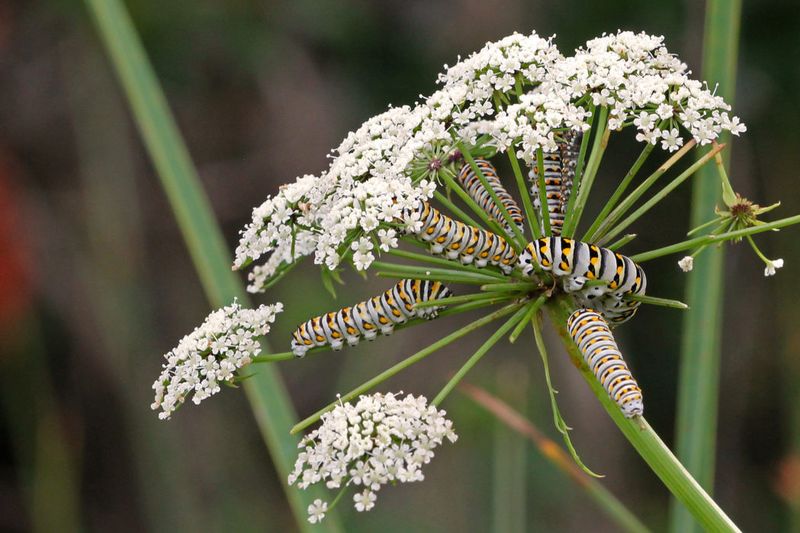
Delicate white flowers cluster in umbrella-shaped arrangements atop tall stems that rise from wet soil. Spotted water hemlock looks innocent enough, resembling many other members of the carrot family that grow along Florida’s streams and marshes.
The stems bear purple spots and streaks, and the leaves divide into fine, toothed segments. Nothing about its appearance immediately suggests danger, yet this plant ranks among the most toxic species in North America.
Every part of spotted water hemlock contains cicutoxin, a compound that affects the nervous system with frightening speed. The highest concentrations occur in the roots and the base of the stem.
Even small amounts can cause severe reactions, and the plant has been mistaken for edible wild relatives with tragic consequences. The roots smell somewhat like parsnips, which has contributed to dangerous confusion.
Spotted water hemlock favors wet habitats throughout Florida. It grows along streambanks, in marshes, and at the edges of ponds and ditches.
The plant thrives in areas with saturated soil and full sun to partial shade. It can form dense stands in suitable locations, often mixing with other wetland vegetation.
Because it is highly toxic, it should be treated with caution and avoided.
The ecological role of spotted water hemlock remains somewhat mysterious. It competes with other wetland plants for space and resources, but its toxicity limits its value as food for herbivores.
The flowers attract various insects, including flies and small bees, which gather nectar and pollen. These pollinators appear unaffected by the compounds that make the plant so hazardous to mammals.
Recognizing spotted water hemlock helps prevent accidental exposure. The purple streaks on the stem provide one identifying feature, though other plants may show similar markings.
Learning to distinguish toxic species from safe relatives requires careful study and caution. Florida’s wetlands harbor many valuable native plants, but they also shelter species that demand respect and distance.
Spotted water hemlock serves as a reminder that nature’s beauty often comes with hidden risks.
5. Coontie Carries Florida’s Ancient And Toxic Past
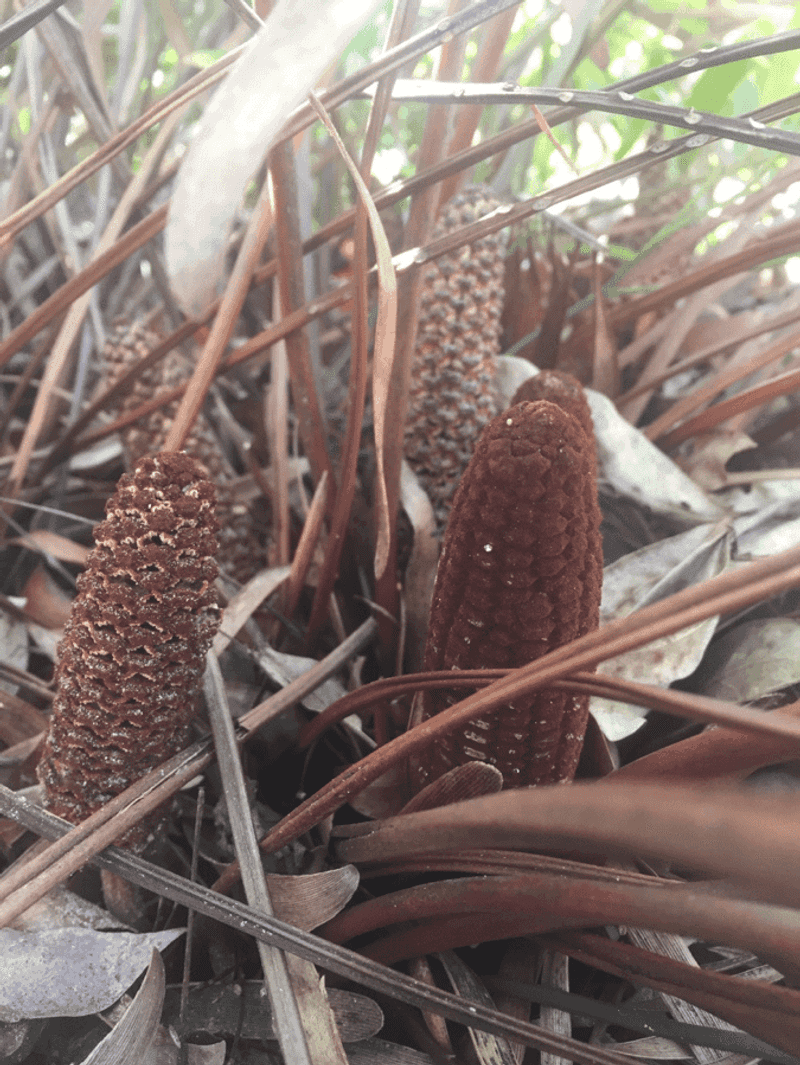
Stiff, feathery fronds emerge from a low trunk that barely rises above the ground. Coontie resembles a small palm or fern, but this plant belongs to an ancient group called cycads that predates flowering plants by millions of years.
Its dark green leaves spread in a circular pattern, and during certain seasons, cone-like structures develop at the center. These cones produce bright orange or red seeds that stand out against the foliage.
Florida’s coontie represents the only cycad native to the United States. It grows naturally in sandy soils, pine flatwoods, and scrubby habitats throughout the peninsula.
The plant tolerates drought, poor soil, and salt spray, making it well adapted to coastal environments and inland scrub. Coontie has survived in Florida since prehistoric times, outlasting countless other species that disappeared as climates shifted.
Indigenous peoples of Florida developed methods to process coontie roots into a starchy food called arrowroot. The roots contain toxic compounds that must be carefully removed through repeated washing and grinding.
This labor-intensive process made coontie an important food source during times when other resources ran short. Commercial harvesting in the late 1800s nearly eliminated wild populations, and the plant has only recently begun recovering in some areas.
Coontie plays a crucial role in supporting the rare Atala butterfly. This striking insect, with its metallic blue and orange markings, depends entirely on coontie for its caterpillar stage.
The larvae feed on the toxic foliage, incorporating the poisons into their own bodies as protection against predators. The relationship between coontie and the Atala butterfly demonstrates how specialized some ecological connections can become.
Modern landscaping has renewed interest in coontie as a native ornamental plant. It requires little maintenance, tolerates a range of conditions, and supports local wildlife.
The seeds remain toxic and should be handled with care, especially around children and pets. Coontie connects Florida to an ancient past while serving present-day ecosystems.
Its persistence through geological time and human pressure speaks to the resilience of species that adapt to their environments with patience and endurance.
6. The Manchineel Tree Has One Of Nature’s Harshest Defenses
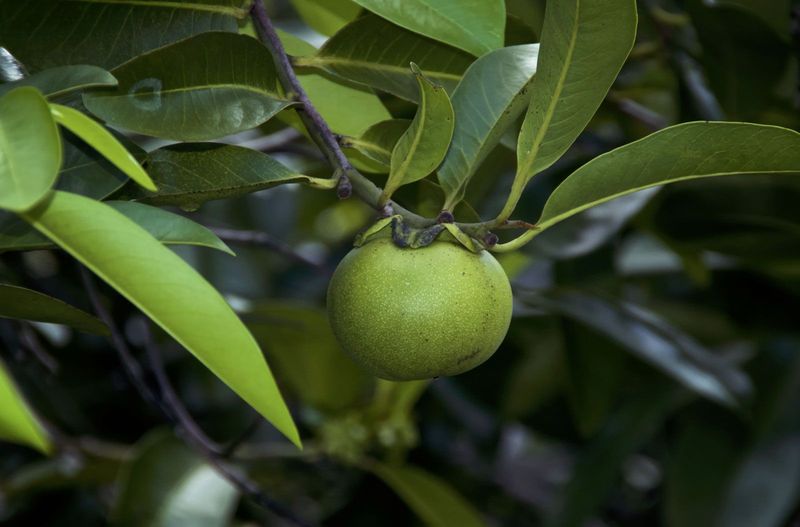
Small greenish fruits dangle from branches that spread above sandy beaches and coastal thickets. The manchineel tree produces apples that look tempting but carry a powerful warning.
Every part of this tree contains phorbol and other irritating compounds that cause severe skin reactions, blistering, and intense pain. Even standing beneath the tree during rain can cause severe skin irritation if rainwater carries sap off the leaves.
Smoke from burning manchineel wood irritates eyes and lungs, making the tree hazardous in multiple ways.
Manchineel grows along Florida’s southern coasts, particularly in the Keys and protected shoreline areas. The tree thrives in sandy soil and tolerates salt spray and storm surge.
Its dense canopy and sturdy trunk help stabilize coastal dunes and provide habitat for birds and insects. Despite its fearsome reputation, manchineel serves important ecological functions in shoreline communities that face constant wind and wave action.
Historical accounts describe the tree’s use as a weapon and a tool of execution. Indigenous groups reportedly used the sap on arrows, and early European explorers learned to avoid the tree after painful encounters.
Warning signs often mark manchineel trees in areas where visitors might encounter them. The bark sometimes bears red bands or metal tags to alert people to the danger.
Wildlife interacts with manchineel in ways that seem almost impossible given the tree’s toxicity. Some birds eat the fruit without apparent harm, and iguanas browse the leaves.
These animals have evolved tolerances or feeding strategies that allow them to exploit a resource most creatures must avoid. The tree’s defenses protect it from most herbivores, reducing competition and allowing it to dominate suitable habitat.
Conservation of coastal ecosystems sometimes includes manchineel despite the risks it poses. The tree contributes to shoreline stability, reduces erosion, and supports species adapted to harsh coastal conditions.
Managing manchineel requires balancing public safety with ecological value. Florida’s coastal environments face increasing pressure from development and climate change.
Native species like manchineel, however dangerous, represent adaptations refined over countless generations. Respecting the tree’s defenses while recognizing its role in coastal ecosystems reflects a mature understanding of how nature operates without regard for human comfort.