11 Flowering Plants That Love Florida’s Cool Season Sun
Florida gardeners know the moment the seasons shift. The relentless summer heat eases, evenings feel lighter, and the sun takes on a softer glow that suddenly makes gardening enjoyable again.
This brief window is when Florida landscapes truly shine. Cooler days and brighter winter light create ideal conditions for flowering plants that struggle during the long, humid summer months.
From patios and porches to front-yard beds and hanging baskets, the cool season offers a chance to fill outdoor spaces with nonstop color and surprisingly easy care. Plants grow fuller, blooms last longer, and gardens feel alive again without the constant battle against heat stress.
For many gardeners, this is the most rewarding time of year to plant.
If you have ever wondered why some flowers look their best between fall and spring, this is why. These flowering plants thrive under Florida’s cool season sun, rewarding even casual gardeners with weeks of vibrant blooms and a landscape that feels fresh, cheerful, and inviting all season long.
1. Petunias
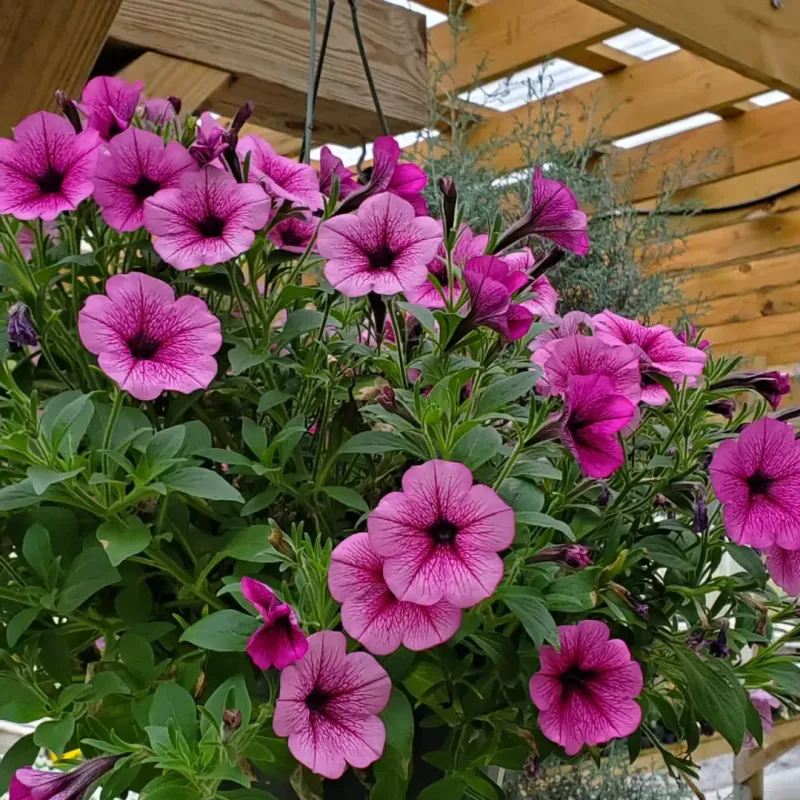
Bright, cheerful blooms spill over containers and fill garden beds with incredible color from fall through spring across Florida. Cool season sunlight brings out the best in these popular annuals, encouraging vigorous growth and nonstop flowering that homeowners love.
The lower angle of winter sun provides just the right intensity without scorching delicate petals the way summer heat would.
Most gardeners appreciate how forgiving these plants are, bouncing back quickly from occasional dry spells and rewarding regular care with abundant blooms.
They perform beautifully in full sun locations that receive six or more hours of direct light during the cooler months.
Feeding them every couple of weeks with a balanced fertilizer keeps the flowers coming strong.
Deadheading spent blooms encourages even more buds to form, though many newer varieties are self cleaning and keep producing without much fuss. Their trailing growth habit makes them perfect for hanging baskets, window boxes, and edges of raised beds.
Watching them cascade over containers throughout the season brings a cheerful, welcoming feeling to any Florida landscape.
2. Pansies
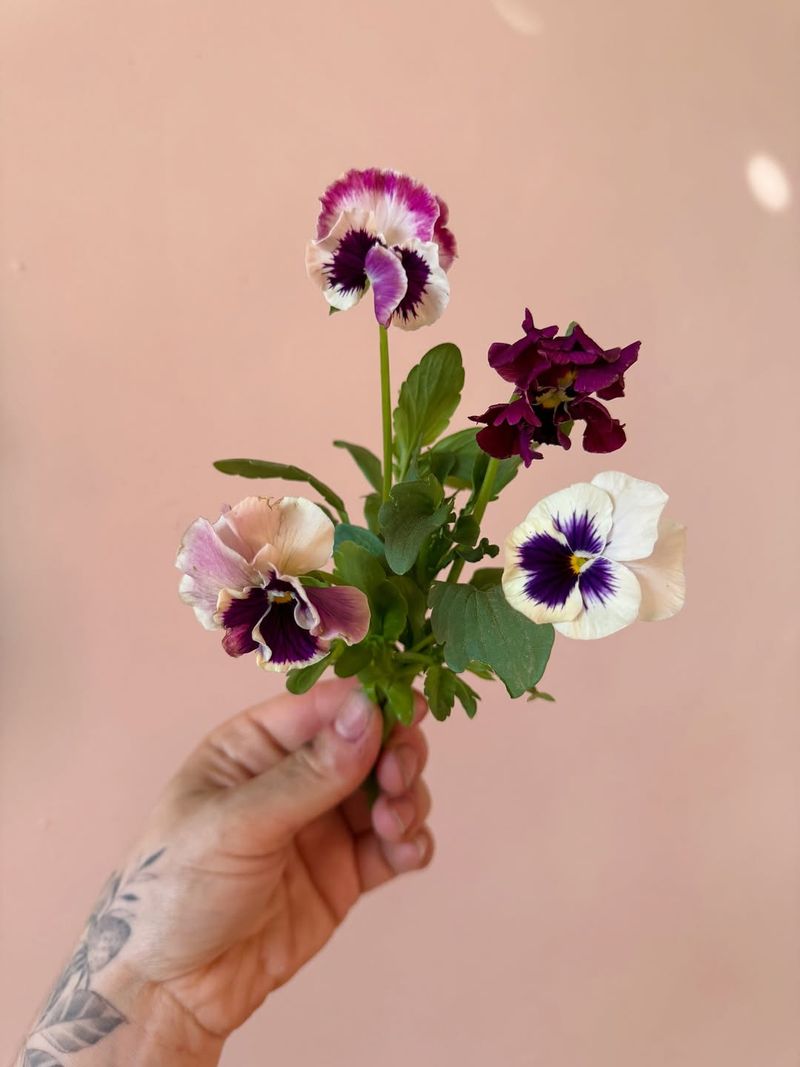
Few flowers capture the hearts of Florida gardeners quite like these cheerful bloomers with their distinctive face-like markings and rich, velvety petals. They arrive in garden centers just as temperatures start to drop, signaling the beginning of the most comfortable planting season.
Their ability to handle cooler nights while soaking up bright daytime sun makes them ideal for landscapes across the state.
Homeowners often plant them in mass displays for maximum visual impact, creating waves of color that last for months. The flowers come in nearly every color imaginable, from deep purples and sunny yellows to soft pastels and bold bicolors.
Each bloom seems to smile up at you, bringing joy to morning walks through the garden.
They prefer consistent moisture without being waterlogged, so checking soil regularly helps maintain their vigor. A light application of fertilizer every few weeks supports continuous blooming throughout the season.
Their compact growth habit makes them excellent choices for borders, container combinations, and even tucked into small spaces between other plantings for extra pops of color.
3. Violas
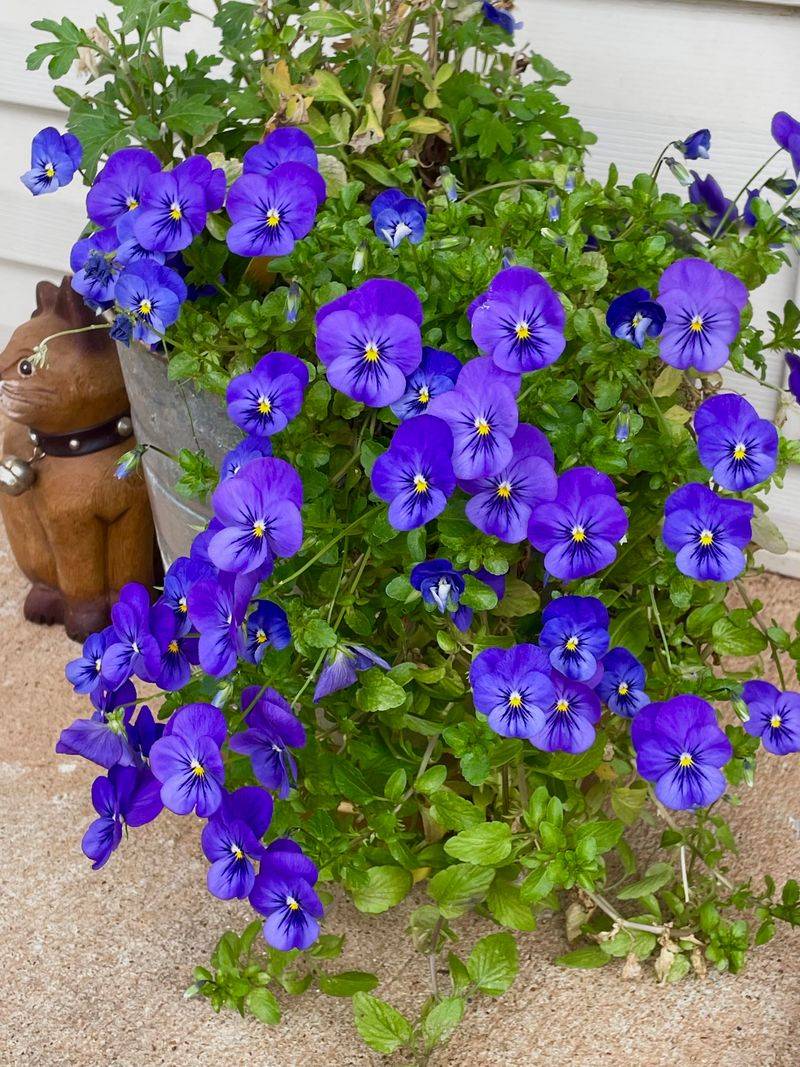
Smaller cousins to the familiar garden favorite bring delicate charm and surprising toughness to cool season plantings across Florida. Their dainty flowers appear in abundance, covering compact plants with cheerful color that brightens even the shadiest corners of your yard.
The gentler sun of winter allows them to flourish in spots that receive morning light followed by afternoon shade.
Gardeners appreciate their ability to keep blooming even when temperatures dip on chilly January mornings, something that sets them apart from more tender annuals.
They create beautiful carpets of color when planted closely together, filling in spaces quickly with their spreading habit.
The flowers attract early season pollinators, bringing movement and life to gardens when butterflies and bees first emerge.
Regular watering keeps them looking fresh, though they tolerate brief dry periods better than you might expect from such delicate looking plants. Mixing them with taller cool season bloomers creates layered interest in beds and borders.
Their sweet faces peer up from the garden, offering a gentle reminder that Florida’s cooler months provide some of the most rewarding growing conditions of the entire year.
4. Snapdragons
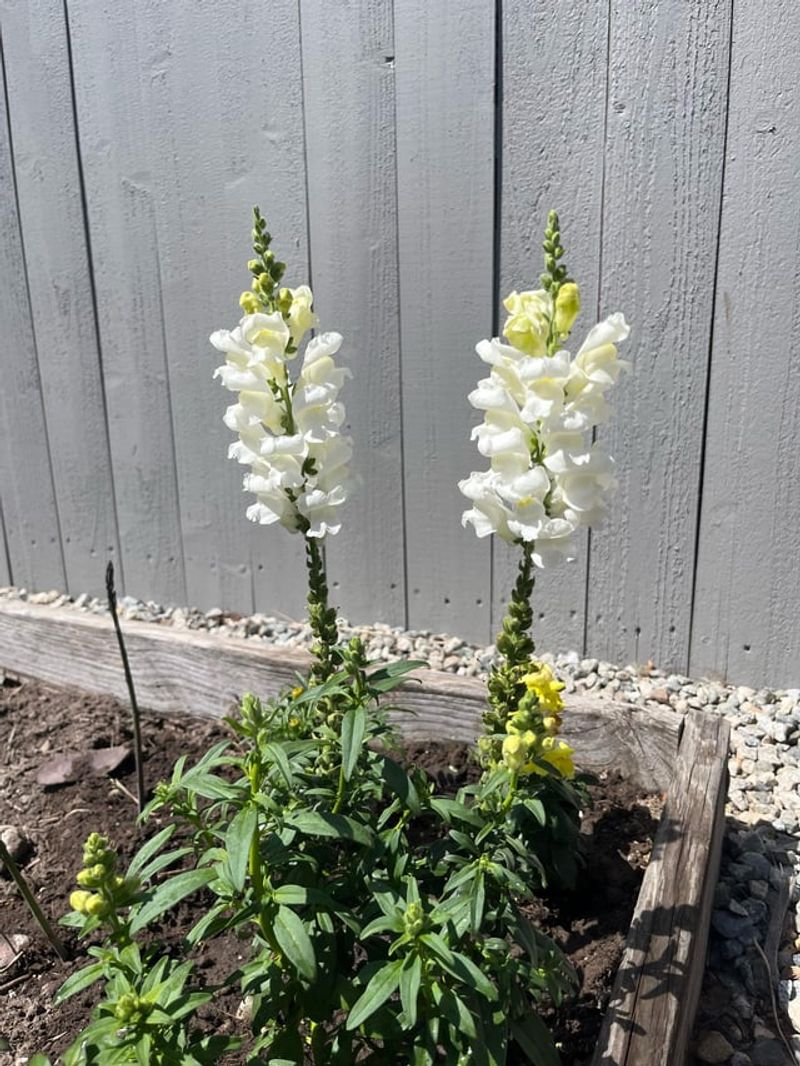
Tall spikes of colorful blooms rise above the garden, creating vertical interest that draws the eye upward and adds dimension to flat landscapes. Cool season conditions in Florida bring out the strongest growth and most vibrant flowering, with plants reaching impressive heights that would be impossible during summer heat.
The bright, lower angled sunlight of winter encourages sturdy stems and tightly packed flower spikes.
Children love pinching the individual blooms to make them snap open and closed like tiny dragon mouths, adding an element of playful interaction to the garden.
The flowers come in a rainbow of colors including reds, pinks, yellows, whites, and oranges, offering endless possibilities for creative combinations.
They make excellent cut flowers, bringing that same cheerful energy indoors where you can enjoy them up close.
Planting them in groups creates bold statements in borders and beds, while their upright form provides nice contrast to spreading or mounding plants. They appreciate regular feeding to support their vigorous growth and heavy flowering throughout the season.
Removing spent flower spikes encourages side shoots to develop, extending the bloom period and keeping plants looking tidy and productive.
5. Dianthus
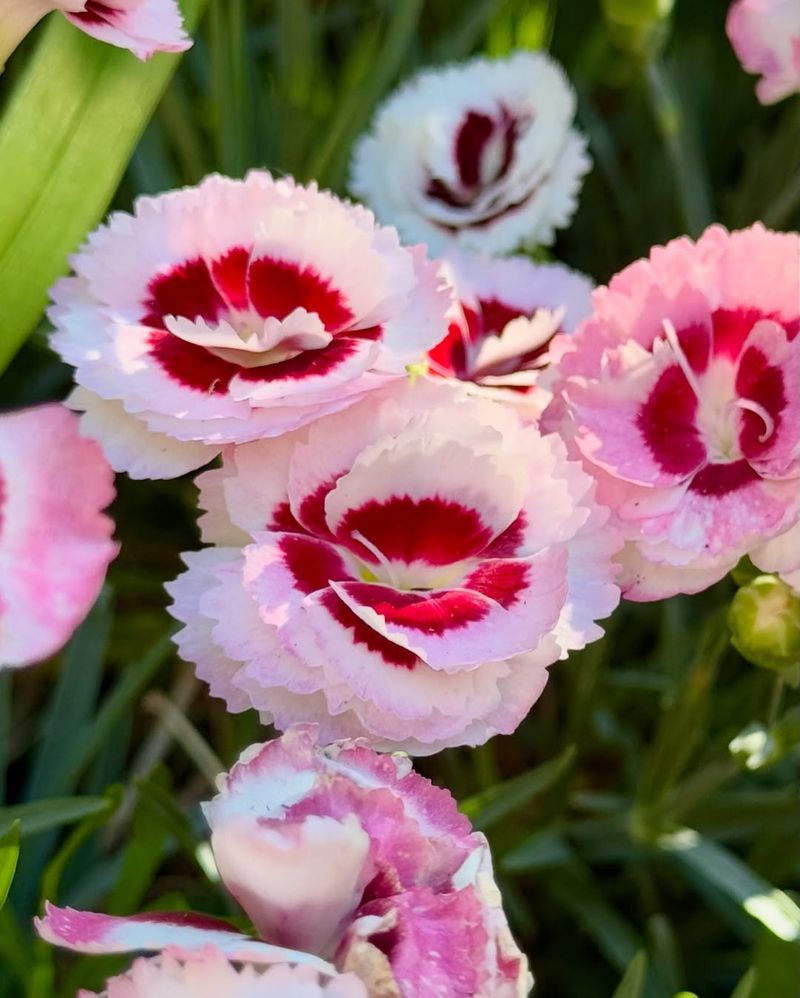
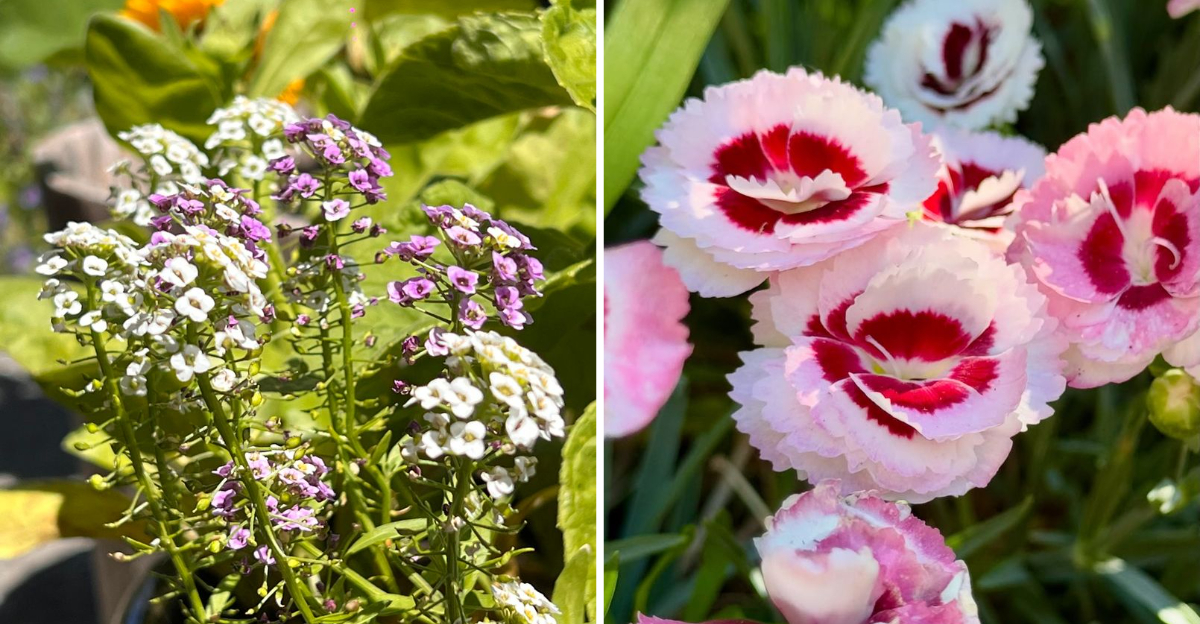
Spicy fragrance drifts from clusters of fringed blooms, adding a sensory dimension to the garden that goes beyond visual appeal. These charming flowers thrive in the bright, cooler conditions that Florida winters provide, producing waves of color from fall planting through late spring.
Their blue-green foliage remains attractive even between bloom cycles, providing texture and interest in the landscape.
The flowers feature distinctively serrated edges that give them a delicate, lacy appearance, setting them apart from other common cool season annuals. They handle full sun beautifully during the cooler months, soaking up those bright rays without wilting or fading.
Most varieties stay compact and tidy, making them perfect for edging walkways, filling containers, or planting in neat rows.
Well-drained soil is important for keeping them healthy, as they prefer conditions that lean toward the drier side rather than constantly moist.
A monthly feeding with a balanced fertilizer supports their flowering without encouraging excessive leafy growth.
Their old-fashioned charm and sweet scent remind many gardeners of cottage gardens and simpler times, bringing a nostalgic warmth to modern Florida landscapes that feels both timeless and perfectly suited to our unique growing conditions.
6. Alyssum
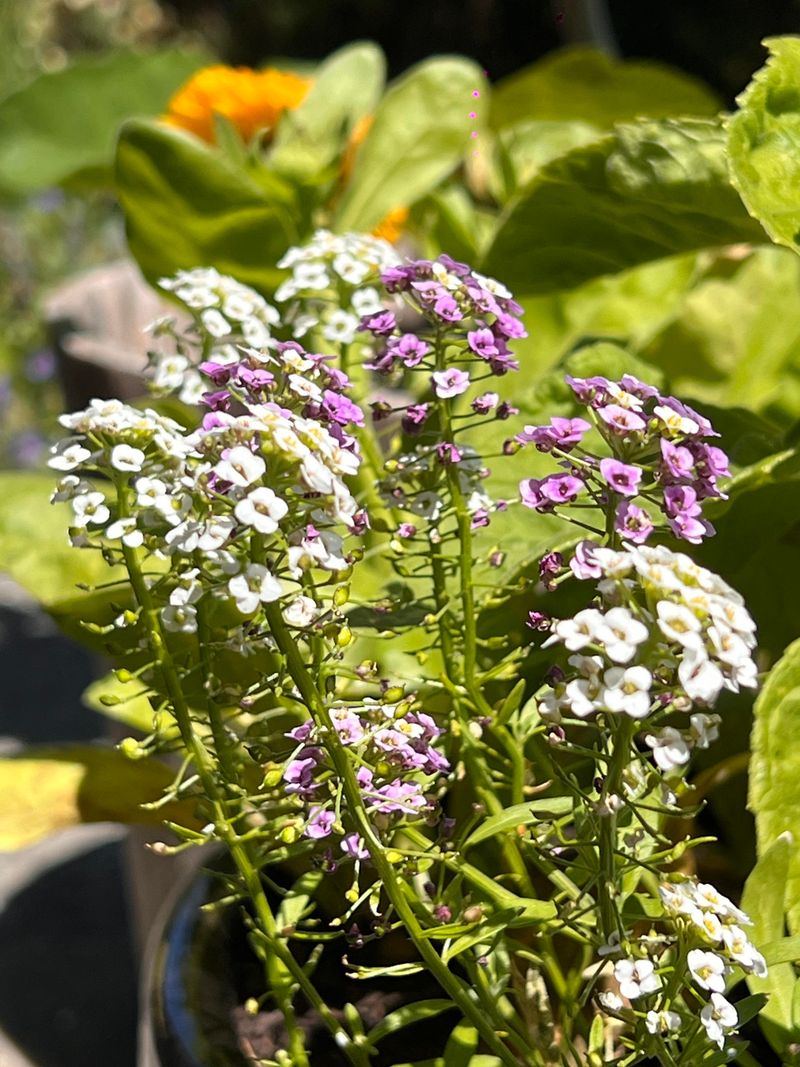
Clouds of tiny flowers create a soft, billowing effect along garden edges and spilling from containers, bringing an airy lightness to plantings. The sweet honey-like fragrance attracts beneficial insects and adds another layer of enjoyment to time spent working in the garden.
Cool season sunshine encourages dense, compact growth covered in blooms that nearly hide the foliage beneath.
These low-growing annuals excel at filling gaps between larger plants, softening hard edges, and creating transitions between different garden areas. Their cascading habit makes them naturals for hanging baskets and tall containers where they can drape gracefully over the sides.
White is the most common color, though lavender and pink varieties add soft pastel tones to the palette.
They tolerate light foot traffic and can even be used as temporary groundcovers in areas where you want quick color. Shearing them back lightly if they start to look tired encourages fresh growth and renewed flowering.
Their undemanding nature and reliable performance make them favorites among both beginning gardeners and experienced landscapers who appreciate plants that deliver consistent results.
The delicate appearance belies their tough constitution, proving that beauty and resilience often go hand in hand in Florida gardening.
7. Geraniums
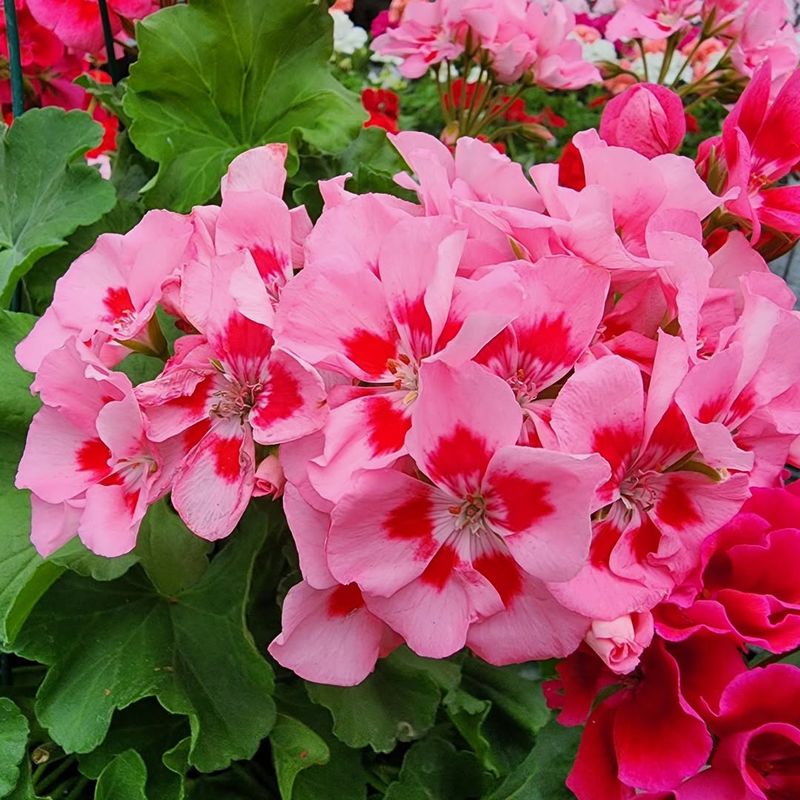
These plants are commonly called geraniums but are botanically Pelargonium, a distinction that matters mainly in technical references. Bold clusters of flowers sit atop sturdy stems, creating striking focal points in containers and garden beds throughout the cool season.
Florida’s winter sun provides ideal conditions for these classic favorites, encouraging robust growth and continuous flowering that would be challenging during intense summer heat. The bright light brings out the most vivid colors in their blooms, from scarlet reds to soft salmons and pure whites.
Their rounded leaves often feature darker zones or patterns that add visual interest even when flowers are between bloom cycles.
Many gardeners appreciate how well they perform in pots, making them perfect for patios, porches, and entryways where you want reliable color at eye level.
The flowers hold up beautifully in the landscape, maintaining their fresh appearance for weeks.
Removing spent flower clusters keeps plants looking neat and encourages new buds to form, extending the display throughout the season.
They prefer soil that dries slightly between waterings rather than staying constantly moist, making them relatively forgiving if you occasionally forget to water.
Regular feeding every few weeks supports their heavy flowering habit and maintains healthy foliage. Their upright, bushy form provides structure in mixed plantings while their bold colors create instant impact wherever you place them.
8. Phlox
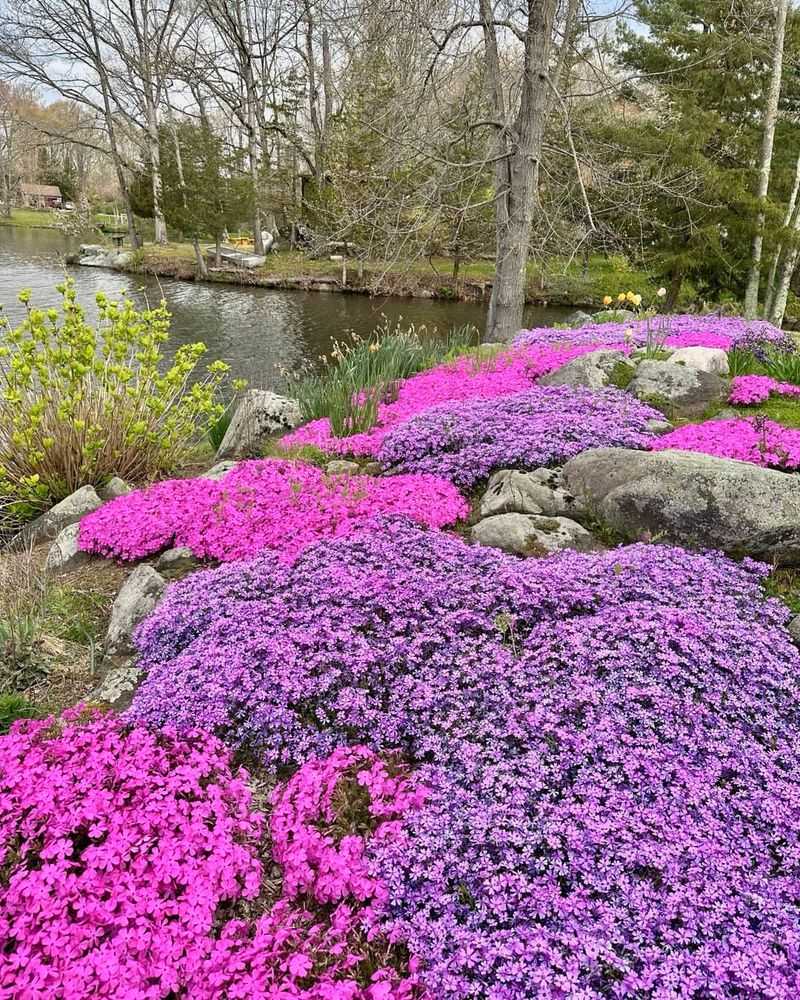
Masses of star-shaped blooms create colorful domes that cover plants from top to bottom during Florida’s cooler months. The intense flowering response to cool season conditions makes this annual variety a standout performer in beds, borders, and containers.
Bright winter sunlight encourages compact, bushy growth packed with flowers in shades of pink, purple, red, white, and bicolors.
Their sweet fragrance attracts butterflies and other pollinators, bringing movement and life to the garden during a season when many insects are just becoming active.
The individual flowers are small but appear in such abundance that they create solid sheets of color.
This generous flowering habit makes them excellent choices for filling large areas or creating bold statements in the landscape.
They appreciate consistent moisture and regular feeding to support their impressive bloom production throughout the season. Good air circulation helps keep foliage healthy, so spacing plants according to package directions pays off in the long run.
Deadheading is rarely necessary as new flowers quickly cover any fading blooms. Their mounding habit works beautifully in combinations with upright or trailing plants, adding fullness and color to mixed containers.
The cheerful, abundant blooms embody everything gardeners love about Florida’s cool season growing conditions.
9. Verbena (Annual Varieties)
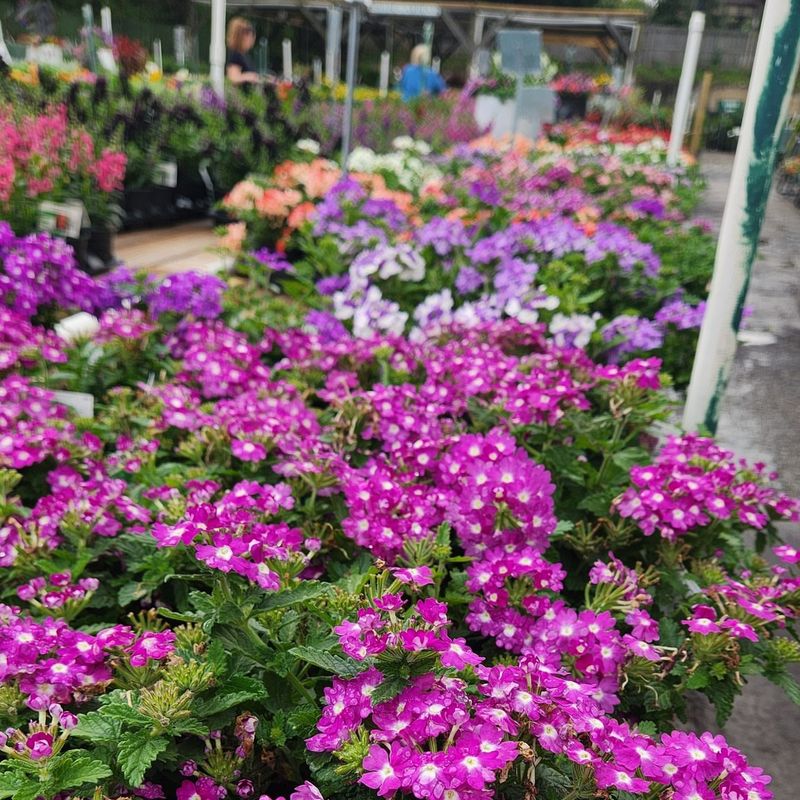
Clusters of small flowers create flat-topped displays that seem to float above trailing stems, bringing both color and texture to cool season plantings.
Annual types thrive in the bright, moderate conditions Florida offers during winter months, spreading vigorously to fill containers and cascade over walls.
The lower angle of cool season sunlight penetrates the plant canopy beautifully, encouraging flowering along the entire length of each stem.
Butterflies find these blooms irresistible, often visiting gardens repeatedly throughout the day to sip nectar from the tiny tubular flowers. The color range includes vibrant purples, hot pinks, crisp whites, and rich reds, with many varieties offering contrasting white centers.
Their spreading habit makes them perfect for hanging baskets, window boxes, and as groundcovers in beds.
They handle full sun locations with ease during the cooler months, soaking up those bright rays without stress. Well-drained soil is important, as they prefer conditions that dry slightly between waterings rather than staying constantly moist.
Regular feeding keeps them blooming prolifically throughout the season. Gardeners should be mindful that some verbena species, particularly tall types like purpletop verbena, can spread outside cultivated areas, though most modern annual bedding varieties are not invasive.
10. Calibrachoa
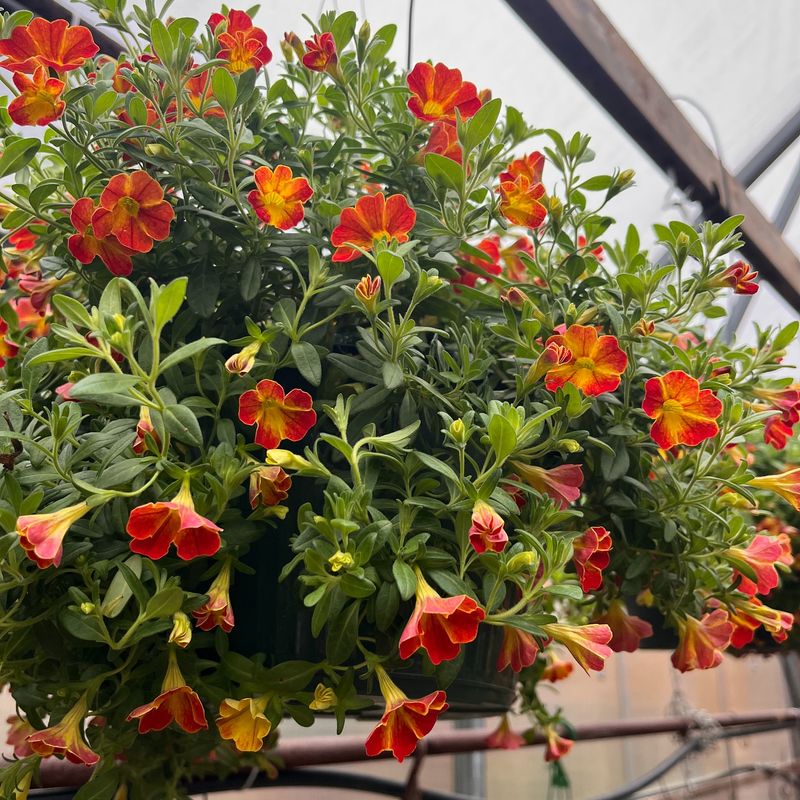
Sometimes called million bells for their prolific flowering habit, these charming plants produce countless small blooms that resemble miniature versions of their larger relatives.
Cool season conditions in Florida create the perfect environment for their cascading growth and nonstop flowering display.
The bright, gentle sunlight of winter encourages dense branching covered in flowers from end to end.
Their trailing stems make them naturals for hanging baskets and tall containers where they can spill gracefully over the edges. The flowers come in an amazing array of colors including yellows, oranges, pinks, purples, reds, and whites, often with contrasting veining or centers.
Many gardeners combine multiple colors in one container for spectacular mixed displays.
They appreciate consistent moisture and regular feeding to support their incredible flower production throughout the season. Unlike some trailing plants, they maintain their dense, full appearance without becoming sparse or leggy in the center.
Their small leaves and flowers create a delicate, refined look that works beautifully in both contemporary and traditional garden styles.
The sheer abundance of blooms brings a sense of abundance and celebration to outdoor spaces, reminding us that Florida’s cool season offers some of the most satisfying gardening experiences of the entire year.
11. Calendula
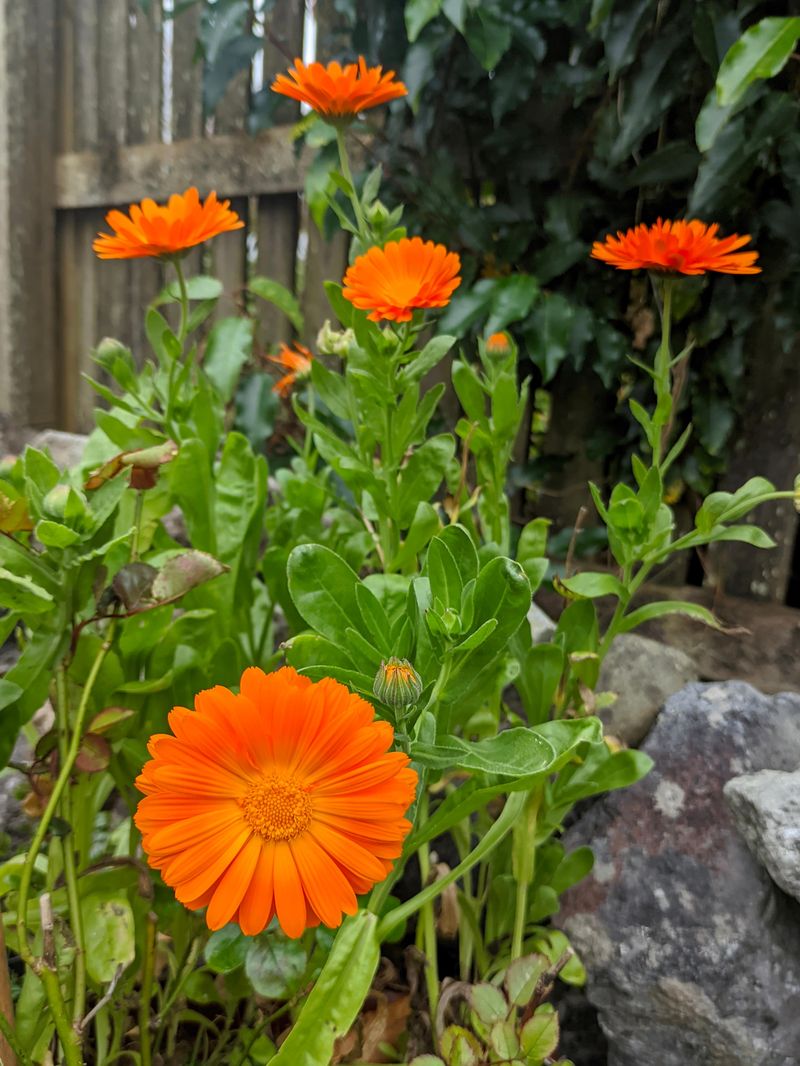
Cheerful daisy-like blooms in warm shades of orange and yellow bring sunshine to the garden even on cloudy days.
These old-fashioned favorites have been grown for centuries, valued not only for their beauty but also for their edible petals that add color to salads and other dishes.
Florida’s cool season provides exactly the conditions they need to flourish, with bright days and comfortable temperatures that encourage robust growth.
The flowers open fully in response to sunlight, creating bold splashes of color that close slightly in the evening, adding a dynamic quality to the garden. Their upright growth habit and bushy form make them excellent choices for cutting gardens and mixed borders.
Many gardeners appreciate their easy-going nature and willingness to bloom reliably with minimal fussing.
They prefer full sun locations during the cooler months, where they soak up those bright rays and reward you with continuous flowering. Regular deadheading keeps new buds forming and extends the bloom period considerably.
Their cheerful presence and warm colors create an inviting atmosphere that makes spending time outdoors even more enjoyable.
Planting them in groups creates bold statements, while single plants tucked into mixed containers add pops of sunny color that brighten the entire composition and remind us why this season is such a gift.
Calendula plants typically decline once temperatures consistently rise into the upper 70s and 80s, making them a true cool-season flower in Florida. As spring approaches and nights warm, most cool-season flowers naturally decline due to rising humidity and disease pressure.
Replacing them with heat-tolerant plants is part of the normal seasonal transition in Florida gardens.