4 Flowering Shrubs Safe To Trim Now In Texas And 4 You Shouldn’t Touch
If your yard is starting to look a little wild, you might be tempted to grab the clippers and start snipping away. Early spring in Texas puts everything into growth mode, but not every flowering shrub appreciates a trim right now.
In fact, pruning at the wrong time can mean fewer blooms, stressed plants, or a season without those colorful flowers you were hoping for. The trick is knowing which shrubs benefit from a light haircut and which ones need to be left alone until later in the year.
From fast growing favorites that respond well to early shaping to bloomers that set buds months in advance, timing makes all the difference.
Before you make a single cut, here is what Texas gardeners should know about which flowering shrubs are safe to trim now and which ones are better left untouched for the moment. Your future blooms will thank you.
1. Roses (Shrub And Bush Roses)
Few things in a Texas garden are as rewarding as a rose bush loaded with blooms in spring. To get there, though, you need to give your roses a good trim in late January or early February.
That window is the sweet spot for most parts of Texas, when the plant is still dormant but just about to wake up.
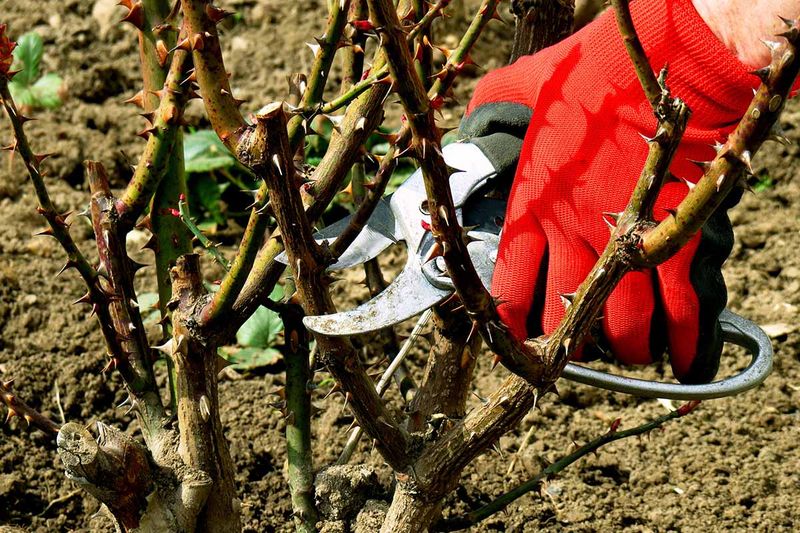
Start by removing any canes that look dry, shriveled, or dark brown all the way through. Then take out any weak, thin stems that probably won’t support good flower growth.
Crossing canes should go too, since they rub against each other and create wounds that invite disease.
After cleaning things up, aim to leave three to five strong, healthy canes on each plant. Make your cuts at a 45-degree angle just above an outward-facing bud. This encourages the plant to grow outward instead of getting crowded in the center.
In Texas, the warm climate means roses can bounce back fast after a proper late-winter pruning. You will likely see new red growth popping out within just a couple of weeks.
Skipping this step often leads to a messy, tangled plant with fewer and smaller blooms. Taking an hour or two now to prune your roses properly sets the entire season up for success right in your own backyard.
2. Crape Myrtle
Crape myrtles are one of the most beloved flowering trees and shrubs across Texas, and for good reason. They put on a spectacular show of blooms every summer, and they are tough enough to handle the brutal Texas heat.
Since they bloom on new wood, late winter is actually the perfect time to give them some attention.
Here is something important to remember: thinning and shaping is the goal, not heavy topping.
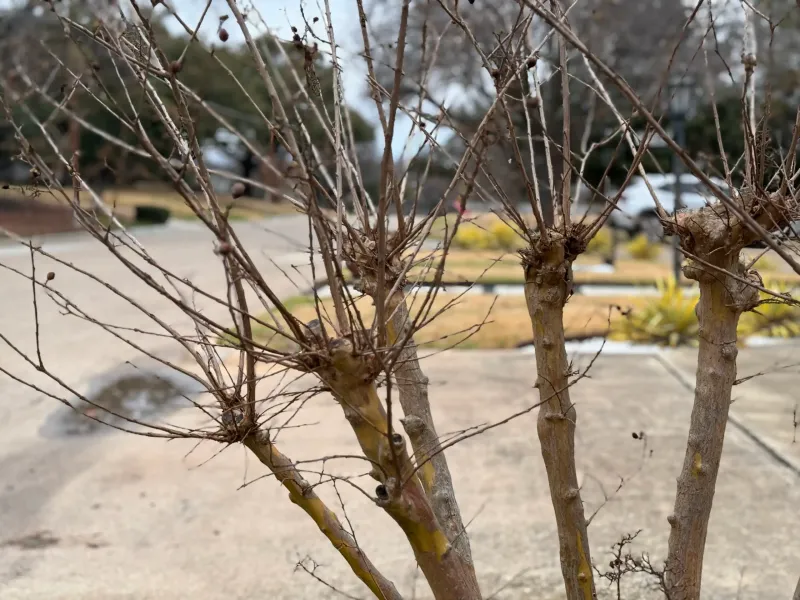
There is a bad habit called crape murder that happens when gardeners chop the tops of crape myrtles down to ugly stubs every year. It weakens the plant over time and creates a knobby, unnatural look that takes years to fix.
Instead, remove any crossing branches, thin out the interior for better airflow, and clean up any suckers growing from the base.
If you need to reduce the size, make cuts back to a natural branching point rather than just chopping across the canopy. Shape the plant so it looks balanced and clean.
Crape myrtles in Texas respond beautifully to thoughtful late-winter pruning. You will see strong new growth shoot out in spring, followed by a full flush of summer color.
Whether yours is a compact shrub variety or a tall tree form, the same gentle approach applies. A little care now means a stunning display all summer long in your Texas landscape.
3. Glossy Abelia
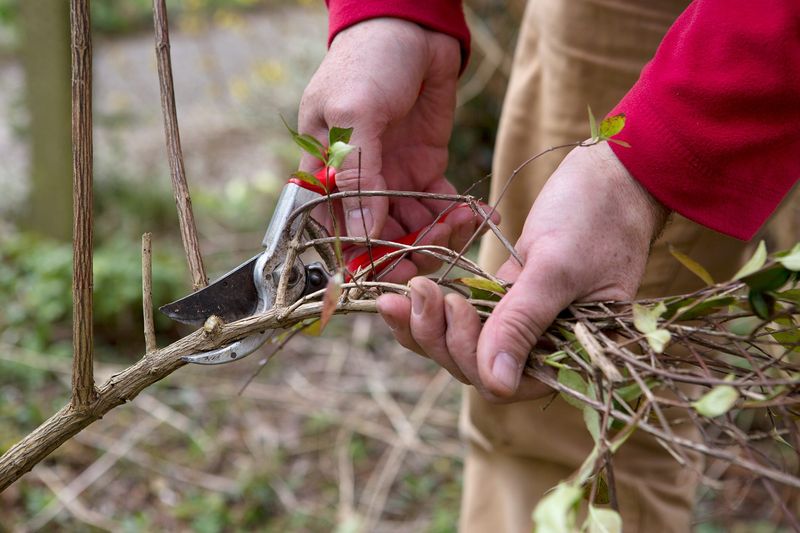
Glossy abelia is one of those shrubs that quietly earns its place in a Texas garden season after season. It blooms from late spring all the way through fall, which is an incredibly long show compared to many other flowering shrubs.
The blooms appear on new growth, which is exactly why late winter is a smart time to pick up the pruning shears.
Light thinning is the way to go with abelia. You do not need to cut it back hard to get results.
Removing older, woody stems from the base helps the plant push out fresh new growth, which is where all those little white and pink flowers will appear later in the season.
Improving airflow through the center of the plant also helps prevent fungal issues, which can be a concern in the humid parts of Texas.
Abelia grows with a naturally graceful, arching habit, so try to preserve that look when you prune. Avoid shearing it into a tight ball shape, which ruins its character and reduces blooming.
Instead, selectively remove a few of the oldest stems each year and lightly shape the outer edges.
Across Texas, abelia is often used as a hedge or border plant because it handles heat and drought well. Giving it a thoughtful trim now sets it up to look lush and full by late spring.
It is a low-maintenance shrub that rewards even minimal pruning effort with months of continuous color.
4. Spirea (Japanese And Summer-Blooming Types)
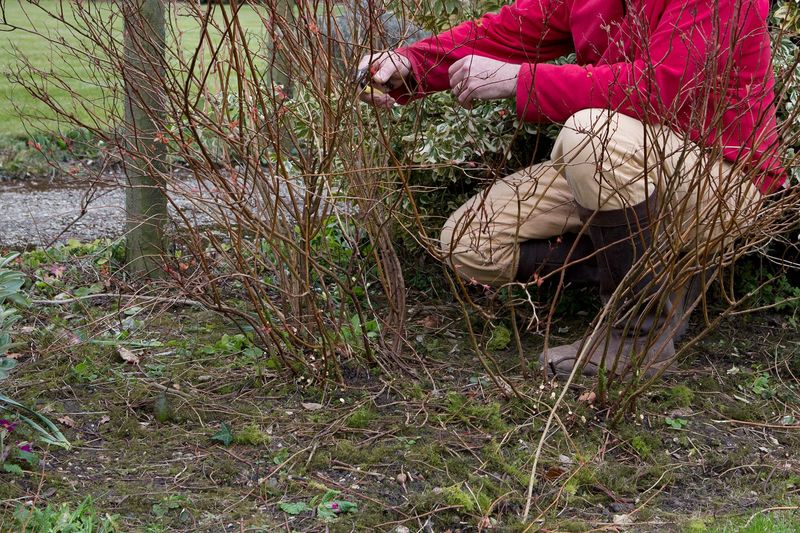
Not all spireas are created equal when it comes to pruning timing. The key is knowing which type you have.
Spring-blooming spireas like bridal wreath bloom on old wood and should be pruned after they flower. But summer-blooming types, including Japanese spirea varieties, bloom on new wood and are perfectly safe to trim right now in late winter across Texas.
Cutting summer spirea back by about one-third is a solid rule of thumb. This approach stimulates the plant to push out lots of fresh new stems, and those new stems are where the flowers will form.
Skipping the winter trim often results in a leggy, woody plant with blooms only at the tips of long bare branches.
When you prune, make your cuts just above a set of buds or a leaf node. Try to shape the plant into a rounded, natural mound rather than a flat-topped hedge. Spirea looks best when it has a soft, flowing outline in the landscape.
Summer spirea is a tough and adaptable plant that handles Texas heat with ease. After a good late-winter trim, you can expect the plant to fill back in quickly as temperatures warm up in spring.
By early summer, it will be covered in clusters of pink or white flowers that attract pollinators to your garden. A little pruning effort now goes a long way toward a spectacular seasonal display in your Texas yard.
5. Azaleas
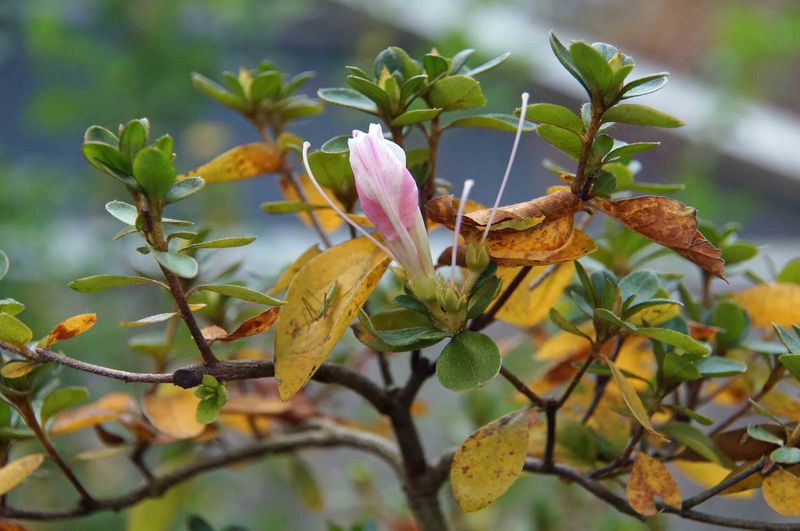
Walk through almost any Texas neighborhood in early spring and you will spot azaleas putting on one of the most vivid floral displays of the entire year. Bright pink, red, white, and purple blooms seem to appear almost overnight.
But here is the thing: those flowers are already being set up right now, in late winter, inside the buds you can see forming on the branches.
Trimming azaleas in late winter is one of the most common mistakes Texas gardeners make. Even a light pruning at this time will cut off the flower buds that are already there.
The result is a green, leafy shrub with zero blooms for the entire spring season. That is a frustrating outcome that is completely avoidable with a little patience.
The right time to prune azaleas is shortly after they finish blooming, usually in late spring. That window gives the plant the rest of the growing season to set new buds for the following year.
Keep pruning light and focused on shaping and removing any dry or crossing branches. Azaleas thrive in the partially shaded, acidic soil conditions found in many East Texas and Houston-area landscapes. They are worth protecting with proper timing.
Resist the urge to tidy them up in winter, and they will reward you with a breathtaking spring show. Put a reminder on your calendar to prune them right after those gorgeous blooms fade away.
6. Hydrangeas (Bigleaf And Oakleaf)
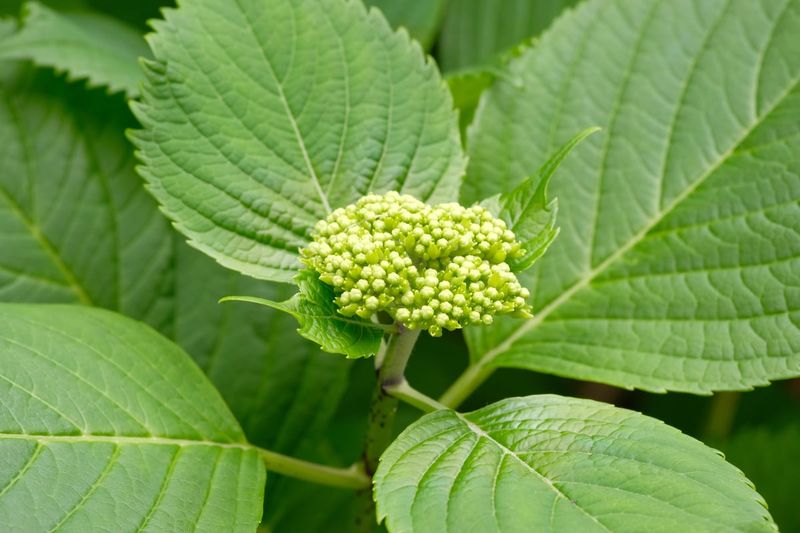
Hydrangeas are one of the most popular flowering shrubs in Texas, and they also cause some of the most confusion when it comes to pruning. The reason is simple: most of the common hydrangea types grown in Texas bloom on old wood.
That means the flower buds for this coming summer are already sitting right there on last year’s stems, even if the plant looks completely bare right now.
Pruning a bigleaf or oakleaf hydrangea in late winter removes those buds entirely. You will end up with a healthy-looking green plant that produces no flowers at all.
Many Texas gardeners have made this mistake and spent the whole summer wondering what went wrong.
The safe pruning window for these types is after they finish blooming, typically in late summer or early fall. At that point, you can remove spent flower heads, cut out any dry or damaged wood, and lightly shape the plant.
Avoid heavy cutting even then, since you want to protect the new buds that start forming for the following year.
One exception worth knowing about is the Endless Summer series and similar reblooming varieties, which can bloom on both old and new wood. Even with those, though, waiting until after the first bloom flush is a safer approach.
Across Texas, from Dallas to San Antonio, giving your hydrangeas the right pruning timing is the single biggest factor in getting a full and beautiful bloom display each season.
7. Gardenias
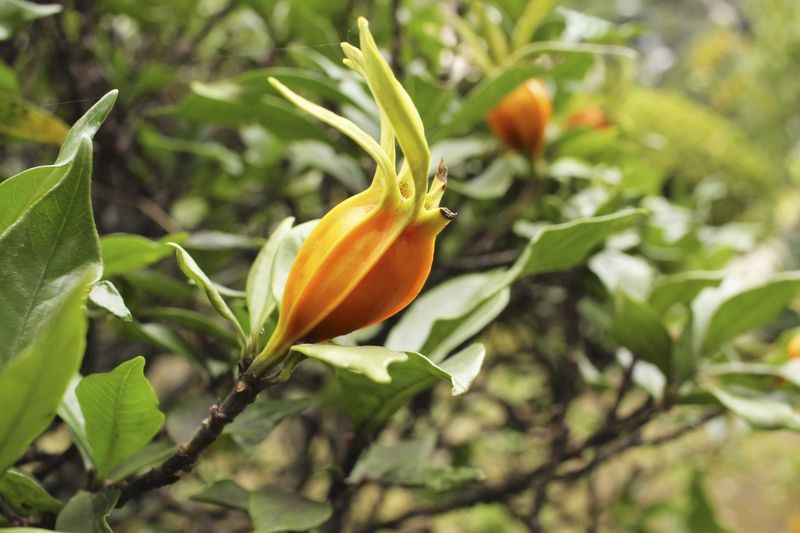
There is something almost magical about the scent of a gardenia in full bloom on a warm Texas evening. That fragrance is worth protecting, which means keeping your pruning shears away from gardenias right now.
Even though it might be tempting to tidy them up during the late-winter garden cleanup, gardenias are already quietly setting their buds for late spring and early summer blooms.
Cutting into a gardenia now means cutting off those developing buds. The fewer buds left on the plant, the fewer flowers you will see when bloom time arrives.
In a warm climate like Texas, gardenias can be prolific bloomers when they are left undisturbed during this critical bud-setting period.
The best time to prune gardenias is right after they finish flowering, usually in midsummer. At that point, remove any leggy or overgrown stems, shape the plant lightly, and clean up any dry wood.
Avoid cutting back more than one-third of the plant at once to keep it healthy and strong.
Gardenias prefer acidic, well-drained soil and partial shade, conditions that are fairly easy to provide in many Texas gardens, especially in the eastern and coastal regions of the state.
They can be a little fussy about care, but pruning at the right time is one of the simplest ways to keep them happy.
Patience now means a yard full of that unforgettable fragrance just a few months from now.
8. Camellias
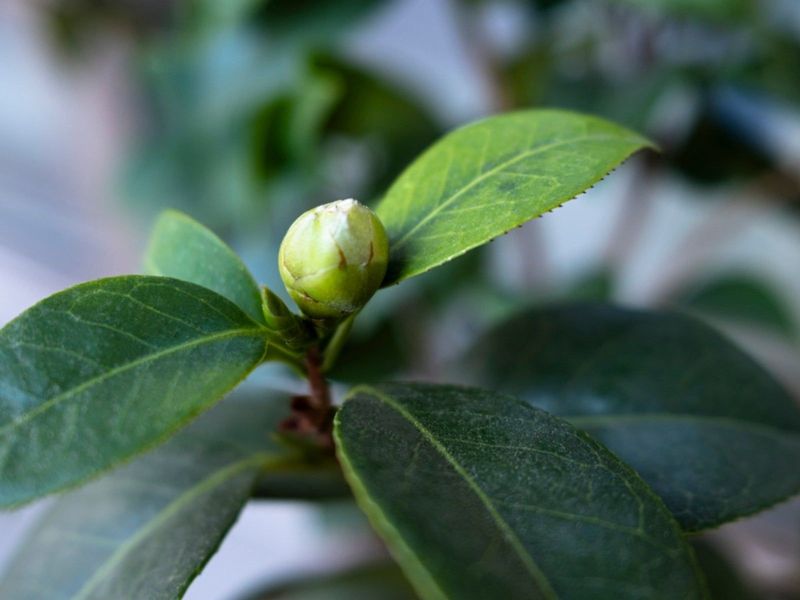
Camellias are one of the most stunning winter-blooming shrubs you can grow in Texas, particularly in the eastern and Gulf Coast regions where the climate suits them well.
Some varieties are still actively blooming in late winter, while others are just finishing their bloom cycle. Either way, now is absolutely not the time to reach for the pruning shears.
Pruning a camellia while it is blooming or just about to bloom cuts off the flowers you have been waiting all year to enjoy. Even more importantly, early pruning can interrupt the next bloom cycle.
Camellias set their buds for the following season during the growing months, and aggressive off-season pruning disrupts that process significantly.
Wait until the last flowers have faded before doing any pruning. For most Texas gardeners, that window falls somewhere between late winter and early spring, depending on the variety.
Once blooming is completely finished, you can remove any dry or crossing branches, lightly shape the plant, and thin out dense interior growth to improve airflow.
Camellias are slow-growing shrubs, so avoid heavy pruning that removes large amounts of the plant at once. Light, thoughtful cuts are all that is needed to keep them looking their best.
With the right care and proper timing, camellias can become a true showpiece in a Texas garden, delivering gorgeous blooms year after year during the cooler months when most other plants are resting quietly.