9 Flowering Vines Texas Gardeners Love For Backyard Privacy
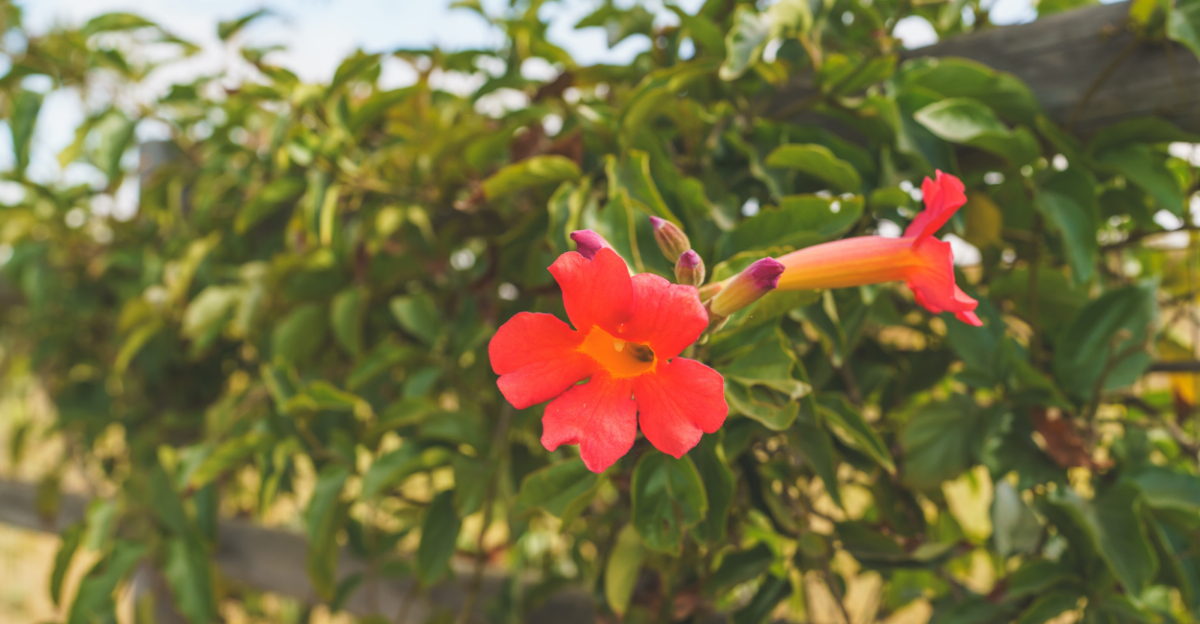
Backyard patios and porches in Texas often feel like an extension of home life. For many gardeners, privacy and beauty go hand in hand, whether you’re hosting a family barbecue, enjoying an afternoon with a book, or watching grandchildren play.
Over the years, vines climbing fences and trellises become part of the rhythm of daily life, quietly transforming a space into something inviting.
Flowering vines are the perfect solution, blending vibrant color with natural coverage. They thrive in the Texas sun, attract hummingbirds and butterflies, and provide a living screen that’s both functional and visually striking.
Many are easy to care for, fitting naturally into familiar gardening routines and low-maintenance landscapes.
By picking the right varieties, you can turn ordinary fences and walls into lush, flowering backdrops. The next choices will highlight vines that grow fast, bloom reliably, and bring color and privacy to every backyard corner.
1. Cross Vine With Its Bold Blooms
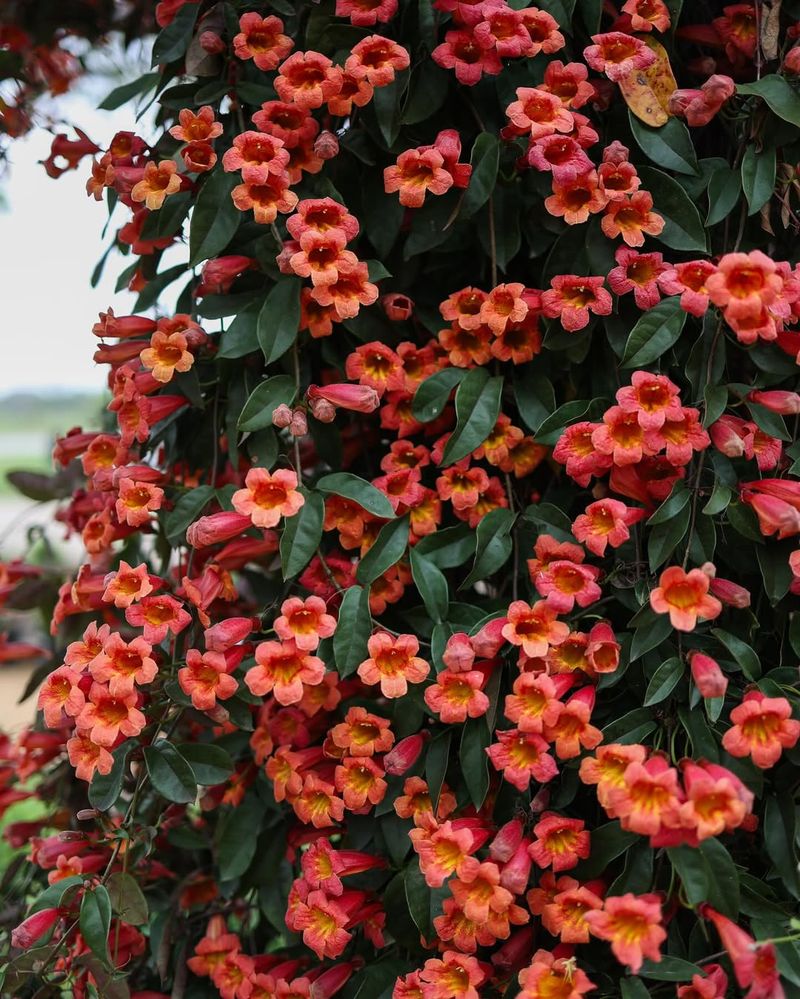
Few native plants pack as much color and coverage as Cross Vine, a true Texas treasure that gardeners have relied on for generations. Named for the cross-shaped pattern you can see when you cut its stem, this vigorous climber produces stunning trumpet-shaped blooms in shades of orange, red, and yellow every spring.
It produces vibrant blooms that attract hummingbirds and can create a striking display along fences or trellises.
Cross Vine grows fast, sometimes reaching up to 30 feet, which means it fills a fence or trellis in record time. In warmer parts of Texas, it stays semi-evergreen, keeping your privacy screen looking full even through the cooler months.
Plant it in full sun or partial shade, give it something sturdy to climb, and it will reward you generously.
Watering needs are low once established, but it benefits from occasional supplemental watering during extended dry periods in Texas summers. It also handles clay and sandy soils well, which matters a lot across the state’s varied landscapes.
For gardeners who want fast, reliable coverage with serious flower power, Cross Vine is a go-to choice.
2. Coral Honeysuckle That Climbs With Charm

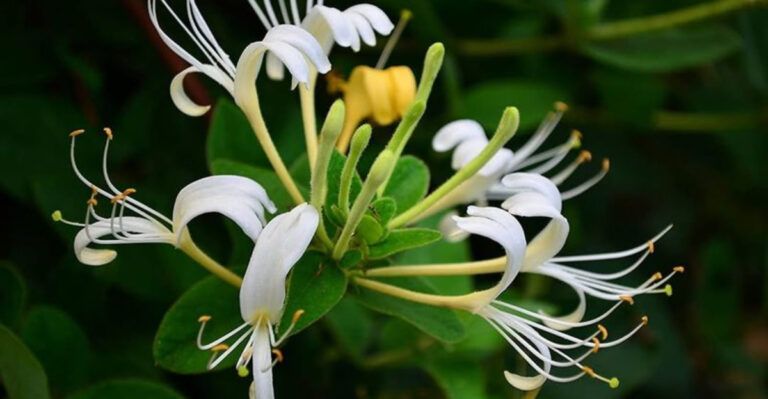
Gardeners across Texas have a soft spot for Coral Honeysuckle, and it is easy to understand why. Unlike its invasive Japanese cousin, this native honeysuckle plays nicely in the garden without taking over everything around it.
Its slender, tubular flowers in rich shades of red and coral appear from spring through fall, turning any ordinary fence into a living work of art that hummingbirds absolutely love.
Coral Honeysuckle thrives in both full sun and partial shade, which gives Texas gardeners a lot of flexibility when choosing where to plant it. It handles the heat of a Dallas summer and the humidity along the Gulf Coast with equal ease.
Growth is steady rather than explosive, reaching about 15 to 20 feet, making it manageable for most backyard setups.
Once established, this vine is impressively drought tolerant, asking for very little supplemental watering during dry spells. It also attracts butterflies and songbirds, adding lively movement and natural sound to your outdoor space.
Pair it with a simple trellis or let it weave through a chain-link fence for a charming, low-maintenance privacy solution that keeps on giving season after season.
3. Passion Vine And The Colorful Surprise

There is nothing quite like the alien-looking blooms of Passion Vine to stop visitors in their tracks. The flowers look like something designed by a sci-fi artist, featuring intricate rings of purple and white filaments that seem almost too wild to be real.
Native to Texas and much of the southeastern United States, this vine brings genuine wow factor to any backyard privacy setup.
Beyond its stunning looks, Passion Vine is a powerhouse for local wildlife. It serves as a host plant for Gulf Fritillary butterflies, and caterpillars may be observed on the leaves during the growing season.
Do not be alarmed by this, because the vine bounces back quickly and the butterflies are a beautiful bonus to your garden experience.
Passion Vine grows vigorously in Texas heat and spreads readily, so giving it a dedicated trellis or fence helps keep it organized. Once rooted, it tolerates dry conditions reasonably well but benefits from occasional watering during prolonged dry spells.
The edible fruits it produces, known as maypops, are a fun bonus that you can enjoy fresh off the vine. For Texas gardeners wanting beauty, wildlife value, and privacy all in one plant, Passion Vine delivers on every level.
4. Cypress Vine That Twists Into Privacy
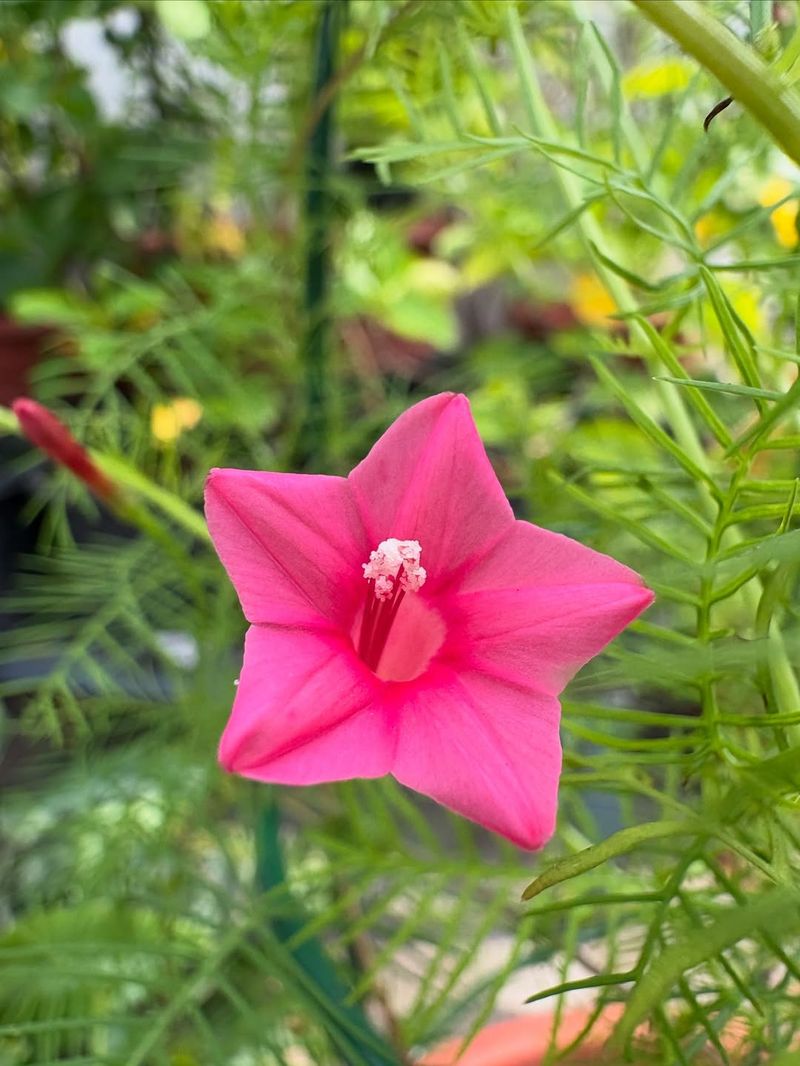
Cypress Vine is the kind of plant that gardeners stumble upon once and then grow every single year afterward. Its feathery, fern-like leaves create a soft, airy texture that looks elegant draped over a fence or trellis, and the tiny star-shaped red flowers that appear all summer long are irresistible to hummingbirds.
If you have ever wanted a garden that feels like a scene from a storybook, this vine helps get you there.
Originally from tropical America, Cypress Vine has found a very comfortable home in Texas, where the warm summers give it plenty of growing time. It is an annual vine, meaning it completes its full life cycle in one season, but it self-seeds generously, so once you plant it, it tends to return on its own year after year.
That makes it a surprisingly low-effort choice for gardeners who appreciate plants that take care of themselves.
Plant Cypress Vine in a sunny spot and give it a structure to climb, and it will quickly cover the space with its lacy green foliage. It grows fast, reaching 10 to 20 feet in a single season, which is impressive for an annual.
Water it occasionally during dry stretches, and it will keep producing those cheerful red blooms right up until the first cool nights of fall arrive in Texas.
5. Hyacinth Bean Bringing A Splash Of Fun
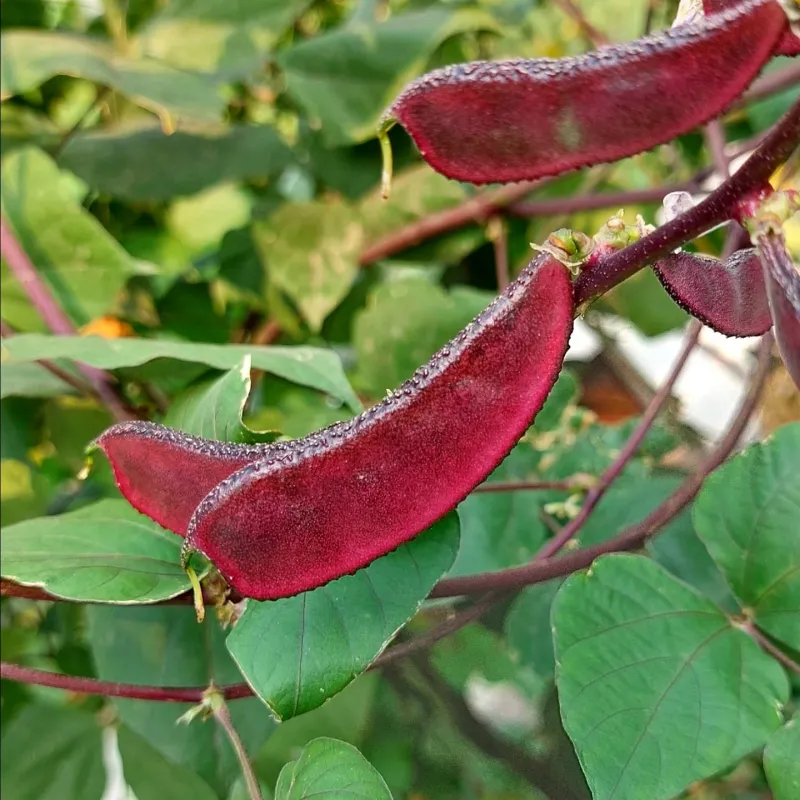
Bold, dramatic, and unexpectedly easy to grow, Hyacinth Bean is one of those vines that makes a real statement in the Texas garden. The purple-tinted leaves, vibrant lavender-purple flower clusters, and glossy deep-purple seed pods work together to create a layered visual display that no single-season annual can match.
Even when the flowers are not in full bloom, the foliage alone earns admiring comments from anyone who passes by.
Hyacinth Bean thrives in the Texas heat, loving long sunny days and warm nights that would wilt lesser plants. It grows quickly, easily reaching 10 to 15 feet in one season, and covers fences and trellises with impressive speed.
Plant the large seeds directly in the soil after the last frost date, and within a few weeks you will see vigorous growth taking off in the right direction.
One important note for Texas families: the raw beans contain compounds that can be toxic if eaten, so it should be grown as an ornamental only. Hummingbirds and butterflies are drawn to the flowers, adding extra life to your backyard.
For a fast-growing, eye-catching privacy vine that thrives across Texas through the hottest months, Hyacinth Bean is a smart and showy pick.
6. Morning Glory That Greets Every Sun
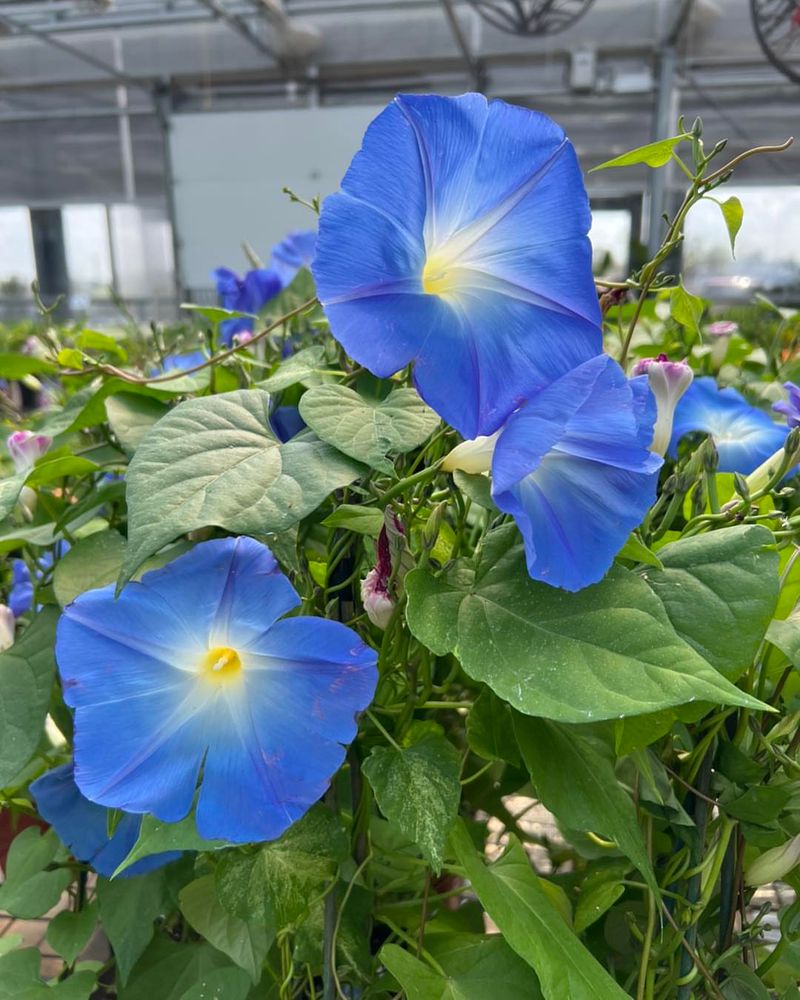
Ask any longtime Texas gardener about easy, cheerful vines and Morning Glory will come up almost every time. The classic trumpet-shaped blooms in shades of vivid blue, purple, pink, and white open fresh each morning, giving your fence or trellis a new burst of color with the sunrise.
There is something genuinely uplifting about stepping outside to see those bright flowers greeting the day alongside you.
Morning Glory grows incredibly fast from seed, making it one of the most accessible vines for beginner gardeners in Texas. Soak the seeds overnight before planting to speed up germination, then direct sow them in a sunny spot after the last frost.
Within just a few weeks, you will have a rapidly climbing vine that covers a lot of ground before summer even peaks.
Across Texas, Morning Glory performs best in full sun with well-drained soil and moderate watering. It is an annual that self-seeds freely, so many gardeners find it returns reliably each spring without any extra effort.
The flowers close in the afternoon heat, which is completely normal, and they reopen fresh the following morning. Pollinators visit the blooms, and the heart-shaped foliage can provide good coverage along fences when plants are healthy and well-established.
7. Trumpet Vine Blowing Vibrant Notes
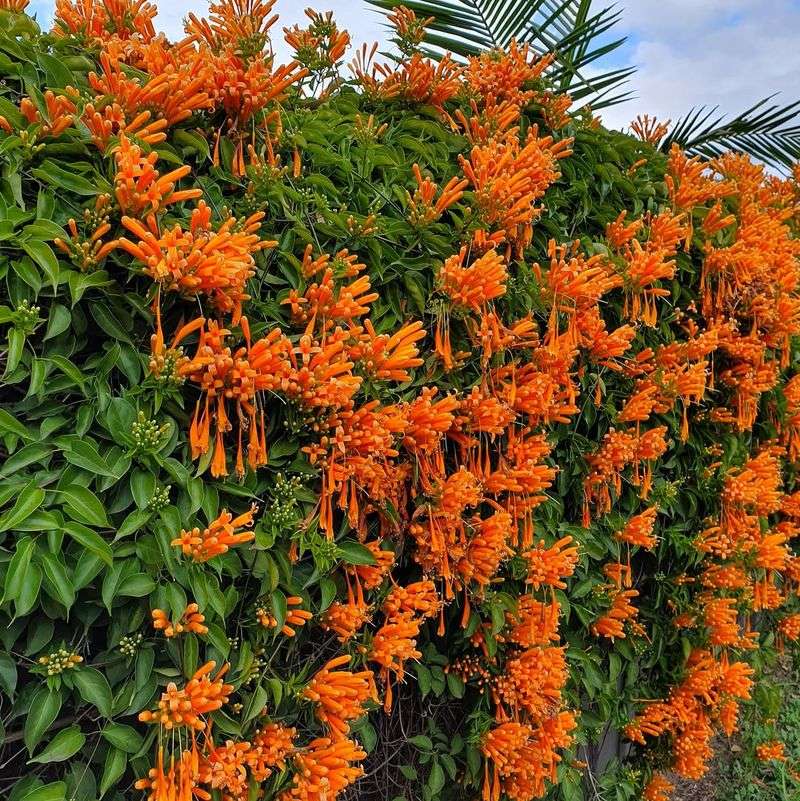
When Texas gardeners need a vine that means serious business, Trumpet Vine is often the answer. This powerhouse climber produces clusters of large, fiery orange and red trumpet-shaped flowers that hummingbirds cannot resist, and it grows vigorously and can quickly cover fences or trellises when properly supported.
Once established, it clings to fences, walls, and trellises with strong aerial rootlets, building a dense, leafy screen that blocks sightlines effectively.
Native to the eastern United States and well-adapted to Texas conditions, Trumpet Vine handles brutal summer heat without missing a beat. It blooms from late spring through early fall, providing months of continuous color and wildlife activity in your backyard.
The flowers are large and showy, making a bold visual statement that smaller, daintier vines simply cannot match.
One thing worth knowing before you plant: Trumpet Vine grows aggressively, sometimes spreading beyond where you initially intended. Giving it a strong support structure and trimming it back regularly keeps it looking tidy and prevents it from overtaking nearby plants or structures.
In North Texas and Central Texas especially, gardeners appreciate its tough drought tolerance once it gets established. Plant it where you want maximum coverage and color, and Trumpet Vine will exceed your expectations season after season with very little fuss from you.
8. Star Jasmine That Fills The Air
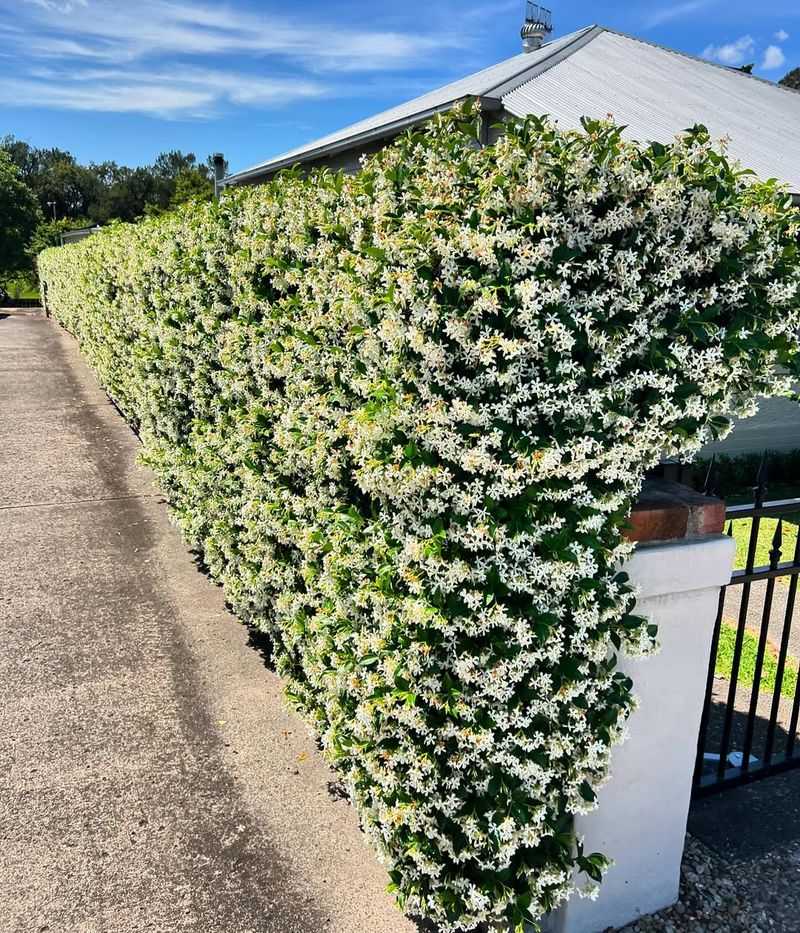
If your backyard privacy screen could also double as a perfume garden, Star Jasmine would be the obvious choice. The small, pinwheel-shaped white flowers that bloom from late spring into summer release a sweet, intoxicating fragrance that drifts across the yard on warm Texas evenings.
Sitting outside near a jasmine-covered fence is one of those simple garden pleasures that never gets old.
Star Jasmine is evergreen in most parts of Texas, which means it holds its glossy, dark green leaves through winter and keeps your fence looking full and attractive year-round. It grows at a moderate pace, reaching up to 20 feet, and works beautifully on fences, trellises, arbors, and even as a sprawling ground cover when not given vertical support.
Its tidy growth habit makes it easier to manage than some of the more aggressive climbing vines.
In terms of care, Star Jasmine is refreshingly low-maintenance for Texas gardeners. It tolerates full sun and partial shade, making it flexible enough to work in different yard conditions across the state.
Established plants handle moderate drought without complaint, though they appreciate occasional deep watering during extended dry periods. For gardeners in Houston, San Antonio, or Austin who want a refined, fragrant privacy vine that looks great all year, Star Jasmine is an outstanding and reliable option.
9. Evergreen Wisteria Wrapping Your Space In Beauty
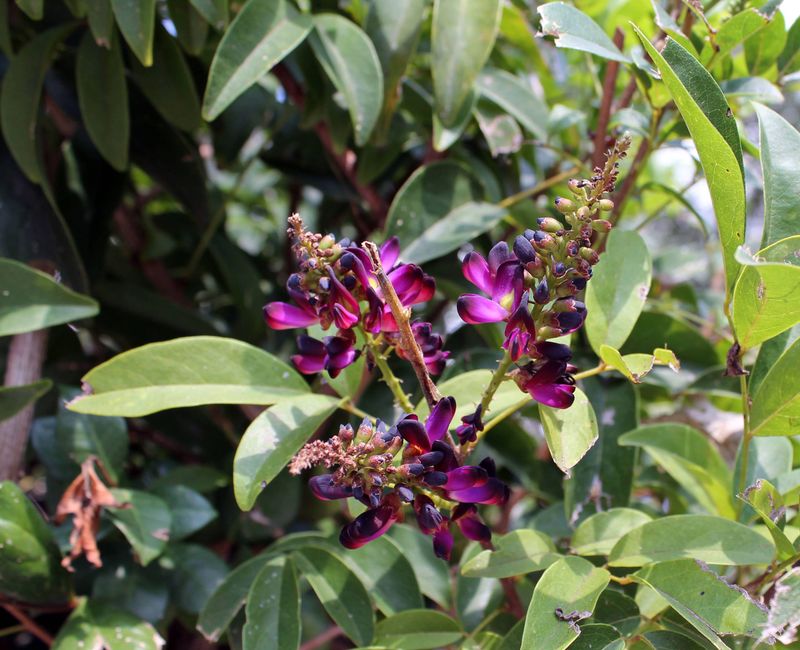
Evergreen Wisteria is the sophisticated, better-behaved cousin of the common wisteria that gardeners both love and fear. While traditional wisteria is notorious for taking over entire structures, Evergreen Wisteria, or Millettia reticulata, grows with more restraint while still delivering those gorgeous, fragrant flower clusters that make wisteria so appealing in the first place.
The blooms are a rich, deep purple and appear in late summer and fall, which is a welcome pop of color when many other vines have finished flowering.
For Texas gardeners, the evergreen nature of this vine is a major selling point. It holds its glossy, dark green leaves throughout the year, keeping your privacy screen intact even during mild Texas winters when deciduous vines leave fences bare and exposed.
It performs particularly well in the warmer regions of the state, including Houston and the Rio Grande Valley, where winters rarely dip to damaging temperatures.
Plant Evergreen Wisteria in full sun for the best flower production, and give it a sturdy support structure like a pergola, arbor, or heavy-duty trellis. It grows steadily to about 15 to 25 feet and requires occasional pruning to stay shapely.
The fragrant blooms attract pollinators, and the dense foliage creates excellent coverage. For Texas gardeners wanting year-round privacy with elegant late-season blooms, this vine is a genuinely rewarding choice.