4 Flowers Texas Gardeners Should Plant In March And 4 That Should Wait
March in Texas marks the perfect time to kickstart your garden, with the weather warming up and the soil ready to be worked.
But while the urge to plant everything in sight is strong, not all flowers are quite ready to be put in the ground. Some need a little more time to adjust to the season’s changing temperatures.
Choosing the right flowers for early planting ensures they’ll have the best chance to establish roots before the hot summer months hit. Certain varieties thrive in the early spring, bursting into color and giving your garden a head start.
On the other hand, some delicate flowers should wait until the risk of frost has passed and the soil has warmed enough to support their growth.
By knowing which flowers to plant now and which to hold off on, you’ll create a garden that flourishes with ease all season long. Timing really does make all the difference!
1. Pansies (Viola Tricolor Var. Hortensis)
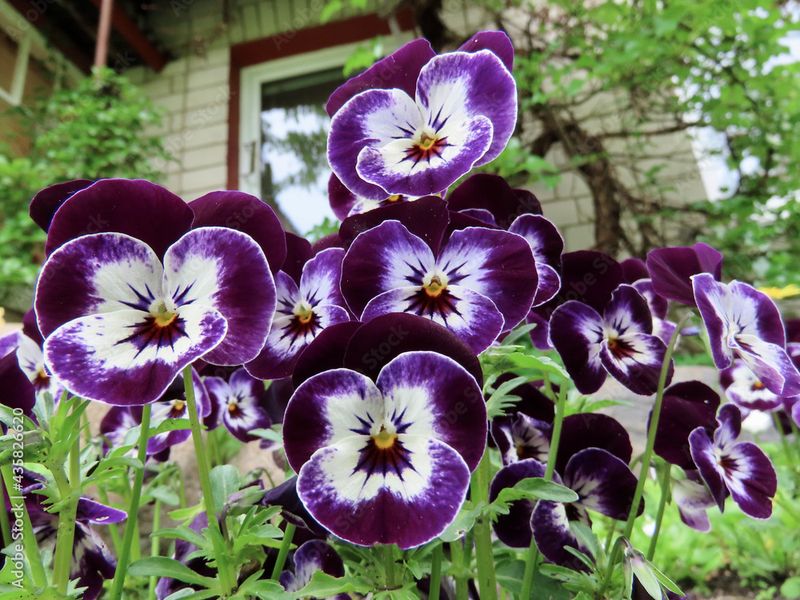
Few flowers bring as much cheerful color to a Texas garden in early spring as pansies. These little bloomers are practically made for March planting across the Lone Star State.
Their round, velvety faces in shades of purple, yellow, orange, and white can brighten up any yard, container, or flower bed almost instantly.
Pansies are cool-season annuals, which means they actually prefer the mild temperatures that Texas March weather delivers. They do not need intense heat to thrive.
In fact, too much heat slows them down, so getting them in the ground early is the smart move.
One of the best things about pansies is their toughness. They can survive light frosts without a problem, which is great news since surprise cold snaps can still happen in Texas during early spring.
Plant them in well-drained soil with plenty of sunlight, and they will reward you generously.
Pansies work beautifully in containers on porches, in raised garden beds, or along borders and pathways. Water them regularly but avoid soaking the roots.
A light layer of mulch helps retain moisture and keeps the soil temperature steady.
With proper care, pansies can bloom continuously from March all the way into late spring. They are a reliable, low-maintenance choice for Texas gardeners who want big color with minimal effort right from the start of the season.
2. Primroses (Primula Spp.)
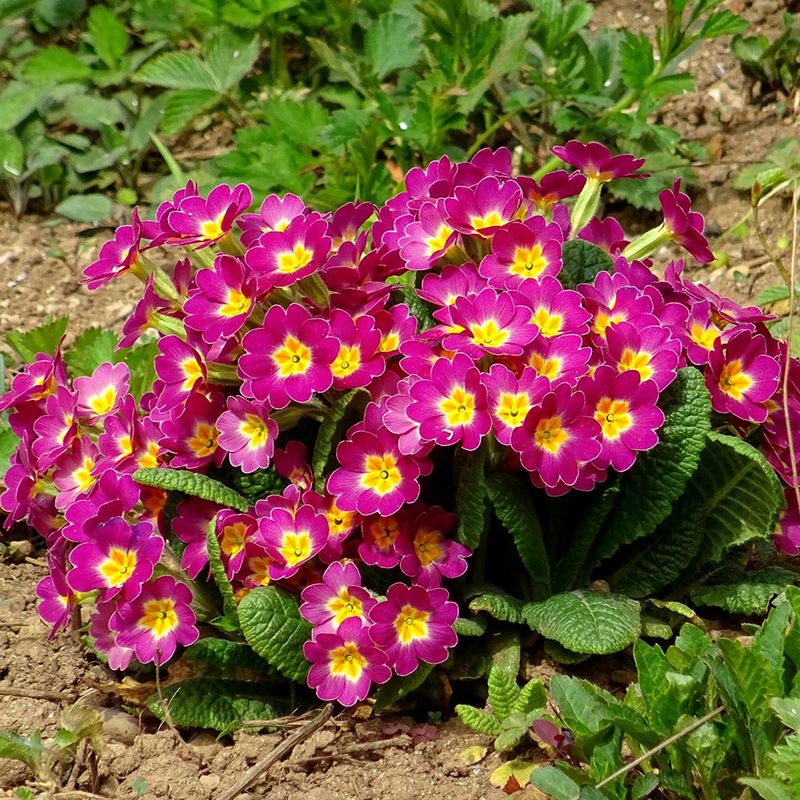
Walk into any Texas garden center in early March and you will almost certainly spot a table full of primroses. Their bold, jewel-toned blooms in red, pink, yellow, and purple are hard to miss.
Primroses are one of those flowers that feel like a celebration of spring before the season has even fully arrived.
These early-blooming plants love the cooler temperatures that March brings to Texas. They are happiest when the air is mild and the sun is not yet blazing.
That makes them a perfect fit for the transitional weather the state experiences during this time of year.
One important planting tip for Texas gardeners is to choose a spot with partial shade. Too much direct afternoon sun can stress primroses and shorten their bloom time.
Morning sun with afternoon shade is the sweet spot for keeping these flowers happy and colorful longer.
Primroses prefer moist, well-drained soil with good organic content. Adding compost to the planting area before putting them in the ground gives them a great head start. Water them consistently, but do not let the roots sit in standing water.
The wide variety of colors available makes primroses incredibly versatile for Texas landscapes. They look stunning grouped together in clusters or mixed with other cool-season flowers like pansies.
For gardeners in Central and North Texas especially, March is the ideal window to enjoy these vibrant beauties before summer heat moves in.
3. Snapdragons (Antirrhinum Majus)
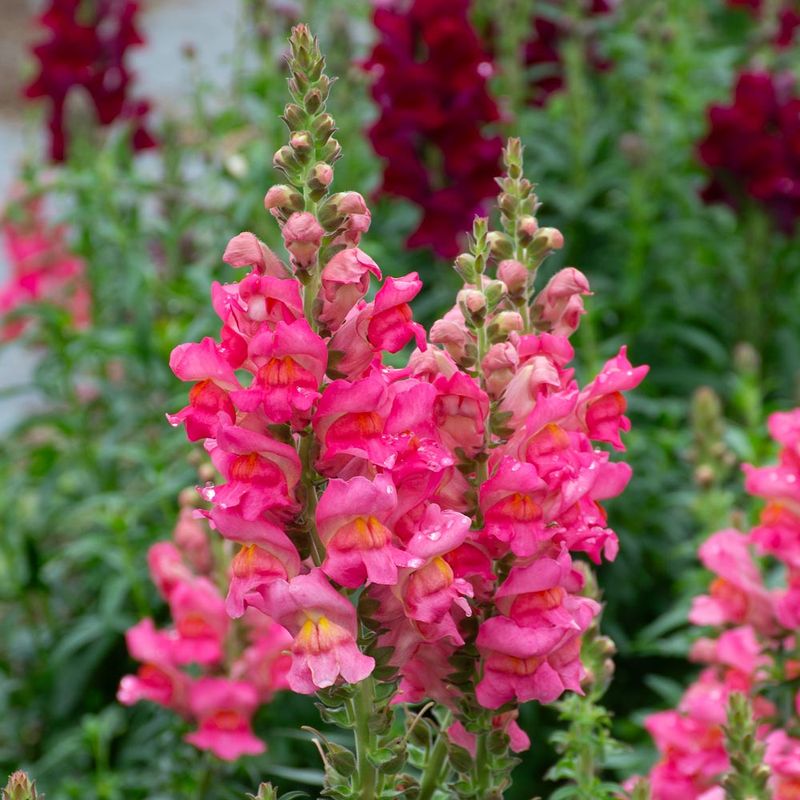
Snapdragons have a personality all their own. Their tall, colorful spikes covered in ruffled blooms look almost architectural in a garden bed, and kids love squeezing the flowers open and shut like little mouths.
Beyond the fun factor, snapdragons are genuinely one of the best flowers a Texas gardener can plant in March.
Cool temperatures are where snapdragons truly shine. March in Texas offers exactly the kind of mild, breezy conditions these plants crave.
They handle early spring temperature swings well and will keep producing blooms as long as the weather stays moderate. Once the intense Texas summer heat rolls in, their performance starts to fade, so early planting is key.
For best results, plant snapdragons in a spot that gets full sun to partial shade. Well-drained soil is a must because soggy roots can cause problems quickly.
Space the plants about six to twelve inches apart to allow good air circulation, which helps prevent fungal issues.
Snapdragons come in a dazzling range of colors including red, pink, orange, yellow, white, and bi-color varieties. They are excellent for cutting gardens since the long stems hold up beautifully in a vase.
Regular deadheading, which means removing spent blooms, encourages the plant to keep producing fresh flowers.
From South Texas to the Panhandle, snapdragons planted in March can bloom all the way through spring and into early summer, giving gardeners weeks of stunning color and a garden full of life.
4. Calendula (Calendula Officinalis)
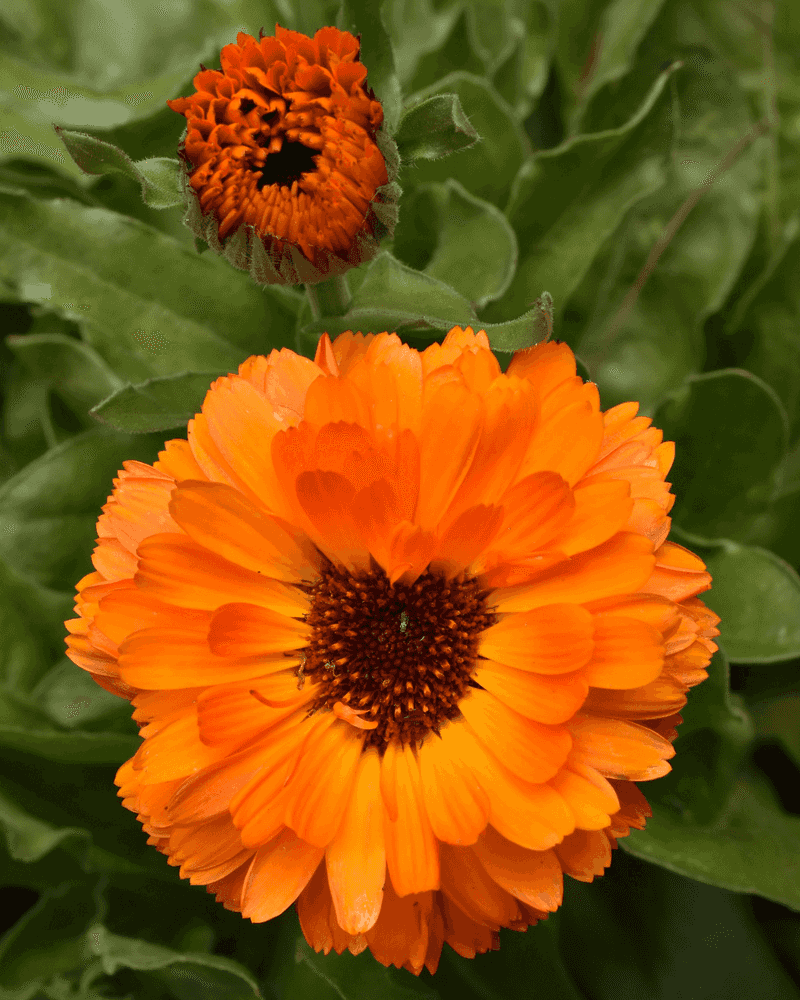
Calendula might just be the most underrated flower in Texas gardening. Sometimes called pot marigold, this cheerful annual produces brilliant orange and yellow blooms that can light up a garden like little suns.
And here is a fun bonus: the petals are actually edible and have been used in cooking and herbal remedies for centuries.
March is the perfect time to get calendula into the ground in Texas. As a hardy annual, it handles the cool temperatures of early spring without any fuss.
You can either direct-seed it straight into the garden bed or transplant seedlings you started indoors a few weeks earlier. Both methods work well.
Full sun is where calendula performs its best. Choose a planting spot that gets at least six hours of direct sunlight each day.
Well-drained soil is important too. Calendula is not picky about soil richness, but it does not like to sit in wet conditions for long periods.
Calendula is a fantastic choice for cutting gardens across Texas. The flowers last well in a vase and cutting them regularly actually encourages the plant to produce even more blooms. It is a win-win situation for gardeners who love fresh flowers indoors.
Pest resistance is another big advantage. Calendula naturally repels certain garden pests, making it a smart companion plant near vegetables or other flowers.
With minimal care and maximum visual impact, calendula earns its spot as one of March’s top planting choices for Texas gardeners everywhere.
5. Petunias (Petunia Spp.)
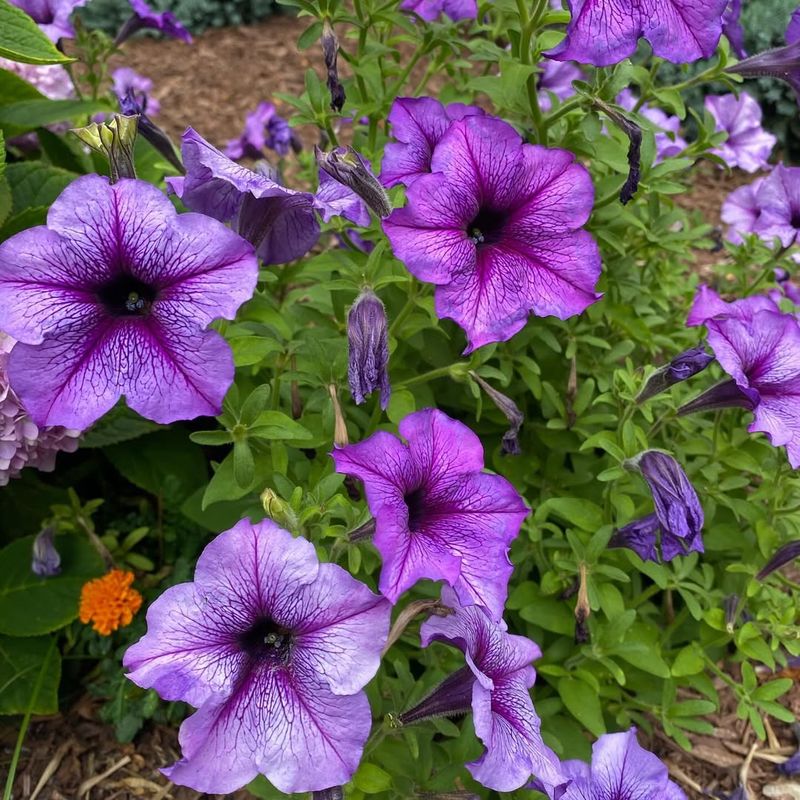
Petunias are a Texas garden favorite for good reason. Their trumpet-shaped blooms come in nearly every color imaginable, and they spill beautifully from hanging baskets, window boxes, and garden beds.
But as much as gardeners love them, March is simply too early to plant petunias in most parts of Texas.
Petunias are heat-loving plants at heart. They need warm soil and consistently mild nights to really get going.
In March, temperatures across Texas can still dip quite low, especially at night. Cold soil slows root development and can stress young petunia plants before they ever get a chance to establish themselves properly.
The smart move is to wait until late April or early May before putting petunias in the ground.
By then, the risk of frost has passed in most Texas regions, soil temperatures have climbed, and nighttime lows are much more comfortable for these warm-weather bloomers. Planting at the right time means faster growth and stronger plants overall.
While you wait, you can start petunia seeds indoors about six to ten weeks before your planned outdoor planting date. This gives you a head start and means your plants will be ready to explode with blooms the moment they go outside into the Texas warmth.
Petunias planted at the correct time will reward you with months of nonstop color straight through summer and into fall. Patience in March truly pays off with these beauties come late spring.
6. Impatiens (Impatiens Walleriana)
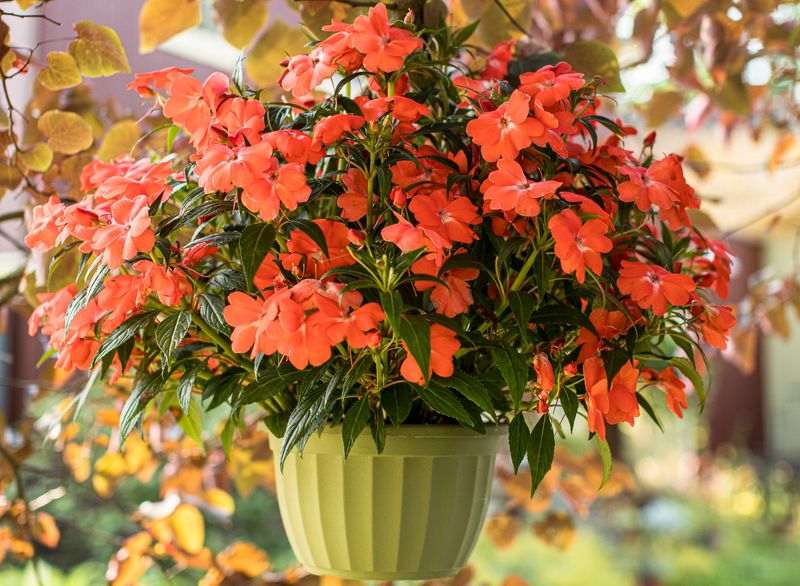
Impatiens are the go-to flower for shady spots in Texas gardens. Their soft, rounded blooms in shades of pink, red, white, coral, and lavender can transform a dark corner of the yard into something genuinely lovely.
However, planting them in March is a mistake that can set back your whole garden plan.
Cold sensitivity is the main issue with impatiens. These plants simply cannot handle frost or even prolonged exposure to chilly temperatures.
March nights in Texas, especially in North and Central Texas, can still get cold enough to damage or severely stress impatiens plants. The result is stunted growth and poor blooming.
Waiting until late April or early May is the right call for Texas gardeners who want healthy, thriving impatiens. By that point, both soil and air temperatures have warmed up enough to support strong root development and steady growth.
Plants put in the ground at the right time catch up quickly and outperform early-planted ones.
When the time does come to plant, choose a spot with partial to full shade. Impatiens do not enjoy intense direct sun, especially during the hot Texas afternoons of summer.
Keep the soil consistently moist but never waterlogged, and they will reward you with a carpet of color all season long.
Impatiens also work wonderfully in containers and hanging baskets placed on shaded patios and porches across Texas. Their lush, mounding habit makes them look full and generous almost immediately after planting in warm conditions.
7. Tropical Hibiscus (Hibiscus Rosa-Sinensis)
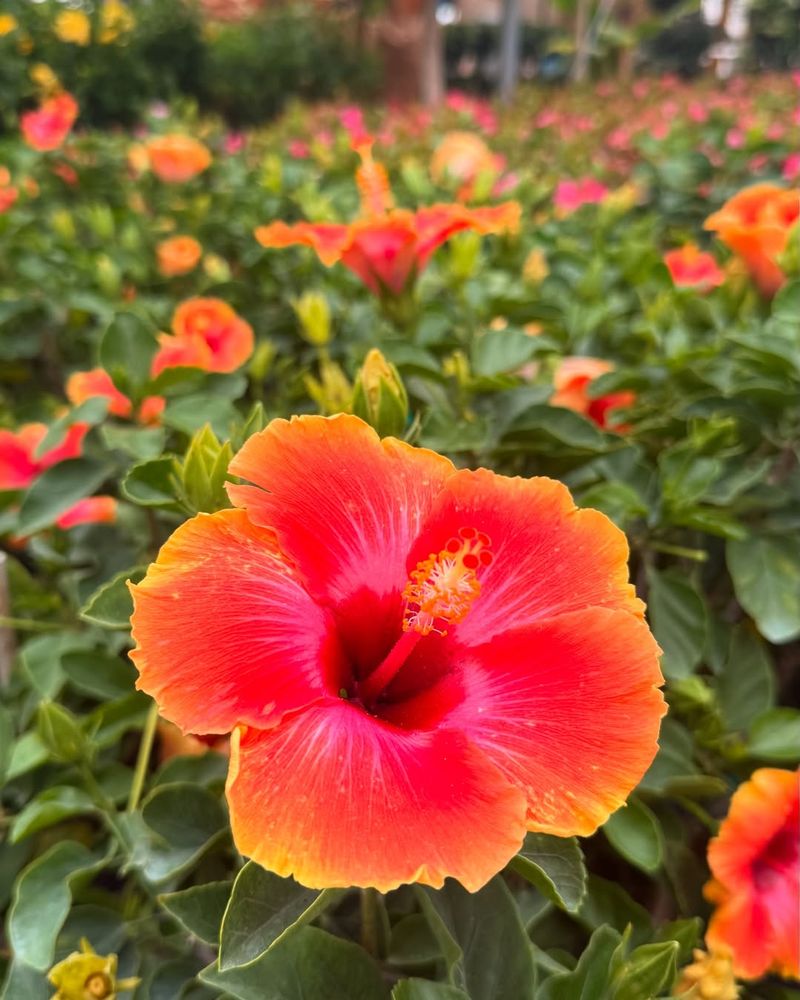
There is something undeniably dramatic about a tropical hibiscus in full bloom. Those enormous, saucer-sized flowers in shades of red, orange, pink, and yellow make a bold statement in any Texas landscape.
But as stunning as they are, tropical hibiscus plants need warmth, and March in Texas does not quite deliver enough of it yet.
Tropical hibiscus is extremely frost-sensitive. Even a brief exposure to freezing temperatures can damage or wipe out an unprotected plant.
Since late-season cold fronts can still sweep through Texas in March, putting tropical hibiscus in the ground this early is a risky gamble that rarely pays off.
The general rule of thumb for Texas gardeners is to wait until soil temperatures are consistently above 65 degrees Fahrenheit before planting tropical hibiscus outdoors.
That usually happens around late April or early May, depending on where in Texas you live. South Texas gardeners may be able to plant a bit earlier than those in North Texas.
Once the warm weather is truly established, tropical hibiscus thrives with full sun, regular watering, and monthly fertilizing during the growing season. They are heavy feeders that respond beautifully to a balanced fertilizer with added potassium for flower production.
The wait is absolutely worth it. A well-established tropical hibiscus planted at the right time in Texas can produce blooms from late spring all the way through the heat of summer, creating a lush, tropical feel in your outdoor space for months.
8. Begonias (Begonia Spp.)
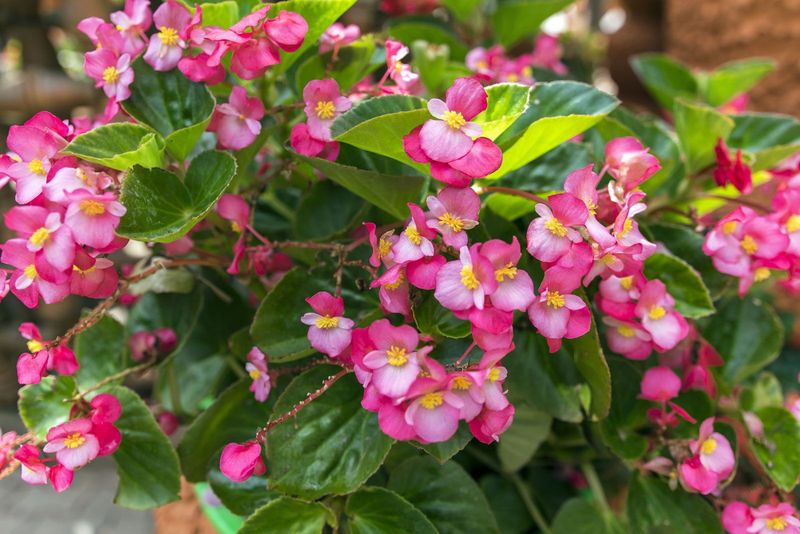
Begonias are a staple of Texas summer gardens, showing up in beds, borders, and containers from Houston to Dallas and everywhere in between.
Their waxy leaves and cheerful blooms hold up surprisingly well in the heat, making them a popular choice once the warm season truly arrives. The catch is that March is still too soon to plant them.
Consistently warm temperatures are non-negotiable for begonias. They are tropical in nature and simply do not perform well when nights are cool or when cold fronts are still possible.
Planting begonias in March exposes them to temperature stress that can stunt their growth and leave them looking sad for weeks.
Mid to late spring is the ideal window for getting begonias into Texas gardens. Waiting until mid-April at the earliest, or even early May in North Texas, gives the soil time to warm up and ensures nighttime temperatures stay comfortably above the danger zone.
Plants put in the ground at the right moment establish faster and grow more vigorously. When you are ready to plant, choose a location based on the variety.
Wax begonias handle full sun reasonably well in Texas, while tuberous begonias prefer partial shade. Both types need well-drained soil and regular watering to look their best through summer.
With a little patience, begonias will more than make up for the wait. They are one of the most reliable, long-blooming flowers available to Texas gardeners once the warm season is firmly underway.