Flowers That Look Beautiful In The Garden And Cause Problems Later
September gardens carry a smug little glow, all ripe color, humming bees, and warm soil underfoot. Everything looks settled, generous, and remarkably well behaved under that soft, slanting afternoon light, at least for now.
Then you spot a bright bloom two beds over that you certainly did not plant there. It arrived quietly, waved hello, and started measuring your back fence for new curtains.
Certain garden charmers show up with lovely manners, bright petals, and a long term plan. They photograph beautifully in June, then start loud arguments with your shovel by the end of October.
The trick is telling which pretty faces come with a lease and which come with a mortgage. Somewhere past the tomato cages, your future self stands holding a trowel, muttering darkly about you.
1. Purple Loosestrife
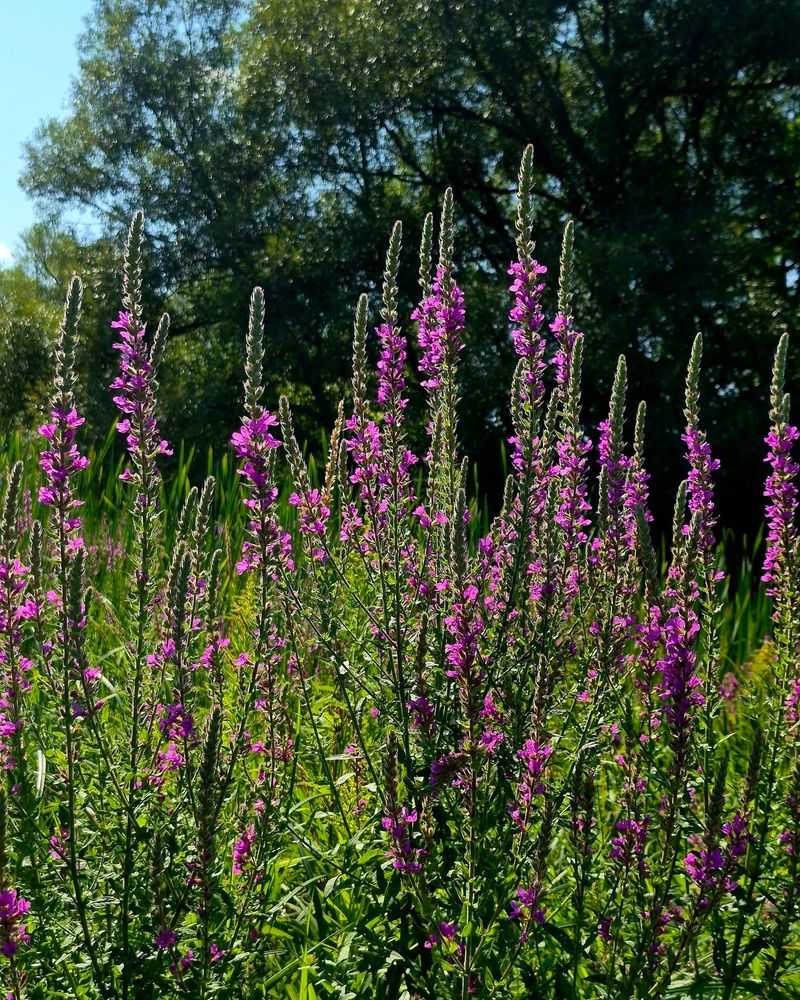
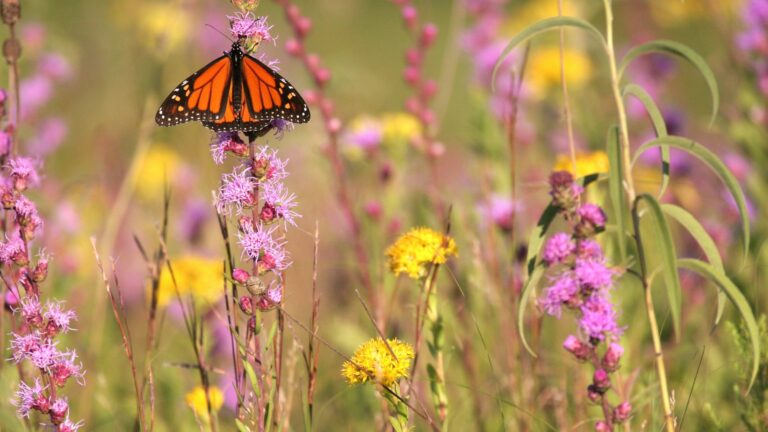
Late summer ditches blush a hot magenta that stops traffic, and the show genuinely looks staged. All that glow comes from one plant with a serious habit of overstaying its welcome.
A single mature purple loosestrife can release more than two million seeds in one growing season. Wind, boots, and moving water carry those seeds straight into ponds, ditches, and marshes.
Wetland plants that frogs, ducks, and turtles depend on get crowded out within a handful of years. Cattails and sedges lose ground until the marsh becomes a single pink monoculture.
Many states ban its sale outright, so check local rules before accepting a clump from a neighbor. Sterile cultivars exist, though they can still cross with wild plants growing nearby.
If it already lives in your yard, clip every flower spike in September before seeds drop. Bag those trimmings for the trash, because backyard compost piles rarely get hot enough.
Digging works on younger clumps, but the roots snap easily and resprout from any fragment left behind. Soggy soil helps you here, since the whole crown slides free with less effort.
Craving that same magenta punch without the guilt? Blazing star, ironweed, and spiked speedwell hand out color and nectar all season.
Fun fact: it arrived in the 1800s as ship ballast and a garden ornamental. Two centuries later, crews still manage it with beetles bred to chew the leaves.
Loosestrife is not evil, it simply lacks an off switch in North American wetlands. Admire it in photos and let the ducks keep their neighborhood.
2. Yellow Flag Iris
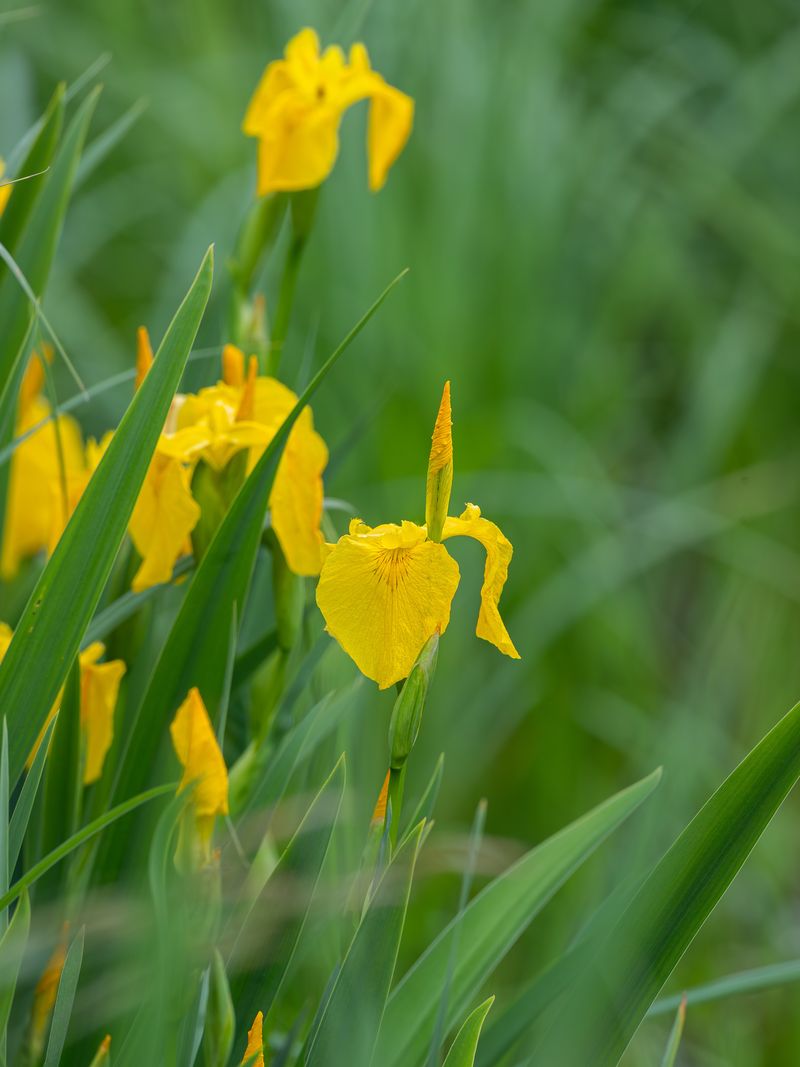
Pond edges in May look like someone spilled paint, thanks to those bright yellow banners. The plant behind them is a European import with an appetite for shoreline real estate.
Yellow flag iris grows thick rhizome mats that clog culverts, ditches, and small streams. Water slows, silt piles up, and the shoreline slowly turns into solid iris.
Seeds float like tiny corks and travel downstream to start fresh colonies far from your yard. A single clump can become a dense stand covering many square feet.
Several states list it as noxious, and a few outright forbid selling or planting it. Nurseries sometimes still stock it, so read plant tags with a suspicious eye.
The sap irritates skin for many people, so wear gloves and long sleeves during removal. Rinse tools afterward, especially if you have sensitive hands or young helpers nearby.
September is a decent month for digging, since water levels usually drop and soil loosens. Chase every rhizome piece, because leftovers sprout again by the following spring.
Container growing works if you keep the pot out of ponds and clip seed pods early. Solid underground barriers help too, though the rhizomes test them every single year.
Blue flag iris, native across much of North America, gives similar sword leaves and elegant flowers. Pickerelweed and marsh marigold also brighten wet edges without staging a takeover.
Historians think the fleur de lis was modeled on this very flower centuries ago. Royal symbol or not, it still needs a fence around its ambitions.
3. Creeping Bellflower
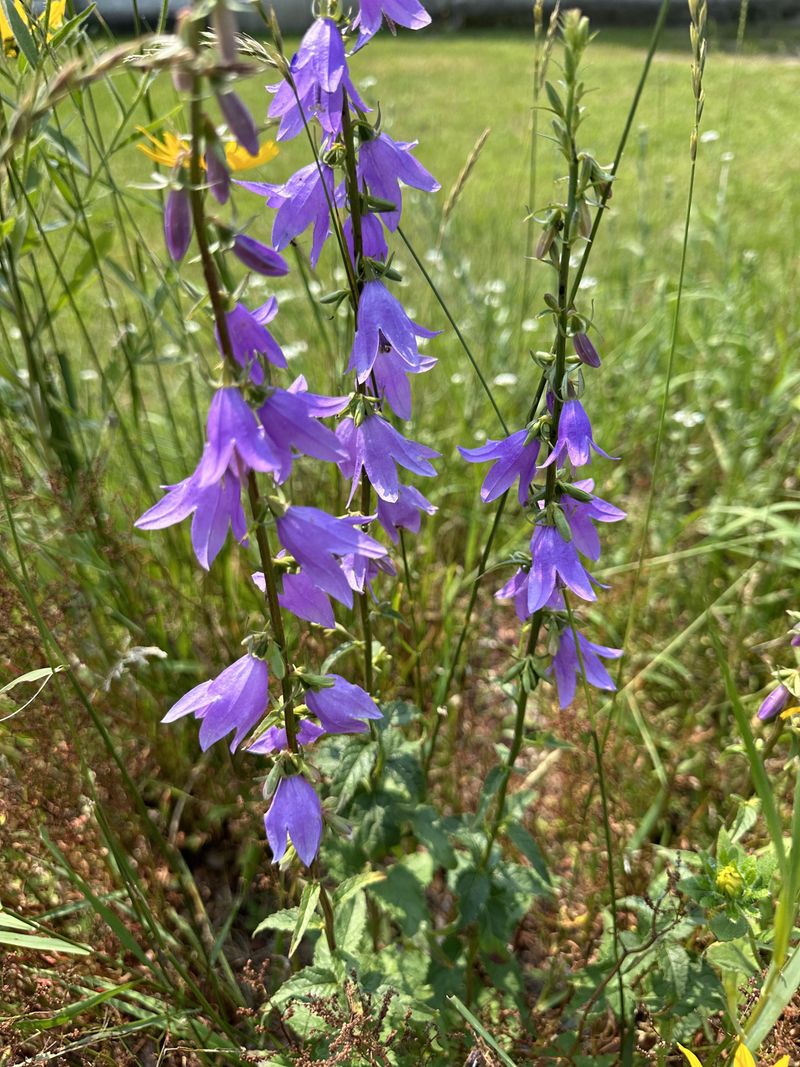
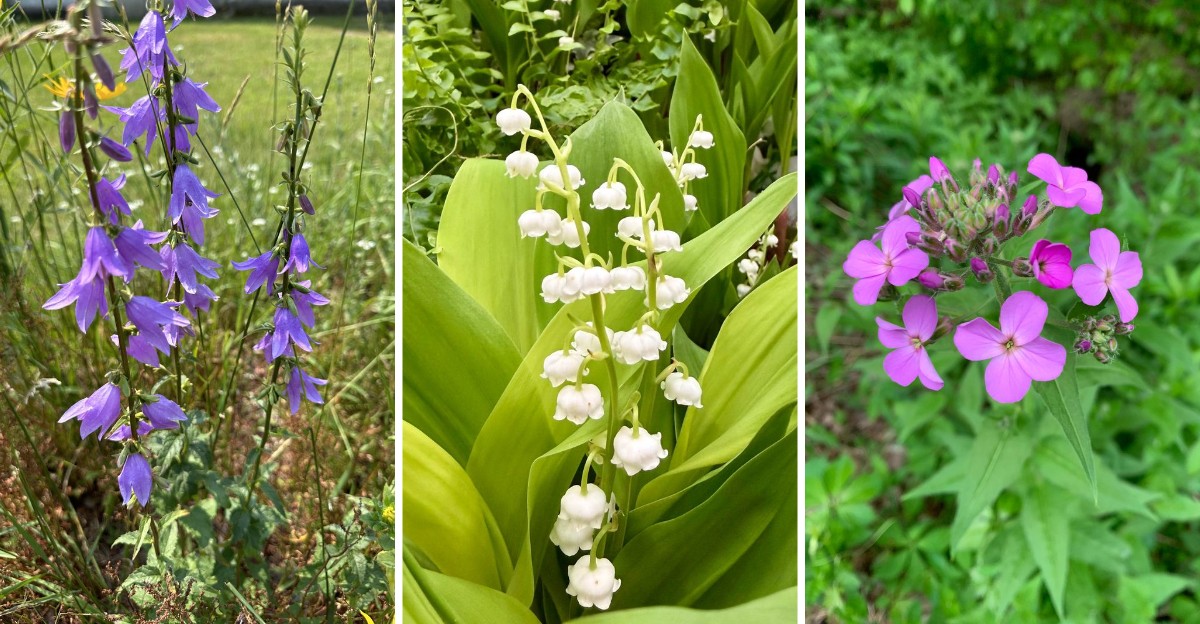
Cottage garden catalogs describe this one as a charming, old-fashioned bell flower for borders and cutting gardens. What the catalog skips is the root system waiting underneath that first pretty bloom.
Nodding purple bells appear along tall spikes from early to late summer, one after another up the stem. Each plant can also drop several thousand seeds a year, adding a second way to spread.
Underground, thick taproots branch into new rhizomes that can run more than a foot deep. Fences, sidewalks, and neighboring flower beds offer no real barrier once the roots get moving.
Several Canadian provinces list it as noxious, and gardeners across the northern states report similar struggles. Even herbicide rarely finishes the job, since any surviving root fragment starts over.
September works well for digging, since cooler soil loosens around the taproots and makes pulling easier. Go deep with a fork rather than tugging from the top, or the root simply snaps and regrows.
Cutting the flower spikes before they set seed slows one half of the spread considerably. Bag every spike you remove, since pods left on the ground still finish ripening.
Harebell, native across much of North America, offers a similar nodding purple bloom without the takeover. Clustered bellflower and balloon flower also bring that same bell shape to a well-behaved border.
The name rapunculoides nods to its resemblance to rampion, a relative once grown for its edible root. Ironically, digging this one up rarely feels like harvesting anything worth keeping.
4. Dame’s Rocket
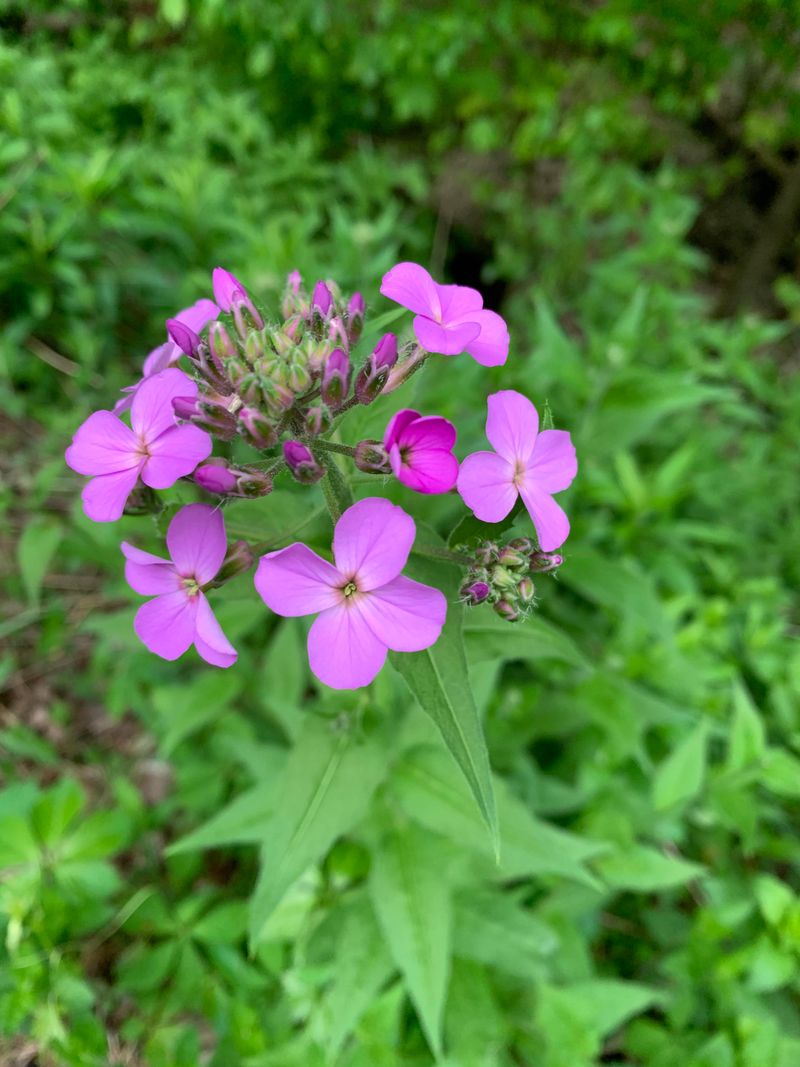
Purple clouds along roadsides each May fool plenty of people into thinking phlox. Count the petals: dame’s rocket shows four, while garden phlox shows five.
That sweet evening perfume is genuinely lovely, especially near a porch or open window. The trouble starts when thousands of seeds ripen and drop across the bed.
Growing as a biennial, it makes leafy rosettes one year and flowers the next. Seeds stay viable in soil for years, so one skipped season restocks the yard.
Cheap wildflower seed mixes frequently include it, sometimes without listing the name clearly. Read ingredient lists closely, and skip mixes that hide behind the phrase assorted annuals.
Massachusetts, Colorado, and Connecticut restrict it, and other states discourage planting it. Woodland edges suffer most, since the plant shades out delicate spring wildflowers.
September is prime time for control, because fall rosettes pull out easily from damp soil. Grab low, twist gently, and shake the soil back into place.
Cut flower stalks before pods brown if you want to enjoy the show one last spring. Bag the stalks, since pods keep ripening after cutting like stubborn little factories.
For fragrance without the fallout, try garden phlox, native bee balm, or evening stock. Evening scent lovers can also plant four o’clocks in a contained bed.
Colonists carried it over for its perfume, and it walked out of their gardens quickly. Three centuries later it still smells amazing, which is honestly the frustrating part.
5. Chinese Wisteria
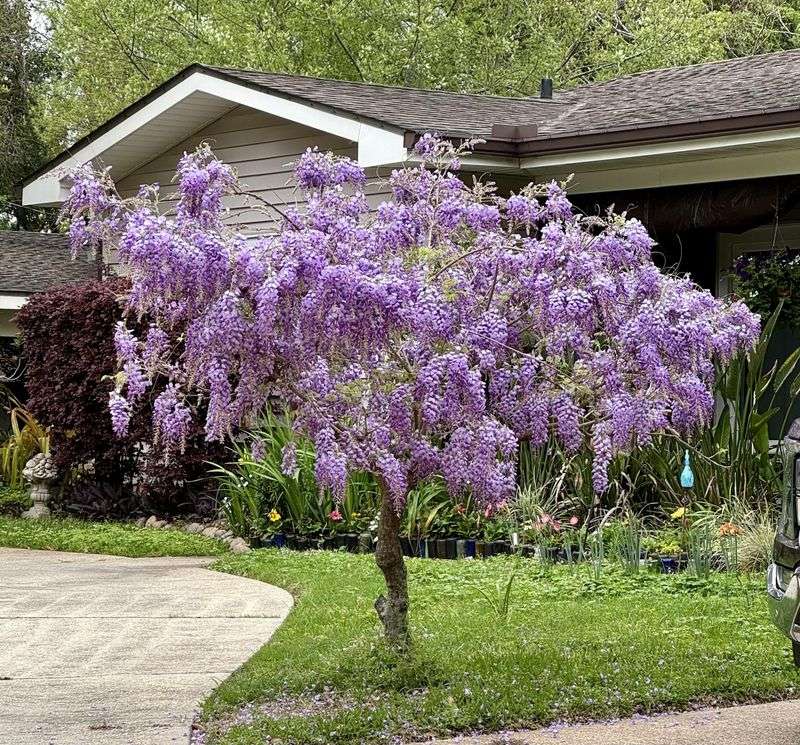
Few sights beat lavender chains dripping from a pergola on a warm spring afternoon. Few garden regrets beat the same vine yanking that pergola sideways ten years later.
Chinese wisteria climbs fast, twines hard, and thickens into woody cables over time. Gutters, trellises, and even porch railings buckle under that pressure.
Stems girdle young trees by wrapping tightly and squeezing off the flow of sap. Whole woodland edges in the Southeast now sag under curtains of escaped vine.
Runners travel underground and pop up yards away, often in the middle of the lawn. Seed pods fling seeds several feet with a loud pop on dry days.
Should you love the look, plant American wisteria instead, especially the cultivar Amethyst Falls. Blooms are shorter but plentiful, and the vine stays a manageable size.
Support matters enormously. Build with steel posts or thick cedar, not lightweight lattice from the garden aisle.
Pruning twice yearly keeps it civil, once in midsummer and again during winter dormancy. September works well for a light cleanup of whippy shoots along the roof line.
Grafted plants bloom sooner, while seedlings can sulk for a decade before flowering. Buy a named cultivar unless you enjoy waiting through several presidential terms.
Removing an old vine takes serious effort, including cutting the trunk and treating the stump. Expect sprouts for two or three years, and stay patient with the loppers.
Fun fact: the famous wisteria in Sierra Madre, California weighs roughly two hundred fifty tons. Gorgeous, yes, and also a very good argument for strong beams.
6. Lily Of The Valley
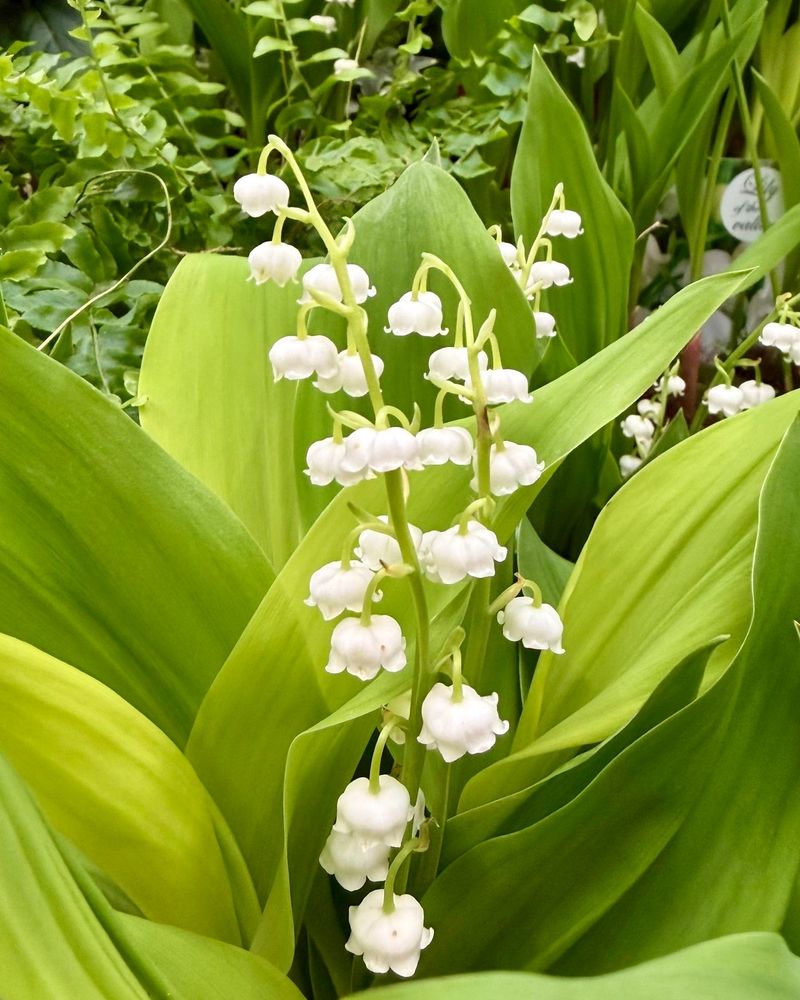
Grandma’s shade bed probably had them, those white bells nodding above broad green leaves. Sweetest scent in May, and one of the most determined spreaders in the yard.
Underground pips creep outward each season and form a dense mat that blocks everything else. Native wildflowers and young ferns lose the competition quietly.
Every part of the plant is toxic, including the orange berries that appear in fall. Households with curious toddlers or berry tasting dogs should think twice before planting.
Removal is a project, not an afternoon. Roots weave together tightly, and any pip left behind restarts the colony next spring.
Sunken containers work nicely, letting you keep the fragrance without the territorial expansion. Sink a bottomless pot with rigid sides, then check edges each September.
Gloves are smart during cleanup, and washing hands afterward is a small, sensible habit. Keep clippings away from compost used on vegetable beds.
Cutting stems for a vase is fine, though keep that water away from pets. Cats drink from anything left sitting on a table.
If a patch already rules your side yard, consider managing edges instead of tackling it all at once. Mow the escapees, mulch the border, and enjoy the May perfume.
Gentler groundcovers include foamflower, barrenwort, creeping phlox, and Allegheny spurge for shady corners. Each one fills space without treating your borders as open frontier.
Trivia for the wedding crowd: royal bouquets have featured these bells for generations. Florists love them, gardeners respect them, and neighbors quietly resent them.
7. Orange Daylily
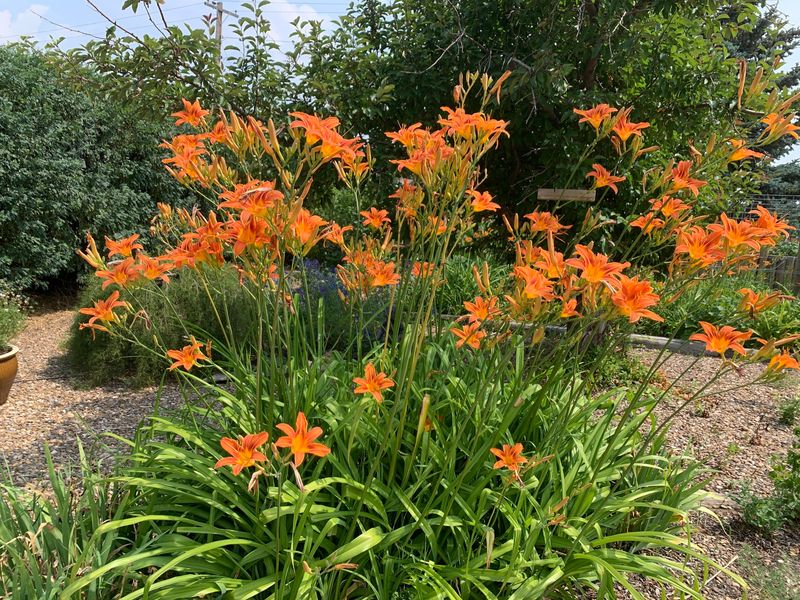
Ditch lily, tiger daylily, roadside orange: one plant with several nicknames and zero chill. Hemerocallis fulva colonizes banks, fencerows, and old homesteads long after the house is gone.
Thick tuberous roots store energy, so chopping the top does almost nothing. New shoots appear within weeks, looking cheerful and slightly smug.
Spreading happens through thick roots rather than seed, which means it marches instead of scattering. A tidy clump can become a ten foot patch in about five years.
Roadside stands crowd out native asters, goldenrod, and milkweed that pollinators depend on. Monarch caterpillars cannot eat daylily leaves, so habitat value drops fast.
September is a good month for digging, since cooler soil makes the work pleasant. Use a fork, lift the entire mass, and sift for stray tubers.
Modern hybrid daylilies behave far better and come in hundreds of colors and forms. Look for clumping cultivars from a local grower and enjoy longer bloom windows.
Native alternatives for that same warm orange include butterfly weed and Canada lily. Both pull in pollinators and stay right where you put them.
Keeping a patch is fine if you edge it yearly and pull outliers early. Think of it as a pet that needs a fence.
Historical note: settlers carried these tubers west as reliable, tough, no fuss plants. They succeeded so thoroughly that entire ditches now bloom on schedule each July.
The flowers are technically edible, and the buds taste a bit like green beans. Eating your way out of the problem sounds fun, though progress will be slow.
8. Morning Glory
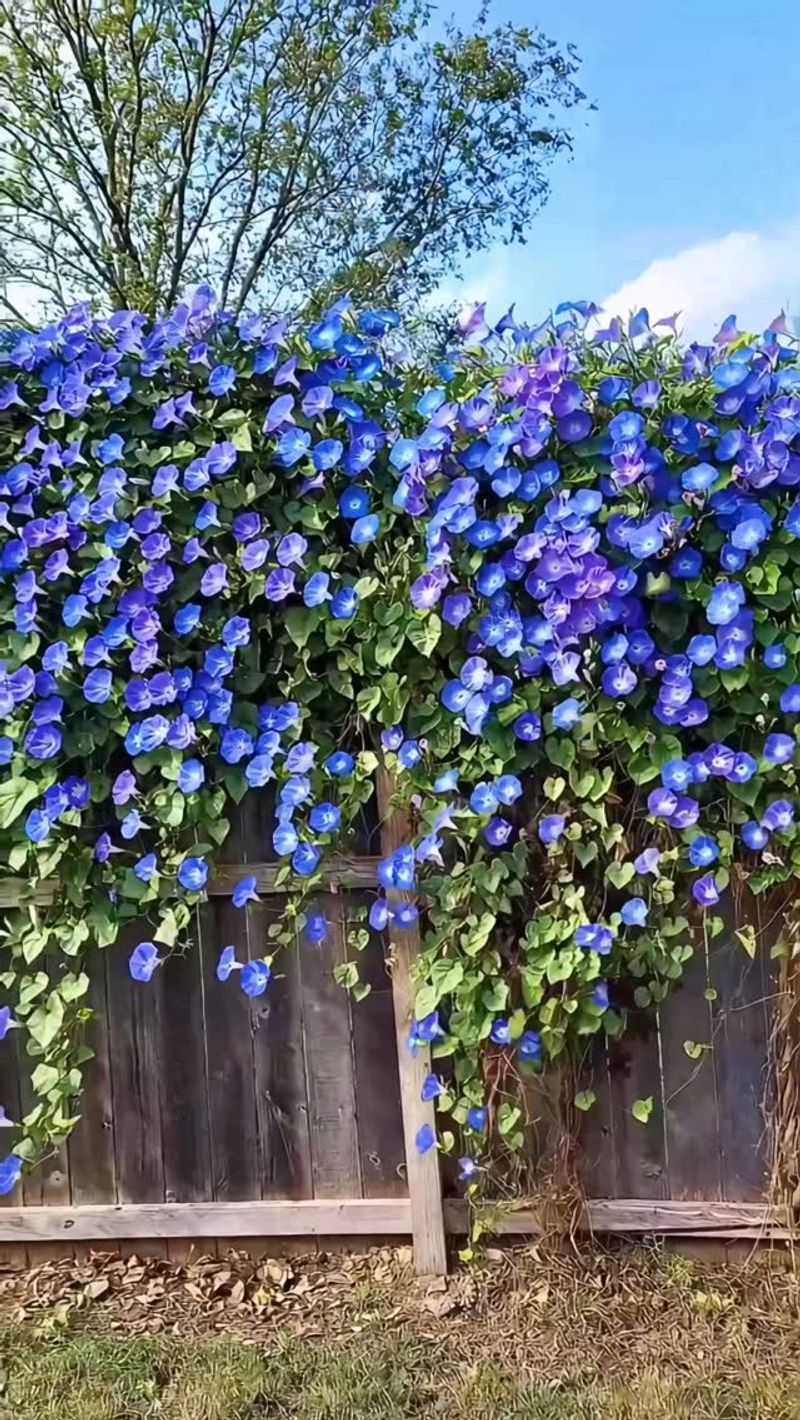
Nothing beats stepping outside with coffee and finding fifty blue trumpets open at once. By August, those same vines have swallowed the tomato cages and part of the shed.
Common morning glory drops heavy seed, and those seeds survive in soil for years. One forgiving season can mean a decade of volunteer seedlings.
Twining stems wrap around the stems of other plants and shade them from the sun. Young shrubs and peppers often finish the season looking pale and cramped.
Field bindweed is the meaner relative, perennial, deep rooted, and much tougher to manage. Check the leaves: bindweed shows arrowhead shapes and smaller white or pink flowers.
Containers with a sturdy obelisk keep the show contained and seeds easier to catch. Pinch off faded blooms daily and drop them into a bucket, not the bed.
September deserves your attention, since seed pods dry and split right about now. Snip pods into a bag before the first strong autumn wind arrives.
Seedlings pull easily in spring while the stems are soft and roots are shallow. Wait a month and you will be untangling a green net instead.
Mulch thickly in spring, because buried seeds need light and warmth to sprout well. A two inch blanket cuts volunteers dramatically without any spraying.
Want vertical color with better manners? Try cardinal climber, scarlet runner beans, or a well behaved clematis.
Japanese gardeners have bred fancy morning glories since the Edo period, chasing rare colors. Passion like that makes sense, right up until the seedlings reach your lettuce.