What It Means When Clusters Of Orange And Black Bugs Gather On Sunny Iowa Walls
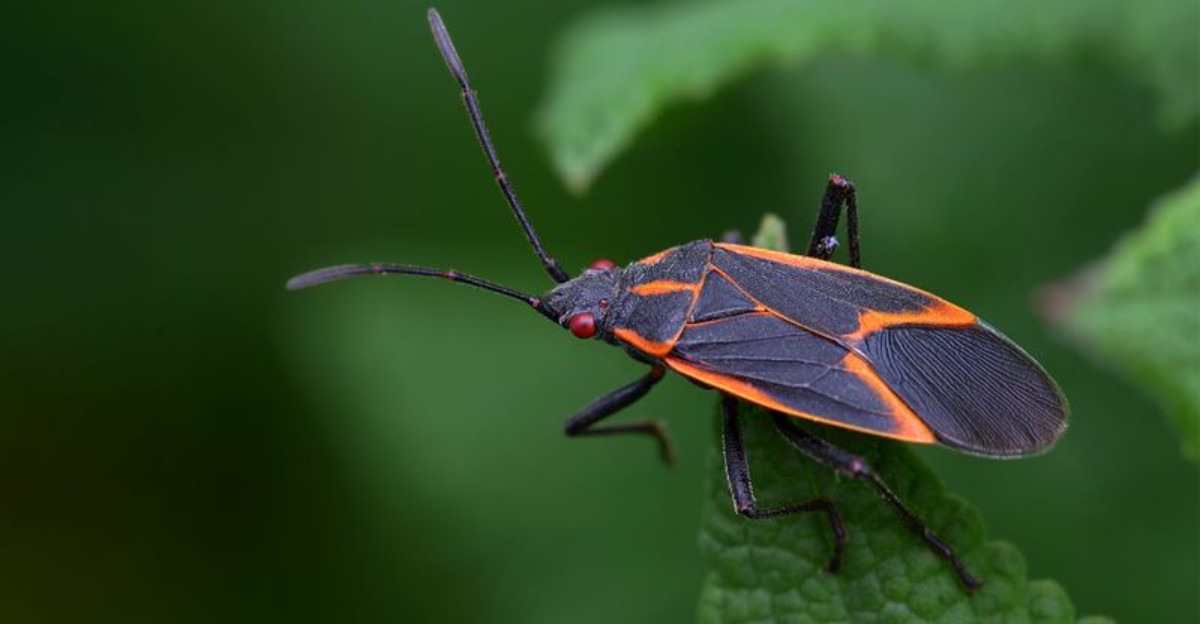
September in Iowa has a particular signature written across siding you walk past every day. Something across Iowa turns siding into a sudden landing zone. Charcoal bodies gather in clusters, streaked with bright orange lines.
Sunlight pulls them toward warm surfaces after midday. Nobody invited them, yet here they sit, patient and still. Boxelder trees nearby are quietly fueling this gathering. Warmth from your walls signals safety before temperatures drop.
You notice the shift the moment shadows cross their bodies. Bright lines streak dark shells in an unmistakable pattern. These insects will not bite you or chew your siding. Nor will they build nests inside your walls.
Curiosity now outweighs the panic homeowners often feel first. A single tree species across Iowa quietly triggers this event. Weather shifts decide exactly when the crowd will arrive. So look closer, because your wall is not finished explaining.
The Sun-Warmed Wall Is Basically A Free Heater
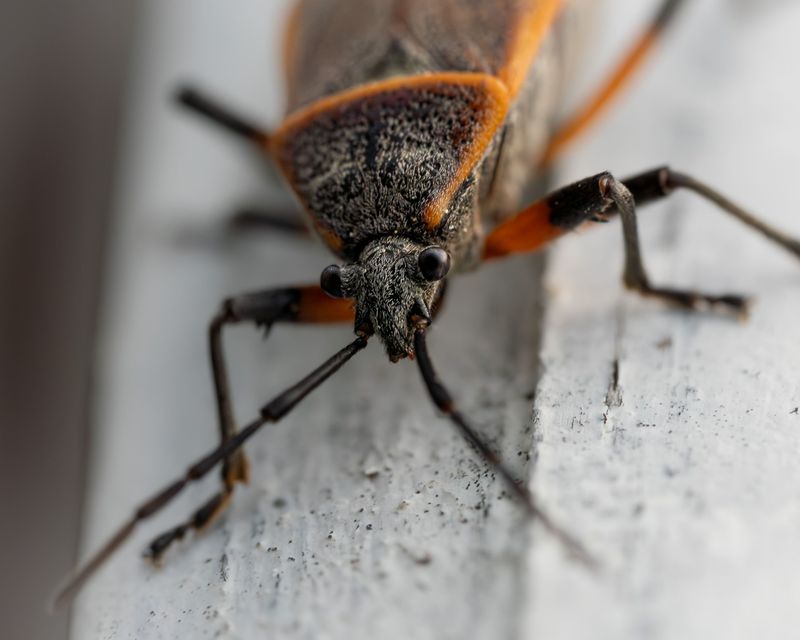
Picture a crowded bench at a football game where the sun hits just right. That is essentially how your south- and west-facing walls function in September, a heat-retaining surface insects can’t resist.
Like most insects, boxelder bugs rely on external heat sources to regulate their body temperature. They borrow it from surfaces, and light-colored siding, brick, and concrete hold warmth long after the air cools.
That is why one neighbor sees hundreds and the neighbor across the street sees almost none. Orientation matters more than tidiness or how old the house is.
You will usually spot the heaviest clusters between two and five in the afternoon. By evening, many bugs drift toward cracks, gaps, and window frames where the stored warmth lingers longest.
This pattern can help you target treatment more effectively. Instead of treating the whole property, focus your attention on those two sunny exposures and the upper areas near the roofline.
Timing your response for late afternoon, when the crowd is largest and least active, tends to work better than spraying at random hours.
Some Iowa homeowners plant shade trees or install awnings on the hottest wall, which cuts the sunbathing appeal over several seasons.
The clustering itself causes no harm to the siding. It is simply thousands of tiny bodies following the warmth, exactly as their ancestors did on tree trunks.
A Boxelder Tree Is Probably Growing Within A Block
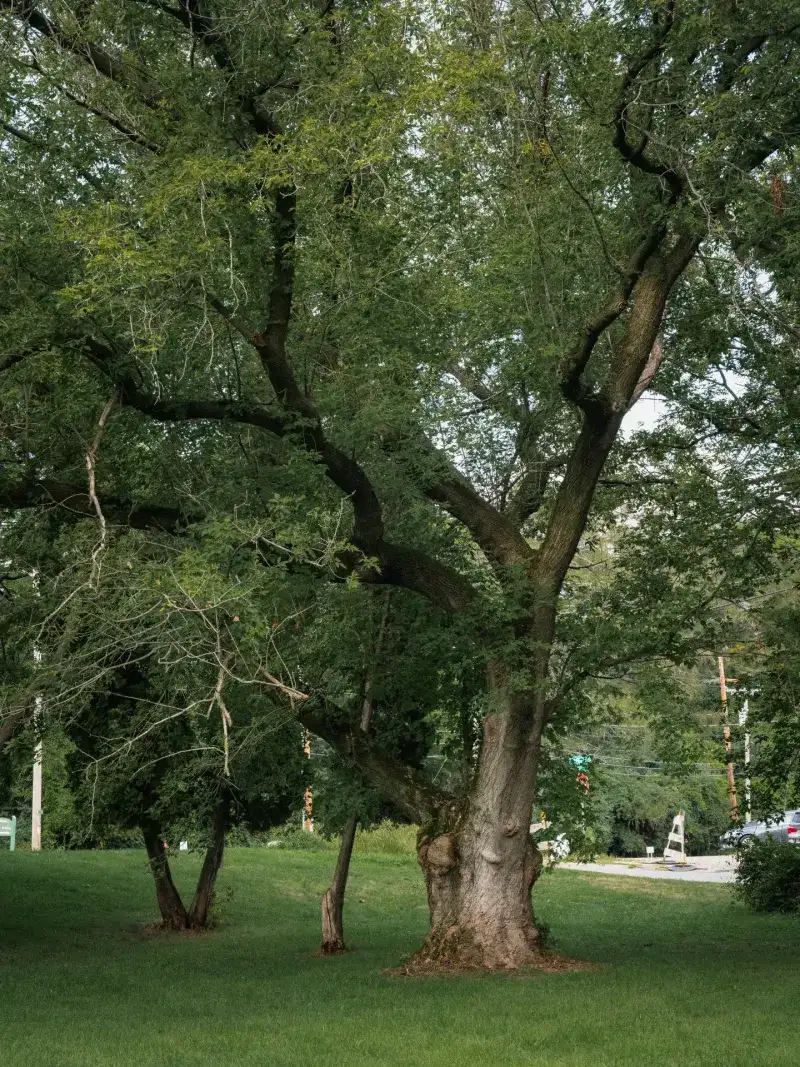
Follow the bugs backward and you will almost certainly find their pantry. Female boxelder trees, with their papery double-winged seeds, are the main food source behind these autumn gatherings.
Boxelder is a scrappy maple that grows fast in fencerows, alleys, ditches, and neglected corners across Iowa. It seeds itself aggressively, which is why so many towns have volunteer trees nobody planted on purpose.
Through spring and summer, the insects feed on the seeds, tender leaves, and soft twigs. The population builds quietly over two or three generations while everyone is busy mowing and gardening.
Ash and silver maple can support them too, though boxelder seed is the clear favorite. A single mature female tree can supply enough food for an impressive local population.
Your Iowa Garden Changes Every Week. Your Plan Should Too.
Gardening in Iowa changes quickly throughout the season. Every Friday you’ll receive a simple weekly plan showing exactly what to plant, prune, fertilize, harvest, and protect so you never miss the right timing.
Walk your block and look up. Compound leaves with three to five leaflets, and dangling seed clusters that hang on into winter, are the giveaway.
Removing a tree is a big decision and not usually necessary. Many Iowa property owners keep the tree for shade and simply seal the house instead.
If you do have a young volunteer boxelder popping up against the foundation, pulling it early saves trouble later.
One additional detail: male boxelder trees produce no seeds, so a yard with only male trees rarely sees the same insect pressure. Understanding the food source turns a mystery into a map you can actually read.
Autumn Crowds Are A Search For Winter Shelter
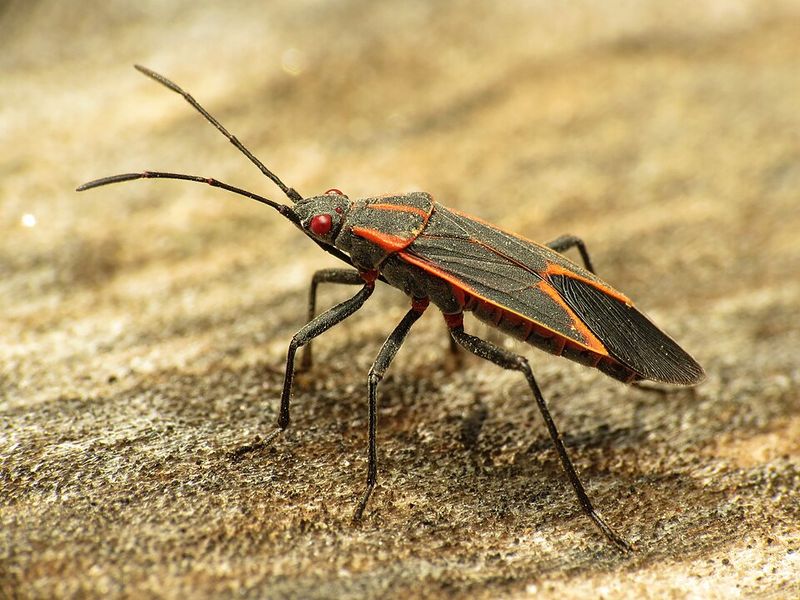
The wall is typically a temporary stop before insects seek shelter indoors. Once these insects finish soaking up heat, they start probing for a way inside.
Gaps around window frames, worn door sweeps, soffit seams, utility line penetrations, and loose siding all become potential doorways.
Their goal is a protected space where they can go quiet for the winter, a state called overwintering. Wall voids, attics, and the gaps behind trim boards suit them perfectly.
Most of the insects that get inside never make it into your living room. They settle in the hollow spaces of the structure and stay still until warmth stirs them.
That is why people find them wandering across a sunny kitchen floor in February. A warm spell or a heated interior wall wakes a few up early, and they head toward light.
September is the useful month for action because the search is just beginning. Once they are tucked into a wall void, options narrow considerably.
Walk the perimeter on a bright afternoon and look for light showing through from inside a garage or attic. Those pinholes of daylight are entry points.
Caulk, foam backer rod, repaired screens, and a fresh door sweep handle the majority of them. Pay special attention to the sunny walls, since that is where the crowd already is.
Older Iowa farmhouses with wood siding tend to need the most attention, though newer builds have their own gaps around vents and spigots.
Harmless To People, Pets, And Your Garden Beds

These insects pose minimal risk to people and pets. Boxelder bugs do not bite, sting, carry disease, or chew wood.
Their mouthparts work like a narrow straw designed for plant juices, not skin. On rare occasions a bug landing on a bare arm might poke and cause a pinprick sensation, but that is accidental and uncommon.
Your dog or cat can nose around a cluster without much consequence. A pet that eats several may show mild discomfort, such as drooling; contact a veterinarian if symptoms persist.
Garden damage is minimal too. Feeding on seeds and soft leaf tissue rarely affects a mature tree, and vegetable beds are not on the menu.
The real complaints are practical rather than medical. Crushed bugs release a sour odor and leave a reddish-orange stain that shows up on curtains, painted trim, light carpet, and windowsills.
That staining is the main reason to vacuum rather than swat. A shop vacuum with a disposable bag handles a large cluster in minutes without the mess.
Fecal spotting on siding is another cosmetic nuisance, especially on white or cream surfaces. Warm soapy water and a soft brush clean it up before it sets.
Knowing the insects pose little threat takes the urgency out of the situation. You can plan a calm, methodical response instead of reaching for the strongest product on the shelf. For many Iowa families, patience plus a vacuum hose is the entire strategy.
Telling Them Apart From Look-Alike Visitors
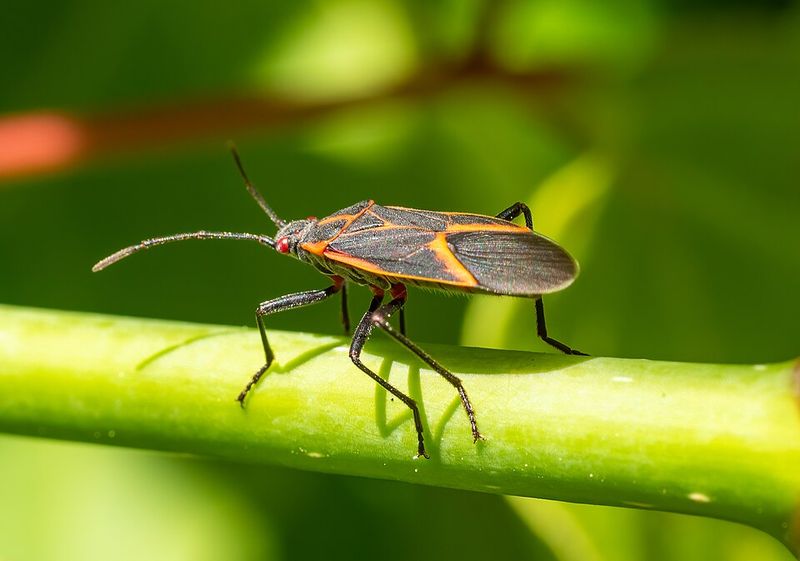
Mistaken identity leads to wasted effort more often than people realize. Several orange-and-black insects show up on Iowa walls in autumn, and they call for different responses.
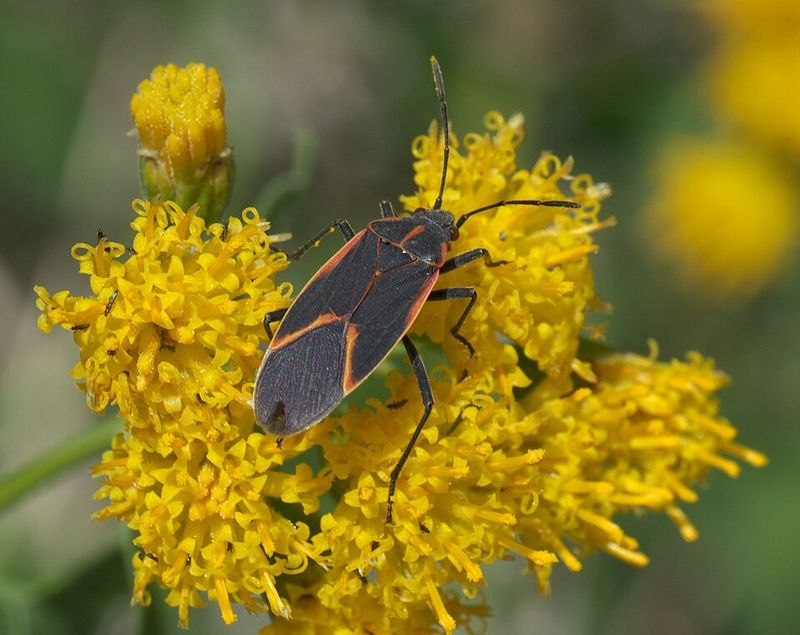
Adult boxelder bugs measure about half an inch, with a flat oval body, dark charcoal wings, and thin red-orange lines forming a rough letter X down the back. Young ones are smaller, bright red, and wingless.
Asian lady beetles are round and domed, ranging from pale orange to deep red, often with black spots and a small M-shaped marking behind the head. They can nip and they leave a yellow fluid when disturbed.
Large milkweed bugs look similar at a glance but carry a bolder orange band pattern and hang around milkweed pods rather than house walls.
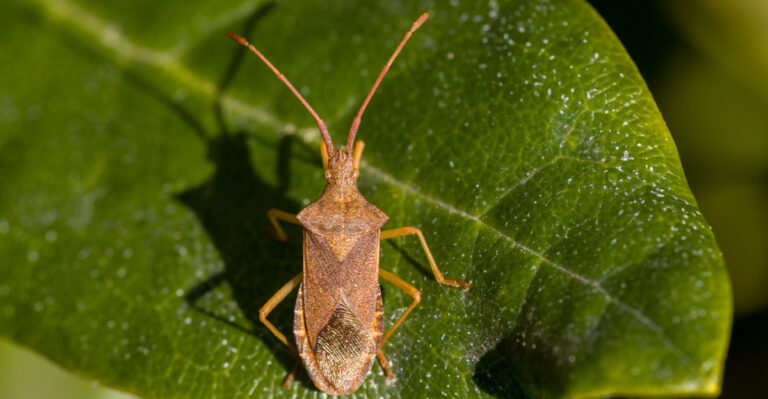
Brown marmorated stink bugs are shield-shaped and mottled brown, not striped, though they cluster on sunny siding for the same reason.
Why does the distinction matter? Lady beetles can stain fabric more stubbornly and occasionally bother people with allergies, while stink bugs affect fruit and vegetable crops. Boxelder bugs, by comparison, are the mildest guest in the group.
Snap a clear phone photo if you are unsure. Iowa State University Extension offers an insect identification service, and local county offices field these calls constantly in September.
Correct identification can help you choose the most appropriate response for each species. A minute with a magnifying glass saves an afternoon of guesswork.
Simple September Tactics To Reduce The Crowd
Ask any seasoned Iowa homeowner and you will hear the same advice. Seal first, spray second, and accept that a few stragglers are part of fall.
Start with a caulk gun and an afternoon. Window and door frames, the joint where siding meets foundation, gaps around dryer vents, cable lines, and outdoor spigots are the usual suspects.
Repair torn window screens and add a door sweep where daylight shows underneath. Screen the attic and soffit vents with fine mesh if they are open.
For clusters already on the wall, a garden hose with a firm spray knocks them down and interrupts the gathering. It costs nothing and can be repeated as often as you like.
Soapy water works even better. Mix a few tablespoons of dish soap into a gallon of water, put it in a pump sprayer, and treat the cluster directly.
Vacuum indoor wanderers rather than crushing them, then empty the canister outside so the odor does not linger.
If you choose an insecticide, pick one labeled for exterior perimeter use and apply it to the sunny walls in late afternoon during the first cool weeks. Follow the label carefully and skip blooming plants.
Indoor sprays are rarely worth it since the insects inside walls are already out of reach. Regular sealing is more effective than one-time treatment. A sealed house in September means far fewer surprise guests crossing the kitchen floor come March.