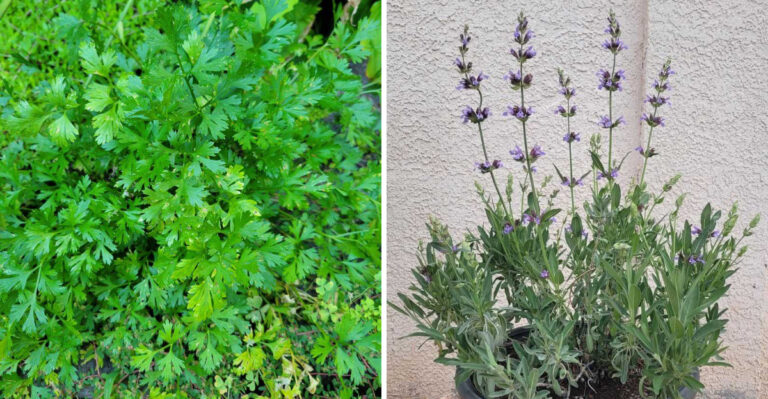
8 Flowers That Naturally Reduce Pests In Arizona Gardens
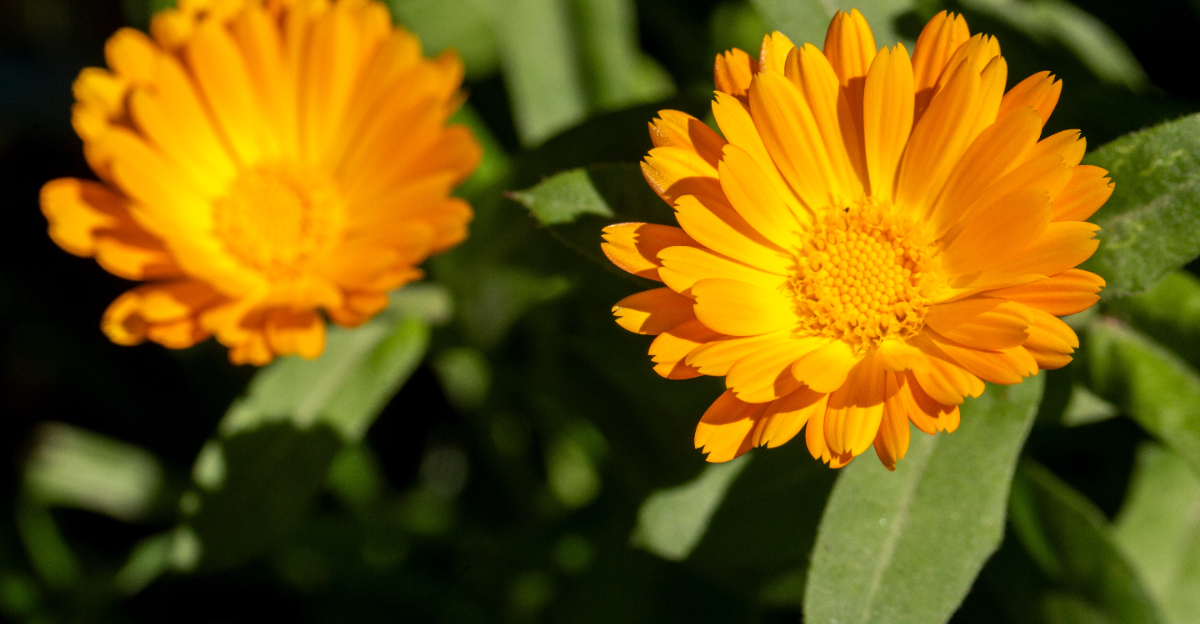
Pests show up fast in Arizona once the weather warms, and dealing with them can start to feel like a constant battle. Sprays and quick fixes only go so far, especially when heat keeps everything active day after day.
Many gardeners end up stuck in that cycle without realizing there is a simpler way to ease the pressure.
Some flowers do more than just look good. Planted in the right spots, they help shift what shows up in the garden and how plants respond over time.
Color and function can work together instead of competing for attention.
Results start to change when the right choices go into the soil early enough. Fewer issues, stronger plants, and a garden that feels easier to manage even as temperatures rise.
1. Marigolds Release Compounds That Help Reduce Soil Pests
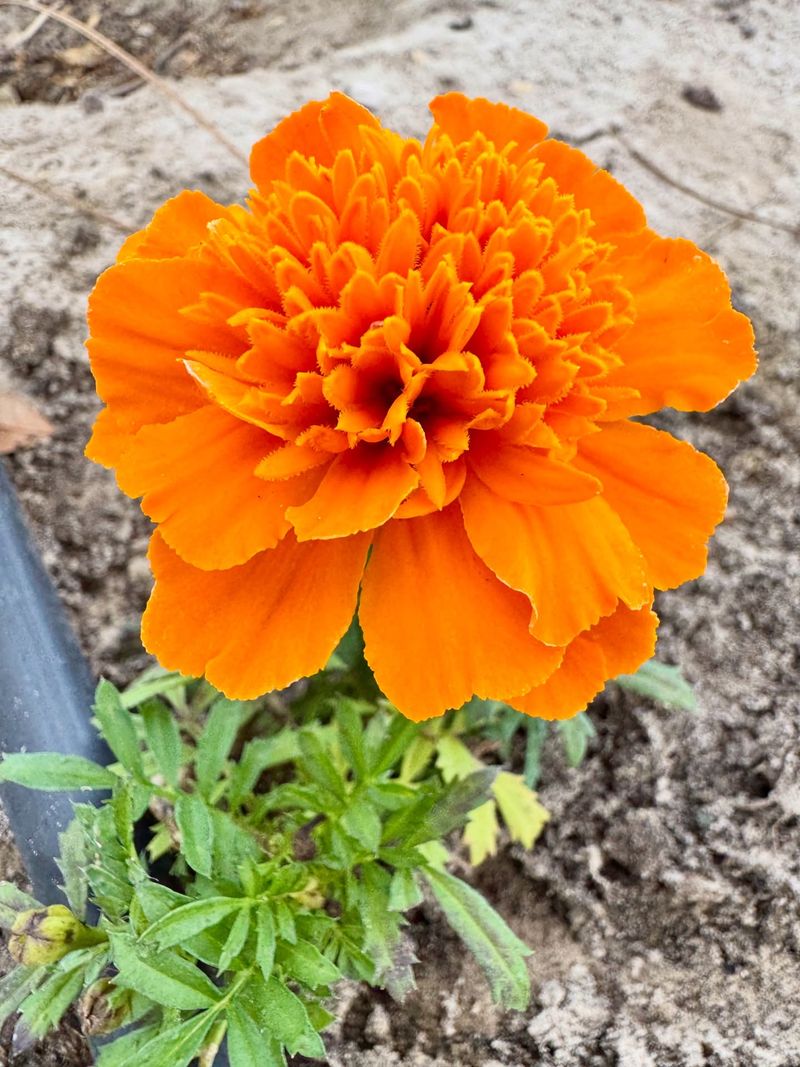
Marigolds have earned their reputation in vegetable gardens, and in Arizona, they pull their weight in more ways than one.
The roots of French marigolds (Tagetes patula) release a substance called alpha-terthienyl, which has been shown in research to reduce populations of root-knot nematodes — microscopic worms that attack vegetable roots underground.
That is not a cure-all, but in sandy Arizona soil where nematodes can be a real problem, it is a meaningful benefit.
Plant marigolds close to tomatoes, peppers, and beans for the best results. Spacing them every few feet throughout your beds, rather than just along the edges, increases their effectiveness.
Above ground, their strong scent also tends to confuse and deter aphids and whiteflies, though results vary depending on how heavy the pest pressure is in your specific yard.
In Arizona, marigolds do best when planted in fall or early spring to avoid the peak summer heat. They can handle warm temperatures but may struggle in July and August without some afternoon shade.
Water them consistently but avoid overwatering in clay-heavy soil. Deadhead spent blooms regularly to keep new flowers coming and maintain that pest-deterring scent through the growing season.
Marigolds are not a silver bullet, but as part of a broader garden strategy, they are one of the most practical and affordable flowers you can add to an Arizona garden.
2. Sweet Alyssum Attracts Beneficial Insects That Control Aphids
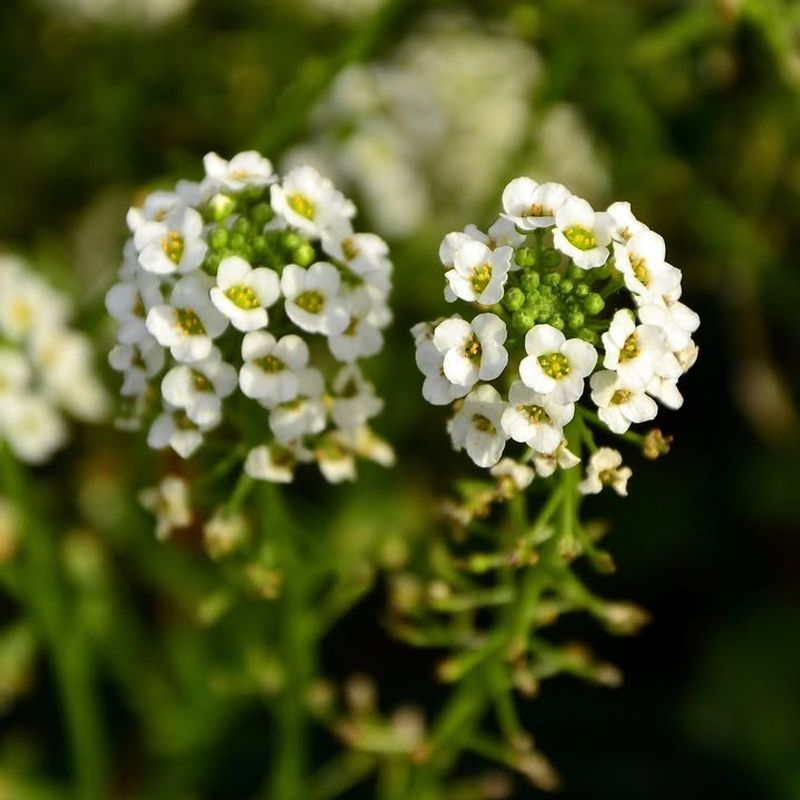
Sweet alyssum is a low-growing flower that most people overlook, but it does something genuinely useful in the garden — it draws in hoverflies and parasitic wasps, which are two of the most effective natural aphid predators you can have working for you.
Hoverfly larvae feed heavily on aphids, and parasitic wasps lay their eggs inside aphid bodies, which stops those pests from reproducing.
It sounds intense, but that is just how a healthy garden ecosystem works.
In Arizona, sweet alyssum performs well during the cooler months, from October through April in lower desert areas like Phoenix and Tucson.
Planting it in fall gives it time to establish and bloom right when early-season aphid populations start building up on new vegetable growth.
It tends to struggle in the intense summer heat, so treat it as a cool-season companion plant rather than a year-round fixture.
Your Arizona Garden Changes Every Week. Your Plan Should Too.
Gardening in Arizona changes quickly throughout the season. Every Friday you’ll receive a simple weekly plan showing exactly what to plant, prune, fertilize, harvest, and protect so you never miss the right timing.
Scatter sweet alyssum seeds or transplants near lettuce, broccoli, and kale — crops that aphids frequently target. Its small white or purple flowers release a honey-like fragrance that beneficial insects find hard to resist.
Keep the soil moderately moist and avoid heavy fertilizing, which can push leafy growth at the expense of blooms. Trim it back lightly if it gets leggy, and it will continue flowering and doing its quiet pest-management work throughout the cooler Arizona growing season.
3. Nasturtiums Trap Aphids And Keep Them Away From Other Plants
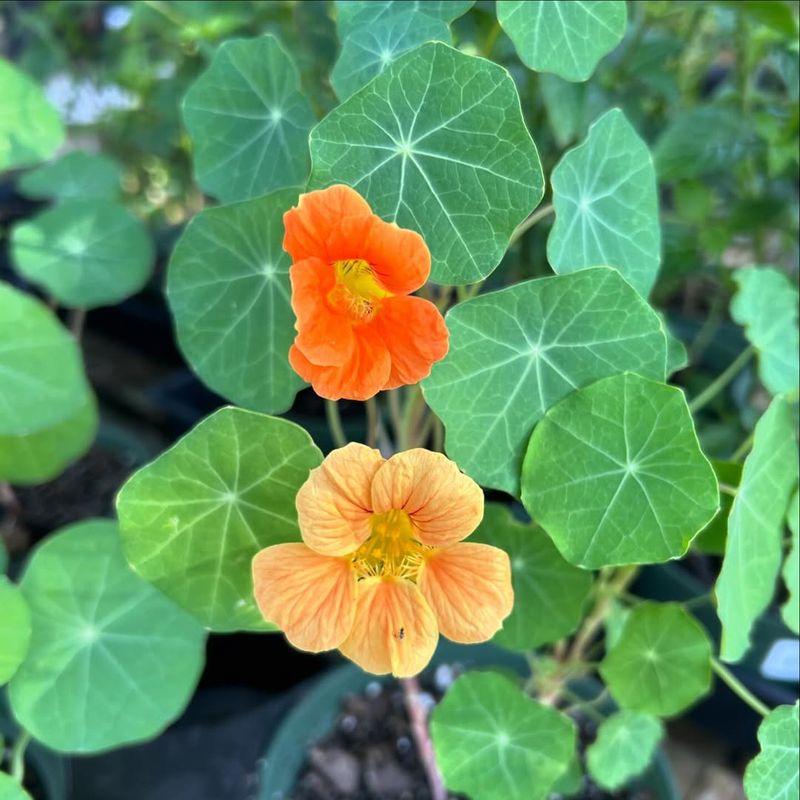
Nasturtiums work differently from most pest-deterring flowers — instead of repelling insects, they pull them in on purpose. Aphids are strongly attracted to nasturtiums, which makes them an excellent trap crop.
You plant nasturtiums near your vegetables, the aphids flock to them instead, and your tomatoes, beans, and squash get left alone. It is a straightforward trade-off that actually works in practice when you position the plants correctly.
Arizona gardeners can grow nasturtiums successfully in fall, winter, and early spring in the low desert. They prefer cooler temperatures and will bolt and fade once the heat ramps up past late spring.
Plant them on the outer edges or corners of your vegetable beds so aphids are drawn away from the center of your garden.
Check the nasturtiums regularly — if aphid colonies get very large, you can remove and bag the affected leaves or use a strong stream of water to knock insects off.
Beyond pest management, nasturtiums are edible. Both the flowers and leaves have a peppery bite that works well in salads.
That is a nice bonus for a plant that is also doing practical work in the garden. They grow quickly from seed, need minimal fertilizer (too much nitrogen produces more leaves than flowers), and thrive in well-drained soil.
For Arizona gardens dealing with persistent aphid pressure, nasturtiums are one of the most reliable and low-cost tools available.
4. Calendula Helps Draw Insects That Feed On Common Garden Pests
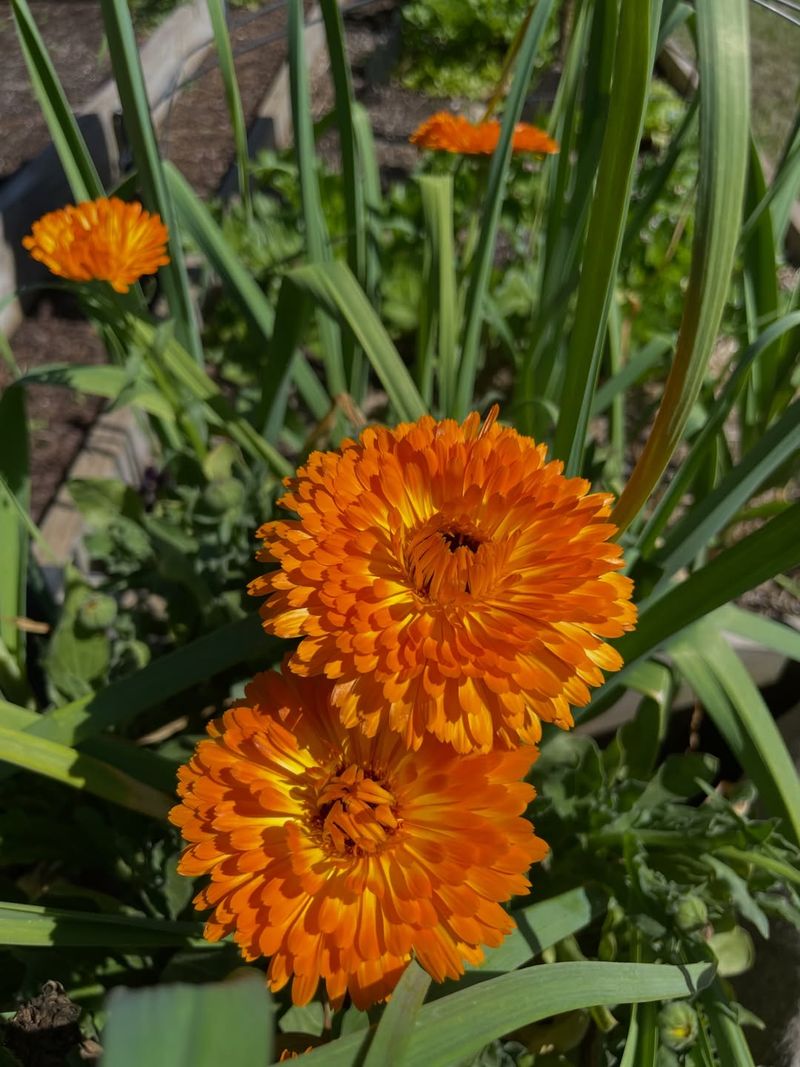
Calendula is sometimes called pot marigold, though it is a completely different plant from the marigolds in the Tagetes family.
What makes calendula valuable in an Arizona garden is its ability to attract beneficial insects — particularly hoverflies and lacewings — that prey on common soft-bodied pests like aphids, thrips, and small caterpillars.
Lacewing larvae are especially aggressive predators and can consume large numbers of pest insects during their larval stage.
Calendula thrives during Arizona’s cooler growing seasons, typically from October through April in the low desert. It handles mild frost reasonably well and keeps producing flowers as long as temperatures stay moderate.
Plant it near crops that tend to attract aphids and thrips, such as peppers, lettuce, and herbs.
The bright orange and yellow blooms are highly visible to beneficial insects searching for nectar and pollen, which is what draws them into your garden in the first place.
Deadhead calendula consistently to keep it blooming, since more flowers mean more foraging time for the beneficial insects you want to encourage. Calendula prefers well-drained soil and does not need much fertilizer.
Overwatering in Arizona’s clay or caliche soil can cause root problems, so water deeply but allow the soil to dry out slightly between waterings.
It is not a guaranteed fix for every pest problem, but as part of a mixed planting strategy, calendula consistently earns its place in the garden.
5. Zinnias Attract Predatory Insects That Help Control Pests
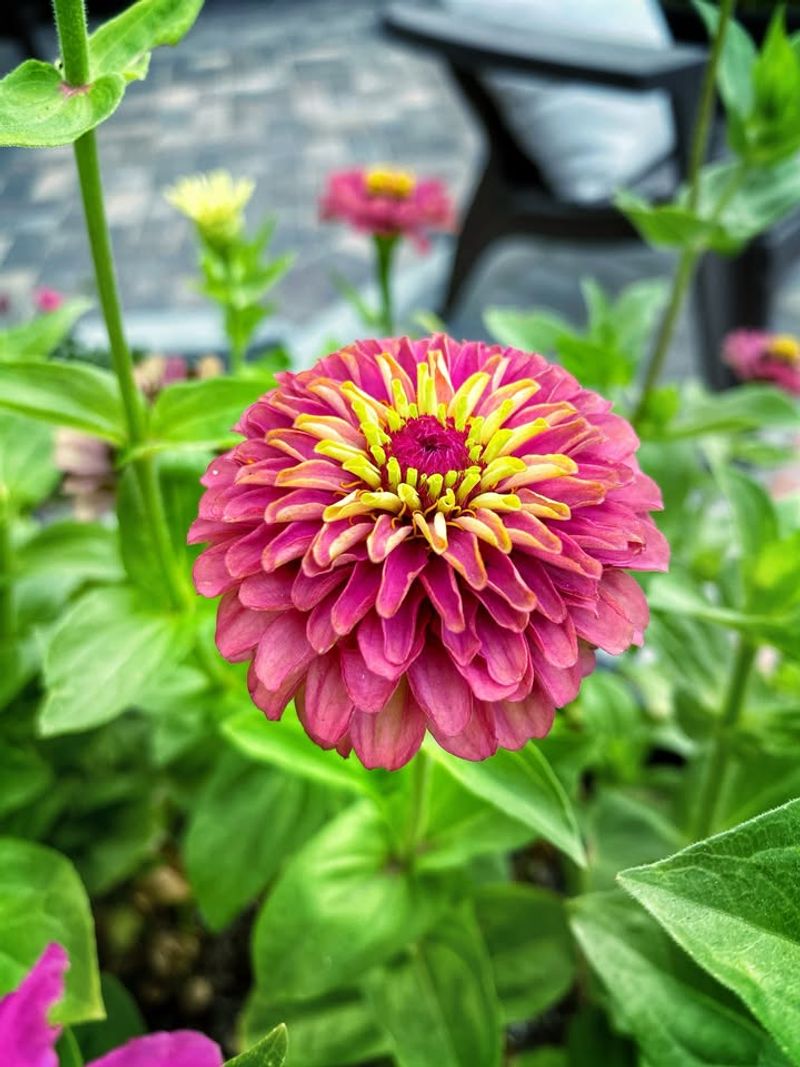
Zinnias are one of the most heat-tolerant flowering plants you can grow in Arizona, which already puts them ahead of many other options.
Beyond surviving the brutal summer, they attract a solid range of beneficial insects — including parasitic wasps, soldier beetles, and various predatory flies — that feed on or parasitize common garden pests.
Soldier beetles, for example, feed on aphids and small caterpillars, making them genuinely useful allies in a vegetable garden.
Plant zinnias in late spring or early summer in Arizona’s low desert, once the soil has warmed and frost risk is completely gone. They grow fast and start blooming within a few weeks of planting, which means beneficial insects begin showing up relatively quickly.
Position them near crops that struggle with caterpillar or aphid pressure, like tomatoes, squash, and corn. Single or semi-double flower varieties tend to attract more beneficial insects than fully double blooms, since the pollen and nectar are more accessible.
Zinnias need full sun and infrequent but deep watering in Arizona. Powdery mildew can be an issue in humid monsoon conditions, so water at the base of the plant rather than overhead and space plants to allow airflow.
They are not going to eliminate every pest in your garden, but they do bring in a consistent stream of helpful insects during the summer growing season — which is exactly when Arizona gardens need the most support.
6. Cosmos Bring In Beneficial Insects That Reduce Pest Populations
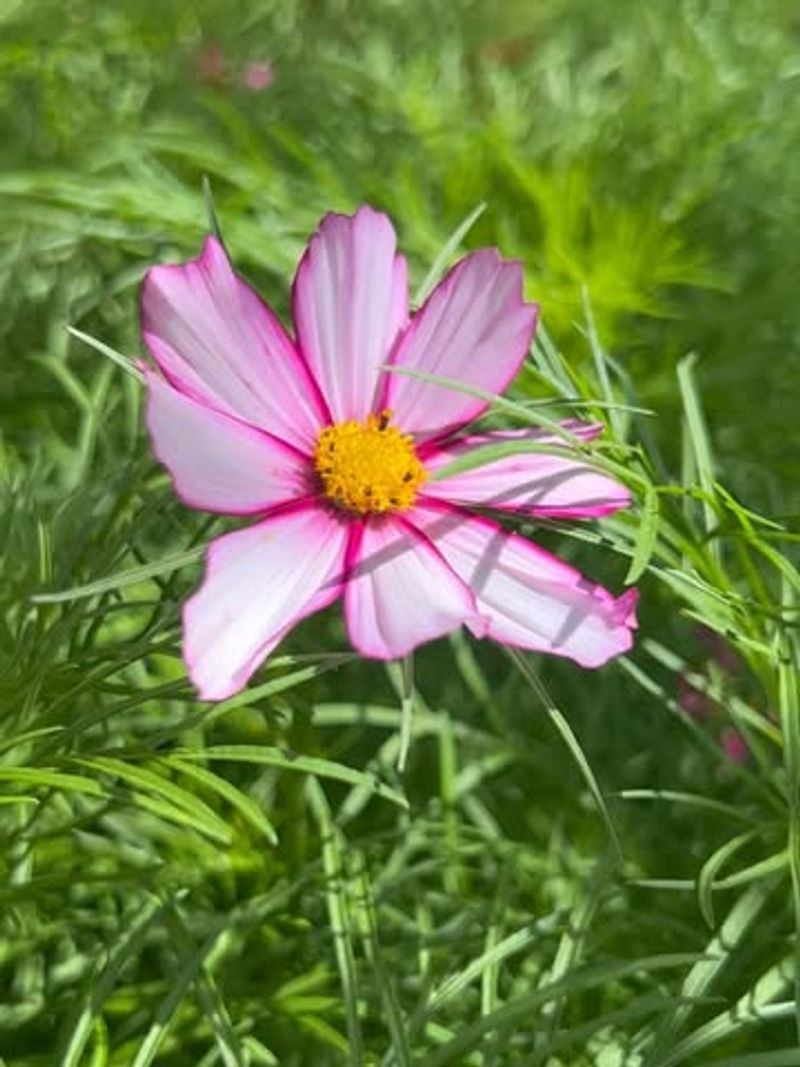
Cosmos are tall, airy flowers that look almost effortless in the garden, and in Arizona they perform surprisingly well with very little attention. Their open, daisy-like blooms are easy for beneficial insects to access, which makes them a reliable magnet for lacewings, parasitic wasps, and hoverflies.
All three of those insects have larvae or adults that feed on common garden pests, so having them nearby is a real advantage.
Cosmos prefer full sun and actually do better in lean soil — adding too much compost or fertilizer pushes leafy growth and reduces flowering. In Arizona, plant them in spring after the last frost date or in early fall for a second flush of blooms before winter.
They handle heat reasonably well but may slow down during the peak of summer. Their feathery foliage also does something subtle: it provides light shade and shelter at ground level, which some beneficial ground beetles use as cover while hunting pests in the soil.
Sow cosmos seeds directly in the garden since they do not always transplant well, and thin seedlings to about 12 inches apart for good airflow.
Water them deeply but infrequently once they are established — Arizona’s dry climate suits them well, and overwatering is a bigger risk than underwatering.
Deadheading extends the bloom period, but leaving some spent flowers to go to seed also attracts seed-eating birds that can help reduce certain insect populations around the garden.
7. Lavender Repels Certain Insects With Its Strong Scent
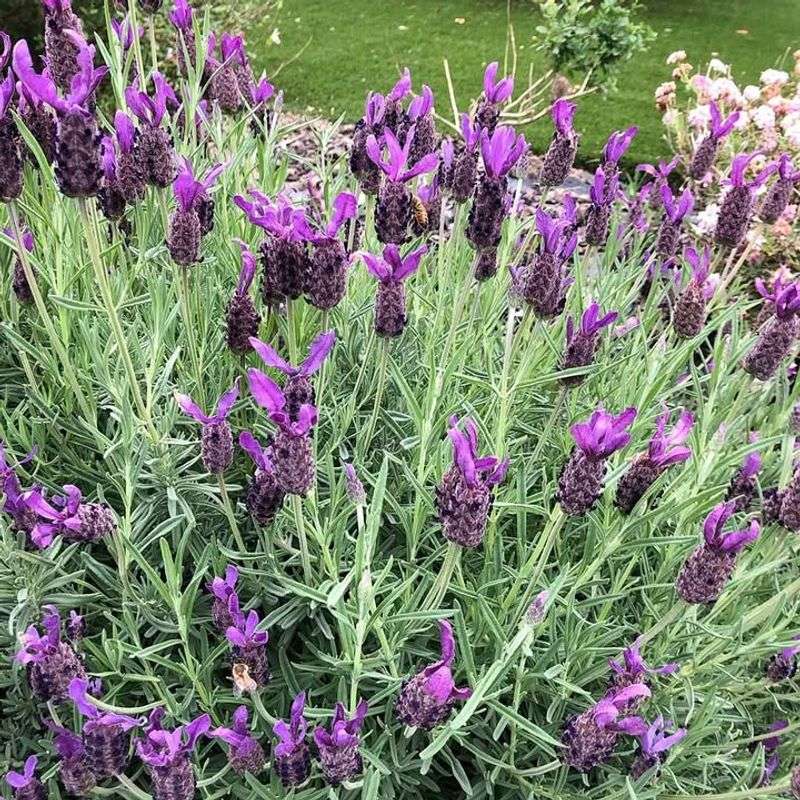
Lavender has a scent that most people enjoy, but quite a few insects find it off-putting. The fragrant oils in lavender — primarily linalool and linalyl acetate — are known to deter mosquitoes, fleas, and moths.
Planting lavender near seating areas or along garden pathways can reduce how many mosquitoes linger in those spots, particularly during Arizona’s monsoon season when standing water and humidity create prime mosquito conditions.
Spanish lavender (Lavandula stoechas) and Provence lavender tend to handle Arizona’s heat better than English lavender varieties. In the low desert, plant lavender in fall or early spring to give roots time to develop before summer arrives.
Full sun and excellent drainage are non-negotiable — lavender will struggle and may develop root rot in heavy clay or consistently wet soil. Raised beds or amended sandy soil work well in most Arizona yards.
Lavender does not repel every pest, and it will not protect your vegetable crops from aphids or caterpillars on its own. Where it genuinely helps is in reducing flying insect pressure around outdoor living spaces and acting as a buffer plant along garden borders.
It also attracts bees, which benefit pollination throughout your garden. Prune it back after blooming to encourage fresh growth and maintain good airflow through the plant.
With the right placement and soil conditions, lavender is a practical addition to Arizona gardens that pulls double duty as both a functional and attractive plant.
8. Chrysanthemums Contain Natural Compounds That Affect Many Insects
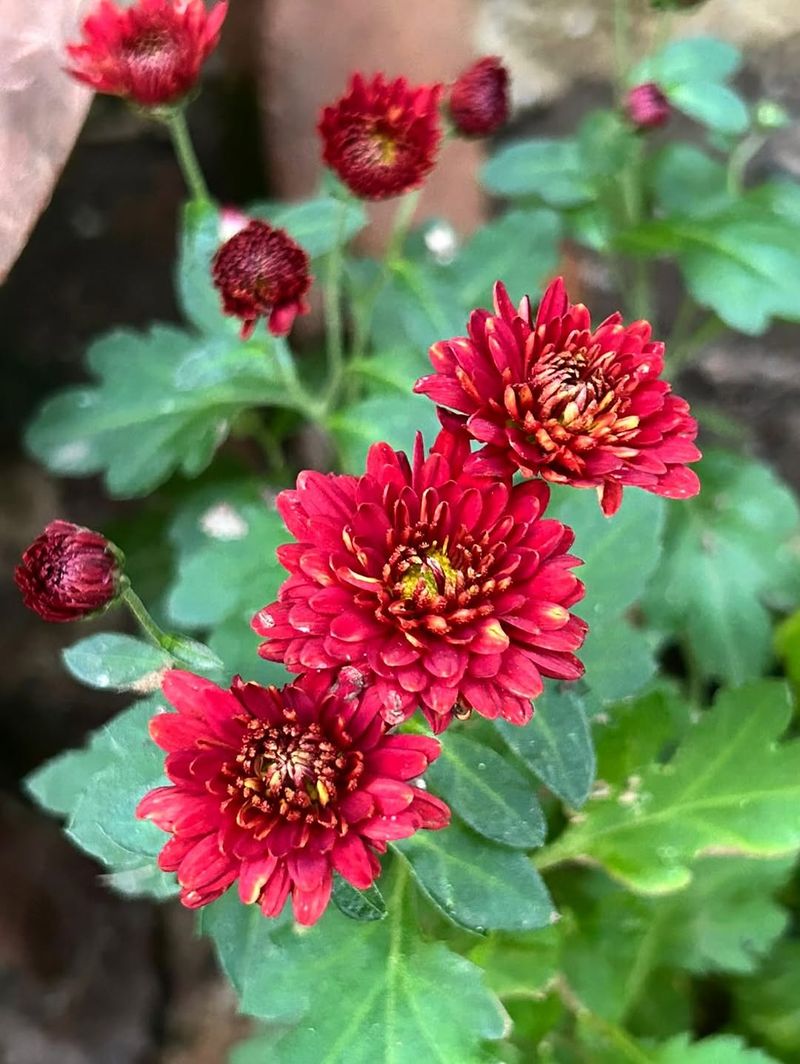
Chrysanthemums are one of the most scientifically interesting plants on this list. Certain varieties contain pyrethrin, a natural compound found in the flower heads that disrupts the nervous system of insects on contact.
Pyrethrin is actually the basis for many commercial insecticides, which tells you something about how potent it can be.
In the garden, chrysanthemums do not release pyrethrin into the air the way lavender releases its oils, but having them nearby may still discourage certain insects from settling in adjacent areas.
In Arizona, chrysanthemums bloom best during fall and spring when temperatures are moderate. They are not fans of extreme summer heat and may go dormant or decline during July and August in the low desert.
Plant them in well-drained soil with full to partial sun exposure, and water consistently without letting the soil stay soggy. Planting them near garden entry points or along borders where pests tend to move in from outside the garden is a common approach.
Ants, spider mites, and various beetles are among the insects that tend to avoid areas where chrysanthemums are growing.
Results in a real garden setting are not as dramatic as with a commercial pyrethrin spray, but chrysanthemums add a layer of passive protection that costs nothing extra once the plants are in the ground.
For Arizona gardeners who want to rely less on chemical inputs, adding chrysanthemums to the border of a vegetable bed is a reasonable and grounded strategy worth trying.