7 Flowers That Stop Blooming During Texas Heat Waves
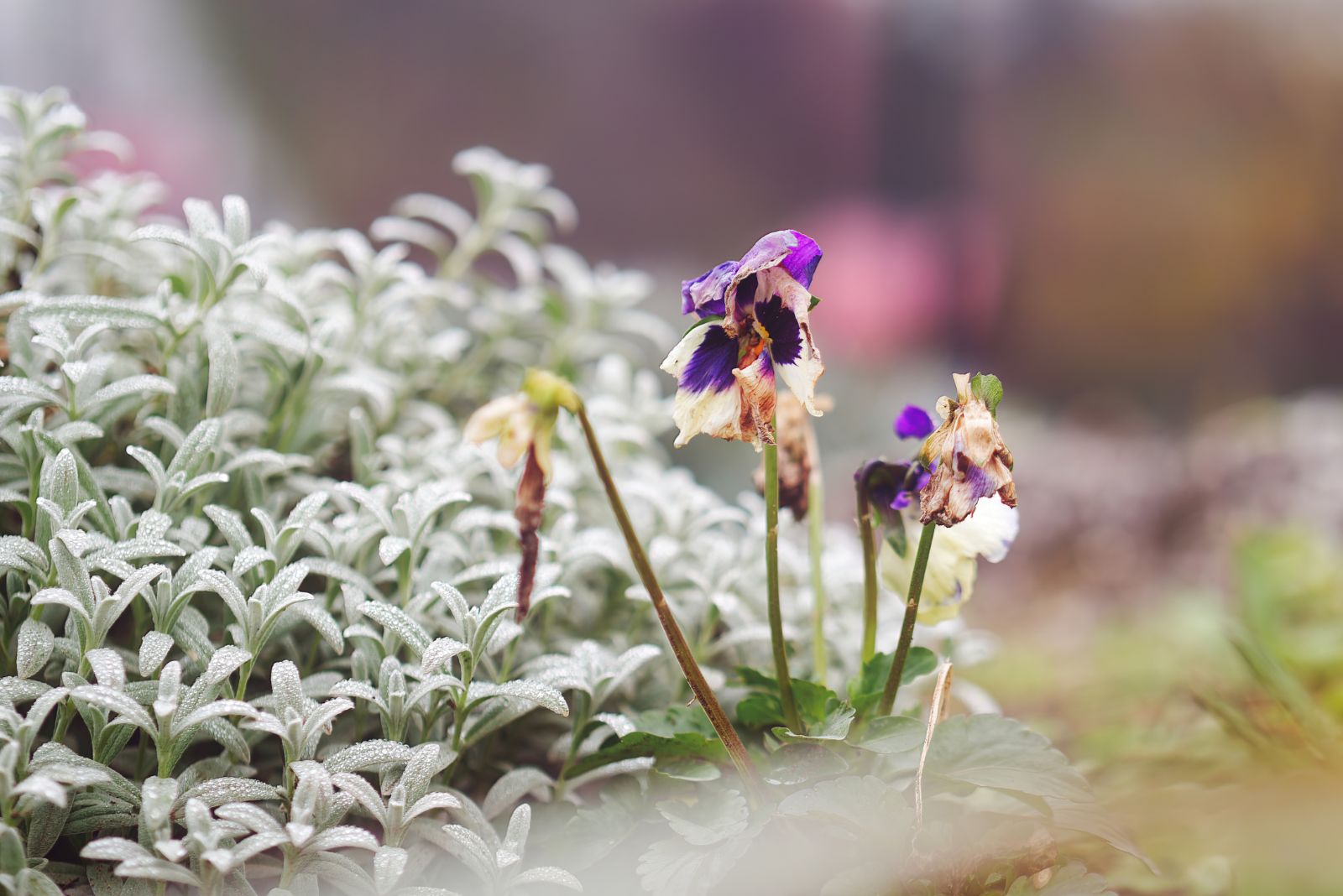
Have you noticed your once-vibrant garden starting to look a little tired when a Texas heat wave hits? Many flowers simply can’t handle the extreme temperatures and intense sun, causing blooms to fade or stop entirely.
It can be frustrating to watch weeks of growth slow down, especially when you’ve put so much care into your yard.
Heat stress affects plants differently. Some flowers shut down their blooms to conserve energy, while others wilt under the scorching sun.
Even the hardiest perennials may take a break until temperatures cool down. Understanding which flowers are prone to pause during heat waves can help you plan your garden and set realistic expectations.
By knowing how different varieties respond to Texas heat, you can select plants that either withstand the summer sun or bloom strategically around the hottest months. This ensures your garden stays lively and beautiful, even when the thermometer soars.
1. Petunias
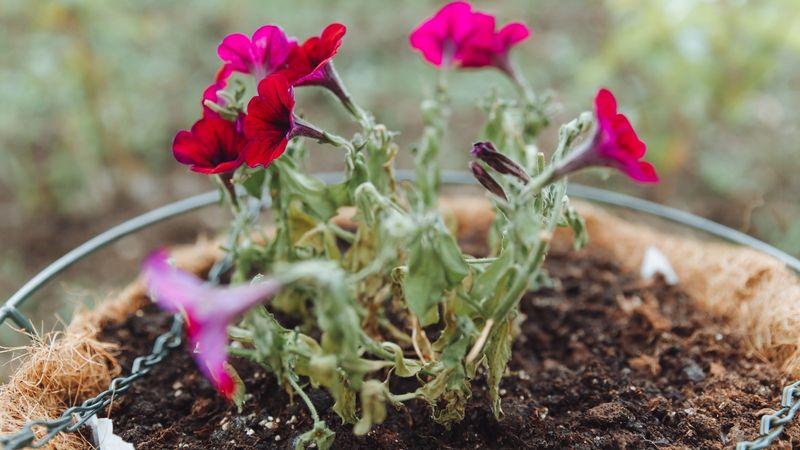
Few flowers put on a show quite like petunias in the spring. Their bright, trumpet-shaped blooms come in nearly every color imaginable, and they fill garden beds and hanging baskets with cheerful color from March through May in Texas.
But when summer heat waves arrive and temperatures push past 90°F for days on end, petunias often pump the brakes on blooming altogether.
The problem is that petunias are not wired for extreme heat. When the air stays hot even at night, the plant focuses its energy on just staying alive rather than producing new flowers.
You might notice fewer blooms, leggy stems, or leaves that look dull and stressed. In Texas, this can happen as early as late June.
The good news is that petunias are not completely done for the season. With a little extra care, you can encourage them to bounce back.
Try giving them afternoon shade, especially between 1 p.m. and 5 p.m. when the sun is most intense. Water them deeply every day during a heat wave, and deadhead spent blooms regularly to signal the plant to keep trying.
Adding a layer of mulch around the base helps keep soil moisture from evaporating too quickly in the Texas heat. Some gardeners also cut petunias back by about one-third in midsummer to encourage fresh growth.
With patience and consistent care, petunias can return to blooming once temperatures cool down in September and October.
2. Impatiens
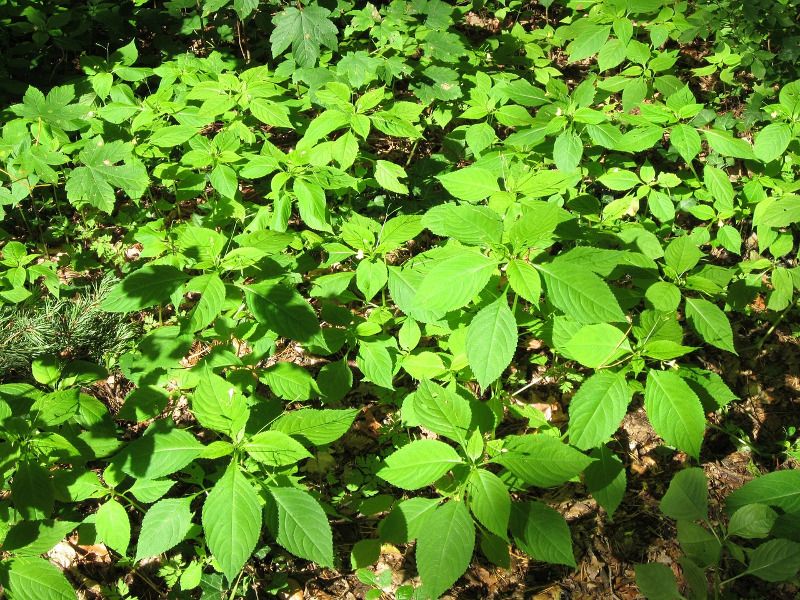
Walk through any garden center in Texas during spring, and impatiens are everywhere. Their soft, rounded blooms in shades of pink, red, white, and coral make them a go-to choice for shady spots.
They look lush and full when temperatures are mild, but impatiens have a serious weakness: they absolutely cannot handle heat.
Impatiens are shade-loving plants by nature. They were not designed for the brutal, relentless heat that Texas summers bring.
When daytime temperatures climb above 85°F and stay there, impatiens stop blooming and start wilting. Even with regular watering, they can look flat and miserable during a heat wave.
Full sun exposure makes things even worse, turning leaves yellow and causing stems to go limp.
In Texas, impatiens tend to struggle from late June through August. During this period, even plants in shaded spots can suffer if the air temperature stays too high.
High humidity combined with heat can also invite fungal problems, which adds another challenge for these delicate plants.
To give impatiens the best chance in a Texas garden, plant them in spots that get morning sun and full afternoon shade. Water them at the base to keep foliage dry and reduce disease risk.
During the worst heat waves, consider moving potted impatiens to a cooler, sheltered location. Once fall arrives and temperatures drop below 80°F, impatiens often perk back up and reward patient gardeners with a fresh round of colorful blooms before the first frost.
3. Pansies
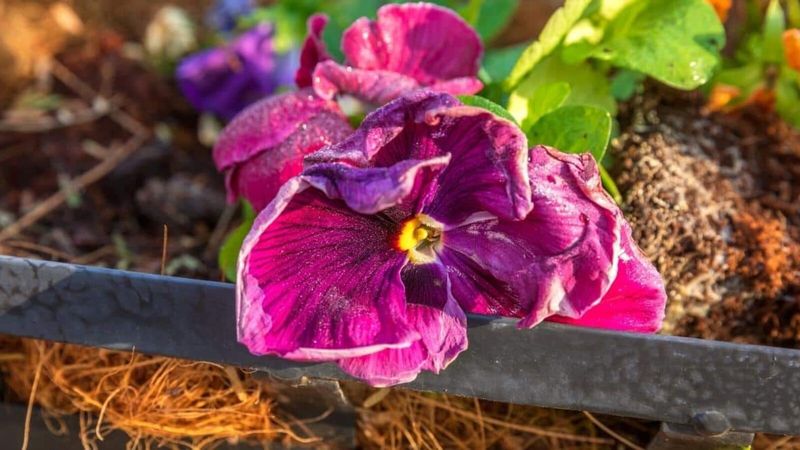
Pansies are the cheerful little faces of the cool-season garden. Their distinctive patterned blooms bring color to Texas gardens during fall, winter, and early spring when most other flowers are resting.
Gardeners in Texas love them because they can handle light frost and keep blooming through mild winters. But ask a pansy to survive a Texas heat wave, and you will quickly see its limits.
Once temperatures climb above 75°F to 80°F consistently, pansies begin to slow down. Above 85°F, blooming often stops completely.
The plants shift into a kind of heat survival mode, putting out fewer flowers and stretching into leggy, unattractive shapes. By the time June arrives in most parts of Texas, pansies are typically past their prime and struggling to hold on.
Did you know pansies have been cultivated since the early 1800s? They were bred for cool climates in Europe, which explains why they have such a hard time in Texas summers. Their genetics simply were not built for 100-degree days and hot, dry winds.
The smartest approach with pansies in Texas is to enjoy them for what they are: a cool-season treat. Plant them in October or November and let them shine through spring.
When temperatures start rising in late April or May, be ready to replace them with heat-tolerant summer flowers like zinnias, vinca, or portulaca. Trying to push pansies through a Texas summer is a battle you are unlikely to win, so plan around their natural season instead.
4. Snapdragons
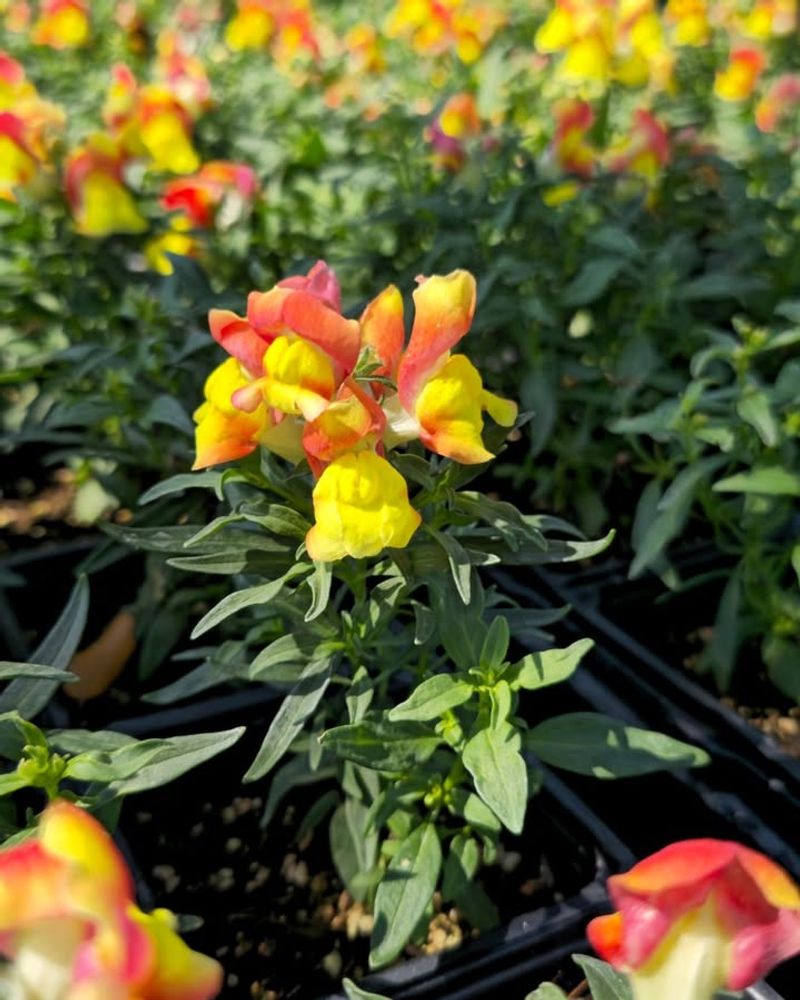
Snapdragons have one of the most playful personalities in the flower world. Squeeze the sides of a bloom gently and it opens like a little dragon mouth, which is exactly how they got their name.
Kids and adults alike love them for it. In Texas, snapdragons put on a brilliant show in early spring, filling garden beds with tall, colorful spikes of blooms. But their fun season does not last long once summer heat moves in.
Snapdragons are cool-season flowers through and through. They thrive when daytime temperatures sit between 60°F and 75°F.
Once Texas heat pushes past 80°F on a regular basis, snapdragons begin to slow their growth and reduce flower production. During a full-blown heat wave with temperatures above 95°F, they may stop blooming entirely and start looking tired and stretched out.
In most parts of Texas, this transition happens fast. A snapdragon bed that looked stunning in March or April can look worn out by late May.
The plants are not well-equipped to handle the combination of intense sun, high temperatures, and dry air that Texas summers bring.
Rather than fighting the season, experienced Texas gardeners treat snapdragons as a spring annual and plan to replace them with summer-hardy flowers when the heat arrives. Marigolds, celosias, and lantanas are popular swap-out choices.
If you want to try saving snapdragons, cut them back by half and move container plants to a shaded spot. Some gardeners in cooler parts of Texas have had luck reviving them in the fall when temperatures drop again.
5. Dianthus
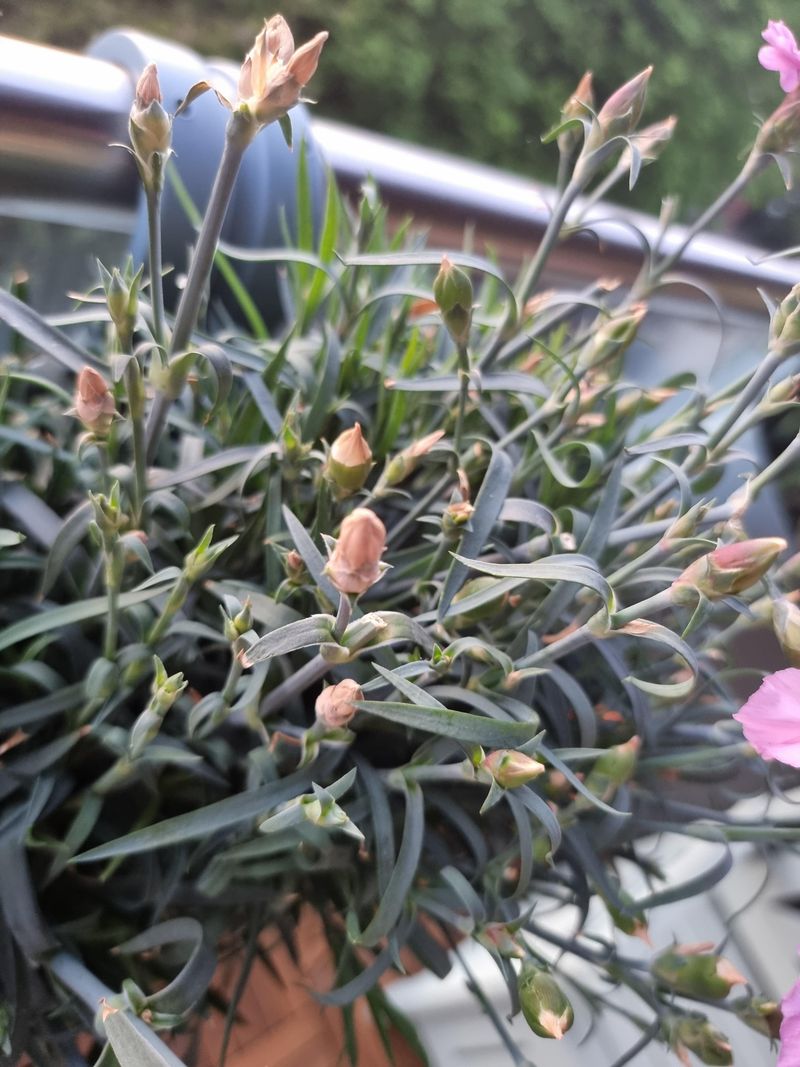
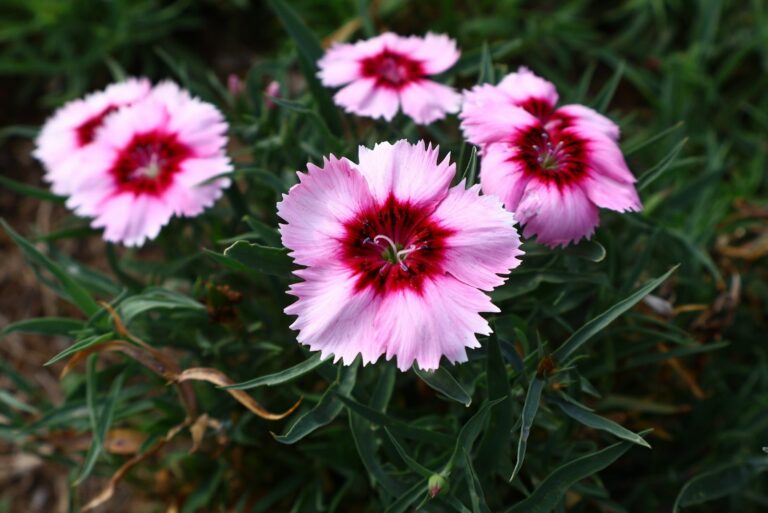
There is something undeniably charming about dianthus. Their fringed, spicy-scented blooms in shades of pink, red, and white bring a cottage-garden feel to Texas landscapes every spring.
Sometimes called pinks or carnations depending on the variety, dianthus plants are reliable performers from late winter through late spring. However, they have a well-known soft spot when it comes to summer heat in Texas.
Dianthus plants prefer cooler temperatures and tend to slow down or stop blooming when the heat climbs above 85°F. In Texas, where summer temperatures regularly hit triple digits, dianthus can struggle significantly from June through August.
The flowers fade faster, new buds may not form, and the foliage can start to look pale or stressed. Extended heat waves make the situation even harder on these plants.
One thing that helps dianthus survive the Texas summer is good drainage. Wet, hot soil is a quick recipe for root problems.
Make sure your garden beds drain well and avoid overwatering during heat waves. A layer of mulch helps moderate soil temperature without keeping it too soggy.
Afternoon shade is also a big help for dianthus in Texas. If you can position them where a fence, tree, or taller plant blocks the intense afternoon sun, they will hold up better through the heat.
Some varieties of dianthus are more heat-tolerant than others, so look for labels that mention heat resistance when shopping. With the right conditions, dianthus can often rebloom in fall when Texas temperatures finally begin to cool down again.
6. Calendula
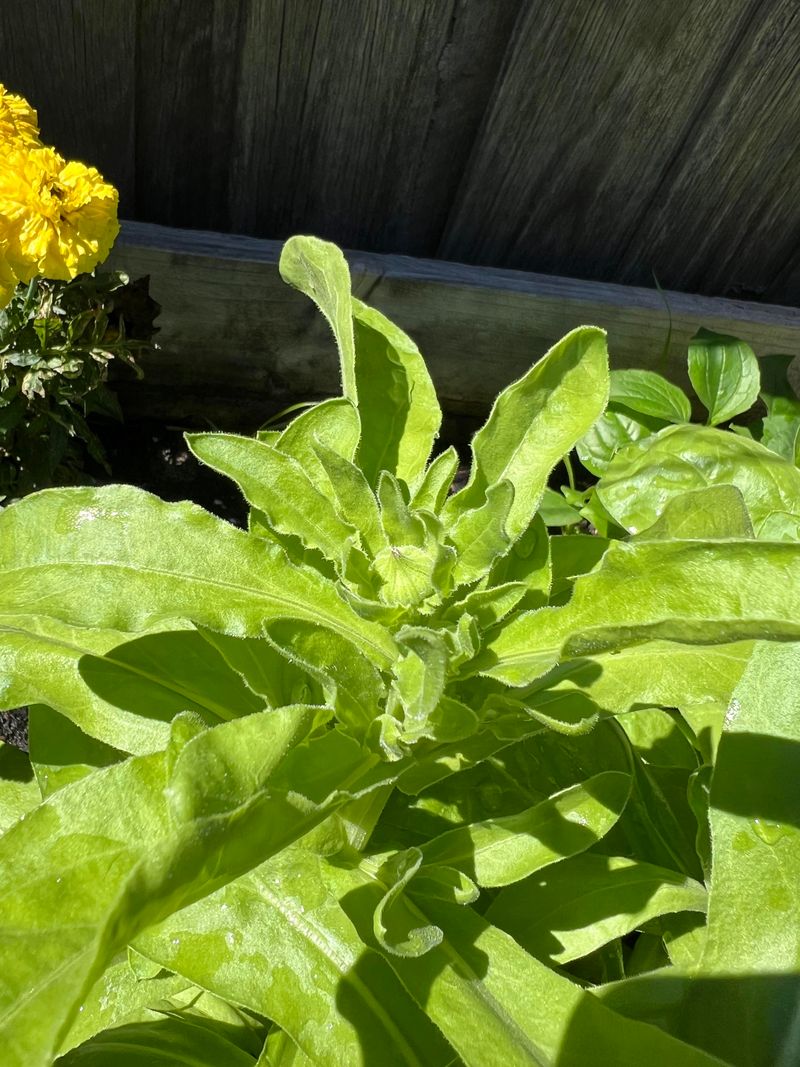
Bright, sunny, and cheerful, calendula is one of those flowers that feels like a little burst of happiness in the garden. Also known as pot marigold, calendula has been used for centuries in herbal remedies and cooking, making it one of the most useful flowers you can grow.
In Texas, it shines during the cooler months, producing a steady stream of orange and yellow blooms from fall through spring. But summer in Texas is a completely different story for this cool-season annual.
Calendula performs best when temperatures stay between 50°F and 70°F. Once Texas heat pushes past 80°F consistently, calendula plants begin to slow down noticeably.
Flower production drops off, and during intense heat waves, it may stop blooming completely. The plants can look scraggly and stressed, with fewer new buds forming and existing blooms fading faster than usual.
The main issue is that calendula simply was not bred for hot climates. It originated in the Mediterranean region, where summers are warm but not nearly as extreme as a Texas heat wave.
Its natural instinct during intense heat is to conserve energy and focus on seed production rather than making new flowers.
In Texas, the smartest strategy is to plant calendula in the fall and enjoy it through early spring. When temperatures start climbing in May, you can collect seeds for replanting in the fall.
If you want to extend its season slightly, move container plants to afternoon shade and water consistently. Some gardeners in North Texas report that calendula holds on a bit longer in shaded spots before the summer heat fully takes over.
7. Sweet Alyssum
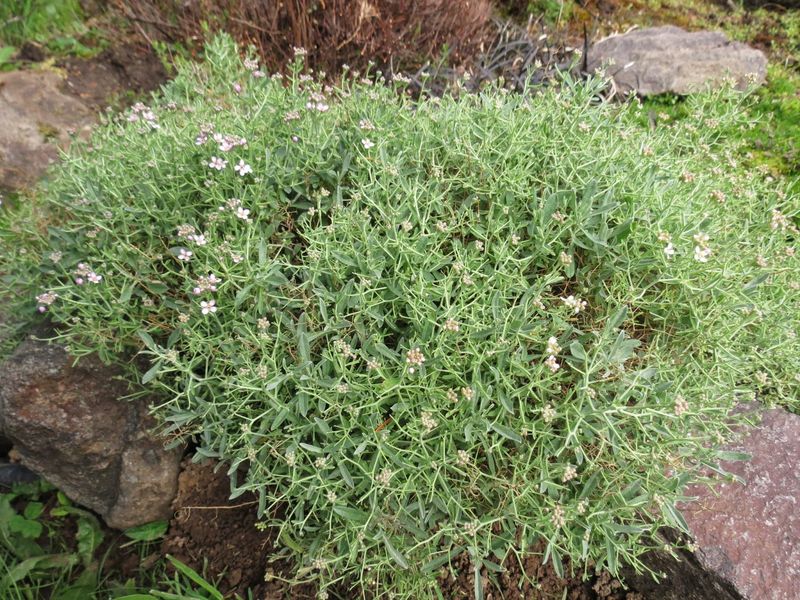
If you have ever walked past a garden and caught a sweet, honey-like fragrance drifting through the air, there is a good chance sweet alyssum was nearby.
This low-growing, carpet-like flower is beloved for its delicate clusters of tiny white, pink, or purple blooms and its irresistible scent.
In Texas, sweet alyssum is a cool-season favorite that edges garden beds and spills beautifully over container rims from fall through spring. But when Texas heat waves roll in, this fragrant little flower often goes quiet.
Sweet alyssum prefers temperatures between 55°F and 75°F. Once the Texas heat pushes above 80°F to 85°F for extended periods, sweet alyssum tends to stop blooming and may go partially dormant.
During a severe heat wave, plants can look brown, dry, and nearly lifeless. The fragrance disappears along with the flowers, and what was once a lush ground cover can shrink to almost nothing.
The good news is that sweet alyssum is surprisingly resilient for such a delicate-looking plant. Many Texas gardeners have discovered that cutting it back hard during the summer and giving it consistent water can help it survive until fall.
Once temperatures drop back below 80°F, sweet alyssum often pushes out fresh growth and begins blooming again with very little encouragement.
To get the most out of sweet alyssum in Texas, plant it in early October and enjoy it through late spring. Choose a spot with morning sun and afternoon shade to extend its blooming season as long as possible.
With a little planning, this fragrant flower can be one of the most rewarding cool-season plants in any Texas garden.