7 Flowers To Deadhead In Winter In Florida
Winter in Florida does not mean your garden has to slow down. While much of the country is dealing with frozen soil and dormant plants, Florida gardeners are enjoying cool-season blooms that can stay colorful well into spring.
But even during this productive season, spent flowers build up quickly and can quietly reduce the number of new buds your plants produce. Deadheading is one of the simplest habits that delivers fast, visible results.
Removing faded blooms keeps plants tidy, encourages continuous flowering, and helps direct energy back into healthy growth instead of seed production. The best part is that it only takes a few minutes each week.
From baskets overflowing with petunias to shade beds brightened by impatiens, many popular Florida winter flowers respond immediately to this care.
With the right timing and technique, your garden can stay fuller, brighter, and blooming longer throughout the entire cool season.
1. Petunias

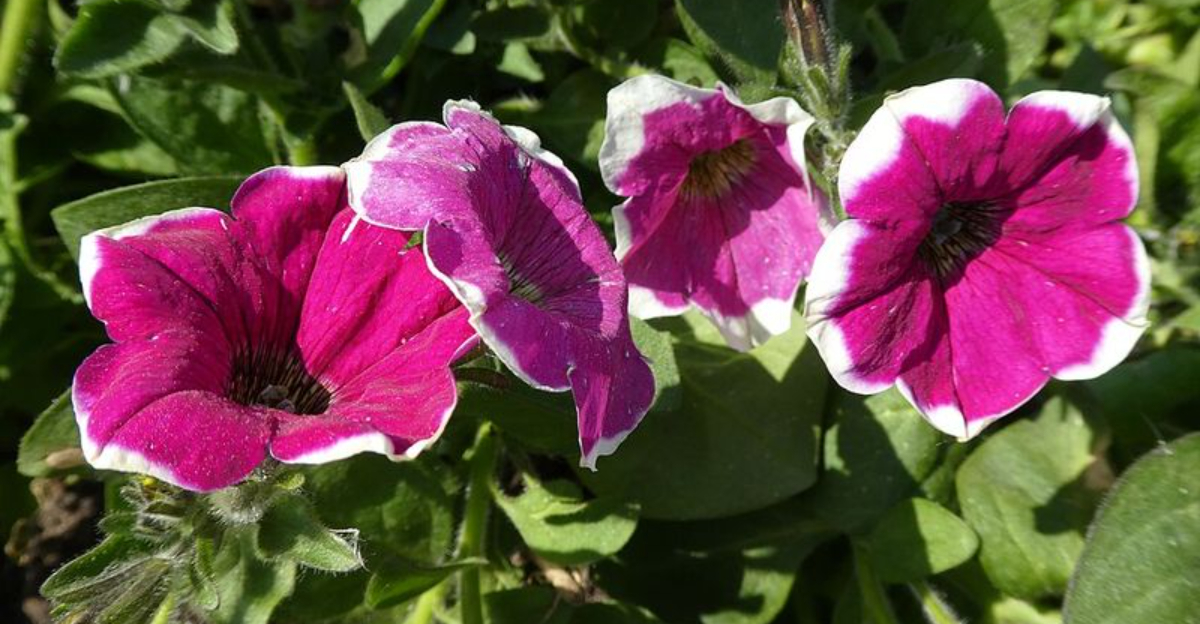
Trailing stems spill over container edges and window boxes all winter long, covered in trumpet-shaped blooms that fade from bright pink or purple to pale, papery shells. Petunias thrive during Florida’s cool-season growing months, especially from December through March, when heat stress disappears and they can focus energy on flowering instead of survival.
You will notice spent blooms clinging to stems, turning brown and sticky, and those old flowers slow down the plant’s ability to produce fresh buds.
Pinch off faded blooms every few days, working your way along each trailing stem. This simple habit redirects energy back into new flower production instead of seed formation.
In South Florida, petunias bloom almost continuously through winter, while Central and North Florida gardeners see the heaviest flowering from January through early April, right when frost risk drops.
Regular deadheading keeps your petunia baskets looking full and colorful instead of scraggly and tired. You will notice more buds forming within a week of consistent removal.
If stems get leggy by mid-winter, trim them back by a third, and they will branch out with renewed vigor.
Petunias respond so well to this care that many Florida gardeners treat them as cool-season stars, replacing summer annuals with petunia waves every fall.
The payoff is months of reliable color with just minutes of maintenance each week, and your containers stay picture-perfect through the entire winter season.
2. Geraniums (Pelargoniums)
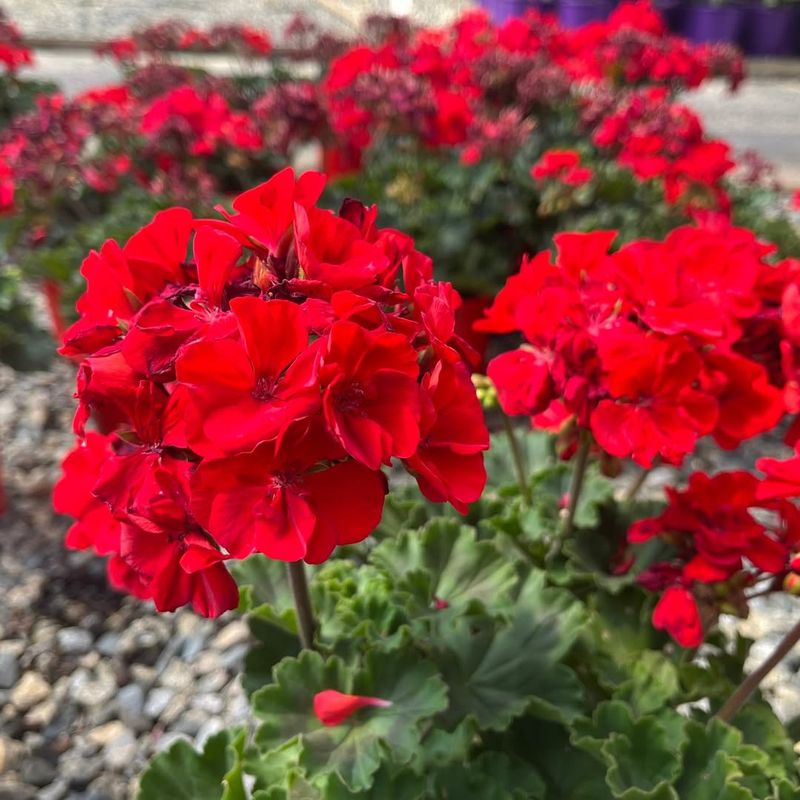
Clusters of scarlet, coral, and rose-colored blooms sit atop sturdy green stems, brightening garden beds and porch planters when many summer favorites have faded away.
Geraniums, technically pelargoniums, perform beautifully in Florida winters, thriving in the mild temperatures that stress them during July and August.
Each flower cluster, called an umbel, holds dozens of small blooms that open over several weeks, and as individual flowers fade, the entire cluster begins to look shabby if left in place.
Snip off spent flower clusters where the stem meets the main plant, cutting just above a set of leaves. This encourages side shoots to develop and produce new flower stalks.
North Florida gardeners should watch for occasional frost, which can damage blooms, but geraniums bounce back quickly once temperatures rise again.
Central Florida offers nearly ideal conditions, with geraniums blooming steadily from November through April. South Florida gardeners enjoy the longest bloom window, often seeing flowers from October straight through May.
Removing old clusters every week keeps plants compact and covered in fresh color instead of stretched out and sparse.
Geraniums also benefit from occasional pinching of leggy stems, which promotes bushier growth and more flowering points. You will notice thicker, more attractive plants within a few weeks of regular care.
These reliable bloomers reward your attention with months of bold color and a tidy appearance that makes your garden look cared for and welcoming all winter long.
3. Pansies And Violas
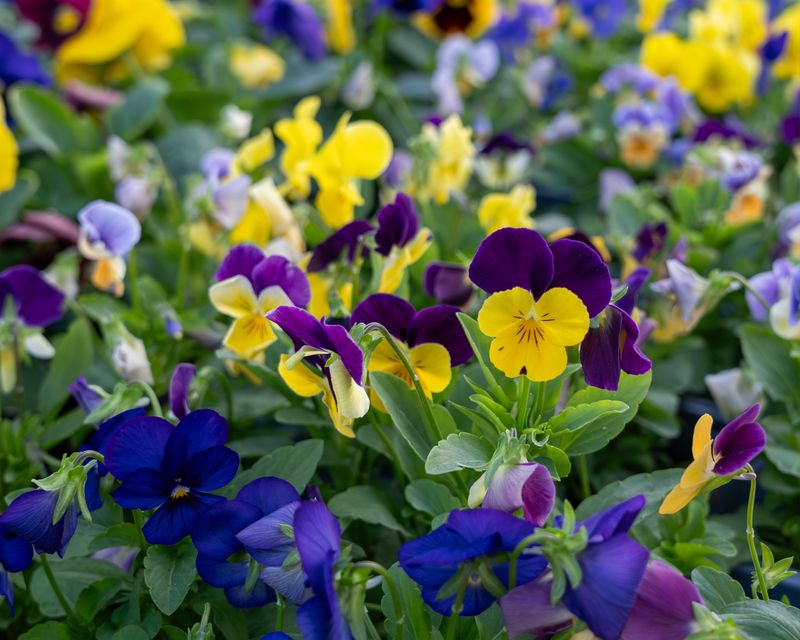
Cheerful faces in shades of purple, yellow, orange, and white carpet flower beds across Florida every winter, bringing color to spaces that would otherwise sit empty until spring.
Pansies and their smaller cousins, violas, are cool-season champions, planted in fall and blooming through the mild months.
Each flower lasts about a week before petals fade and drop, leaving behind a small seed pod that signals the plant to slow down flower production if not removed.
Pinch off faded blooms daily or every few days, snapping the stem just below the flower head. This quick task takes only a minute or two per container or bed section, and the results are immediate.
Plants respond by pushing out new buds faster, keeping your beds covered in fresh blooms instead of developing seeds.
North Florida gardeners see pansies and violas perform best from December through March, with occasional cold snaps sometimes causing temporary wilting, though these plants are generally frost tolerant and recover quickly. Central Florida enjoys the longest bloom window, often from November through April, while South Florida sees best performance from December through February before heat begins to stress the plants.
Regular deadheading extends the season in all regions by keeping plants focused on flowering.
You will notice beds stay fuller and more colorful when you remove spent blooms consistently. Pansies and violas also benefit from light fertilization every few weeks, which supports the constant flower production that deadheading encourages.
These easy-care annuals are perfect for beginner gardeners, offering big visual rewards for small efforts throughout the winter season.
4. Calendula (Pot Marigold)
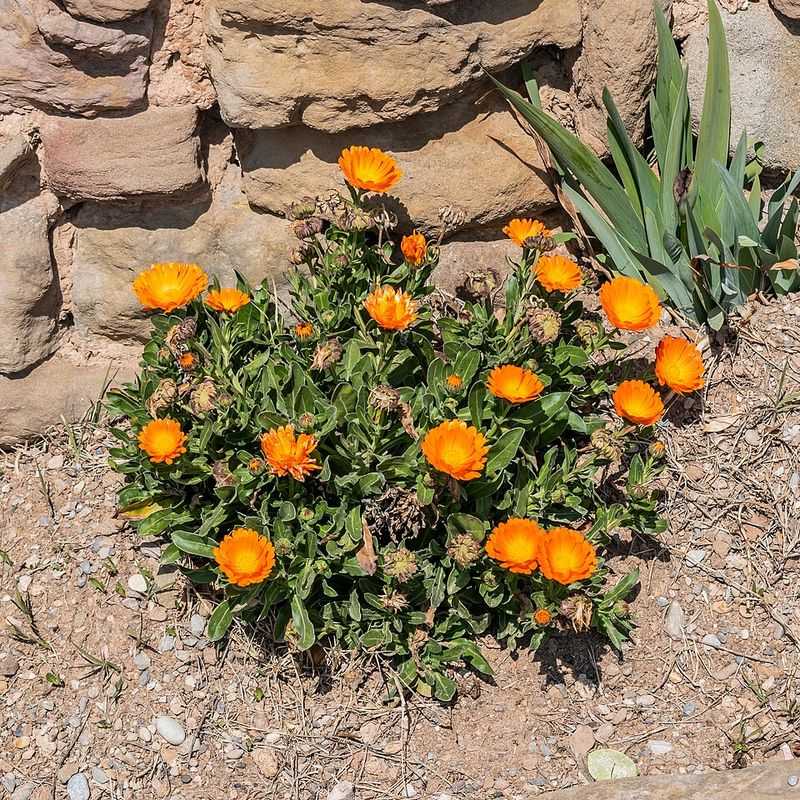
Bright orange and yellow daisy-like blooms rise above soft green foliage, adding a cheerful, old-fashioned charm to Florida winter gardens.
Calendula, often called pot marigold, thrives in cooler temperatures and actually struggles in summer heat, making it a perfect candidate for fall planting and winter enjoyment.
Each flower opens wide on a sunny day and closes slightly at night, lasting about a week before petals begin to fade and curl inward.
Remove spent blooms by snipping the stem just above the next set of leaves or buds. Calendula produces flowers continuously when old blooms are removed regularly, and plants can become covered in fresh color if you stay on top of deadheading.
This flower is especially popular in Central and North Florida, where cooler winter nights encourage prolific blooming from December through March.
South Florida gardeners can grow calendula successfully from November through February, but warmer temperatures may shorten the bloom season compared to northern regions.
Regular deadheading helps extend flowering in all zones by preventing seed formation, which signals the plant to stop producing new buds.
You will notice plants stay bushier and more compact when spent flowers are removed weekly.
Calendula also has edible petals (when grown without chemical pesticides), making it a favorite for gardeners who enjoy adding homegrown touches to salads and teas. The more you harvest blooms, the more the plant produces, so picking fresh flowers for the kitchen doubles as deadheading.
This versatile, easy-care annual brings both beauty and function to your winter garden with minimal effort required.
5. Snapdragons
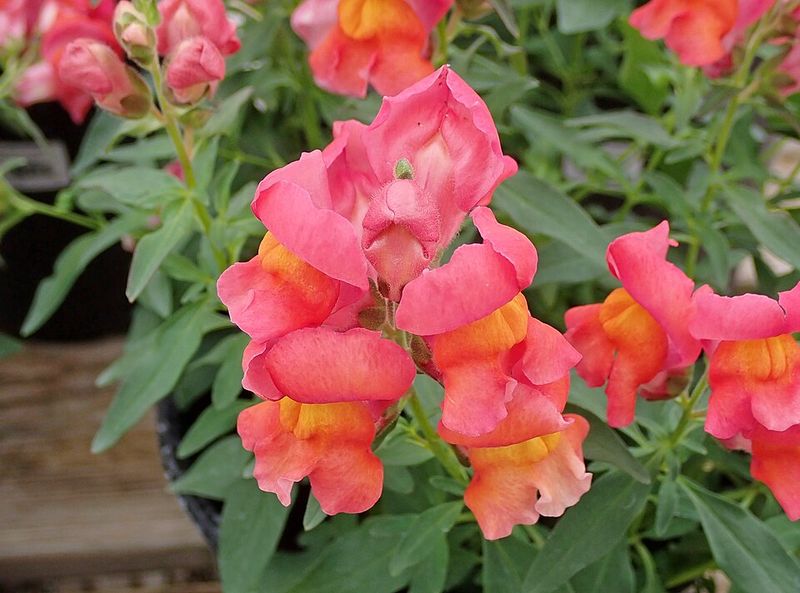
Tall spikes covered in dragon-faced blooms stand upright in garden beds, offering vertical interest and a rainbow of colors from soft pastels to deep burgundy. Snapdragons are classic cool-season performers in Florida, planted in fall and blooming heavily through winter and into early spring.
Each flower spike opens from the bottom up, with lower blooms fading first while upper buds continue to open, creating a mixed appearance of fresh and spent flowers on the same stalk.
Cut off spent flower spikes just above a set of leaves or side shoots once most blooms have faded. This encourages the plant to send up new flowering stems from the base, extending the bloom season and keeping plants looking neat.
North Florida gardeners see snapdragons perform best from January through April, while Central Florida enjoys blooms from December through March.
South Florida offers a shorter but still rewarding window, typically from December through February, before rising temperatures cause plants to stretch and slow flowering. Regular deadheading in all regions keeps plants producing fresh spikes instead of putting energy into seed production.
You will notice side shoots developing quickly after removing spent stems, and plants stay fuller and more attractive with this attention.
Snapdragons also benefit from occasional pinching of young plants to encourage branching, which results in more flower spikes over the season. Combining pinching early in the season with regular deadheading later creates the fullest, most colorful displays.
These charming flowers bring cottage garden appeal to Florida landscapes, and a few minutes of weekly care keeps them performing beautifully through the entire cool season.
6. Verbena

Low mounds of small, clustered blooms spread across the front of flower beds and spill over container edges, offering continuous color in shades of purple, red, pink, and white.
Verbena is a workhorse in Florida winter gardens, blooming reliably through the cooler months and tolerating both sun and light shade.
Each flower cluster contains dozens of tiny blooms that open over several weeks, but as individual flowers fade, the cluster begins to look brown and tired, signaling time for removal.
Pinch or snip off spent flower clusters where they meet the stem, cutting just above a set of leaves. This simple task encourages new clusters to form quickly, keeping plants covered in fresh blooms instead of developing seeds.
While some newer verbena varieties are partially self-cleaning, verbena still responds especially well to regular deadheading, often producing more flowers than plants left untended.
Central and South Florida gardeners enjoy nearly year-round blooms, with peak performance from November through April. North Florida sees strong flowering from February through May, once frost risk decreases.
In all regions, removing spent blooms weekly keeps plants compact and prevents the leggy, sparse appearance that develops when verbena is allowed to set seed.
You will notice plants stay healthier and more vigorous when deadheaded regularly, with thicker foliage and more branching. Verbena also benefits from occasional light pruning if stems get too long, which refreshes the plant and encourages a new flush of growth and flowers.
This low-maintenance bloomer is perfect for Florida gardeners who want reliable color without constant fussing, and deadheading takes just minutes each week to keep plants looking their absolute best.
7. Impatiens (Especially New Guinea Types)
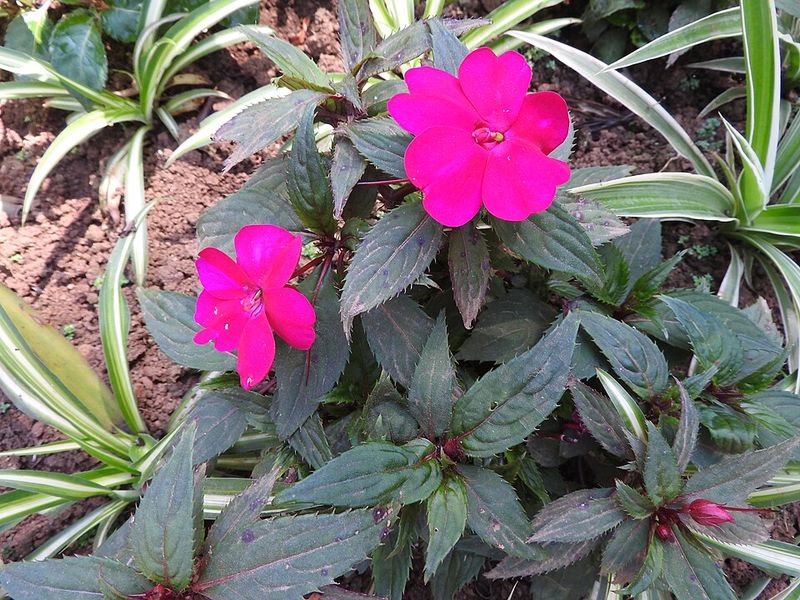
Shade beds and north-facing porches come alive with bright splashes of coral, magenta, orange, and white, courtesy of impatiens that bloom tirelessly through Florida’s mild winter months. New Guinea impatiens, with their larger flowers and more sun-tolerant nature, have become especially popular since traditional impatiens faced disease challenges in recent years.
Each flower lasts several days before petals drop, and while impatiens are generally self-cleaning, spent blooms sometimes cling to stems, especially during dry spells or in crowded plantings.
Gently pinch off faded flowers and any remaining stems, which helps keep plants tidy and encourages faster bud development.
Impatiens bloom so prolifically that deadheading is less critical than with some other flowers, but removing spent blooms weekly still improves appearance and promotes bushier growth.
Central and South Florida gardeners enjoy nearly continuous blooms from fall through spring, with peak performance from December through March.
North Florida gardeners should protect impatiens from frost, as even light freezes can damage plants, though they often recover and resume blooming once temperatures rise. New Guinea types handle cooler nights better than traditional impatiens, making them a more reliable choice for northern regions.
You will notice plants stay fuller and more compact when spent blooms are removed regularly, and occasional pinching of leggy stems keeps them from getting too stretched out.
Impatiens also benefit from consistent moisture and light fertilization, which supports the heavy flowering that makes them such valuable shade garden performers.
Combining regular watering with weekly deadheading creates the healthiest, most colorful plants, and your shaded spaces stay bright and welcoming all winter long with minimal effort required.