9 Flowers To Plant To Attract Ladybugs And Control Aphids In Florida
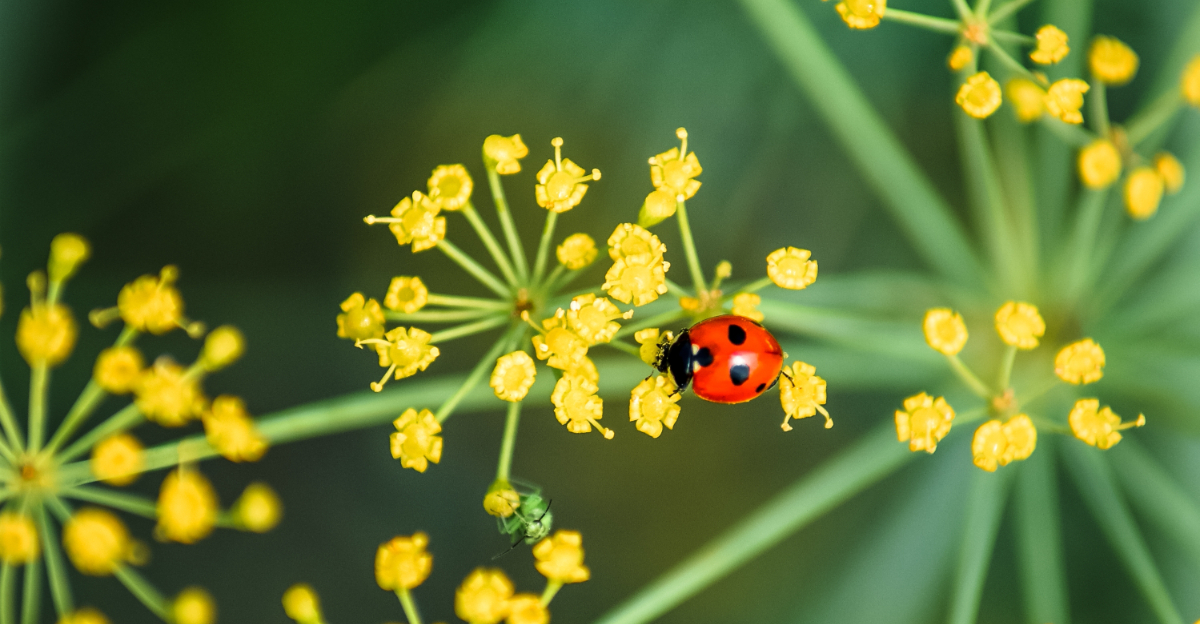
Some garden problems solve themselves when the right insects show up. Ladybugs are among the most valuable allies a Florida gardener can have.
Not just for the color they bring to a summer morning, but for what they do to aphid populations before things get out of hand. They do not appear on demand.
They show up where the garden gives them a reason to stay. Certain flowers attract ladybugs reliably and keep them close during the seasons when pest pressure peaks.
A landscape that supports beneficial insects builds its own defense over time. No sprays, no interventions.
The flowers that do this best are easy to find at any garden center. Most are beautiful in their own right, adding color while making the garden a place where helpful insects want to stick around.
1. Plant Sweet Alyssum For Tiny Nectar-Rich Flowers
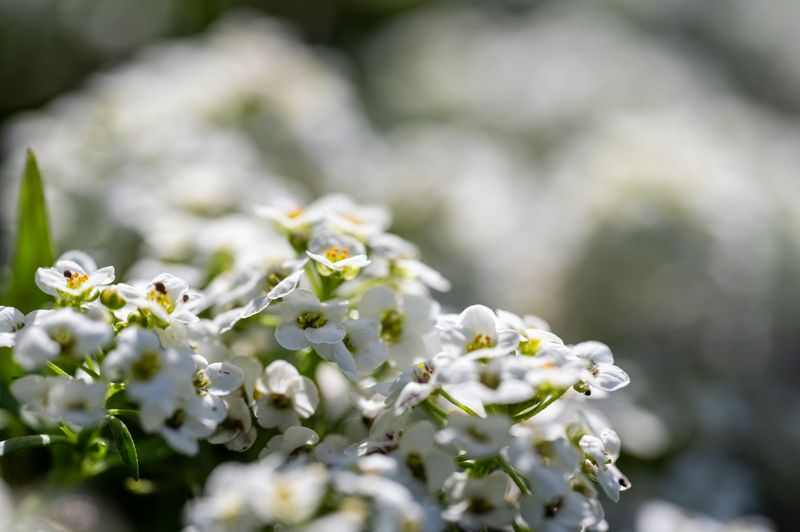
Tiny flowers can do more work than gardeners expect, and sweet alyssum is a good example of that.
Its small, tightly clustered blooms produce nectar that many beneficial insects can access, including hoverflies and small parasitic wasps that help keep soft-bodied pest populations in check.
Lady beetles may also pass through beds where alyssum is part of a broader insect-friendly planting.
Sweet alyssum is not native to Florida, so it needs to be used with realistic expectations. It performs best as a cool-season or seasonal edging plant in this state, thriving when temperatures are mild and fading quickly once summer heat sets in.
Gardeners in northern and central regions often get the most use from it between fall and early spring.
Plant it along the edges of vegetable beds or herb gardens where beneficial insects are most needed. It stays low and does not compete aggressively with neighboring plants.
Keep in mind that alyssum supports helpful insects as part of a broader strategy. It is not a standalone solution for aphid pressure.
Combine it with regular plant checks and a hands-off approach to insecticides to get the most benefit from this cheerful little seasonal flower.
2. Grow Dill Flowers To Draw Beneficial Insects
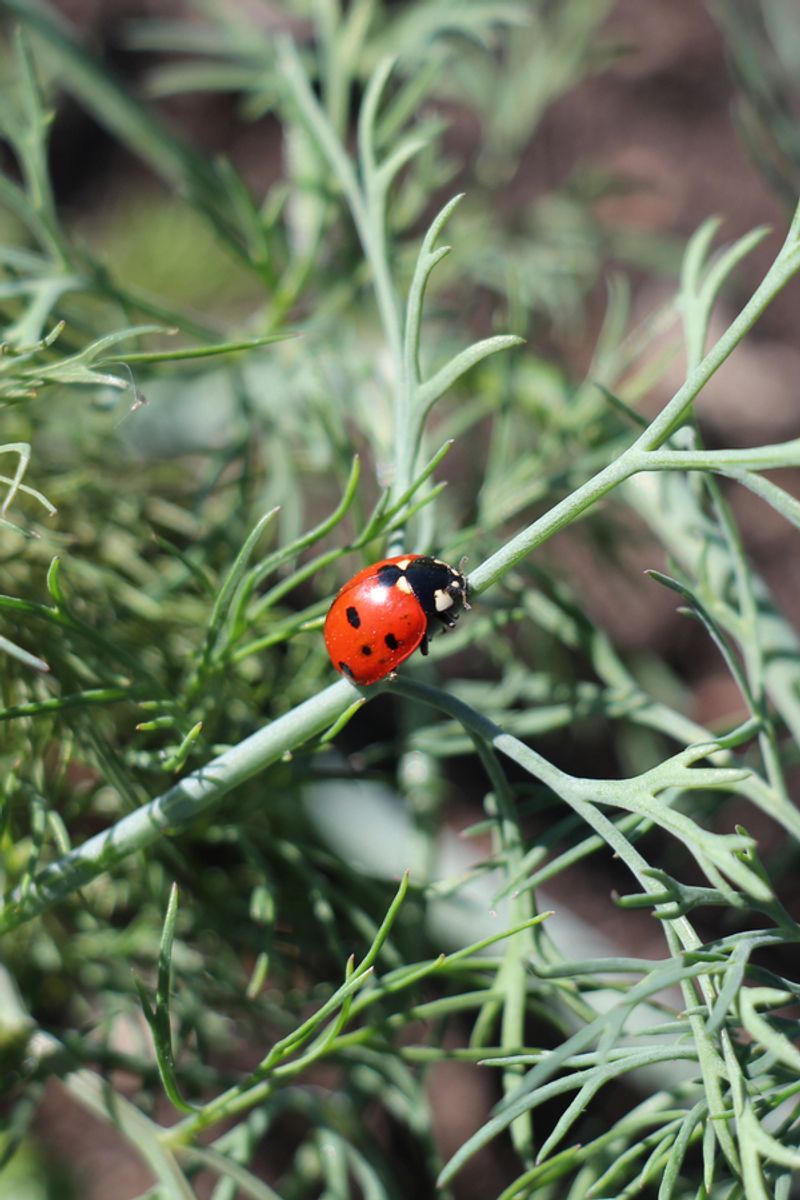
Letting herbs bloom changes the whole bed, and dill is one of the best examples of why that matters. When dill is allowed to flower, its flat-topped yellow clusters become landing pads for a wide range of beneficial insects.
Lady beetles, hoverflies, and parasitic wasps are all known to visit dill flowers for nectar and pollen.
Dill is a cool-season herb in much of this state, which means it grows best during the fall through early spring window in central and southern regions. Northern parts of the state may have a slightly longer window.
Once temperatures climb, dill tends to bolt quickly, but that bolting stage is actually when it becomes most useful for beneficial insects.
Rather than harvesting every stem for the kitchen, consider leaving a few plants to flower fully. Place them near vegetable beds where aphid pressure tends to be highest.
Dill does not need rich soil or heavy watering, which makes it easy to tuck into existing beds. Just give it full sun and good drainage.
Your Florida Garden Changes Every Week. Your Plan Should Too.
Gardening in Florida changes quickly throughout the season. Every Friday you’ll receive a simple weekly plan showing exactly what to plant, prune, fertilize, harvest, and protect so you never miss the right timing.
Letting a small patch go to flower each season is a simple, low-effort way to support the beneficial insect community in your garden.
3. Let Cilantro Bloom For Cool-Season Insect Support
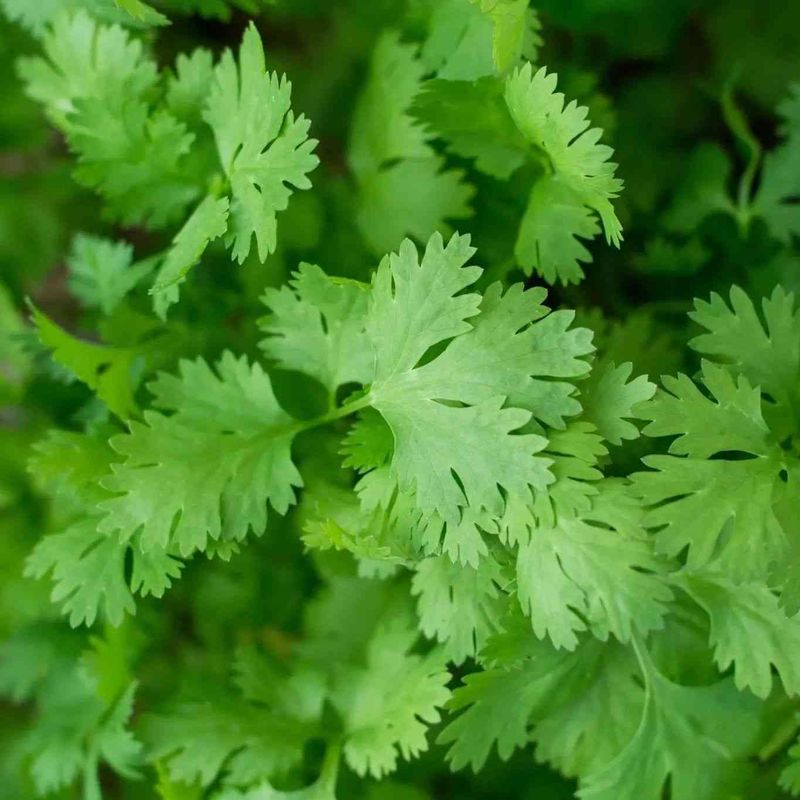
Cool-season flowers can feed helpful insects at exactly the right time of year, and cilantro is one of the most practical options for gardeners in this state.
When cilantro bolts and produces its small white flower clusters, it becomes a useful resource for beneficial insects. This includes tiny parasitic wasps and hoverflies that help reduce soft-bodied pest populations.
Cilantro grows well in Florida during the cooler months, roughly from fall through early spring depending on your region. As temperatures rise, it bolts fast, shifting its energy from leafy growth to flowering.
Many gardeners see this as a problem, but it can actually be used to your advantage. Instead of pulling bolting plants immediately, let them flower and set seed before removing them.
Place flowering cilantro near vegetable beds where beneficial insect activity is most needed. The open flower structure makes nectar easy to access for small insects that might struggle with larger, more complex blooms.
Once the season is over and the plants are spent, remove them to keep the bed tidy. Replant in fall for another cool-season cycle.
Cilantro works best as one seasonal piece of a larger insect-friendly planting plan, not as a single solution to pest pressure.
4. Use Fennel Flowers Where It Has Room To Grow
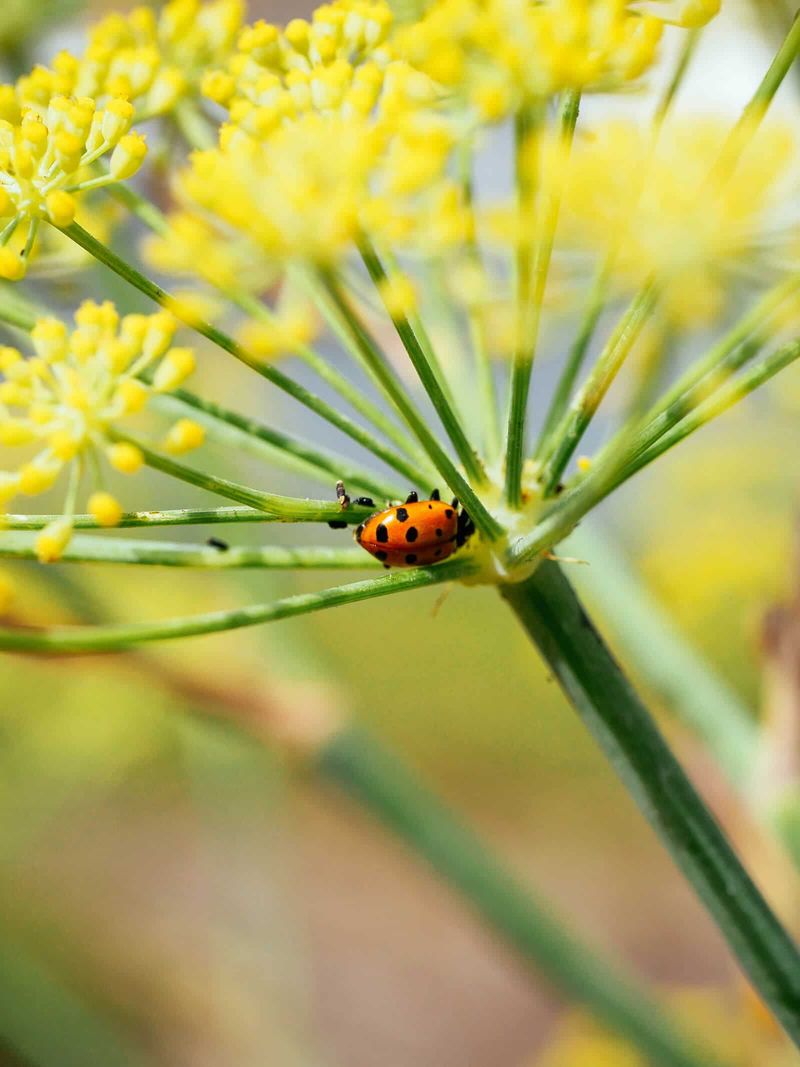
Tall herbs need a thoughtful spot in any garden, and fennel is no exception. Its large, flat-topped yellow flower clusters are easy for many insects to land on and access, making them attractive to beneficial insects like hoverflies, parasitic wasps, and lady beetles.
Allowing fennel to reach its flowering stage can add meaningful insect activity to sunny garden borders.
Fennel can grow quite tall and should be given enough room so it does not crowd neighboring plants. One important note is that fennel can inhibit the growth of some vegetables and herbs when planted too close, so spacing and placement matter.
Check compatibility before placing it right next to your tomatoes or basil. A dedicated spot near the edge of the garden often works well.
In Florida, fennel can be grown as a cool-season or seasonal plant depending on your region. It prefers full sun and well-drained soil.
Bronze fennel varieties are sometimes used for ornamental purposes while still providing the same insect-friendly flowers.
Whether you choose common or bronze fennel, the key is giving it room and positioning it where its tall growth will not shade out shorter plants.
Pair it with regular pest monitoring for a more balanced approach to garden health.
5. Plant Coreopsis For A Native Flowering Boost
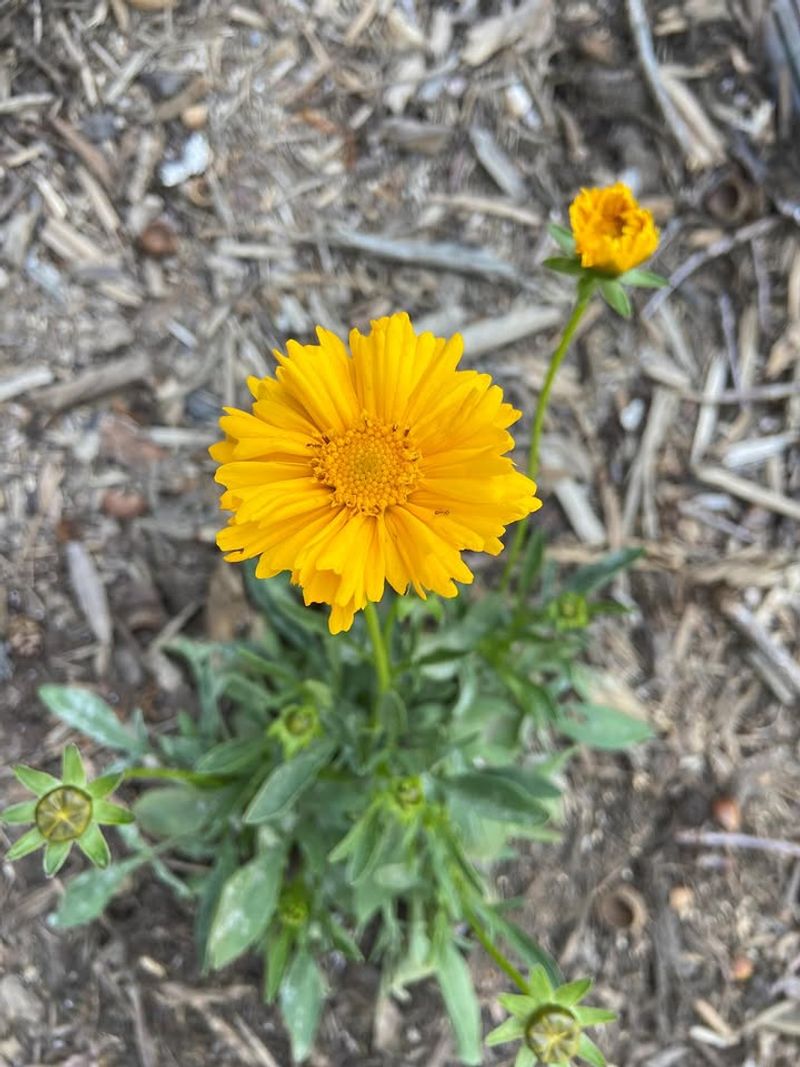
Native blooms can make a vegetable garden feel less bare and more alive, and coreopsis is one of the most cheerful options available to gardeners in this state.
Several coreopsis species are native to Florida or closely associated with Florida landscapes, and they bring long-lasting yellow blooms to sunny beds without needing much fuss.
Lanceleaf coreopsis is one of the Florida native coreopsis species associated with the state wildflower designation, which gives it a special place in local garden culture.
Coreopsis can help support pollinators and beneficial insects by providing open, accessible flowers over a long bloom period.
Lady beetles and other helpful insects may visit the flowers, and the overall increase in insect diversity that native plantings encourage can be good for garden health in general.
Choosing the right species for your region and site makes a real difference in how well these plants perform.
Give coreopsis full sun and well-drained soil, and avoid overwatering or heavy fertilizing, which can reduce flowering. Some species tolerate sandy, nutrient-poor soil quite well.
Check with your local Extension office or a native plant nursery to find coreopsis species suited to your specific area of the state.
These plants are a practical, attractive choice for any sunny border where you want reliable color and beneficial insect activity throughout the growing season.
6. Add Blanketflower For Heat-Tolerant Color
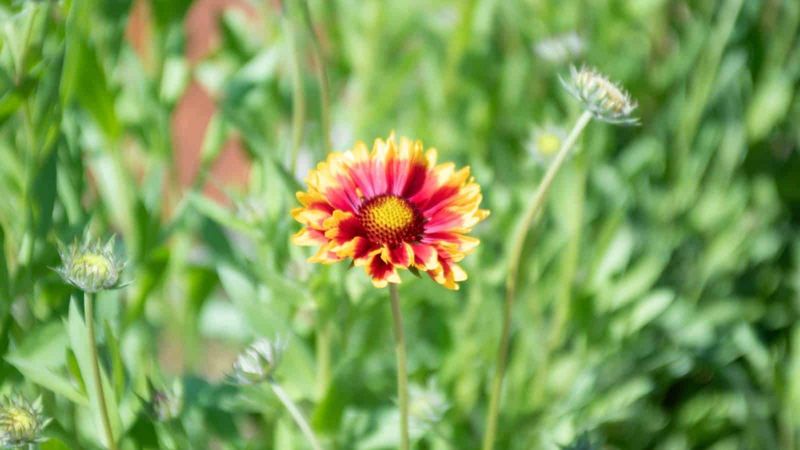
Bright color is useful only when the claim stays honest, and blanketflower, also called Gaillardia, earns its place in sunny Florida gardens through genuine toughness.
Its bold red and yellow blooms hold up well in heat and full sun, making it a reliable choice for gardeners who want color that does not fade the moment summer arrives.
The open, daisy-like flower shape also makes nectar and pollen accessible to a range of visiting insects.
Gaillardia may support beneficial insects, including pollinators and possibly lady beetles, as part of a diverse planting.
It is commonly used in Florida-friendly landscapes and is well-suited to the conditions in this state, though gardeners should be careful about native status claims.
Not all Gaillardia species are native to Florida, so check with a local Extension office or native plant resource before selecting a specific variety if native sourcing matters to you.
Plant blanketflower in full sun with well-drained soil. It handles drought reasonably well once established and does not perform well in wet or shady conditions.
Do not expect it to solve aphid problems on its own. It works best as one colorful piece of a mixed, insect-friendly bed alongside regular garden monitoring and a careful approach to pesticide use.
Trimming spent blooms can help extend the flowering season.
7. Use Beach Sunflower In Sunny Sandy Spots
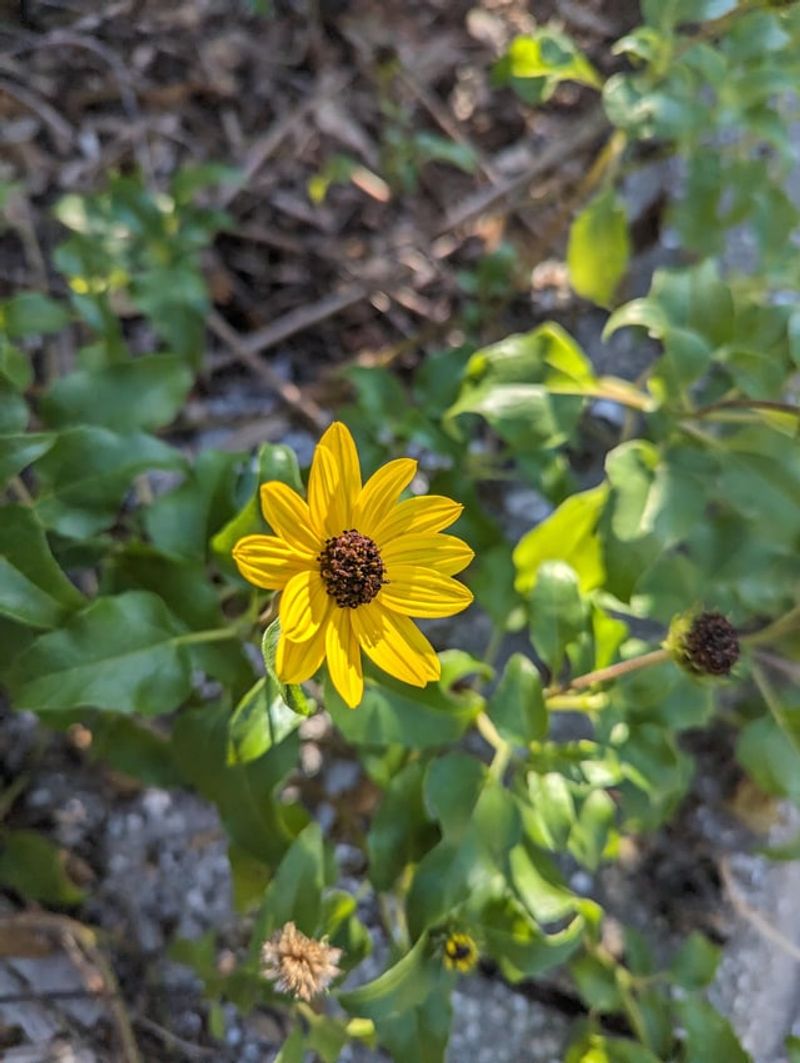
Sandy sunny beds need flowers that fit the site, and beach sunflower is one of the best native options for exactly that kind of spot. Helianthus debilis is native to Florida and thrives in well-drained, sandy soil with full sun exposure.
Its bright yellow flowers bring cheerful color to coastal-style gardens, roadside borders, and any sunny bed where water drains quickly.
Beach sunflower can support pollinators and beneficial insects, including those that help manage soft-bodied pests. The open flower structure makes it easy for a range of insects to visit.
Lady beetles and other helpful insects may be attracted to beds where beach sunflower is growing, especially when combined with other insect-friendly plants nearby.
This plant is not suited to shade or wet soil conditions, so placement matters. It spreads along the ground and can fill in open areas nicely over time, which makes it useful for covering bare sandy patches.
It is drought-tolerant once established and requires very little maintenance in the right spot. Avoid planting it in areas with poor drainage or heavy shade, as it will not perform well there.
Check with a local native plant nursery or your county Extension office for guidance on sourcing and planting beach sunflower in your specific region of the state.
8. Plant Marigolds For Seasonal Color Near Vegetables
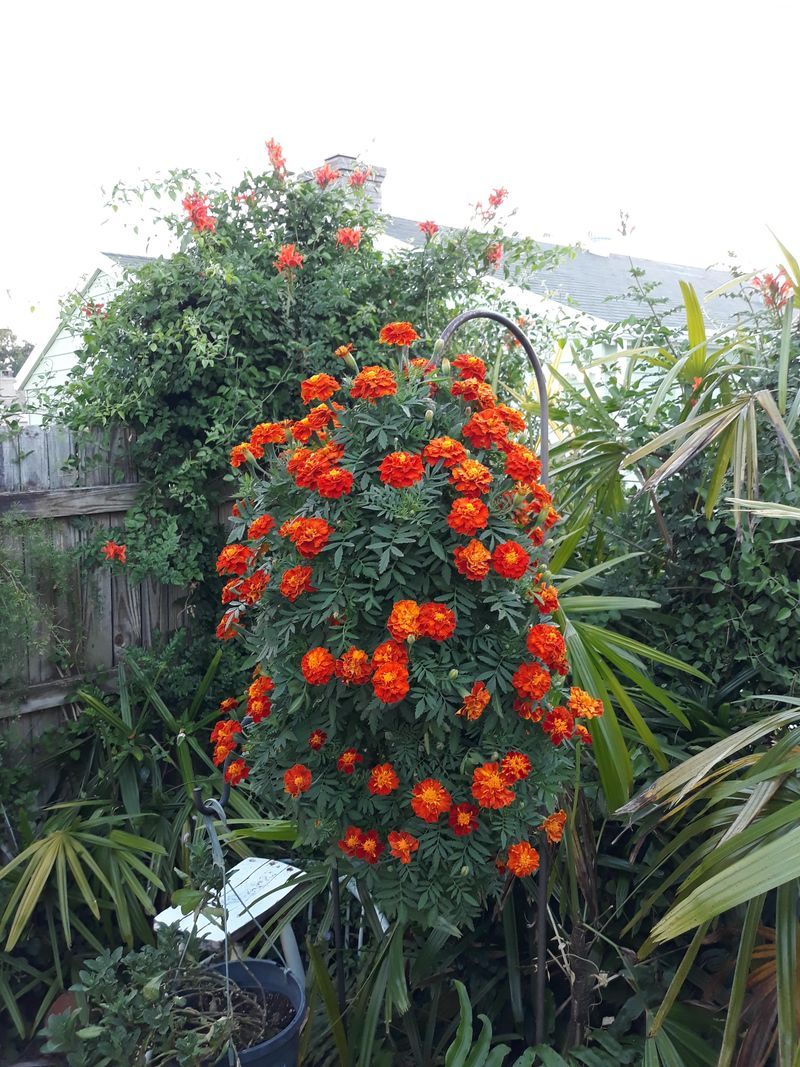
Seasonal color works best as one part of a bigger plan, and marigolds are a classic example of a flower that earns its spot through versatility rather than miracle claims.
They bring bold orange and yellow blooms to vegetable beds, and their strong scent is often mentioned in gardening conversations about pest management.
However, marigolds are not native to Florida and should not be treated as a guaranteed pest-control solution.
Planting marigolds near vegetables can help diversify the garden bed and may contribute to a more insect-friendly environment when combined with other flowering plants.
Some research suggests that certain marigold varieties may help deter specific pests in the soil, but claims about repelling all insects or eliminating aphids above ground are not well-supported.
Keeping expectations grounded makes marigolds much more useful as a practical garden tool.
Choose varieties suited to your region and season. UF/IFAS notes that French marigolds can excel year-round in Florida, while large-flowered African types are often best for spring.
Plant them in full sun with regular watering, and trim spent blooms to keep the plants producing flowers. Use them as one colorful layer in a mixed planting strategy that also includes pest monitoring and good soil care throughout the season.
9. Grow Cosmos For Open Blooms Beneficial Insects Can Reach
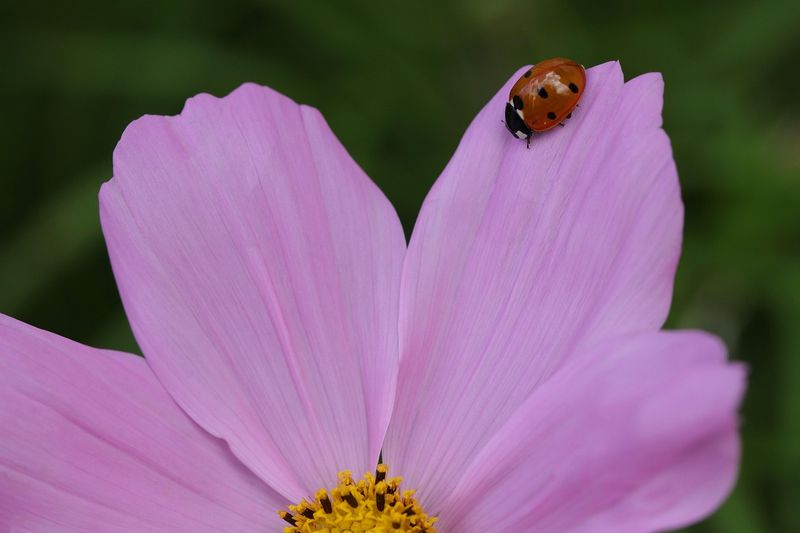
Open blooms make it easier for small insects to visit, and cosmos flowers are a great example of that kind of accessibility.
Their wide, open petals and visible centers allow beneficial insects, including hoverflies, small parasitic wasps, and lady beetles, to land and feed without struggling through complex flower structures.
That accessibility is part of what makes cosmos worth including in a seasonal insect-friendly garden.
Cosmos is not native to Florida, but it can be grown as a seasonal annual in sunny beds during the cooler months or during mild stretches of the warm season. It prefers full sun and does best in soil that is not overly rich.
Adding too much fertilizer can push leafy growth at the expense of flowers, so go easy on soil amendments when planting cosmos. Good airflow around the plants also helps reduce fungal issues, which can be a concern in humid weather.
Give cosmos enough spacing so air can move through the bed freely. Thin seedlings if they become crowded.
The plants tend to be low-maintenance once established and will often self-seed if conditions are right. Use cosmos as a light, airy seasonal filler that supports beneficial insect activity without demanding much from the gardener.
Pair it with more permanent plantings for a well-rounded, insect-friendly garden design.