4 Food-Safe Garden Containers In Texas And 4 You Should Avoid
Growing your own fruits, vegetables, and herbs in Texas is rewarding, but the containers you choose can make a bigger difference than many gardeners realize.
Not every pot or recycled container is safe for growing food, especially under intense sun and heat that can cause certain materials to break down or leach unwanted chemicals.
Choosing the right containers helps protect plant health, soil quality, and the safety of the food you harvest. Some options are durable, non toxic, and ideal for edible gardening, while others may seem convenient but can create hidden risks over time.
Understanding which containers are safe and which to avoid allows you to grow with confidence and peace of mind. The right materials keep your garden productive, your soil healthy, and your harvest safe to enjoy throughout the growing season.
1. Food-Grade Plastic (HDPE #2, PP #5)
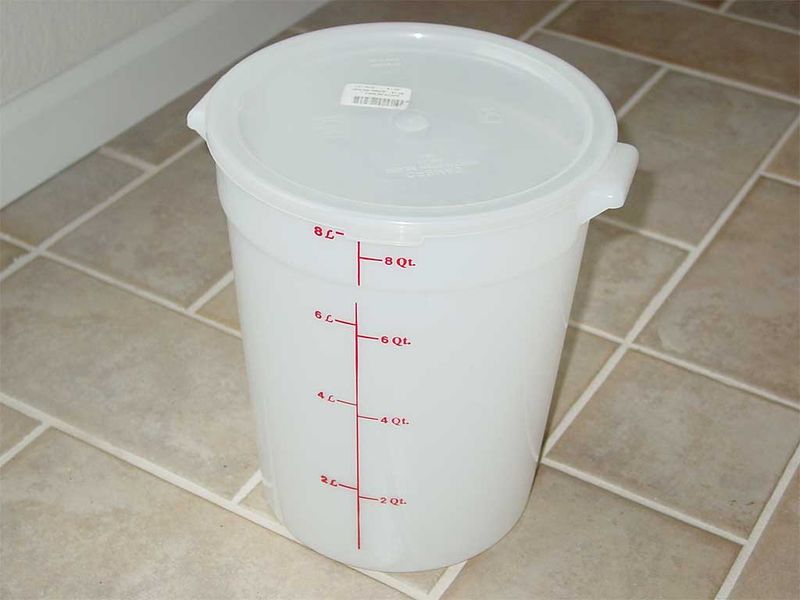
Food-grade plastic refers to containers made specifically for storing food or growing edible plants. These plastics are tested to ensure they don’t release harmful chemicals into whatever they touch.
When you see recycling codes #2 (HDPE) or #5 (PP) on the bottom of a container, that’s a good sign it’s safe for your garden.
Texas gardeners love these containers because they’re lightweight and affordable. You can move them around easily to catch the right amount of sun or shade.
They also handle our intense summer heat better than many other materials. The plastic stays stable and won’t break down quickly under UV rays.
These containers work great for vegetables, herbs, and fruits of all kinds. Tomatoes, peppers, lettuce, and basil all thrive in food-grade plastic pots.
Just make sure the container has drainage holes at the bottom. Without proper drainage, roots can rot even in the safest container.
Always check for the food-safe label or the right recycling number before using any plastic container. Unknown or recycled plastics without clear labels might contain chemicals you don’t want near your food.
Skip any container that doesn’t clearly show it’s food-grade. Your health is worth that extra minute of checking.
2. Untreated Natural Wood (Cedar Or Redwood)
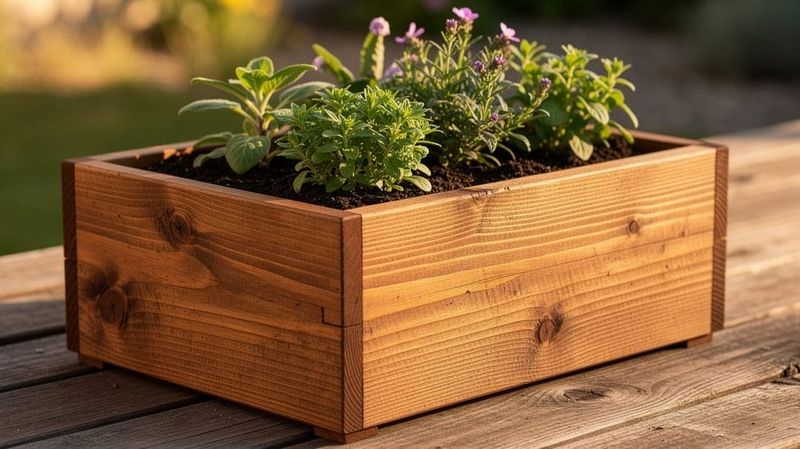
Cedar and redwood are nature’s gift to container gardeners. Both woods naturally resist rot and insect damage without any chemical treatment.
That makes them perfect for growing food since nothing toxic touches your soil. The natural oils in these woods keep them strong for years, even in humid Texas weather.
When you build or buy wooden containers, make sure they’re not pressure-treated. Pressure-treated lumber contains chemicals that can seep into your soil over time.
Those chemicals are designed to preserve wood but aren’t safe for edible plants. Always ask specifically for untreated cedar or redwood when shopping.
Wood provides excellent insulation for plant roots during our scorching Texas summers. The thick walls keep soil cooler than plastic or metal containers would.
This protection helps vegetables like lettuce and spinach survive longer before bolting in the heat. Root vegetables also appreciate the stable temperature wood provides.
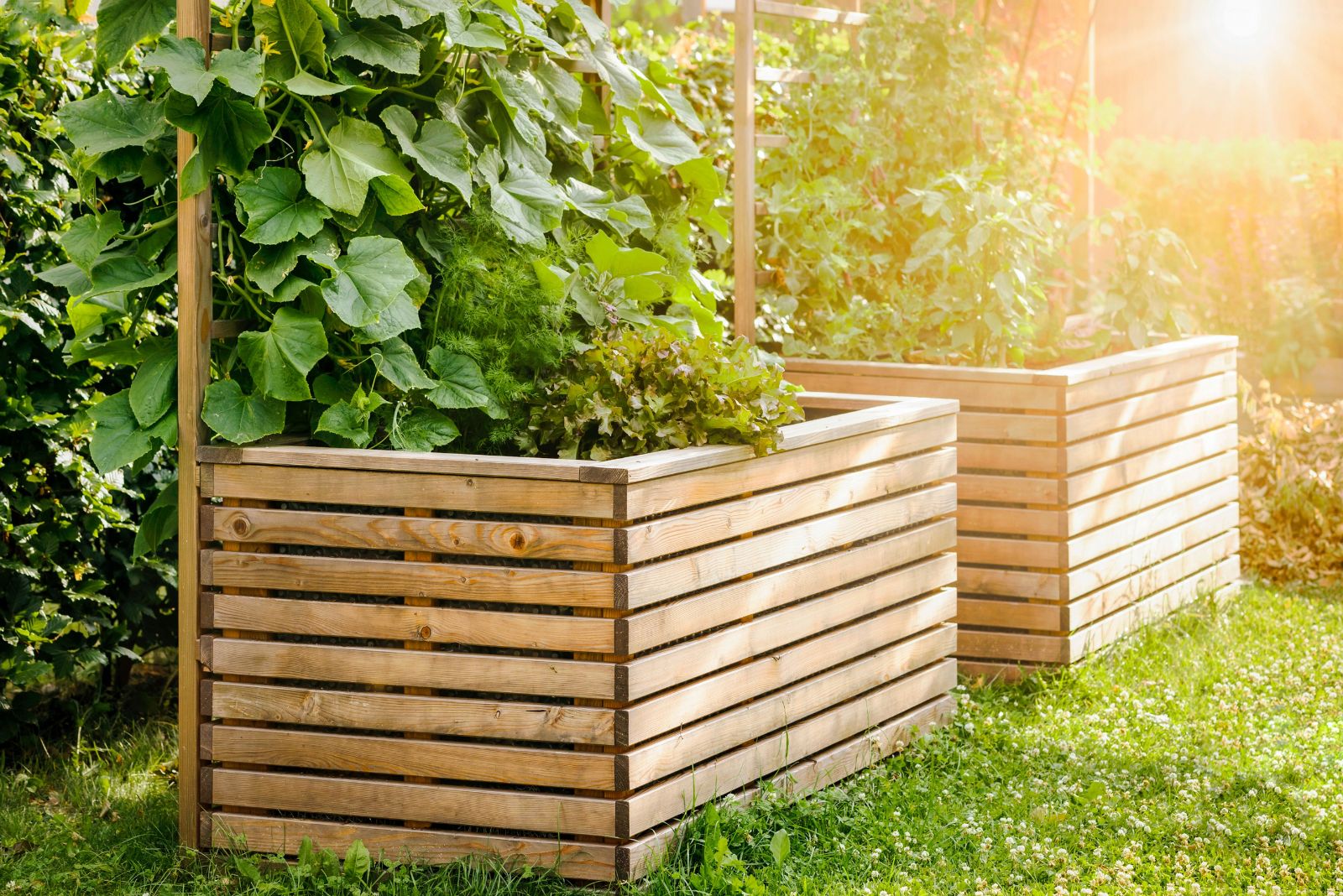
Many Texas gardeners use cedar and redwood for raised beds and large containers. These work beautifully for growing multiple plants together.
You can build custom sizes to fit your space perfectly. The wood ages gracefully into a silver-gray color that looks natural in any garden setting.
Just remember that wood containers are heavier than plastic, so place them where you want them before filling with soil.
3. Glazed Ceramic (Lead-Free)
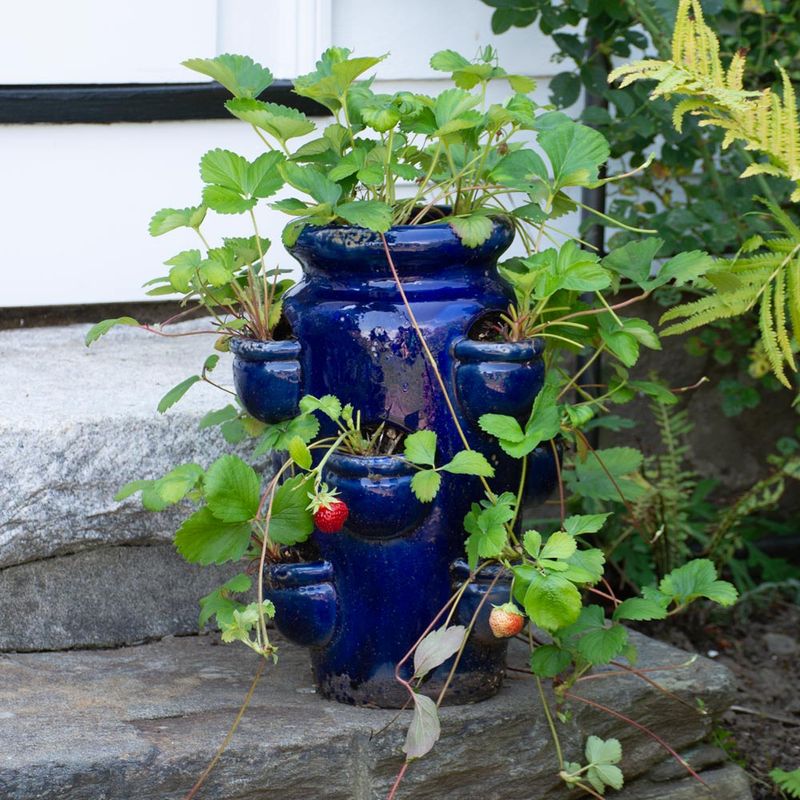
Glazed ceramic pots bring beauty and safety together in your edible garden. The glaze creates a sealed surface that prevents any clay materials from touching your soil.
However, this only works when the glaze is specifically labeled as lead-free and food-safe. Old or imported ceramics sometimes contain lead in their glazes, which is extremely dangerous.
Modern ceramics made in the United States typically meet safety standards for food contact. Look for pots marked as lead-free or food-safe before buying.
These labels guarantee the manufacturer tested the glaze and found no harmful chemicals. Without this label, you’re taking an unnecessary risk with your family’s health.
Ceramic containers work wonderfully for herbs and small vegetables. Basil, parsley, cilantro, and chives all flourish in these pots.
Cherry tomatoes and peppers also do well in larger ceramic containers. The solid walls don’t leach chemicals and maintain steady moisture levels in the soil.
Keep in mind that ceramic pots are quite heavy, especially when filled with wet soil. Place them on sturdy surfaces and avoid moving them frequently.
Also check that your pot has drainage holes. Some decorative ceramics don’t include holes, which causes water to pool and roots to rot.
You can drill holes yourself with a masonry bit if needed, but work carefully to avoid cracking the pot.
4. Fabric Grow Bags (Food-Safe Material)
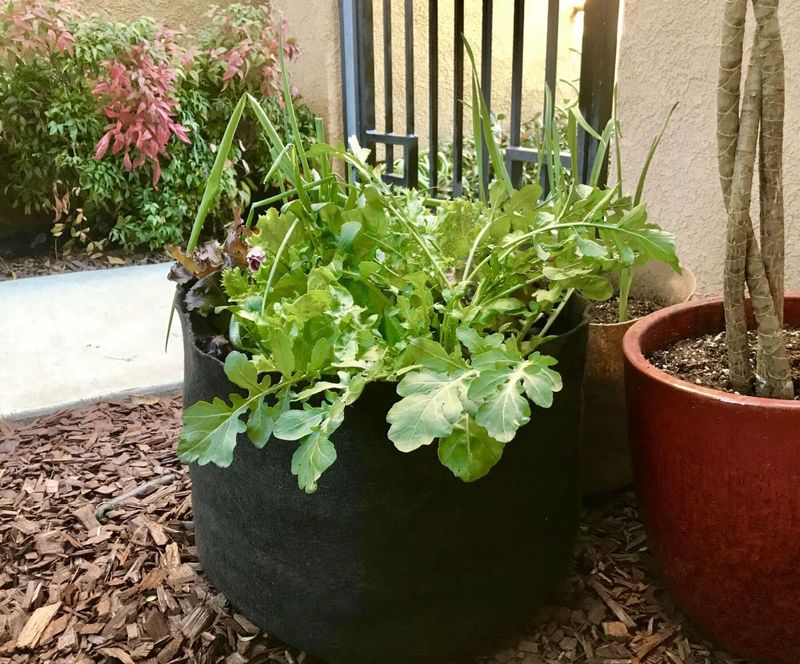
Fabric grow bags have become incredibly popular among Texas vegetable gardeners for good reason. These breathable containers are made from food-safe fabric that allows air to reach plant roots from all sides.
This air circulation prevents roots from circling around and becoming root-bound. Instead, roots naturally prune themselves when they reach the fabric edge, creating healthier root systems.
The breathable nature of fabric bags also prevents overwatering problems. Excess water drains through the fabric rather than pooling at the bottom.
This feature is especially helpful in Texas where afternoon thunderstorms can dump rain quickly. Your plants get the moisture they need without sitting in soggy soil that causes root rot.
Tomatoes, peppers, and potatoes grow exceptionally well in fabric bags. Many Texas gardeners report better yields compared to rigid containers.
The bags come in sizes ranging from one gallon to fifty gallons or more. You can grow single herb plants in small bags or entire potato crops in large ones.
Fabric bags are also lightweight and easy to store when not in use. You can fold them flat and tuck them away during winter.
They handle Texas heat without breaking down or releasing chemicals into your soil. Most quality bags last several growing seasons before needing replacement.
Just make sure you buy bags specifically labeled as food-safe rather than industrial landscape fabric.
5. Pressure-Treated Wood (Old Types Especially)
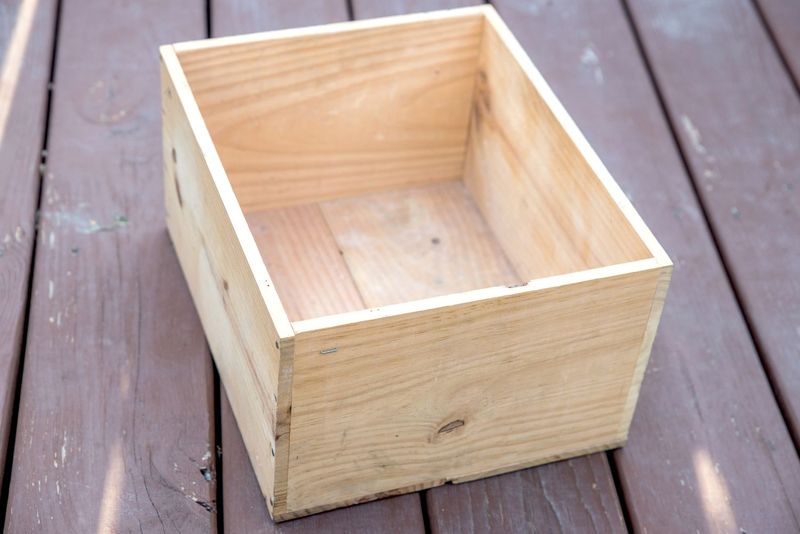
Pressure-treated wood seems like a practical choice because it resists rot and lasts for decades. Unfortunately, that durability comes from chemicals forced deep into the wood fibers.
These preservatives are designed to repel insects and prevent decay, but they can leach into garden soil over time. This creates a serious risk when growing vegetables, herbs, or fruits you plan to eat.
Older pressure-treated lumber is especially dangerous because it often contains chromated copper arsenate (CCA). Arsenic is a known poison that has no place near food crops.
Even newer pressure-treated wood uses copper-based preservatives that can contaminate soil. Heat and moisture increase the rate at which these chemicals escape from the wood.
Texas summers provide plenty of both heat and moisture, creating ideal conditions for chemical leaching. When soil heats up under the intense sun, chemicals move more freely from wood into the surrounding earth.
Rain and irrigation water also help transport these substances throughout your container. Your plants then absorb these chemicals through their roots.
Some gardeners try to line pressure-treated containers with plastic to create a barrier. This approach isn’t reliable because plastic can tear or degrade over time.
The safest choice is simply avoiding pressure-treated wood entirely for edible crops. Save this material for fences, decks, and other projects far away from your food garden. Your vegetables will be safer, and you’ll have peace of mind.
6. Unknown Or Non-Food-Grade Plastic
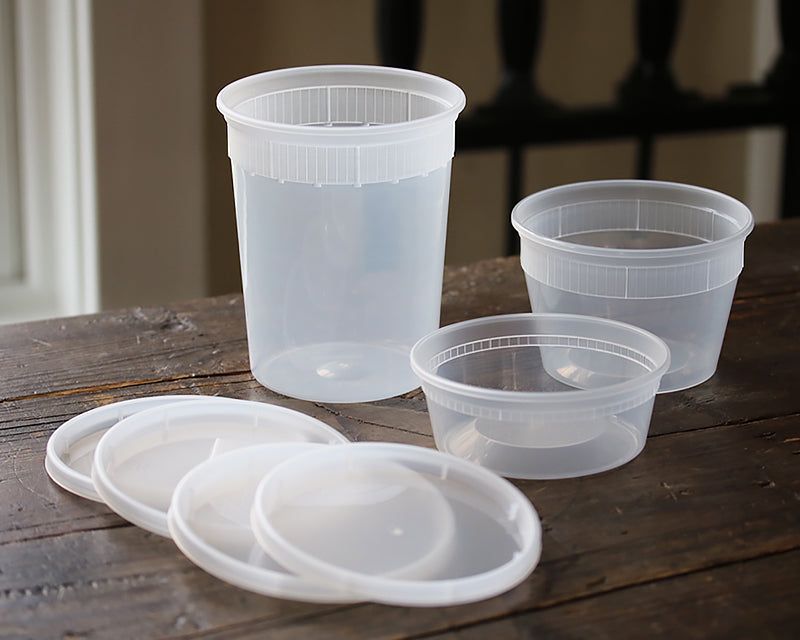
Not all plastic is created equal when it comes to safety. Some plastics release harmful chemicals when exposed to heat and sunlight.
In Texas, where summer temperatures regularly exceed 100 degrees, this becomes a major concern. Unknown plastics or those not rated as food-safe can break down under these conditions and contaminate your soil.
Many people reuse plastic buckets, storage bins, or other containers for gardening to save money. This practice is risky unless you know exactly what the plastic is made from.
Containers that held non-food items might be made from plastics that were never tested for food safety. They could contain additives or chemicals that migrate into soil when heated.
Recycled buckets from restaurants or food service are sometimes okay if they originally held food products. However, you need to verify the recycling code on the bottom.
Look for #2 (HDPE) or #5 (PP) symbols. If there’s no recycling code at all, or if you see numbers like #3, #6, or #7, skip that container for edible plants.
The Texas sun is particularly harsh on questionable plastics. UV radiation breaks down chemical bonds in plastic, causing it to become brittle and release whatever additives it contains.
These substances can then enter your vegetables through their roots. Children and pregnant women are especially vulnerable to these contaminants.
Spending a few dollars on proper food-grade containers is a small price for protecting your family’s health.
7. Metal Containers That Rust Or Overheat
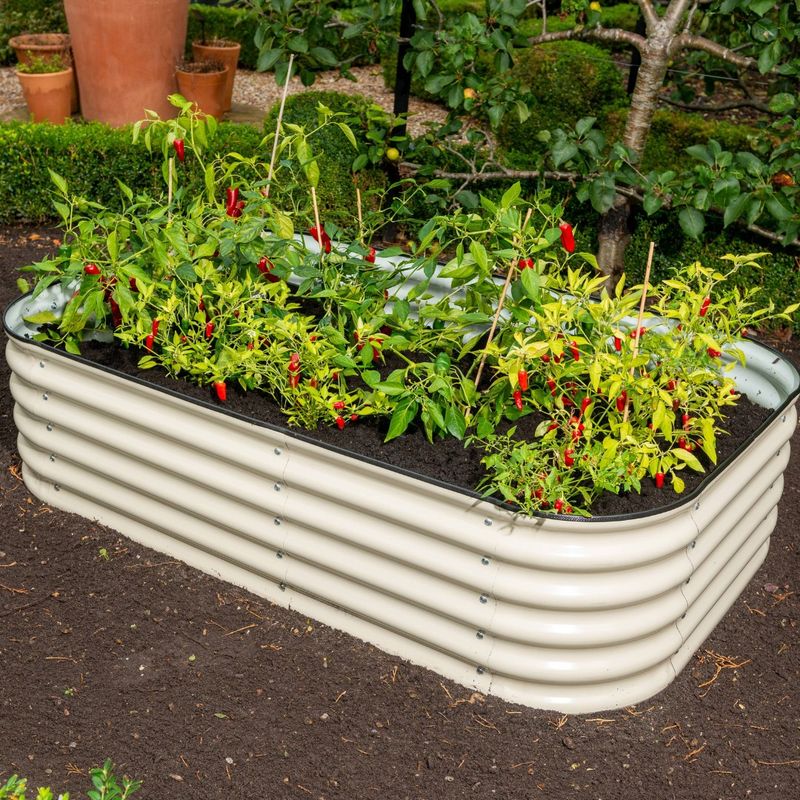
Metal containers might seem sturdy and long-lasting, but they pose unique problems for Texas vegetable gardeners. Many metals heat up extremely fast when sitting in direct sunlight.
A metal container can become hot enough to damage or even cook plant roots on a typical Texas summer afternoon. Roots need to stay cool to function properly, and overheated roots can’t absorb water or nutrients effectively.
Galvanized steel, aluminum, and other common metals also react with soil over time. As containers age and develop scratches or rust, metal particles can leach into the soil.
Some metals are harmful to plants in high concentrations. Others might accumulate in vegetables and eventually end up in your body when you eat the produce.
Rust is another major issue with metal containers in Texas. Our combination of heat, humidity, and frequent watering creates perfect conditions for rust development.
Rusted areas break down the metal’s protective coating and allow even more contamination into your soil. The rust itself can change soil chemistry and make it harder for plants to absorb essential nutrients.
If you really want to use metal containers, choose stainless steel and place them where they’ll get afternoon shade. Even then, monitor soil temperature regularly during summer.
Better yet, stick with materials specifically designed for growing food. Wood, food-grade plastic, and fabric bags all perform better than metal for edible container gardens in hot Texas conditions without the contamination risks.
8. Containers That Held Chemicals Or Paint
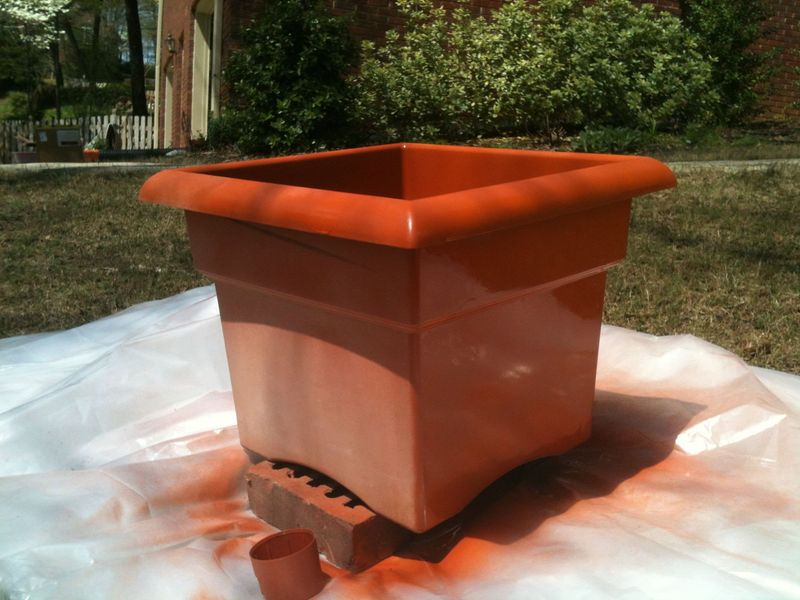
Reusing containers is generally a smart way to save money and reduce waste. However, containers that previously held chemicals or paint should never touch your food garden.
Chemical residues cling to plastic and metal surfaces even after thorough washing. These substances can persist for years and gradually release into whatever you put in the container later.
Paint buckets are common culprits because many people have them lying around after home projects. Paint contains heavy metals, solvents, and other toxic ingredients that protect it from weather and wear.
These same properties make paint residue extremely difficult to remove completely. Even small amounts transferred to your soil can harm plants or contaminate vegetables.
Industrial containers that held motor oil, pesticides, cleaners, or other chemicals are equally dangerous. Some chemicals soak into plastic walls and can never be fully removed.
Others leave invisible films that react with soil and water. You might not see or smell any residue, but that doesn’t mean the container is safe for growing food.
Texas heat makes this problem worse by causing chemicals to evaporate or migrate more readily from container walls into soil. What might be relatively stable in cool weather becomes active and dangerous in summer heat.
The risk simply isn’t worth taking. New food-safe containers cost very little compared to the potential health consequences of chemical exposure.
Protect your family by using only containers with a known, safe history for growing anything you plan to eat.