Forget Grass, Illinois Gardeners Just Found Better Things To Plant This May
Your lawn is lying to you. It promises a lush, green paradise and delivers a weekend chore that never ends, mow, water, weed, repeat, regret.
The good news? Gardeners all across Illinois have quietly figured out there’s a better way, and this May they’re acting on it.
Instead of babysitting grass that gives nothing back, they’re planting things that actually earn their place in the yard. I’m talking ground covers that smell incredible underfoot, native wildflowers that feed monarch butterflies, and perennials tough enough to laugh at Midwest winters.
The irrigation schedule and the herbicide sprays stay in the garage where they belong. All that is left is a yard that looks genuinely beautiful and takes care of itself.
I narrowed it down to the plants that actually belong in an Illinois yard, the sun-baked spots, the shady corners, and yes, that weird patch that can never make up its mind.
1. White Dutch Clover
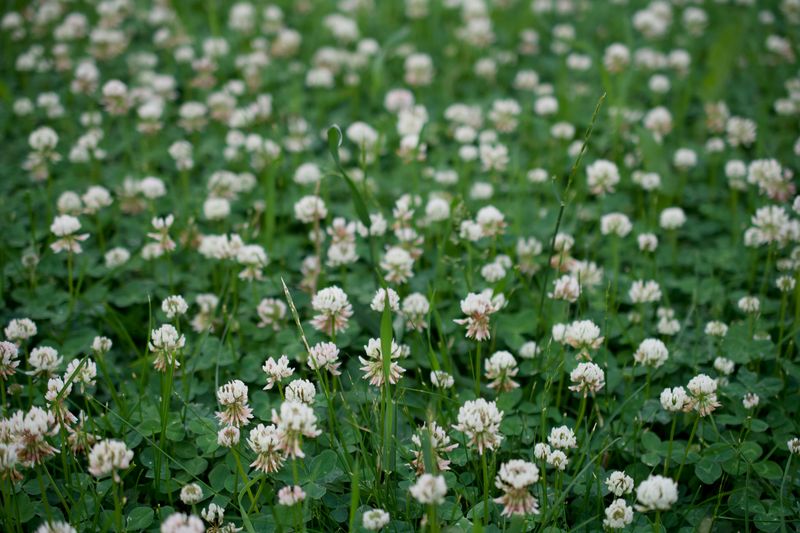
Walk barefoot through a clover lawn and you will immediately understand why so many gardeners are making the switch.
White Dutch Clover is soft underfoot, stays low to the ground, and smells faintly sweet when the breeze moves through it.
It is one of the most talked-about grass replacements this season, and for good reason.
Unlike traditional turf, clover fixes nitrogen right from the air and feeds it into the soil below.
That means you spend less on fertilizer and more time enjoying your yard. It also stays green through summer heat that would turn regular grass brown and crispy.
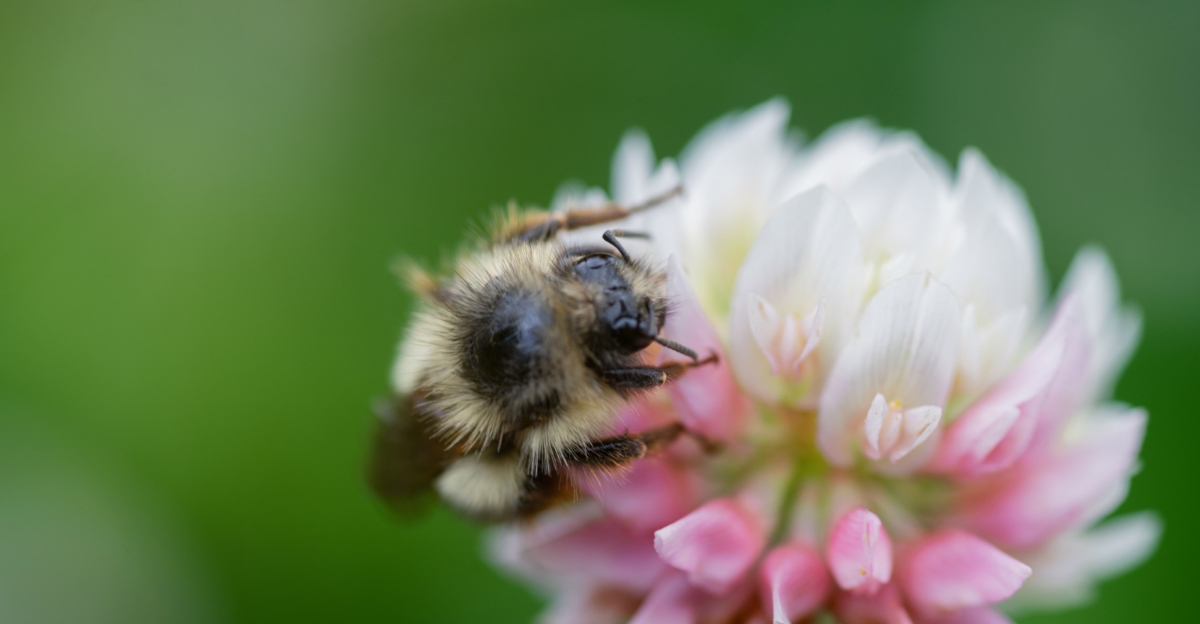
Bees absolutely love it, which makes your entire garden more productive. Tuck it into a sunny or lightly shaded spot and let it do what it does best.
It handles foot traffic surprisingly well and bounces back quickly after being walked on. Starting clover from seed in May is easy and affordable.
Scatter seeds over bare soil, press them lightly in, and water consistently for the first two weeks.
Once established, it needs very little attention and rewards you with a lush, living carpet all season long.
2. Creeping Thyme
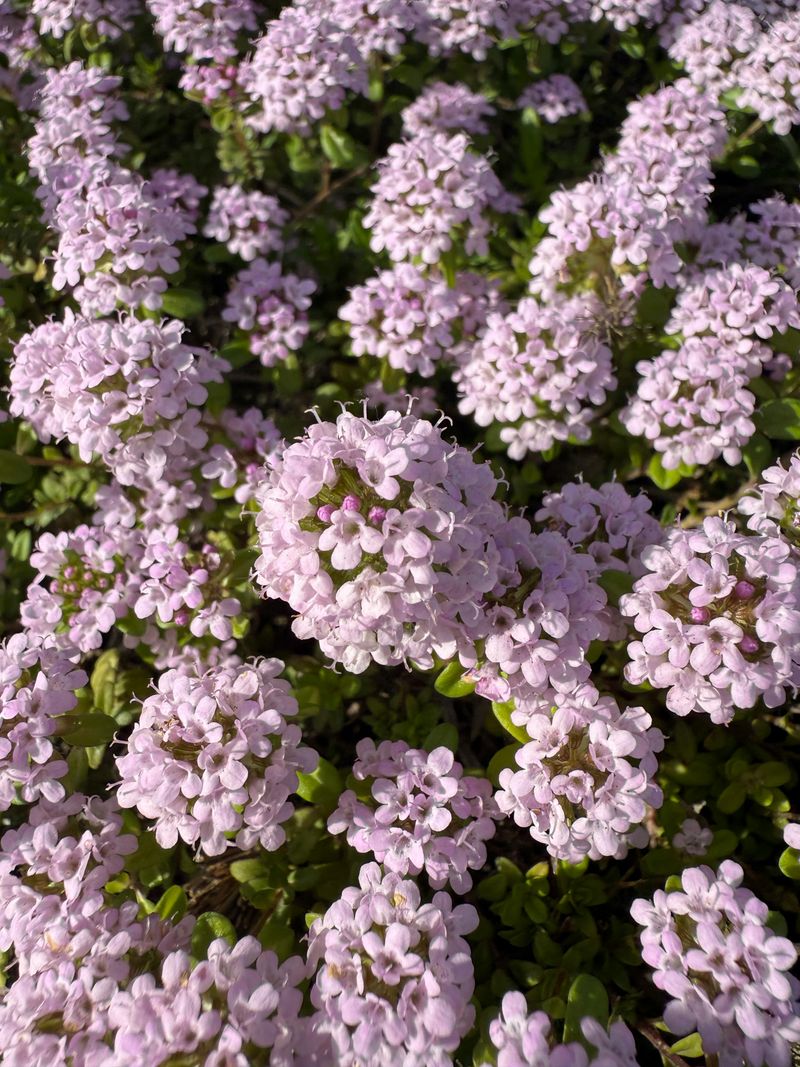
Imagine a ground cover that smells like an Italian kitchen every time you step on it.
Creeping Thyme is exactly that, and it is quickly becoming one of the most popular lawn alternatives among gardeners who want beauty without the burden.
It trails low and wide, tucking itself into gaps between stones, along borders, and across bare patches with ease. This plant thrives in open, sunny spots and well-drained soil, making it a natural fit for many yard conditions found across the region.
Get it through the first season and a rainless July becomes someone else’s problem. The tiny pink and purple flowers that bloom in late spring draw bees and butterflies in impressive numbers.
One of the best things about Creeping Thyme is how little maintenance it demands.
A light trim after flowering keeps it tidy, but honestly, many gardeners skip even that step.
Your Illinois Garden Changes Every Week. Your Plan Should Too.
Gardening in Illinois changes quickly throughout the season. Every Friday you’ll receive a simple weekly plan showing exactly what to plant, prune, fertilize, harvest, and protect so you never miss the right timing.
It handles light foot traffic well and looks especially charming growing between flagstone paths or along garden edges.
Plant it in May when soil temperatures are warm and roots can establish quickly.
Space plants about twelve inches apart and they will fill in within a single growing season.
Few plants deliver this much visual payoff for so little effort.
3. Bugleweed
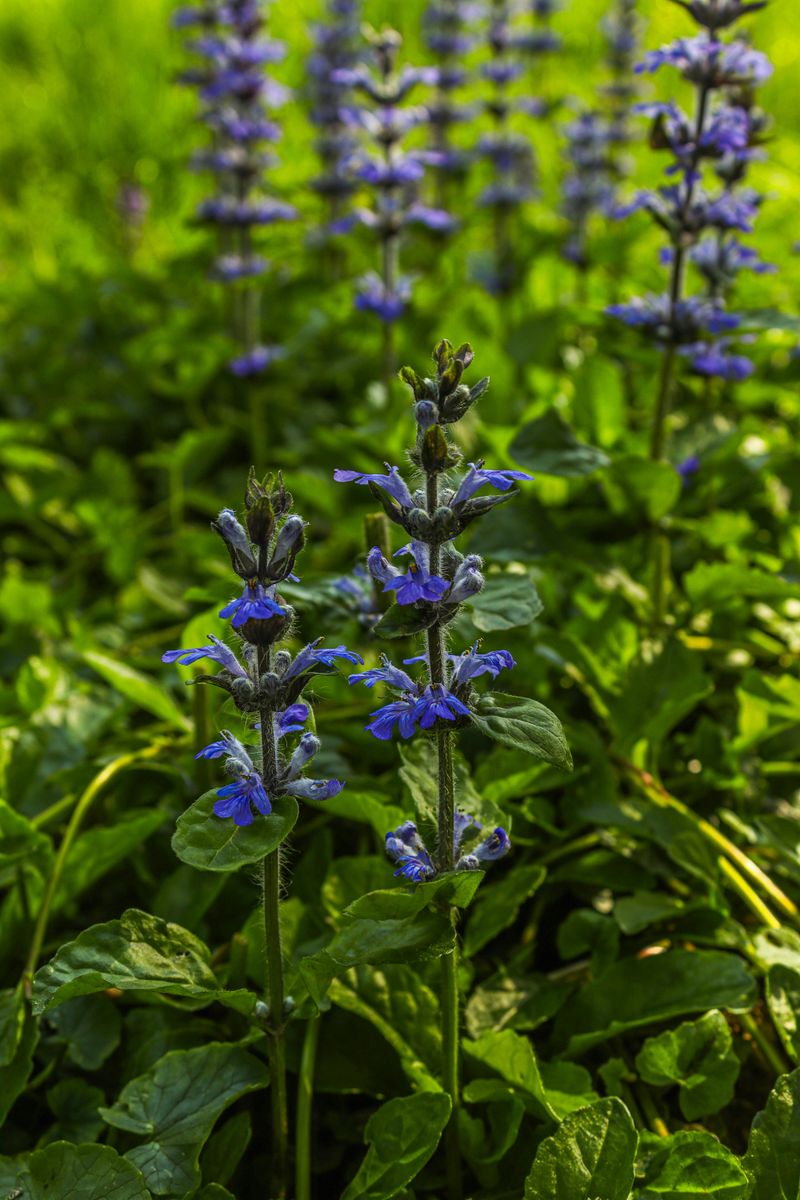
Shady corners of the yard can be the hardest spots to fill, but Ajuga handles them like a champion. Commonly called Bugleweed, this ground cover moves in quickly in spots where most plants would struggle, including deep shade under trees and along the north side of buildings.
The dark, glossy leaves look bold and interesting even when the plant is not in bloom.
Come spring, tall spikes of blue-purple flowers shoot up and create a stunning display that lasts for several weeks. Pollinators swarm to those blooms, bringing life and movement to parts of the yard that usually feel forgotten.
After flowering, the foliage stays attractive all the way through fall.
Ajuga is almost embarrassingly easy to grow. Plant it in average soil, give it a little water to get started, and then mostly leave it alone.
It creeps outward by sending out runners that root wherever they touch the ground, filling in bare areas faster than most ground covers. One thing to keep in mind is that it can take over aggressively, so planting it where it has natural boundaries like paths or garden edging works best.
In May, young plants take hold quickly and will be ready to colonize new ground by midsummer. For problem areas with poor soil and low light, few plants are more reliable.
4. Purple Coneflower
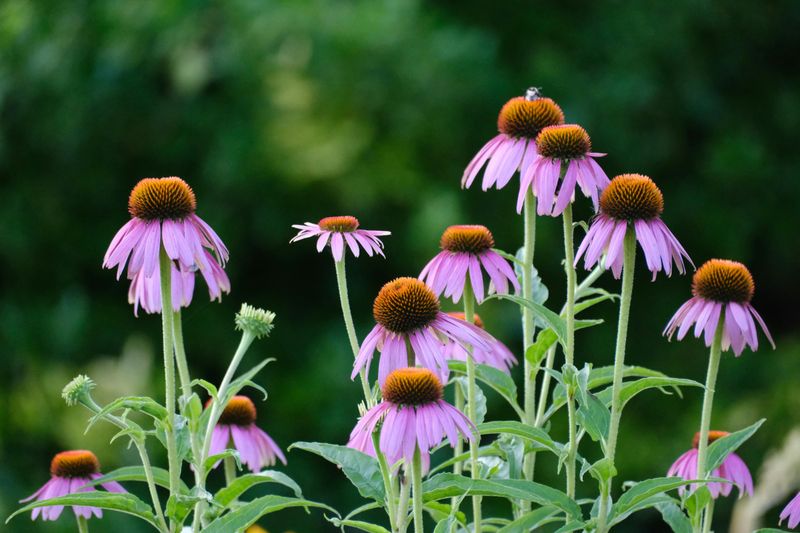
Few plants are as iconic in a Midwest garden as Purple Coneflower.
Those cheerful pink-purple petals surrounding a spiky orange-brown center are instantly recognizable, and they have been brightening up yards and meadows across the region for generations.
Echinacea is tough, native to Illinois, and genuinely one of the best things you can put in the ground this May.
Native plants like this one are built for local conditions.
They handle summer heat, clay-heavy soil, and dry spells far better than exotic ornamentals that need constant pampering.
Plant them once and they return every spring, a little fuller and more impressive each time.
Pollinators treat coneflowers like a buffet. Bees, butterflies, and even goldfinches visit regularly, with the birds sticking around in fall to eat the seed heads.
Leaving those seed heads standing through winter adds structure to the garden and provides food for wildlife during colder months.
Plant coneflowers in full sun for the best blooms, though they tolerate light shade reasonably well.
They grow two to four feet tall and pair beautifully with Black-Eyed Susans and ornamental grasses.
Start them from transplants in May for blooms by midsummer, and expect them to multiply and spread naturally over the following seasons.
5. Black-Eyed Susan
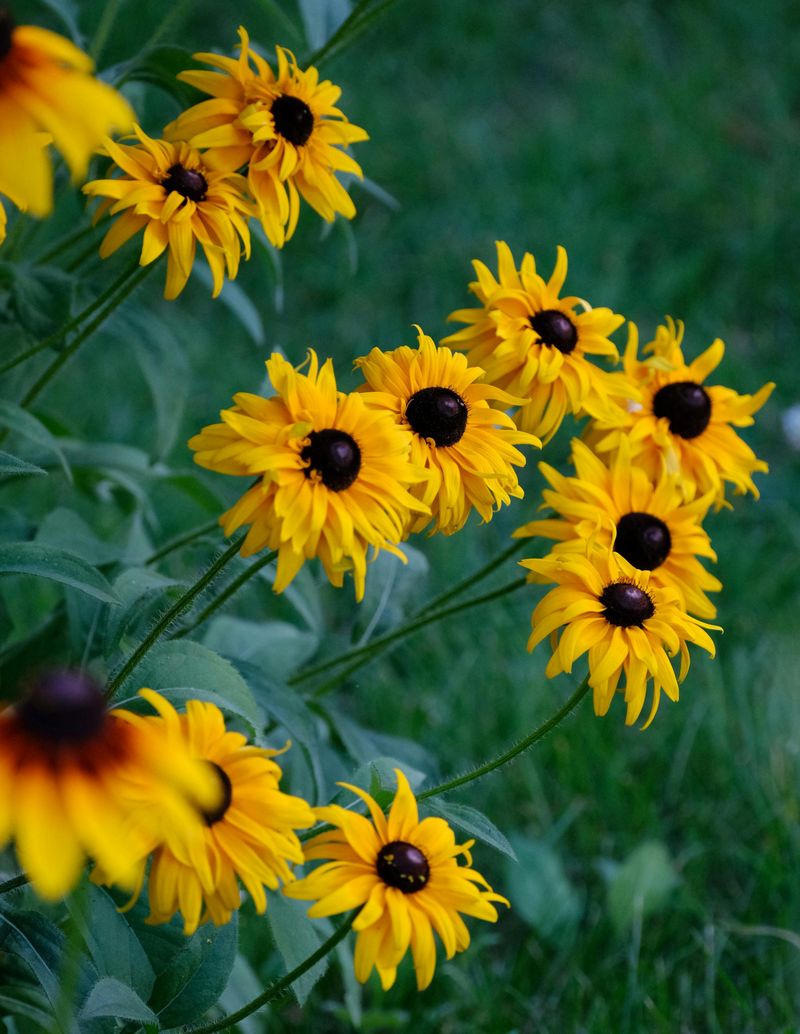
Golden yellow petals surrounding a rich dark center make Black-Eyed Susan one of the most cheerful wildflowers you can grow.
Rudbeckia, as it is formally known, blooms from midsummer well into fall, filling that late-season gap when many other flowers have already faded.
It is a workhorse plant that earns its place in any garden layout.
What makes this flower especially valuable is its adaptability.
It thrives in poor soil and shrugs off dry spells without complaint. Give it a season or two and that single planting quietly multiplies into a bold sweep of color.
Give it a sunny spot and it blooms its best, though partial shade is no problem either.
Pollinators show up in force when Black-Eyed Susans are blooming. Long-tongued bees and several butterfly species rely on the nectar, while birds pick through the dried seed heads once flowering is done.
Keeping the seed heads intact through winter is both easy and ecologically smart.
May is an ideal time to get transplants in the ground because the warm soil encourages fast root development.
Pair this plant with Purple Coneflower and Wild Bergamot for a stunning native plant combination that blooms in waves through the entire growing season.
Few plants are as rewarding for as little effort.
6. Wild Bergamot
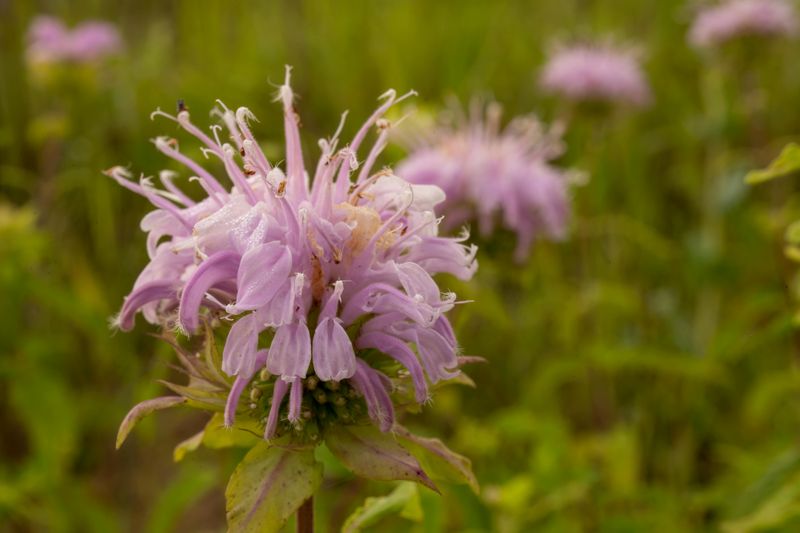
There is something almost magical about watching a monarch butterfly land on a Wild Bergamot bloom.
This native plant, a cousin of the culinary herb oregano, produces lavender-pink flower clusters that seem to act like a landing pad for every pollinator in the neighborhood.
The fragrance is herbal and pleasant, somewhere between oregano and mint, and it drifts through the garden on warm summer afternoons.
Wild Bergamot is a true Illinois prairie native, which means it is perfectly suited to the climate and soil conditions found right here in the Midwest.
It grows two to four feet tall, handles drought well, and fills in steadily through underground rhizomes and self-seeding.
Plant it in full sun and well-drained soil for the strongest performance. Beyond its beauty, this plant is a powerhouse for supporting local ecosystems.
Dozens of native bee species rely heavily on Wild Bergamot. That kind of ecological value is hard to match with any ornamental plant.
May planting gives roots a full season to settle in before the heat of summer arrives. Expect blooms in June and July, with the plant returning more vigorously each spring.
Combine it with coneflowers and grasses for a naturalistic planting that practically takes care of itself.
7. Butterfly Weed
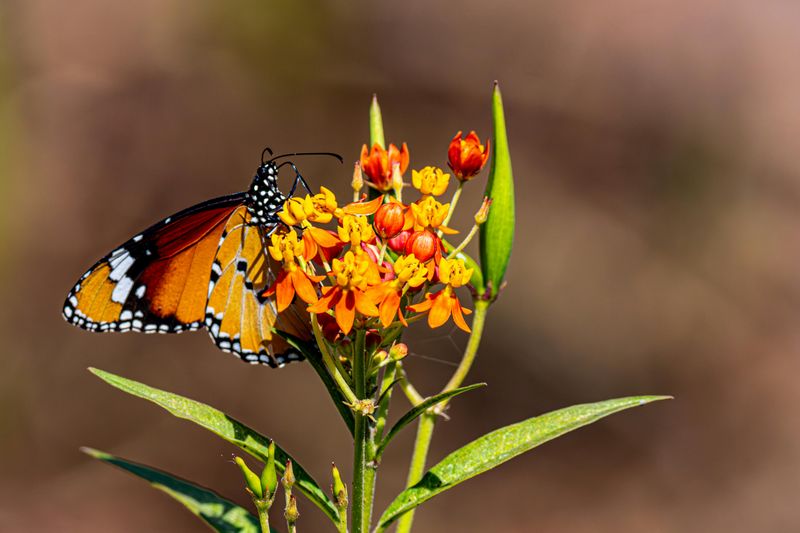
Butterfly Weed belongs to the milkweed family, and that matters more than you might think.
Ever wondered why Monarch butterfly populations have been declining for decades?
Monarch caterpillars feed exclusively on milkweed, and without plants like this one in our gardens, they simply have nowhere to go.
The blooms themselves are spectacular, clusters of vivid orange flowers that seem almost too bright to be real. They appear in midsummer and attract not just Monarchs but a wide variety of bees and other butterfly species as well.
The plant grows about two feet tall and forms tidy clumps that look great in borders and meadow-style plantings.
The deep taproot handles drought beautifully but does not forgive a bad planting spot. Find it the brightest spot in the yard, plant it there, and let it settle in for the long haul.
It is slow to emerge in spring, so do not panic if it takes a few extra weeks to show itself. Planting in May gives this native perennial the best start possible.
Skip the deadheading and let the seed pods form, as they split open in fall and release silky seeds that float on the wind.
Every new plant that sprouts is a potential home for the next generation of Monarchs.
8. Daylily
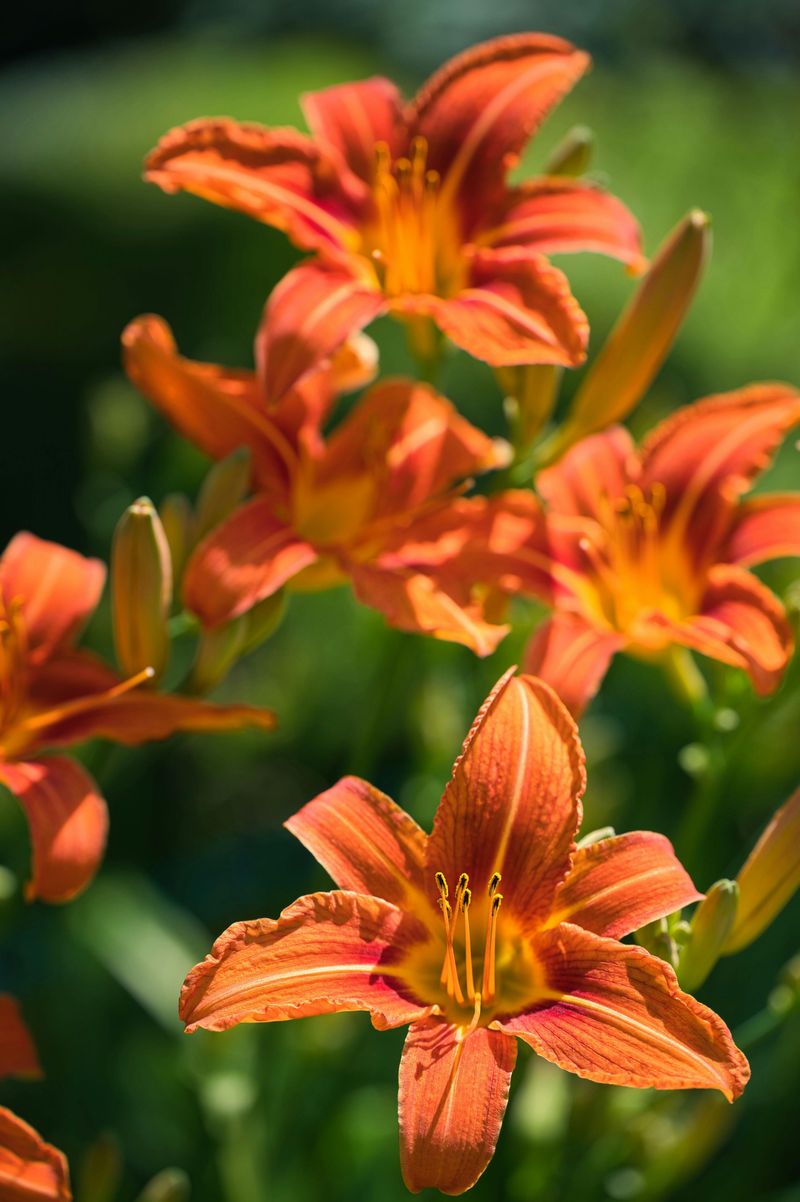
Daylilies have been growing in American gardens for well over a century, and there is a very simple reason for that kind of staying power: they just work.
These plants are nearly impossible to neglect into failure, which makes them a top pick for gardeners of every experience level.
Plant them once and they come back reliably, spreading a little wider each year without taking over the entire yard.
Each individual flower only lasts a single day, but a mature clump produces dozens of buds that open in sequence, keeping the display going for weeks.
Modern varieties come in shades ranging from pale yellow to deep burgundy. Many feature ruffled edges, contrasting throats, and bicolor patterns that look genuinely exotic.
It blooms most generously in a sunny spot, though partial shade is tolerated well.
Daylilies are remarkably tough when it comes to soil and moisture. They handle clay, sand, drought, and even occasional flooding better than almost any other perennial.
Dividing clumps every few years keeps them blooming at full strength and gives you free plants to share or tuck into new spots.
May is a perfect planting window because the soil is warm and roots establish quickly before summer heat arrives. Space plants about eighteen inches apart and expect a strong show by their second season.
Few perennials deliver this much color for this little investment of time and money.
9. Catmint
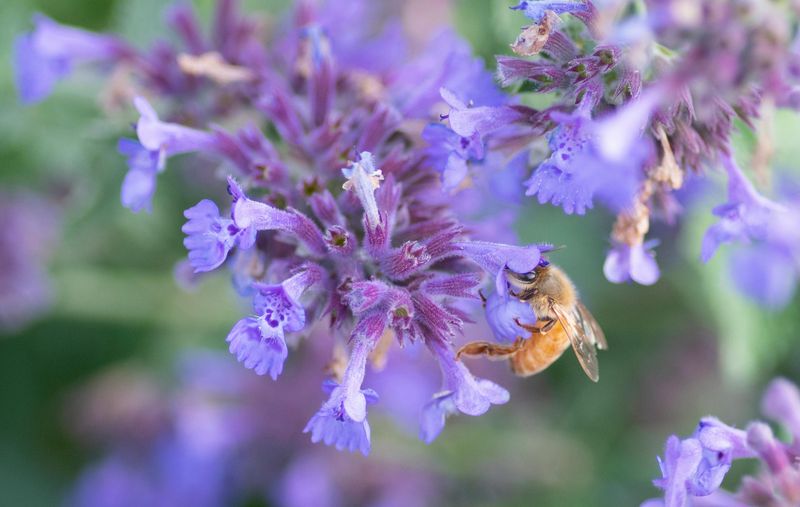
Catmint is the kind of plant that makes the whole garden look better just by being in it.
Those soft, silvery-green mounds covered in waves of lavender-blue flowers have a relaxed, effortless quality that makes even a simple planting look professionally designed.
It blooms heavily in late spring, takes a brief rest, and then rebounds with a second flush of color in late summer if you cut it back by half after the first bloom.
Bees are obsessed with Catmint, and the plant earns a reputation as one of the top pollinator plants available at most garden centers.
Hummingbirds occasionally visit as well, drawn in by the tubular flower shape and the abundance of nectar. The aromatic foliage also acts as a natural deterrent to deer and rabbits, which is a practical bonus in suburban gardens.
Growing Catmint is genuinely straightforward.
It prefers full sun and well-drained soil, and once established it handles drought with ease.
Overwatering and heavy clay soil are its main weaknesses, so good drainage is the one condition worth prioritizing when choosing a planting spot.
Plant it along borders, pathways, or at the front of garden beds where the mounding habit can spill gracefully over edges.
May planting allows roots to settle in before the heat peaks.
By June, you will have a blooming, buzzing, beautiful plant that needs almost nothing from you.