12 Fragrant Plants That Fill Texas Yards With Beautiful Scents
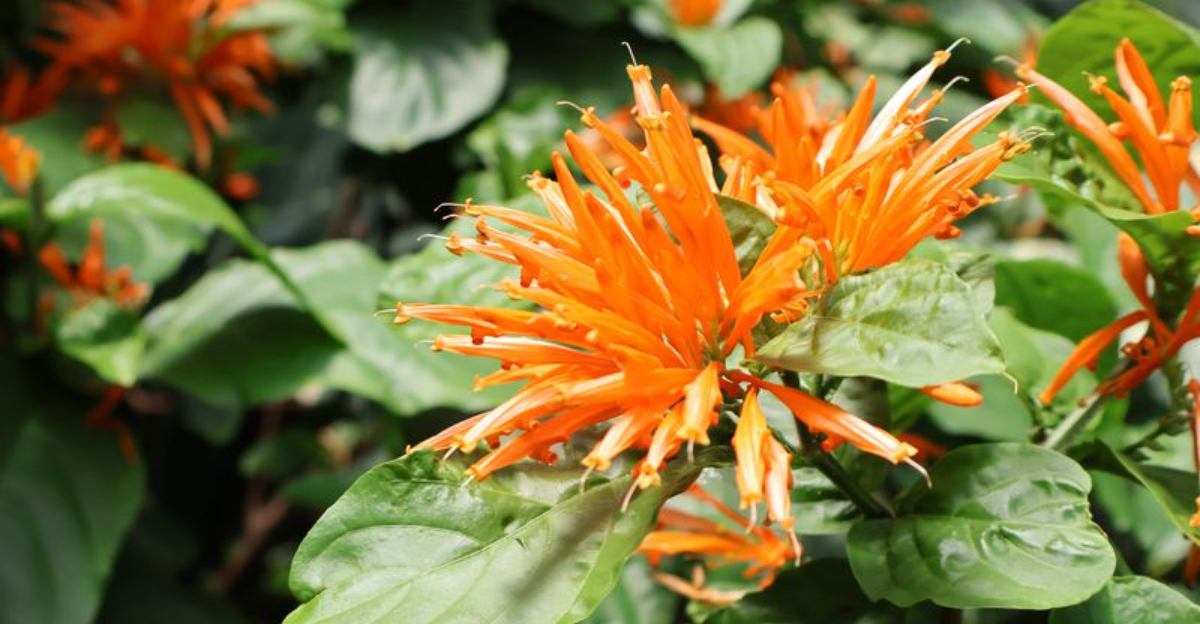
Texas yards often feel more alive when fragrance drifts through the air, turning everyday outdoor moments into something memorable without any extra effort.
Certain plants naturally release scent in warm weather, making patios, walkways, and entry areas feel inviting long after blooms catch the eye.
These fragrant choices do more than smell good, they shape how a yard is experienced from the moment someone steps outside.
1. Texas Mountain Laurel
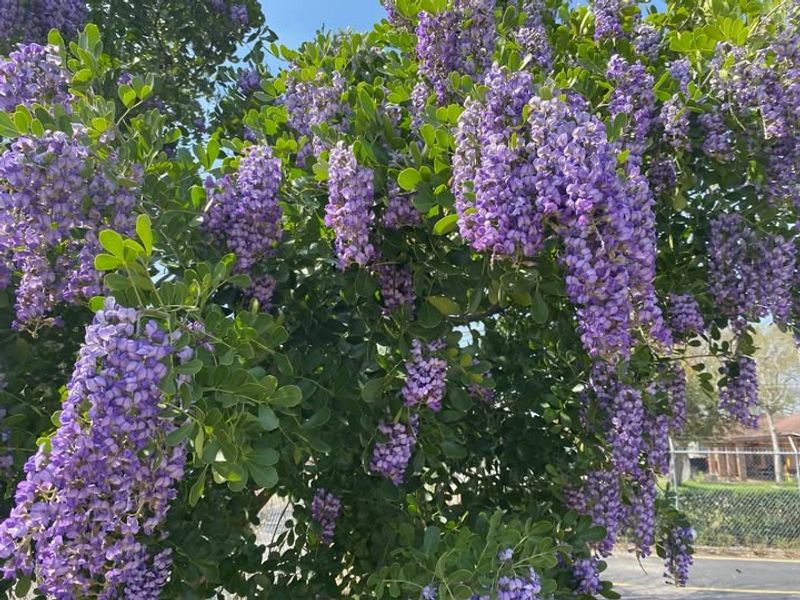
Grape soda never smelled quite this good until you encounter a blooming Texas Mountain Laurel on a warm spring morning.
Native to central and west Texas, this evergreen shrub produces clusters of purple blossoms that release an intensely sweet fragrance throughout neighborhoods.
Homeowners across the Lone Star State plant this drought-tolerant beauty near patios and walkways where people can appreciate its incredible scent.
Growth remains slow but steady, reaching heights between ten and fifteen feet when mature in typical Texas soil conditions.
Silvery-green foliage provides year-round visual interest even when flowers fade away after their spectacular late winter or early spring show.
Deer generally leave this plant alone, making it ideal for rural properties where wildlife browsing causes problems for other ornamentals.
Full sun exposure brings out the best flowering performance, though partial shade works fine in southern Texas regions with brutal summers.
Established plants need minimal watering once their root systems develop properly, making them perfect for water-conscious landscaping throughout the state.
2. Gardenia
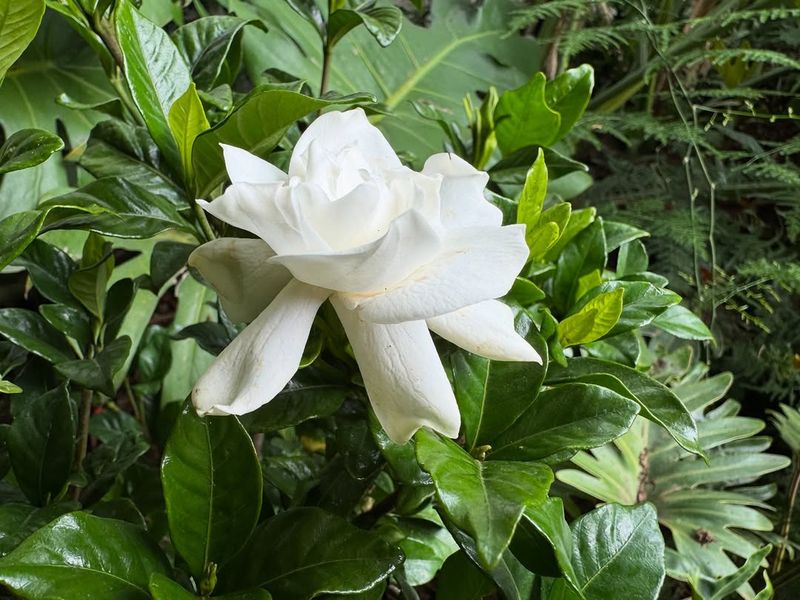
Few flowers can match the intoxicating perfume that gardenias release on humid Texas evenings when temperatures finally drop after sunset.
Creamy white blooms emerge from dark glossy foliage throughout late spring and summer, creating stunning visual contrasts in shaded garden areas.
East Texas gardeners have particular success with these acid-loving shrubs where soil pH naturally runs lower than western regions.
Regular watering keeps plants happy during scorching months, though mulching helps retain moisture and regulate soil temperature fluctuations common here.
Indoor growers sometimes struggle with gardenias, but outdoor specimens thrive when planted in morning sun with afternoon shade protection available.
Yellow leaves often signal iron deficiency, which acidic fertilizers can correct quickly before problems spread throughout the entire plant structure.
Butterflies and bees visit flowers frequently, adding movement and life to gardens already blessed with incredible fragrance from these classic beauties.
Container growing works well for renters or folks who want flexibility moving plants around patios as seasons change across Texas.
3. Confederate Jasmine

Spring arrives with fanfare when Confederate Jasmine vines explode into masses of tiny white stars releasing waves of sweet perfume.
Despite its common name, this vigorous climber actually originates from Asia rather than the American South, though Texas gardeners adopted it enthusiastically.
Evergreen leaves provide privacy screening year-round while covering fences, arbors, and pergolas with dense growth that needs occasional trimming to maintain.
Peak blooming occurs in April and May across most Texas regions, though scattered flowers may appear sporadically throughout warmer months.
Heat tolerance makes this vine especially valuable in areas where other flowering climbers struggle during brutal summer conditions common statewide.
Established plants handle brief cold snaps surprisingly well, bouncing back quickly when temperatures rise again after occasional winter freezes hit.
Fragrance intensifies during evening hours, making patios and outdoor seating areas near these vines particularly pleasant for late-night relaxation sessions.
Growth rate stays moderate with regular pruning, preventing the aggressive spreading that makes some other vines unwelcome in managed landscapes.
4. Rosemary
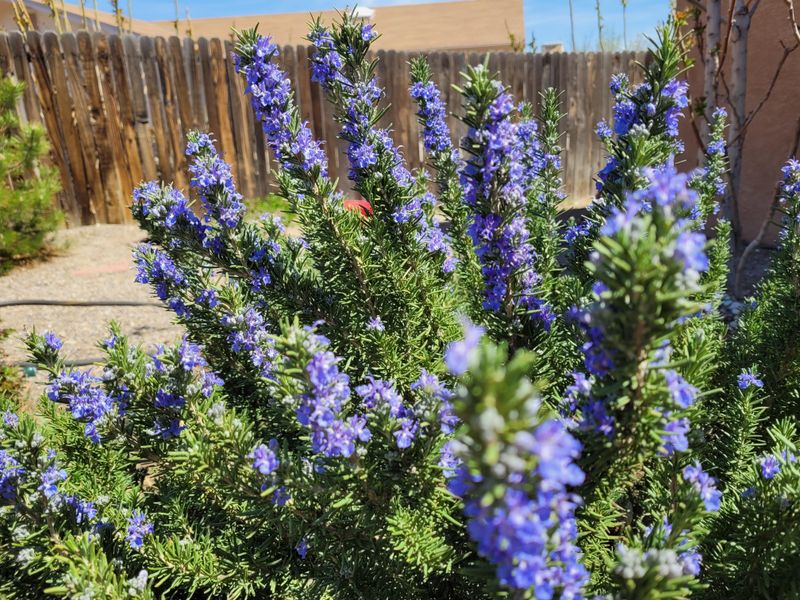
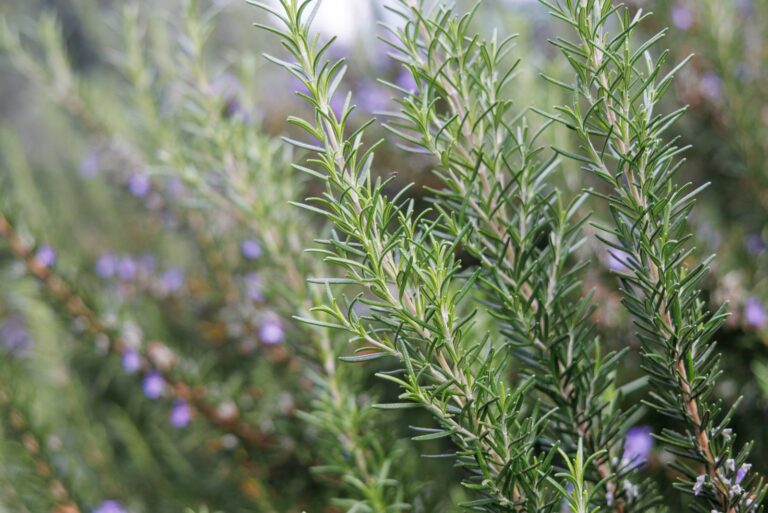
Brushing past rosemary plants releases aromatic oils that smell like Mediterranean hillsides transported directly to Texas backyards and herb gardens.
Needle-like foliage stays green throughout the year while producing small blue, pink, or white flowers that attract pollinators during cooler months.
Culinary uses make this fragrant herb doubly valuable since fresh sprigs enhance countless dishes from roasted vegetables to grilled meats perfectly.
Well-drained soil is absolutely essential because rosemary roots rot quickly in heavy clay that stays waterlogged after rains across Texas.
Trailing varieties work beautifully in containers or cascading over retaining walls, while upright forms create informal hedges reaching several feet tall.
Drought tolerance improves dramatically once plants establish themselves, requiring only occasional deep watering during extended dry periods common here statewide.
Deer and rabbits typically avoid rosemary because of its strong essential oils, making it useful for protecting more vulnerable plants nearby.
Harvesting stems regularly encourages bushier growth while providing fresh herbs for cooking, creating a win-win situation for practical Texas gardeners.
5. Mexican Honeysuckle
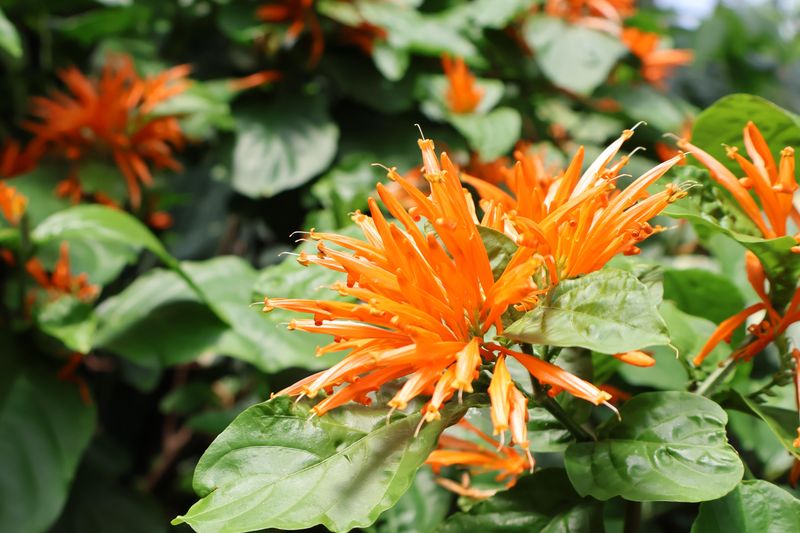
Orange tubular blooms appear almost year-round on Mexican Honeysuckle, releasing subtle honey-like fragrance while attracting hummingbirds by the dozens.
This Texas-tough shrub handles heat, drought, and poor soil without complaint, blooming continuously from spring through fall in most regions statewide.
Compact growth habit makes it suitable for smaller yards where space limitations prevent planting larger shrubs that might overwhelm landscape designs.
Freezing temperatures may damage stems during harsh winters, but plants typically resprout vigorously from roots when warmth returns in springtime.
Butterflies join hummingbirds visiting flowers throughout the day, creating lively garden scenes that entertain children and adults equally with constant activity.
Minimal maintenance requirements appeal to busy homeowners who want beautiful fragrant plants without dedicating weekends to complicated care routines or schedules.
Partial shade works fine in southern Texas locations, though full sun produces heavier flowering in northern regions with milder summer conditions.
Grouping several plants together creates impressive displays while intensifying the sweet fragrance that makes this species so popular across the state.
6. Lavender
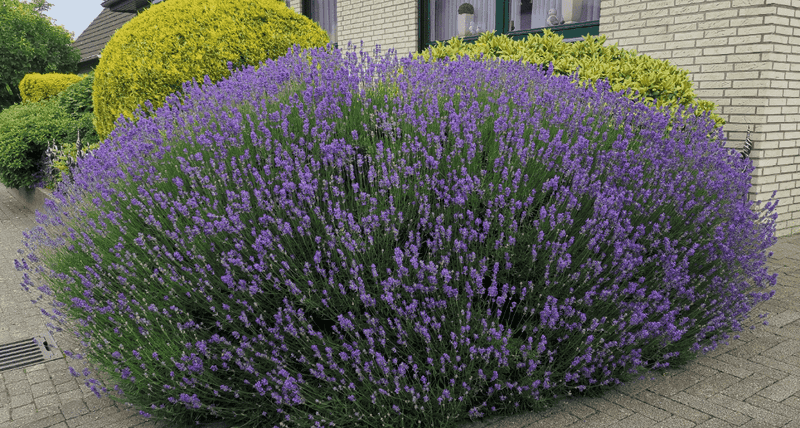
Purple flower spikes rise above silvery foliage on lavender plants, releasing calming fragrance that reduces stress according to numerous aromatherapy studies.
English lavender varieties struggle in humid Texas regions, but Spanish and French types handle heat and moisture much better across the state.
Excellent drainage becomes critical for success because lavender roots absolutely cannot tolerate wet feet during rainy periods common in spring.
Harvesting stems at peak bloom preserves fragrance in dried arrangements that scent closets and drawers for months after cutting them fresh.
Pollinators visit lavender enthusiastically, making it valuable for supporting bee populations that help vegetable gardens produce better yields through improved pollination.
Sandy or amended soils produce healthier plants than heavy clay, so raised beds work wonderfully where native ground stays too dense.
Afternoon shade helps plants survive in extreme southern Texas locations where summer heat becomes truly punishing for Mediterranean species like lavender.
Pruning after flowering encourages compact growth and prevents plants from becoming woody and unproductive as they age over several growing seasons.
7. Four O’Clock Flowers
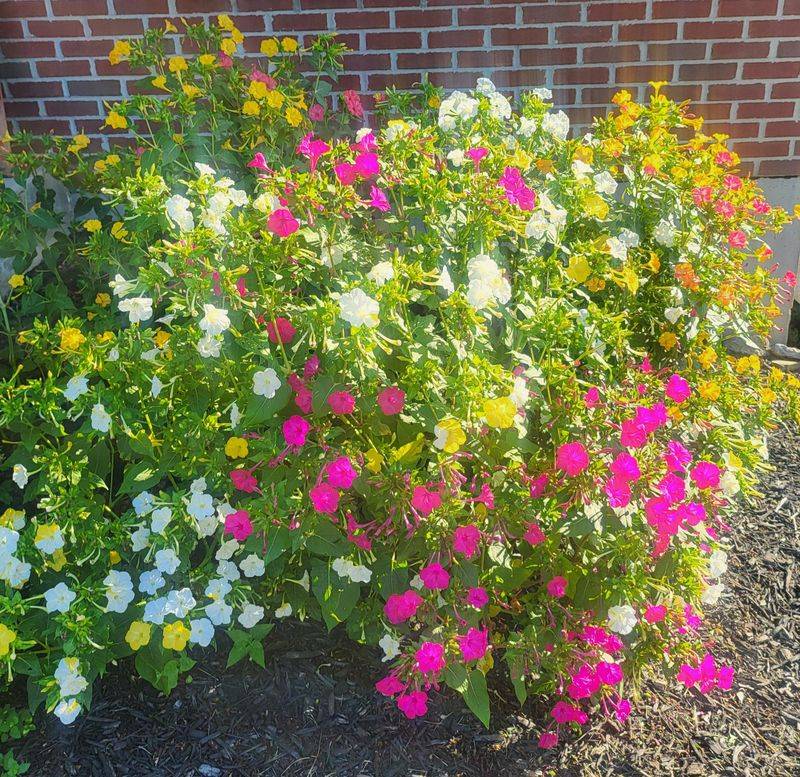
Late afternoon brings a magical transformation when Four O’Clock flowers open their colorful blooms, releasing sweet perfume throughout Texas neighborhoods.
Pink, yellow, white, and magenta flowers often appear on the same plant simultaneously, creating rainbow displays that seem almost too cheerful.
Self-seeding habit means plants return year after year without replanting, though some gardeners consider this trait invasive in certain landscape situations.
Tubular roots store water and nutrients, helping plants survive drought conditions that would stress less adapted species growing in Texas yards.
Evening fragrance intensifies as temperatures drop, making these flowers perfect near windows where breezes carry scent indoors during pleasant weather.
Hummingbirds and sphinx moths pollinate flowers during twilight hours, adding wildlife interest to gardens already blessed with beautiful blooms and fragrance.
Heat tolerance remains exceptional even during brutal Texas summers when temperatures stay above one hundred degrees for weeks without significant relief.
Minimal care requirements make Four O’Clocks ideal for beginning gardeners who want rewarding plants that forgive occasional neglect or watering mistakes.
8. Sweet Alyssum
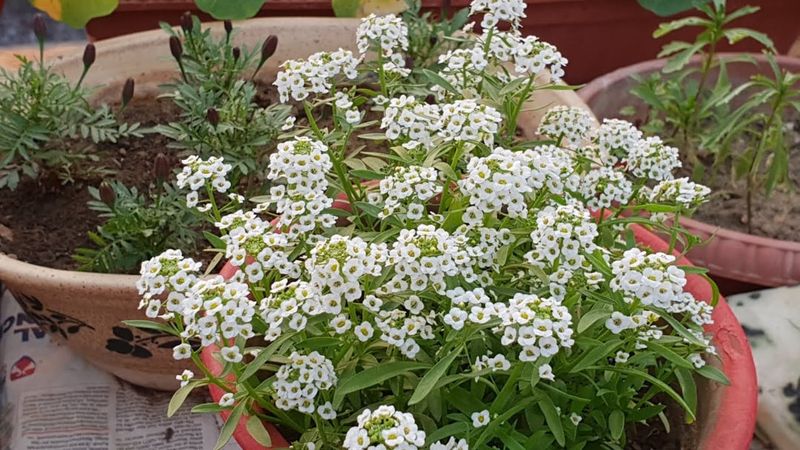
Honey-scented clouds of tiny white or purple flowers make Sweet Alyssum a favorite cool-season annual throughout Texas landscapes and container gardens.
Low-growing habit creates perfect edging along walkways and flower beds where taller plants might block views or overwhelm smaller spaces.
Fall planting produces best results across Texas because plants bloom heavily during mild winters before hot weather arrives in late spring.
Reseeding occurs readily in areas where plants grow happily, providing free flowers year after year without purchasing new transplants each season.
Beneficial insects appreciate the nectar-rich blooms, helping control pest populations naturally while reducing need for chemical interventions in organic gardens.
Fragrance remains noticeable even from several feet away, making these diminutive plants surprisingly powerful in their aromatic impact on outdoor spaces.
Containers and hanging baskets showcase trailing varieties beautifully, spilling over edges while releasing sweet perfume near patios and entryways throughout Texas.
Light frost barely fazes established plants, allowing them to continue blooming through mild winter months when few other flowers provide color.
9. Night-Blooming Jasmine
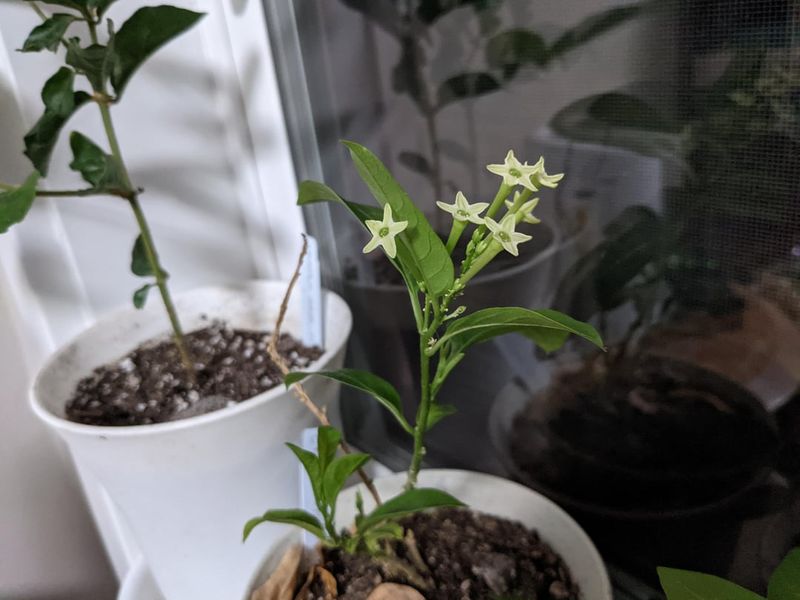
Unremarkable greenery transforms into something extraordinary when Night-Blooming Jasmine releases its powerful fragrance after sunset across Texas neighborhoods.
Small tubular white flowers open during evening hours, producing perfume so intense that a single plant can scent entire yards.
South Texas gardeners enjoy this tropical shrub year-round, while northern regions treat it as a container plant moved indoors before freezes.
Fragrance opinions vary wildly because some people find the scent overwhelming while others consider it absolutely heavenly and completely intoxicating.
Strategic placement away from bedroom windows prevents fragrance from disturbing sleep for sensitive individuals who find strong scents problematic at night.
Pollinators active during twilight hours, including moths and bats, visit flowers enthusiastically while most people sleep through the nocturnal activity.
Growth remains manageable with occasional pruning, keeping plants compact enough for containers or small garden spaces throughout residential Texas properties.
Daytime appearance stays plain and unimpressive, making this strictly a plant chosen for its incredible nighttime fragrance rather than visual appeal.
10. Lemon Verbena
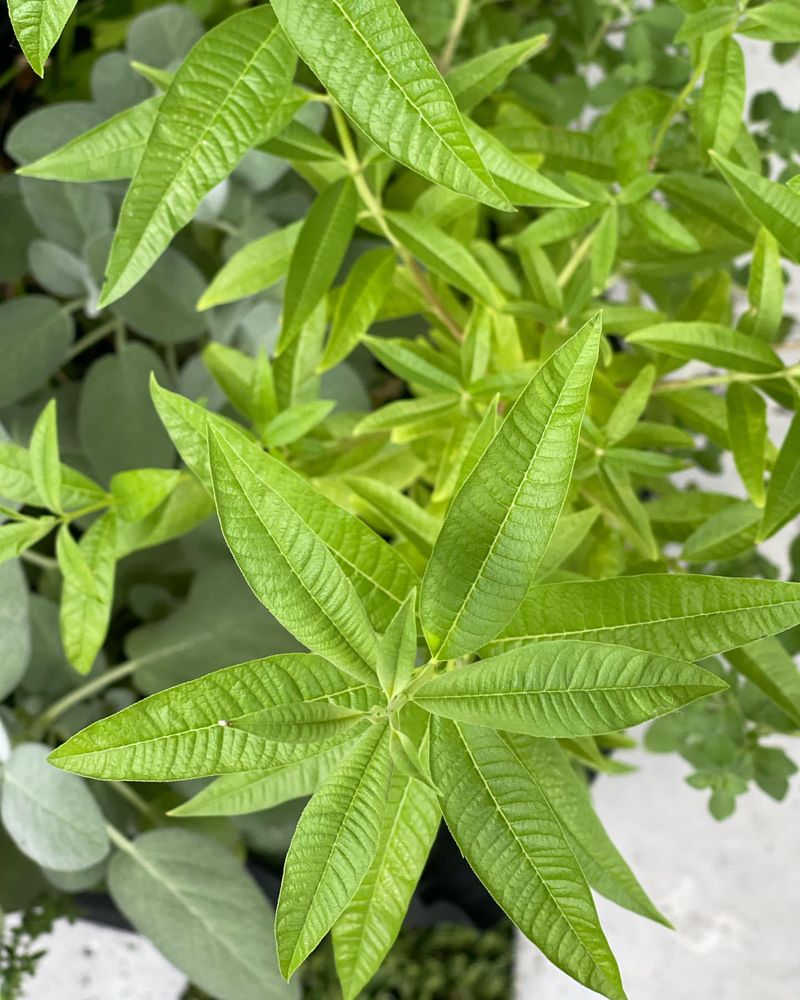
Crushing lemon verbena leaves between your fingers releases intense citrus fragrance that smells cleaner and brighter than actual lemons themselves somehow.
Tender perennial habit means plants may die back during cold Texas winters but often resprout from roots when spring warmth returns.
Herbal tea made from fresh or dried leaves provides refreshing beverages that taste as wonderful as the plant smells growing outdoors.
Container growing works perfectly for this herb, allowing gardeners to move plants to protected locations when temperatures threaten to drop below freezing.
Rapid growth during warm months means regular harvesting keeps plants compact while providing abundant leaves for culinary and aromatic uses.
Well-drained soil prevents root problems that plague lemon verbena when planted in heavy clay common across many Texas regions and counties.
Aromatic oils remain potent even after drying, making this herb valuable for potpourri and sachets that freshen drawers and closets naturally.
Full sun exposure produces bushiest growth and strongest fragrance, though afternoon shade helps in extreme southern Texas locations with punishing heat.
11. Sweet Autumn Clematis
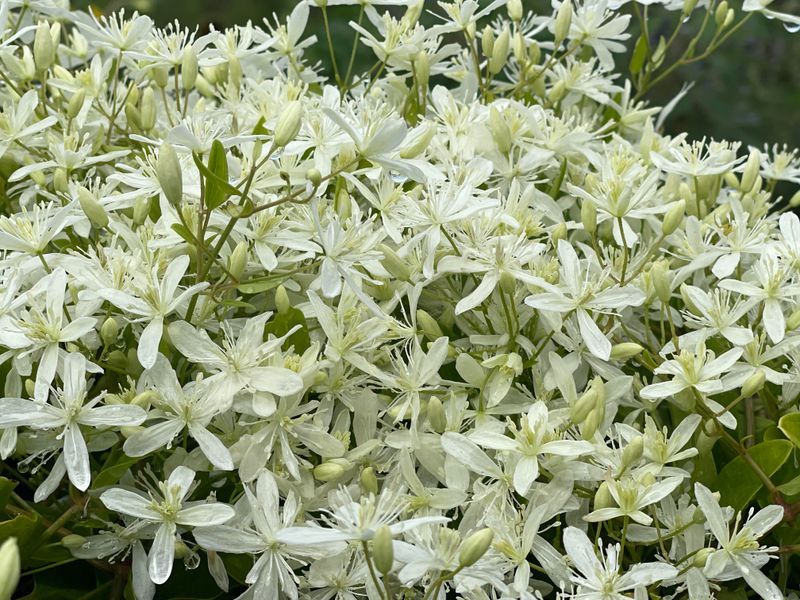
Late summer brings welcome relief when Sweet Autumn Clematis vines explode into frothy masses of white flowers releasing vanilla-like fragrance everywhere.
Vigorous growth covers fences, arbors, and pergolas quickly, sometimes too quickly for gardeners who underestimate this plant’s spreading enthusiasm across Texas.
Blooming occurs when most other flowering plants have finished for the season, providing fresh beauty during typically dull late-summer landscape periods.
Cutting flowers back after blooming prevents excessive self-seeding that can turn this lovely vine into a maintenance headache in subsequent growing seasons.
Fragrance intensifies during warm evenings, making outdoor dining areas near these vines particularly pleasant for entertaining guests and family gatherings.
Established plants handle Texas heat remarkably well despite clematis reputation for preferring cooler climates in other regions of the country.
Root zone shading helps plants thrive, following the traditional advice about keeping clematis roots cool while allowing vines to climb into sunshine.
Butterflies and bees visit flowers enthusiastically, adding movement and life to gardens already blessed with incredible late-season fragrance and abundant blooms.
12. Dianthus
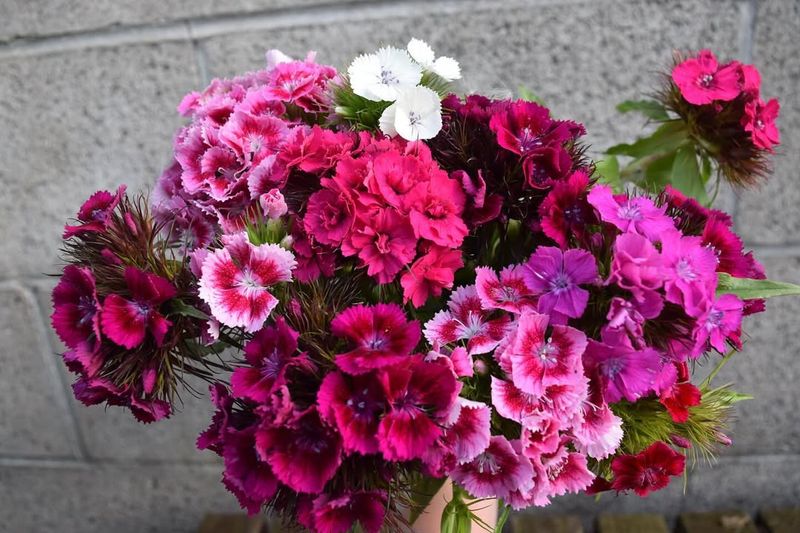
Spicy clove fragrance wafts from fringed dianthus blooms, earning these charming flowers the common name pinks despite their varied color palette options.
Cool-season performance makes dianthus perfect for Texas fall and winter gardens when planted alongside pansies and snapdragons in colorful combinations.
Pink, red, white, and bicolor flowers appear on compact plants that work beautifully as edging or massed in flower beds.
Alkaline soil common across much of Texas suits dianthus perfectly, unlike acid-loving plants that struggle without amendments to lower pH.
Deer resistance makes these fragrant flowers valuable for rural properties where wildlife browsing destroys less protected plants throughout the growing season.
Deadheading spent blooms encourages continuous flowering, keeping plants attractive for months rather than allowing them to set seed and stop producing.
Container growing succeeds wonderfully with dianthus, bringing fragrance close to patios and entryways where people can appreciate the spicy scent easily.
Heat eventually overcomes these cool-season favorites when Texas summer temperatures climb, but they provide months of beauty and fragrance before then.