Free Ways Ohio Homeowners Can Improve Their Gardens
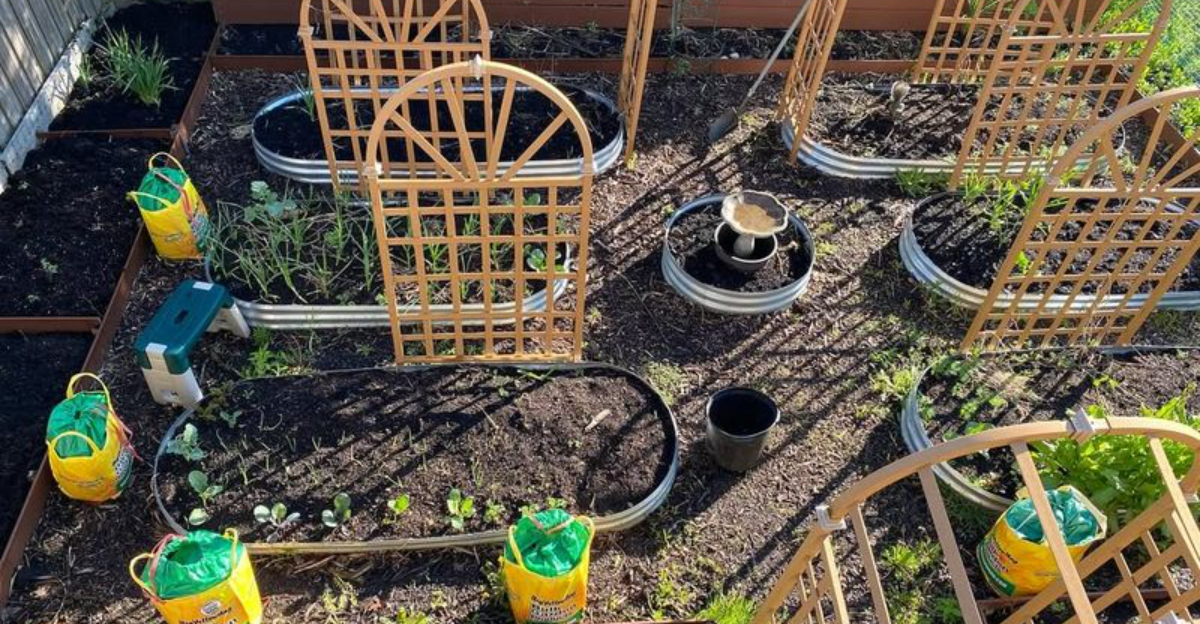
Ohio gardens reward care, not cash.
With a sharp eye and a little grit, homeowners coax beauty from what already sits close at hand.
Fallen leaves shield soil, rain barrels catch sky water, and shared cuttings pass from porch to porch.
Right moments, placement, and patience often matter more than store receipts.
A yard can feel fresh with smarter paths, better light use, and thoughtful plant swaps.
Neighbors trade extras, libraries lend tools, and nature fills gaps for free.
The payoff shows fast: richer beds, fewer weeds, and spaces that invite birds and calm.
Small shifts stack up and turn effort into pride.
This approach favors resourcefulness over cost and proves that limits spark creativity.
Ohio soil responds well when hands work with it, not against it.
Expect ideas that save money, build skill, and help gardens feel full and alive through season, without strain on budgets.
Composting Kitchen Scraps

Every meal you prepare creates valuable nutrients that your garden craves.
Vegetable peels, coffee grounds, eggshells, and fruit scraps can transform into rich, dark compost that feeds your soil.
Instead of tossing these items in the trash, collect them in a container and add them to a pile in your yard.
Ohio’s humid summers speed up the breakdown process naturally.
You can layer your kitchen waste with grass clippings, leaves, and small twigs to create the perfect balance.
Turn your pile every few weeks to add oxygen, which helps everything break down faster.
Within a few months, you will have crumbly, earthy compost that makes plants grow stronger and healthier.
This black gold improves soil structure, helps retain moisture during dry spells, and provides essential nutrients that store-bought fertilizers often lack.
Your tomatoes, peppers, and flowers will thank you with bigger blooms and tastier harvests.
Best of all, you are reducing household waste while creating something truly beneficial.
Composting connects you to the natural cycle of growth and renewal that happens in every healthy garden.
Once you start, you will wonder why you ever threw away such valuable material.
Collecting And Using Rainwater
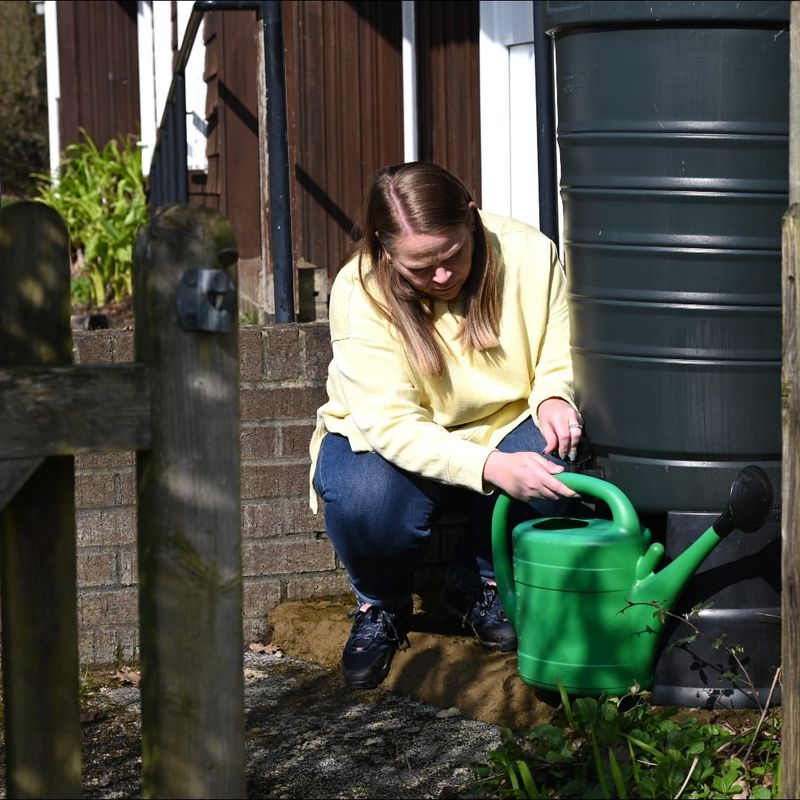
Rain barrels offer a brilliant solution for watering your garden without turning on the hose.
Position a large container beneath your downspout, and nature does the rest.
Even a modest rainfall can fill a barrel quickly, giving you gallons of free water for your plants.
Ohio receives plenty of precipitation throughout the year, making this method especially practical.
Rainwater actually works better than tap water because it lacks the chemicals and minerals found in municipal supplies.
Plants respond positively to this pure water source.
You can use old trash cans, large buckets, or any sturdy container you already own.
Just make sure to cover the top with mesh or screen to keep mosquitoes from breeding inside.
During dry summer weeks, your stored rainwater becomes incredibly valuable.
You will save money on your water bill while giving your garden exactly what it needs.
The simple act of catching rain connects you to weather patterns and seasonal changes in a meaningful way.
Your vegetables will stay hydrated, your flowers will bloom brighter, and you will feel good about conserving a precious resource.
This ancient practice makes perfect sense for modern homeowners.
Mulching With Fallen Leaves
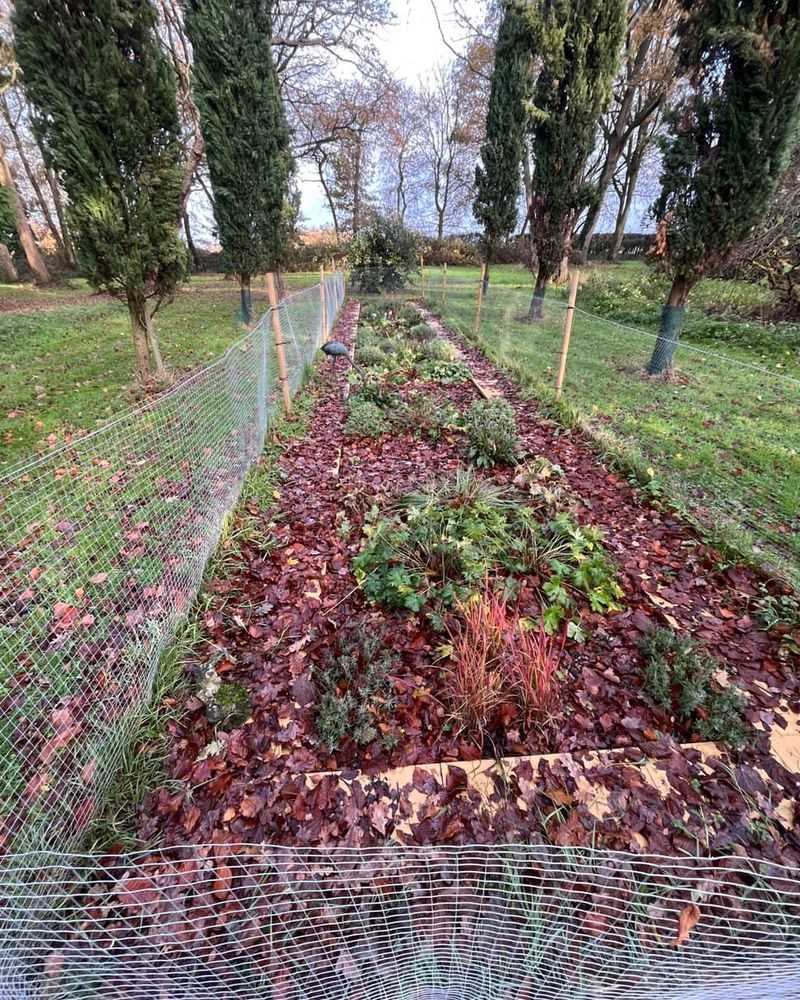
Autumn blankets Ohio yards with a free resource that most people bag up and discard.
Those fallen leaves represent perfect mulch material that protects soil and feeds beneficial organisms.
Rake them up and spread a layer around your plants, trees, and garden beds.
This natural covering insulates roots during cold winters and keeps soil cool during hot summers.
As leaves slowly break down, they add organic matter that improves soil texture and fertility.
Worms and other helpful creatures thrive beneath leaf mulch, creating tunnels that allow air and water to reach plant roots more easily.
The blanket also suppresses weeds by blocking sunlight from reaching weed seeds in the soil.
You can shred leaves with a lawn mower first if you want them to decompose faster.
Whole leaves work fine too, especially around shrubs and in flower beds.
This practice saves you from buying expensive bags of mulch at garden centers.
Your perennials will emerge stronger each spring, and your annuals will grow more vigorously throughout the season.
Nature designed this system perfectly, and smart gardeners simply follow her lead.
Embrace the leaves instead of fighting them.
Saving Seeds From Your Plants
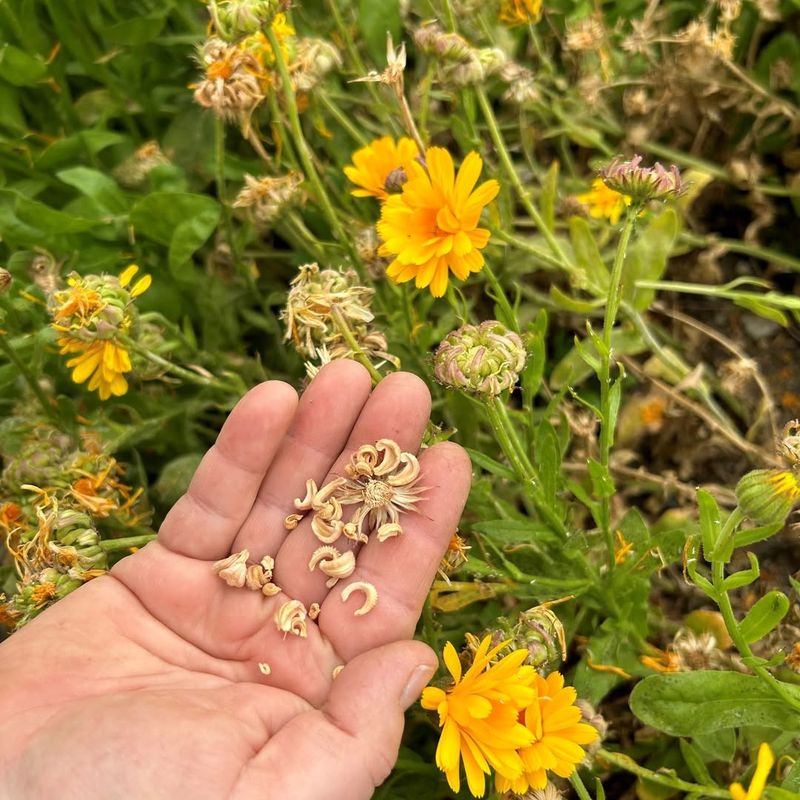
Your garden produces its own supply of future plants if you know where to look.
Flowers like marigolds, zinnias, and sunflowers develop seed heads after blooming.
Vegetables such as tomatoes, peppers, and beans contain seeds you can harvest and store.
Wait until the plant fully matures and the seeds ripen before collecting them.
Dry seeds thoroughly on paper towels for several days, then store them in envelopes or small jars.
Label everything clearly with the plant name and the date you collected the seeds.
Keep your seed collection in a cool, dry place until spring arrives.
When planting season returns, you will have a ready supply of varieties you know perform well in Ohio’s climate.
This practice connects you to generations of gardeners who sustained their gardens this way.
You will also develop plants that adapt specifically to your yard’s unique conditions over time.
Heirloom varieties work especially well for seed saving because they produce offspring identical to the parent plant.
Hybrid plants sometimes create surprises, but even those can be fun to experiment with.
Sharing saved seeds with neighbors builds community and spreads garden joy.
Dividing Perennial Plants
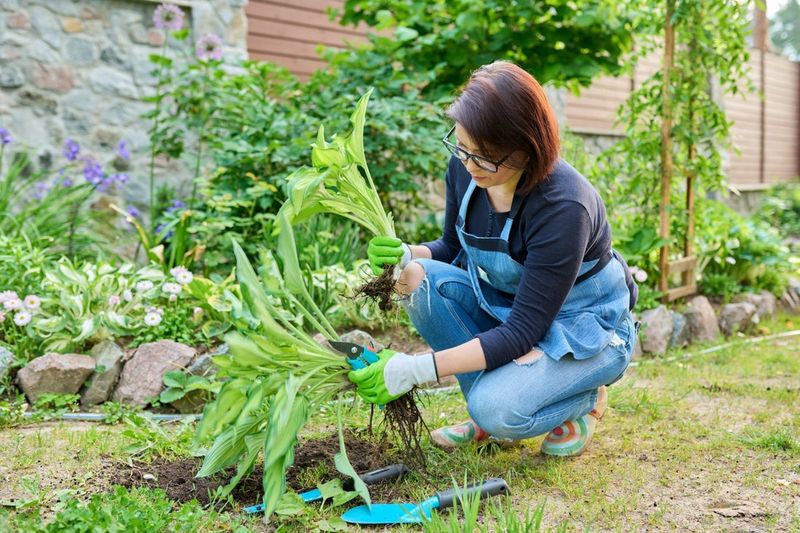
Many perennials grow larger each year until they become crowded and less productive.
Hostas, daylilies, irises, and ornamental grasses benefit tremendously from division.
Simply dig up the entire plant clump in early spring or fall when temperatures stay mild.
Use a sharp shovel or knife to separate the roots into several smaller sections.
Each division should have healthy roots and several shoots or growth points.
Replant the divisions in new locations around your yard, spacing them properly to allow for future growth.
Water them well after planting to help them establish.
This technique instantly multiplies your plant collection without buying anything new.
You can fill empty spots in your landscape, create new garden beds, or share divisions with friends and family.
Divided plants often bloom more vigorously than overcrowded ones because they have more room and resources.
Ohio’s spring and fall weather provides ideal conditions for this work.
The plants settle in quickly and show noticeable improvement by the next growing season.
This age-old practice keeps gardens fresh and thriving year after year.
Your yard will look fuller and more colorful without spending a penny.
Creating Natural Pest Controls
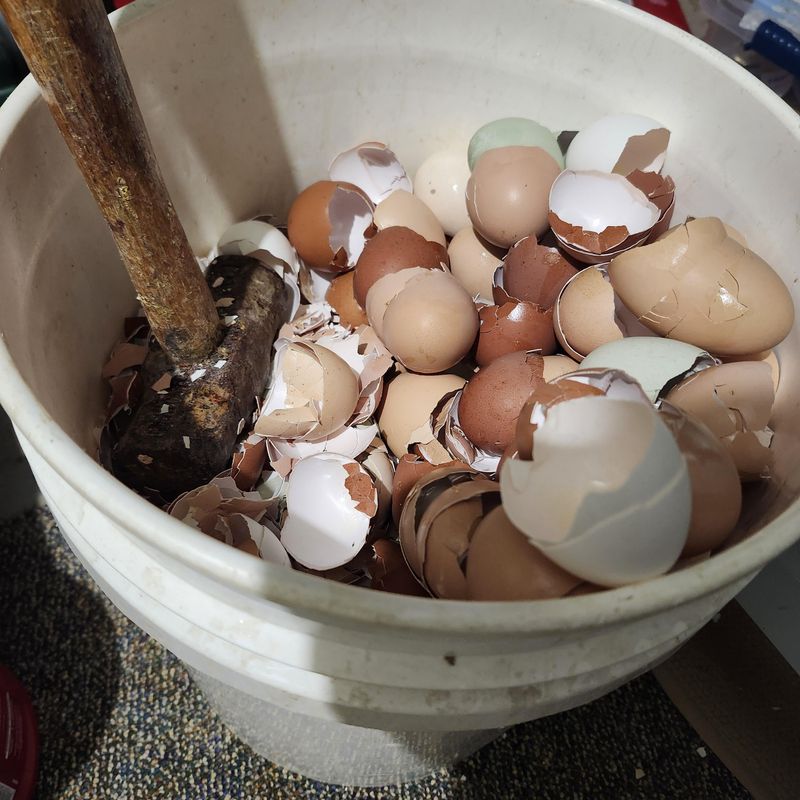
Your kitchen and garden already contain solutions to common pest problems.
Crushed eggshells sprinkled around plants deter slugs and snails with their sharp edges.
A spray made from water and a few drops of dish soap helps control aphids and other soft-bodied insects.
Planting marigolds, basil, and mint throughout your garden naturally repels many unwanted visitors.
These companion plants release scents that confuse or discourage pests from settling in.
Encourage beneficial insects like ladybugs and lacewings by providing diverse flowering plants.
These helpful creatures feast on the pests that damage your vegetables and flowers.
Hand-picking larger pests like caterpillars and beetles takes time but works remarkably well for small gardens.
Drop them into soapy water to prevent them from returning.
Healthy soil and proper plant spacing also reduce pest problems naturally because strong plants resist damage better.
Ohio gardeners can work with nature’s balance instead of relying on expensive chemical treatments.
These methods protect beneficial insects, birds, and pollinators that make your garden thrive.
You will enjoy a healthier outdoor space that feels more alive and balanced.
Prevention and natural solutions beat chemicals every time.
Improving Soil With Grass Clippings
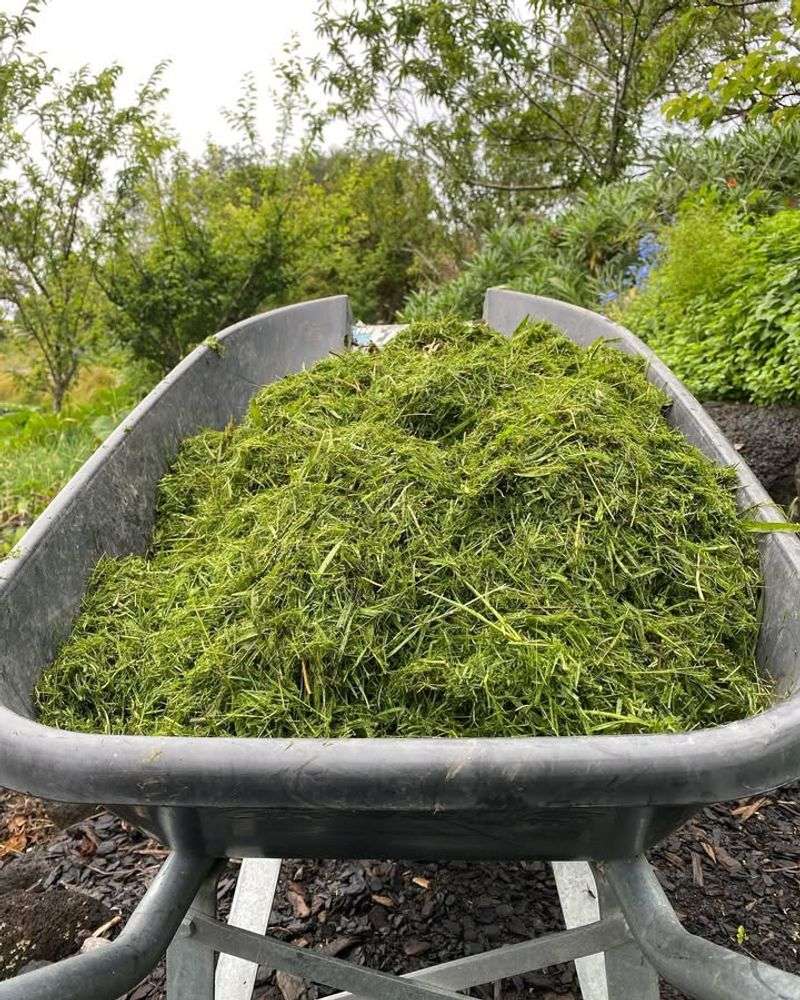
Every time you mow your lawn, you create a valuable garden resource.
Fresh grass clippings contain nitrogen and other nutrients that plants need to grow strong.
Spread a thin layer of clippings around vegetables, flowers, and shrubs as free mulch.
This green blanket suppresses weeds, retains soil moisture, and slowly releases nutrients as it decomposes.
Make sure to use only thin layers to prevent matting and unpleasant odors.
Thick piles can become slimy and block air from reaching the soil.
You can also add grass clippings to your compost pile to speed up decomposition.
They provide the nitrogen-rich green material that balances carbon-heavy browns like leaves and twigs.
Ohio lawns produce abundant clippings from spring through fall, giving you a steady supply.
Avoid using clippings from lawns recently treated with chemical herbicides or pesticides.
Let those sit for a few weeks before adding them to garden areas.
This simple practice turns lawn maintenance into a garden-building activity.
Your plants will grow greener and more robust with this steady supply of natural nutrition.
You will reduce waste, improve your soil, and save money all at once.
Smart gardeners never waste this readily available material.