9 Front Yard Features Texas Homes Use To Reduce Maintenance
Texas front yards are being shaped by a simple goal that matters more every year, spending less time maintaining and more time actually enjoying the space.
Heat, drought, and long growing seasons quickly expose which yard features demand constant work and which ones quietly take care of themselves.
Many homeowners reach a point where traditional lawns and high-effort designs no longer feel practical for everyday life.
That shift has pushed attention toward front yard features that hold up well under Texas conditions without constant mowing, watering, or repairs.
These choices are not about sacrificing curb appeal, but about building landscapes that stay attractive even when schedules get busy.
Smart design at the front of a home can dramatically cut weekend chores while still looking polished and intentional.
Texas-friendly features tend to reward durability, simplicity, and materials that age well instead of fighting the climate.
Once these elements are in place, the difference in upkeep becomes noticeable almost immediately.
Front yards start feeling calmer, more predictable, and far less demanding throughout the year.
For many Texas homes, these low-maintenance features turn the front yard into a space that works quietly in the background instead of constantly asking for attention.
1. Native Texas Plants and Grasses
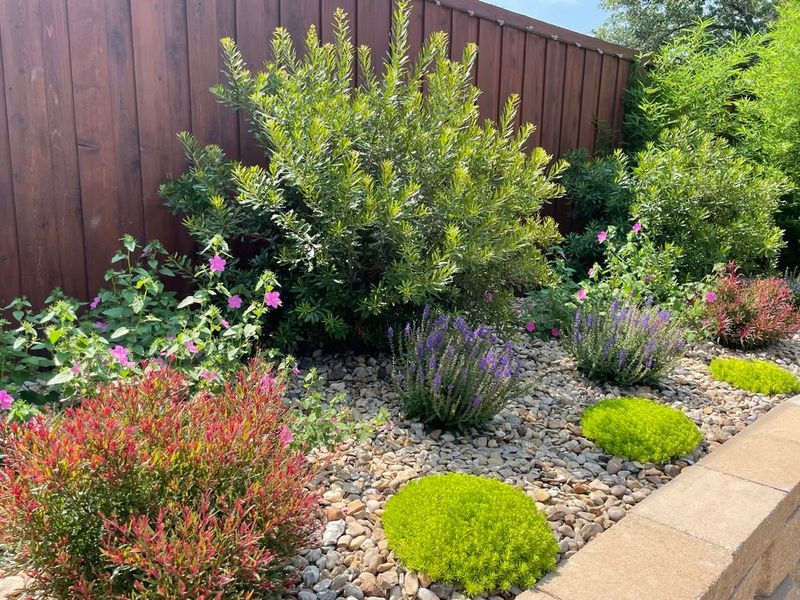
Native plants have evolved over thousands of years to survive and flourish in the unique climate conditions found throughout Texas landscapes.
Once established, these hardy species require minimal watering, no fertilizer, and little pruning compared to exotic varieties that struggle in heat.
Bluebonnets, black-eyed Susans, and Texas sage bring vibrant color without demanding constant attention from busy homeowners.
Buffalo grass and other native ground covers create lush green carpets that stay healthy even during drought periods common across the state.
These grasses naturally resist local pests and diseases, eliminating the need for chemical treatments that cost money and harm the environment.
Roots grow deep into the soil, anchoring plants firmly while accessing moisture that shallow-rooted species cannot reach.
Homeowners save hundreds of dollars annually on water bills when they replace thirsty lawn grass with native alternatives suited to Texas conditions.
Local nurseries stock region-appropriate plants that thrive in specific areas, from humid Houston to arid West Texas climates.
Choosing native species means less time spent maintaining your yard and more time enjoying outdoor spaces with family and friends.
Native plants also support local pollinators like bees and butterflies that depend on familiar food sources to survive and reproduce successfully.
Over time, these landscapes create healthier soil, stronger ecosystems, and outdoor spaces that look established rather than constantly struggling to keep up.
2. Xeriscaping with Rock Gardens
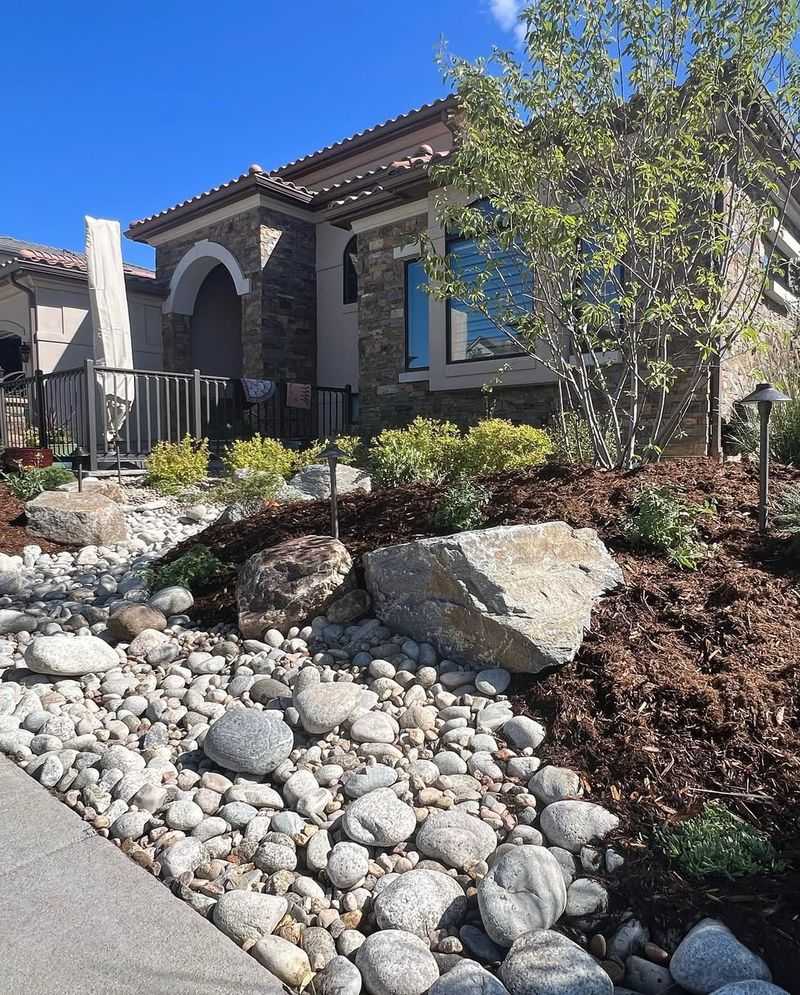
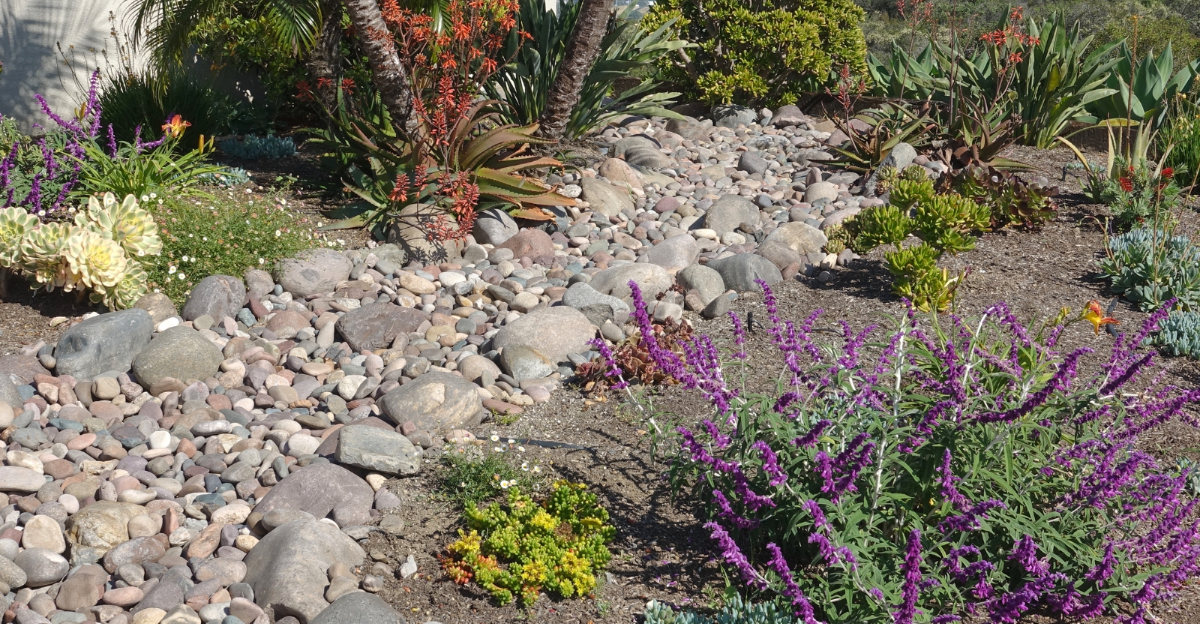
Xeriscaping transforms ordinary yards into stunning landscapes using rocks, gravel, and drought-tolerant plants that need almost no water to survive.
This landscaping method originated in dry regions but has become incredibly popular among Texas homeowners seeking attractive, sustainable outdoor spaces.
Decorative stones come in countless colors and sizes, creating visual interest without requiring any watering, mowing, or trimming throughout the year.
Rock gardens naturally suppress weed growth by blocking sunlight from reaching the soil, which means less time pulling unwanted plants from beds.
Strategic placement of boulders and river rocks adds dimension and texture to front yards while directing rainwater toward plant roots efficiently.
Combining rocks with succulents and cacti creates a desert-inspired aesthetic that looks intentional and beautifully designed rather than neglected.
Installation costs get recovered quickly through reduced water consumption, especially during hot Texas summers when traditional lawns demand constant irrigation to stay alive.
Gravel pathways guide visitors through the landscape while eliminating muddy spots that form after rainstorms soak grass and dirt areas.
Homeowners appreciate how xeriscaping maintains its polished appearance year-round without seasonal cleanup or replanting efforts that consume precious weekend hours.
3. Artificial Turf Lawns
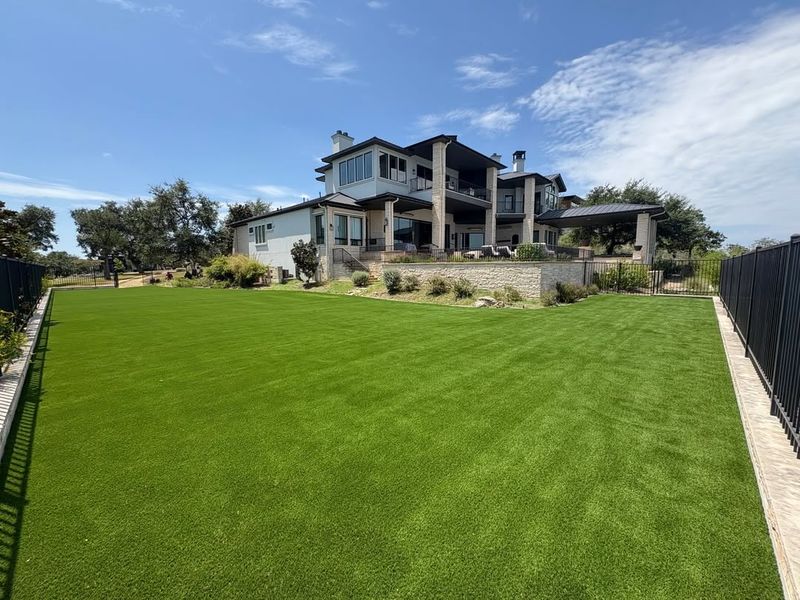
Artificial turf has come a long way from the fake-looking plastic grass that once covered sports fields and indoor facilities decades ago.
Modern synthetic lawns feature realistic blades in multiple shades of green, soft textures, and drainage systems that handle Texas rainstorms effectively.
Installation requires an upfront investment, but the long-term savings on water, fertilizer, and lawn equipment make it financially smart for many families.
Mowing becomes a distant memory once artificial turf replaces traditional grass, freeing up hours every week that homeowners previously spent pushing mowers.
The surface stays green and lush throughout brutal summer heat waves and winter cold snaps that turn natural grass brown and patchy.
Children and pets can play on the turf without creating worn paths or muddy spots that damage living lawns.
Quality synthetic grass lasts fifteen to twenty years with minimal care, requiring only occasional rinsing to remove dust and debris from the surface.
Texas municipalities in drought-prone areas sometimes offer rebates to homeowners who replace water-hungry grass with artificial alternatives that conserve precious resources.
No pesticides, herbicides, or fertilizers are needed, creating a safer environment for kids and animals while reducing chemical runoff into local waterways.
Xeriscaped yards also reduce soil erosion by stabilizing ground surfaces that would otherwise wash away during heavy Texas rain events.
Many cities across the state now encourage xeriscaping through rebates and incentives, making the switch even more appealing for cost-conscious homeowners.
Modern artificial turf is designed to stay cooler than older versions, especially when installed with proper infill and shading considerations.
Homeowners also appreciate that routine maintenance involves simple brushing and rinsing rather than seasonal repairs, reseeding, or costly lawn recovery efforts.
4. Mulched Garden Beds
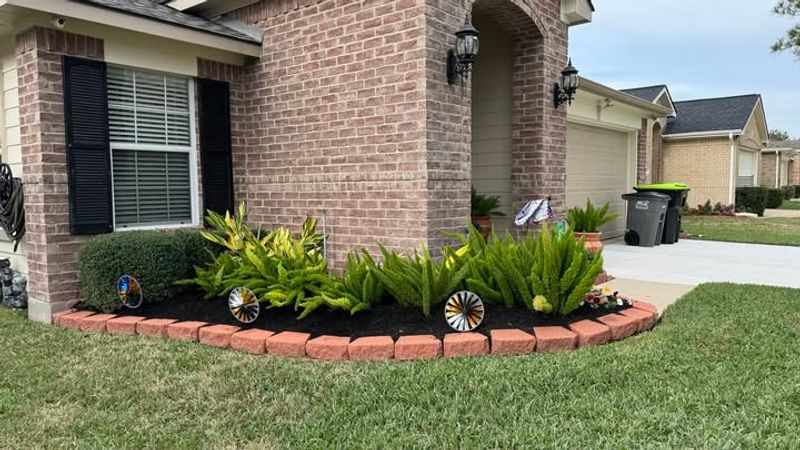
Thick layers of organic mulch create protective barriers that lock moisture into the soil while preventing weed seeds from germinating in garden beds.
Cedar, pine bark, and hardwood mulches decompose slowly, enriching the earth with nutrients as they break down over several seasons.
Texas homeowners find that mulched beds require far less frequent watering than exposed soil, which dries out rapidly under intense sunlight.
A three-inch layer of mulch regulates soil temperature, keeping roots cooler during scorching summer months and warmer when winter cold fronts sweep across the state.
Mulch also prevents soil erosion during heavy rains that wash away bare dirt, protecting plant roots and maintaining the shape of landscaped areas.
The uniform appearance of freshly mulched beds instantly boosts curb appeal without requiring complex design skills or expensive professional installation.
Replenishing mulch once or twice annually costs less than repeatedly replacing plants lost to heat stress or overrun by aggressive weeds.
Natural mulches attract beneficial insects and earthworms that improve soil health, creating a thriving ecosystem that supports plant growth without chemical interventions.
Homeowners across Texas appreciate how mulch reduces yard work while helping gardens look polished and professionally maintained throughout every season.
Mulch also protects tree trunks and plant stems from damage caused by lawn equipment, reducing long-term maintenance problems many homeowners face.
Choosing locally sourced mulch helps support regional suppliers while ensuring materials are well suited to Texas climate conditions.
5. Drip Irrigation Systems
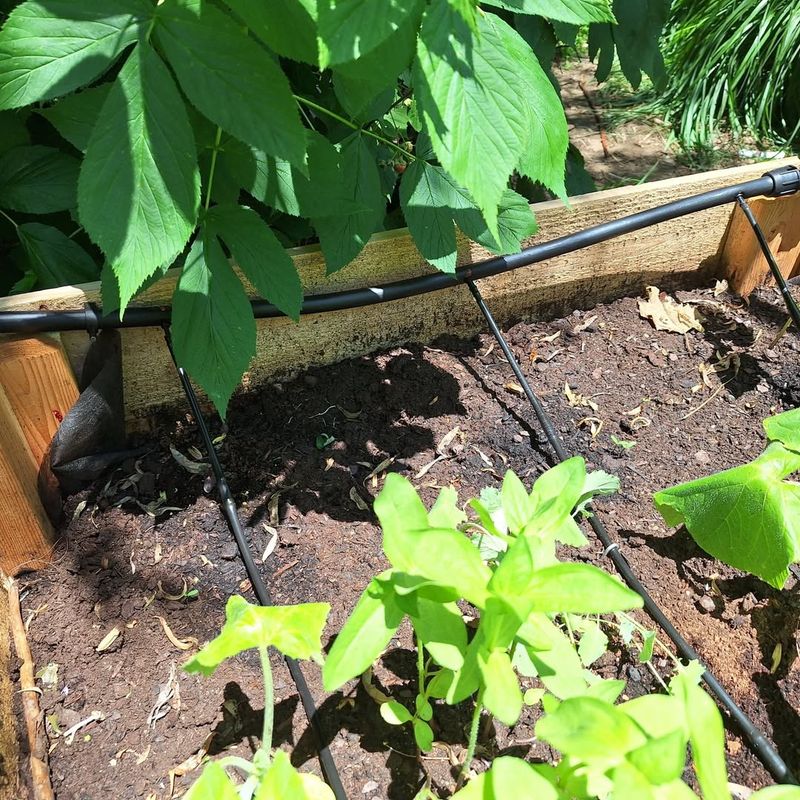
Drip irrigation delivers water directly to plant roots through networks of tubes and emitters, eliminating waste from evaporation and runoff.
These efficient systems use up to fifty percent less water than traditional sprinklers, which spray moisture into the air where Texas winds carry it away.
Timers automate watering schedules, ensuring plants receive consistent hydration even when families travel or forget to water during busy weeks.
Installation involves burying or concealing tubing beneath mulch, creating an invisible watering system that maintains the aesthetic appeal of landscaped areas.
Drip systems target specific plants, allowing homeowners to customize water delivery based on individual species needs rather than soaking entire yards uniformly.
Reduced water usage translates directly into lower utility bills, especially during summer months when outdoor irrigation accounts for significant household consumption.
Plants develop stronger, deeper root systems when watered slowly and steadily at ground level rather than receiving brief surface soakings from sprinklers.
Drip irrigation prevents fungal diseases that thrive on wet foliage, keeping Texas plants healthier without requiring frequent applications of fungicides.
Homeowners find that automated systems eliminate the hassle of dragging hoses around the yard or remembering to move sprinklers every few hours throughout the day.
6. Hardscaping with Pavers and Pathways
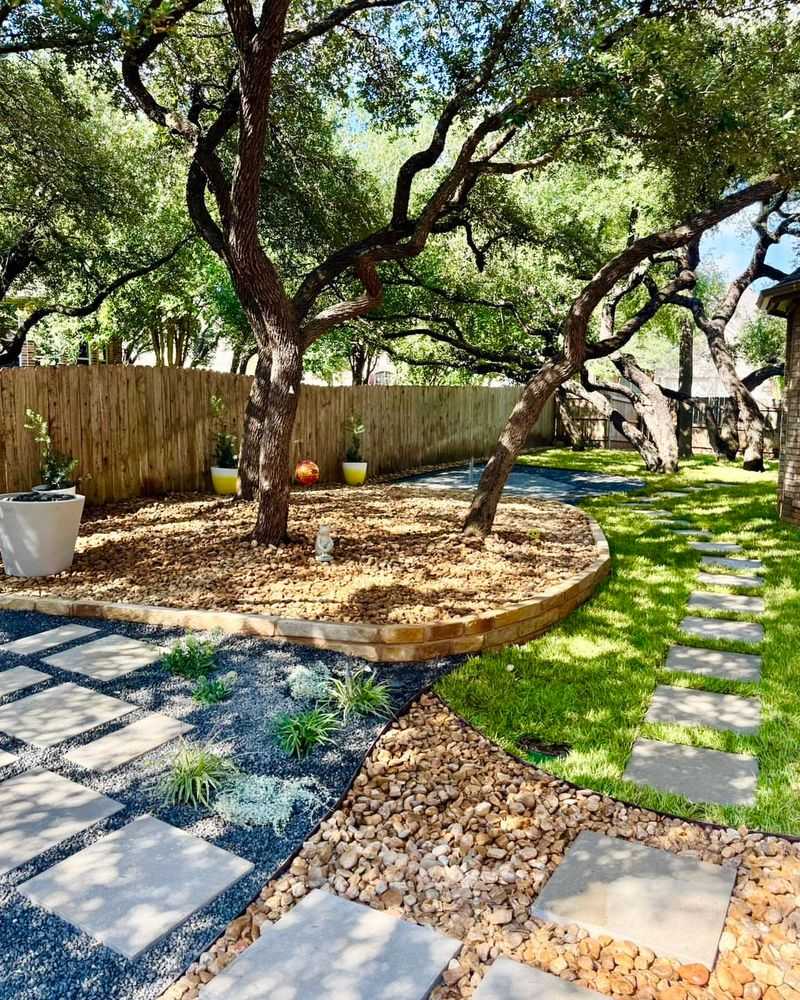
Hardscaping replaces living plants with permanent structures like stone pathways, brick borders, and concrete pavers that never need watering or trimming.
These durable materials withstand Texas weather extremes, from torrential spring rains to blistering summer heat, without deteriorating or requiring seasonal maintenance.
Pathways guide foot traffic away from delicate plants, preventing soil compaction and worn patches that make yards look unkempt.
Permeable pavers allow rainwater to seep through gaps into the ground below, reducing runoff and helping recharge underground aquifers throughout the state.
Interlocking designs create stable surfaces that resist shifting and settling, maintaining their level appearance for decades with minimal adjustments needed.
Homeowners can install pavers themselves or hire professionals, with both options providing long-lasting results that enhance property values.
Combining hardscaping with strategic plantings creates balanced landscapes that offer visual interest without overwhelming homeowners with maintenance demands on precious time.
Patios, walkways, and retaining walls define outdoor spaces while minimizing the square footage of lawn grass that requires regular mowing and care.
Texas families enjoy spending time in well-designed hardscaped yards that look intentional and sophisticated rather than simply functional or utilitarian in appearance.
Hardscaping also improves accessibility by creating smooth, even surfaces that are easier to navigate for children, pets, and older family members.
Many Texas homeowners appreciate how these permanent features reduce long-term maintenance costs while giving outdoor areas a clean, finished look year-round.
7. Ornamental Grasses and Perennials

Ornamental grasses bring movement and texture to Texas landscapes while requiring almost no care once their root systems establish in the soil.
Varieties like Mexican feather grass and gulf muhly thrive in heat, tolerate drought, and provide year-round visual interest with changing colors.
These grasses need pruning just once annually, typically in late winter before new growth emerges, saving homeowners countless hours compared to weekly lawn mowing.
Perennial flowers return each spring without replanting, gradually spreading to fill garden beds with blooms that attract butterflies and hummingbirds to yards.
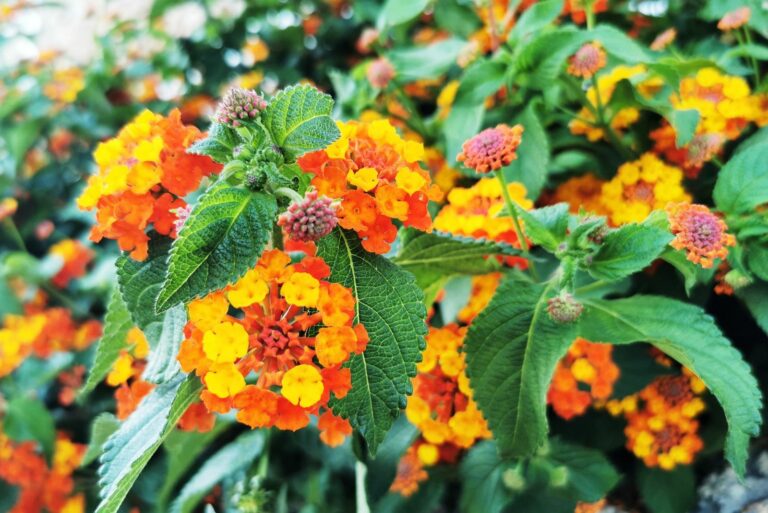
Texas-appropriate perennials like coneflowers, lantana, and salvia withstand challenging conditions that would destroy annuals requiring replacement every season at nurseries.
Established perennials develop extensive root networks that help them survive hot, dry periods without supplemental watering or special attention.
Mixing ornamental grasses with flowering perennials creates layered landscapes with varying heights, textures, and colors that change throughout the growing season naturally.
These plants generally resist deer and rabbit damage, which can devastate gardens in suburban and rural areas across the state.
Homeowners appreciate how ornamental plantings provide structure and beauty without the constant deadheading, fertilizing, and watering that high-maintenance flowers demand weekly.
8. Raised Planter Beds
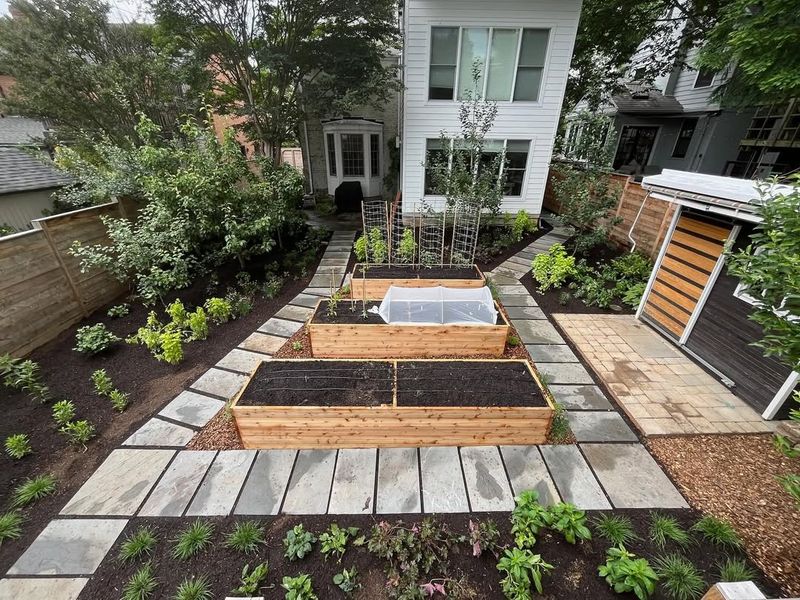
Raised beds elevate plants above ground level, improving drainage and allowing homeowners to control soil quality precisely for optimal growing conditions.
These structures prevent soil compaction from foot traffic, creating loose, aerated environments where roots spread easily and plants grow vigorously.
Texas gardeners fill raised beds with custom soil mixes suited to specific plants, bypassing problematic native clay or sandy soils.
Elevated planting areas reduce bending and kneeling, making gardening more accessible for people with mobility limitations or back problems that worsen with age.
Materials like cedar, composite lumber, or stone create attractive borders that define garden spaces while complementing home architecture and existing landscape features.
Raised beds warm up faster in spring, extending the growing season and allowing earlier planting of vegetables and flowers across the state.
Weeding becomes simpler in contained spaces with defined boundaries, and barriers at the base can block invasive grass roots from infiltrating beds.
Drip irrigation installs easily in raised structures, delivering water efficiently to concentrated planting areas rather than sprawling garden plots that waste resources.
Homeowners find that raised beds produce healthier plants with less effort, combining aesthetic appeal with practical benefits that reduce time spent on yard maintenance tasks.
Raised beds also improve pest management by creating physical barriers that deter burrowing animals common in many Texas yards.
Over time, these structured gardens help homeowners stay organized, productive, and confident in their planting choices without feeling overwhelmed by maintenance demands.
9. Ground Cover Plants Instead of Grass
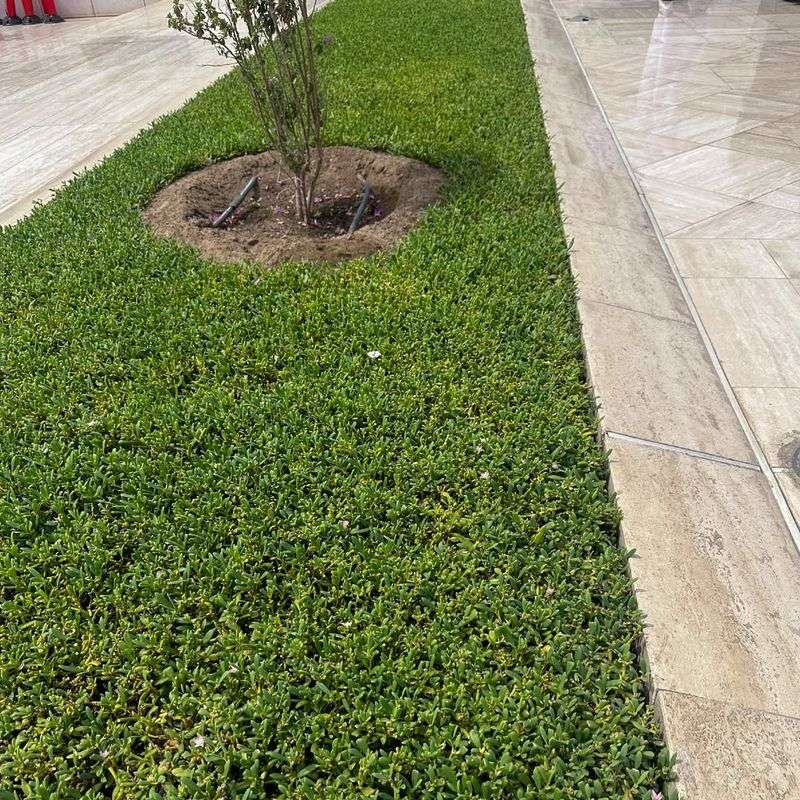
Low-growing ground covers spread horizontally to blanket soil, creating living carpets that eliminate bare spots where weeds take root and thrive.
Species like Asian jasmine, creeping thyme, and wedelia tolerate Texas heat while requiring no mowing, making them ideal grass alternatives for busy families.
These plants establish quickly, filling in spaces between stepping stones or surrounding trees where traditional lawns struggle to grow properly.
Ground covers prevent soil erosion on slopes where mowing becomes dangerous and grass often washes away during heavy rainstorms common throughout the state.
Many varieties produce small flowers that add color and fragrance to yards without demanding deadheading or special care from homeowners.
Dense foliage shades the soil surface, retaining moisture and reducing watering frequency compared to exposed grass that dries out rapidly.
Transitioning from grass to ground cover reduces carbon emissions by eliminating gas-powered mowers and trimmers that contribute to air pollution in Texas cities.
These plants naturally suppress weeds through dense growth that blocks sunlight from reaching the ground, minimizing time spent pulling unwanted vegetation.
Homeowners enjoy the textured, cottage-garden appearance that ground covers provide while appreciating the significant reduction in weekly yard work and maintenance expenses over time.
Ground covers also soften hard edges around patios and walkways, blending built features into the surrounding landscape naturally.
Once established, these plants require only occasional trimming, giving Texas homeowners more free time without sacrificing a well-kept yard appearance.