10 Frost-Hardy Vegetables For North Florida You Can Plant Right Now In February
Cold mornings, fog on the lawn, coffee in hand, and you’re staring at your garden wondering if it’s too early to plant. Spoiler alert: February is not a waiting month in North Florida.
While everyone else is playing it safe, some vegetables are out here built different. They laugh at chilly nights, shrug off light frost, and quietly set you up for brag-worthy harvests before spring even hits.
If you love getting ahead of the season, beating the heat rush, and pulling fresh food from the ground while others are still planning, this is your window. The right picks right now can mean stronger plants, bigger yields, and way less stress later.
Keep reading before this planting window slips away.
1. Kale Thrives When Cold Snaps Hit
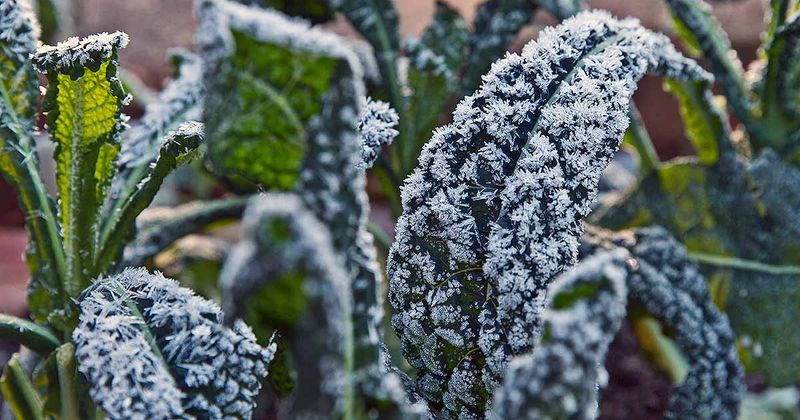
Walk into your garden on a frosty February morning and you might spot something surprising. The leafy greens you planted weeks ago now stand taller, their leaves darker and more textured than before.
Cold weather actually improves kale’s flavor, turning starches into sugars that make each leaf taste sweeter and less bitter.
Plant your kale transplants about 18 inches apart in full sun, making sure the soil drains well. You can also direct seed if soil temperatures reach 45–50 degrees, though germination will be slower in colder soil.
Transplants give you a faster start. Water consistently during dry spells, and add a layer of mulch to keep roots cool as March arrives.
Kale handles North Florida’s unpredictable late winter beautifully. Light frosts won’t slow it down, and you can start harvesting outer leaves in just four to six weeks.
The plant keeps producing as long as temperatures stay below 80 degrees, giving you fresh greens straight through April. Your spring salads will taste better knowing you beat the heat by planting early.
2. Collard Greens Power Through Late Winter Weather
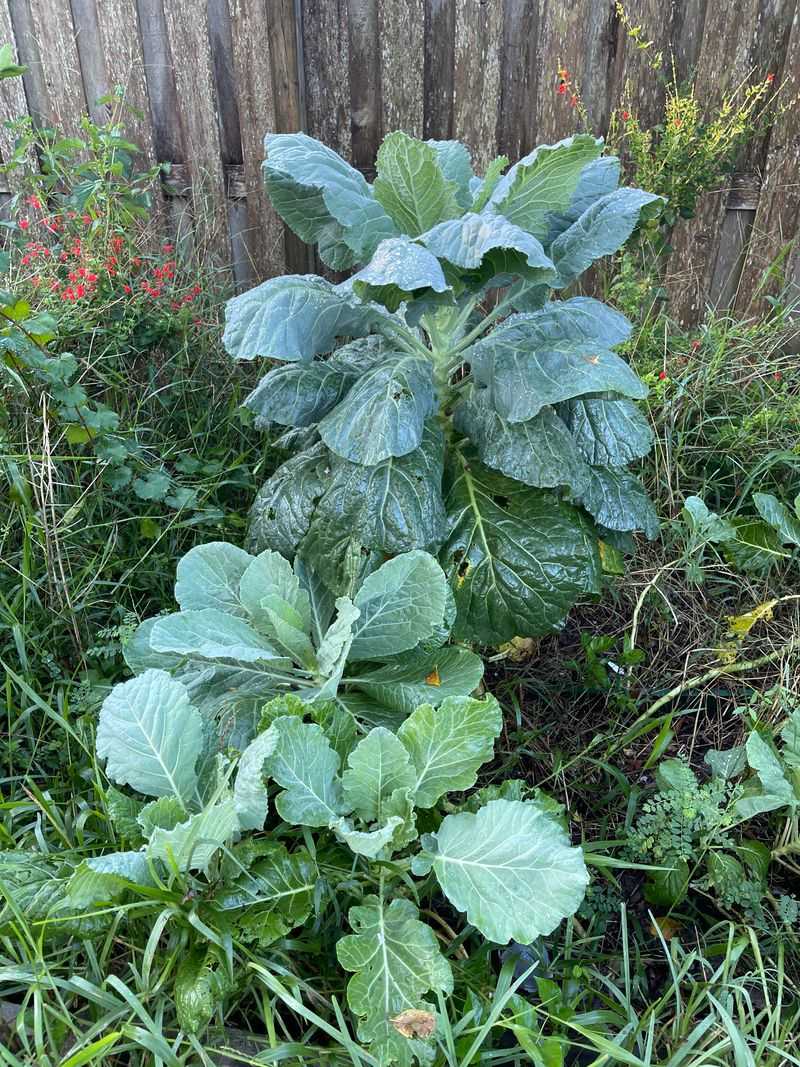
Collards belong in every North Florida February garden because they laugh at cold temperatures that would stress other vegetables. These sturdy plants develop thick, smooth leaves that stand upright even after overnight temperatures dip into the high 20s.
You get reliable production, though row cover is still recommended if temperatures drop below 28°F.
Set transplants 24 inches apart to give mature plants room to spread their large leaves. They prefer full sun but tolerate partial shade better than most vegetables, making them perfect for spots under deciduous trees that haven’t leafed out yet.
Mix compost into your planting holes and water deeply twice a week unless rain handles it for you.
Collards grow steadily through February and March, with leaves ready to pick in about eight weeks from transplanting. Harvest from the bottom up, taking older leaves first so the plant keeps producing new growth at the top.
The flavor stays mild and sweet as long as nights remain cool, giving you one of the longest harvest windows of any vegetable you can plant right now.
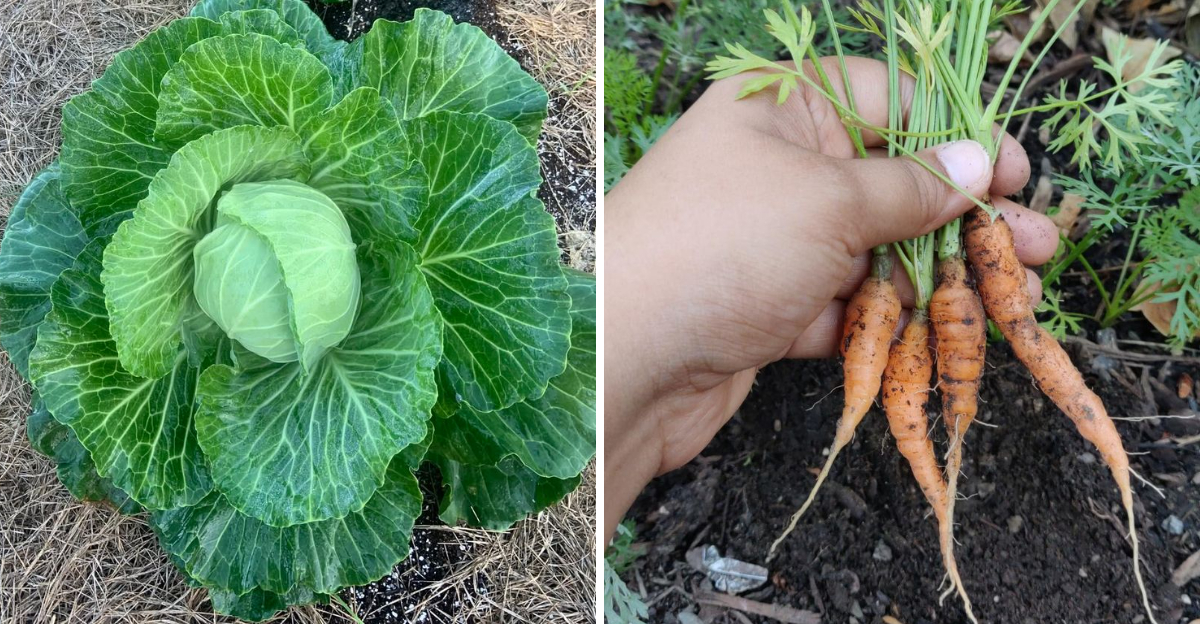
3. Cabbage Builds Big Heads In Cool Conditions
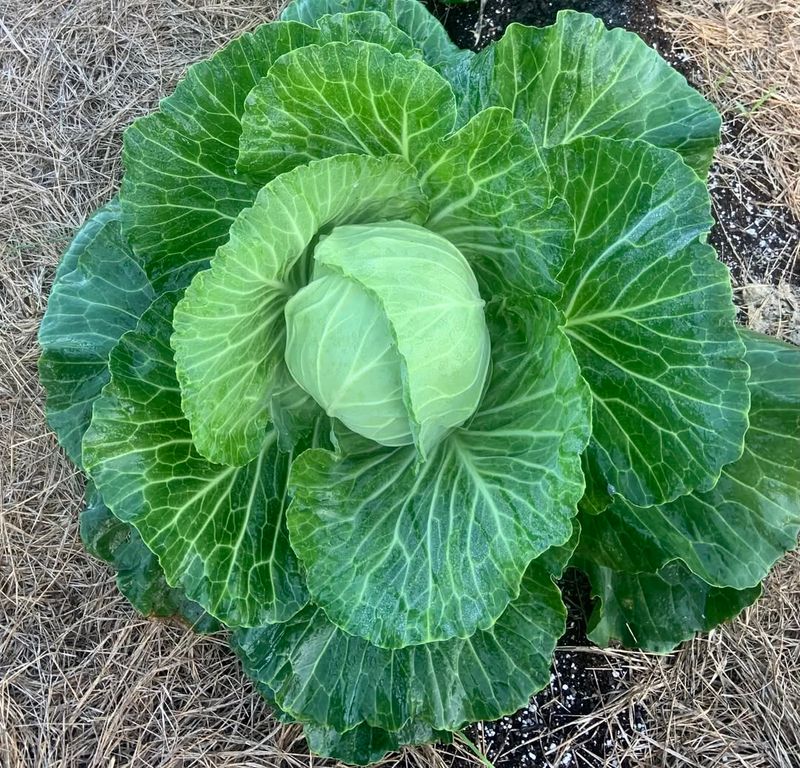
Notice how cabbage transplants seem to just sit there for the first few weeks after planting? That’s exactly what they should do.
Below the soil, roots spread wide and deep, preparing the plant to support the tight, heavy head that forms later. Cool February temperatures let cabbage focus on building strong roots without the stress of heat pushing it to bolt.
Space your cabbage plants 18 to 24 inches apart in rows, giving each one enough room to form a full-sized head. They need consistent moisture to prevent heads from splitting, so check soil moisture every few days.
Full sun works best, and adding compost before planting helps hold moisture through our occasional dry spells.
Cabbage takes patience, usually needing 70 to 90 days from transplant to harvest. But planting in February means your heads mature in late April or early May, right before heat makes growing brassicas nearly impossible.
You can tell harvest time approaches when heads feel solid when squeezed gently. Cut the entire head at soil level, and you might get small secondary heads from the remaining stem.
4. Broccoli Loves North Florida’s February Climate
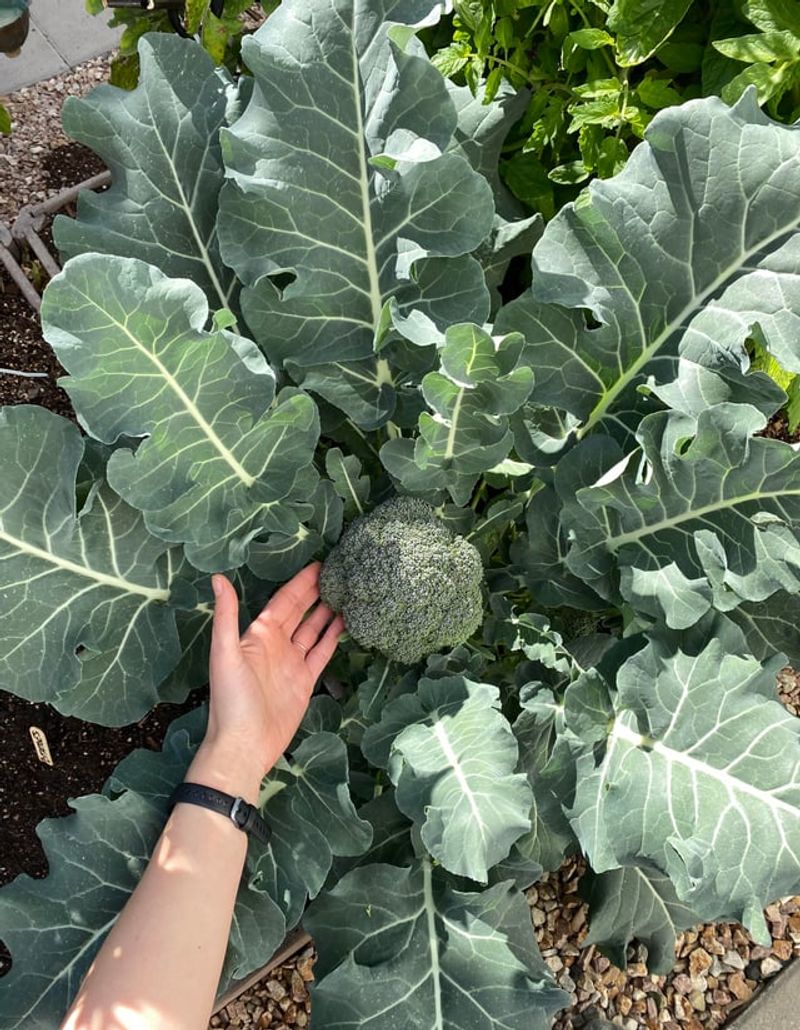
Broccoli thrives in that narrow temperature window between winter cold and spring warmth, making early February planting important for North Florida gardens. The plant develops its central head while nights stay cool, and you need to get transplants in the ground now before March temperatures start climbing.
Wait too long and your broccoli will form tiny heads or skip heading entirely as it rushes to flower.
Plant transplants 18 inches apart in full sun, working plenty of compost into the soil before planting. Broccoli feeds heavily, so side-dress with compost or a balanced fertilizer about four weeks after transplanting.
Keep soil consistently moist but not waterlogged, and watch for cabbage loopers that sometimes appear on new growth.
Your main head typically forms 60 to 80 days after transplanting, depending on the variety. Cut the central head when it reaches full size but before the tiny flower buds start opening.
After harvest, leave the plant in place because side shoots will keep producing smaller heads for several more weeks. This extended harvest makes broccoli one of the most productive vegetables you can plant right now.
5. Cauliflower Produces Best In Chilly Air
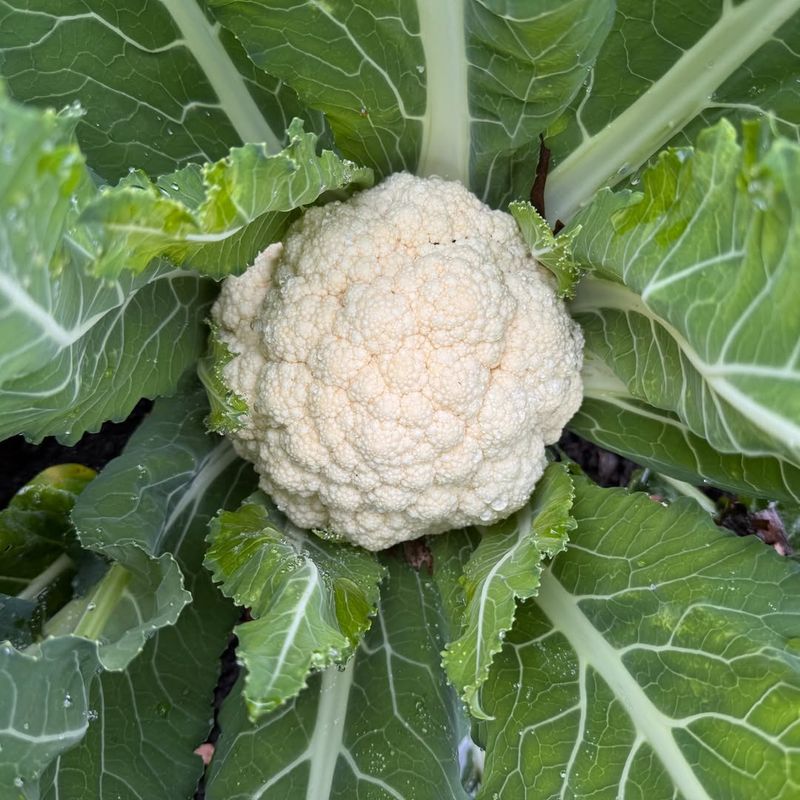
Cauliflower demands more attention than its cabbage cousins, but February planting gives you the best chance for success. This vegetable needs steady cool temperatures during head formation, and any stress from heat or inconsistent watering causes the head to develop poorly or not at all.
Plant now while nights still dip into the 40s, and you’ll see why gardeners consider homegrown cauliflower worth the extra effort.
Space transplants 18 to 24 inches apart in your richest soil, because cauliflower won’t tolerate poor fertility. Water consistently to keep soil evenly moist, and add mulch to maintain cool root temperatures as we move toward spring.
Some varieties need their leaves tied over the developing head to keep it white, while many modern types are self-blanching.
Heads typically mature 70 to 85 days after transplanting, forming tight white curds that reach 6 to 8 inches across. Check plants daily once heads start forming because they can go from perfect to overripe quickly.
Harvest the entire head by cutting below it with a sharp knife, then pull the plant since it won’t produce again.
6. Lettuce Grows Fast Before Spring Heat Arrives
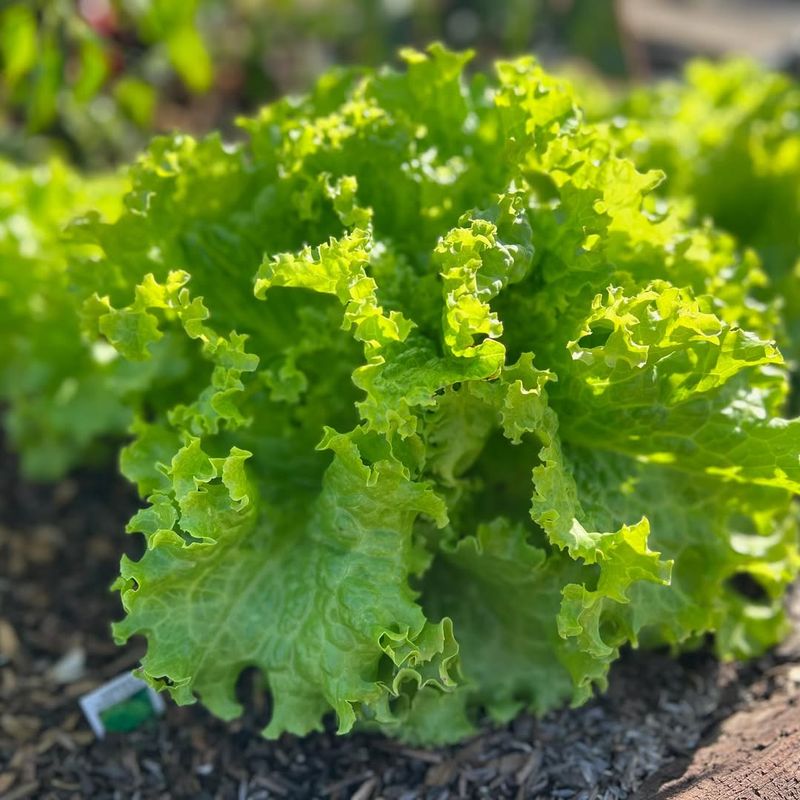
Few vegetables deliver results as quickly as lettuce planted in North Florida’s February weather. Seeds germinate in cool soil that would leave tomato seeds rotting, and plants race toward harvest size while temperatures stay comfortable.
You can pick your first baby salad leaves in about three to four weeks after planting.
Direct seed or transplant lettuce in full sun or partial shade, spacing plants 8 to 10 inches apart depending on whether you grow leaf or head types. Lettuce has shallow roots, so water frequently to keep the top few inches of soil moist.
Mulch helps, but keep it away from plant crowns to prevent rot during humid mornings.
Harvest leaf lettuce by picking outer leaves as soon as they reach usable size, letting the center keep producing new growth. Head types need more time to form tight centers, usually 50 to 60 days from seed.
Either way, your lettuce will taste crisp and mild as long as temperatures stay below 80 degrees. Plant a new row every two weeks through mid-March to keep fresh leaves coming until heat finally shuts down production.
7. Spinach Explodes With Growth In Cool Weather
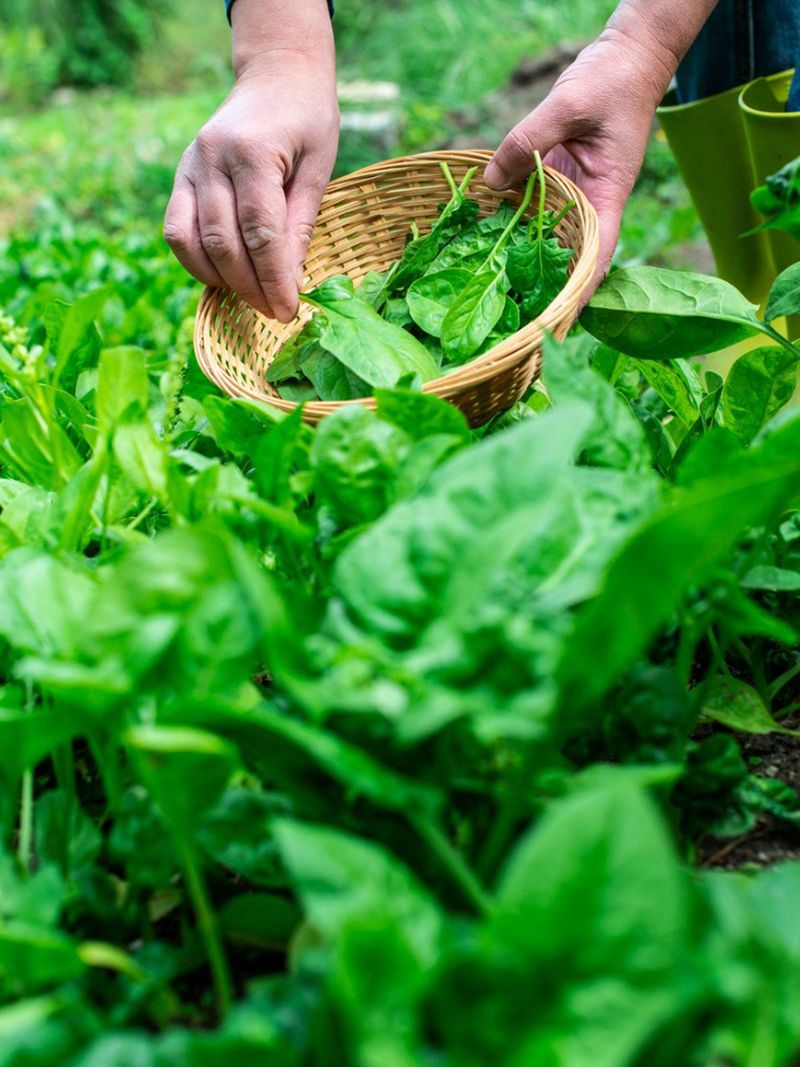
Spinach grows steadily in cool February weather and accelerates as temperatures warm toward March when conditions align perfectly. February in North Florida offers exactly what spinach needs, with cool nights encouraging leaf production and mild days providing enough warmth for steady growth.
The same plant that struggles in summer heat becomes one of your most productive vegetables when planted right now.
Sow seeds directly in the garden, spacing them about 3 inches apart in rows or broadcasting them across a bed. Spinach germinates best when soil temperatures stay between 40 and 70 degrees, and February typically falls right in that range.
Keep the soil moist until seedlings emerge, usually within a week, then water deeply whenever the top inch dries out.
You can start harvesting individual leaves as soon as they reach a few inches long, or wait for full-sized plants at around 40 days from seeding. Spinach handles light frosts beautifully, often tasting sweeter after cold nights.
Watch for bolting as March warms up, because once the plant sends up a flower stalk, leaf quality declines rapidly. Harvest your entire crop before that happens, and you’ll understand why experienced North Florida gardeners always plant spinach in February.
8. Carrots Develop Sweeter Flavor In Cold Soil
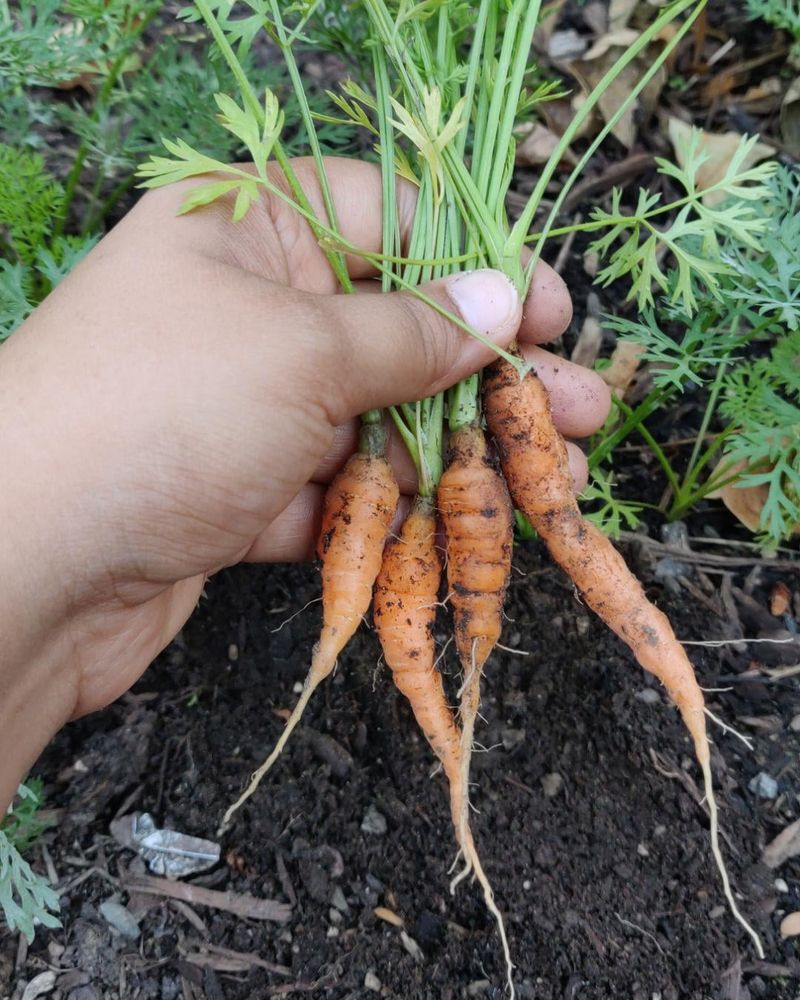
Carrots hide their progress underground, making them mysterious for new gardeners who wonder if anything is happening down there. February planting gives carrot roots time to grow long and straight while soil stays cool and moist.
Cold soil actually improves flavor as carrots convert starches to sugars, creating that sweet crunch you never get from grocery store roots.
Sow seeds directly where you want carrots to grow, because they hate being transplanted. Loose, deep soil matters more for carrots than almost any other vegetable, so work the bed thoroughly before planting.
Scatter seeds thinly in rows or blocks, barely covering them with soil. Keep the surface moist until seedlings appear, which can take up to two weeks in cool soil.
Thin seedlings to about 2 inches apart once they develop true leaves, giving roots room to expand. Carrots need consistent moisture but not soggy soil, and mulch helps maintain even soil moisture through dry spells.
Most varieties mature in 60 to 80 days, though you can pull young carrots earlier for tender baby roots. Harvest by loosening soil around each carrot with a garden fork, then pulling gently to avoid breaking tops off.
9. Beets Bulk Up Strong During Late Winter Planting
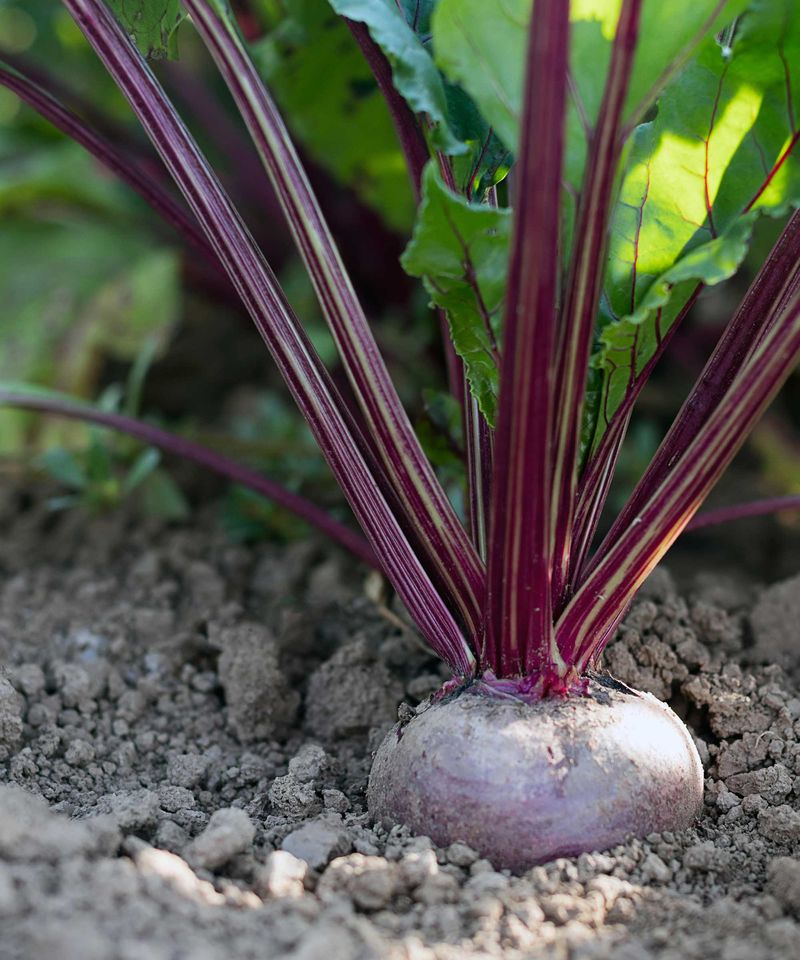
Beets give you two harvests from one planting, making them especially valuable in February gardens where space is limited. The greens grow quickly and taste delicious in salads or cooked like spinach, while roots develop slowly underground.
Cool weather keeps both parts tender and sweet, and beets tolerate light frosts that would damage more sensitive vegetables.
Direct seed beets in rows or blocks, placing seeds about 2 inches apart. What looks like one seed is actually a cluster, so expect multiple seedlings to emerge from each spot.
Thin to 3 to 4 inches apart, using the thinned seedlings in salads. Beets prefer full sun and consistent moisture, with soil that drains well but holds enough water to keep roots expanding steadily.
Start harvesting greens whenever they reach a few inches tall, taking just a few leaves from each plant so roots keep growing. Roots typically reach harvest size 50 to 70 days after planting, though you can pull them earlier for tender baby beets.
Check size by gently brushing soil away from the top of the root. February planting means your beets mature before heat arrives, giving you the best flavor and texture possible from this underappreciated vegetable.
10. English Peas Take Off During Florida’s Cool Season Window
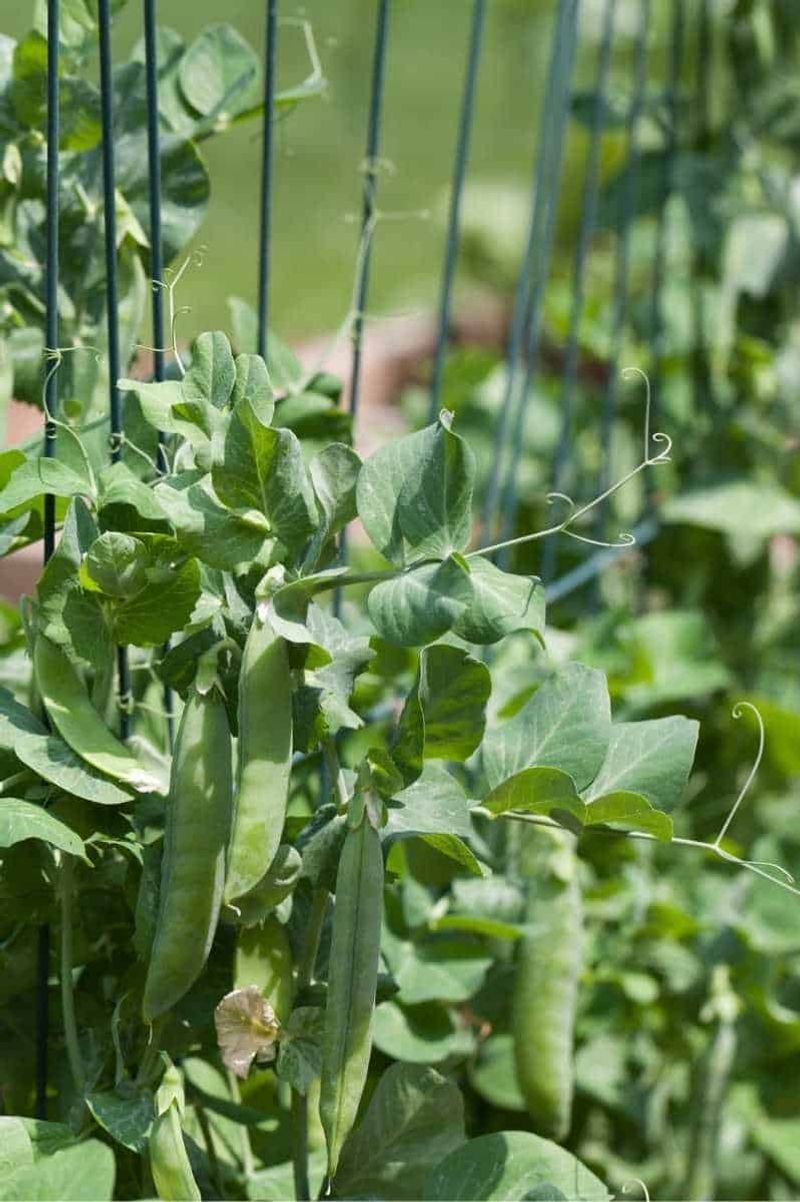
English peas represent the ultimate cool season crop, producing sweet pods only when temperatures stay comfortably cool. Early February offers your last good chance to plant peas in North Florida before spring heat shuts them down.
Get them in the ground as early in February as possible, and you’ll harvest fresh peas in April when few other vegetables are producing. Miss this window, and you’ll wait until next winter to taste homegrown peas again.
Sow pea seeds directly in the garden, planting them 2 inches apart and 1 inch deep. Most varieties need support, so install trellises or stakes at planting time to avoid disturbing roots later.
Peas fix their own nitrogen, meaning they need less fertilizer than other vegetables. Water regularly to keep soil moist but not saturated, especially during flowering and pod formation.
Plants start flowering about six weeks after planting, with pods forming shortly after. Harvest English peas when pods feel full but before they start looking tough or faded.
Check plants every day during peak production because pods mature quickly. Peas taste sweetest picked in the morning while still cool, and their flavor declines within hours of harvest.
This vegetable rewards February planting with flavor you simply cannot buy at any store.
North Florida gardeners should keep frost cloth or row cover ready, since hard freezes are still possible through late February.