Fruit Seeds You Can Germinate In Water That Work In Michigan
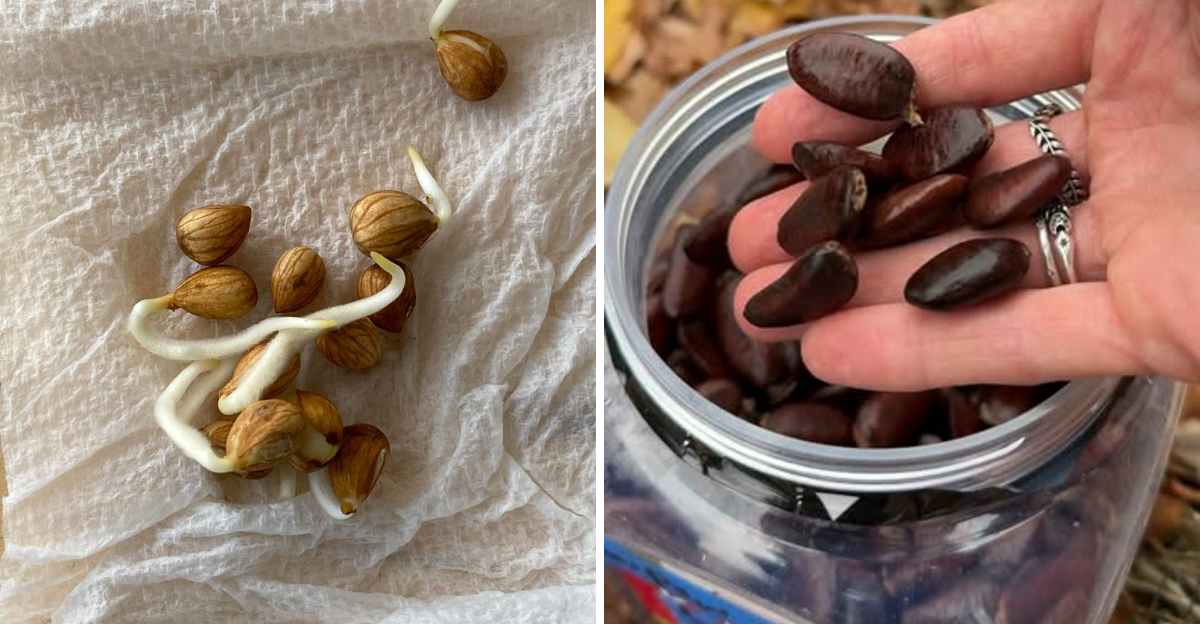
Starting fruit seeds in water is a simple and satisfying way for Michigan gardeners to watch new growth happen right in front of them. Instead of planting seeds in soil and waiting, this method lets you see roots form step by step, which makes the process feel more engaging.
It is a great option during cooler months or early in the season when outdoor planting is not quite ready yet. While not every fruit seed responds well to this method, some are surprisingly easy to sprout with just a jar of water and a little patience.
Once roots begin to develop, they can be moved into soil to continue growing. For Michigan gardeners, this can be a fun way to get a head start indoors before the weather fully warms up.
It is simple, low effort, and a great way to bring a bit of the growing season inside.
1. Apple (Malus Domestica)
Few things feel more satisfying than cracking open a crisp Michigan apple and saving the seeds to grow your very own tree. Apple seeds respond well to a water soak before you move them into the next stage of germination.
You simply place clean seeds in a glass of room-temperature water and let them soak for 24 to 48 hours on a sunny windowsill.
After soaking, the seeds need cold stratification to wake up properly. Wrap them in a damp paper towel, seal them in a plastic bag, and place them in your refrigerator for 60 to 90 days.
This mimics Michigan’s natural winter conditions and signals the seed that spring is coming.
Michigan has an incredible apple-growing history, especially in the western part of the state near Lake Michigan. Varieties like Honeycrisp and McIntosh thrive in Michigan’s climate once established.
Starting from seed takes patience, but the payoff of growing your own apple tree is absolutely worth the wait.
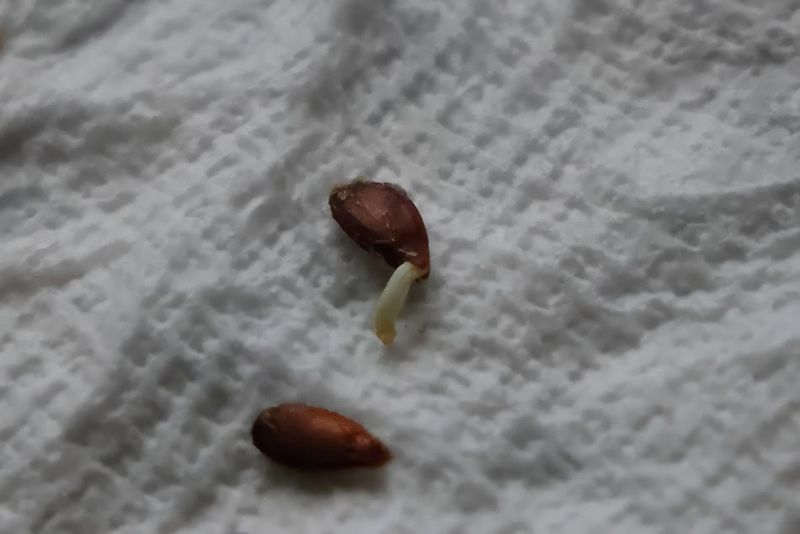
Keep your seeds moist throughout the entire process, check them regularly for any signs of sprouting, and transplant them to a pot as soon as a small root appears.
With good care and Michigan’s naturally supportive growing season, your seedling has a strong chance of becoming a healthy, fruit-bearing tree in your own backyard.
2. Pear (Pyrus Communis)
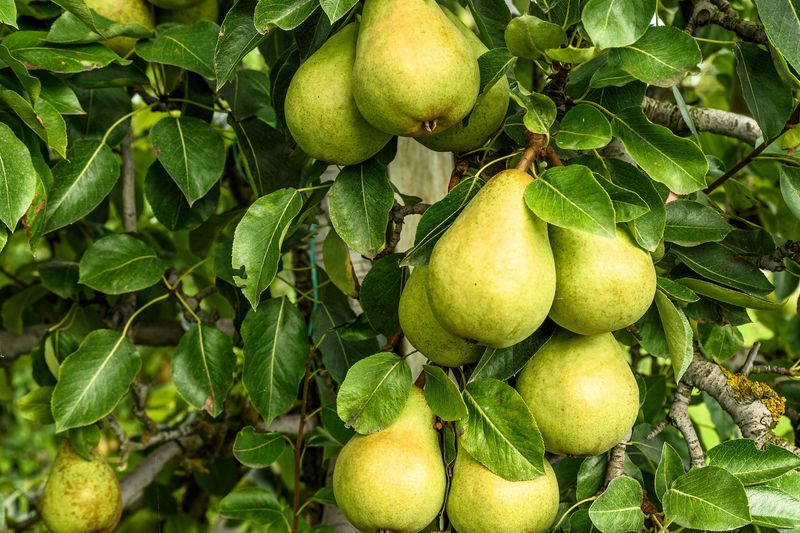
Pear seeds are surprisingly easy to prepare at home, and Michigan’s climate makes them a smart choice for any backyard gardener. Start by scooping the seeds out of a ripe pear, rinsing off any fruit residue, and letting them dry slightly for an hour before soaking.
Place them in a small glass of cool water and allow them to soak for 24 hours near a window with natural light.
Once soaked, pear seeds need a cold stratification period of around 60 to 90 days before they will sprout. This step is crucial because pear seeds have a built-in dormancy that mimics what happens naturally during a Michigan winter.
Tuck them into a damp paper towel inside a sealed bag and refrigerate them until you see tiny root tips poking through.
Your Michigan Garden Changes Every Week. Your Plan Should Too.
Gardening in Michigan changes quickly throughout the season. Every Friday you’ll receive a simple weekly plan showing exactly what to plant, prune, fertilize, harvest, and protect so you never miss the right timing.
Pear trees are well-suited to Michigan’s four-season climate, and many varieties handle cold winters without any trouble. Bartlett and Bosc are popular choices that grow reliably across the state.
Once your seedling is a few inches tall, plant it in a sunny spot with well-drained soil and watch it take off. Growing a pear tree from seed does take a few years before it produces fruit, but the process itself is genuinely fun.
Every stage from water soak to first harvest feels like a small victory worth celebrating in your Michigan garden.
3. Cherry (Prunus Spp.)
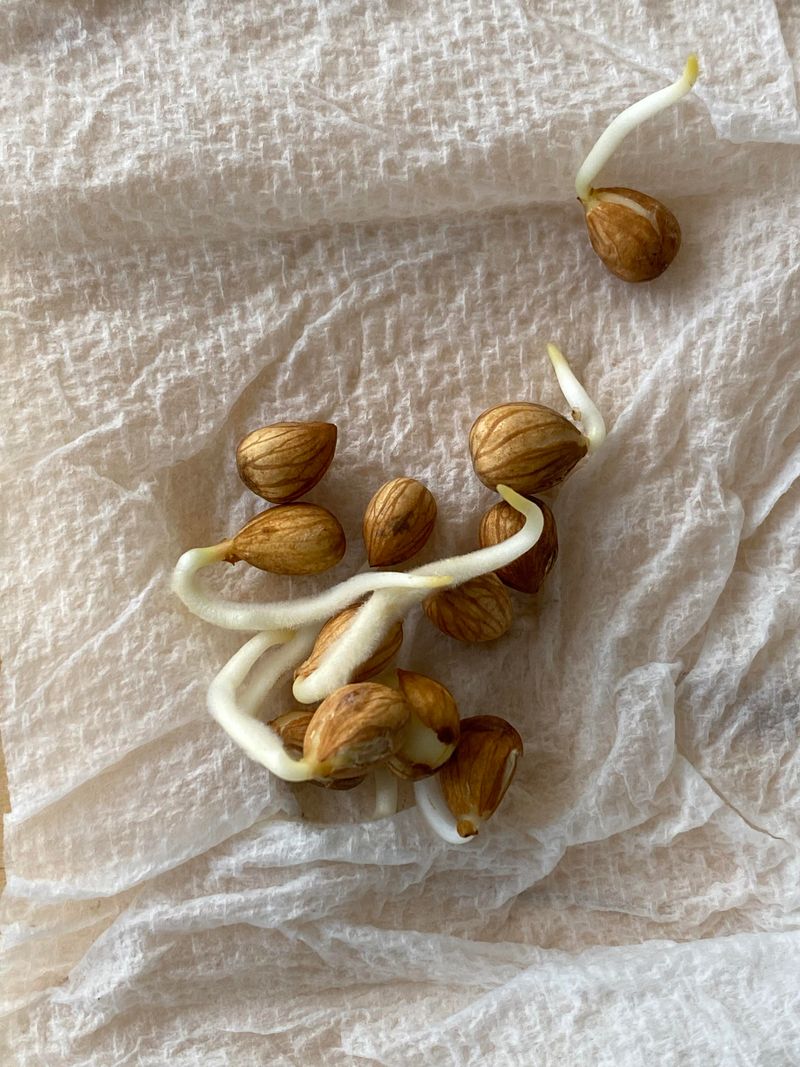
Michigan is actually one of the top cherry-producing states in the entire country, so it makes perfect sense to try growing your own cherry tree from seed right at home. After enjoying a bowl of fresh cherries, rinse the pits thoroughly and let them air dry for a day.
Then place them in a glass of water and soak for 24 hours to help soften the outer shell and prep the seed inside.
Cherry pits need cold stratification after their water soak, usually around 90 to 120 days in the refrigerator. Keep them wrapped in a moist paper towel inside a sealed bag and check on them every couple of weeks.
You will start to see tiny root tips emerge toward the end of that cold period, which is your cue to move them to a small pot with seed-starting mix.
Both sweet and sour cherry varieties grow beautifully in Michigan, with sour cherries being especially hardy across the state. The Traverse City area is famous for its cherry orchards, and backyard growers have been successfully raising cherry trees for generations.
Plant your sprouted seedling in a sunny, well-drained location and water it consistently through its first growing season.
Cherry trees grown from seed may take several years to fruit, but watching that seedling grow into a full tree right in your Michigan yard is a truly rewarding experience.
4. Peach (Prunus Persica)
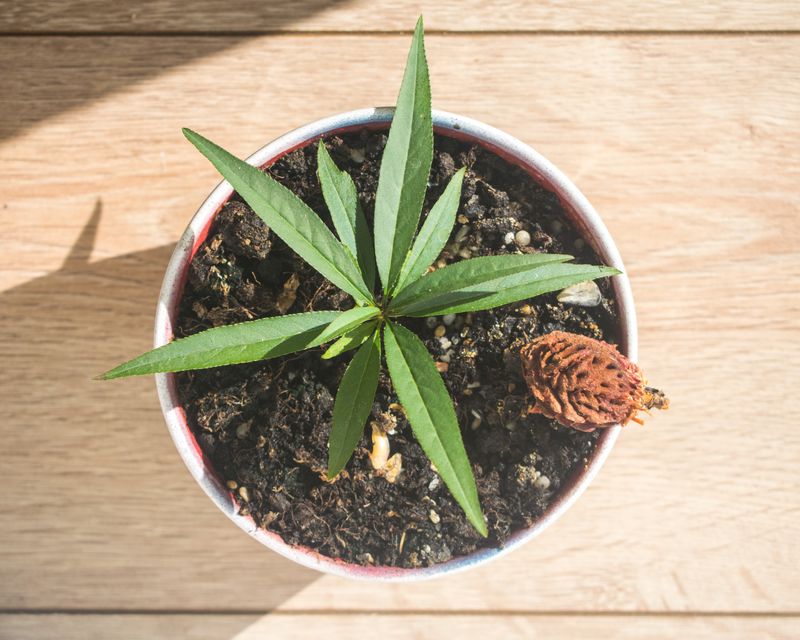
Cracking open a peach pit to find the seed inside feels like discovering a hidden treasure, and that seed can grow into a real fruit tree right here in Michigan. Use a nutcracker or a small hammer to carefully crack the hard outer shell and remove the almond-shaped seed inside.
Place that seed in a glass of room-temperature water and let it soak for 24 to 48 hours before moving on to the next step.
After soaking, peach seeds need cold stratification for about 90 to 120 days to break dormancy. A damp paper towel inside a zip-lock bag in the fridge works perfectly for this stage.
Check the bag every few weeks to make sure the towel stays moist, and watch for a small root to emerge near the end of the cold period.
Peaches can absolutely grow in Michigan, especially in the southwestern part of the state where Lake Michigan moderates temperatures and protects against late frosts.
Hardy varieties like Reliance and Contender are excellent choices for Michigan gardeners who want reliable fruit production.
Once your seedling sprouts, plant it in a warm, sheltered spot with full sun and good drainage. Peach trees grown from seed are a bit unpredictable in terms of fruit flavor, but that mystery is part of the fun.
You might end up with something truly delicious growing right in your own backyard.
5. American Persimmon (Diospyros Virginiana)
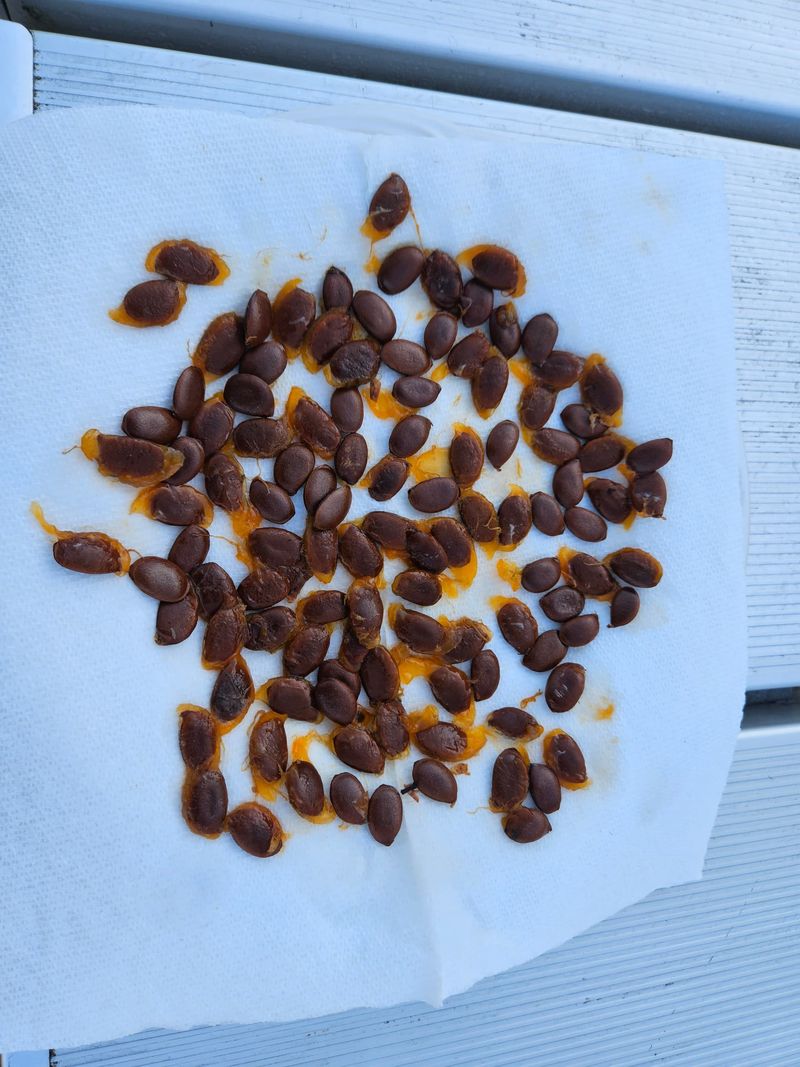
Not many people realize that a native Michigan fruit tree produces sweet, honey-flavored fruit that rivals anything from the grocery store. The American persimmon is a tough, beautiful tree that grows naturally across parts of Michigan, making it a perfect candidate for backyard planting.
Pull the large, flat seeds from a ripe persimmon, rinse them clean, and drop them into a glass of water for a 24-hour soak to begin the process.
Because this is a native species, the seeds are well-adapted to Michigan’s freeze-thaw cycle, but they still benefit from cold stratification after soaking. Wrap soaked seeds in a moist paper towel, bag them up, and refrigerate for 60 to 90 days.
Some growers report that seeds stratified over a Michigan winter outdoors in a buried container also sprout reliably in spring.
American persimmon trees are incredibly low-maintenance once established, tolerating poor soils, drought, and harsh winters without much fuss. They produce small orange fruits in late fall that taste best after the first frost softens them up.
Wildlife loves persimmons too, so you will attract birds and other creatures to your yard as a bonus. Plant your sprouted seedling in a sunny spot with decent drainage and give it space to grow, since mature trees can reach 35 to 60 feet tall.
Starting one from a water-soaked seed is a genuinely exciting native gardening project for any Michigan yard.
6. Pawpaw (Asimina Triloba)
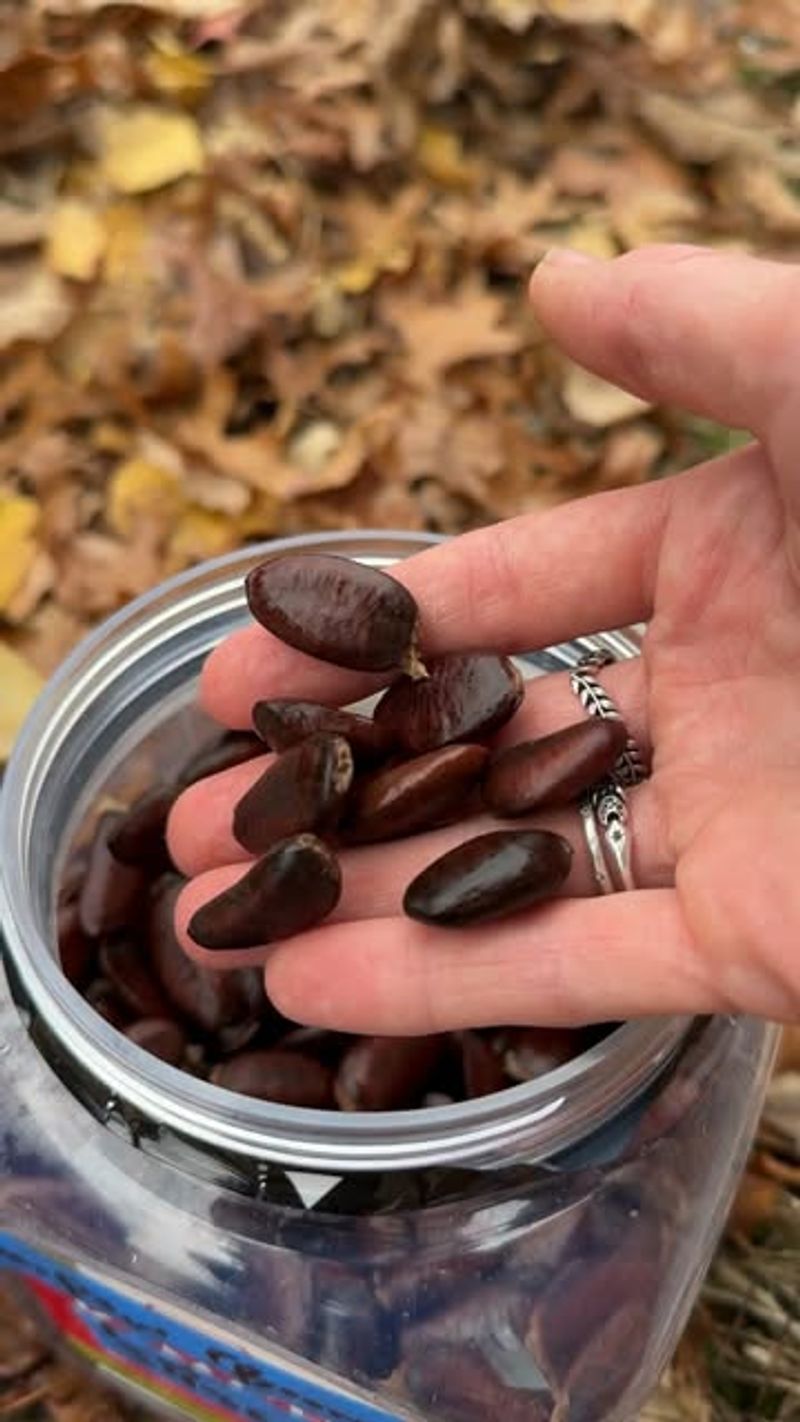
There is something almost exotic about the pawpaw, yet this remarkable fruit is completely native to parts of Michigan and the broader Midwest.
Sometimes called the Indiana banana or custard apple, the pawpaw produces creamy, tropical-tasting fruit that surprises almost everyone who tries it for the first time.
The seeds are large, smooth, and dark brown, and the most important rule with them is to never let them dry out completely.
Soaking pawpaw seeds in water for 24 to 48 hours is a great first step because it keeps moisture levels high and begins to soften the seed coat.
After soaking, move them directly into cold stratification for 60 to 100 days in a damp medium like peat moss or a moist paper towel inside a sealed bag in the refrigerator.
Skipping or rushing this step usually results in poor germination rates, so patience really pays off here.
Pawpaw trees grow naturally in southern Michigan and along river bottoms where the soil stays rich and slightly moist. They prefer partial shade when young and grow into medium-sized trees that produce fruit in clusters.
Once established, a pawpaw patch is practically self-sufficient and highly rewarding. Plant two or more seedlings near each other to ensure good pollination and bigger harvests.
Growing a pawpaw from seed in Michigan connects you to a piece of the state’s native food history in a way that feels both meaningful and delicious.