The Only Lavender Varieties Worth Growing In Michigan’s Zone 5 And 6 Gardens
Lavender looks like it should thrive anywhere, and in a lot of climates it does. Michigan is more complicated.
Zone 5 and 6 winters test lavender in ways that mild-climate gardening guides never prepare you for, and a lot of beautiful plants that perform flawlessly in photos and in warmer states simply do not survive a Michigan February in decent shape.
The variety choice matters more here than almost anywhere else in the country.
Some lavenders are genuinely cold hardy down to the temperatures Michigan regularly produces. Others are borderline and depend entirely on drainage and siting to pull through.
A few are simply wrong for this climate regardless of how they are planted. Knowing which is which before you buy saves a lot of repeated disappointment over several growing seasons.
1. English Lavender Thrives Best In Michigan Zones 5 And 6
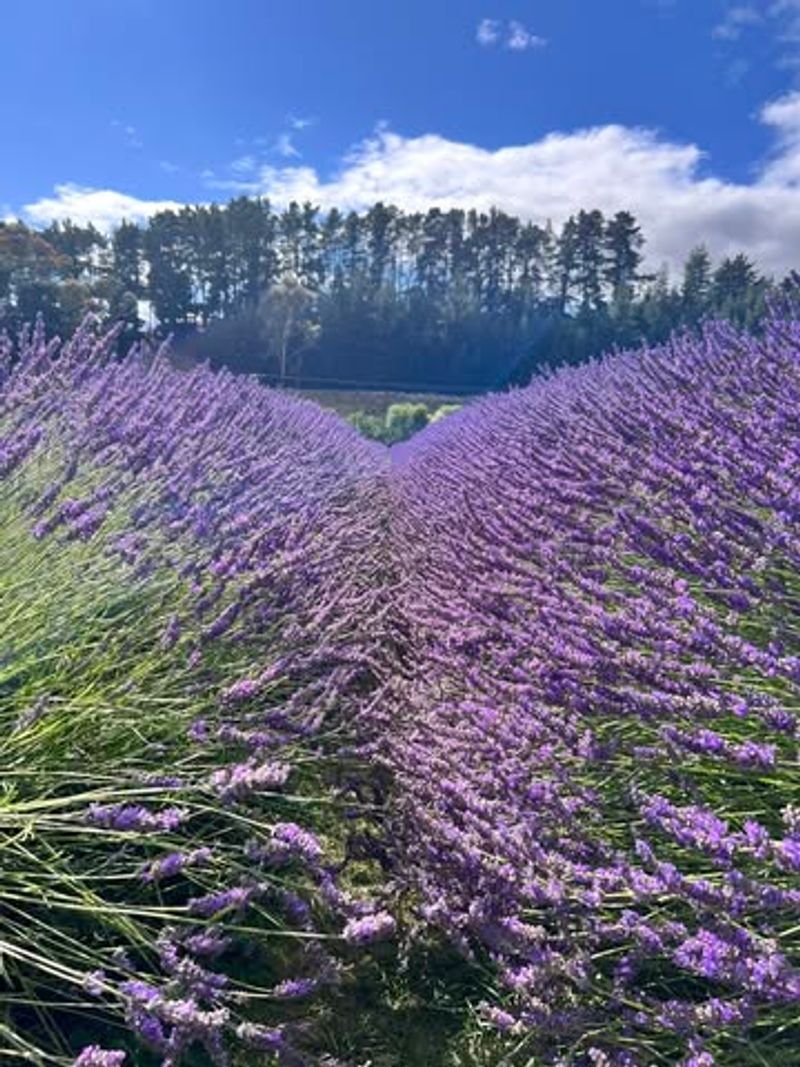
If there is one lavender variety that Michigan gardeners can count on season after season, it is English Lavender, known botanically as Lavandula angustifolia. Unlike many of its relatives, this plant was built for cold.
It handles Zone 5 winters with remarkable toughness, bouncing back strong each spring without much fuss.
English Lavender needs at least six to eight hours of direct sunlight daily to perform its best. Plant it somewhere sunny and open, away from shade trees or structures that might block afternoon light.
The more sun it gets, the more fragrant and full those purple blooms will be come early summer.
Soil drainage matters just as much as sunlight for this variety. English Lavender strongly prefers loose, sandy, or gravelly soil that never stays wet.
Heavy clay soil can cause serious root problems, so amending your beds with coarse sand or pea gravel before planting makes a real difference.
Once established, this plant is surprisingly low maintenance, asking for little more than a good trim after flowering and dry conditions between waterings.
Its silver-green foliage stays attractive even when not in bloom, giving your garden year-round visual interest. For gardeners wanting reliable lavender, English Lavender is the clear starting point.
2. Hidcote Lavender Produces Dense Compact Growth
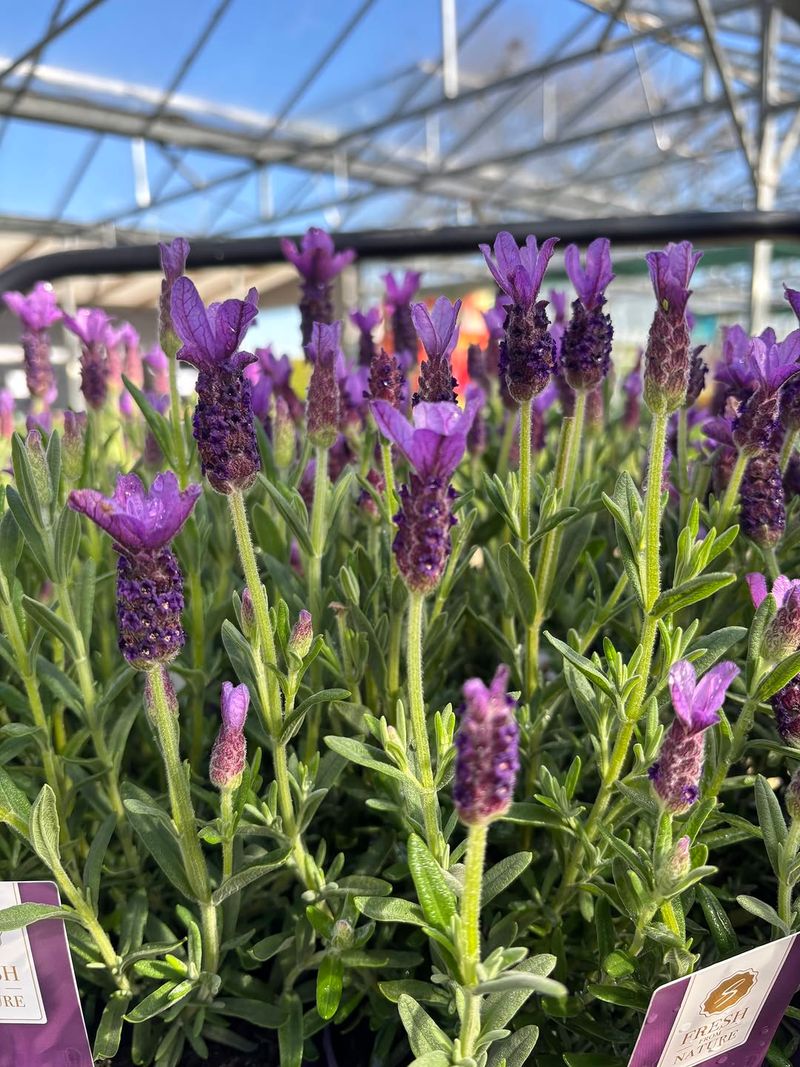
Hidcote Lavender is one of the most popular English Lavender cultivars in North America, and for good reason. Its naturally compact, rounded growth habit stays tidy without a lot of effort, reaching only about twelve to fifteen inches tall.
That manageable size makes it a perfect fit for raised beds, garden borders, and even large containers on sunny patios.
The deep purple flower spikes on Hidcote are especially striking, appearing in early to midsummer and lasting several weeks. Michigan gardeners love this variety because it holds its shape well and does not sprawl or flop the way some larger lavenders can.
Raised beds work particularly well for Hidcote because they naturally improve drainage, which this cultivar craves.
Pruning Hidcote is straightforward and genuinely rewarding. Right after the first flush of blooms fades, trim the plant back by about one-third, cutting just above the woody base but never into it.
This light shaping encourages a second flush of color later in the season and keeps the plant from becoming too woody over time. Space plants about eighteen inches apart to allow good airflow, which reduces the risk of fungal problems during humid summers.
Your Michigan Garden Changes Every Week. Your Plan Should Too.
Gardening in Michigan changes quickly throughout the season. Every Friday you’ll receive a simple weekly plan showing exactly what to plant, prune, fertilize, harvest, and protect so you never miss the right timing.
With the right care, Hidcote Lavender will reward you with years of gorgeous color and fragrance in your Zone 5 or 6 garden.
3. Munstead Lavender Offers Reliable Early Bloom
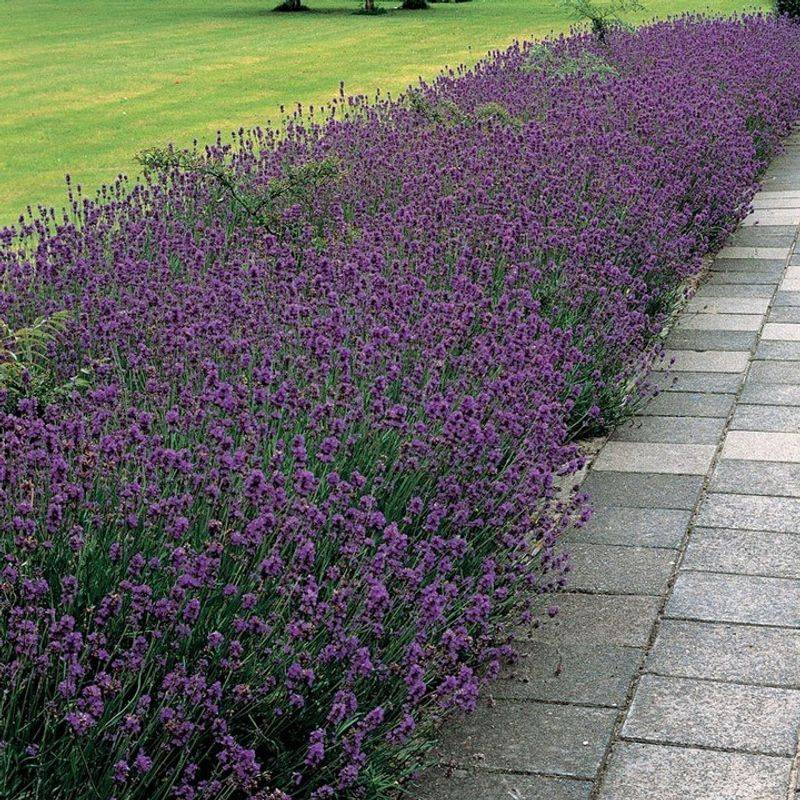
Among all the English Lavender cultivars suited to Michigan’s climate, Munstead stands out for one very appealing trait: it blooms earlier than most.
Developed in England and named after Gertrude Jekyll’s famous garden, Munstead Lavender typically flowers in late June, giving gardeners a head start on that gorgeous purple display before other varieties even get going.
Munstead stays compact, usually topping out around twelve inches tall and wide. That smaller footprint makes it easy to tuck into tight spots, use as a low border plant, or grow in containers that can be moved to sheltered spots in extreme cold snaps.
Its lighter purple blooms are softer in tone than Hidcote, giving gardens a more relaxed, cottage-style feel.
For best results in Zones 5 and 6, plant Munstead in full sun with well-drained, slightly alkaline soil.
Space plants about fifteen to eighteen inches apart to encourage good airflow and reduce humidity around the base, which matters a lot during Michigan’s muggy summer months.
Adding a thin layer of pea gravel around the base helps keep moisture away from the crown while reflecting extra warmth back up to the plant. After blooming, a light trim keeps Munstead looking neat and can encourage a second round of flowers before fall arrives.
It is a dependable, charming, and genuinely rewarding lavender for any garden.
4. Spanish And French Lavenders Are Marginal At Best
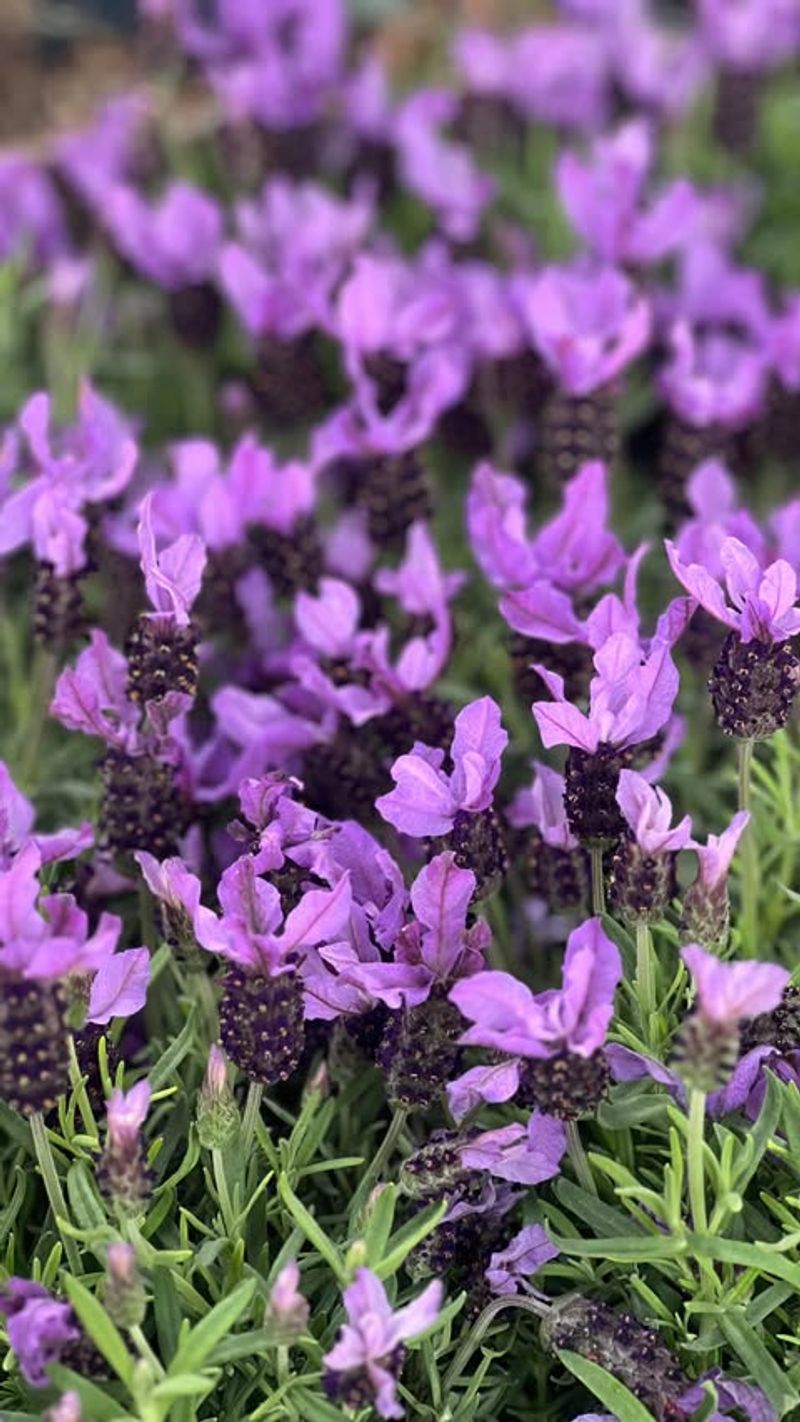
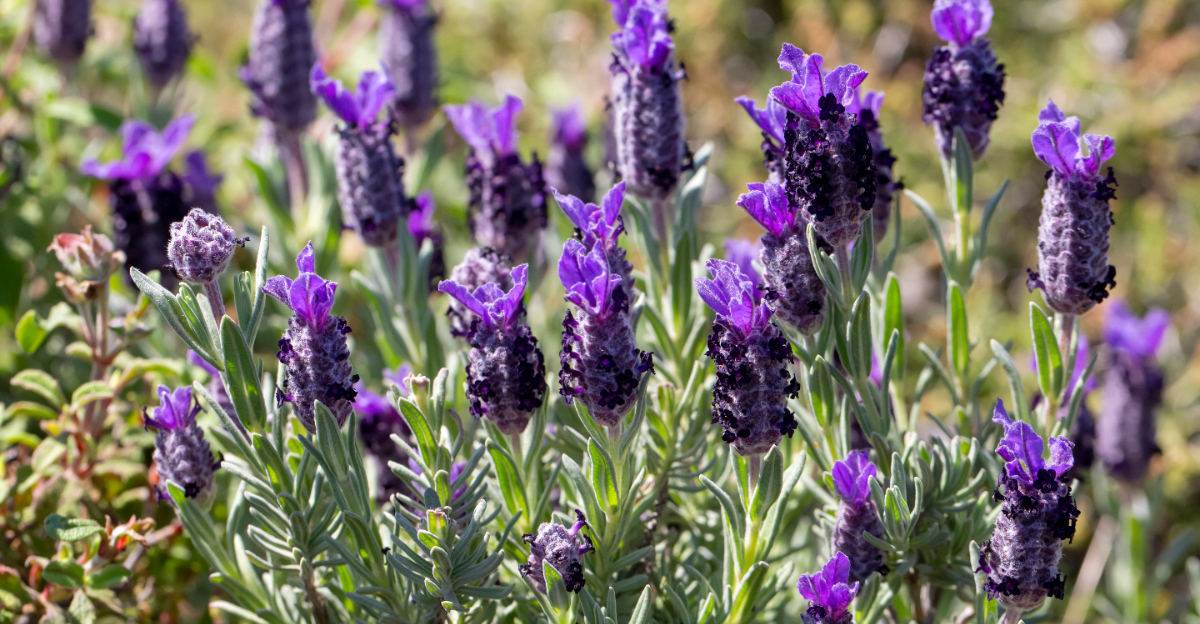
Spanish Lavender (Lavandula stoechas) and French Lavender (Lavandula dentata) are undeniably beautiful plants.
Those showy butterfly-like bracts on Spanish Lavender and the delicate toothed leaves on French Lavender make them eye-catching in garden centers every spring.
The problem is that neither variety was designed for Michigan winters, and that creates a real challenge for Zone 5 and 6 gardeners.
Both of these species are generally hardy only to Zone 7 or 8, which means winters regularly push them well past their limits.
Even in a milder Zone 6 location, Spanish and French Lavender often suffer significant cold damage to their crowns and roots during January and February cold snaps.
Many gardeners lose these plants entirely after a hard winter, making them a risky investment.
Some gardeners in the warmest Zone 6 microclimates do attempt to overwinter Spanish Lavender with heavy mulching and wind protection, but success is inconsistent at best. Treating them as annuals is another option, though that gets expensive over time.
The honest advice for gardeners is to enjoy these varieties in pots during summer and bring them indoors before the first hard frost.
For permanent, reliable outdoor lavender that returns every spring without drama, sticking with English Lavender cultivars is the smarter, more satisfying long-term choice for your garden.
5. Soil Drainage Is Critical For Survival
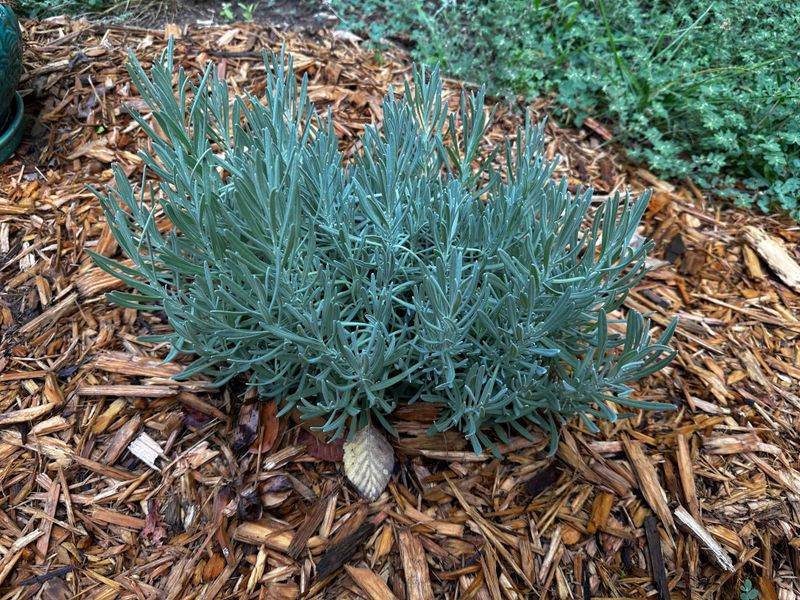
Lavender has a reputation for being tough, and in the right conditions, it absolutely is. But there is one thing lavender simply cannot tolerate: soggy roots.
Poor drainage is the number one reason lavender plants struggle or fail in gardens, especially in areas with heavy clay soil that holds water long after rain.
When lavender roots sit in wet soil for extended periods, crown rot sets in fast. The base of the plant softens, the stems lose their color, and the whole plant declines quickly.
Michigan’s spring thaw can be particularly problematic because melting snow saturates the ground just as plants are waking up and trying to grow new roots.
Fixing drainage before you plant is the smartest move you can make. Work coarse sand, pea gravel, or perlite generously into your planting area, aiming for a loose, crumbly texture that water moves through easily.
Raised beds are an excellent solution because they naturally elevate roots above any standing water that might collect at ground level. Planting on a slight slope or mound also helps direct water away from the crown.
Avoid low spots in the yard where water puddles after rain. A soil pH between 6.5 and 7.5 works best for lavender, so testing your soil before planting gives you a clear picture of what amendments might still be needed for success.
6. Full Sun Encourages Healthy Growth And Blooms
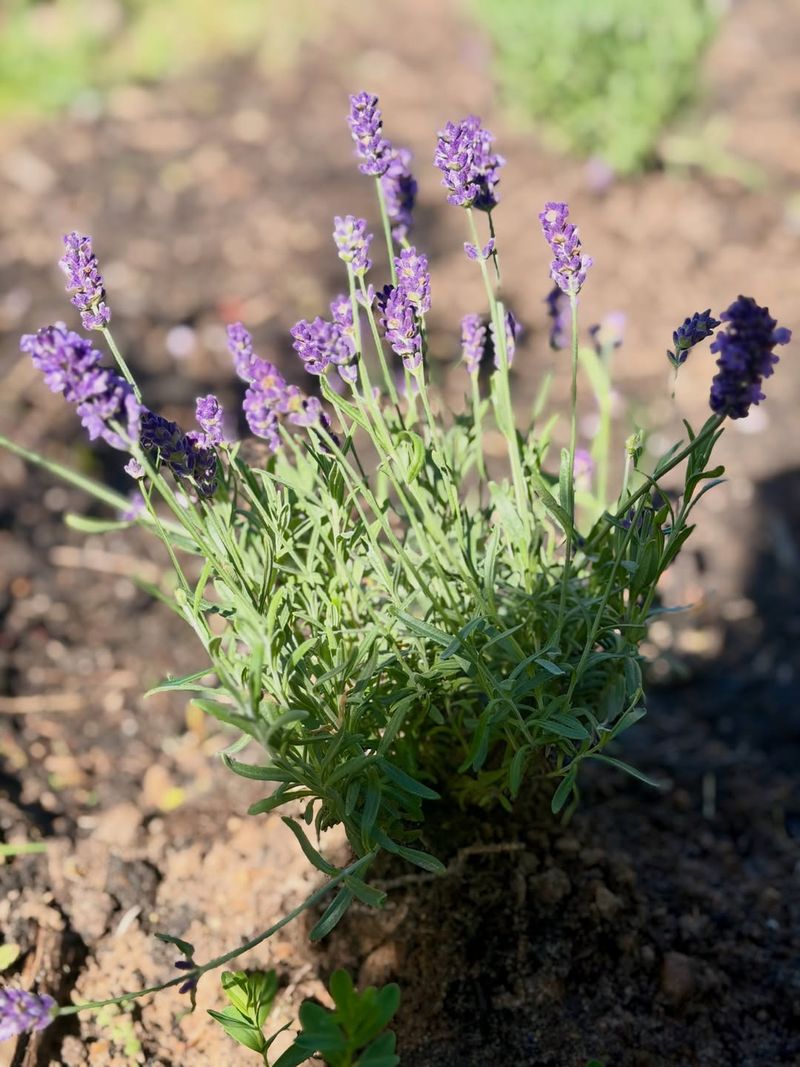
Lavender and sunshine go together like bread and butter. Without enough direct sun, lavender plants grow weak and leggy, produce fewer flowers, and become far more vulnerable to the fungal diseases that Michigan’s humid summers can bring.
Six to eight hours of direct sunlight every single day is not a suggestion for lavender; it is a genuine requirement.
Full sun does more than just fuel growth. It dries out the foliage and soil surface between waterings, which dramatically reduces the chance of fungal problems taking hold at the base of the plant.
Gardens with good sun exposure also tend to have better airflow, which further protects lavender from the moisture-related issues that plague shaded or crowded planting areas.
When scouting a spot in your yard, watch where the sun falls throughout the day rather than just in the morning. South-facing and west-facing garden beds typically get the strongest, longest sun exposure and make the best homes for lavender.
Avoid planting near fences, walls, or large shrubs that cast afternoon shade, since afternoon sun is especially valuable for keeping plants dry and warm.
If your yard has limited full-sun spots, prioritize lavender in those locations over other plants that tolerate partial shade.
Strong sun also intensifies the essential oils in lavender leaves and flowers, meaning your plants will smell even more powerfully fragrant on warm summer afternoons.
7. Minimal Fertilizer Is Best
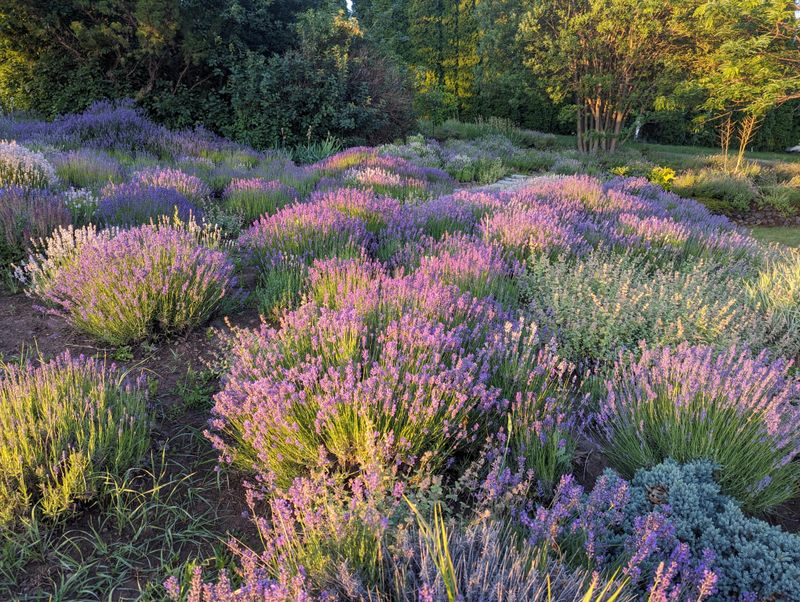
Here is something that surprises a lot of new gardeners: lavender actually grows better when you feed it less. Native to the rocky, nutrient-poor hillsides of the Mediterranean region, lavender evolved to thrive in lean soils where most plants struggle.
Give it too much fertilizer and it responds in exactly the wrong way, pushing out lots of soft, floppy green growth at the expense of the flowers everyone loves.
Excess nitrogen is especially problematic. When lavender gets nitrogen-heavy fertilizer, it produces lush, weak stems that flop over easily and become more susceptible to fungal disease.
Flowering slows noticeably because the plant is channeling energy into leaves rather than blooms. In Michigan’s Zone 5 and 6 gardens, that kind of soft growth also tends to struggle more when cold weather arrives in autumn.
If your soil is very poor or sandy, a light application of a low-nitrogen, phosphorus-forward fertilizer in early spring is acceptable, but keep it minimal.
Something like a slow-release granular fertilizer with a low first number, such as a 5-10-10 blend, applied just once a year is plenty.
Compost worked lightly into the planting hole at the time of planting gives young plants a gentle, balanced nutrient boost without overdoing it.
After that, lavender really does best when left alone to grow in the lean, well-drained conditions it naturally prefers. Less truly is more with this beautiful plant.
8. Winter Protection Helps Young Plants Establish
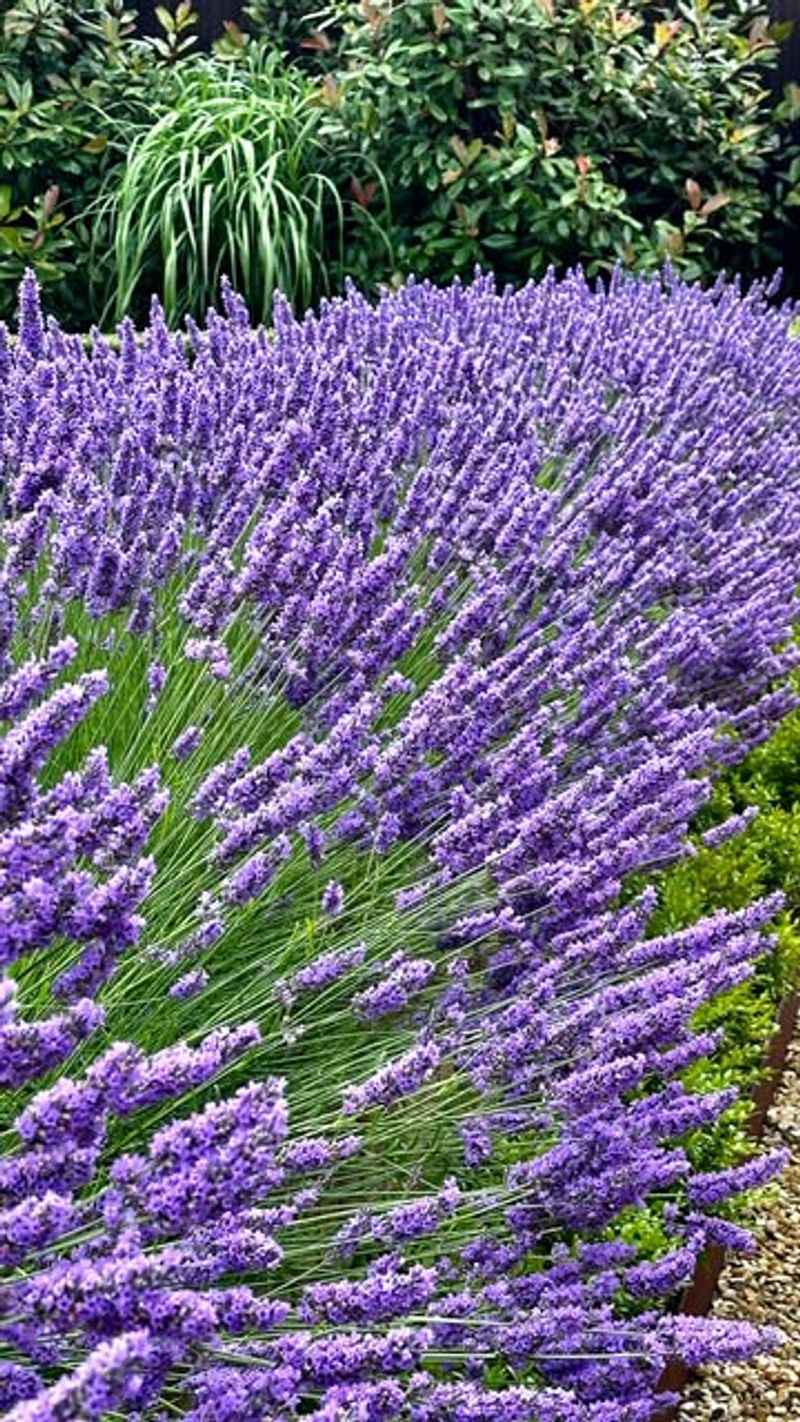
Young lavender plants are a little more vulnerable than mature ones, especially during their first winter in the ground.
An established English Lavender plant with a well-developed root system handles Michigan cold far better than a plant that went into the ground just a few months earlier.
Giving new plants a little extra protection in late fall can make a significant difference in how well they emerge in spring.
Light mulching with evergreen boughs, straw, or shredded leaves around the base of young plants helps insulate the crown from extreme temperature swings.
The goal is not to bury the plant but to buffer it from repeated freeze-thaw cycles that can heave roots out of the ground.
Apply mulch after the ground has started to freeze, usually in November in most locations, and remove it gradually in early spring as temperatures stabilize.
Windbreaks are another helpful tool for young lavender in exposed gardens. A temporary burlap screen staked around plants on the north and west sides blocks the worst of the cold winter winds without trapping excessive moisture.
Avoid plastic covers, which can trap humidity and create more problems than they solve. Planting near a south-facing wall or fence also provides natural warmth and wind protection.
With just a bit of thoughtful care during that first winter, young lavender plants build the strong root systems they need to thrive confidently for many years ahead.
9. Pruning After Bloom Promotes Longevity
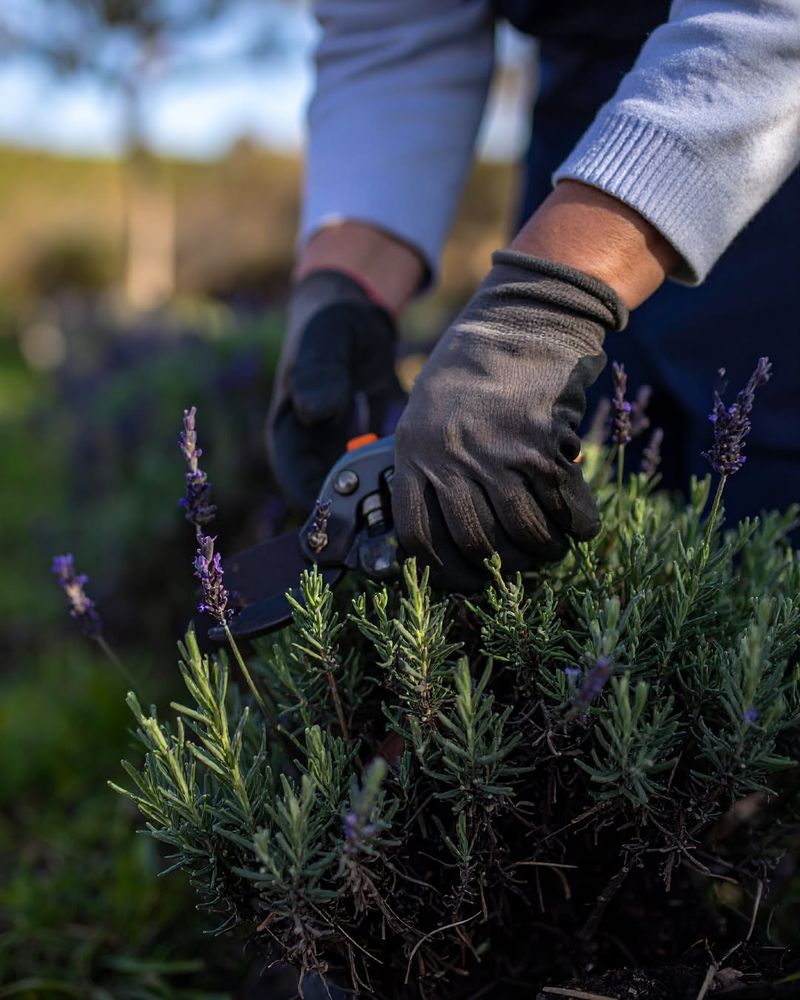
Pruning lavender is one of those gardening tasks that feels almost therapeutic once you get into the rhythm of it. The scent released when you cut through the stems is incredible, and the results you get from regular trimming are well worth the effort.
For Michigan gardeners growing English Lavender cultivars, pruning after the main bloom flush is one of the best things you can do for long-term plant health.
Right after the first wave of flowers fades, usually in late July or early August in Michigan, trim spent flower spikes back along with about one-third of the green leafy growth below them.
This shaping prevents the plant from becoming a woody, unproductive tangle over time. Lavender that never gets trimmed tends to develop a bare, woody center that produces fewer and fewer flowers with each passing year.
Always cut into the green growth, never down into the hard woody stems at the base. Cutting into old wood often prevents regrowth and weakens the plant significantly.
Use sharp, clean pruning shears to make smooth cuts that heal quickly. A light second trim in early September, removing any new growth that has gotten leggy, helps the plant head into winter in a tidy, compact shape.
Avoid pruning in late fall or early spring when cold stress is still a factor. Consistent annual trimming after bloom keeps your lavender plants vigorous, shapely, and blooming beautifully year after year in your Michigan garden.