7 Fruit Trees Texas Gardeners Should Prune Before March Ends
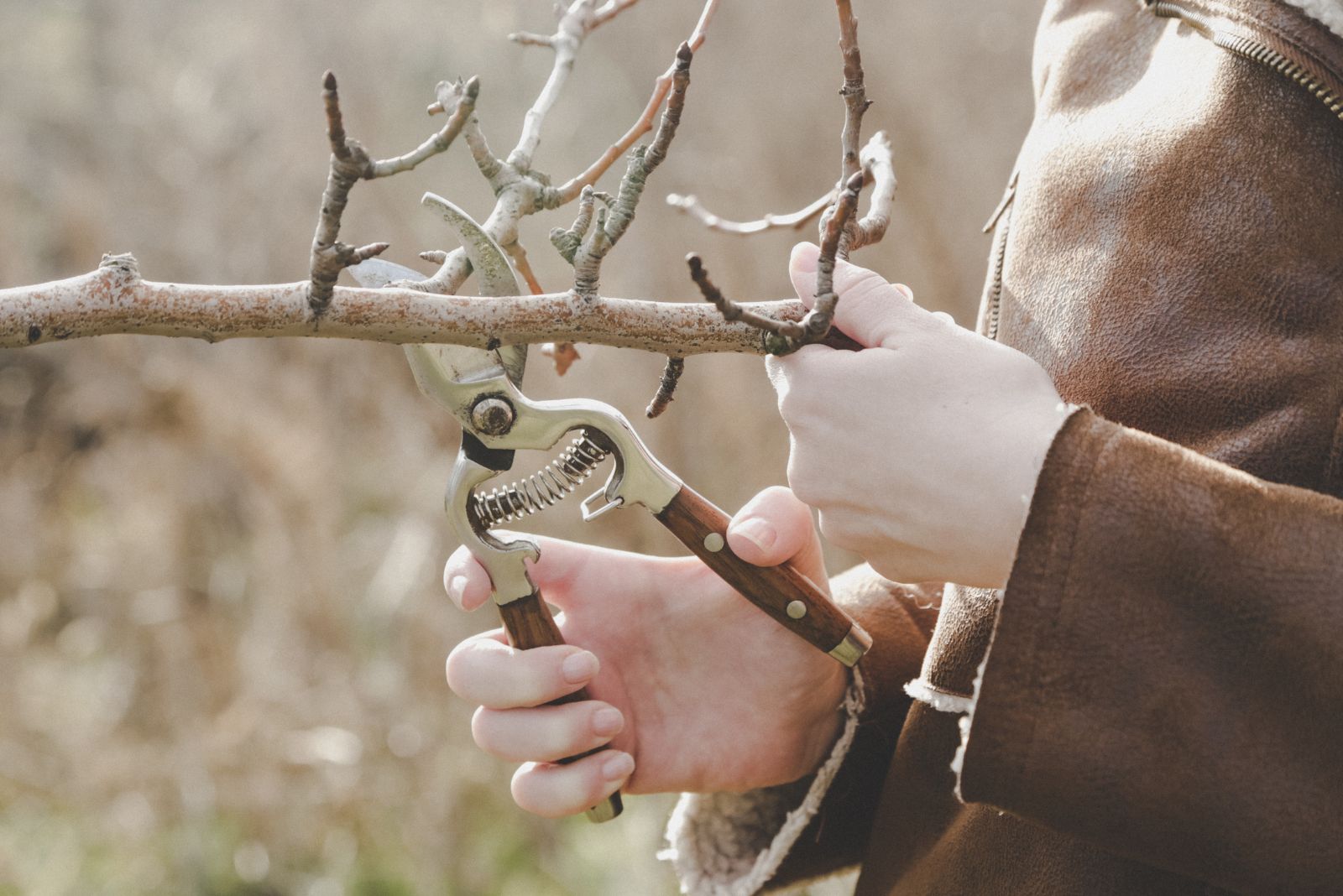
As spring gets closer, many Texas gardeners start looking at their fruit trees and thinking it is time to clean things up. The branches are easier to see, new growth is still limited, and the timing feels right for a careful trim.
Before March ends, certain fruit trees benefit from pruning that helps them grow stronger, stay healthier, and produce better fruit later in the season.
Pruning does much more than make a tree look neat. It helps shape the canopy, removes damaged or crowded branches, improves airflow, and allows more sunlight to reach the parts of the tree that matter most.
Those small cuts can have a big effect on how well a tree performs once the growing season gets going. In Texas, where warm weather can arrive early, it is especially important to prune at the right time and not wait too long.
Knowing which fruit trees should be pruned before March ends can help gardeners avoid common mistakes and make every cut count. With the right approach, your trees can head into spring in better shape and ready for a more productive season.
1. Peach Trees
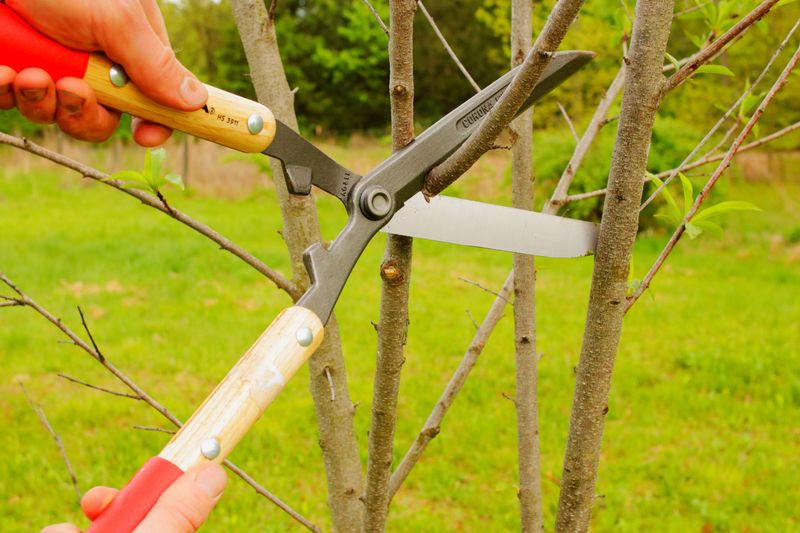
Nothing beats biting into a ripe Texas peach on a hot summer day, and getting there starts with a good late-winter pruning session. Peach trees are one of the most rewarding fruit trees you can grow in Texas, but they need regular pruning to stay productive.
Without it, old wood takes over, fruit gets small, and the tree becomes a tangled mess. The best time to prune peach trees in Texas is between late January and early March.
You want to catch the tree while it is still dormant but just about to wake up. Look for swelling buds as your signal that the timing is right.
Peach trees do best with an open-center shape, sometimes called a vase shape. Start by removing the central upward-growing branch so sunlight can reach the middle of the tree.
Pick three to five strong scaffold branches spaced evenly around the trunk and remove everything else crowding the center.
Old wood that is more than two or three years old tends to produce less fruit. Cut it back to encourage fresh, vigorous shoots that will carry the next crop.
Remove any branches that cross, rub against each other, or grow straight down toward the ground.
In Texas, peach trees grow fast because of the warm climate. That means you may need to prune more aggressively than gardeners in cooler states.
Do not be afraid to remove up to one-third of the tree each year. Healthy new growth will follow quickly once spring arrives across the Lone Star State.
2. Plum Trees
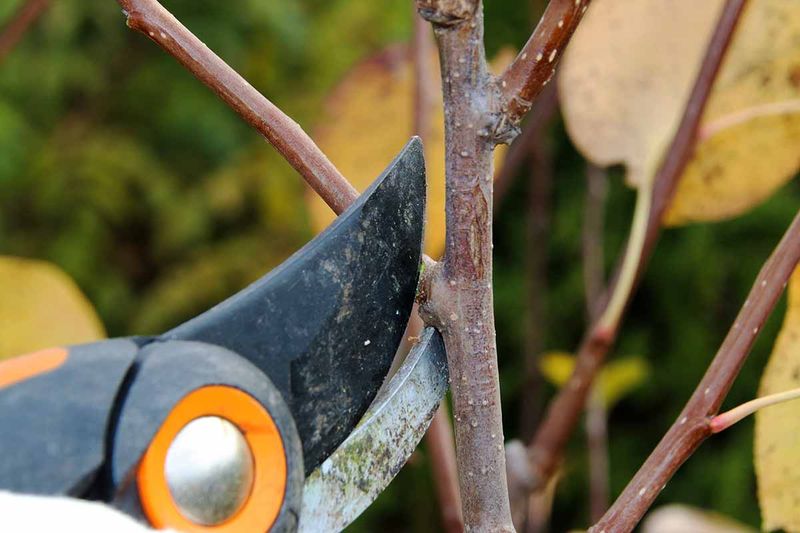
Plum trees have a sneaky habit of growing thick and tangled if you let them go unchecked. Left unpruned, the canopy gets so crowded that air can barely move through it.
Poor airflow leads to fungal diseases, and in the humid parts of Texas, that is a serious problem.
Pruning plum trees before the end of March gives you a chance to reshape the tree and clear out problem branches before spring growth takes off. Start by walking around the tree and looking for anything dry, damaged, or diseased.
Those branches come out first, no matter where they are on the tree. Next, look for branches that cross or rub against each other. Rubbing creates wounds that invite pests and disease.
Remove the weaker of the two crossing branches and keep the one with a better position in the canopy.
Plum trees in Texas can grow quickly, so size control matters. If your tree is getting too tall to harvest comfortably, now is the time to bring it down to a manageable height. Cut back the tallest branches to a lower outward-facing bud or side branch.
Aim to keep the center of the tree fairly open so sunlight can reach the inner branches. Good light distribution means better fruit color and sweetness.
After pruning, clean up all the cut branches from the ground. Leaving old wood around the base of the tree can harbor pests that will cause trouble once temperatures warm up across Texas.
3. Apple Trees
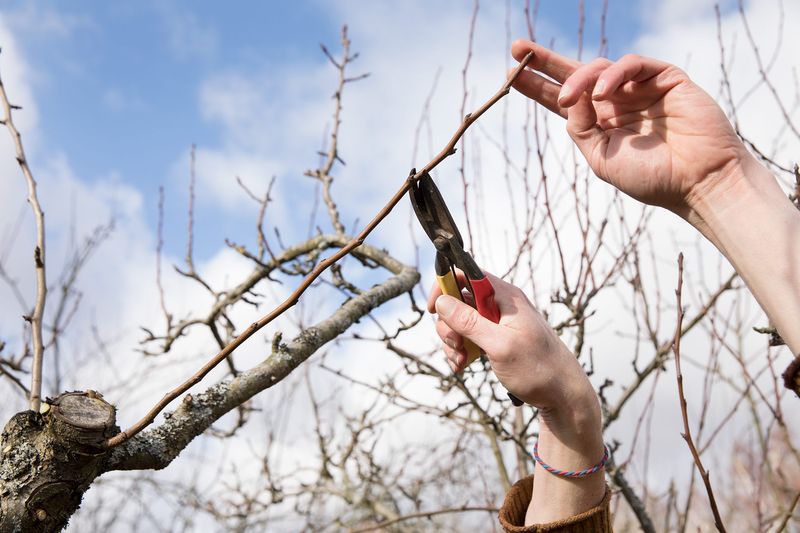
Growing apples in Texas takes a little extra know-how, but with the right pruning routine, it is absolutely doable. Apple trees are best pruned while completely dormant, which in most parts of Texas means late January through early March.
Pruning at this time reduces stress on the tree and makes it easier to see the branch structure clearly.
The central leader system works really well for apple trees. This method keeps one strong central trunk growing straight up, with side branches spreading outward in a layered pattern.
It looks a bit like a Christmas tree shape, and it is great for letting sunlight reach every part of the canopy.
Start your pruning by removing any branches that grow straight up and compete with the main leader. Then thin out crowded side branches, especially ones that point inward or downward.
The goal is to let light and air flow through the whole tree evenly. Good sunlight penetration is a big deal for apple quality. Fruit that grows in shade tends to be smaller, paler, and less flavorful.
Opening up the canopy fixes that problem and gives every apple a better chance to develop fully.
In Texas, some apple varieties like Honeycrisp struggle with the heat, but low-chill varieties like Anna and Dorsett Golden do great.
Whichever variety you grow, consistent annual pruning keeps the tree at a manageable size and boosts fruit production season after season.
Sharp, clean tools make better cuts and lower the chance of spreading disease between branches.
4. Pear Trees
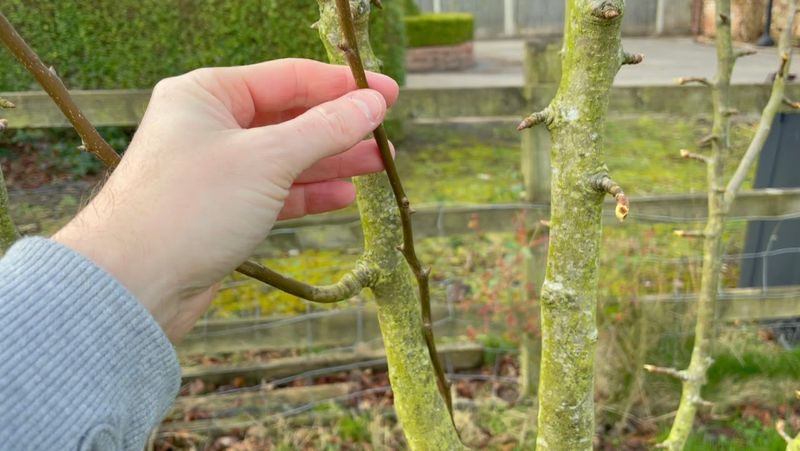
Pear trees and apple trees are close cousins when it comes to pruning needs, and Texas gardeners can treat them in a very similar way. Late winter, right before buds start to swell, is the sweet spot for getting pear trees into shape.
Pruning during dormancy means the tree heals faster and faces less risk of infection. Maintaining a strong structure is the main goal when pruning pears. Like apples, pear trees respond well to the central leader method.
Keep the main trunk dominant and encourage side branches to grow in an outward, upward direction. Remove any branches that crowd the center or grow straight down.
Fire blight is one of the biggest threats to pear trees in Texas. This bacterial disease spreads easily through open wounds and can move quickly through an infected tree. Keeping the canopy open with good airflow is one of the best defenses against it.
When you thin out crowded branches, you reduce the humid pockets where fire blight loves to grow. Always sterilize your pruning tools between cuts when working on pear trees.
A quick wipe with rubbing alcohol can prevent the disease from spreading from one branch to another.
Texas gardeners growing pear varieties like Kieffer or Moonglow should plan to prune annually for the best results. Remove no more than about one-quarter of the tree in a single season to avoid shocking it.
Consistent, moderate pruning each late winter adds up to a healthier, more productive tree year after year across the state.
5. Fig Trees
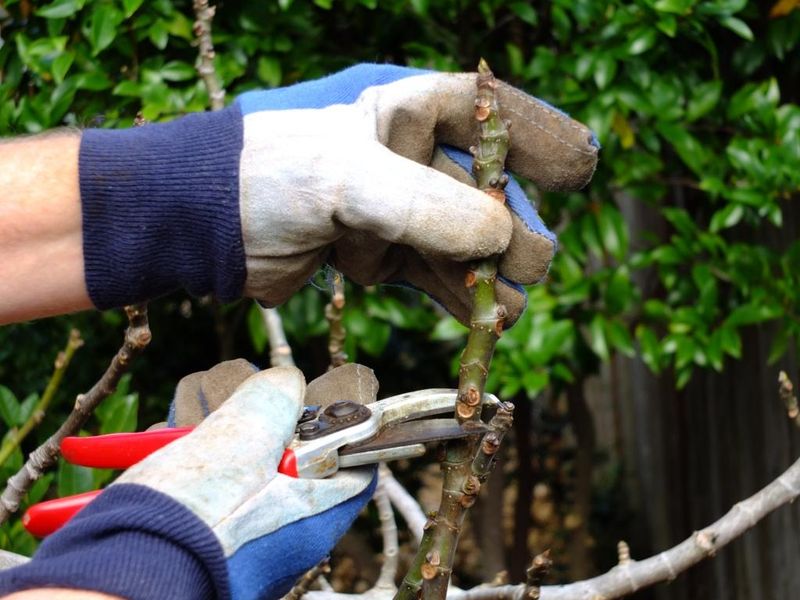
Fig trees are some of the toughest and most beloved fruit trees in Texas. They handle heat like champions, need very little fuss, and reward patient gardeners with loads of sweet fruit.
But even figs benefit from a little attention before March is over. Unlike peaches or apples, figs do not need heavy pruning. In fact, cutting too much off a fig tree can actually reduce the amount of fruit it produces.
Figs form on both old and new wood, so removing too many branches means losing potential fruiting sites. Keep pruning light and focused.
The main job when pruning figs in late winter is to remove any wood that was damaged during cold snaps. Texas winters can bring unexpected freezes, especially in the northern parts of the state.
Dry or frost-damaged branches are easy to spot because they feel hollow, look dark inside when cut, and do not have any green tissue.
Once the dry wood is gone, step back and look at the overall shape of the tree. Remove any branches that cross awkwardly or that make the tree look lopsided.
You can also trim back overly long branches to keep the tree at a height that makes harvesting easy.
Figs grow vigorously once warm weather arrives in Texas, so any shaping you do now will fill in quickly. Remove suckers growing from the base of the tree, as these steal energy from the main trunk.
A well-shaped fig tree not only looks great but also produces more evenly ripened fruit throughout the summer harvest season.
6. Apricot Trees
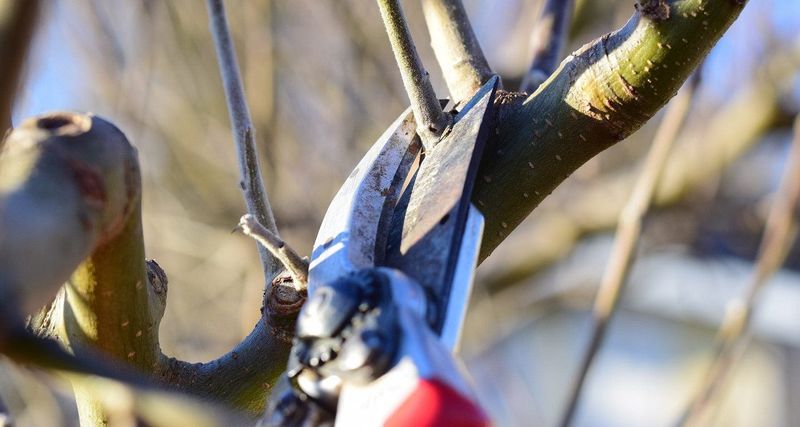
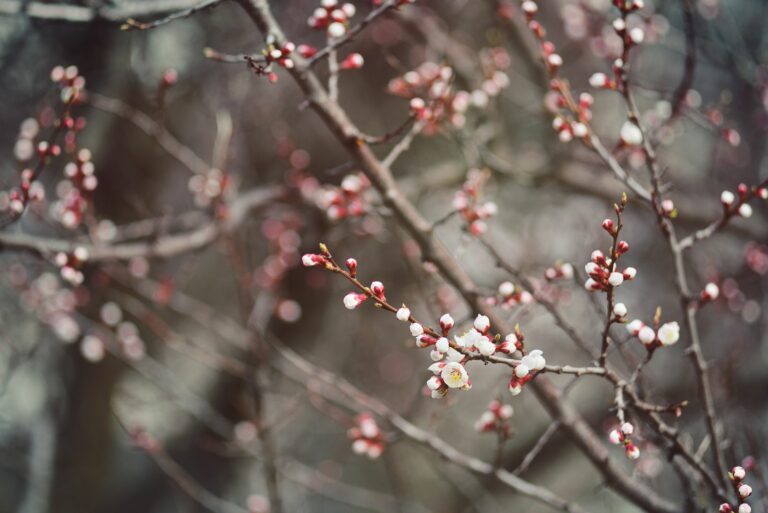
Apricot trees bloom earlier than almost any other fruit tree in Texas, which makes pruning timing extra important. You want to finish pruning before those delicate blossoms appear, which means getting out there in late January or February if possible.
Waiting too long risks cutting off the very buds that will become your fruit. Early pruning also gives the tree time to start healing its wounds before the rush of spring growth begins.
Fresh cuts on apricot trees can attract certain fungal diseases, especially in wetter parts of Texas. Pruning during dry, cool weather and letting wounds callous over before rain season helps reduce that risk significantly.
Focus on improving the overall structure of the tree when you prune apricots. Remove any branches that grow straight up through the middle of the canopy and compete with the main framework.
Thinning out dense, congested areas lets sunlight reach more of the tree and improves air circulation throughout the canopy.
Strong scaffold branches are the backbone of a productive apricot tree. When you see two branches competing for the same space, keep the one with the wider angle from the trunk.
Narrow-angled branches are more likely to split under the weight of a heavy fruit load later in the season.
Texas gardeners in the Hill Country and North Texas have the best luck growing apricots. Annual pruning keeps these trees manageable and healthy.
Remove no more than one-quarter to one-third of the canopy in a single pruning session, and always use sharp, clean tools to make smooth, precise cuts every time.
7. Pomegranate Trees
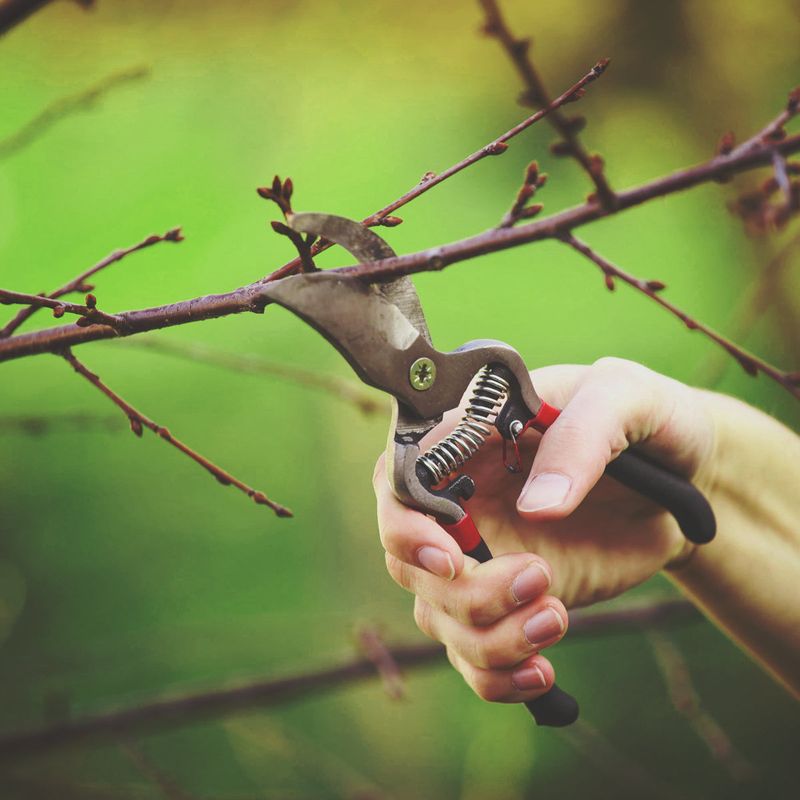
Pomegranates are tough, drought-tolerant, and absolutely gorgeous when they are loaded with deep red fruit.
They thrive across much of Texas, from the Hill Country to West Texas, and they are surprisingly easy to grow once established. Pruning them before March ends sets them up for their best fruiting season yet.
One of the most important pruning tasks for pomegranates is removing suckers. These are the thin, fast-growing shoots that pop up from the base of the trunk or from the roots underground.
Suckers look energetic, but they steal water and nutrients from the main plant. Pull them off or cut them as close to the base as possible.
Pomegranates can be grown as a multi-trunk shrub or trained into a single-trunk tree shape. Either way, the goal is to keep the center open so air and light can get through.
Remove any branches that cross, grow inward, or rub against each other. A tidy, open canopy means less disease and more fruit.
Pomegranate trees do not need aggressive pruning every year. Once the basic shape is established, light annual maintenance is usually enough.
Remove dry or weak branches, trim back any overly long shoots, and clean up the base of the plant.
Good airflow through the canopy is especially helpful in the more humid parts of Texas, where fungal issues can pop up during rainy stretches. Pruning opens things up and keeps the tree breathing freely.
A well-pruned pomegranate will reward you with a stunning display of orange-red flowers followed by a generous harvest of jewel-like fruit come fall.