7 Fruit Trees That Are Not A Good Fit For Texas
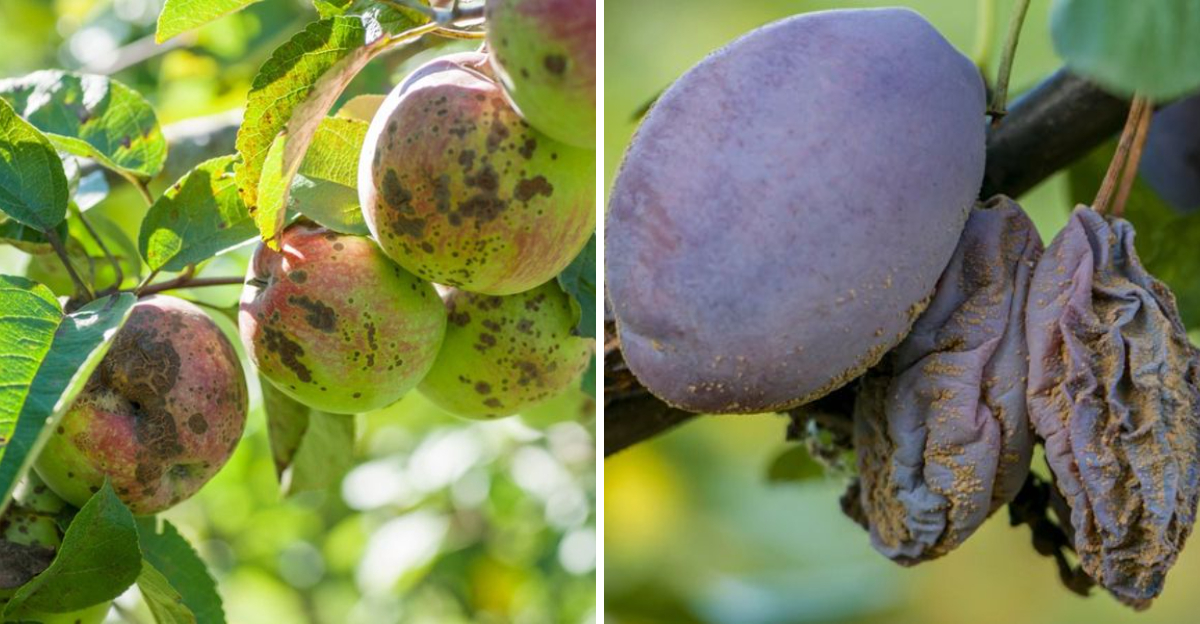
Planting a fruit tree sounds like the kind of decision your future self will thank you for. A little shade, fresh fruit, and the satisfaction of picking something straight from your own yard all sound pretty great.
The problem is that not every fruit tree is cut out for Texas. What thrives in one state can struggle badly here, especially with the heat, sudden cold snaps, tough soil, and long dry stretches that many Texas gardeners know all too well.
Some trees need more chill hours than Texas can offer. Others cannot handle the intense summer sun or the swings between drought and heavy rain.
And then there are the varieties that look promising on the tag but end up being high-maintenance disappointments once they are in the ground.
Knowing which fruit trees are a poor fit can save you time, money, and a lot of frustration. Before you plant something that may never truly thrive, it helps to know which ones are better left off the list.
1. Apple Trees (Most Northern Varieties)
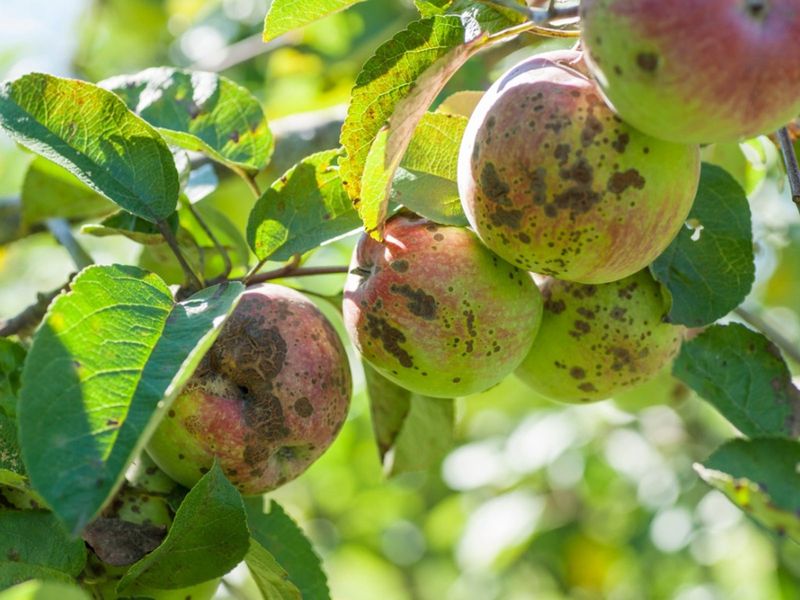
Walk through a Texas orchard in summer, and you might wonder why those apple trees look so tired. Most Northern apple varieties were built for cold winters, and Texas simply doesn’t deliver enough of that.
These trees need what growers call “chill hours,” which are hours of cold temperatures below 45 degrees Fahrenheit during winter. Many parts of Texas only get a fraction of what these trees require.
Without enough chill hours, apple trees in Texas can’t properly break dormancy. That means poor blooming, weak fruit set, and disappointing harvests year after year.
Central and South Texas are especially tough spots for these trees. Even North Texas, which gets cooler winters, often falls short of the 800 to 1,000 chill hours that popular Northern varieties like Honeycrisp or Fuji need.
The inconsistency is a real problem. One mild winter can set a tree back significantly, and Texas winters are anything but predictable.
Growers who push Northern varieties often find themselves dealing with trees that bloom at the wrong time or skip fruiting entirely.
If you love apples and live in Texas, all hope isn’t lost. Low-chill varieties like Anna or Dorsett Golden were specifically developed for warmer climates and perform much better across the state.
These varieties need far fewer chill hours and are much more reliable in Texas conditions. Sticking with low-chill options is the smart move for Texas gardeners who want a real apple harvest.
2. Sweet Cherry (Prunus avium)
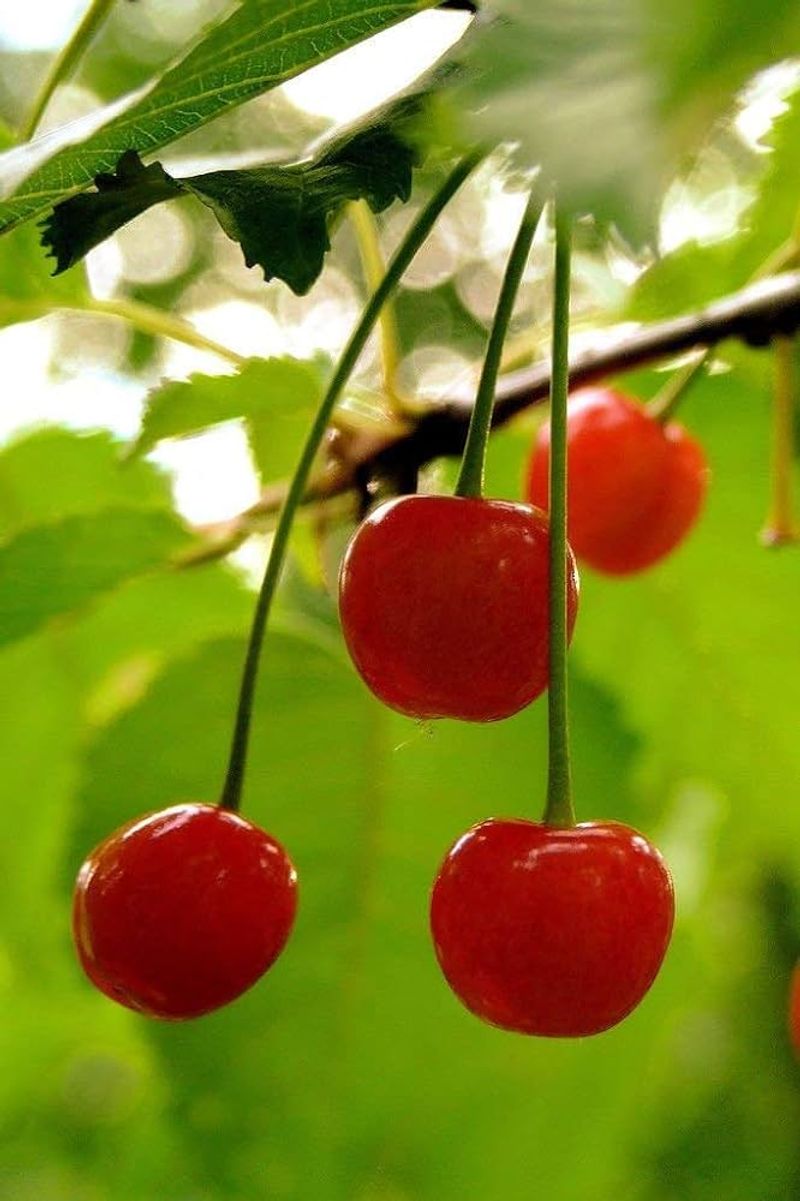
Sweet cherries have a reputation for being one of the most delicious fruits you can grow, but Texas is simply not their happy place.
Varieties like Bing and Rainier are beloved across the Pacific Northwest, where cool summers and cold winters create perfect growing conditions. Bring those same trees to Texas, though, and the results are almost always a letdown.
The core issue is chill hours. Sweet cherries need between 700 and 1,000 hours of temperatures below 45 degrees Fahrenheit each winter to properly set fruit.
Texas winters are too short and too warm in most regions to meet that requirement. Without enough cold exposure, the trees struggle to flower correctly, and fruit production becomes unreliable at best.
Texas summers add another layer of difficulty. The intense heat stresses sweet cherry trees and makes them more vulnerable to pests and disease.
The combination of insufficient winter chill and brutal summer temperatures makes consistent fruiting nearly impossible across most of the state.
Growers in North Texas occasionally have better luck since that region gets cooler winters, but even there, results are unpredictable from year to year. The unpredictability alone makes sweet cherries a risky investment for Texas gardeners.
If you are craving homegrown cherries, consider sour cherry varieties or native alternatives that handle Texas conditions with much less fuss. Choosing the right tree for your climate is always the first step toward a successful and rewarding harvest.
3. Pear Trees (European Varieties)
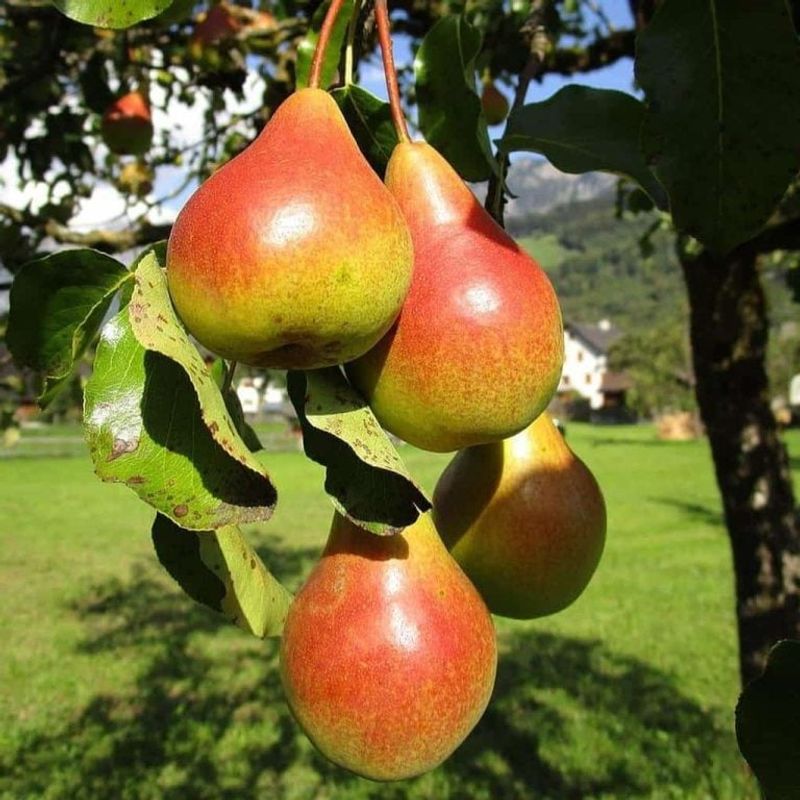
European pear varieties have a long and celebrated history in orchards across cool, temperate regions. Varieties like Bartlett and Bosc produce gorgeous, flavorful fruit under the right conditions.
But in Texas, those conditions are hard to find. European pears face two major enemies in this state: fire blight and humidity, and both are abundant here.
Fire blight is a bacterial disease that spreads quickly in warm, wet conditions, which describes East Texas perfectly. The disease attacks blossoms, shoots, and branches, turning them brown and giving them a burned appearance.
European pear varieties are especially susceptible, and managing fire blight in Texas requires constant vigilance. Even with careful treatment, outbreaks can severely damage or wipe out an entire tree.
Humidity across the eastern part of the state creates a breeding ground for fungal and bacterial problems that European pears just can’t handle well. The more moisture in the air, the worse the disease pressure becomes.
West Texas has drier conditions, but the extreme heat there creates a whole different set of problems for these trees.
The good news is that Asian pear varieties offer a much better alternative for Texas growers. Varieties like Kieffer and Orient were bred with disease resistance in mind and handle Texas conditions far more gracefully.
Asian pears are crunchier than their European cousins but just as tasty. If you want a pear harvest you can count on in Texas, Asian varieties are absolutely the way to go.
4. Blueberry Trees (Highbush Types)
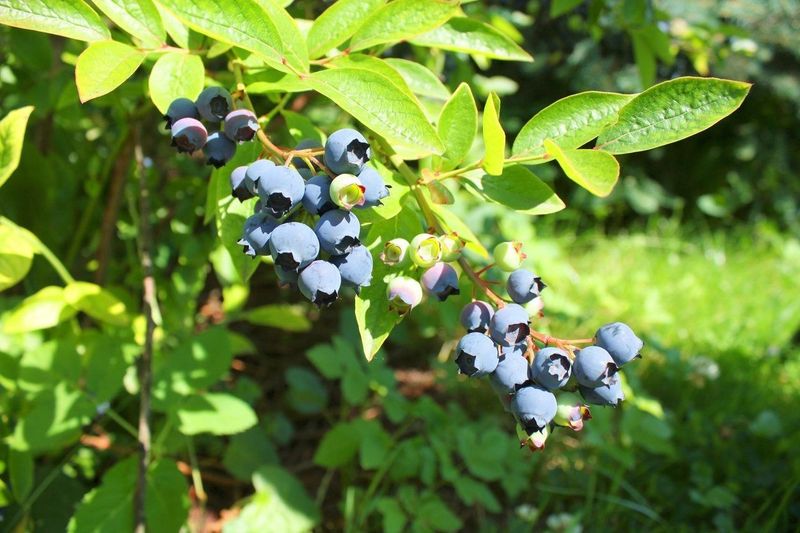
Blueberries are packed with flavor and nutrition, and plenty of Texas gardeners dream of picking fresh handfuls right from their own yard. Highbush blueberries, which are the most common type found in grocery stores, are unfortunately a poor match for most of Texas.
These plants were designed for cooler climates with naturally acidic soil, and Texas delivers neither of those things consistently.
Soil chemistry is a big part of the problem. Highbush blueberries thrive in soil with a pH between 4.5 and 5.5, which is quite acidic.
Texas soil, especially in Central and West Texas, tends to be alkaline with a pH well above 7. Planting highbush blueberries in alkaline soil causes nutrient deficiencies, especially iron chlorosis, which turns the leaves yellow and stunts growth.
No matter how much fertilizer you add, fixing alkaline soil to the level highbush blueberries need is a constant battle.
Chill hour requirements also work against highbush varieties in Texas. Most need 800 to 1,000 chill hours per winter, which is far more than most of the state can offer.
Warmer winters mean weak dormancy breaks and poor fruit production the following season.
Rabbiteye blueberry varieties are a much smarter pick for Texas growers. Rabbiteye types tolerate higher soil pH, need fewer chill hours, and handle the Texas heat with much more ease.
East Texas, with its more acidic soil, is actually one of the better spots in the state for growing blueberries successfully.
5. Apricot Trees
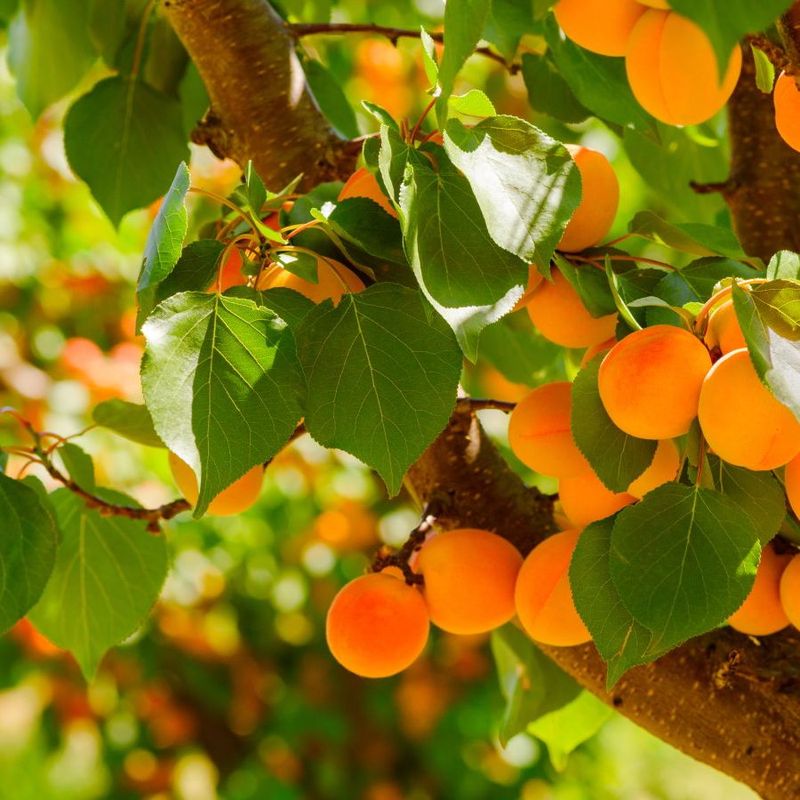
Timing is everything in gardening, and apricot trees have some of the worst timing when it comes to Texas weather. Apricots are notorious early bloomers, often bursting into flower in late winter or very early spring.
That sounds lovely until a late cold snap rolls through and wipes out every single blossom overnight. In Texas, late spring frosts are common enough to make apricot trees a frustrating and unreliable choice.
The pattern repeats itself year after year across much of the state. The tree blooms beautifully, hope builds, and then a cold front arrives and the blossoms are gone.
No blossoms means no fruit. Texas gardeners who have tried apricots often describe the experience as maddening because the trees look healthy but consistently fail to produce a meaningful harvest.
Summer heat adds more stress to an already struggling tree. Apricots prefer dry, warm summers rather than the intense, humid heat that large parts of Texas experience.
Heat stress weakens the trees over time and makes them more vulnerable to pests and diseases. Even in drier parts of West Texas, the temperature swings between seasons make consistent fruiting a challenge.
Some growers in North Texas have had limited success with apricot trees during years when late frosts don’t arrive. But banking on that kind of luck is not a reliable gardening strategy.
If you want a stone fruit that performs better in Texas, plums and peaches adapted to the region are far more dependable options worth exploring.
6. Plum Trees (Non-Texas Varieties)
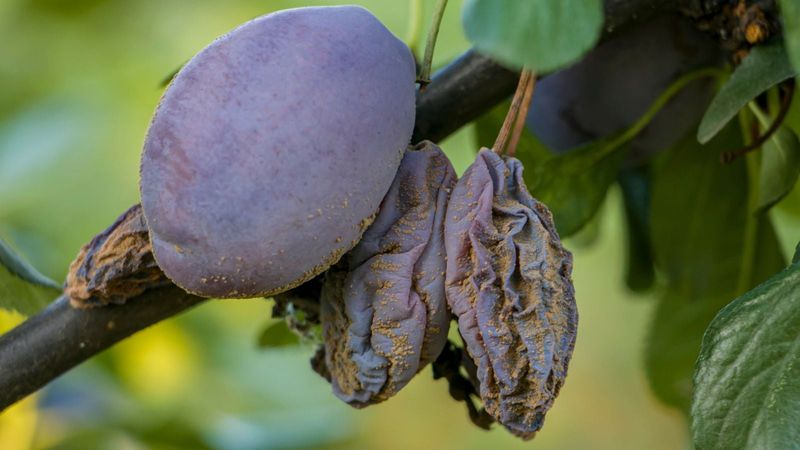
Plums are a diverse group of fruits, and that diversity is both a blessing and a trap for Texas gardeners. Not all plum trees are created equal, and many of the popular varieties sold at garden centers across the country are simply not built for Texas conditions.
Non-native plum varieties often struggle with the state’s intense heat, periodic drought, and the range of diseases that thrive in its varied climate zones.
European plum varieties, in particular, tend to underperform badly in Texas. They need a reliable cold winter and a moderate summer, neither of which Texas consistently delivers.
Without proper dormancy, these trees put out weak growth, produce little fruit, and gradually decline in health over several seasons. The investment of time and money rarely pays off with these varieties.
Disease pressure is another serious concern. Plum curculio, bacterial leaf spot, and brown rot are all common problems in Texas, and non-adapted varieties have little natural resistance to them.
Managing these issues requires regular spraying and close monitoring, which adds up quickly in both cost and effort.
Native and regionally adapted plum varieties tell a completely different story. The Mexican plum, which is native to Texas, thrives across much of the state without much fuss.
Improved varieties like Methley and Bruce were specifically developed with Southern climates in mind and perform reliably in Texas gardens. Choosing adapted varieties is the difference between a productive tree and a frustrating one that never quite delivers.
7. Peach Trees (High-Chill Varieties)
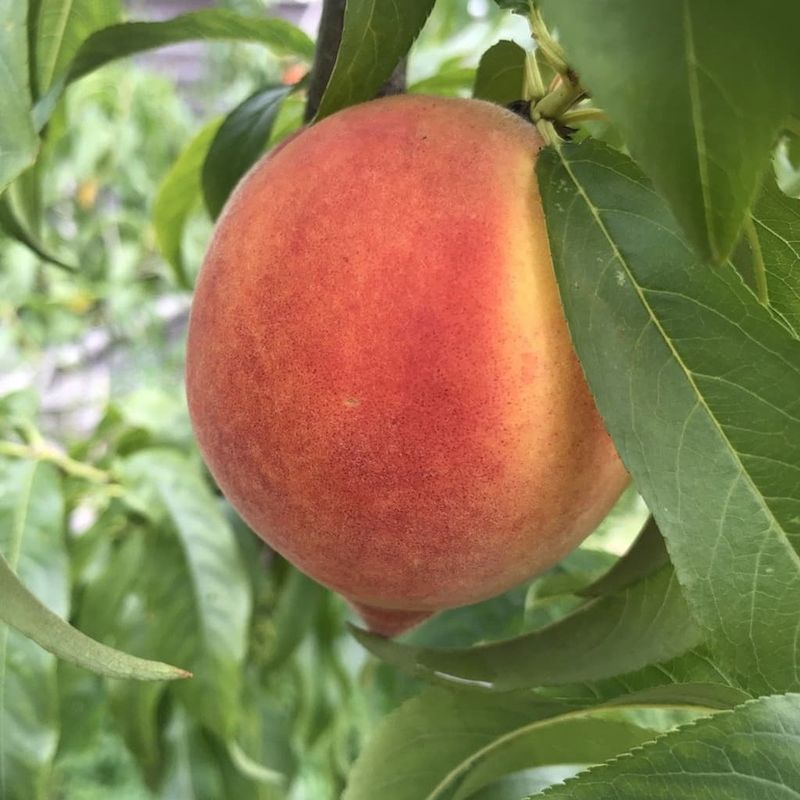
Peaches and Texas have a complicated relationship. The state is actually known for growing excellent peaches in certain areas, but that success depends entirely on choosing the right variety.
High-chill peach varieties, which are the types most people picture when they think of a classic peach, are a poor fit for most of Texas. These varieties need 900 or more chill hours each winter, and that level of cold simply doesn’t happen reliably across most of the state.
When a high-chill peach tree doesn’t get enough cold exposure, the results show up clearly at harvest time. Flowering becomes irregular, fruit set is weak, and the peaches that do develop are often small and flavorless.
Some years the tree may not produce at all. Growers who plant high-chill varieties in warmer parts of Texas often find themselves waiting season after season for a harvest that never really comes together.
The issue is especially frustrating because peach trees look healthy on the outside even when they aren’t producing well. The tree grows, leafs out, and appears fine, but the fruit tells the real story.
Repeated poor harvests wear down the tree over time and leave growers with a large, unproductive plant taking up valuable garden space.
Low-chill peach varieties are the answer for Texas. Varieties like Tropic Beauty, Florida Prince, and Harvester were developed specifically for warmer climates and perform beautifully across much of Texas.
The Hill Country region around Fredericksburg is famous for its peach production, and that success is built on using the right low-chill varieties from the start.