10 Fruit Trees That Aren’t Worth Planting In Texas
Planting fruit trees in Texas often starts with big dreams of fresh harvests and backyard shade, but not every tree is cut out for the job.
Some look good on paper and at the nursery, then struggle once Texas heat, soil, and sudden weather swings enter the picture.
Before long, those hopeful plans can dry up faster than a rain puddle in August.
Texas conditions can be tough as nails.
Scorching summers, unexpected cold snaps, and stubborn soil types can push certain fruit trees to the brink.
Many homeowners pour time, money, and care into trees that never truly take off.
The result is weak growth, poor fruit, or a tree that barely hangs on year after year.
Advice from out-of-state sources often misses the mark, leading gardeners down the wrong path.
What thrives elsewhere can fall flat in a Texas yard.
Picking the wrong fruit tree can feel like pushing a boulder uphill with little reward to show for it.
Knowing which trees are more trouble than they’re worth can save plenty of grief.
A smart choice up front keeps expectations realistic, protects your budget, and helps your landscape work with the Texas climate instead of fighting against it.
1. Cherry Trees
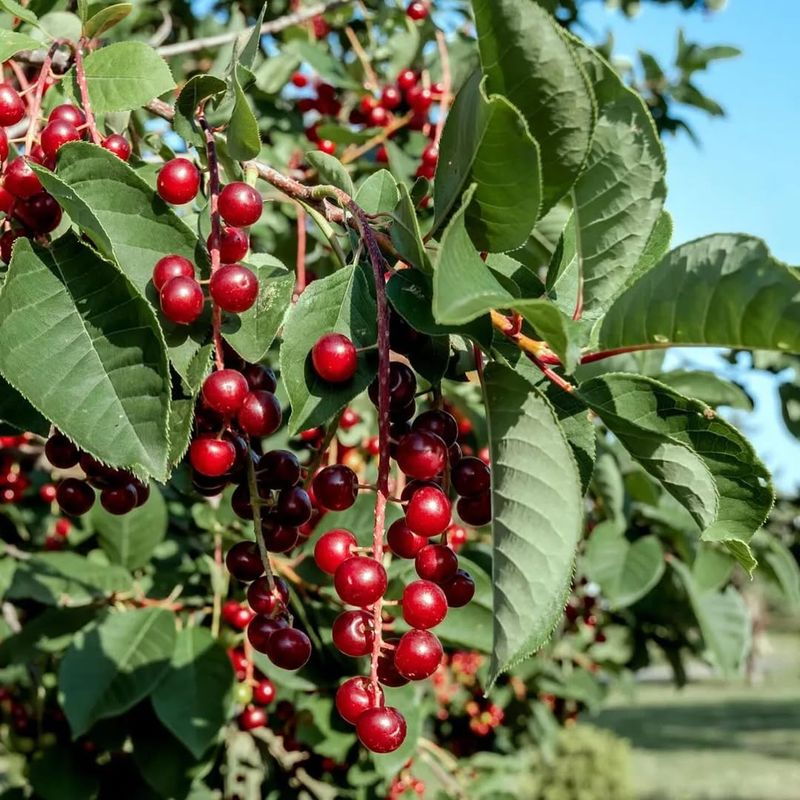
Sweet and tart cherry trees might produce gorgeous spring blossoms, but they’re notorious for failing to thrive in most Texas locations.
These trees need hundreds of chilling hours, cold winter temperatures below 45 degrees, to properly set fruit, and most Texas regions simply don’t get cold enough for long enough periods.
Even in North Texas, where winters are cooler, cherry trees struggle with the state’s hot, humid summers that encourage fungal diseases and pest problems.
The trees become stressed, producing little to no fruit despite looking relatively healthy.
Cherry leaf spot, brown rot, and bacterial canker plague these trees in Texas humidity.
Gardeners who attempt growing cherries in Texas often spend years waiting for fruit that never materializes, or they harvest only a handful of cherries that birds quickly devour.
The trees require constant spraying, pruning, and monitoring to combat diseases that spread rapidly in warm, moist conditions.
Specialized varieties bred for low-chill climates exist, but they still underperform compared to fruits naturally suited to Texas.
Instead of fighting nature, Texas gardeners should focus on stone fruits like peaches, plums, and apricots that actually enjoy the climate.
These alternatives provide similar flavors and textures without the constant disappointment that cherry trees bring to Texas landscapes year after year.
2. Cranberry Trees
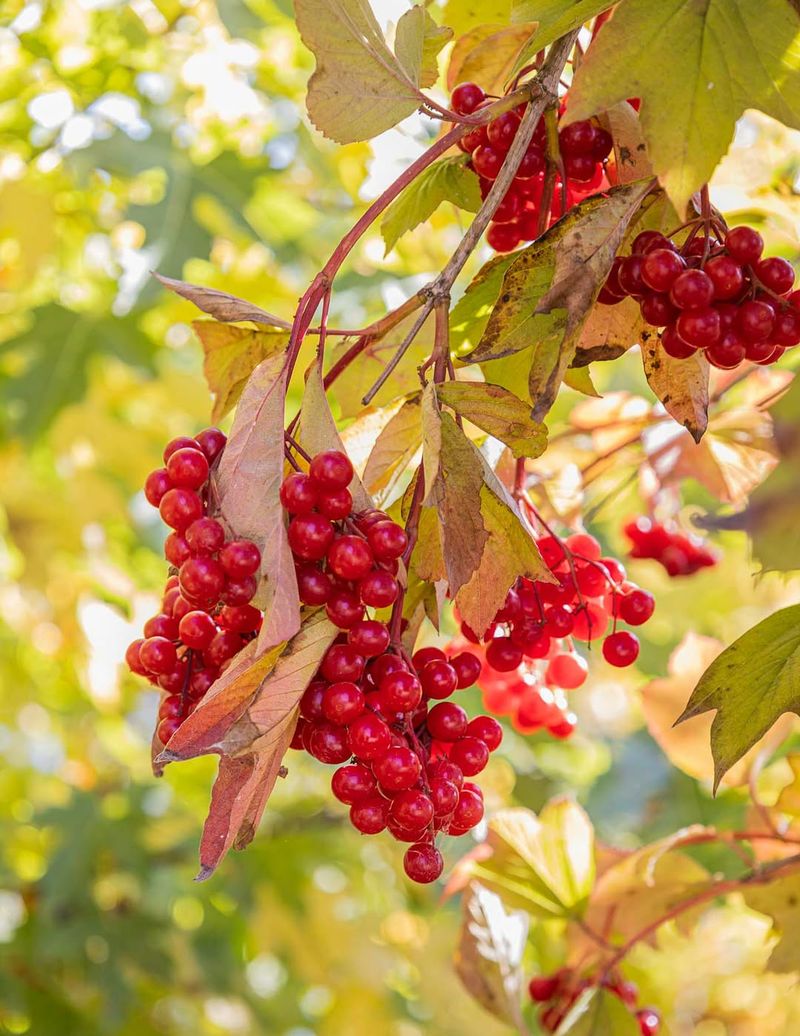
Cranberries demand growing conditions so specific that attempting them in Texas is essentially an exercise in futility.
These plants thrive in acidic bogs with constantly moist, peaty soil, a far cry from the alkaline clay and limestone-heavy dirt found throughout most of Texas.
The Lone Star State’s soil pH typically ranges from neutral to highly alkaline, creating an environment where cranberries simply cannot absorb nutrients properly.
Even with extensive soil amendments, maintaining the acidic conditions cranberries require becomes a never-ending battle against Texas geology.
The plants need consistent moisture without standing water, a delicate balance nearly impossible to achieve in regions experiencing both drought and flooding.
Texas summers pose another insurmountable challenge for cranberry cultivation.
These plants evolved in cool, northern climates and suffer tremendously when exposed to intense heat and bright sunshine typical of Texas growing seasons.
The plants quickly become stressed, stunted, and susceptible to various problems that healthy cranberries in proper climates never encounter.
Commercial cranberry production happens in Wisconsin, Massachusetts, and other northern states for good reason, those regions provide ideal conditions naturally.
Texas gardeners interested in tart, red berries should explore pomegranates or native American beautyberries instead, both of which produce abundantly without requiring bog-like conditions or constant pH adjustments that cranberries demand.
3. Avocado Trees
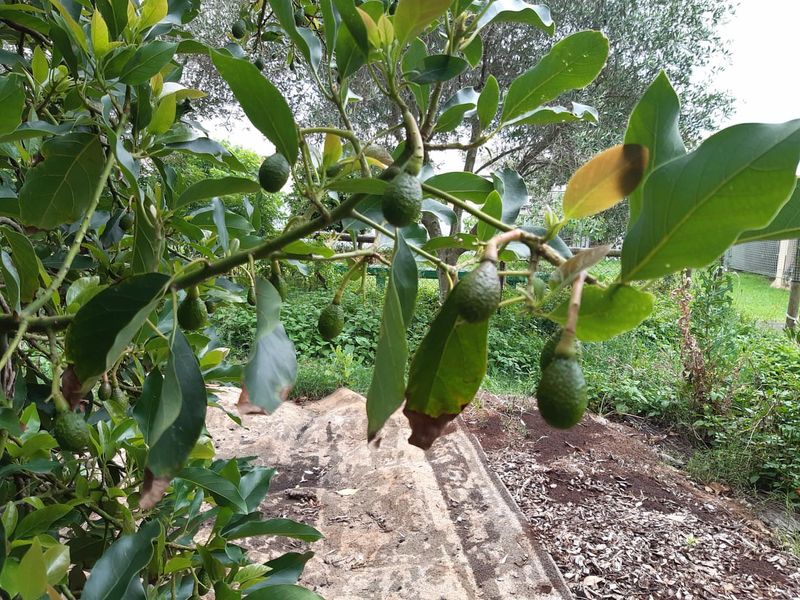
Guacamole lovers might be tempted to plant avocado trees, but most Texas regions experience winter freezes that damage or destroy these tropical natives.
Avocados originated in Central America and simply aren’t built to handle temperatures that dip below freezing, which happens regularly across most of Texas.
Even a brief cold snap can severely damage avocado trees, causing leaf drop, branch dieback, and complete loss of any developing fruit.
Young trees are especially vulnerable and may not survive their first Texas winter without extensive protection.
Gardeners in South Texas near the coast have slightly better luck, but even there, occasional hard freezes devastate unprotected avocado trees.
Beyond cold sensitivity, avocados need well-drained soil and consistent moisture, a tricky combination in Texas where heavy clay soil and erratic rainfall patterns create challenges.
The trees also require specific pollination conditions, often needing two different varieties planted together to produce fruit, doubling your investment and risk.
Some cold-hardy varieties like Mexicola can tolerate brief freezes better than grocery-store types, but they still struggle compared to truly adapted fruit trees.
The amount of effort required to protect, water, and care for avocados in Texas rarely justifies the small harvest you might eventually see.
Gardeners seeking creamy, nutritious fruits should consider persimmons or pawpaws instead, which handle Texas weather far more reliably.
4. Blueberry Bushes
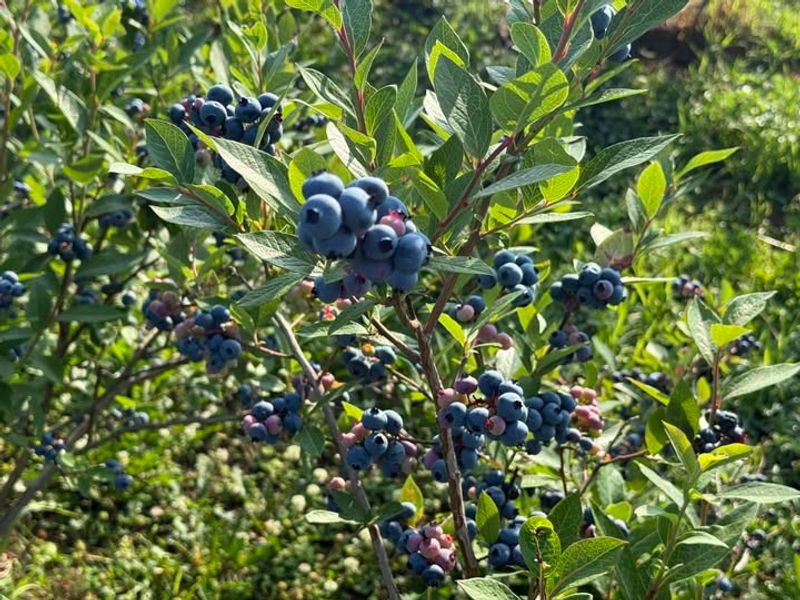
Blueberries rank among America’s favorite fruits, but getting them to flourish in Texas requires so much effort that most gardeners eventually give up in frustration.
Like cranberries, blueberries absolutely demand acidic soil with a pH between 4.5 and 5.5, while Texas soil typically measures between 7.0 and 8.5 on the pH scale.
Lowering soil pH enough for blueberries means adding sulfur, peat moss, and other amendments repeatedly over time, creating an expensive and labor-intensive process.
Even after achieving the right acidity, Texas’s naturally alkaline water quickly raises the pH back up, requiring constant monitoring and adjustment.
The plants struggle to absorb iron and other nutrients in alkaline conditions, developing chlorosis that turns leaves yellow and stunts growth.
Texas heat presents another major obstacle for blueberry cultivation.
Most varieties need significant chilling hours during winter, yet they also suffer in extreme summer heat, especially when planted in the intense afternoon sun common across Texas.
The plants require consistently moist soil, but not waterlogged conditions, a balance difficult to maintain during Texas’s unpredictable weather patterns.
Rabbiteye blueberries tolerate heat and alkalinity slightly better than other types, but they still underperform compared to fruits naturally suited to Texas.
Blackberries and dewberries grow wild throughout Texas, producing abundant harvests without any soil amendments or special care whatsoever.
5. Apricot Trees
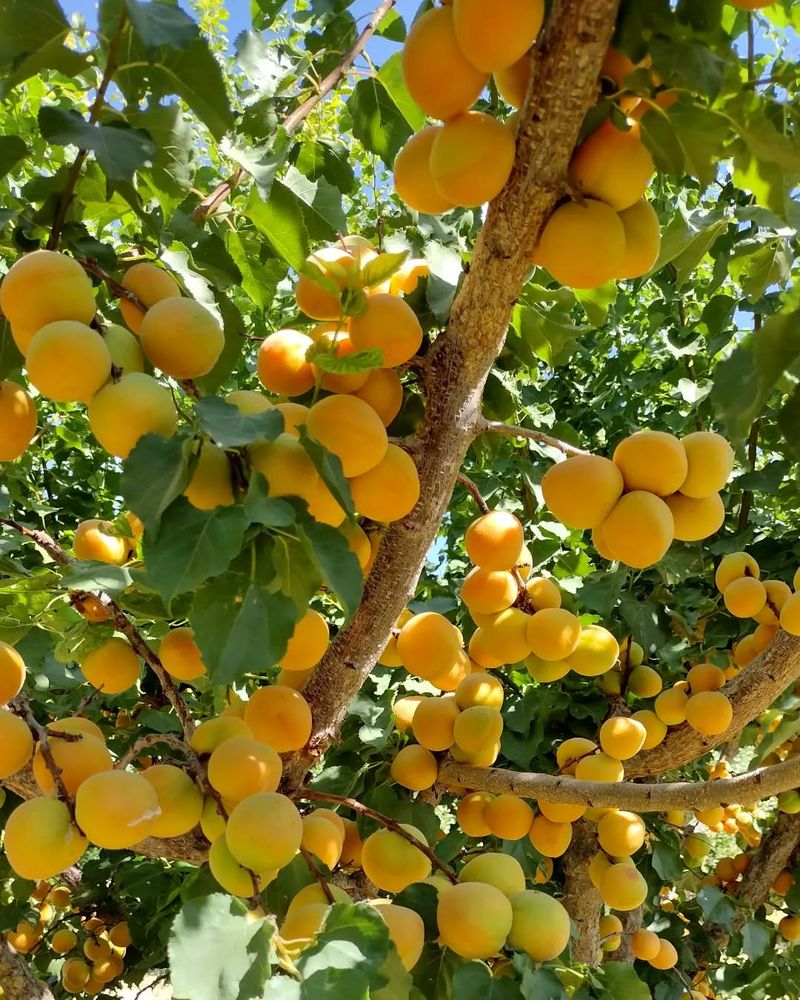
Early bloomers like apricots face a cruel trick in Texas, warm February and March days coax them into flowering just before late freezes destroy all those blossoms.
The state’s unpredictable spring weather creates a frustrating cycle where apricot trees bloom beautifully one week, then lose their entire potential crop to a sudden cold front the next.
Apricots require chilling hours to set fruit properly, yet they break dormancy at the slightest hint of warmth, making them incredibly vulnerable to Texas’s rollercoaster spring temperatures.
One mild week in late winter triggers flowering, and then temperatures plummet again, turning promising blossoms brown and ensuring no fruit develops.
This pattern repeats year after year across most Texas regions.
Even in years when late freezes don’t strike, apricots struggle with Texas humidity and heat.
The trees become prone to fungal diseases, bacterial infections, and pest infestations that spread rapidly in warm, moist conditions.
Brown rot devastates any fruit that manages to develop, often causing it to rot on the branch before reaching maturity.
Gardeners in West Texas have slightly better success with apricots due to drier conditions and more predictable spring weather, but even there, the trees remain unreliable.
Plums and peaches offer similar flavors and textures while tolerating Texas weather patterns much more successfully, making them far superior choices for most home orchards throughout the state.
6. Apple Trees
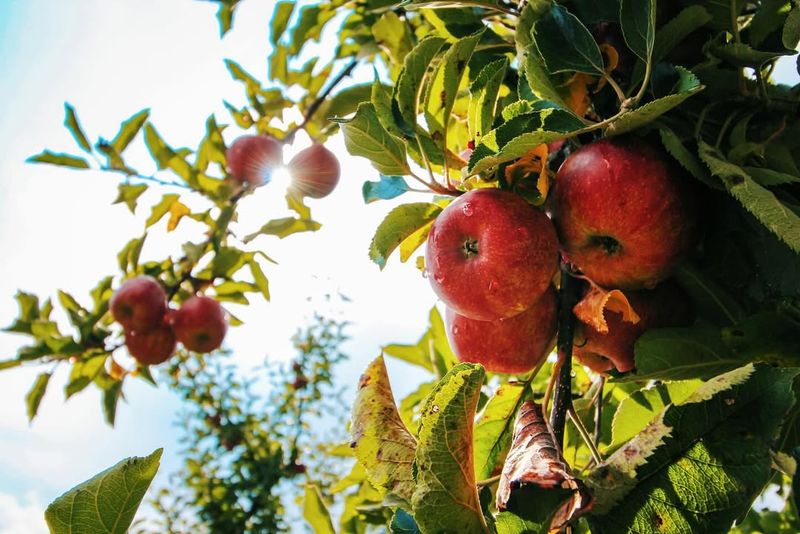
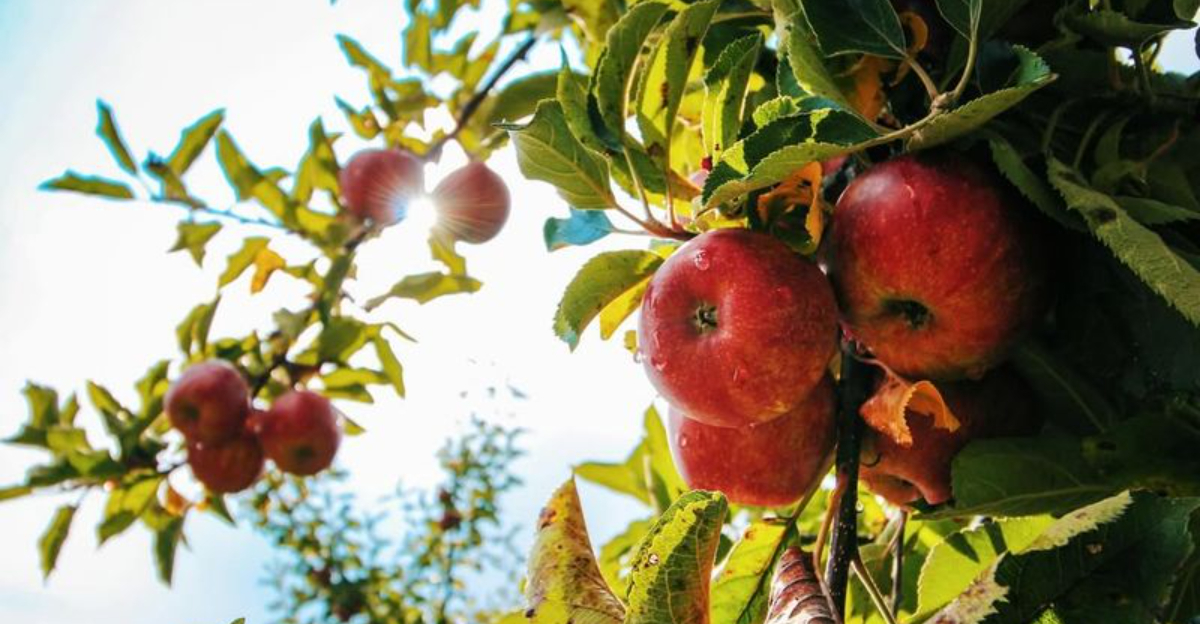
Picture-perfect apple trees laden with crisp fruit might work in Washington or New York, but they face serious challenges in most Texas locations.
Apples need substantial chilling hours, typically 800 to 1,000 hours below 45 degrees, to produce properly, and only the northernmost parts of Texas consistently provide that much cold weather.
Central and South Texas simply don’t get cold enough long enough for most apple varieties to thrive.
Even low-chill varieties bred for warmer climates often disappoint, producing small, poorly flavored fruit that doesn’t resemble the apples you find at grocery stores.
The trees may survive and even look healthy, but fruiting remains inconsistent and underwhelming.
Texas summers create additional problems for apple cultivation.
High temperatures and intense sunshine stress the trees, while humidity encourages diseases like fire blight, cedar apple rust, and powdery mildew.
These diseases spread rapidly, requiring frequent chemical applications to control.
Cedar apple rust poses a particular problem in Texas, where native cedar trees serve as alternate hosts for this destructive fungal disease.
Apples also need consistent moisture and well-drained soil, a combination tricky to achieve in Texas’s variable climate with its clay-heavy earth.
The trees require extensive pruning, thinning, and pest management to produce even modest harvests.
Pears, especially Asian pear varieties, tolerate Texas conditions far better while providing similar crunch and sweetness without the constant disease pressure apples bring.
7. Kiwi Vines
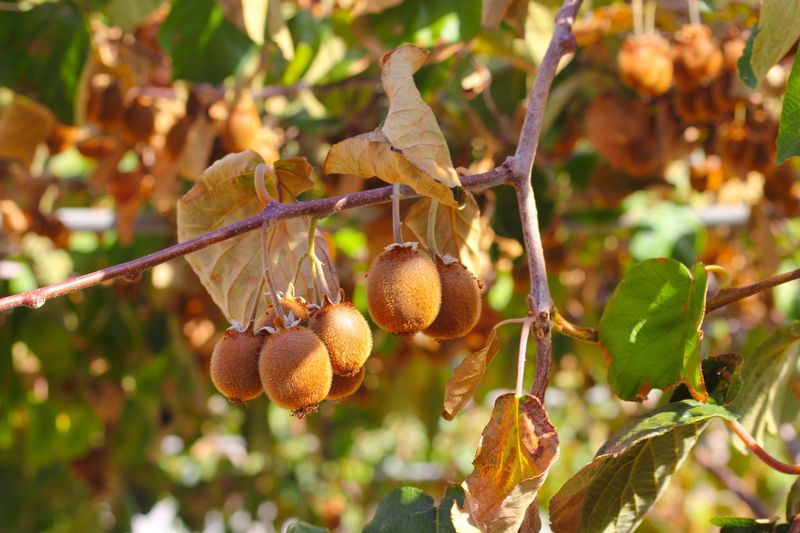
Exotic and delicious, kiwis seem like an exciting addition to Texas gardens, but these vines demand conditions the state rarely provides naturally.
Kiwis need long, frost-free growing seasons to properly ripen fruit, yet they also require significant winter chilling to set fruit in the first place, a contradictory combination that Texas weather patterns struggle to provide.
Female and male vines must be planted together for pollination, meaning you need space for multiple large, vigorous vines that may never produce fruit in Texas’s climate.
The vines grow aggressively, requiring substantial support structures and regular pruning to keep them manageable.
After investing in plants, supports, and care, many Texas gardeners wait years only to see minimal or no fruit production.
Texas’s late spring freezes pose a significant threat to kiwi vines.
The plants break dormancy relatively early, and tender new growth gets damaged by cold snaps that occur well into April across much of the state.
This damage sets the vines back, reducing or eliminating fruit production for that year.
Hardy kiwis tolerate cold better than fuzzy grocery-store types, but they still underperform in Texas compared to truly adapted fruits.
The vines need consistent moisture and protection from intense afternoon sun, requirements that demand constant attention.
Passion fruit vines produce exotic, flavorful fruit in Texas with far less fuss, offering a better alternative for gardeners seeking unusual edibles.
8. Pear Trees (European Varieties)
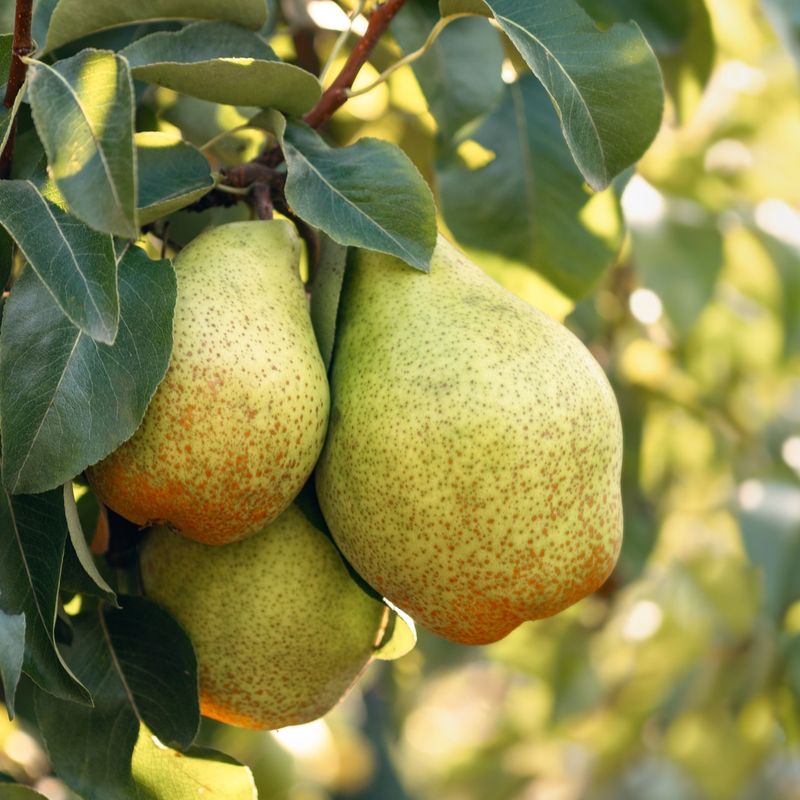
Fire blight devastates European pear varieties in Texas, turning healthy branches black and withered seemingly overnight.
This bacterial disease spreads rapidly in warm, humid conditions, exactly what Texas provides during spring and summer.
Once fire blight infects a tree, controlling it becomes extremely difficult, often requiring aggressive pruning that disfigures the tree and reduces future harvests.
European pears like Bartlett, Bosc, and Anjou need more chilling hours than most Texas regions provide, leading to poor fruit set and disappointing yields.
The trees may bloom beautifully, but without adequate winter cold, the flowers don’t develop into fruit properly.
Even when fruit does form, it often drops prematurely or develops with poor texture and flavor.
These pear varieties also struggle with Texas’s intense summer heat and bright sunshine.
The trees become stressed, making them more susceptible to pest infestations and diseases beyond fire blight.
Scale insects, aphids, and spider mites plague weakened pear trees, requiring frequent chemical applications to manage.
The fruit itself often sunburns in Texas’s harsh summer sun, developing brown, damaged spots that ruin its appearance and quality.
Asian pear varieties and certain hybrid pears tolerate Texas conditions much better, showing resistance to fire blight while requiring fewer chilling hours.
These alternatives produce abundantly across most Texas regions, offering crisp, sweet fruit without the constant disease battles that European pears bring to the state.
9. Citrus Trees (In North Texas)
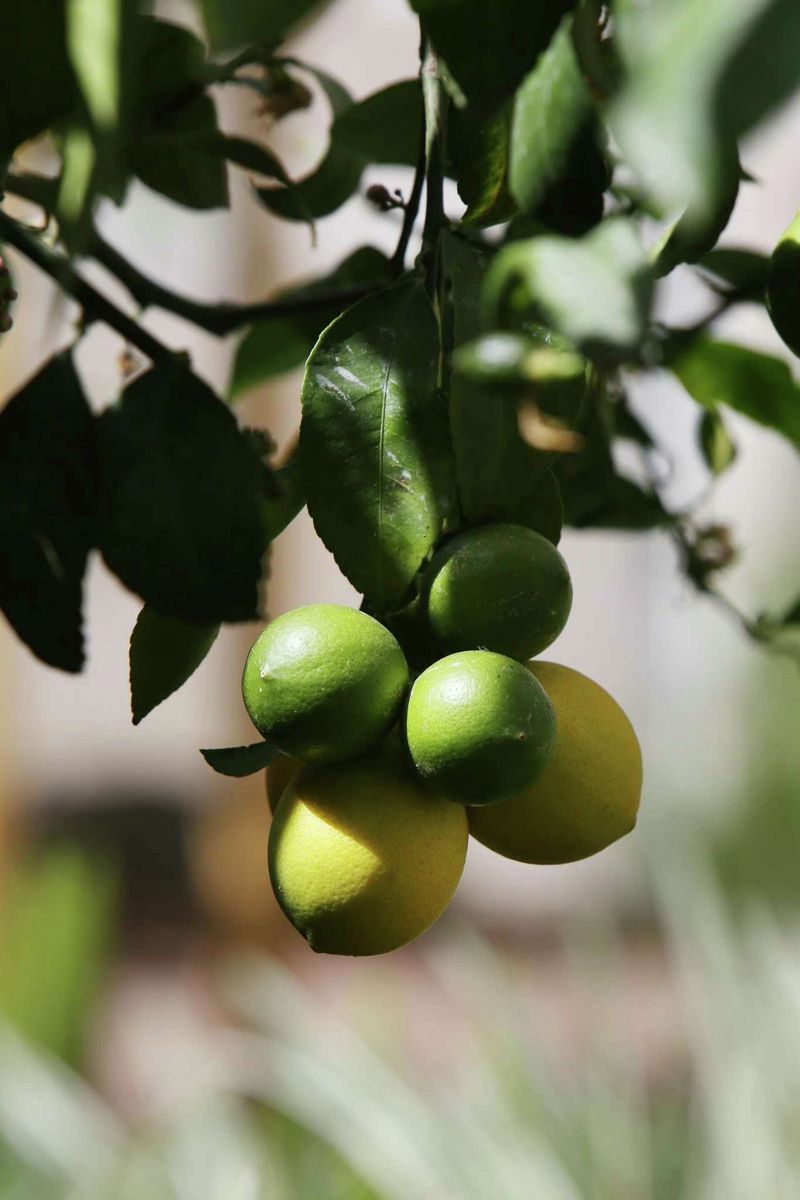
Oranges, lemons, and grapefruits thrive in South Texas’s mild climate, but attempting them in North Texas invites heartbreak when winter freezes arrive.
Citrus trees tolerate brief dips to around 28 degrees, but prolonged freezes or temperatures in the low twenties cause severe damage or complete loss of the tree.
North Texas experiences hard freezes most winters, making in-ground citrus cultivation essentially impossible without extraordinary protective measures.
Gardeners wrap trees in blankets, string lights through branches for heat, or build elaborate structures to shield their citrus, but these efforts often fail during particularly harsh cold snaps.
One brutal winter can erase years of growth and care in a single night.
Container-grown citrus offers a workaround, allowing gardeners to move trees indoors during freezes, but this approach has limitations.
The trees need bright light year-round, and most homes don’t provide enough natural sunlight during winter months.
Citrus moved indoors often becomes stressed, drops leaves, and attracts spider mites that spread to other houseplants.
Moving large containers in and out repeatedly becomes physically demanding as trees mature.
Satsuma mandarins and kumquats tolerate cold better than other citrus types, surviving brief freezes that would devastate oranges or lemons, but even these hardy varieties struggle in North Texas winters.
Gardeners in Dallas, Fort Worth, and points north should focus on truly cold-hardy fruits instead of battling to keep tropical citrus alive.
10. Banana Plants
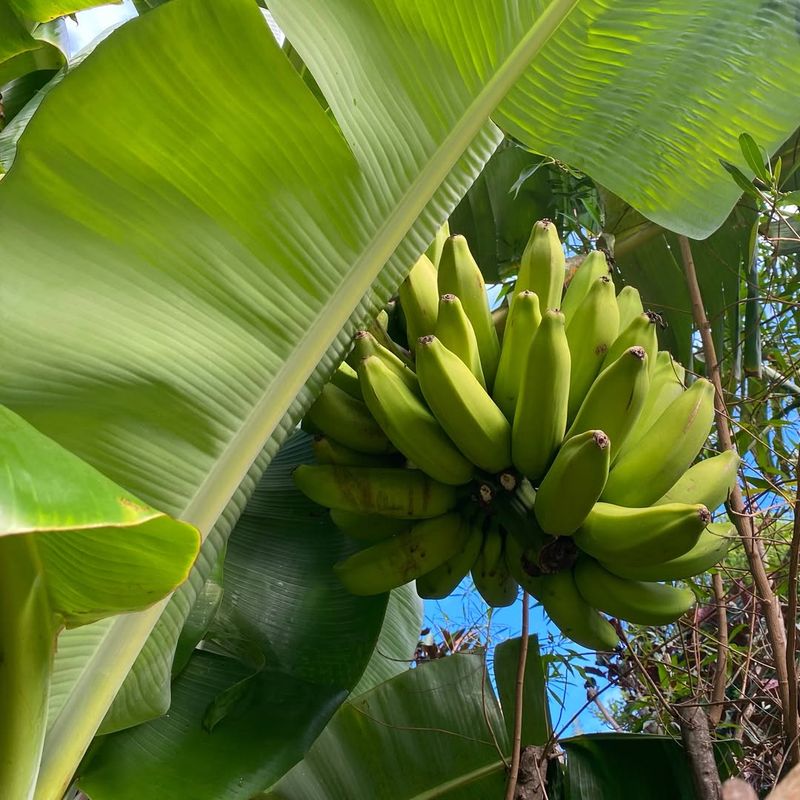
Tropical and dramatic, banana plants add exotic flair to Texas landscapes, but producing actual edible bananas requires conditions most of the state cannot reliably provide.
Bananas need nine to twelve months of frost-free weather to grow, flower, and ripen fruit, a timeline that North and Central Texas’s winters interrupt every single year.
Freezing temperatures turn banana leaves to mush and damage or eliminate the pseudostem (the trunk-like structure), forcing the plant to start over from underground rhizomes each spring.
This annual freeze-back means the plant never matures enough to produce fruit before cold weather strikes again.
You’ll get lush tropical foliage during summer, but no bananas.
Even in South Texas’s mildest areas, banana cultivation remains challenging.
The plants need consistent moisture, protection from strong winds that shred their large leaves, and rich soil with regular fertilization.
They’re heavy feeders, requiring more nutrients than most fruit plants.
Banana plants also spread aggressively through underground runners, potentially taking over more garden space than you intended.
Cold-hardy varieties like Musa basjoo survive Texas winters better, but they rarely produce edible fruit, functioning mainly as ornamental plants.
The few bananas that do develop often remain small and never properly ripen.
Gardeners seeking tropical fruits should consider papayas or passion fruit instead, both of which produce reliably in South Texas while tolerating the state’s climate far better than bananas.