9 Fruit Trees That Stay Small But Provide Texas Gardeners With Big Harvests
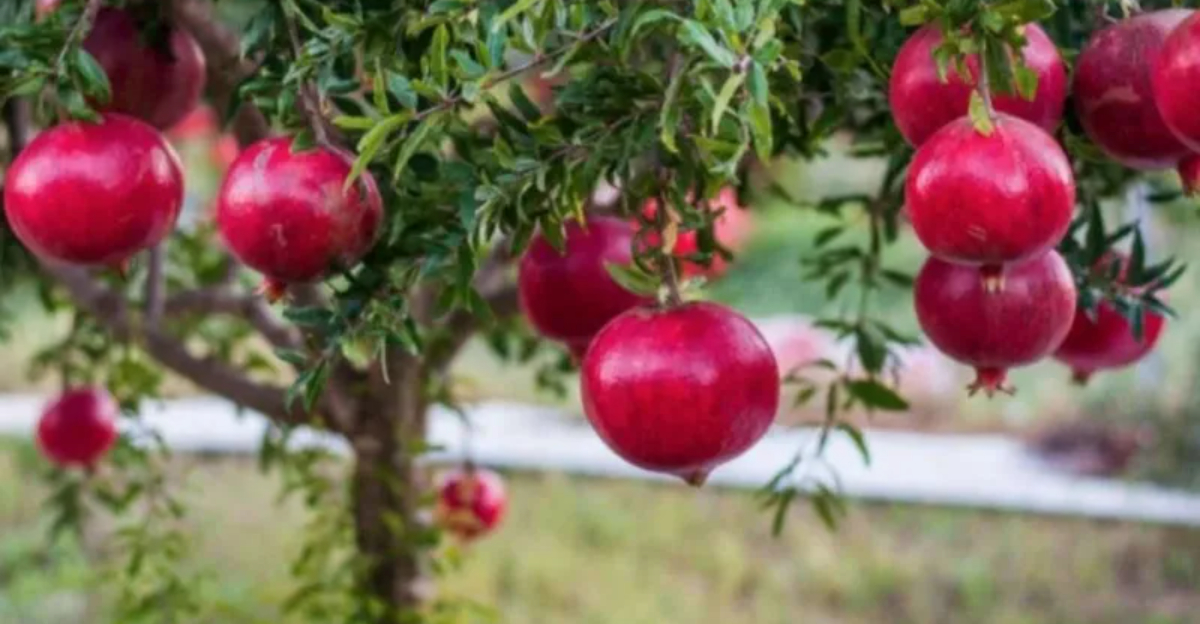
Big harvest dreams do not always require big trees, especially in Texas gardens where space can be tight.
Across backyards large and small, smart growers are turning to fruit trees that stay compact but work overtime.
For Texas gardeners, fruit trees that stay small but provide big harvests feel like having the best of both worlds.
In hot climates where every inch and drop of water counts, smaller trees often outperform their larger cousins.
Surprisingly, fruit trees that stay small but provide Texas gardeners with big harvests are easier to care for and quicker to reward.
Limited space no longer means settling for slim pickings when the right varieties are chosen.
With proper selection, fruit trees that stay small but provide big harvests can fit patios, side yards, and even containers.
Busy homeowners appreciate trees that do not need ladders, heavy pruning, or constant fussing.
Strong yields from compact trees prove that size is not the whole story when it comes to fruit production.
Better airflow, easier pest control, and faster ripening all tip the scales in favor of smaller trees.
Many Texas gardeners discover fruit trees that stay small but provide big harvests outperform expectations year after year.
Choosing wisely turns modest garden space into a steady source of fresh fruit.
Smart planting decisions today can lead to baskets of fruit tomorrow without overwhelming the yard.
1. Dwarf Peach Trees

Peaches are practically synonymous with Texas summers, and dwarf varieties let you enjoy this beloved fruit without needing a massive yard.
Most dwarf peach trees grow between 4 and 6 feet tall, making them perfect for smaller gardens or even large containers on a sunny patio.
Popular varieties like Bonanza and El Dorado thrive across Texas, producing full-sized, juicy peaches that taste just as good as those from standard trees.
These compact trees typically start bearing fruit within just two to three years of planting, which means you won’t wait forever to enjoy your first harvest.
Texas gardeners should choose varieties with appropriate chill hours for their region, as different parts of the state experience varying winter temperatures.
Low-chill varieties work best in South Texas, while Central and North Texas can support peaches needing more winter cold.
Dwarf peach trees need full sun exposure for at least six to eight hours daily and well-draining soil to prevent root problems.
Regular watering during fruit development keeps peaches plump and flavorful, especially during the intense Texas summer heat.
Pruning in late winter helps maintain the tree’s compact shape while encouraging better fruit production.
With proper care, a single dwarf peach tree can produce 20 to 40 pounds of fruit each season, providing plenty of fresh peaches for eating, baking, and preserving throughout the summer months.
2. Compact Fig Trees
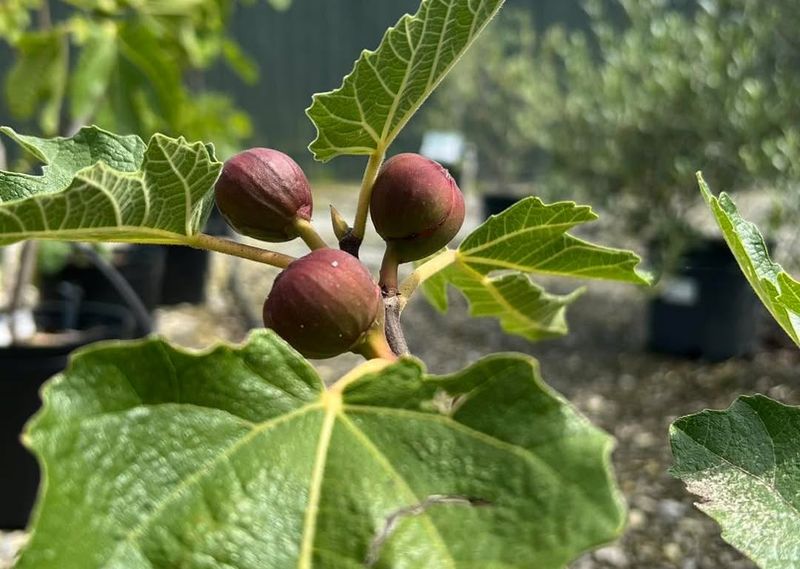
Figs have been growing successfully in Texas for generations, and compact varieties make it even easier to enjoy these sweet, honey-like fruits.
Varieties such as Celeste, also called the Sugar Fig, naturally stay smaller than other types, typically reaching 6 to 10 feet in height with minimal pruning.
Texas Brown Turkey is another excellent choice that produces abundantly while maintaining a manageable size perfect for home gardens across the state.
These trees adapt remarkably well to Texas conditions, tolerating both heat and occasional drought once established.
Fig trees produce two crops in many Texas regions, with an early summer harvest followed by a larger fall crop that can last into November.
The trees require minimal pest management compared to other fruit trees, and deer tend to leave them alone, which is a bonus for rural Texas gardeners.
Figs grow best in well-draining soil and full sun, though they can tolerate some afternoon shade in the hottest parts of Texas.
Container growing works wonderfully for figs, allowing gardeners to move trees to protected locations during rare freezes.
Fresh figs taste incredibly different from store-bought versions, with a complex sweetness that makes them perfect for eating fresh, drying, or making preserves.
A single compact fig tree can easily produce 50 to 100 figs per season, providing abundant harvests from a remarkably small footprint.
3. Miniature Apple Trees
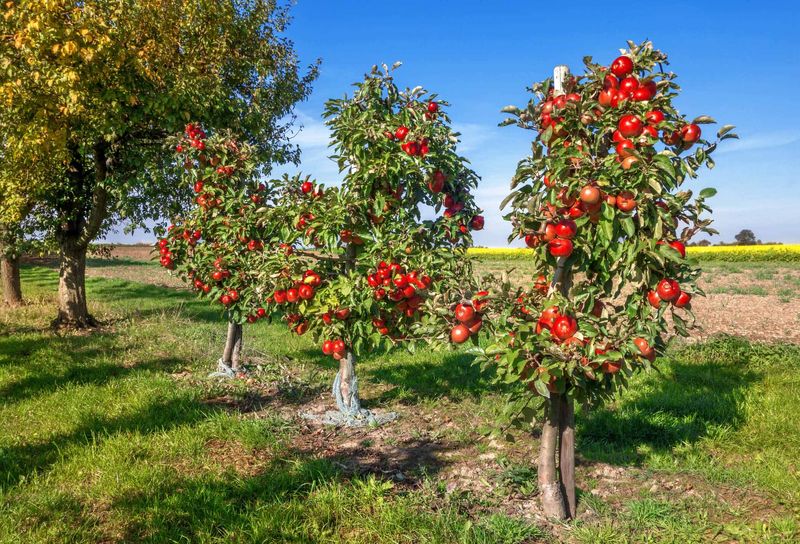
Apples might seem like a northern crop, but specially selected varieties grow beautifully in many parts of Texas when grafted onto dwarfing rootstock.
Dwarf apple trees typically reach just 6 to 8 feet tall, making them accessible for easy harvesting and maintenance throughout the growing season.
Anna and Dorsett Golden are low-chill varieties that perform exceptionally well in Texas, producing crisp, flavorful apples even in regions with mild winters.
These trees need a pollination partner, so Texas gardeners should plant at least two compatible varieties within 50 feet of each other for successful fruit set.
The compact size makes it feasible to plant multiple varieties in a small space, ensuring good pollination while extending your harvest season.
Apple trees prefer slightly acidic soil, so Texas gardeners with alkaline soil may need to amend their planting area with sulfur or peat moss.
Consistent watering during fruit development prevents stress that can cause fruit drop, particularly during the hot Texas summers.
North and Central Texas provide the best growing conditions for apples, though some low-chill varieties succeed even in warmer regions.
Thinning fruit when they’re small ensures the remaining apples grow larger and develop better flavor.
A well-maintained dwarf apple tree can produce 30 to 50 pounds of fruit annually, giving Texas families plenty of fresh apples for snacking, cooking, and baking throughout the fall.
4. Dwarf Citrus Trees
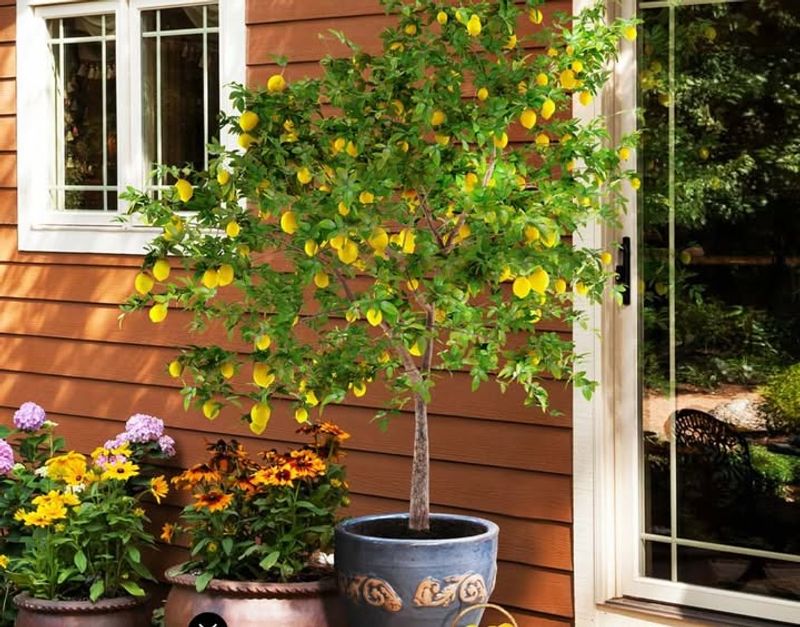
Nothing brightens a Texas winter like fresh citrus picked from your own tree, and dwarf varieties make this possible even in areas with occasional freezes.
Improved Meyer Lemon, Calamondin Orange, and Satsuma Mandarin all stay naturally compact, usually growing 4 to 6 feet tall when planted in the ground or containers.
These evergreen trees provide year-round beauty with fragrant blossoms and glossy leaves, while producing fruit during the cooler months when other trees are dormant.
South Texas and coastal regions offer ideal conditions for citrus, but gardeners in Central and North Texas can succeed by growing them in containers and protecting them during freezes.
Citrus trees need well-draining, slightly acidic soil and benefit from regular feeding with fertilizers formulated specifically for citrus throughout the growing season.
Container-grown citrus allows flexibility, letting you move trees to sunny spots in summer and sheltered locations when temperatures drop below freezing.
Most dwarf citrus varieties are self-pollinating, so you only need one tree to get fruit, though having multiple types extends your harvest.
Regular watering keeps citrus trees healthy, but avoid overwatering, which can cause root rot in Texas clay soils.
A single dwarf citrus tree can produce 20 to 50 fruits annually, providing fresh juice, zest, and whole fruit for cooking throughout the winter months when store-bought citrus peaks in price.
5. Compact Pear Trees

Pears adapt surprisingly well to Texas conditions, and dwarf varieties deliver excellent harvests without the massive size of standard pear trees.
Dwarf pear trees generally reach 8 to 10 feet tall, staying much more manageable than their standard counterparts that can tower over 20 feet.
Kieffer and Orient are fire blight-resistant varieties that perform exceptionally well across Texas, producing crisp pears perfect for fresh eating and canning.
These Asian pear hybrids tolerate Texas heat better than European varieties while resisting the diseases that plague other pear types in humid climates.
Like apples, pears need cross-pollination from another compatible variety planted nearby for successful fruit production.
The good news is that most pear varieties bloom around the same time, making it easy to find compatible partners.
Pears require full sun and well-draining soil, though they’re more tolerant of clay soil than many other fruit trees, which works well for Texas gardeners.
Central and North Texas provide excellent growing conditions for pears, while South Texas gardeners should choose low-chill varieties for best results.
Harvesting pears before they fully ripen on the tree, then letting them ripen indoors, results in better texture and flavor.
A single dwarf pear tree can produce 50 to 80 pounds of fruit each year, supplying Texas families with fresh pears from late summer through fall for eating fresh, baking, and preserving.
6. Small Pomegranate Trees
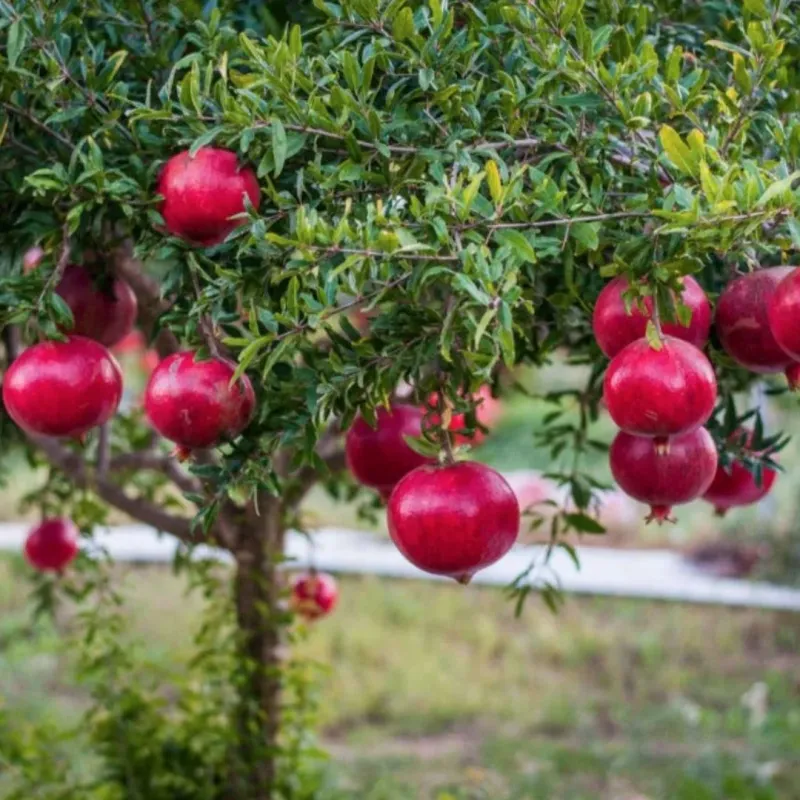
Pomegranates thrive in Texas heat and drought conditions, making them one of the easiest and most rewarding compact fruit trees for the state.
Most pomegranate varieties naturally stay relatively small, growing 6 to 10 feet tall, with some dwarf selections staying even more compact.
Wonderful is the most popular variety in Texas, producing large, deep red fruits filled with sweet-tart arils that taste far superior to anything found in grocery stores.
These trees tolerate alkaline soil better than most fruit trees, which is perfect for much of Texas where high pH soil is common.
Pomegranates need minimal water once established, making them ideal for water-conscious Texas gardeners facing drought restrictions.
The trees produce gorgeous orange-red flowers in spring before developing their distinctive round fruits that ripen in fall.
Full sun exposure brings out the best fruit production and sweetest flavor in the arils inside.
Central and South Texas provide ideal growing conditions, though pomegranates also succeed in protected areas of North Texas with some winter protection.
These trees rarely suffer from serious pest problems, reducing the need for chemical treatments throughout the growing season.
Pomegranates can be grown in large containers, making them suitable for patios and small urban spaces across Texas.
A mature compact pomegranate tree produces 20 to 30 fruits annually, providing plenty of fresh arils for eating, juicing, and adding to salads throughout the autumn months.
7. Dwarf Cherry Trees
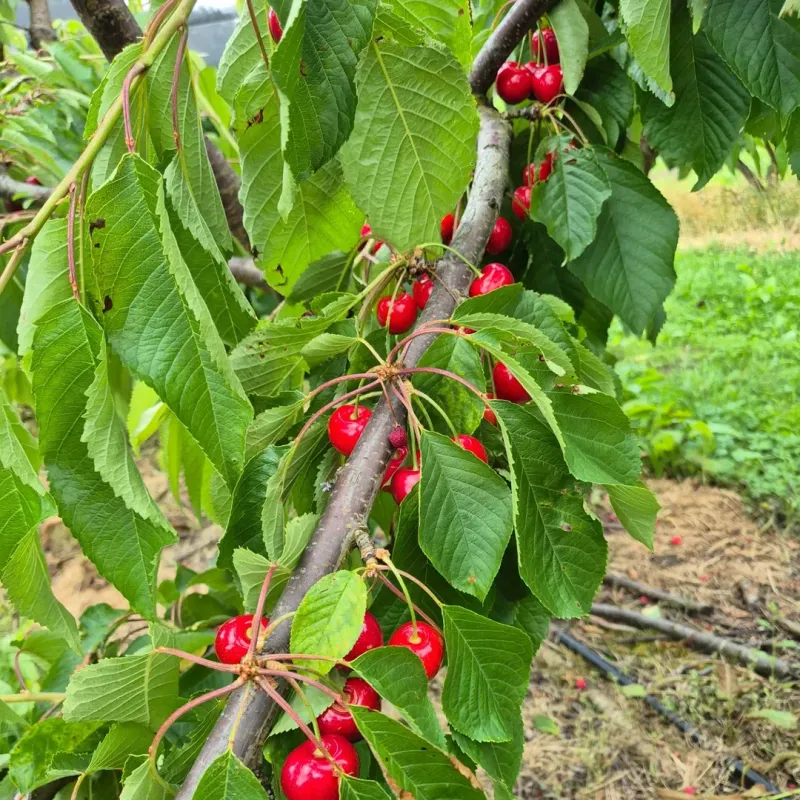
Cherries can be challenging in Texas, but dwarf varieties of specific types succeed in the right regions, rewarding gardeners with delicious summer fruit.
Dwarf cherry trees stay between 8 and 10 feet tall, making them accessible for netting against birds and harvesting without tall ladders.
Montmorency, a tart cherry variety, performs better in Texas than sweet cherries, producing abundant fruit perfect for pies, jams, and preserves.
North Texas and the Panhandle offer the best conditions for cherries, providing the winter chill hours these trees need to set fruit properly.
Tart cherries are self-pollinating, so you only need one tree to get fruit, unlike sweet cherries that require multiple varieties.
Good air circulation around cherry trees helps prevent fungal diseases that can develop during humid Texas springs.
Well-draining soil is absolutely essential, as cherries cannot tolerate wet feet and will develop root problems in heavy clay.
Cherry trees bloom early in spring, making them vulnerable to late freezes that can damage blossoms and reduce fruit set.
Planting in slightly elevated areas where cold air drains away helps protect those precious blooms.
Birds absolutely love cherries, so covering trees with netting as fruit ripens protects your harvest from feathered thieves.
A healthy dwarf cherry tree can produce 15 to 25 pounds of tart cherries each summer, providing enough fruit for baking, preserving, and making homemade cherry juice for Texas families.
8. Compact Plum Trees
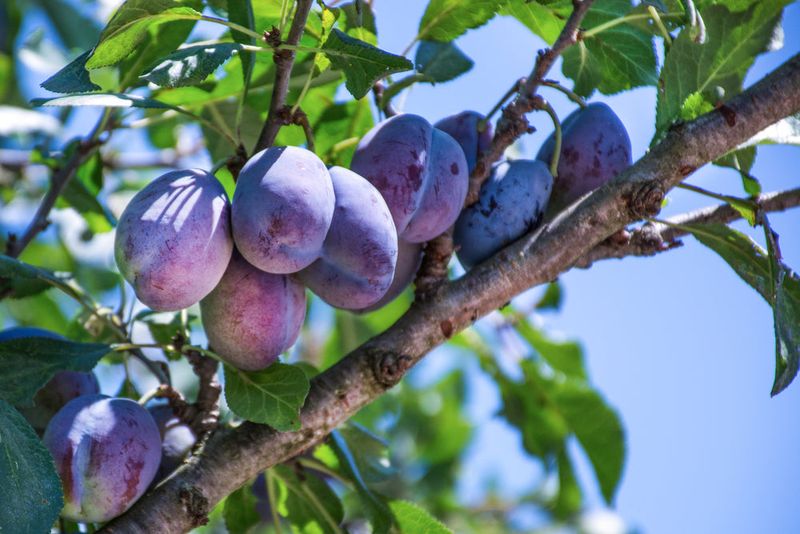
Plums grow beautifully across Texas, and dwarf varieties pack tremendous fruit production into a space-saving package perfect for home gardens.
Dwarf plum trees typically reach 8 to 10 feet tall, staying manageable while producing full-sized, juicy plums in various colors and flavors.
Methley and Bruce are two excellent varieties for Texas, offering low chill requirements and good disease resistance suited to the state’s climate.
These Japanese plum types tolerate heat and humidity better than European plums, making them the best choice for most Texas regions.
Plum trees bloom gorgeously in early spring, covering themselves with white or pink flowers before leafing out fully.
Most varieties benefit from cross-pollination with another plum variety, resulting in heavier fruit set and larger plums.
Planting at least two compatible varieties ensures successful pollination and maximizes your harvest potential.
Plums need full sun and well-draining soil, though they adapt to various soil types found across Texas better than many fruit trees.
Thinning fruit when they’re marble-sized allows remaining plums to grow larger and develop sweeter flavor.
Regular watering during fruit development prevents stress that can cause premature fruit drop during hot Texas summers.
A well-cared-for dwarf plum tree can produce 40 to 60 pounds of fruit each year, providing Texas families fresh plums for eating, baking, and making delicious jams from early summer harvests.
9. Miniature Mulberry Trees
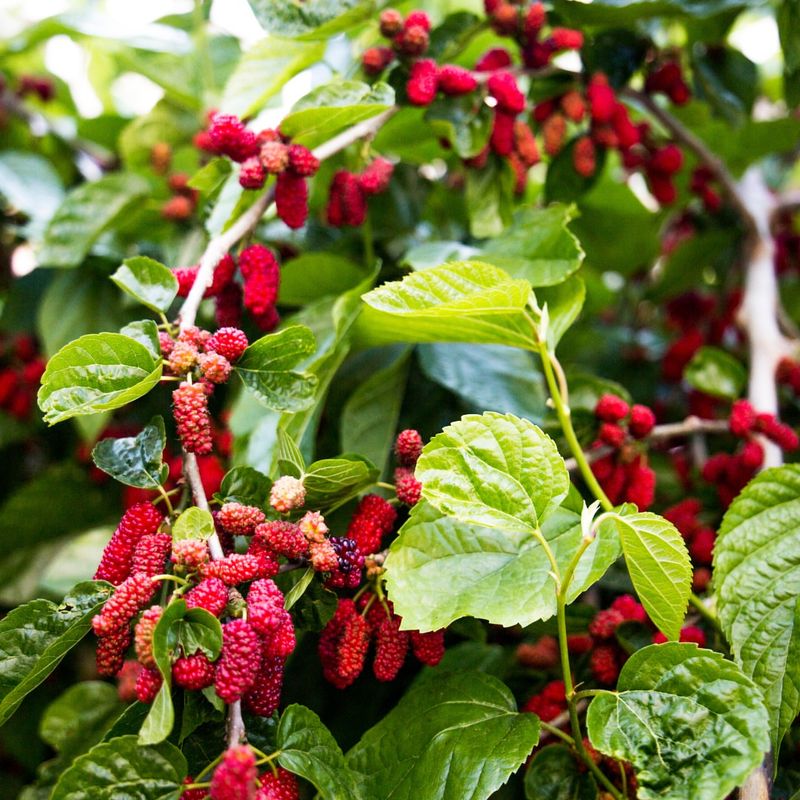
Mulberries are often overlooked, but dwarf varieties produce incredible amounts of sweet berries while staying small enough for any Texas garden.
Dwarf mulberry trees reach just 6 to 8 feet tall, making them one of the most compact fruit trees available for Texas gardeners.
Varieties like Dwarf Everbearing produce berries continuously throughout summer, providing fresh fruit for weeks rather than a single short harvest.
These trees tolerate Texas heat, drought, and poor soil better than almost any other fruit tree, making them virtually foolproof for beginners.
Mulberries are self-pollinating, so one tree provides plenty of fruit without needing additional varieties for cross-pollination.
The berries taste like a combination of blackberries and raspberries, with a sweet flavor that kids and adults both enjoy fresh or in recipes.
Birds love mulberries too, but the abundant production means there’s usually enough fruit to share with wildlife while still harvesting plenty for yourself.
These trees grow successfully in all regions of Texas, from the humid east to the dry west, adapting to whatever conditions you provide.
Mulberries need minimal care once established, requiring little pruning, fertilizing, or pest management compared to other fruit trees.
Container growing works well for mulberries, allowing apartment dwellers and those with limited space to enjoy fresh berries.
A single dwarf mulberry tree can produce several quarts of berries each week during peak season, giving Texas families fresh fruit for eating, smoothies, and baking throughout the entire summer.