10 Fruit Trees Virginia Gardeners Should Avoid Planting Altogether
Fruit trees sound like a win-win—fresh harvests and backyard beauty—but in Virginia, not every variety is worth the trouble.
Some fruit trees struggle against the state’s humidity, soil conditions, and pest pressure, turning hopeful plantings into ongoing headaches.
Certain trees are especially prone to disease, invasive pests, or structural failure, requiring constant spraying or removal before they ever produce usable fruit.
Others grow aggressively, crowding nearby plants and creating maintenance problems that far outweigh the payoff.
Virginia gardeners who choose wisely save time, money, and frustration.
Knowing which fruit trees to avoid altogether helps ensure your garden works with the climate instead of fighting it.
Sometimes, the smartest planting decision is knowing when not to dig a hole.
1. Bradford Pear (Pyrus Calleryana)
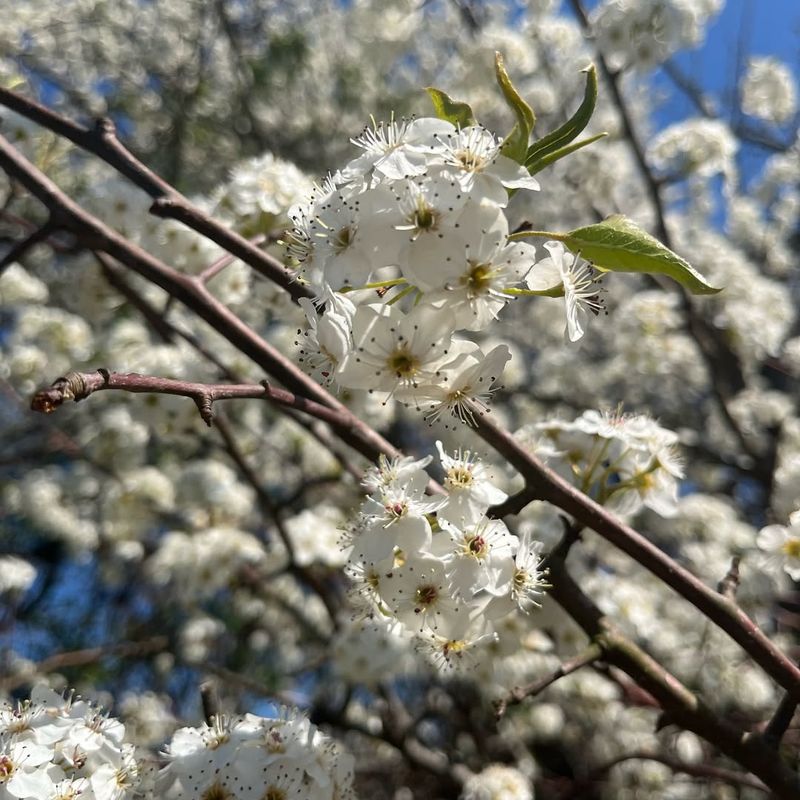
Virginia has actually banned the sale of Bradford pear trees, and for excellent reasons that every gardener should understand.
This ornamental tree produces small, hard fruits that spread aggressively through bird droppings, creating thickets that choke out native plants.
The ecological damage extends far beyond your property line, transforming natural areas into Bradford pear monocultures.
Structural weakness makes these trees dangerous liabilities during storms and high winds.
Branches grow at narrow angles, creating weak joints that split apart as the tree matures.
One ice storm or strong windstorm can reduce a mature Bradford pear to a pile of splintered wood.
Property damage from falling limbs is common, and the cleanup costs add up quickly.
The small fruits attract wildlife but offer little nutritional value compared to native options.
Meanwhile, the dense thickets created by escaped seedlings displace valuable native species that support local ecosystems.
Replacing existing Bradford pears with native flowering trees like serviceberry or redbud gives you beautiful spring blooms without the invasive nightmare.
Virginia gardeners who respect their landscape and community should absolutely avoid planting this problematic species.
2. White Mulberry (Morus Alba)

Imported from Asia centuries ago for silkworm production, white mulberry has become a persistent problem across Virginia.
This aggressive spreader hybridizes freely with our native red mulberry, threatening the genetic integrity of the native species.
Cross-pollination creates hybrid offspring that dilute the pure native populations, potentially erasing the red mulberry from local ecosystems.
Allergy sufferers face misery when white mulberries release massive amounts of pollen each spring.
The windborne pollen triggers sneezing, itchy eyes, and respiratory discomfort for sensitive individuals throughout the neighborhood.
Fruit production creates another set of problems that frustrate homeowners and neighbors alike.
Berries drop constantly during ripening season, staining driveways, sidewalks, patios, and anything else underneath the canopy.
Purple stains become permanent fixtures on concrete surfaces, and foot traffic tracks the mess indoors.
Birds feast on the berries, then spread seeds everywhere through their droppings, creating unwanted seedlings throughout your landscape.
Native red mulberry offers similar fruit without the invasive behavior and hybridization concerns.
Choosing native alternatives protects Virginia’s ecological heritage while still providing wildlife value and edible berries for your enjoyment.
3. Autumn Olive (Elaeagnus Umbellata)
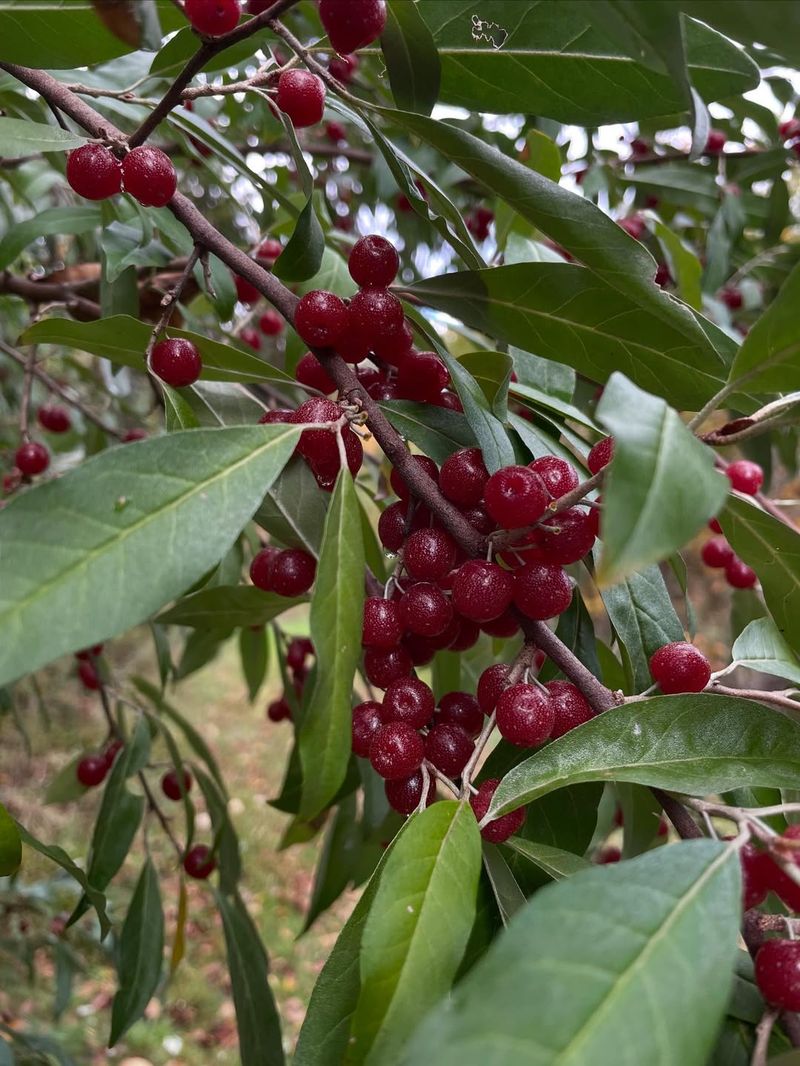
Autumn olive arrived in North America as a supposed solution for wildlife habitat and erosion control.
Instead, this Asian import has become one of Virginia’s most aggressive invasive plants, transforming diverse ecosystems into single-species thickets.
The silvery-leaved shrub produces abundant small red berries that birds eagerly consume and distribute far and wide.
Each berry contains a seed that germinates readily, creating dense stands that exclude native vegetation.
Forest edges, old fields, and disturbed areas become dominated by autumn olive within just a few years.
Nitrogen-fixing root nodules give this invader an unfair advantage over native plants that must compete for soil nutrients.
By enriching the soil, autumn olive actually changes the habitat conditions, making it even harder for natives to reclaim their territory.
Controlling established autumn olive requires persistent effort over multiple years, involving repeated cutting and herbicide applications.
Virginia gardeners who plant this species unknowingly become part of the invasion problem, spreading seeds into natural areas beyond their property.
Native alternatives like serviceberry, elderberry, or wild plum provide excellent wildlife value without the ecological destruction.
Protecting Virginia’s natural heritage means refusing to plant autumn olive, no matter how attractive those silver leaves might appear.
4. Russian Olive (Elaeagnus Angustifolia)
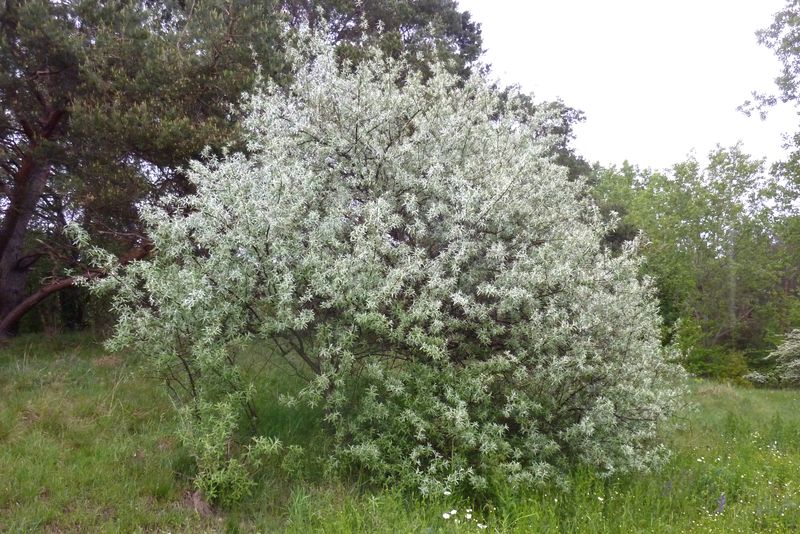
Russian olive shares many problematic traits with its cousin autumn olive, but grows larger and causes different ecological damage.
This medium-sized tree alters soil chemistry through nitrogen fixation, fundamentally changing habitat conditions wherever it establishes itself.
Riparian areas along streams and rivers become particularly vulnerable to Russian olive invasion.
Dense thickets replace native willows, sycamores, and other streamside vegetation that provides superior wildlife habitat and erosion control.
The altered soil conditions persist even after removal, making restoration of native plant communities extremely challenging.
Sharp thorns on Russian olive branches create additional problems for wildlife and humans alike.
Animals seeking shelter or food can become injured, while property owners face painful encounters during maintenance activities.
Birds spread the olive-like fruits widely, creating new infestations in natural areas far from the original planting site.
Water usage increases in areas dominated by Russian olive, potentially affecting stream flows during dry periods.
Virginia’s native trees offer better solutions for every landscape situation where someone might consider Russian olive.
Rivers, streams, and wetland edges deserve protection from this aggressive invader that diminishes ecological value while creating management headaches.
Responsible gardeners choose native species that enhance rather than degrade Virginia’s precious water resources and riparian habitats.
5. Asian Persimmon (Diospyros Kaki)
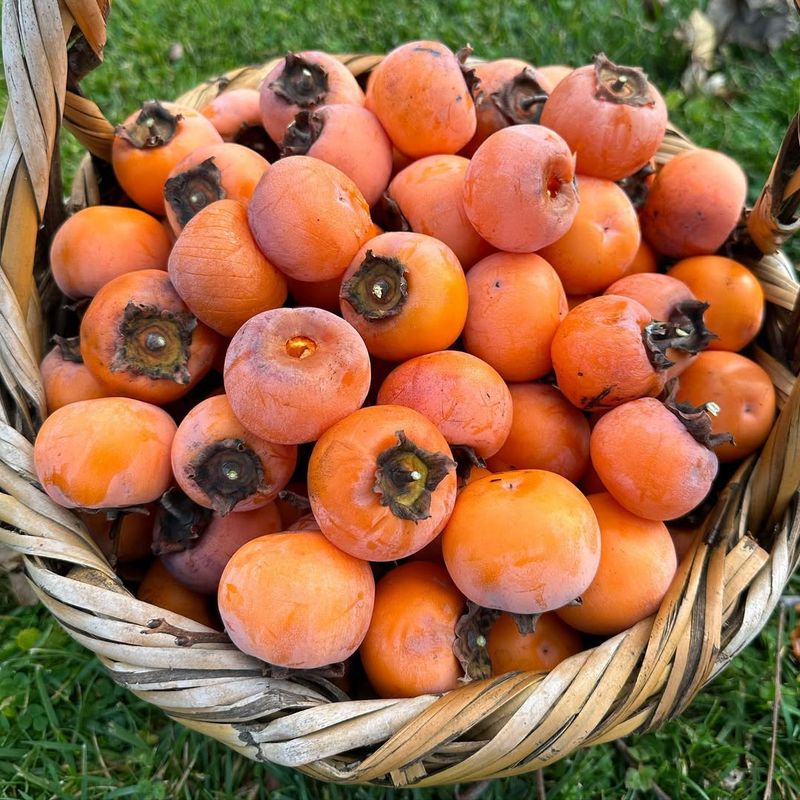
Those gorgeous orange Asian persimmons you see in grocery stores come from trees poorly suited to Virginia’s unpredictable winters.
Cold damage strikes frequently, especially during late spring freezes that catch new growth after a warm spell tricks the tree into breaking dormancy.
Branch dieback and trunk splitting occur when temperatures plunge unexpectedly, leaving you with damaged trees that struggle to recover.
Fruit production becomes inconsistent even in years when the tree survives winter unscathed.
Premature fruit drop frustrates gardeners who watch developing persimmons fall to the ground before ripening properly.
Pest pressure adds another layer of difficulty that makes Asian persimmons high-maintenance choices for Virginia landscapes.
Native American persimmon thrives throughout Virginia without any of these problems, offering delicious fruit from trees perfectly adapted to local conditions.
The smaller native fruits pack incredible flavor that many people prefer over the larger Asian varieties.
Wildlife absolutely adore American persimmons, making them valuable additions for anyone interested in supporting local ecosystems.
Trees tolerate poor soil, drought, and temperature extremes that would stress or eliminate Asian persimmons.
Why fight against Virginia’s climate when you can work with it by choosing native species?
Your garden will thank you with reliable harvests and healthy trees that require minimal intervention.
6. Sweet Cherry (Prunus Avium)
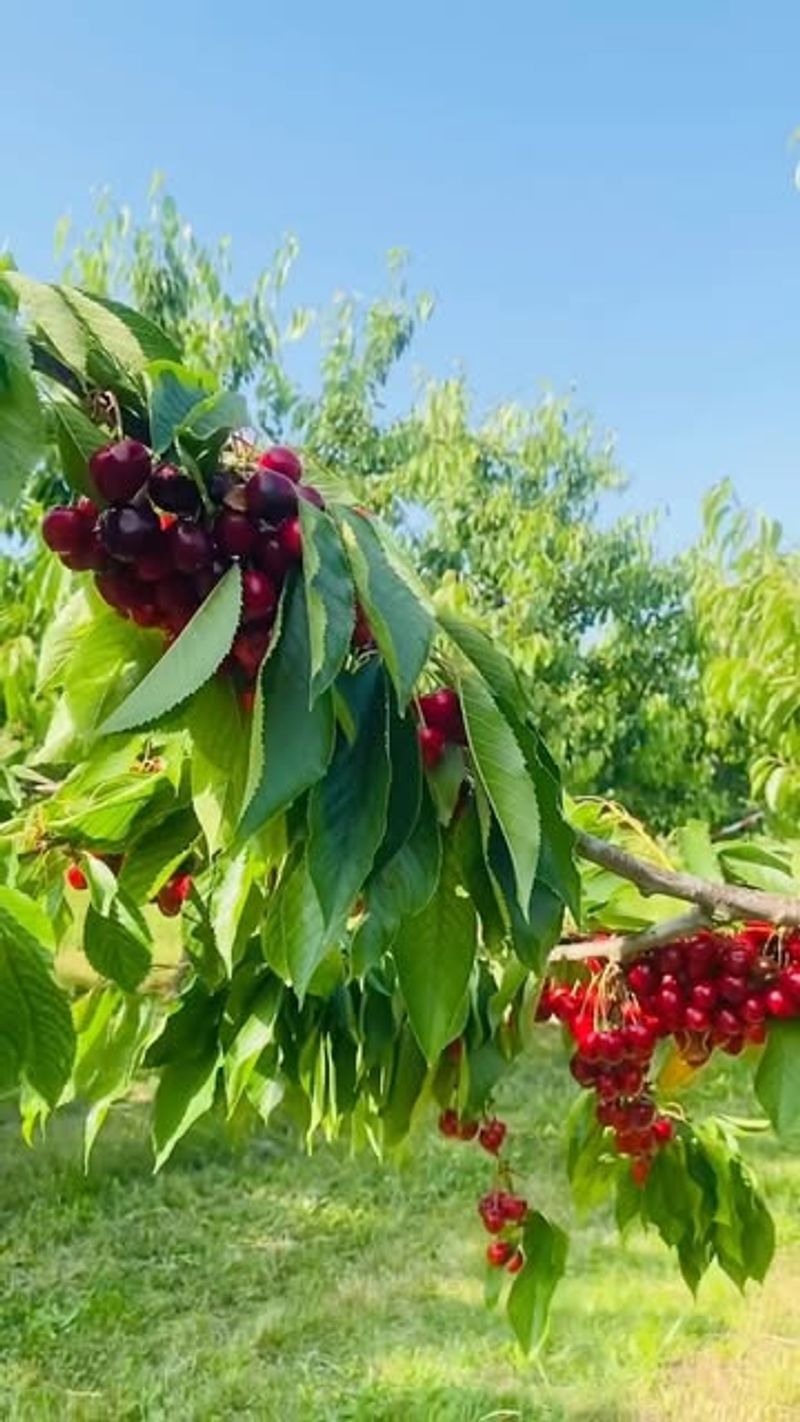
Sweet cherry trees belong in drier western climates, not in Virginia’s humid summers where fungal diseases run rampant.
Brown rot turns developing cherries into shriveled, moldy mummies that cling to branches and spread infection throughout the tree.
Cherry leaf spot causes defoliation that weakens trees and reduces future fruit production year after year.
Rain during ripening season creates another frustrating problem that ruins your harvest before you can pick it.
Fruit splitting occurs when cherries absorb moisture through their skins, causing the flesh to swell faster than the skin can stretch.
Cracked cherries become entry points for insects and disease organisms, turning your anticipated harvest into rotting waste.
Birds add insult to injury by devouring any cherries that manage to ripen without rotting or splitting first.
Netted trees look unsightly and require significant effort to install and maintain properly throughout the growing season.
Professional cherry orchards in Virginia require intensive spray programs that home gardeners rarely want to undertake.
Sour cherry varieties tolerate humidity better and resist diseases more effectively than their sweet cousins.
Virginia gardeners seeking cherry flavor should plant sour cherries for pies and preserves, or simply purchase sweet cherries from regions where they grow successfully.
Your time and garden space deserve better than the disappointment sweet cherries typically deliver.
7. Apricot (Prunus Armeniaca)
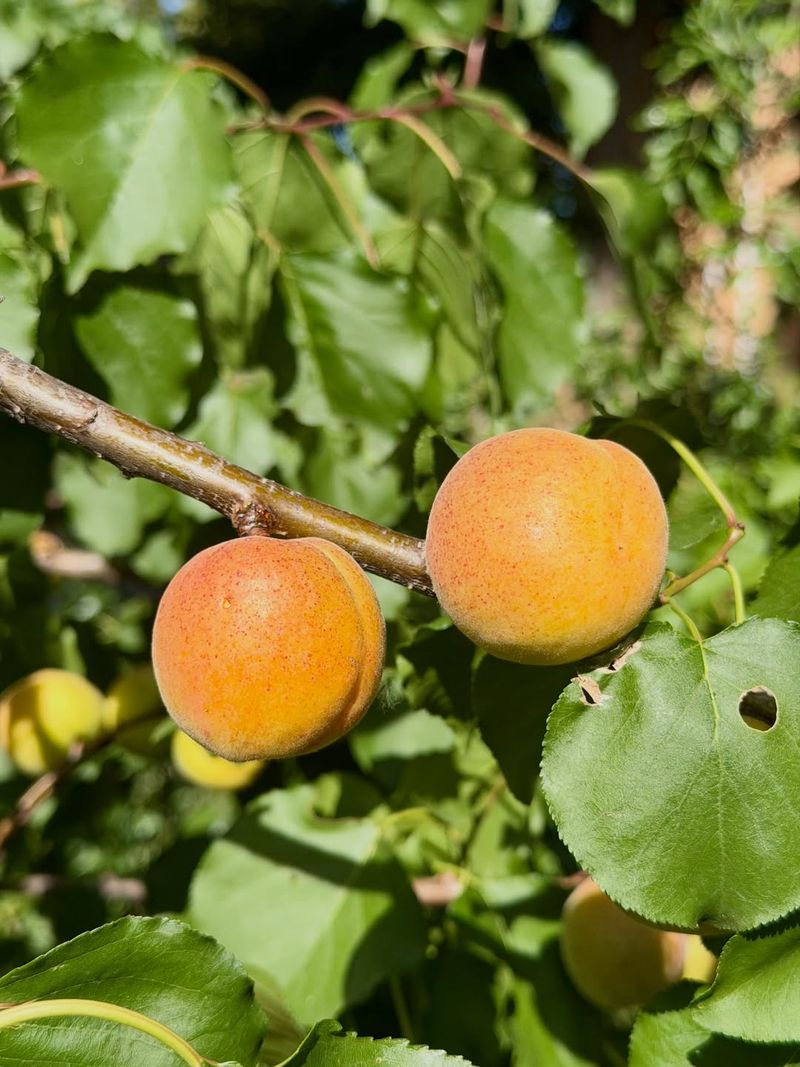
Apricot trees wake up too early for Virginia’s unpredictable spring weather, setting themselves up for heartbreak almost every year.
Gorgeous pink blossoms emerge during late winter warm spells, often in February or early March when freezing temperatures still lurk ahead.
A single frosty night after bloom eliminates your entire potential harvest, turning flower buds brown and destroying developing fruit.
This pattern repeats so frequently that most Virginia gardeners never harvest a significant apricot crop despite years of trying.
Even in rare years when late freezes spare the blossoms, other problems often prevent successful fruit production.
Brown rot fungus attacks developing fruits during Virginia’s humid spring weather, causing rot before apricots reach full size.
Plum curculio beetles scar fruits and deposit larvae inside, creating wormy apricots that drop prematurely from the tree.
The brief window between ripening and overripening makes harvest timing critical, but often coincides with vacation schedules or busy periods.
Overripe apricots attract wasps, fall to the ground, and create messy cleanup situations that nobody enjoys handling.
Gardeners seeking stone fruit success in Virginia should choose later-blooming species that avoid frost damage more reliably.
Pawpaw trees offer unique tropical-flavored fruit perfectly adapted to Virginia conditions, blooming late enough to escape spring freezes.
Work with your climate instead of against it for garden success.
8. European Plum (Prunus Domestica)
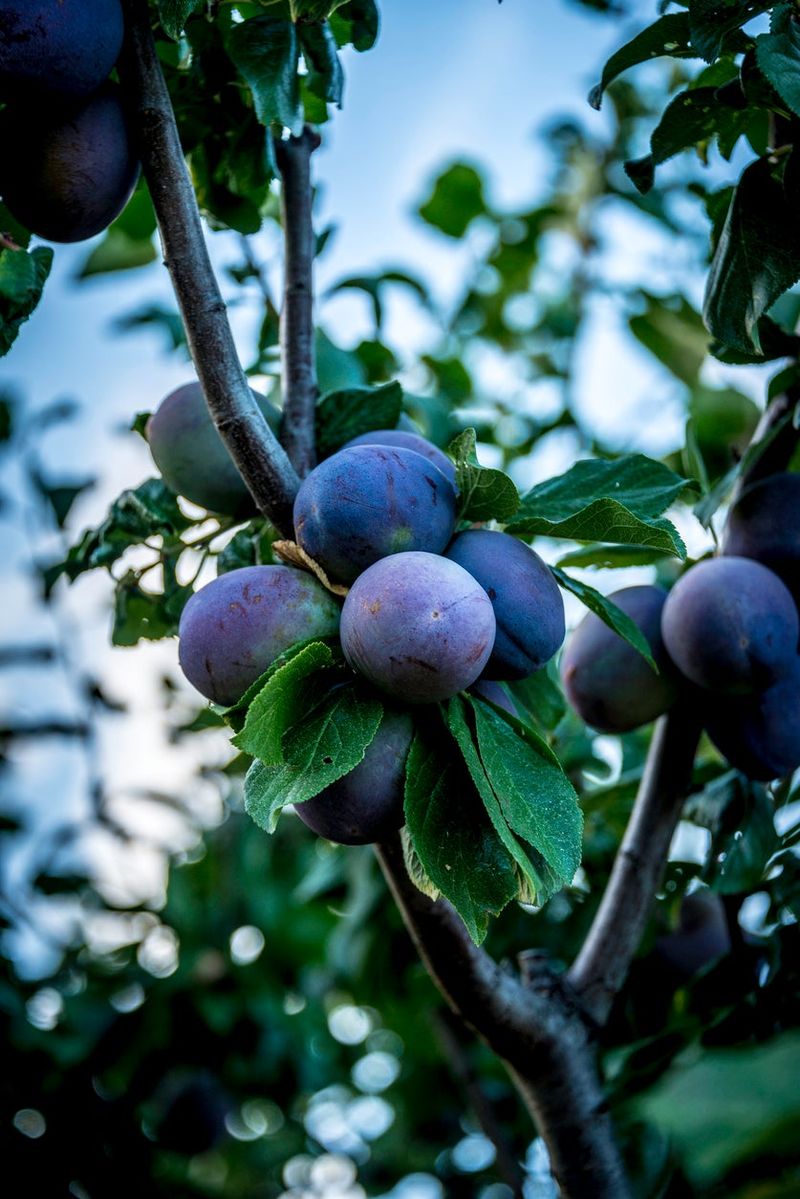
Black knot disease makes European plums a losing battle in Virginia’s humid climate where this fungus thrives.
Rough black swellings appear on branches, gradually girdling and destroying limbs as the infection spreads throughout the tree.
Spores release during wet weather, infecting new growth and creating additional knots that disfigure and weaken the entire plant.
Pruning out infected branches provides only temporary relief, as new infections appear faster than you can remove them.
Brown rot adds a second fungal problem that attacks flowers, shoots, and especially ripening fruits.
Plums turn brown and mushy seemingly overnight, with fuzzy gray spores covering the rotting flesh.
Mummified fruits remain attached through winter, harboring disease organisms that reinfect the tree next spring.
Plum curculio beetles create crescent-shaped scars on developing fruits while laying eggs inside the flesh.
Larvae tunnel through the fruit, causing premature drop and making harvested plums unappetizing discoveries when you bite into them.
Controlling these multiple problems requires frequent fungicide and insecticide applications that most home gardeners find impractical and undesirable.
Japanese plums and native American plums resist black knot much better while still providing delicious fruit for fresh eating and preserves.
Choosing disease-resistant alternatives saves you frustration while delivering the plum harvests that European varieties promise but rarely provide in Virginia.
9. Peach (Prunus Persica)
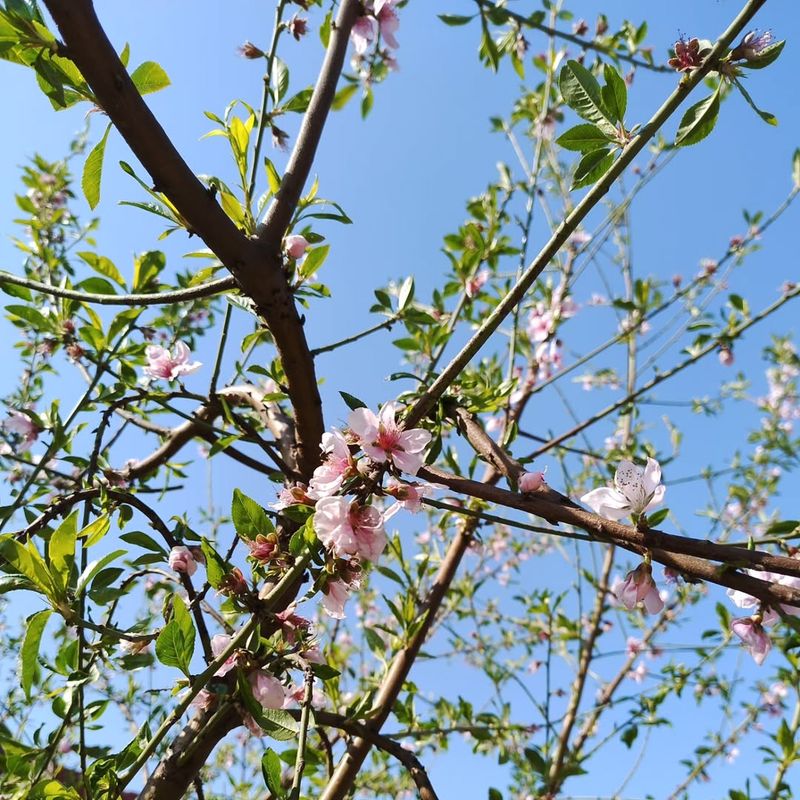
Commercial peach orchards spray their trees every week or two during the growing season, a reality that should give home gardeners pause.
Peach leaf curl strikes early each spring, causing leaves to pucker, thicken, and turn reddish before dropping from the tree.
Repeated defoliation weakens trees and reduces fruit production, requiring fungicide applications before buds even open in spring.
Peach tree borers tunnel into trunks near the soil line, girdling trees and often ending their lives after just a few years.
Virginia peach trees rarely survive more than a decade even with attentive care and pest management.
Brown rot fungus attacks ripening fruits during our humid summers, turning peaches into rotting, fuzzy messes on the tree.
Plum curculio beetles scar fruits and introduce larvae that make your harvest inedible and disgusting to discover.
Bacterial spot disease creates lesions on leaves and fruits, reducing both tree health and fruit quality throughout the season.
Managing all these problems requires knowledge, time, equipment, and a willingness to apply chemical sprays that many modern gardeners prefer to avoid.
Peaches from local orchards or farmers markets come from professionals who handle the intensive management these trees demand.
Virginia home gardeners achieve better results with lower-maintenance fruit trees that deliver harvests without constant intervention.
Focus your garden energy on species that reward your efforts instead of testing your patience and commitment.
10. Quince (Cydonia Oblonga)
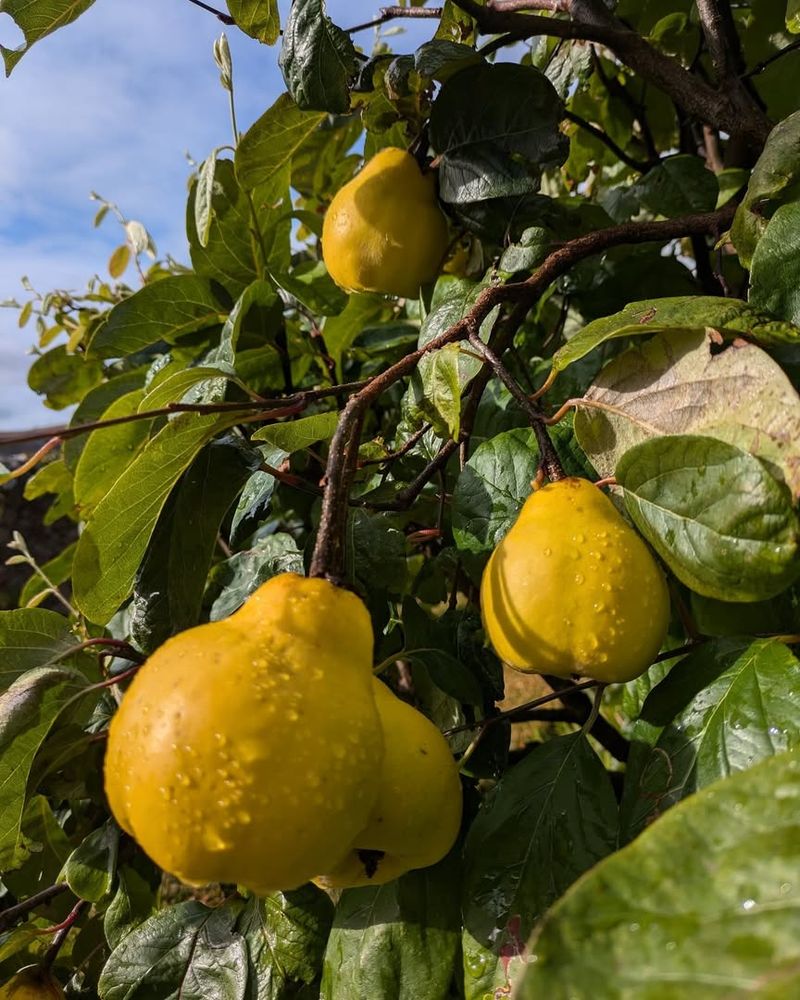
Fire blight devastates quince trees in Virginia’s humid climate, creating heartbreaking losses that repeat year after year.
This bacterial disease enters through blossoms during spring rains, then spreads rapidly through branches, turning them black as if scorched by flames.
Infected shoots curl into distinctive shepherd’s crooks before the entire branch succumbs to the advancing infection.
Pruning out diseased wood requires cutting well below visible symptoms, often removing substantial portions of the tree.
Sterilizing pruning tools between each cut prevents spreading bacteria, making the process tedious and time-consuming.
Despite your best efforts, fire blight often returns the following spring, gradually weakening and disfiguring the tree.
Fruit production suffers as the disease removes flowering branches before quinces can develop properly.
Even when fruits do form, humid conditions promote fungal diseases that blemish and rot the hard, aromatic quinces.
Quince requires cooking to become palatable anyway, limiting its appeal compared to fruits you can enjoy fresh from the tree.
The high maintenance requirements and frequent disease problems make quince a poor investment for Virginia gardens.
Other fruit trees offer better resistance to local diseases while providing harvests you can actually enjoy without constant worry.
Gardening should bring joy rather than frustration, so choose species that thrive in Virginia instead of those that constantly struggle against our climate.