10 Fruit Trees You Can Easily Grow In Containers In Texas
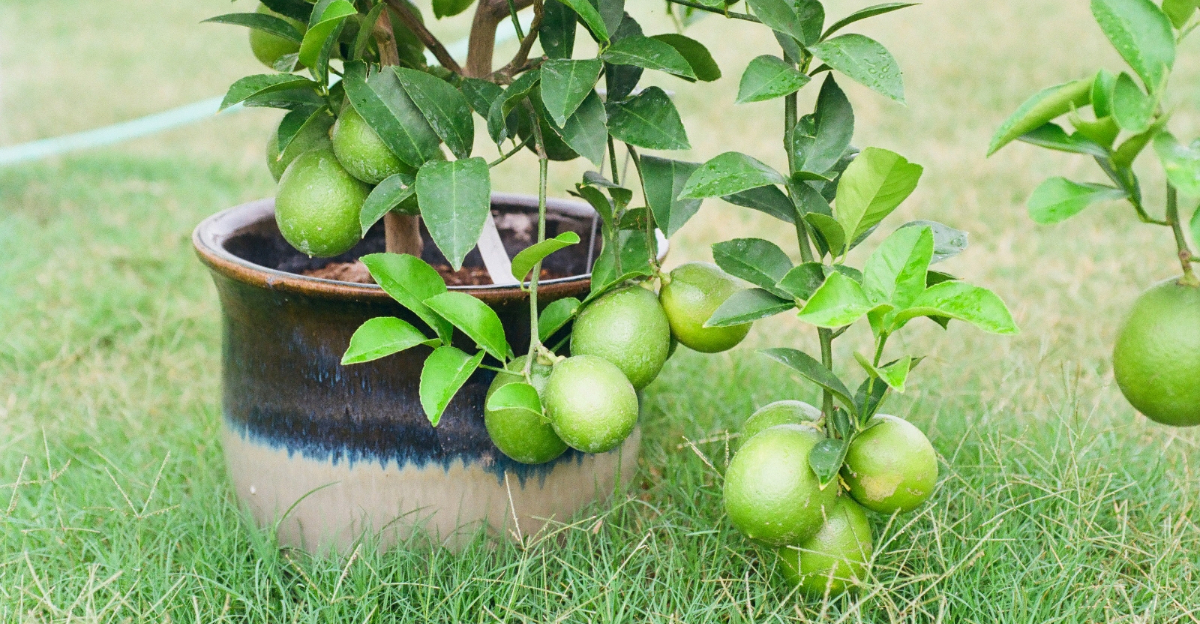
Container fruit trees are becoming a popular choice in Texas, especially when yard space feels limited or unpredictable.
Many homeowners want fresh fruit at home but hesitate because planting in the ground feels like a long-term commitment.
Growing fruit trees in containers changes that dynamic by giving you more control over placement, care, and movement.
This approach works especially well in Texas, where heat, soil differences, and sudden weather shifts can affect in-ground trees.
Some varieties adapt surprisingly well to pots, producing fruit while staying compact and manageable.
Others benefit from being moved out of extreme heat or cold when conditions change quickly.
Container growing also makes it easier to adjust sunlight, watering habits, and overall care without reworking the entire yard. It offers flexibility that traditional planting often does not.
With the right choices, growing fruit at home can feel far more achievable than most people expect.
1. Meyer Lemon
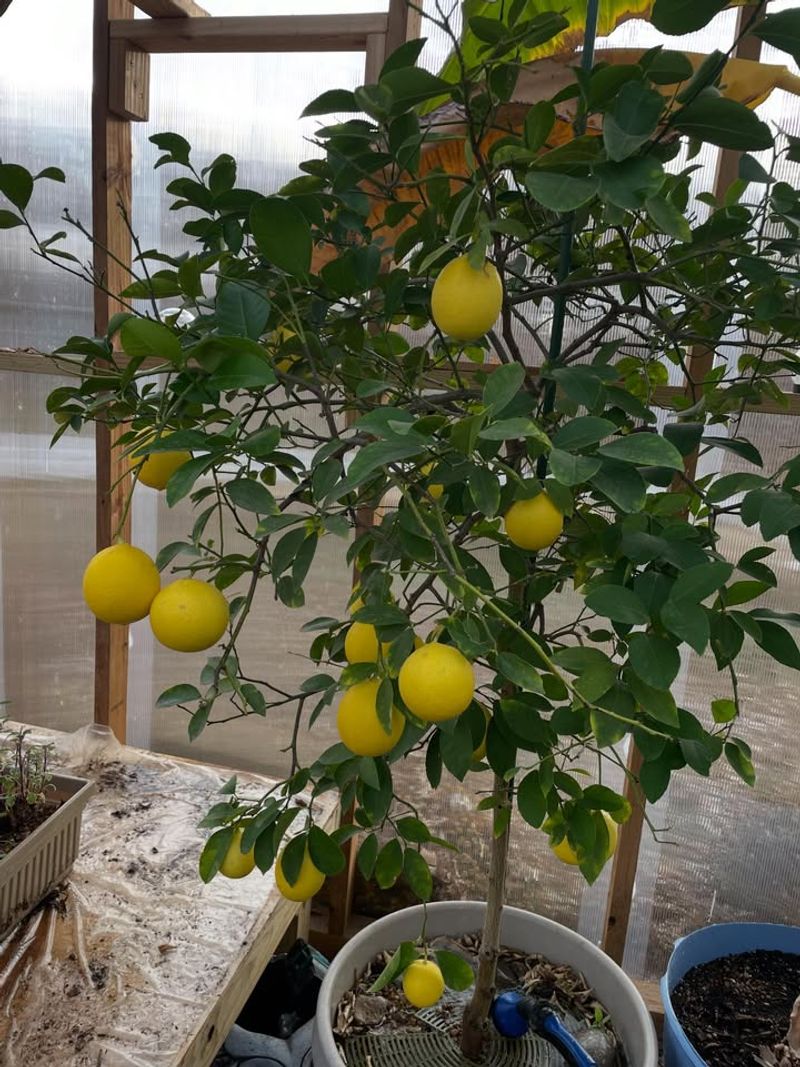
Citrus lovers across Texas have discovered that Meyer lemons deliver sweeter, less acidic fruit than standard grocery store varieties. This tree adapts beautifully to container life, producing glossy green leaves and fragrant white blooms that fill your patio with a fresh, clean scent.
Potted Meyer lemons can fruit year-round in the right conditions, giving you a steady supply of juice for cooking, baking, or fresh lemonade.
Sunlight is critical for a healthy Meyer lemon tree. Place your container where it receives at least six to eight hours of direct sun daily, preferably facing south or west.
Texas summers can be intense, so monitor soil moisture closely and water when the top inch feels dry to the touch.
Fertilizing every few weeks during the growing season keeps your tree productive. Use a citrus-specific formula that provides the trace minerals these plants crave.
Prune lightly to maintain shape and remove any damaged or crossing branches, which improves air circulation and reduces pest problems.
Winter protection matters in most parts of Texas. Move your Meyer lemon indoors or into a garage when temperatures dip below freezing.
A sunny window or grow light will keep it happy until warmer weather returns. This flexibility makes container growing ideal for Texas homeowners who want fresh citrus without worrying about frost damage.
Pests like aphids and spider mites occasionally appear on Meyer lemon trees. Inspect leaves regularly and rinse off any unwanted visitors with a strong spray of water.
Neem oil or insecticidal soap can handle more stubborn infestations without harsh chemicals.
2. Key Lime
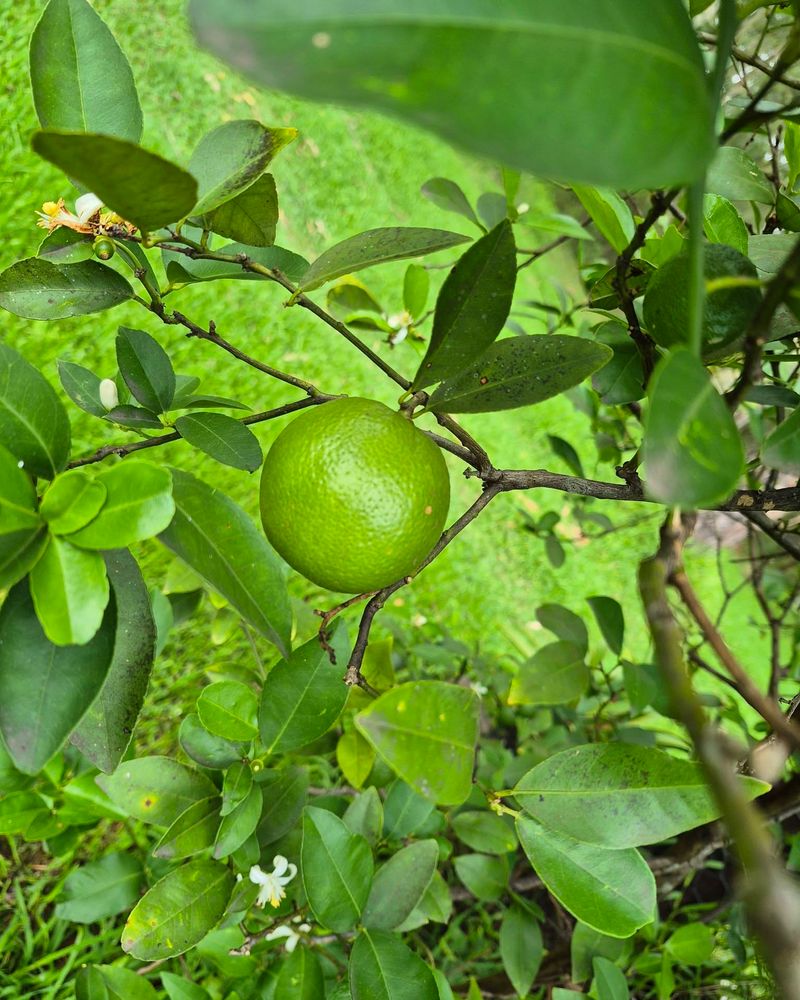
Authentic Key lime trees bring a taste of the tropics to Texas patios with their small, aromatic fruits that pack a tangy punch. These compact citrus trees stay manageable in containers, rarely exceeding four to six feet when pruned properly.
Their thin-skinned limes ripen to a pale yellow, signaling peak flavor for pies, marinades, and refreshing beverages.
Warmth and humidity suit Key limes perfectly, making Texas summers ideal for vigorous growth. Position your container in a spot that basks in full sun throughout the day, as shade reduces fruit production and weakens branches.
Consistent watering keeps the soil evenly moist but never soggy, preventing root rot and leaf drop.
Flowering occurs multiple times per year under optimal conditions, filling the air with a sweet, intoxicating fragrance. Bees and other pollinators visit the blossoms eagerly, ensuring a good fruit set.
Hand pollination isn’t usually necessary outdoors, but indoor trees may benefit from a gentle shake or a soft brush to transfer pollen.
Nutrient needs mirror those of other citrus varieties, so apply a balanced citrus fertilizer every four to six weeks during active growth. Trace elements like iron and magnesium prevent yellowing leaves and keep your Key lime looking vibrant.
Slow-release granules mixed into the potting soil simplify feeding routines for busy Texas homeowners.
Cold sensitivity means Key limes require shelter when frost threatens. Bring your container indoors to a bright room or heated greenhouse before temperatures drop below 32 degrees Fahrenheit.
A south-facing window provides enough light for the tree to coast through winter without significant stress.
Pruning maintains a compact shape and encourages branching, which increases fruiting sites. Remove any suckers growing from the base and trim back leggy shoots to promote a bushier form.
Regular pruning also improves sunlight penetration to interior branches, boosting overall productivity.
3. Calamondin Orange
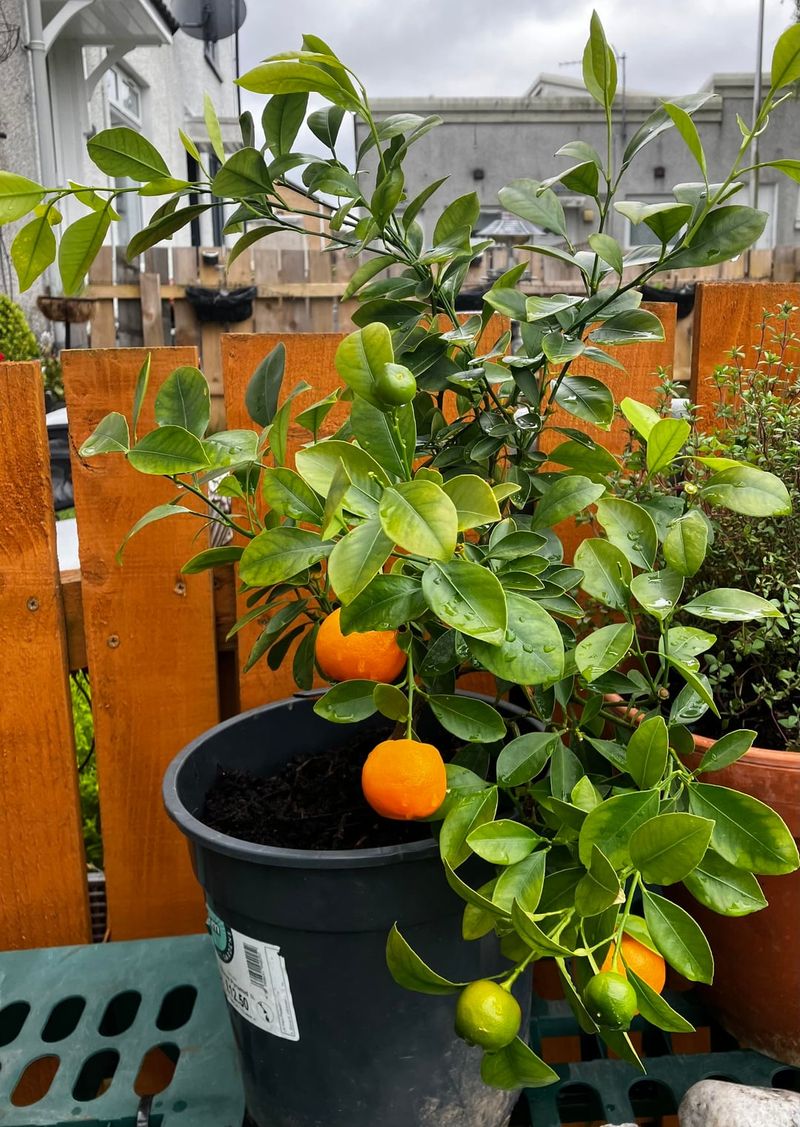
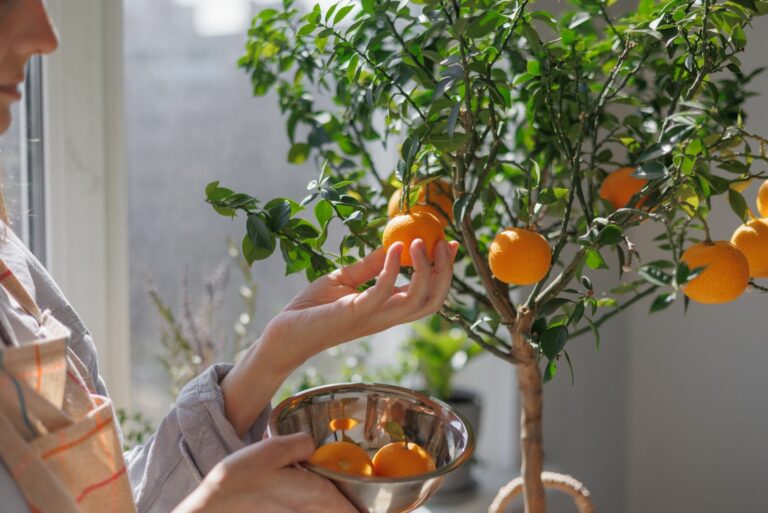
Ornamental beauty meets practical fruit production in the Calamondin orange, a petite citrus tree that thrives in Texas containers. Its glossy foliage and abundant small oranges create a striking display year-round, doubling as both a decorative accent and a source of tart, flavorful fruit.
Calamondins tolerate indoor conditions better than many citrus varieties, making them a favorite for homeowners with limited outdoor space.
Fruit appears almost continuously on healthy trees, with blossoms and ripe oranges often present at the same time. This overlapping cycle means you’ll enjoy fresh citrus for months on end without waiting for a single harvest season.
The oranges themselves resemble miniature tangerines, bursting with juice that adds zing to teas, desserts, and savory dishes.
Light requirements remain consistent with other citrus trees, demanding full sun for at least six hours daily. South-facing windows work well for indoor Calamondins, though rotating the pot every few days ensures even growth and prevents lopsided development.
Outdoor placement in Texas benefits from morning sun and afternoon shade during the hottest months, reducing heat stress.
Watering schedules adjust based on temperature and humidity. During summer, containers may need daily watering to keep soil moist, while winter reduces frequency to once or twice a week.
Always check soil moisture before watering, as overwatering causes more problems than underwatering for Calamondin trees.
Fertilizer applications follow the same guidelines as other citrus, with regular feeding during spring and summer promoting vigorous growth and fruit production. Reduce or eliminate fertilizer in winter when the tree enters a semi-dormant phase.
Organic options like fish emulsion or compost tea provide gentle nutrition without the risk of chemical buildup.
Pruning keeps Calamondins compact and shapely, ideal for small patios or indoor settings. Trim back any overly long branches and remove damaged wood to maintain a tidy appearance.
Light pruning throughout the year works better than heavy cuts once annually, as it reduces shock and keeps the tree producing fruit consistently.
4. Dwarf Fig
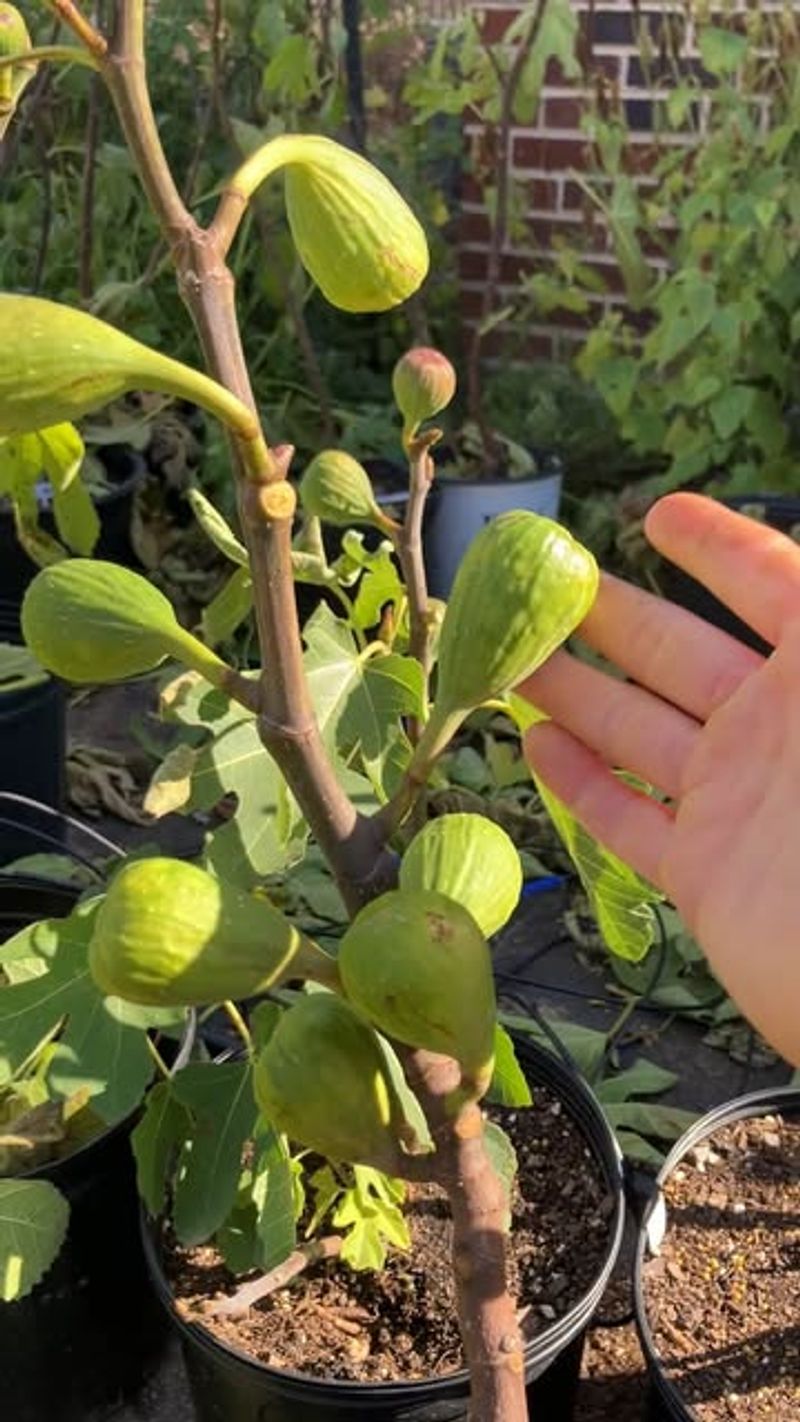
Ancient and adaptable, dwarf fig trees have fed civilizations for thousands of years and now fit perfectly into modern Texas container gardens. Their large, lobed leaves create a lush tropical vibe, while sweet, honey-like fruit ripens in summer and sometimes again in fall.
Figs require less fuss than most fruit trees, tolerating heat and drought with remarkable resilience once established.
Variety selection impacts flavor, size, and cold hardiness. Brown Turkey and Celeste figs perform exceptionally well across Texas, producing reliable crops even in containers.
These cultivars set fruit without pollination, eliminating the need for specialized wasps that other fig varieties require.
Container size directly affects fruit production and overall tree health. Start with a pot at least 20 gallons to give roots ample space, upgrading to a larger container as the tree matures.
Dwarf figs can live and produce in the same pot for years with proper care, making them a long-term investment for Texas homeowners.
Sunlight fuels fig growth and sweetens the fruit. Place your container where it receives full sun for most of the day, especially during the morning hours.
Afternoon shade in Texas prevents leaf scorch during the hottest weeks of summer, though too much shade reduces fruit quality and quantity.
Watering needs fluctuate with the seasons and temperature. Figs appreciate consistent moisture during fruiting, as irregular watering causes fruit to split or drop prematurely.
Allow the soil surface to dry slightly between waterings, then soak thoroughly until water drains from the bottom of the pot.
Fertilizing in early spring and midsummer supports vigorous growth and heavy fruiting. Organic compost or a balanced slow-release fertilizer provides steady nutrition without the risk of burning roots.
Avoid high-nitrogen formulas that promote leafy growth at the expense of fruit development.
5. Dwarf Peach
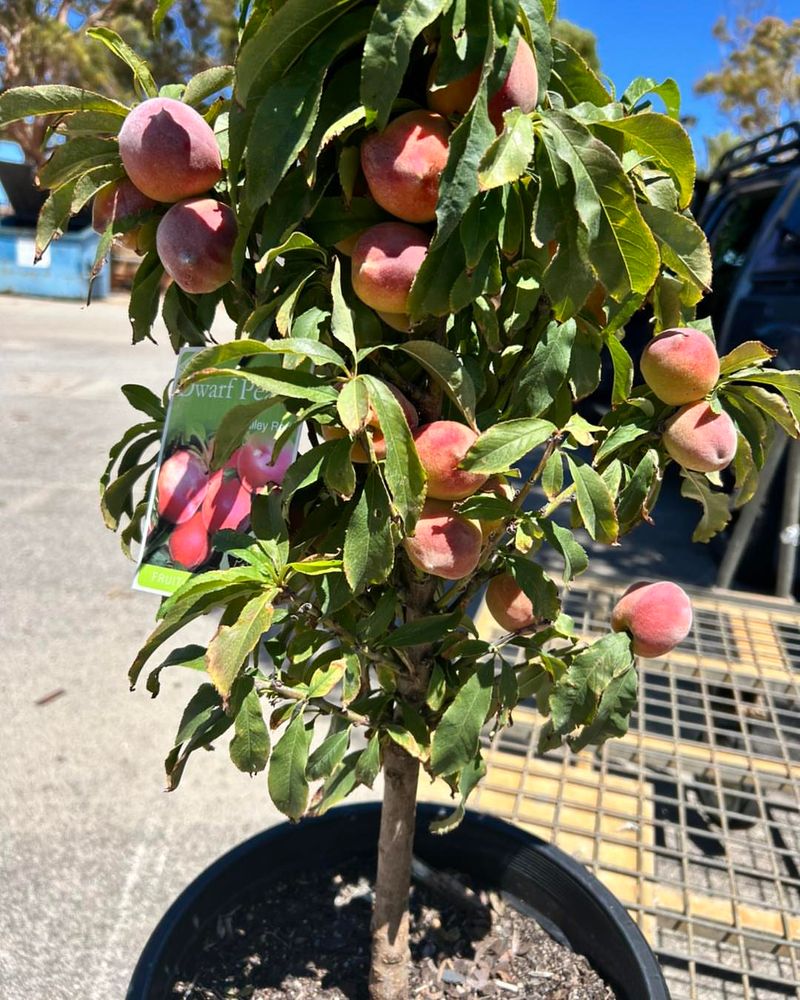
Stone fruit in a pot might sound ambitious, but dwarf peach trees prove it’s entirely possible in Texas containers. Breeders have developed compact varieties that deliver full-sized, juicy peaches without the sprawling size of standard trees.
Spring blossoms paint your patio in shades of pink, followed by fuzzy fruits that ripen in early summer, offering a taste of homegrown sweetness that grocery stores can’t match.
Chilling hours determine whether a peach variety will fruit successfully in your area. Low-chill cultivars like Bonanza or El Dorado need fewer cold hours, making them ideal for southern and central Texas.
Northern regions can grow varieties with higher chill requirements, expanding your options for flavor and harvest timing.
Container selection starts with drainage and size. A 15 to 20-gallon pot with multiple drainage holes prevents waterlogged roots, which peaches despise.
Heavy ceramic or resin pots provide stability against wind and the weight of ripening fruit, reducing the risk of tipping.
Sunlight drives fruit production and sweetness in peaches. Position your container where it receives at least eight hours of direct sun daily, preferably in a spot protected from strong winds.
Texas heat rarely bothers peach trees, though consistent watering prevents stress during the hottest weeks.
Watering becomes critical once fruit begins to swell. Dry soil leads to small, tough peaches with little flavor, while consistent moisture produces plump, juicy fruit.
Check soil daily during peak summer and water deeply whenever the top two inches feel dry.
6. Dwarf Plum
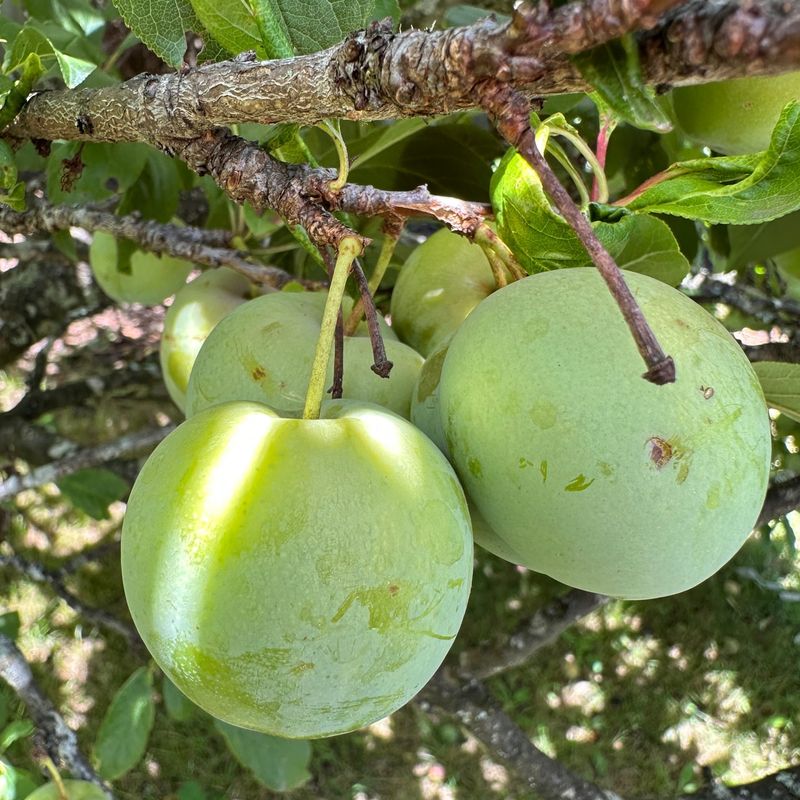
Plums bring vibrant color and rich flavor to Texas container gardens, with dwarf varieties offering the perfect balance of productivity and space efficiency. These trees bloom earlier than many fruit trees, signaling spring’s arrival with clouds of white or pink flowers.
By midsummer, branches bow under the weight of glossy plums in shades of purple, red, or yellow, depending on the cultivar you choose.
Pollination requirements vary among plum varieties, so research before purchasing. Some cultivars self-pollinate, while others need a compatible partner nearby to set fruit.
For container gardeners with limited space, self-fertile varieties like Methley or Santa Rosa eliminate the need for multiple trees.
Potting medium makes a significant difference in plum tree health. Use a well-draining mix designed for fruit trees or create your own blend with equal parts potting soil, compost, and perlite.
Good drainage prevents root rot, a common problem in containers that sit in saucers or on non-porous surfaces.
Sunlight and air circulation work together to produce healthy plums. Place your container in full sun where breezes can flow freely around the branches, reducing humidity and discouraging fungal diseases.
Texas summers provide plenty of heat, so focus on maintaining consistent soil moisture rather than worrying about temperature.
Watering deeply but infrequently encourages strong root development. Allow the soil to dry slightly between waterings, then soak until water runs from the drainage holes.
Mulching the soil surface with wood chips or compost helps retain moisture and keeps roots cooler during hot Texas afternoons.
7. Dwarf Apple
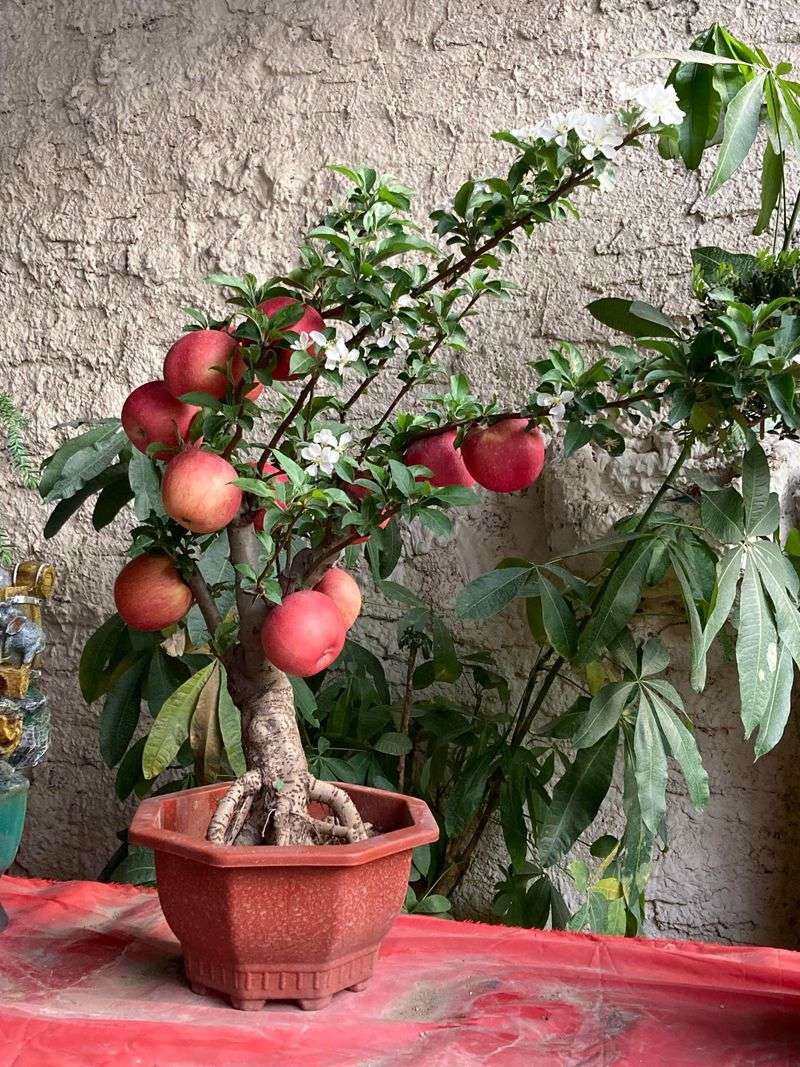
Crisp apples from your own patio sound like a dream, but dwarf apple trees make it a reality for Texas container gardeners. Modern rootstocks keep these trees compact while maintaining full-sized fruit production.
Choosing the right variety for Texas heat and humidity separates success from frustration, as not all apples tolerate southern climates equally well.
Low-chill varieties like Anna, Dorsett Golden, and Ein Shemer perform best in most Texas regions. These cultivars need fewer cold hours to break dormancy and set fruit, ensuring reliable harvests even in mild winters.
Northern Texas can experiment with varieties requiring more chill hours, expanding flavor options beyond southern-adapted types.
Container dimensions affect root health and fruit production. Start with a pot holding at least 20 gallons of soil, ensuring it has adequate drainage holes and sits on feet or a stand that allows air circulation underneath.
Heavy containers stay put during storms, protecting your investment from wind damage.
Sunlight requirements for apples exceed those of many other fruits. Position your container where it receives full sun for eight to ten hours daily, as shade reduces fruiting and weakens branches.
Texas summers provide ample light, though afternoon shade during the hottest weeks prevents leaf scorch without significantly impacting fruit development.
Watering consistency determines fruit quality and tree health. Apples need steady moisture throughout the growing season, especially when fruit is swelling.
Inconsistent watering causes fruit to crack or drop prematurely, wasting the tree’s energy and your anticipation of harvest.
Fertilizing begins in early spring with a balanced formula that supports both vegetative growth and fruit production. A second application in late spring boosts developing apples, improving size and sweetness.
8. Pomegranate
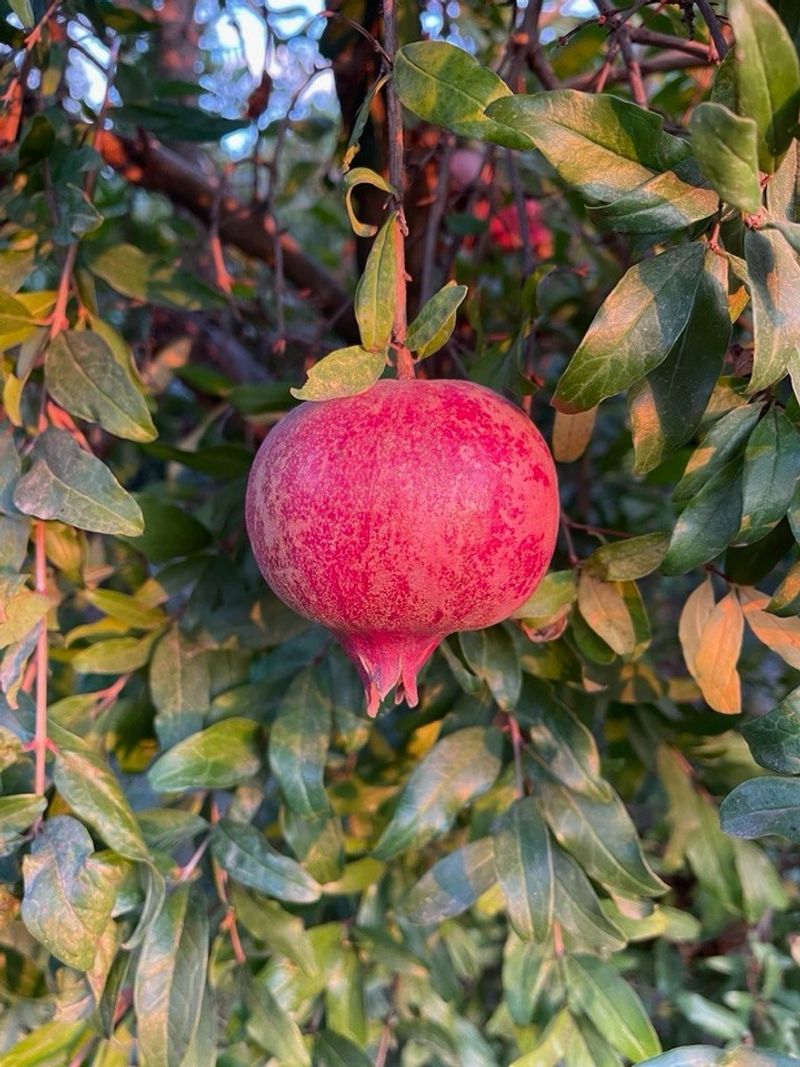
Exotic and ancient, pomegranates adapt surprisingly well to Texas container culture, producing jewel-toned fruits that burst with tart-sweet flavor. These trees tolerate heat and drought better than most fruit-bearing plants, making them ideal for busy homeowners who occasionally forget to water.
Showy orange-red flowers appear in late spring, followed by rounded fruits that ripen in fall, adding multi-season interest to patios and decks.
Dwarf varieties like Nana stay compact enough for containers while still producing edible fruit, though yields are smaller than full-sized cultivars. Wonderful and Eversweet pomegranates grow larger but respond well to pruning, allowing you to maintain a manageable size in a 20-gallon pot.
Texas gardeners appreciate the flexibility these trees offer in terms of size and productivity.
Sunlight and heat actually improve pomegranate fruit quality. Position your container in the hottest, sunniest spot available, as shade reduces flowering and fruit set.
Texas summers provide ideal conditions for pomegranates, which originated in hot, arid climates and thrive under similar conditions.
Watering needs decrease once pomegranates establish, as their roots tolerate dry periods better than many fruits. Deep, infrequent watering encourages strong root growth and drought resistance.
Avoid overwatering, which can cause fruit to split and reduces the tree’s natural toughness.
Fertilizing lightly in spring supports new growth and flower production. Pomegranates don’t require heavy feeding, as too much nitrogen produces leafy growth at the expense of fruit.
A single application of balanced fertilizer or compost provides sufficient nutrition for the entire growing season.
Pruning maintains shape and removes suckers that emerge from the base or roots. Pomegranates naturally grow as multi-stemmed shrubs, but you can train them into single-trunk trees with consistent pruning.
9. Loquat
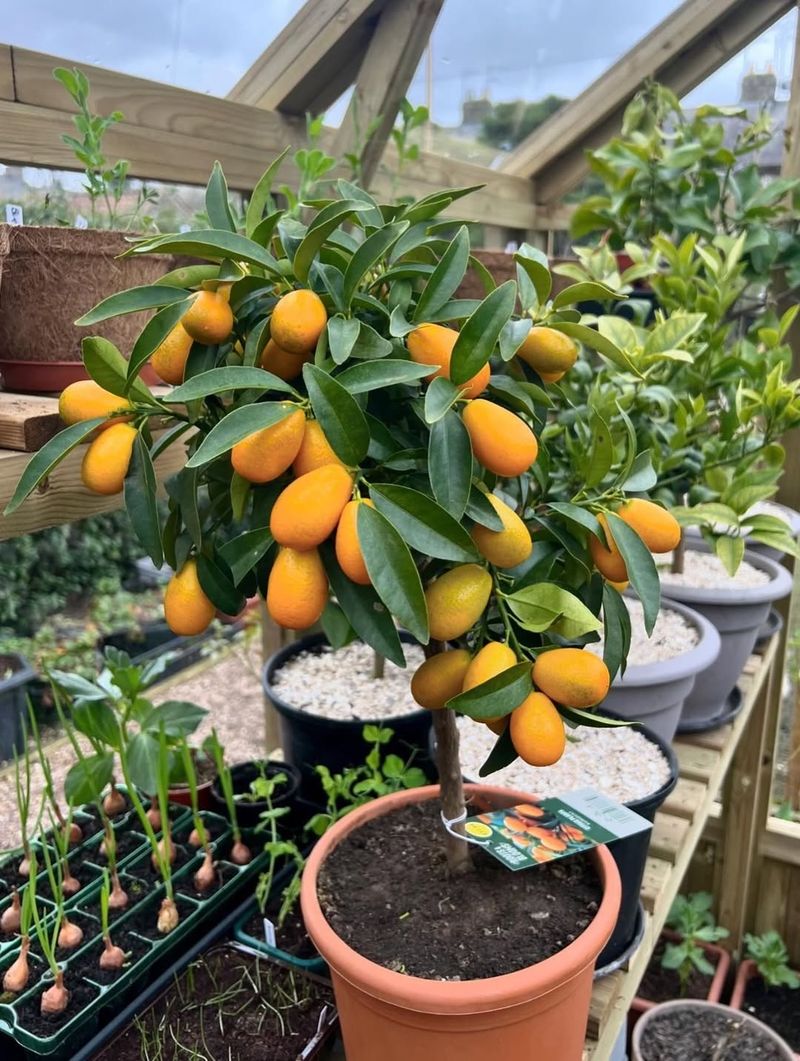
Underappreciated but delicious, loquat trees produce clusters of golden fruit that taste like a blend of peach, mango, and citrus. These evergreen trees maintain their large, tropical-looking leaves year-round, providing visual interest even when not fruiting.
Loquats bloom in fall or winter, filling Texas patios with a sweet fragrance that contrasts beautifully with cooler temperatures.
Cold hardiness surprises many gardeners, as loquats tolerate brief freezes better than most subtropical fruits. Mature trees withstand temperatures into the low twenties, though blossoms and young fruit may suffer damage during hard freezes.
Container growing allows you to move trees to shelter during the coldest nights, protecting your crop without sacrificing outdoor growing during milder periods.
Fruit ripens in early spring, filling a gap when few other fresh fruits are available. The soft, orange flesh surrounds large brown seeds, which separate easily when eating.
Fresh loquats don’t store long, so enjoy them quickly or preserve them in jams, pies, or chutneys that capture their unique flavor.
Sunlight requirements lean toward full sun, though loquats tolerate partial shade better than many fruit trees. In Texas, a spot with morning sun and afternoon shade prevents leaf scorch while still providing enough light for fruit production.
This flexibility makes loquats ideal for patios with limited sun exposure.
Watering needs remain moderate once trees establish. Loquats appreciate consistent moisture during fruiting but tolerate short dry periods without significant stress.
Mulching the soil surface helps retain moisture and moderates temperature fluctuations, reducing the need for frequent watering.
Fertilizing in late winter and again in summer supports growth and fruit production. Use a balanced formula or one designed for subtropical fruits, applying according to package directions.
Loquats aren’t heavy feeders, so avoid over-fertilizing, which encourages excessive vegetative growth.
10. Olive
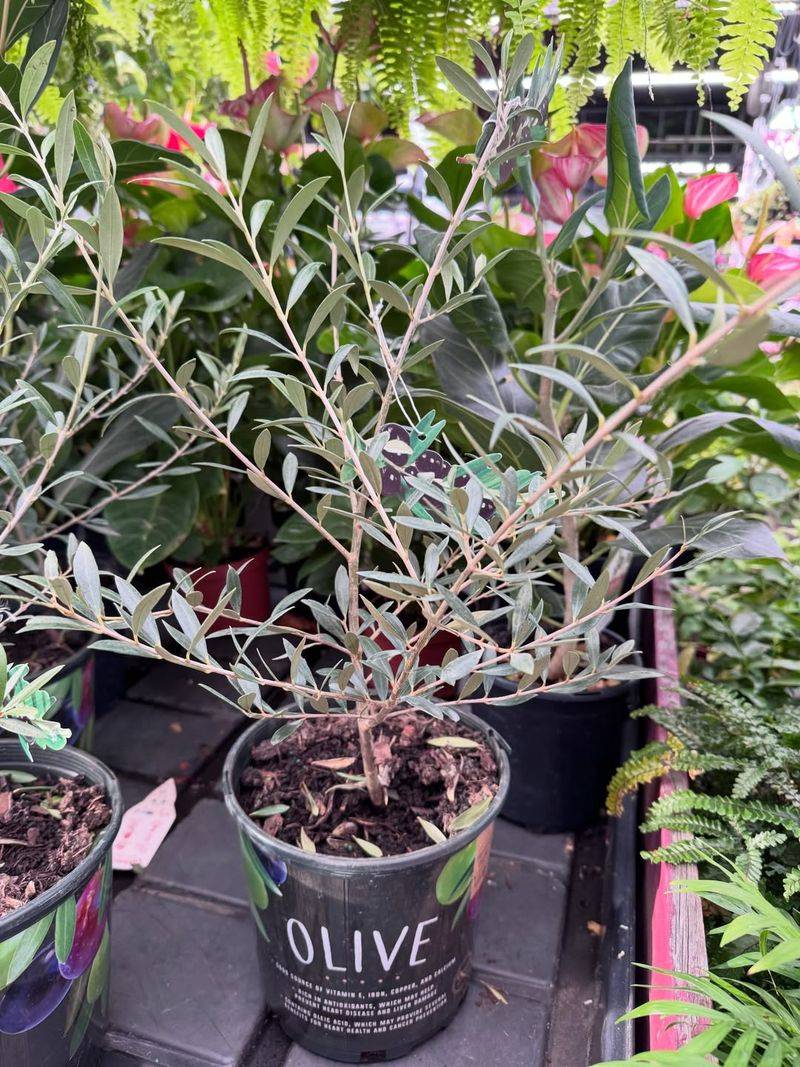
Mediterranean flavor comes to Texas patios with container-grown olive trees that produce briny fruits and silvery-green foliage. These ancient trees adapt remarkably well to pot culture, tolerating heat, drought, and even neglect once established.
Olives grow slowly, making them perfect for long-term container growing without constant repotting or size management.
Variety selection depends on your goals, as some olives excel for oil production while others make better table olives. Arbequina and Koroneiki varieties stay compact and produce reliable crops in containers, even in Texas heat.
Mission and Manzanillo olives grow larger but respond well to pruning, allowing you to control size while maintaining productivity.
Sunlight drives olive growth and fruit production. Position your container in the hottest, sunniest location available, as shade reduces flowering and makes trees more susceptible to pests.
Texas summers mimic the Mediterranean climate where olives originated, providing ideal growing conditions without supplemental heat or protection.
Watering requirements decrease dramatically once olives establish. These trees evolved in arid regions and actually prefer dry conditions between waterings.
Allow the soil to dry out almost completely before watering deeply, mimicking the natural rainfall patterns of their native habitat.
Fertilizing remains minimal for olives, as they thrive in lean soils that would stress other fruit trees. A single application of balanced fertilizer in spring provides sufficient nutrition for the entire year.
Over-fertilizing produces excessive vegetative growth and reduces fruiting, so less is definitely more with olives.