10 Fruit Trees You Can Plant Or Transplant In Florida This January
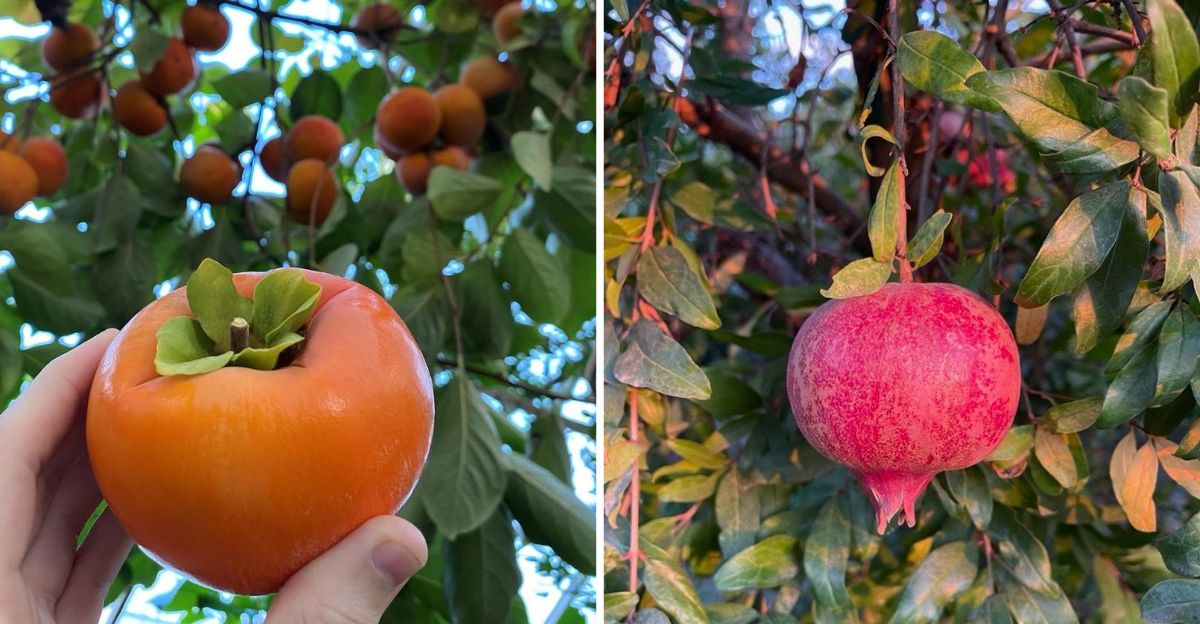
Florida winters give fruit growers a rare advantage.
While much of the country is dealing with frozen ground, Florida gardeners can get trees in the soil and give them months to build strong roots before summer heat arrives.
January planting helps reduce transplant shock, encourages deep root growth, and sets young trees up for better survival and faster fruiting.
There is one important detail that makes or breaks success in Florida.
This state receives very few winter chill hours, which means many common fruit trees sold in nurseries will grow but never produce fruit here.
To get real harvests, Florida gardeners must choose low-chill or Southern-adapted varieties that are able to set fruit in warm winter climates.
The trees in this list all fall into that category when the right varieties are selected.
Planting during the cooler months also means less stress on new trees, fewer watering demands, and better establishment before spring growth begins.
With proper variety selection and good planting practices, January becomes one of the smartest times of year to start or expand a home orchard in Florida, turning small trees into long term producers that pay off for years to come.
1. Peach
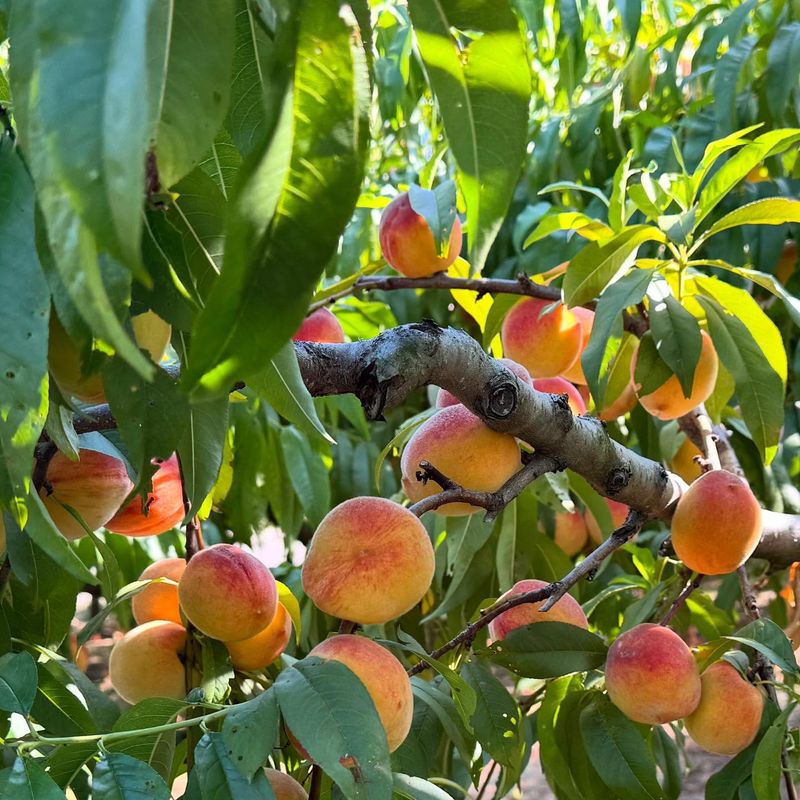
Peach trees thrive in North and Central Florida, producing sweet, juicy fruit that tastes like sunshine.
January offers ideal conditions because the trees are dormant, which reduces transplant shock and lets the roots settle in without the stress of supporting leaves or fruit.
Cooler soil temperatures encourage strong root development before spring growth begins.
When planting a peach tree, choose a sunny spot with well-draining soil.
Dig a hole twice as wide as the root ball but no deeper, making sure the graft union stays above ground.
Backfill gently and water deeply to eliminate air pockets.
Only low-chill varieties such as Floridacrest, UFBest, or TropicBeauty will fruit in Florida.
Standard peaches will not receive enough winter chill to produce.
Mulch around the base to retain moisture, but keep it a few inches away from the trunk to prevent rot.
Water regularly during the first growing season, and prune lightly in late winter to shape the tree and encourage strong branches.
2. Plum
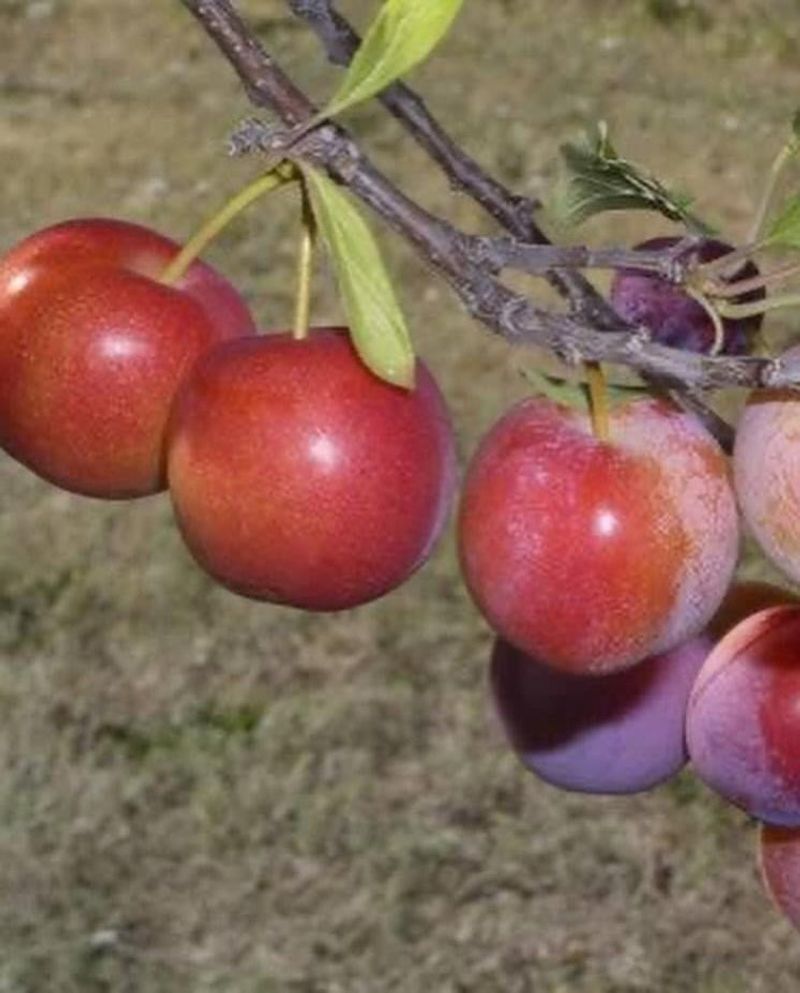
Few things beat biting into a fresh plum picked from your own yard.
Remember, only Florida-adapted, low-chill plums will reliably fruit here; standard Japanese or European plums will not.
Planting in January gives the tree time to establish roots while temperatures stay mild, avoiding the stress that comes with hot weather transplanting.
Select a location that gets at least six hours of direct sunlight each day.
The soil should drain well, as plums dislike sitting in water.
Dig your planting hole wide and shallow, spreading the roots out naturally before covering them with soil.
Firm the soil gently and water thoroughly.
Gulf series plums, like Gulfbeauty and Gulfruby, are excellent choices for Florida growers.
These varieties handle humidity and produce delicious fruit with minimal fuss.
After planting, add a layer of organic mulch to help the soil stay moist and cool.
Water your new plum tree once or twice a week during dry spells.
Prune in late winter to remove crossing branches and open up the canopy for better air circulation, which helps prevent disease and keeps your tree healthy.
3. Apple
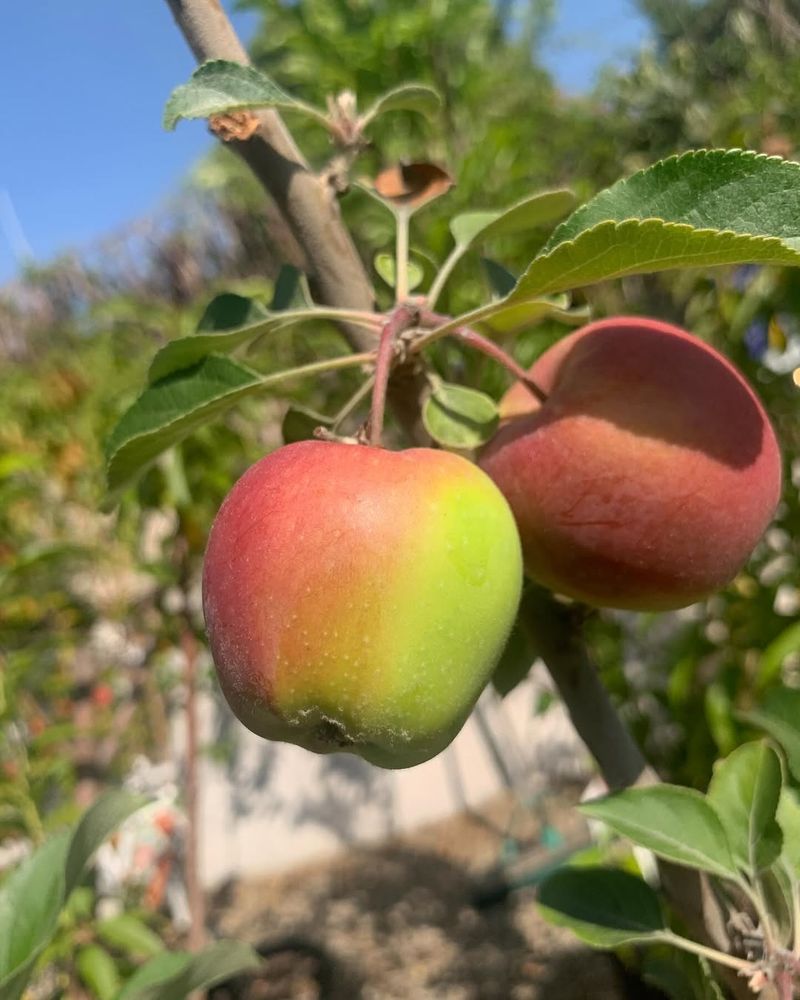
Some people are surprised to learn that fruiting trees normally associated with cooler climates can succeed in Florida — but only when the right varieties are chosen.
Most traditional apple trees will not produce here because they require far more winter chill than Florida receives.
However, a small group of low-chill varieties can grow and fruit reliably when planted correctly.
January is an ideal time to plant because the tree is dormant, allowing it to focus on root development instead of leaves or flowers.
A strong root system is essential for handling Florida’s heat, humidity, and sandy soils once spring arrives.
Choose low-chill cultivars such as Anna, Dorsett Golden, or TropicSweet, which require fewer than 300 chill hours to set fruit.
Plant in full sun with excellent drainage, since wet soil quickly leads to root problems.
Dig a wide hole, position the tree so the graft union stays above the soil line, then backfill with native soil and water thoroughly.
Most of these varieties need a compatible partner for cross-pollination, so planting two different low-chill types nearby will greatly improve fruit production.
Add mulch to conserve moisture and keep roots cool, and water consistently during the first year.
Prune annually to maintain an open canopy that allows light and air to move through the branches.
4. Pear
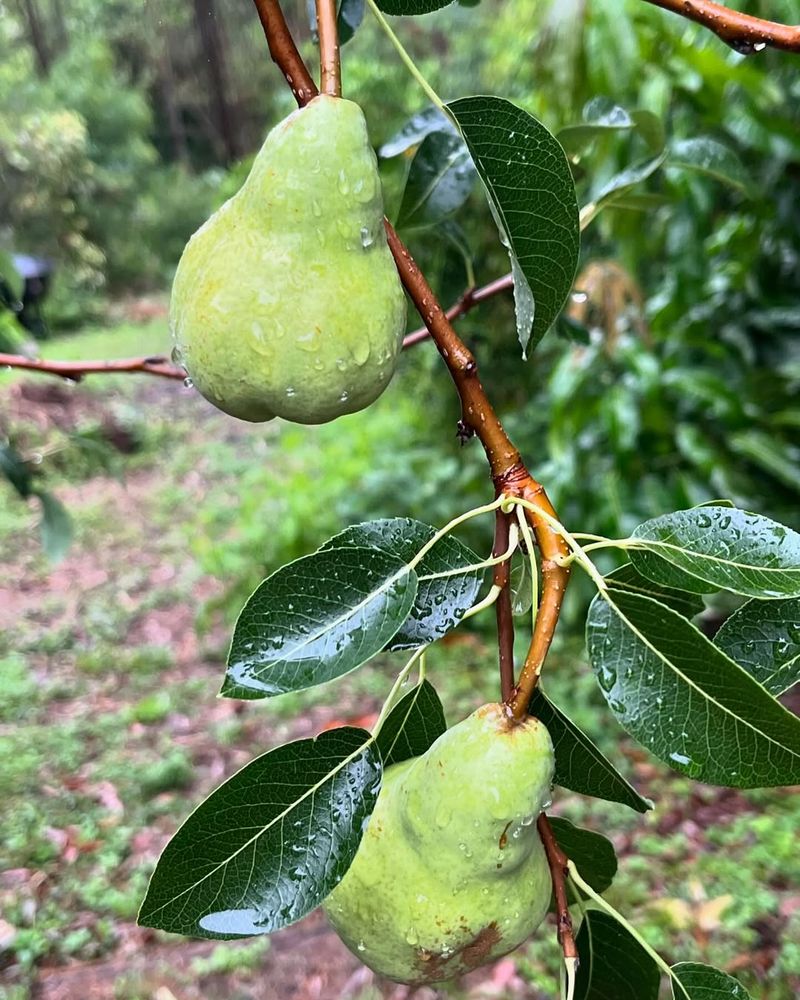
Pear trees can be surprisingly productive in Florida when Southern-adapted varieties are used, producing firm, sweet fruit that holds well for both fresh eating and cooking.
Unlike apples, pears handle Florida’s humidity better, but most standard European pear varieties still fail here because they need far more winter chill than Florida provides.
Planting in January takes advantage of dormancy, allowing roots to establish before spring growth begins.
Choose low-chill varieties such as Pineapple, Hood, or Flordahome, which were developed specifically for warm Southern climates.
Plant in full sun with soil that drains well but retains some moisture.
Pears tolerate heavier soil better than apples, but standing water will still cause root problems.
Dig a wide hole, set the tree at the correct depth, and water deeply after planting.
Most pear varieties need a compatible pollinator to produce fruit, so planting two different Southern pear types nearby is usually best.
Mulch around the base to conserve moisture and suppress weeds, keeping it away from the trunk.
Water regularly during the first summer while the tree establishes, and prune in late winter to maintain strong structure and airflow.
5. Fig
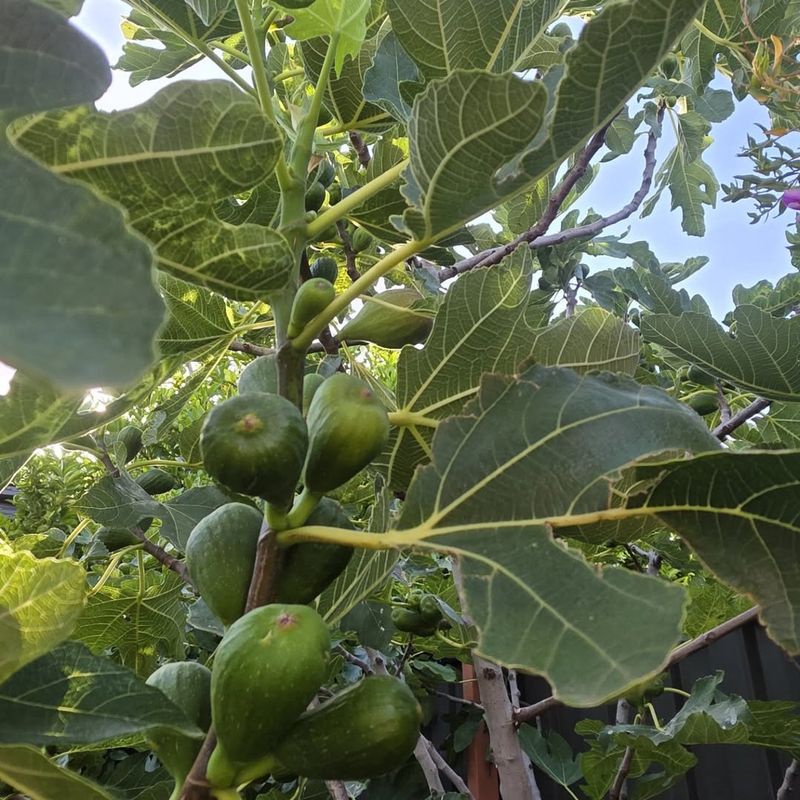
Figs are one of the easiest and most forgiving fruit trees you can grow in Florida.
Their sweet, honey-like fruit ripens in waves throughout the warm months, and the trees themselves are low maintenance and adaptable.
January is an excellent time to plant or move a fig because the tree is leafless and dormant, which reduces transplant shock significantly.
Figs tolerate a wide range of soils but prefer well-draining ground and full sun.
Dig a hole that accommodates the root system comfortably.
Set the tree at the same depth it was growing in the nursery container, then fill in with soil and water thoroughly.
Figs root easily and establish quickly.
Varieties like Celeste, Brown Turkey, and Alma are well-suited to Florida conditions.
Mulch around the tree to keep weeds down and moisture in.
Water regularly during the first growing season, but figs are quite drought-tolerant once established.
Prune lightly in late winter to remove any wayward branches and maintain a manageable size.
Figs often produce fruit in their first year, making them a gratifying choice for new and experienced gardeners alike.
6. Mulberry
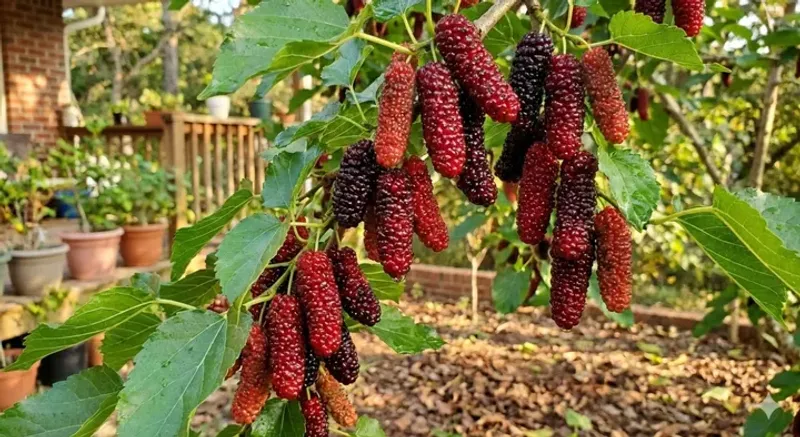
Mulberry trees are fast-growing, productive, and incredibly resilient, making them a favorite among Florida fruit growers.
The berries are sweet and abundant, attracting birds and delighting kids who love to pick them straight from the tree.
Planting in January allows the tree to establish roots during the cooler months, so it can handle the heat and humidity of summer with ease.
Mulberries adapt to almost any soil type and tolerate both wet and dry conditions.
Choose a sunny location where the tree has room to spread, as mulberries can grow quite large.
Dig a hole wide enough for the roots to spread naturally, then backfill and water well.
Mulberries are forgiving and rarely complain about less-than-perfect planting techniques.
Black mulberry varieties produce the sweetest fruit, though white and red types also grow well in Florida.
Mulch around the base to conserve moisture and suppress weeds.
Water regularly during the first year, but mulberries become quite drought-tolerant once their roots are established.
Prune as needed to control size and remove any crossing branches.
Within a year or two, your mulberry tree will be producing buckets of berries perfect for eating fresh, baking, or making jam.
7. Loquat
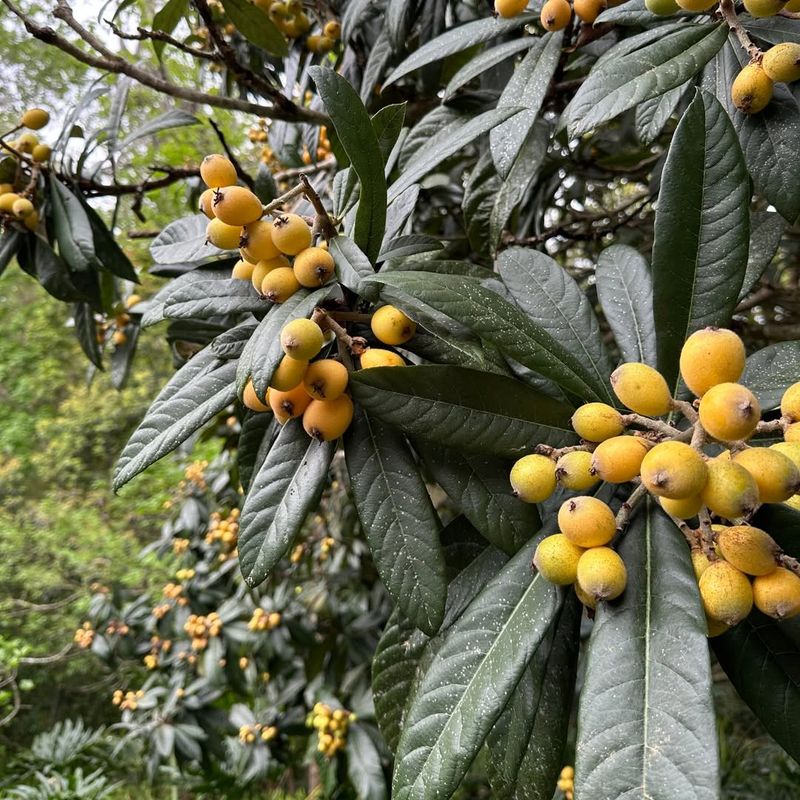
Loquat trees are evergreen beauties that produce clusters of sweet, tangy fruit in late winter and early spring.
The trees are ornamental as well as productive, with large, glossy leaves that add tropical flair to any landscape.
Many loquats are flowering or fruiting in January, but they can still be planted because they are very hardy.
Loquats prefer full sun but tolerate partial shade.
They adapt to a variety of soil types as long as drainage is adequate.
Dig a hole twice as wide as the root ball and set the tree at the same depth it was growing in the container.
Backfill with soil, firm gently, and water deeply.
Popular varieties include Champagne, Advance, and Wolfe, all of which produce delicious fruit and handle Florida’s climate well.
Mulch around the tree to help retain moisture and regulate soil temperature.
Water regularly during the first growing season, especially during dry spells.
Loquats need minimal pruning, but you can shape the tree in late spring after harvest.
These trees often fruit within a few years and continue producing reliably for decades, making them a wonderful long-term investment for your edible landscape.
8. Pomegranate
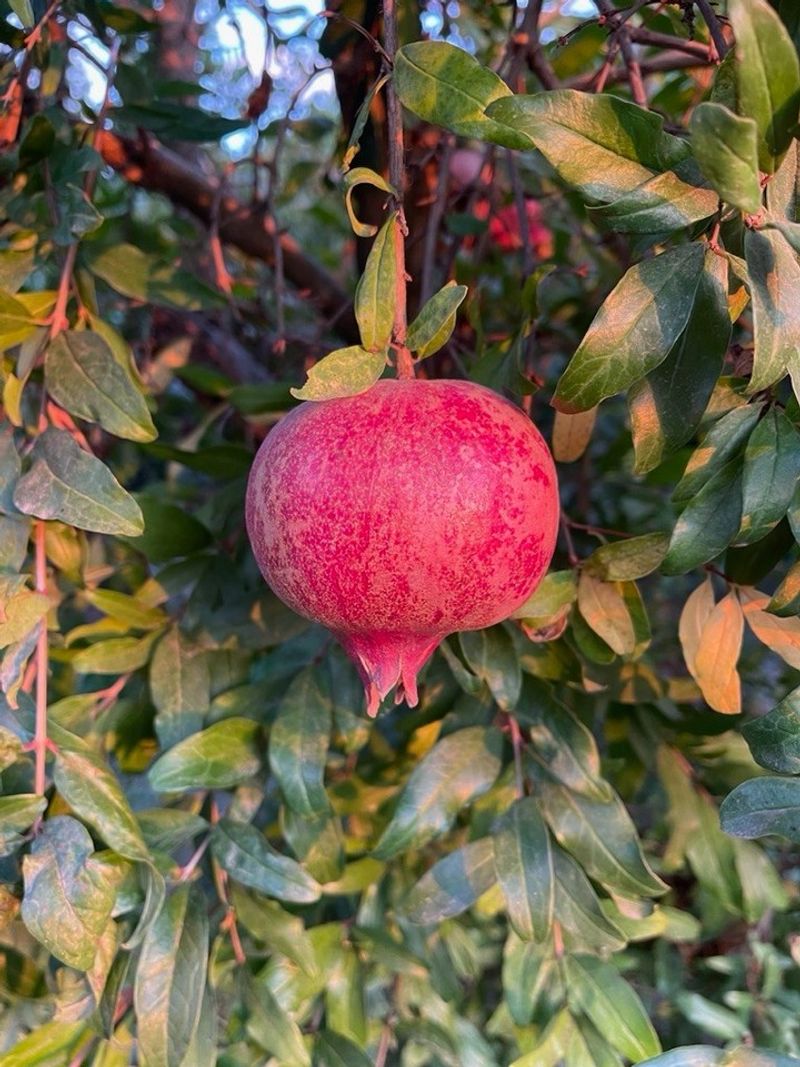
Pomegranate trees add color, flavor, and beauty to Florida gardens.
The fruit is packed with juicy arils that burst with sweet-tart flavor, and the trees themselves are attractive with glossy leaves and showy orange-red flowers.
January planting works in Central and South Florida, but in North Florida late February to March is often safer due to cold snaps.
Plant pomegranates in full sun with well-draining soil.
They tolerate sandy or clay soils as long as water does not sit around the roots.
Dig a hole large enough to spread the roots comfortably, then backfill and water thoroughly.
Pomegranates are tough and adaptable once established.
Varieties like Wonderful, Angel Red, and Vietnamese are well-suited to Florida conditions.
Mulch around the base to conserve moisture and keep weeds at bay.
Water regularly during the first year, but pomegranates are quite drought-tolerant once their roots are deep.
Prune in late winter to remove suckers and shape the tree, keeping the center open for good air circulation.
Pomegranates usually begin fruiting within two to three years and can produce for decades, making them a smart addition to any edible landscape.
9. Persimmon
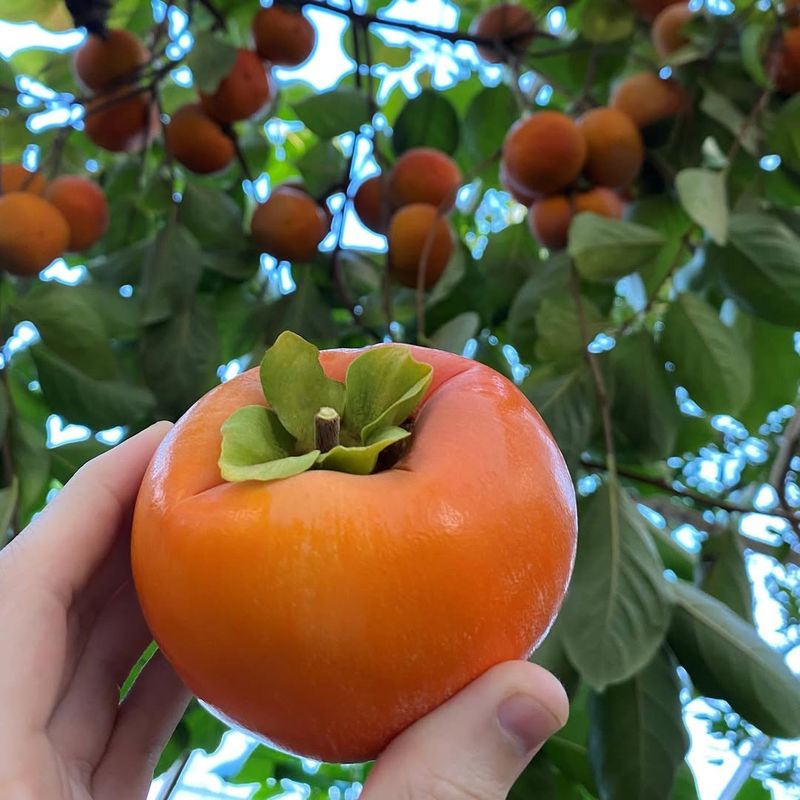
Persimmon trees are underrated gems in Florida fruit growing.
The fruit is sweet and rich when fully ripe, with a flavor that ranges from honey-like to almost caramel.
Planting in January gives the tree time to establish roots before spring growth begins, which is especially important for persimmons since they can be slow to settle in after transplanting.
Choose a sunny location with well-draining soil.
Persimmons tolerate a range of soil types but prefer slightly acidic conditions.
Dig a hole wide enough to accommodate the root system without crowding, then set the tree at the same depth it was growing before.
Backfill gently and water deeply.
Low-chill Asian persimmons such as Fuyu and Izu, or American persimmons, perform best in Florida.
Mulch around the base to help retain moisture and regulate soil temperature.
Water regularly during the first year, especially during dry spells.
Persimmons need little pruning, but you can remove any crossing or damaged branches in late winter.
These trees often take a few years to begin fruiting, but once they start, they produce reliably and generously for many years.
10. Jujube
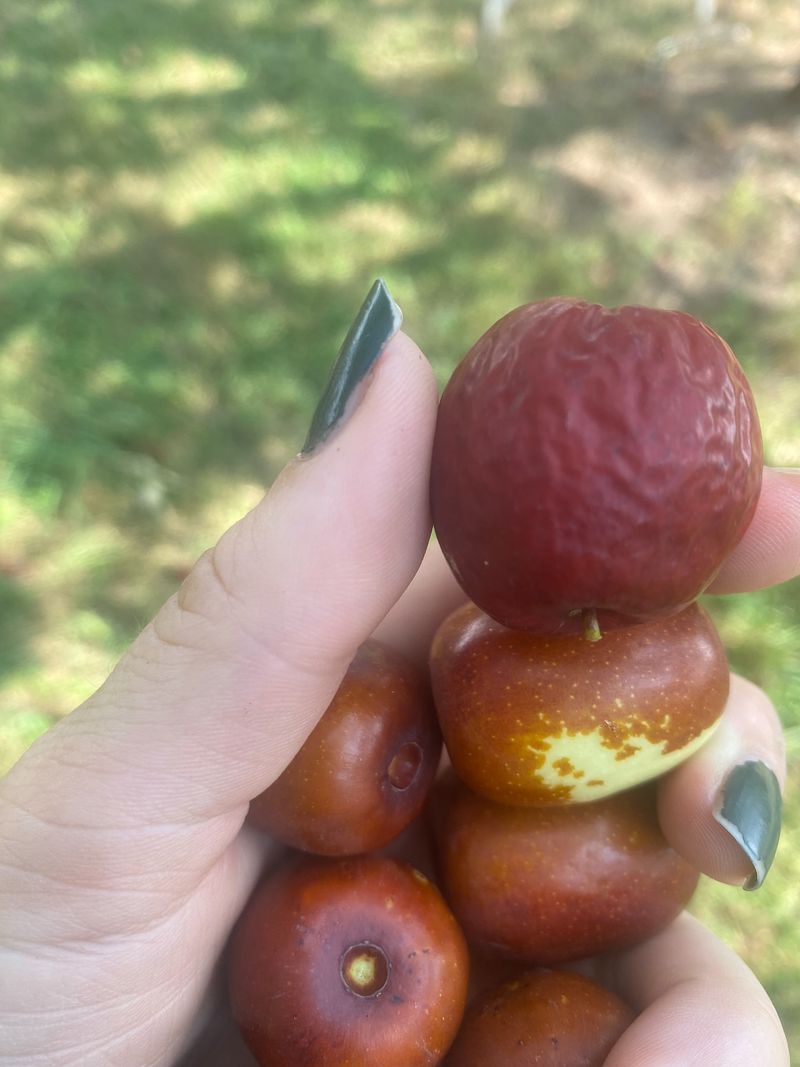
These trees are incredibly tough and productive, producing small, apple-like fruits that taste sweet and slightly tangy.
Jujubes tolerate heat and drought very well, but high humidity can cause fruit cracking in some Florida locations.
January is an ideal time to plant or transplant jujubes because the trees are dormant, which minimizes stress and encourages strong root development.
Jujubes prefer full sun and well-draining soil but adapt to almost any conditions.
Dig a hole twice as wide as the root ball and set the tree at the correct depth.
Backfill with native soil, firm gently, and water thoroughly.
Jujubes are forgiving and establish quickly.
Varieties like Li and Lang are popular for their large, sweet fruit and reliable production.
Mulch around the base to conserve moisture and suppress weeds.
Water regularly during the first growing season, but jujubes are extremely drought-tolerant once established.
Prune lightly in late winter to shape the tree and remove any suckers that sprout from the base.
Jujube trees often fruit within a year or two and continue producing for decades with minimal care, making them one of the best low-maintenance fruit trees for Florida gardens.