6 Fruits Texas Gardeners Can Plant In March And 4 Best Left For Later
March in Texas is a curious mix – warm days, chilly nights, and the garden calling your name.
If you’ve been dreaming of fresh fruit straight from your backyard, timing can make the difference between a thriving harvest and disappointed plants.
Some fruits respond beautifully to early planting, while others perform better if you wait until the soil warms a bit more.
Knowing which fruits to plant now can save you frustration and help your garden get off to a strong start.
For gardeners looking to make the most of the season, understanding the right timing for each fruit is crucial. What you plant this month could set the stage for months of sweet rewards.
1. Fig That Steals The Spotlight In Any Garden
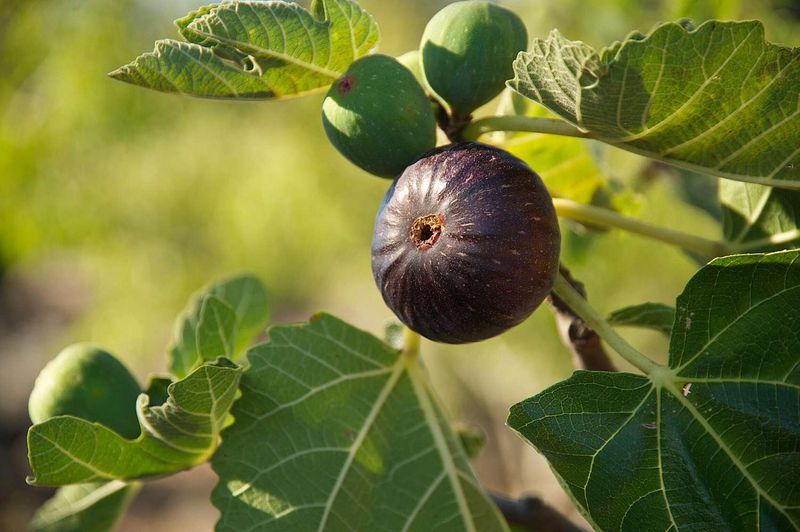
Few fruit trees feel as at home in Texas as the fig. With its broad, tropical-looking leaves and sweet, jam-like fruit, a fig tree planted in March has a serious advantage: it gets to settle into the soil before the scorching Texas summer arrives. That head start means stronger roots, better water uptake, and a tree that can handle the heat far more gracefully.
Varieties like ‘Celeste’ and ‘Texas Everbearing’ are especially popular across the state because they were practically bred for this climate. ‘Celeste’ produces small, honey-sweet figs and handles humidity well, making it a favorite in East Texas. ‘Texas Everbearing’ lives up to its name by producing two crops per season, which is always a welcome bonus.
When planting, choose a sunny spot with at least eight hours of direct sunlight. Figs are not picky about soil as long as it drains well.
Water regularly during the first growing season to help roots establish, but once the tree is settled in, it becomes surprisingly drought-tolerant. Mulching around the base helps lock in moisture and keeps the soil temperature steady.
You can expect your first small harvest within one to two years, and the tree only gets more productive with age. For Texas gardeners, planting a fig in March can give the tree a head start on establishing roots before the summer heat.
2. Pomegranate Bursting With Color And Flavor
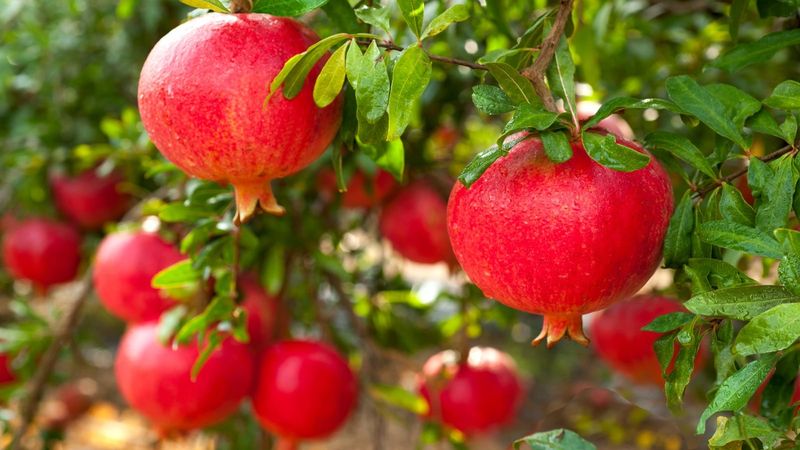
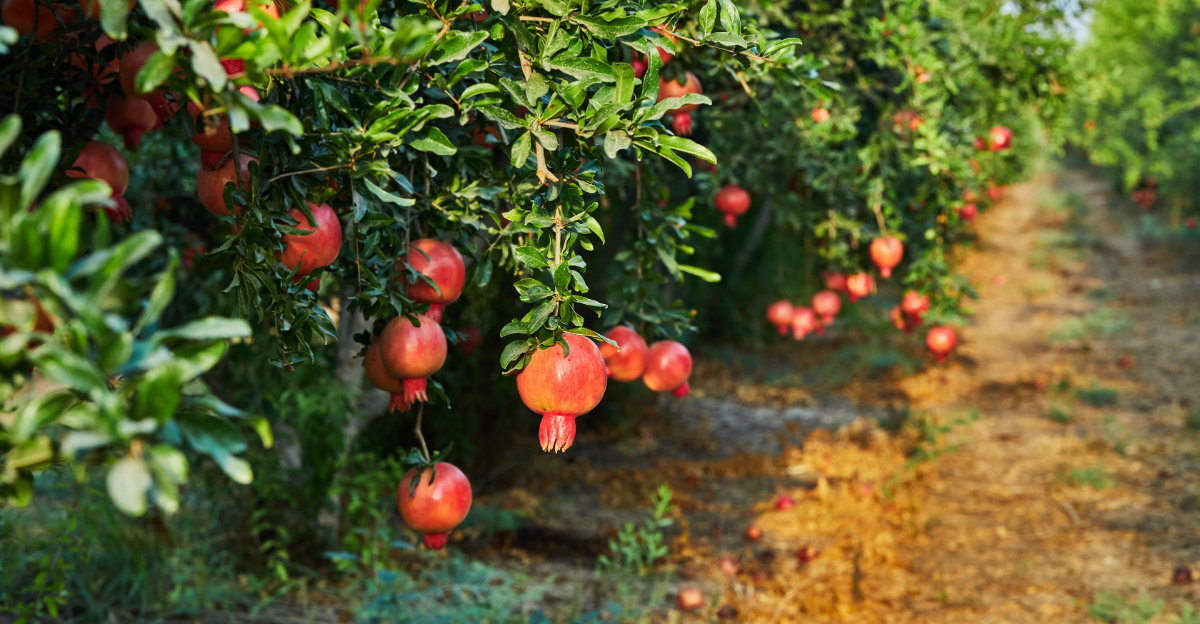
Texas was basically made for pomegranates, which thrive in hot, dry conditions that challenge so many other fruit trees. These tough, drought-tolerant plants handle the heat with ease.
Planting a pomegranate in March gives it the full growing season to push out new growth, flower, and begin setting fruit before temperatures cool down again in the fall.
Recommended varieties for Texas include ‘Wonderful,’ which produces large, deep-red fruits with a tart-sweet flavor, and ‘Texas Pink,’ a softer-flavored variety that does especially well in Central and South Texas. Both are known for their reliability and their ability to bounce back even after a rough winter.
Pomegranates love full sun and well-drained soil. Sandy or loamy soil works great, but heavy clay can cause problems if water pools around the roots.
Adding organic compost before planting gives the shrub a nutritious start. Once established, pomegranates need very little extra water compared to other fruit plants, which is a big plus during those dry Texas summers.
They can grow as a large shrub or be trained into a small tree shape, giving you some flexibility with your garden layout. Expect flowers by late spring and ripe fruit by fall.
The brilliant red blooms alone make this plant worth growing, even before the fruit arrives.
3. Persimmon With A Sweet Surprise In Every Bite
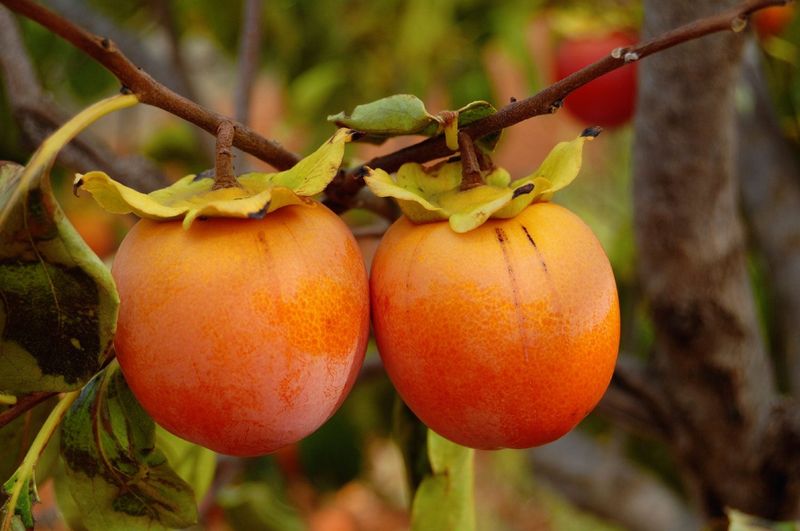
Often overlooked by gardeners, this fruit surprises with its sweet rewards, making you wonder why you didn’t plant one sooner. Planting in March is ideal because the tree gets to establish its root system while temperatures are still mild, setting itself up for strong growth through the summer and a beautiful harvest in the fall.
‘Fuyu’ and ‘Hachiya’ are two popular varieties that perform well in Central and South Texas. ‘Fuyu’ is a non-astringent type, meaning you can eat it while it is still firm, almost like biting into a crisp apple. ‘Hachiya’ is larger and needs to be fully soft before eating, but the rich, pudding-like flavor is worth the wait. Both varieties are known for their reliability and low maintenance needs.
Persimmon trees are adaptable and handle Texas heat well once they are rooted in. They prefer deep, well-drained soil and full sun.
One thing to keep in mind is that persimmons have a long taproot, so choosing the right planting spot from the start matters more than with other trees. Water consistently during the first season, then back off as the tree matures.
Persimmons are also naturally resistant to many common pests and diseases, which makes them a low-fuss option for Texas gardeners looking for reliable, beautiful fruit trees.
4. Citrus That Brings Sunshine To Your Backyard

Bringing a touch of sunshine to any backyard, these trees are perfect to plant in March for a bright, flavorful harvest. Lemons, limes, satsumas, and grapefruits all do well across much of the state, especially in South Texas and along the Gulf Coast where winters are mild and the growing season is long.
One thing to keep in mind when planting citrus in March is the possibility of a late frost, particularly in North Texas. Younger trees are more vulnerable to cold snaps, so keeping frost cloth or blankets on hand for unexpected chilly nights is a smart move.
Once past that risk, citrus trees are generally straightforward to care for and can produce fragrant blossoms and fruit.
Citrus trees thrive in full sun and need well-draining soil to avoid root issues. Raised beds or mounded planting areas work especially well in areas with heavier clay soil.
Regular fertilizing with a citrus-specific fertilizer keeps the tree healthy and encourages fruit production. Water deeply but allow the soil to dry out slightly between waterings.
Container-grown citrus is also a fantastic option for Texas gardeners in colder zones, since you can bring the pot indoors if a freeze threatens. Few things beat walking out to your own yard and picking a fresh lemon or orange right off the tree.
5. Grapes That Promise Juicy Homegrown Rewards
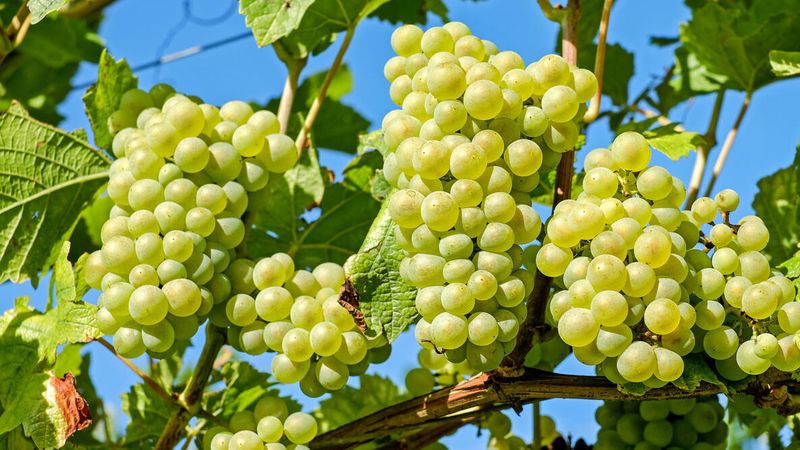
Texas has a proud and growing wine culture, and home gardeners across the state are discovering just how rewarding it is to grow their own grapes. Planting grapevines in March falls right at the tail end of the ideal window, which runs from January through early March.
Getting vines in the ground while they are still dormant or just beginning to wake up gives them the best possible start.
Muscadine grapes are a popular choice for East Texas because they handle humidity and heat like champions. For drier parts of the state, varieties like ‘Black Spanish’ and ‘Lenoir’ have a long track record of thriving in Texas conditions.
These grapes are not just for winemaking either; they are delicious fresh off the vine and make excellent jams and jellies.
Grapevines need full sun and excellent air circulation to stay healthy. Plant them on a sturdy trellis or arbor system so the vines have room to climb and spread.
Well-drained soil is a must, as soggy roots are the fastest way to run into trouble. Prune vines back hard in the first couple of years to encourage a strong framework before letting them produce heavily.
It can take two to three years to get a full harvest, and with proper care, the plants often reward gardeners with plentiful fruit.
6. Blueberry Packed With Antioxidants And Charm
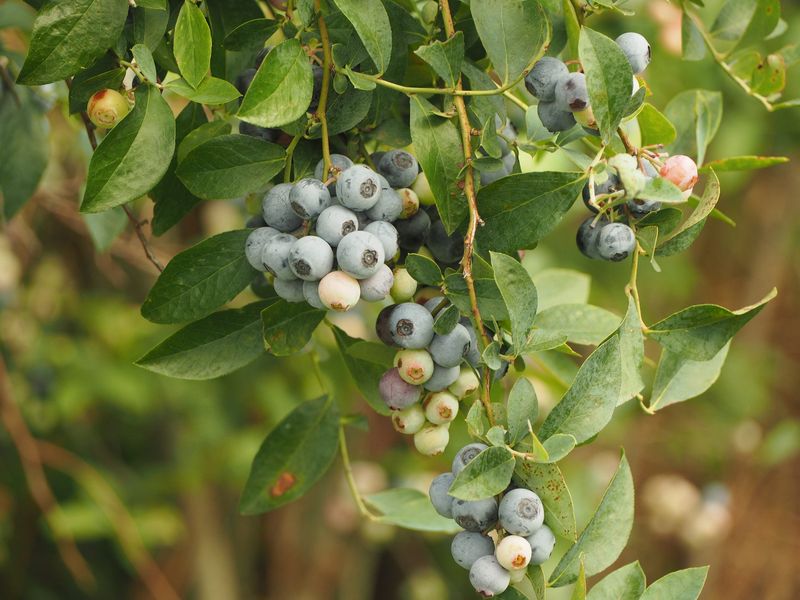
Growing blueberries in Texas takes a little extra effort, but the payoff is a shrub loaded with plump, sweet berries that you can snack on straight from the branch. March is a great time to plant blueberry bushes, particularly in East Texas where the naturally acidic soil gives them a head start.
In other parts of the state, soil amendment is the key to success.
Blueberries require acidic soil with a pH between 4.5 and 5.5. If your garden soil leans neutral or alkaline, which is common in Central and West Texas, mixing in sulfur and peat moss before planting can bring the pH down to the right range.
Raised beds filled with a customized acidic soil mix are another popular solution that many Texas gardeners swear by.
Rabbiteye blueberry varieties like ‘Tifblue’ and ‘Brightwell’ are well-suited to Texas conditions and are more heat-tolerant than northern varieties. Plant at least two different varieties close together to encourage cross-pollination and bigger harvests.
Full sun is preferred, though a little afternoon shade can help in the hottest parts of the state. Mulching with pine bark or pine needles does double duty by keeping moisture in and slowly acidifying the soil over time.
With consistent care and the right soil conditions, a blueberry bush can produce fruit for decades, making it one of the best long-term investments a Texas gardener can make.
7. Apple Dominating Gardens With Classic Appeal
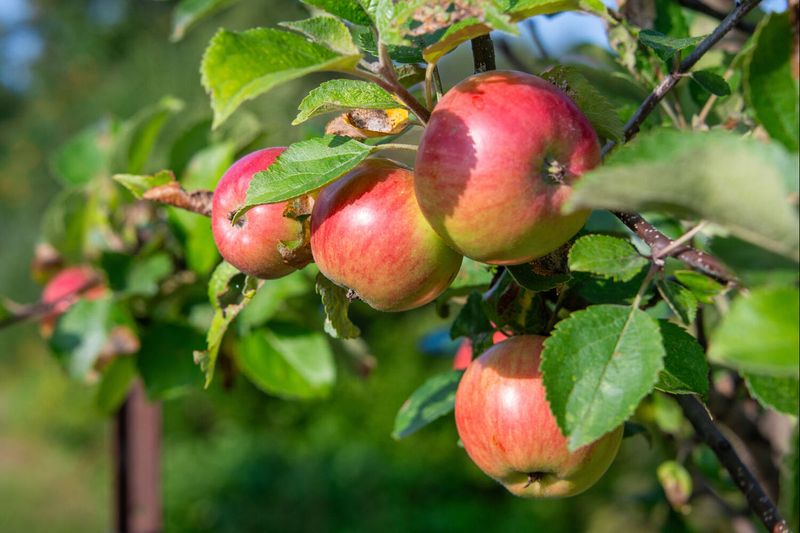
Apples in Texas might sound surprising to some people, but the Hill Country and parts of North Texas have been growing excellent apples for generations. The catch is timing: apple trees are ideally planted in January or February, before they break dormancy and begin budding out.
By March, many apple trees are already starting to wake up, which makes transplanting more stressful for the tree.
If you missed the January-February window, it is still possible to plant in very early March with a container-grown tree, but the sooner the better. Waiting until late spring or summer to plant an apple tree means it will struggle to establish roots while also pushing out new leaves and blossoms, which splits its energy in ways that slow overall development.
Low-chill varieties like ‘Anna,’ ‘Dorsett Golden,’ and ‘Ein Shemer’ are specifically bred for Texas winters, which do not get cold enough for traditional apple varieties. These trees need a cross-pollinator nearby, so planting two different low-chill varieties together is the standard recommendation.
Full sun, good drainage, and a slightly elevated planting location to avoid frost pockets will set your tree up for long-term success. Annual pruning keeps the canopy open and productive.
For Texas gardeners, planning apple planting for the dormant season in January or February helps improve establishment and future growth.
8. Pear With Its Elegant Shape And Subtle Sweetness
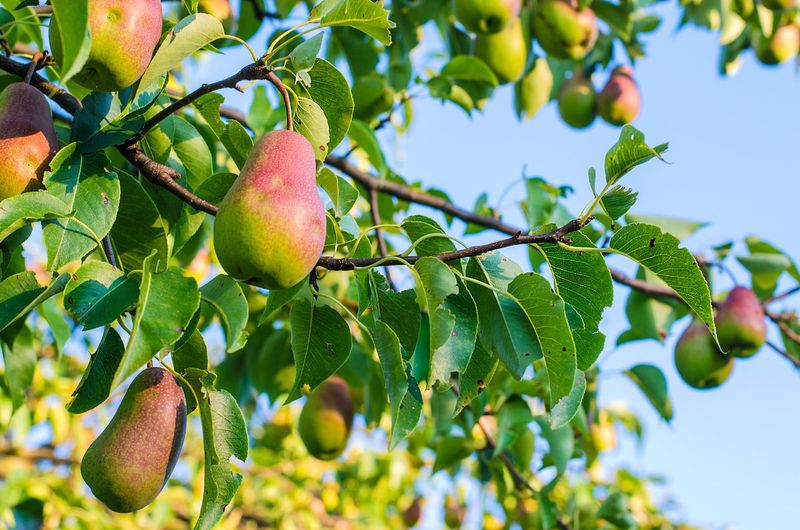
A wonderful addition to any orchard, these trees handle variable climates better than many gardeners expect. However, like apples, pears are best planted during the dormant season, ideally in January or February.
Planting in March is possible but comes with the added challenge of the tree needing to establish roots at the same time it is putting energy into new leaf growth.
Asian pear varieties and European types like ‘Orient’ and ‘Kieffer’ have earned a strong reputation across Texas because of their tolerance for heat and their resistance to fire blight, a bacterial disease that can be particularly damaging in humid conditions. ‘Kieffer’ is especially tough and has been a Texas staple for over a century.
Pear trees prefer deep, well-drained soil and full sun. They are a bit more tolerant of clay soils than many other fruit trees, which is good news for gardeners in North Texas where clay is common.
Two compatible varieties should be planted near each other for proper pollination and a better fruit set. Avoid heavy nitrogen fertilizing, as too much leafy growth actually makes pear trees more susceptible to fire blight.
If you are reading this in March and have not yet planted your pear tree, get it in the ground as soon as possible and water it well through the spring to give it every advantage heading into summer.
9. Peach That Smells Like Summer In Every Blossom
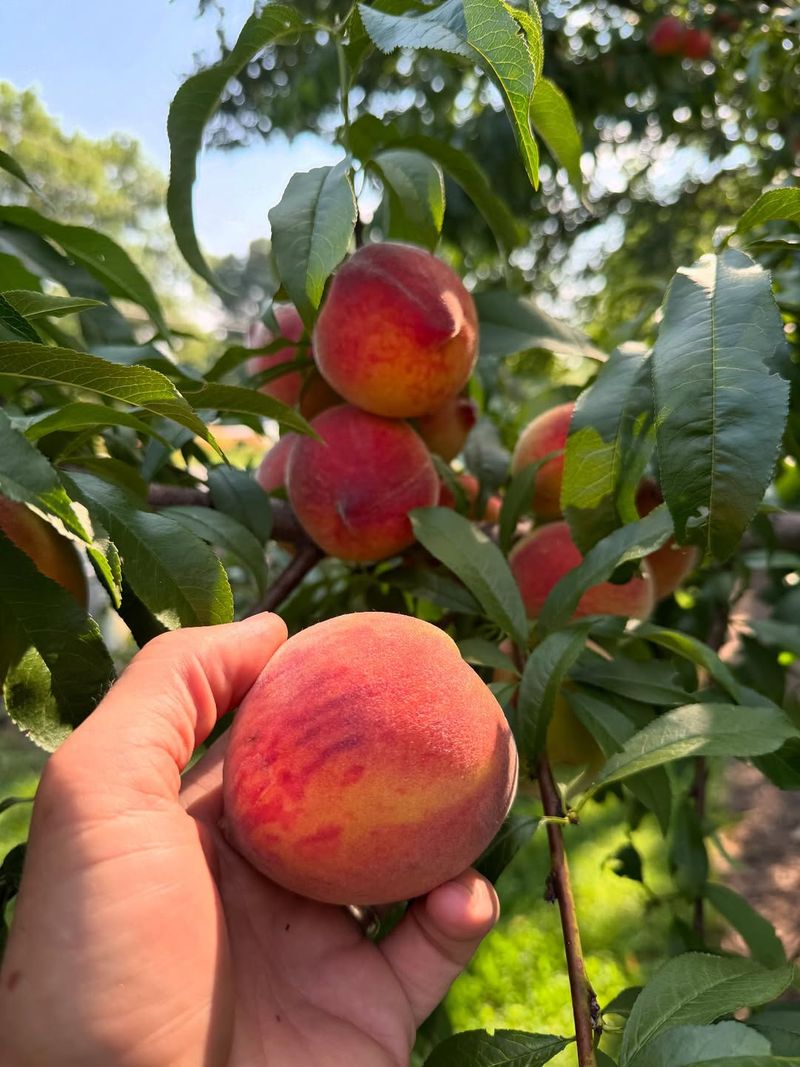
Practically the official fruit of summer, these trees are a must-try for any backyard looking for sweet, juicy harvests. The challenge is that peach trees, like other stone fruits, perform best when planted during the winter dormancy period, from December through February.
Waiting until March is near the end of the ideal planting window, so consider planting as soon as possible for best establishment before summer heat.
Texas-friendly varieties include ‘Contender,’ ‘Redhaven,’ and ‘La Feliciana,’ all of which have been tested and proven in the state’s varied conditions. The Texas Hill Country, particularly around Fredericksburg, is famous for its peach orchards, and the secret to their success is choosing varieties with the right chill hour requirements for your specific region.
Peach trees need full sun and excellent drainage. They are not fans of wet feet, so avoid low spots in the garden where water tends to collect after rain.
Planting on a gentle slope or in a raised area helps with drainage and also reduces the risk of late frost damage to the blossoms, which are one of the earliest to open each spring. Thin the fruit aggressively in the first few years to encourage larger, better-quality peaches rather than a huge number of small ones.
With the right variety and a good planting spot, a Texas peach tree can reward you with baskets of fruit every summer for many years.
10. Plum That Brings Juicy Color And Delicious Flavor
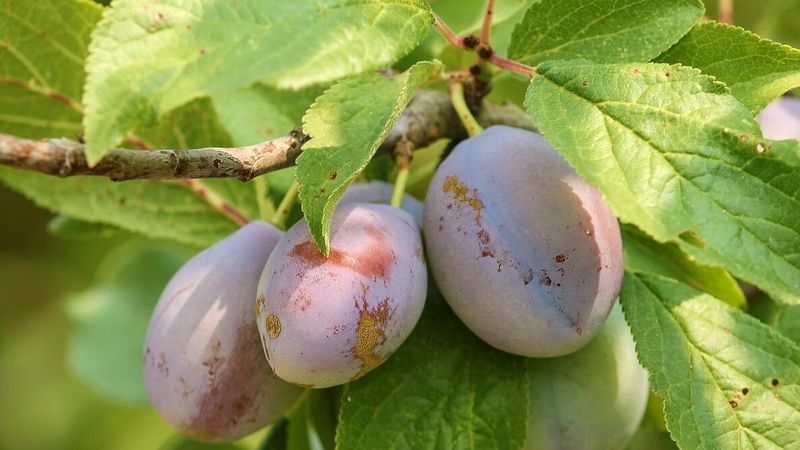
Fast-growing and beautiful, these trees reward gardeners generously with fruit, making them a favorite in home orchards. Like peaches and other stone fruits, plums are best planted during the dormant season in winter, ideally between December and February.
By March, the trees are often already budding, which means transplanting becomes more of a challenge for the plant as it tries to do two big jobs at once.
That said, if you find a healthy container-grown plum tree at your local nursery in early March, it is still worth planting right away rather than waiting until next winter. The sooner it goes in the ground, the better its chances of settling in before the summer heat arrives.
Japanese plum varieties like ‘Methley’ and ‘Bruce’ are well-adapted to Texas conditions and are known for reliable production across much of the state.
Plum trees prefer full sun and well-drained soil, and they benefit from a companion variety nearby for cross-pollination. Annual pruning after harvest keeps the tree shapely and encourages fresh growth for the following year.
One fun fact about plums is that they tend to be among the earliest fruit trees to flower in Texas, sometimes bursting into bloom as early as February, which makes them a stunning sight in the late winter garden. Plan ahead and get your plum tree in the ground next winter to enjoy the full benefit of proper timing.