Garden Bed Ideas That Give Texas Homes Strong Curb Appeal
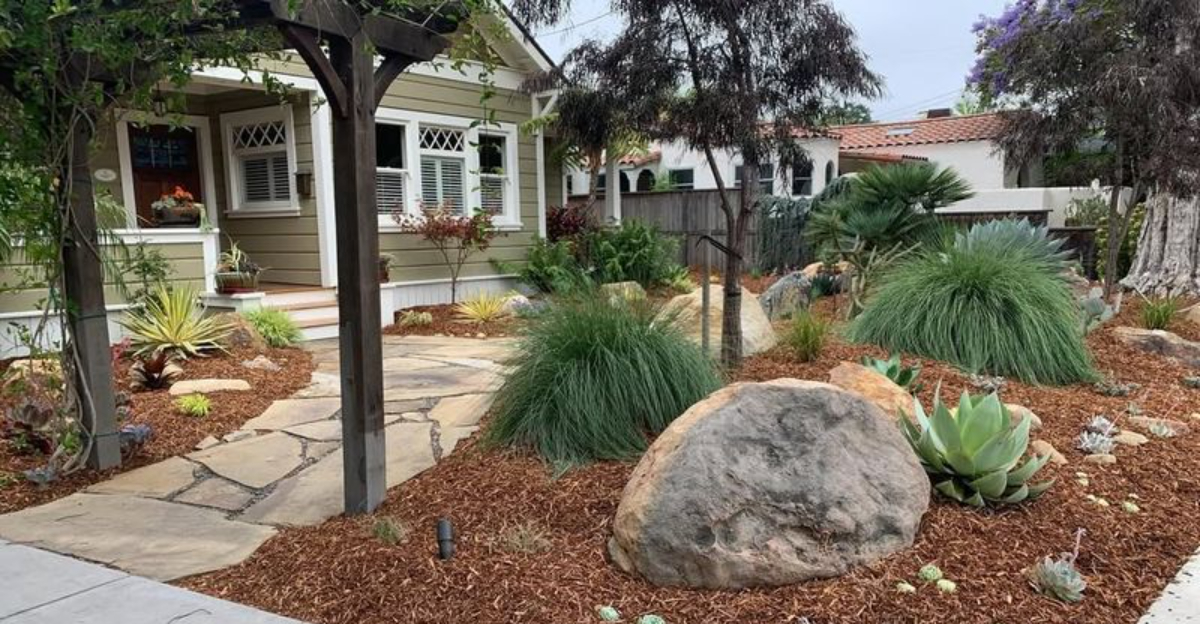
Texas homes often rely on garden beds to make that first impression feel welcoming instead of flat or unfinished.
The right bed layout helps frame the house, guide the eye, and balance bold sun-loving plants with the surrounding landscape.
When designed with intention, garden beds become one of the easiest ways to boost curb appeal without constant upkeep.
1. Native Wildflower Borders
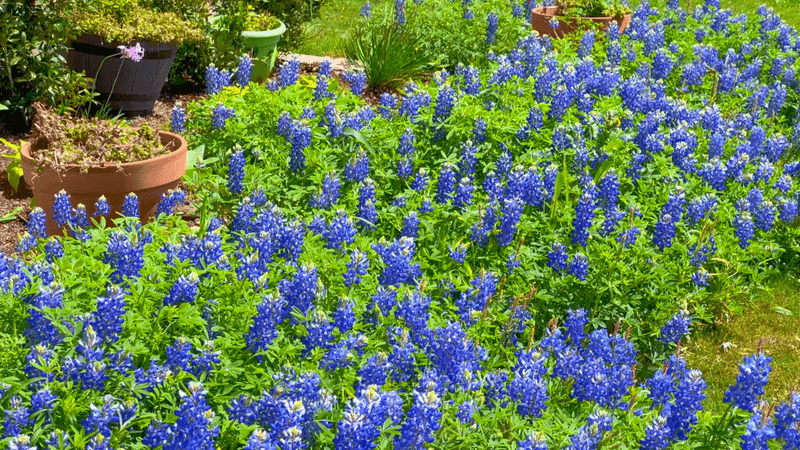
Bluebonnets and Indian paintbrush create stunning displays that celebrate the natural beauty found throughout the Lone Star State every spring season.
Native wildflowers require less water than traditional garden plants, which makes them incredibly practical for homeowners dealing with Texas drought conditions.
These hardy blooms have adapted to local soil and climate over thousands of years, so they thrive without constant attention or care.
Planting a border of wildflowers along your walkway or driveway creates a cheerful welcome that changes with the seasons beautifully.
Many Texas wildflowers reseed themselves naturally, which means your garden bed will return year after year without replanting everything from scratch.
Butterflies and hummingbirds love native flowers, so your yard becomes a lively habitat that supports local wildlife and adds movement to landscapes.
Mixing different wildflower species creates layers of color and texture that look natural rather than overly designed or formal in appearance.
This approach celebrates regional character while reducing maintenance time, water bills, and the need for chemical fertilizers that harm the environment.
2. Raised Stone Planter Boxes

Stacked limestone or river rock creates elevated planting areas that add architectural interest and solve drainage problems common in Texas clay soil.
Raised beds warm up faster in spring, which extends your growing season and allows you to plant earlier than neighbors with ground-level gardens.
Building boxes at different heights adds dimension to flat yards and creates visual interest that draws the eye across your entire landscape.
Stone materials complement the natural aesthetic of Texas homes, especially those built with brick, stucco, or similar regional construction styles and materials.
These structures also make gardening easier on your back since you can tend plants without bending down to ground level constantly.
Filling raised boxes with quality soil gives you complete control over growing conditions, bypassing poor native dirt that frustrates many gardeners.
Herbs, succulents, and flowering annuals all thrive in raised stone planters, offering flexibility to change your design with each new season.
The permanence of stone construction means your investment will last decades, increasing property value while requiring minimal repairs or replacement over time.
3. Desert-Inspired Succulent Gardens
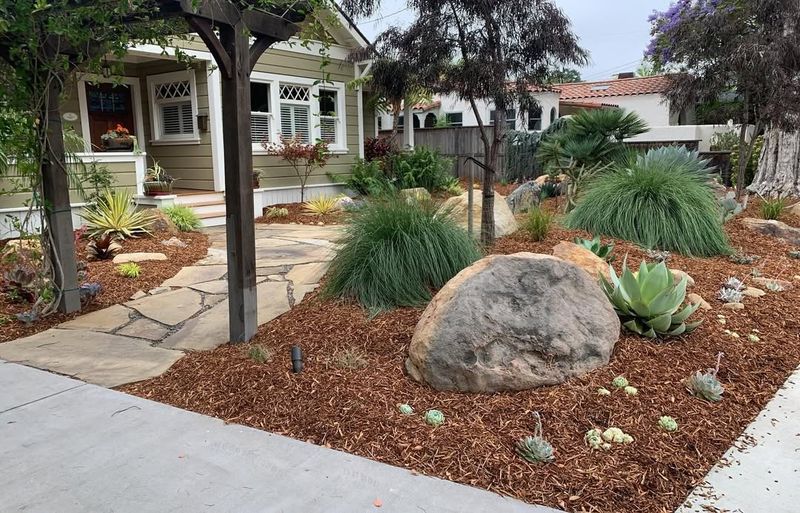
Agave, yucca, and various succulent varieties create a contemporary look that thrives in hot, dry conditions without demanding constant watering or attention.
These drought-tolerant plants have thick leaves that store water, making them perfectly suited for Texas summers when rainfall becomes scarce and unpredictable.
Arranging succulents in clusters with different colors, sizes, and textures produces a modern aesthetic that appeals to homeowners seeking fresh design ideas.
Adding decorative gravel or crushed granite between plants reduces weed growth while creating a clean, polished appearance that looks professionally designed.
Succulents require minimal pruning and rarely suffer from pest problems, which means less time spent on maintenance and more enjoying your yard.
Many varieties produce surprising blooms in shades of red, orange, and yellow that add seasonal pops of color to your landscape design.
This garden style works especially well in western and southern Texas regions where desert influences naturally blend with residential architecture and surroundings.
Combining succulents with decorative boulders or driftwood pieces creates focal points that give your front yard a unique personality that stands out.
4. Colorful Seasonal Rotation Beds
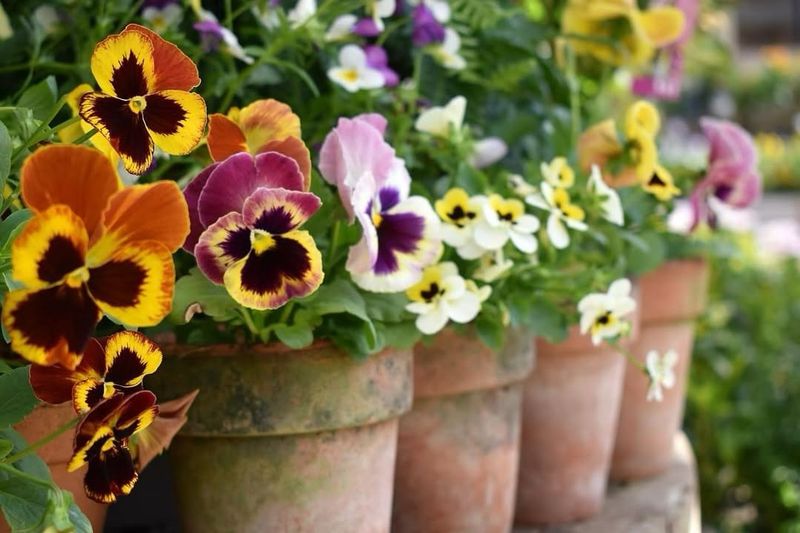
Swapping out plants several times yearly keeps your front yard looking fresh and allows you to showcase different colors as seasons change.
Petunias and marigolds brighten summer months with bold hues, while pansies and snapdragons provide cooler-weather color throughout Texas fall and winter.
Planning ahead with a seasonal rotation schedule ensures your garden bed never looks bare or neglected, maintaining curb appeal throughout the entire year.
This approach lets you experiment with new varieties and color combinations, keeping your landscape design exciting rather than static or predictable over time.
Many Texas garden centers offer seasonal plant sales, making it affordable to refresh your beds without breaking your landscaping budget each season.
Rotating plants also improves soil health since different species have varying nutrient needs and root structures that benefit the growing environment naturally.
You can coordinate flower colors with holidays or special events, creating themed displays that delight neighbors and make your home memorable.
This strategy works beautifully in Texas because our mild winters allow for year-round planting, unlike colder states where gardens lie dormant for months.
5. Edging with Ornamental Grasses

Mexican feather grass and pink muhly grass add movement and softness to garden edges, creating a relaxed look that contrasts beautifully with structured homes.
Ornamental grasses tolerate Texas heat remarkably well and require far less water than traditional lawn grass, making them environmentally friendly and economical.
Their flowing texture catches breezes, adding a dynamic element to your yard that changes throughout the day as wind patterns shift and play.
Many varieties turn golden or burgundy in fall, providing seasonal interest that keeps your landscape visually engaging even as other plants fade away.
Grasses create natural borders between lawn areas and garden beds without requiring rigid edging materials that can look harsh or overly formal.
These plants rarely need pruning during the growing season, though a quick trim in late winter prepares them for fresh spring growth.
Combining different grass heights and textures adds depth to your design, making even small front yards appear larger and more thoughtfully planned.
Wildlife benefits too, as ornamental grasses provide shelter and nesting materials for birds that visit Texas yards throughout the year seeking safe habitats.
6. Shade Garden Under Trees
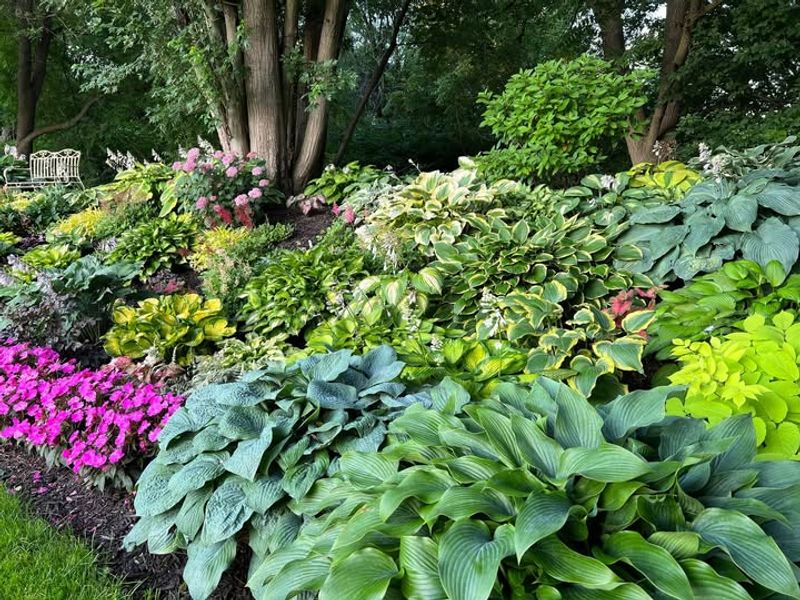
Large oak or pecan trees create challenging growing conditions, but shade-loving plants like hostas and ferns transform these spots into beautiful features.
Many Texas homeowners struggle with bare dirt under mature trees, but selecting appropriate plants solves this problem while enhancing overall curb appeal.
Shade gardens stay cooler during brutal summer months, creating comfortable microclimates that make your entire front yard feel more inviting and pleasant.
Caladiums add vibrant foliage color in shaded areas, offering visual interest without relying solely on flowers that struggle in low-light conditions.
Mulching heavily around shade plants helps retain moisture and suppresses weeds, reducing maintenance time while improving the health of your garden bed.
These gardens create a layered look that adds depth to your landscape, drawing attention to vertical space rather than just ground-level plantings.
Texas gardeners can choose from numerous shade-tolerant natives like coral honeysuckle or turk’s cap that thrive beneath tree canopies without constant fussing.
Lighting your shade garden with low-voltage fixtures at night extends its visual impact, making your home stand out even after sunset throughout the year.
7. Butterfly and Pollinator Gardens
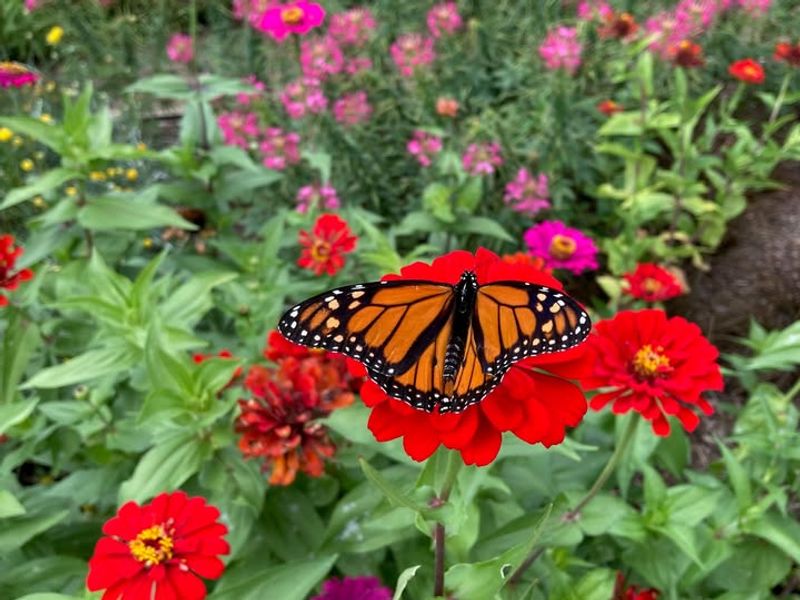
Zinnias, lantana, and milkweed attract butterflies and bees, turning your front yard into a living ecosystem that supports important pollinators throughout Texas.
Watching butterflies flutter among flowers adds a magical quality to your outdoor space that delights children and adults alike every single day.
Pollinator gardens help local ecosystems thrive, contributing to environmental health while creating a landscape that feels alive and full of natural activity.
These plants typically require minimal care once established, as they evolved alongside native pollinators and adapted to regional growing conditions over time.
Grouping plants in clusters rather than scattering them individually makes it easier for pollinators to find food sources and improves your garden’s visual impact.
Many pollinator-friendly plants bloom for extended periods, ensuring your garden bed provides color and interest from early spring through late fall months.
Texas is home to monarch migration routes, so planting milkweed specifically supports these iconic butterflies during their incredible journey across North America.
Adding a small water feature or shallow dish provides drinking spots for pollinators, making your garden even more attractive to beneficial insects and birds.
8. Formal Hedge-Lined Beds
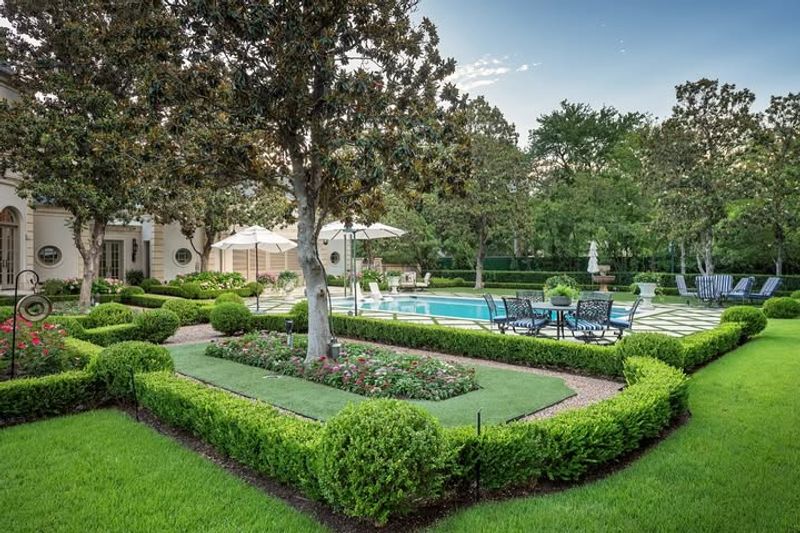
Boxwood or yaupon holly hedges create clean lines that frame garden beds, giving your front yard a sophisticated appearance reminiscent of classic estates.
This formal approach works especially well with traditional Texas home styles like colonial or Georgian architecture that feature symmetrical design elements throughout.
Hedges provide structure year-round, maintaining visual interest even during winter months when flowering plants go dormant and landscapes lose their color.
Regular trimming keeps hedges looking sharp and professional, though yaupon holly requires less frequent maintenance than some other hedge plant varieties.
Planting colorful perennials or annuals within hedge-framed beds creates a striking contrast between the structured borders and loose, natural flower arrangements inside.
This design strategy also defines spaces clearly, making your front yard feel organized and intentional rather than haphazard or poorly planned over time.
Formal gardens increase property values significantly, as they signal to potential buyers that the home has been meticulously maintained and thoughtfully designed.
Texas gardeners should select drought-tolerant hedge varieties that withstand heat stress, ensuring your formal design remains beautiful even during challenging summer weather conditions.
9. Rock Garden with Drought-Tolerant Plants
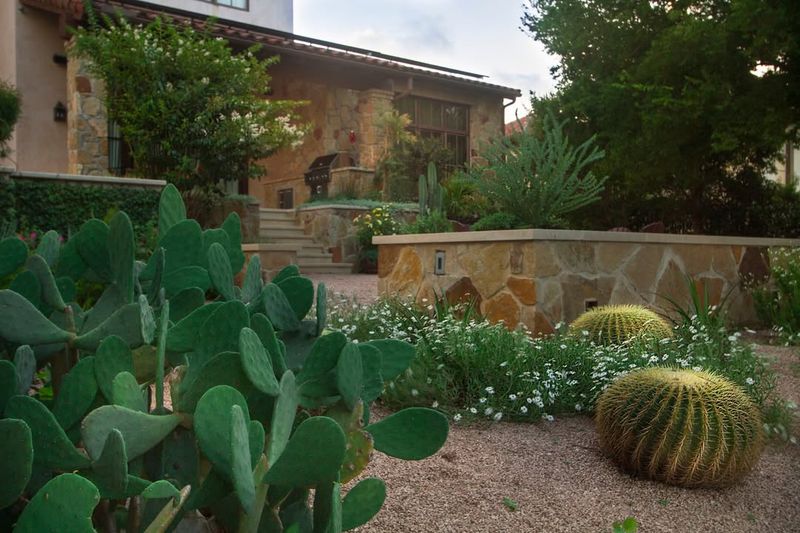
Combining decorative boulders with drought-resistant plants creates a low-maintenance landscape that conserves water while looking naturally beautiful and regionally appropriate.
Rock gardens reflect the rugged character of Texas landscapes, especially in Hill Country and western regions where rocky terrain defines the natural environment.
Using native plants like autumn sage, blackfoot daisy, and prickly pear cactus ensures your garden thrives without irrigation systems or constant human intervention.
Arranging rocks of varying sizes adds visual interest and creates natural-looking compositions that appear as though they’ve always existed in your yard.
This approach dramatically reduces lawn area, cutting down on mowing time and water consumption while still maintaining an attractive, welcoming front yard appearance.
Rock gardens drain quickly after rain, preventing standing water problems that plague many Texas properties with heavy clay soil and poor drainage issues.
Adding lighting among rocks and plants creates dramatic nighttime effects, casting interesting shadows that transform your curb appeal after dark throughout the year.
This style appeals to environmentally conscious homeowners seeking sustainable landscaping solutions that align with Texas water conservation efforts and modern ecological awareness principles.