8 Garden Diseases Florida Gardeners Should Watch For After Winter Rains
After a stretch of winter rain, Florida gardens can change fast. One week everything looks fine, and the next you’re spotting pale leaves, drooping stems, or strange marks that weren’t there before.
It’s enough to make you stop in your tracks and wonder what went wrong. In a climate like ours, too much moisture has a way of stirring up trouble, especially when cool nights and cloudy days hang around longer than expected.
Many plant diseases love these conditions and don’t waste time moving in. What starts as a small issue can spread before you know it, turning healthy plants into a real headache.
The tricky part is that some of the early signs are easy to brush off until damage is already done. Paying attention early can save you a lot of frustration down the road.
When you know what problems tend to show up after winter rains, you can spot them quickly, take action, and keep your garden from going downhill when spring should be right around the corner.
1. Powdery Mildew
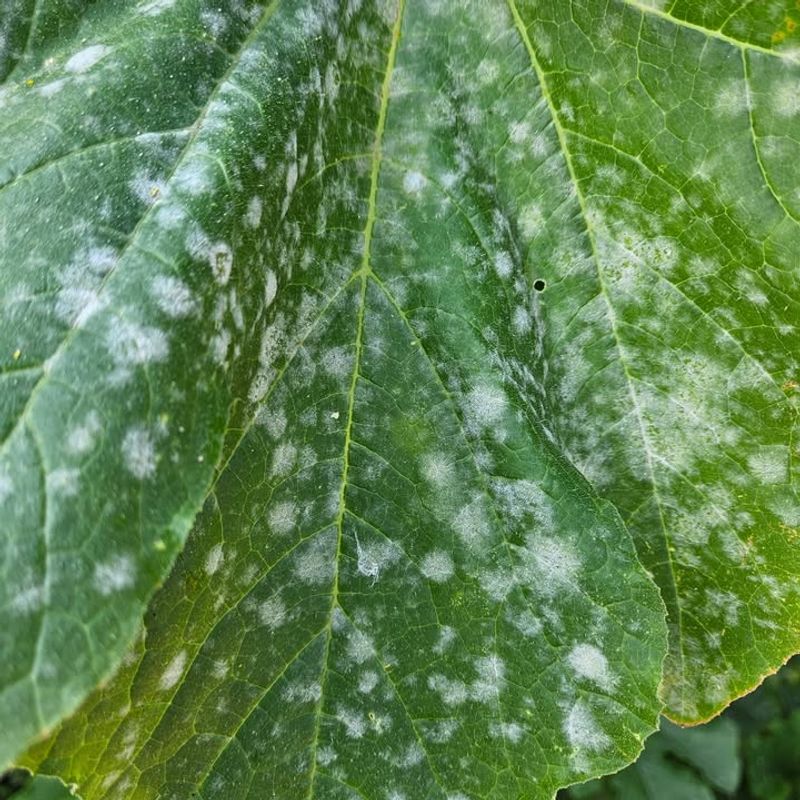
White or grayish patches that look almost like someone dusted flour across your leaves are usually the first sign something is off. This fungal issue thrives when humidity is high but rain is not constantly washing the foliage clean.
Cool nights followed by warmer days create ideal conditions for spores to settle and grow.
Crape myrtles, roses, squash, cucumbers, and zinnias are among the most commonly affected plants in Florida gardens. The coating starts small but can spread quickly across entire leaves and stems if left unchecked.
While it rarely causes permanent harm, it does weaken plants and reduce their ability to produce flowers or fruit.
Improving air circulation around your plants is one of the most effective ways to reduce risk. Prune back crowded branches and avoid overhead watering whenever possible.
If you notice early signs, removing affected leaves and applying a fungicide labeled for this condition can stop it from spreading further.
Good spacing when planting and keeping garden beds free of debris also help prevent future outbreaks. Choosing resistant varieties when available gives your garden an extra layer of protection without requiring extra effort on your part.
2. Downy Mildew
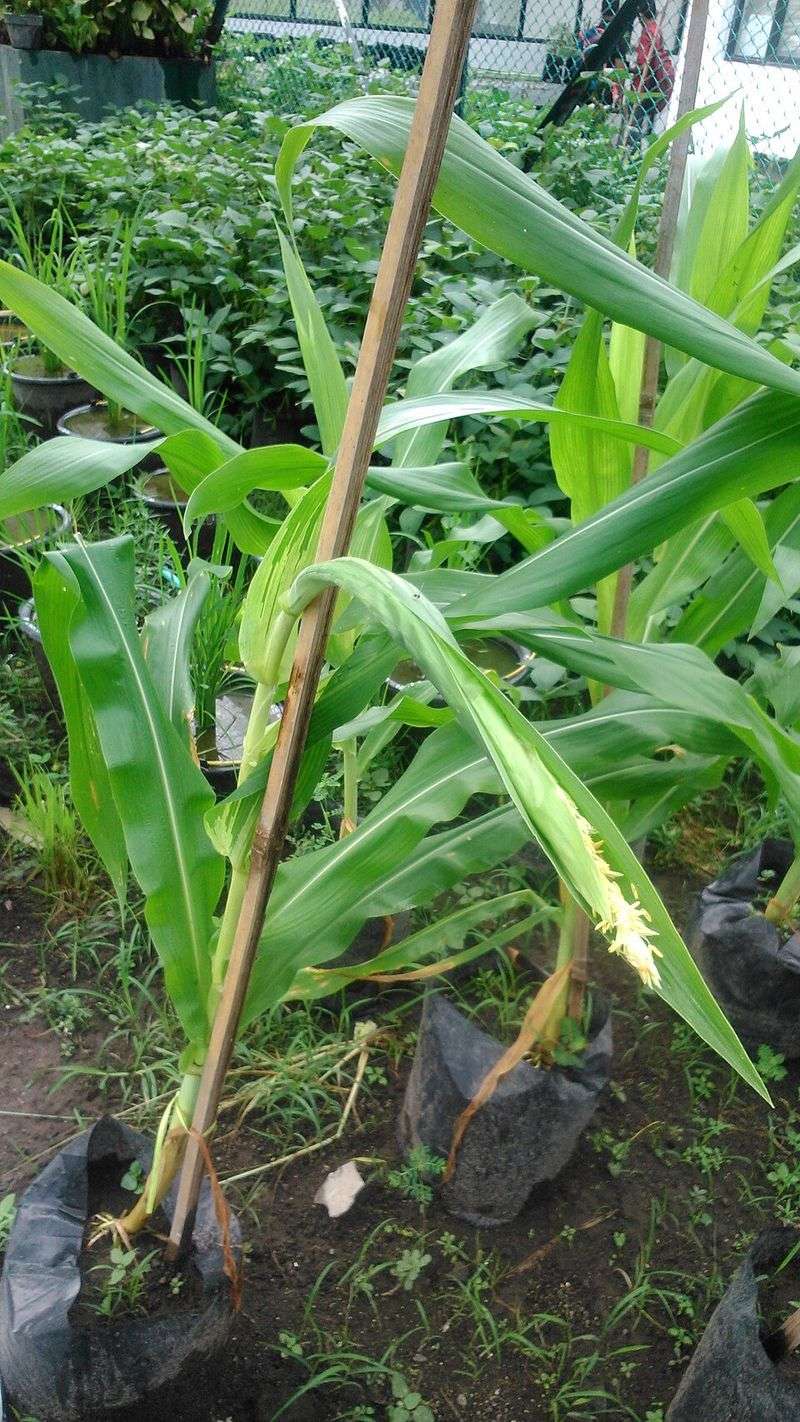
Unlike its powdery cousin, this disease prefers cooler, wetter conditions and often appears on the undersides of leaves first. Yellow or pale green spots show up on the top surface, while a fuzzy grayish or purplish growth develops underneath.
Many Florida gardeners miss the early signs because they focus on the upper leaf surfaces during routine checks.
Cucumbers, melons, lettuce, and impatiens are particularly vulnerable after extended periods of rain and high humidity. The spores spread rapidly through water splashes and wind, making it easy for one infected plant to affect many others nearby.
Leaves may eventually turn brown and drop, reducing the plant’s ability to photosynthesize effectively.
Watering early in the day allows foliage to dry before evening, which significantly reduces the chance of infection.
Space plants properly to ensure good airflow and avoid working in the garden when leaves are wet, as this can spread spores on your hands and tools.
Removing affected foliage promptly and disposing of it away from your garden helps limit the spread. Fungicides formulated for this specific condition can be applied preventively if you have had problems in previous years.
3. Root Rot
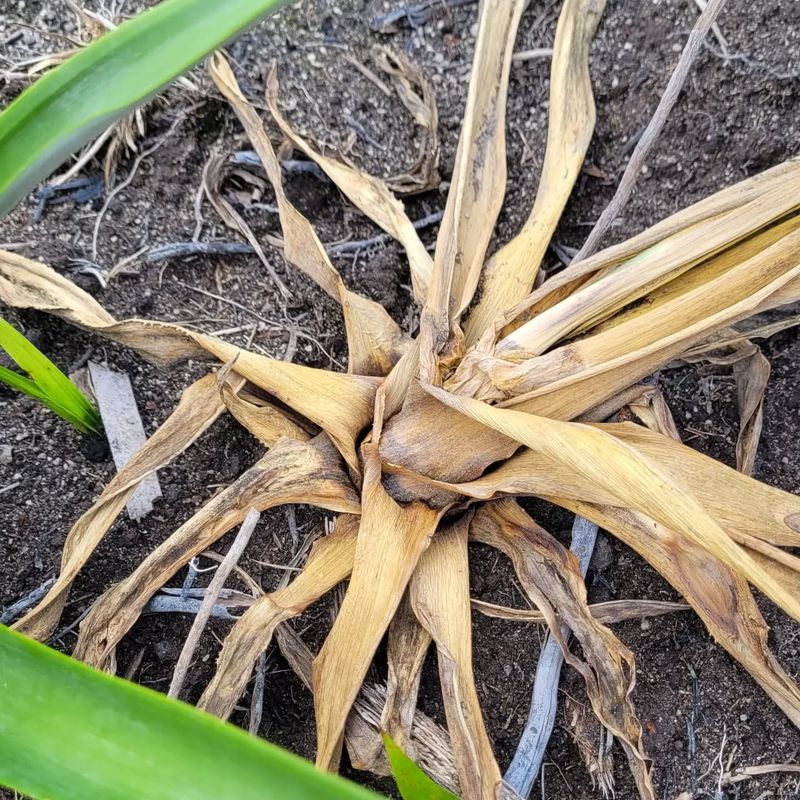
When soil stays waterlogged for too long, roots struggle to get the oxygen they need and become vulnerable to fungal pathogens. Plants affected by this issue often look wilted even though the soil is still moist, which can be confusing for gardeners who assume the plant needs more water.
Leaves may turn yellow or pale, and growth slows noticeably.
Tomatoes, peppers, citrus, azaleas, and container plants are especially prone to this problem after heavy winter rains. The roots themselves turn brown or black and become soft or mushy when gently squeezed.
Once the root system is compromised, the plant has difficulty absorbing nutrients and water no matter how much you provide.
Ensuring proper drainage before planting is the best way to prevent this condition from developing in the first place. Raised beds, well-draining soil amendments, and avoiding low spots in your yard all help keep roots healthy.
If you suspect an issue, gently remove some soil around the base to inspect the roots.
Reducing watering frequency and allowing the soil to dry slightly between waterings can help plants recover if caught early. In severe cases, replanting in fresh, well-draining soil may be necessary to save the plant in your Florida garden.
4. Leaf Spot Diseases
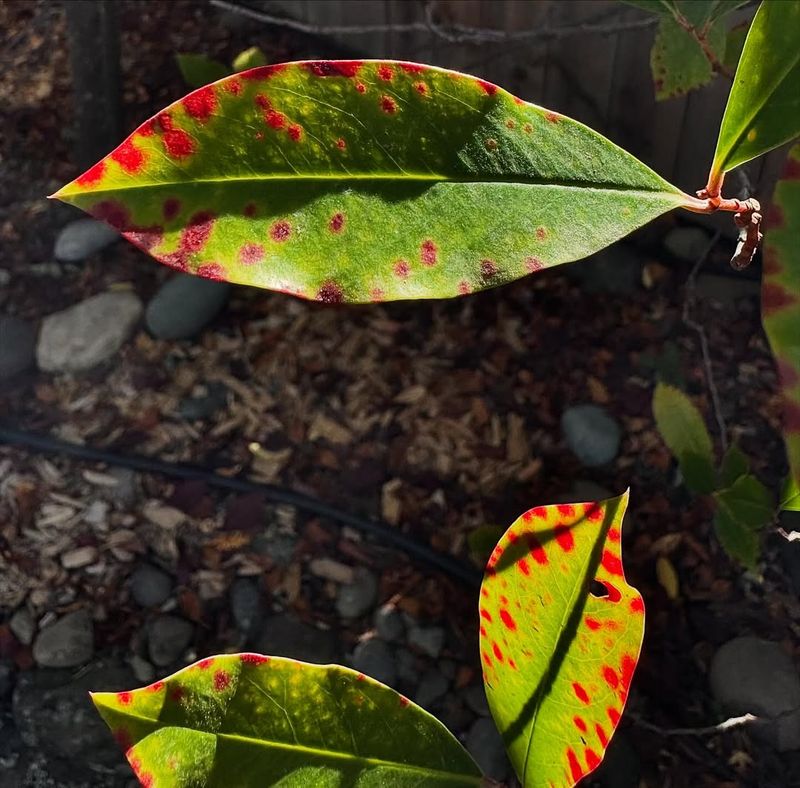
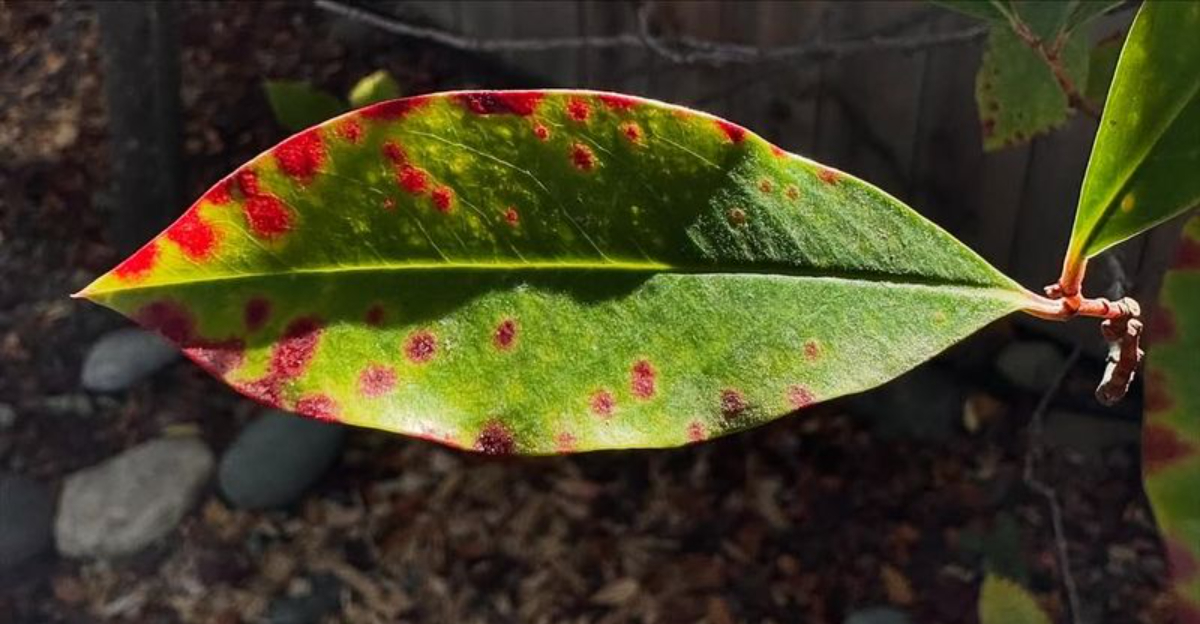
Circular or irregular spots in shades of brown, black, yellow, or red often appear on foliage after periods of wet weather. Several different fungi and bacteria cause these markings, and while they vary in appearance, they all share a preference for moist conditions.
Spots may have distinct borders or fuzzy edges depending on the specific pathogen involved.
Roses, tomatoes, peppers, hibiscus, and many ornamental shrubs frequently develop these symptoms following winter rains. As spots increase in number, affected leaves may turn yellow and drop prematurely, which weakens the plant over time.
Heavy infections can reduce flowering and fruiting, though complete plant loss is uncommon.
Cleaning up fallen leaves and plant debris regularly removes a major source of spores that can reinfect healthy foliage. Mulching around plants helps prevent soil-borne pathogens from splashing onto lower leaves during rain or watering.
Avoid wetting the foliage when irrigating, and water in the morning so leaves dry quickly.
Pruning out affected leaves as soon as you notice them limits the spread of infection. Fungicides labeled for leaf spot control can be applied preventively if your garden has a history of these problems, especially during extended wet periods.
5. Rust
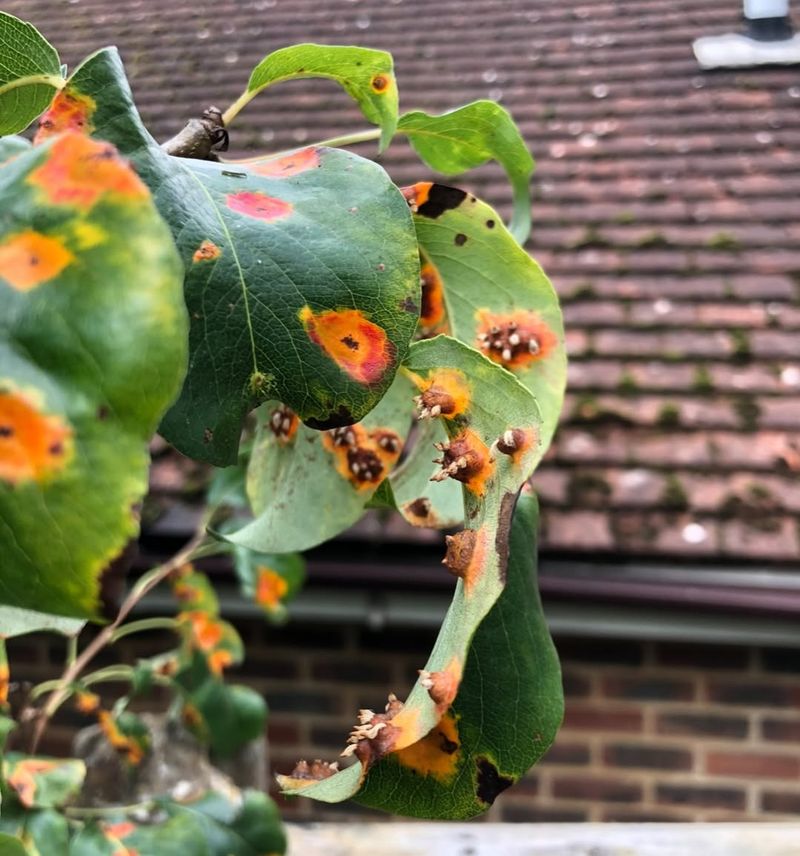
Small orange, yellow, or reddish-brown pustules that look almost like tiny blisters are the telltale sign of this fungal condition. When you brush against an infected leaf, a powdery residue often comes off on your hand or clothing.
The spores spread easily through air currents and water, making it a common sight in humid Florida gardens after rain.
Hollyhocks, snapdragons, roses, beans, and certain lawn grasses are among the most susceptible plants. The pustules typically appear on the undersides of leaves first, with corresponding yellow or pale spots visible on the top.
As the infection progresses, leaves may become distorted or drop early, reducing the overall vigor of the plant.
Increasing air circulation by thinning crowded plantings and removing lower branches can make the environment less favorable for spores to germinate. Water at the base of plants rather than overhead, and try to keep foliage as dry as possible during humid periods.
Removing and disposing of infected leaves promptly helps prevent the disease from spreading to other parts of the garden. Fungicides specifically labeled for rust control can be effective when applied at the first sign of symptoms, especially on valuable ornamental plants.
6. Gray Mold
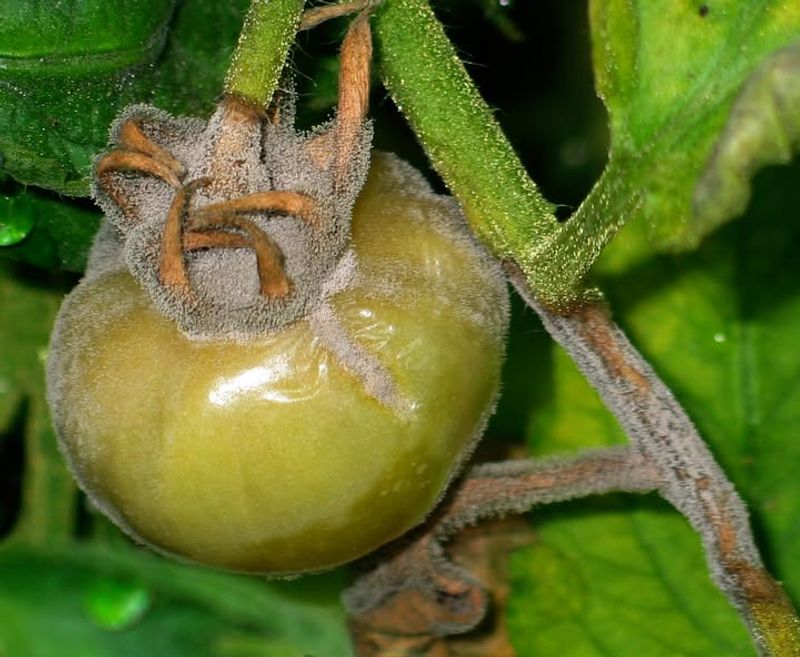
Fuzzy gray or brownish growth that appears on flowers, fruits, stems, and leaves is a common sight after cool, damp weather. This fungal condition, also known as botrytis, loves environments where air circulation is poor and moisture lingers on plant surfaces.
It often starts on damaged or aging plant tissue before spreading to healthy areas.
Strawberries, tomatoes, petunias, geraniums, and other soft-tissued plants are particularly vulnerable during Florida’s winter rainy season. Flowers may brown and collapse, while fruits develop soft spots covered in the characteristic fuzzy coating.
Stems can also become girdled, causing entire branches to weaken and droop.
Removing spent blooms and overripe fruits promptly eliminates the most common entry points for infection. Spacing plants appropriately and avoiding overcrowding allows air to move freely and keeps foliage drier.
Watering in the morning rather than evening gives plants time to dry before cooler night temperatures arrive.
Pruning away affected plant parts as soon as you notice them prevents spores from spreading to nearby healthy tissue. Fungicides can be used preventively on high-value plants, especially during extended periods of cloudy, humid weather when conditions favor rapid disease development.
7. Anthracnose
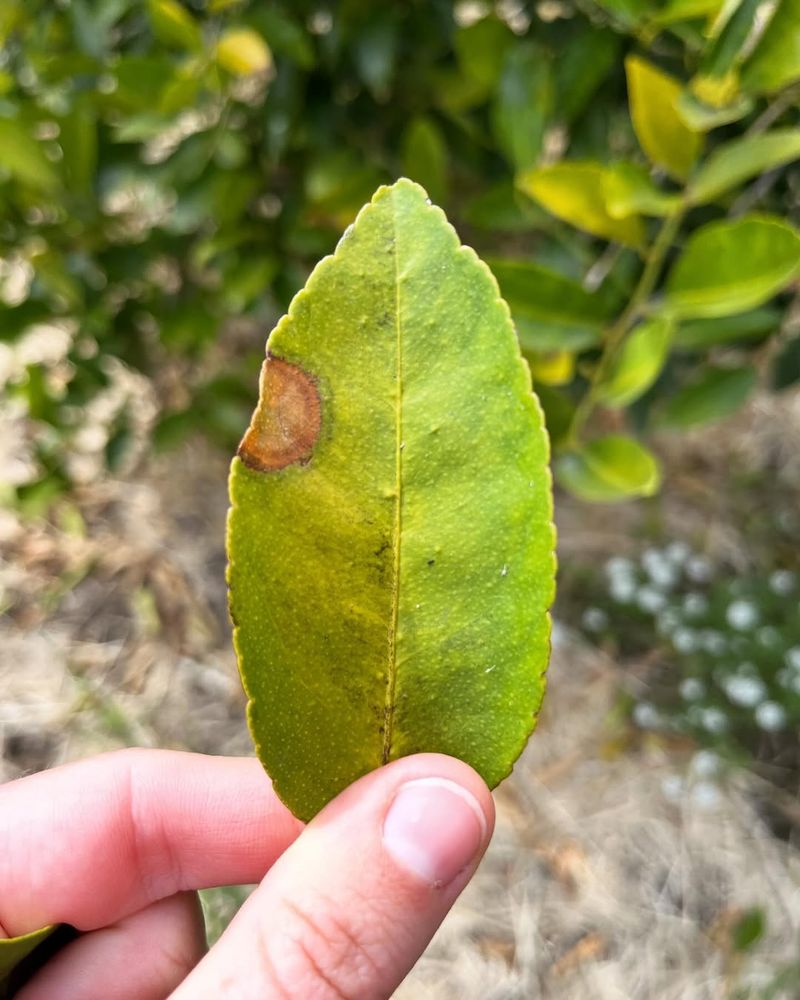
Dark, sunken lesions on leaves, stems, fruits, and flowers are the hallmark of this widespread fungal condition. The spots often have a target-like appearance with concentric rings and may ooze pinkish spore masses during wet weather.
It spreads rapidly through splashing water and can affect a wide range of ornamental and edible plants.
Tomatoes, peppers, mangoes, avocados, and shade trees like sycamores are frequently impacted after heavy winter rains in Florida. Fruits may develop dark, rotted areas that expand quickly, while leaves can develop irregular brown patches that eventually cause them to drop.
Young shoots and twigs may also show cankers that weaken the plant’s structure.
Pruning out infected branches and removing affected fruits immediately helps reduce the amount of inoculum present in your garden. Avoid overhead irrigation and try to keep water off foliage as much as possible, especially during cool, wet periods.
Mulching around plants prevents soil-borne spores from splashing up onto lower leaves.
Cleaning and disinfecting pruning tools between cuts prevents spreading the pathogen from one plant to another. Fungicides can be applied preventively on susceptible plants, particularly during seasons when conditions favor disease development and spread.
8. Damping Off
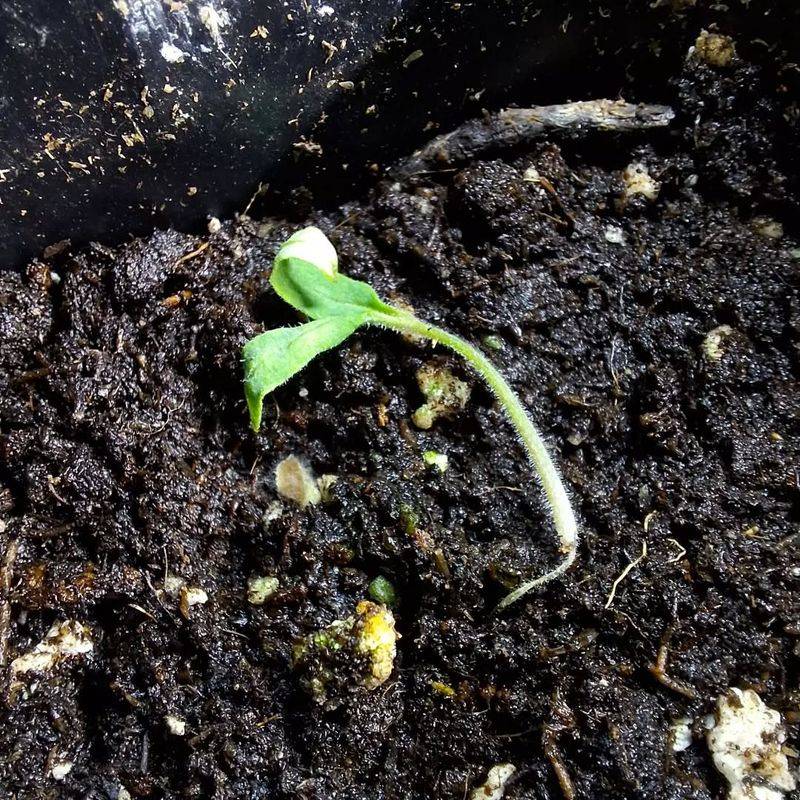
Seedlings that suddenly topple over at the soil line are often victims of this frustrating condition. It strikes young plants when soil remains too wet and temperatures are cool, creating perfect conditions for soil-borne fungi to attack tender stems.
Florida gardeners may find entire trays of seedlings collapsing within a day or two of the first symptoms appearing.
Tomatoes, peppers, beans, petunias, and nearly all vegetable and flower seedlings are at risk during the germination and early growth stages. The stem near the soil surface becomes water-soaked and pinched, causing the seedling to fall over even though the roots may still look healthy.
Once symptoms appear, affected seedlings rarely recover.
Using clean containers and fresh, sterile seed-starting mix significantly reduces the risk of infection. Avoid overwatering and ensure containers have adequate drainage holes to prevent waterlogging.
Providing good air circulation around seedlings and keeping them in a bright location helps strengthen stems and dry the soil surface.
Thinning seedlings to prevent overcrowding and watering from the bottom rather than overhead can also help. If you have experienced this problem before, treating seeds or soil with a fungicide labeled for seedling protection before planting may provide extra insurance during vulnerable early growth stages.