10 Garden Edging Ideas To Instantly Upgrade Texas Outdoor Spaces
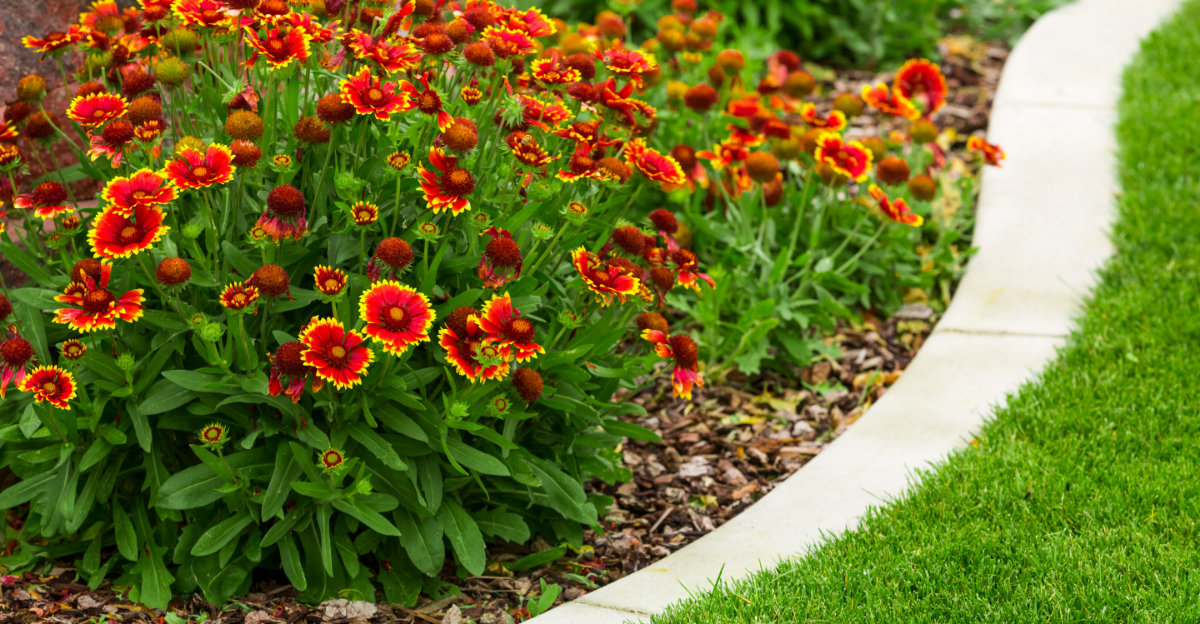
Every Texas garden has edges where grass meets flowerbeds or pathways meet patio stones, and those lines often tell the story of your garden at a glance.
A crisp, creative edge can make even familiar beds feel fresh, purposeful, and inviting while highlighting the plants you love most.
From classic stone to modern metal, curved concrete, and even living borders, the right edging adds structure, style, and sometimes a little surprise to your outdoor space.
It can make your garden feel wider, more organized, and visually appealing, or simply more welcoming to anyone walking past.
If you’ve been thinking about giving your beds a polished look, these edging ideas will show you ways to add impact without needing to expand your yard. Each option opens a new door to shaping your space beautifully and adding personality to every corner of your garden.
1. Natural Stone Edging
A timeless, organic beauty is brought to any Texas garden by natural stone edging. Flat limestone, river rock, and fieldstone are all popular choices throughout the state, especially in areas like the Texas Hill Country where stone is practically part of the local identity.
Using locally sourced stone also means your edging will naturally blend with the surrounding environment.
One of the biggest advantages of natural stone is its durability. Stone does not fade, rot, or need painting.
Once it is in place, it quietly does its job year after year, even through Texas heat waves and sudden downpours. It also handles drought conditions extremely well, which is a major plus in a state known for dry spells.
You can stack stones to create a raised border effect, which is perfect for defining elevated garden beds. Alternatively, placing flat stones flush with the ground creates a sleek, low-maintenance look that still packs plenty of visual punch.
The irregular shapes of natural stone add texture and character that manufactured materials simply cannot replicate.
Pairing natural stone edging with native Texas plants like bluebonnets, black-eyed Susans, or ornamental grasses creates a landscape that feels cohesive and authentically Texan. It is a winning combination that looks great in photos and even better in person.
2. Brick Or Paver Edging
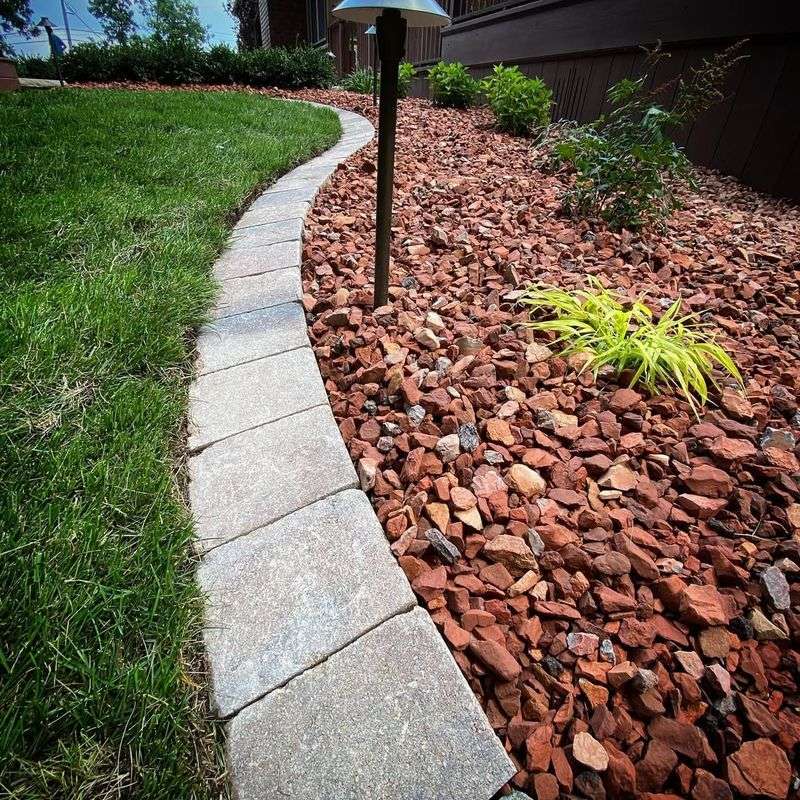
Few things say “classic Texas charm” quite like a well-laid brick border running along a garden bed. Brick edging has been a go-to choice for homeowners for decades, and it is easy to see why.
The warm, earthy tones of brick complement almost every landscaping style, from traditional to modern farmhouse.
In Texas, where summers can be brutally hot, brick holds up incredibly well. It does not warp, rust, or break down quickly under intense sun or heavy rain.
You can lay bricks flat for a low-profile look, or angle them diagonally for a saw-tooth pattern that adds extra visual interest.
Pavers are a great alternative if you want more variety in shape and color. Concrete pavers come in many sizes and can be mixed and matched to create a truly custom look.
Both options are widely available at home improvement stores across Texas, making them easy to source locally.
Installing brick or paver edging is also a beginner-friendly DIY project. You just need a shovel, some sand, and a little patience.
Once it is set, this type of edging can last for many years with minimal maintenance, making it a practical long-term choice for your garden.
3. Metal Edging (Steel Or Aluminum)
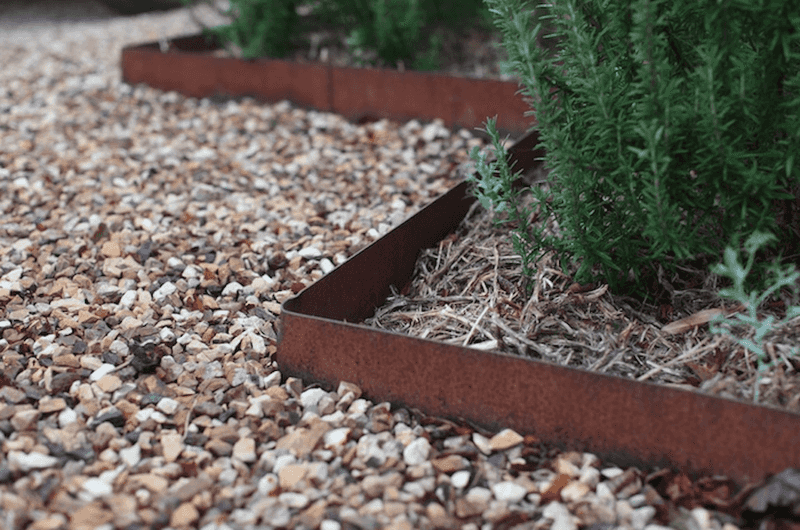
Clean lines and a sharp, modern look are the calling cards of metal garden edging. Steel and aluminum strips are popular among Texas homeowners who want their outdoor spaces to look polished and professionally designed.
The thin profile of metal edging sits almost invisibly at ground level, letting your plants and lawn take center stage.
Steel edging is especially tough and can hold curved shapes beautifully, making it ideal for sweeping garden bed designs. Aluminum is a bit lighter and naturally resistant to rust, which matters a lot in coastal Texas areas like Galveston or Corpus Christi where humidity and salt air can be tough on materials.
Both options are built to handle the Texas climate without buckling or warping.
Installing metal edging is straightforward. Most products come in long flexible strips that you anchor into the ground with stakes.
Once set, they create a firm, lasting barrier that keeps mulch and soil neatly contained within the garden bed. Grass is far less likely to creep into your flower beds when metal edging is in place.
For a truly contemporary Texas outdoor space, pair steel edging with gravel mulch, ornamental grasses, and drought-tolerant succulents. The contrast between the hard metal edge and soft plantings creates a visually striking look that feels both modern and intentional.
4. Gravel Or Pebble Edging
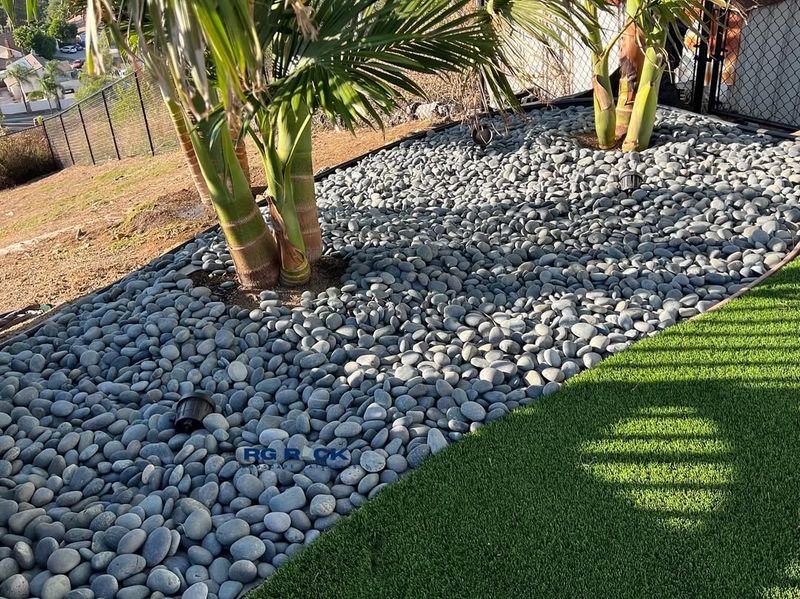
In Texas, gravel and pebble edging is one of the most low-maintenance options on this list, which makes it especially appealing. With hot summers and frequent drought conditions across much of the state, homeowners are always looking for landscaping solutions that look great without demanding constant attention.
Gravel delivers exactly that.
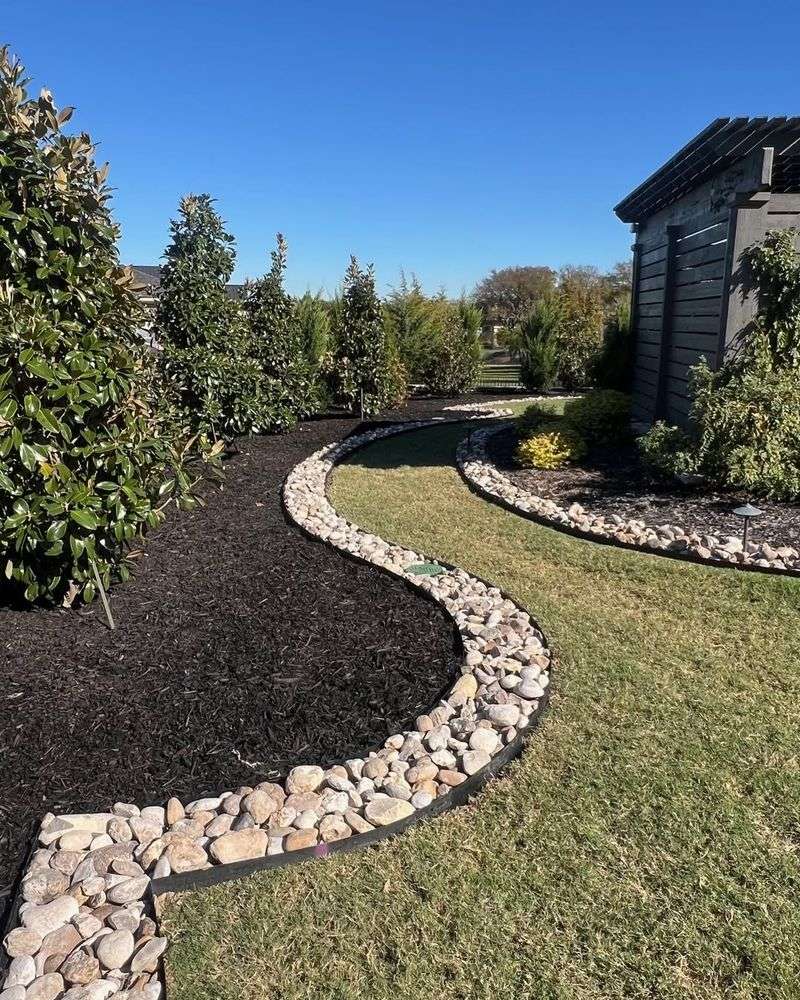
A border of small pebbles or crushed gravel creates a clean visual break between your lawn and garden beds. It also acts as a natural weed suppressant when laid thick enough, saving you time and effort throughout the growing season.
River rocks in warm tan, brown, or gray tones look especially stunning alongside native Texas plants and xeriscaped gardens.
Gravel edging works particularly well in San Antonio and El Paso, where water conservation is a top priority. Replacing a traditional grass border with a gravel strip can actually reduce your water usage and lower your lawn care costs over time.
That is a practical win for your wallet and the environment.
To install gravel edging, simply dig a shallow trench along your garden bed, lay a weed barrier fabric, and fill it with your chosen gravel or pebbles. Adding a metal or plastic border on the outer edge helps keep the gravel from spreading onto the lawn.
The result is a tidy, attractive finish that holds up beautifully through the Texas seasons.
5. Wooden Edging (Cedar Or Timber)
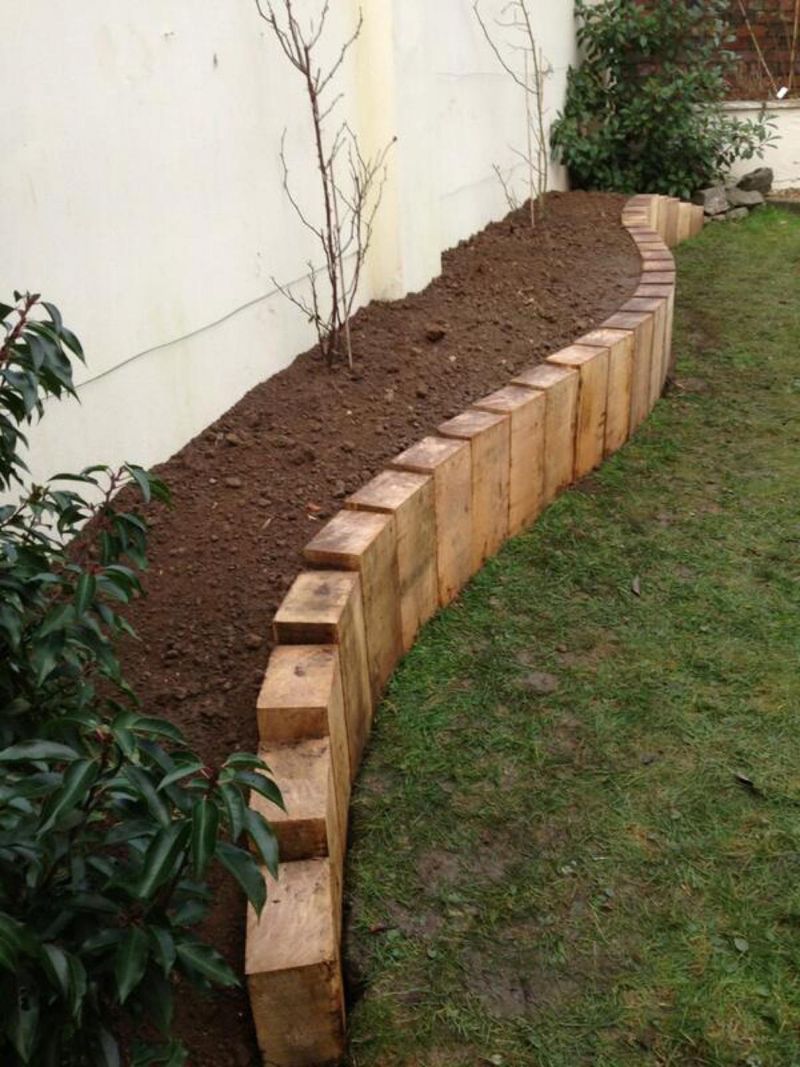
Wood has a warmth and natural charm that is hard to beat in any garden setting. Cedar and timber edging are especially popular in Texas because they bring a cozy, organic feel to outdoor spaces while still looking neat and structured.
Cedar is a particularly smart choice for the Texas climate because it is naturally resistant to insects and moisture, two things that can quickly damage lesser wood types.
Cedar edging can be installed as flat planks running along the edge of a garden bed, or as upright stakes hammered into the ground for a more rustic picket-style look. Either way, the natural wood tones pair beautifully with green plants, colorful blooms, and even gravel pathways.
Over time, untreated cedar weathers to a soft silver-gray that many homeowners find even more attractive than the original color.
Timber edging, which uses thicker, heavier wood beams, is a great option for raised garden beds or sloped yards where you need a stronger retaining edge. It adds a bold, substantial look that works perfectly in larger Texas backyards.
Pressure-treated timber is widely available and holds up well against the Texas heat and humidity.
One fun fact: cedar contains natural oils that repel termites, making it a practical choice in regions of Texas where termite activity is common. That built-in protection gives cedar edging a longer lifespan than many other wood options available at your local hardware store.
6. Living Plant Edging
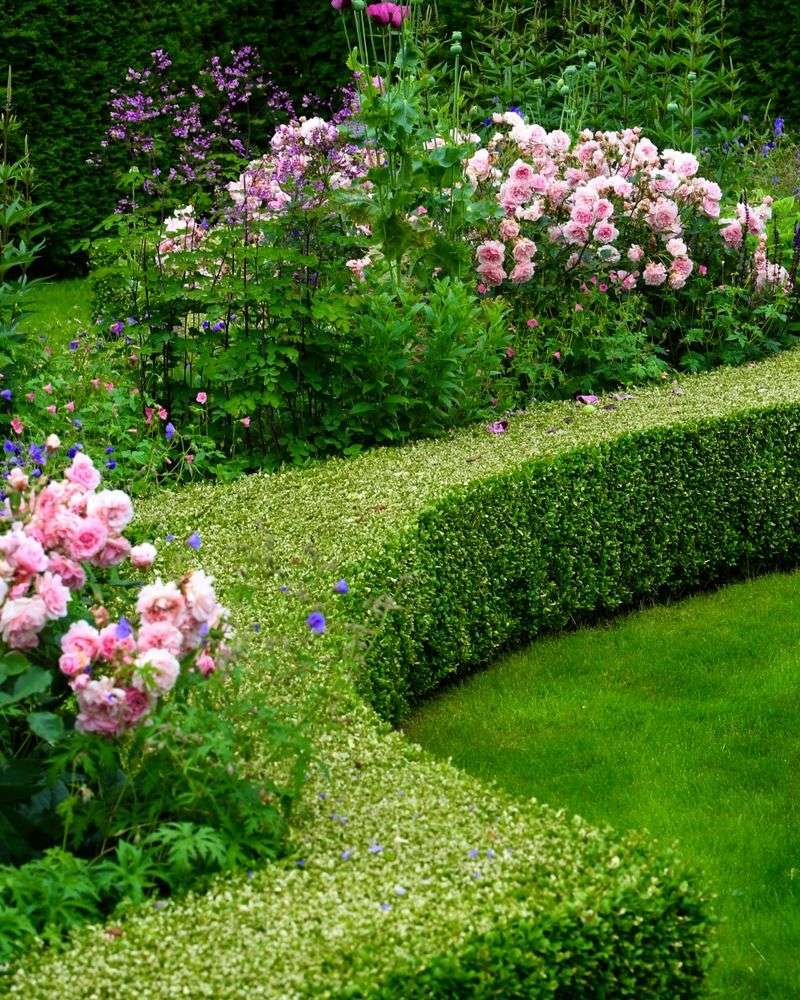
Imagine your garden border being alive, growing, and blooming right alongside your flower beds. Living plant edging is exactly that, a row of low-growing plants used to define the edges of garden beds, pathways, or lawn areas.
It is one of the most beautiful and eco-friendly edging options available for Texas outdoor spaces.
Popular plants used for living edging in Texas include mondo grass, liriope, society garlic, and Mexican heather. These plants are tough, drought-tolerant, and thrive in the Texas climate with minimal fuss.
They create a soft, natural border that shifts with the seasons, offering color and texture throughout the year. Society garlic even produces lovely purple blooms that add a splash of color along pathways.
Living edging does require a bit more ongoing care than stone or metal options. Regular trimming keeps the border looking neat and prevents plants from spreading too far into the lawn.
However, the payoff is a garden edge that feels lush, alive, and completely unique to your yard.
For a truly Texas-inspired look, try using native plants like Gulf muhly grass or dwarf yaupon holly as your living border. Native species are adapted to local soil and weather conditions, meaning they need less water and fewer inputs to stay healthy.
Your garden border will look stunning while also supporting local pollinators like bees and butterflies throughout the season.
7. Recycled Rubber Edging
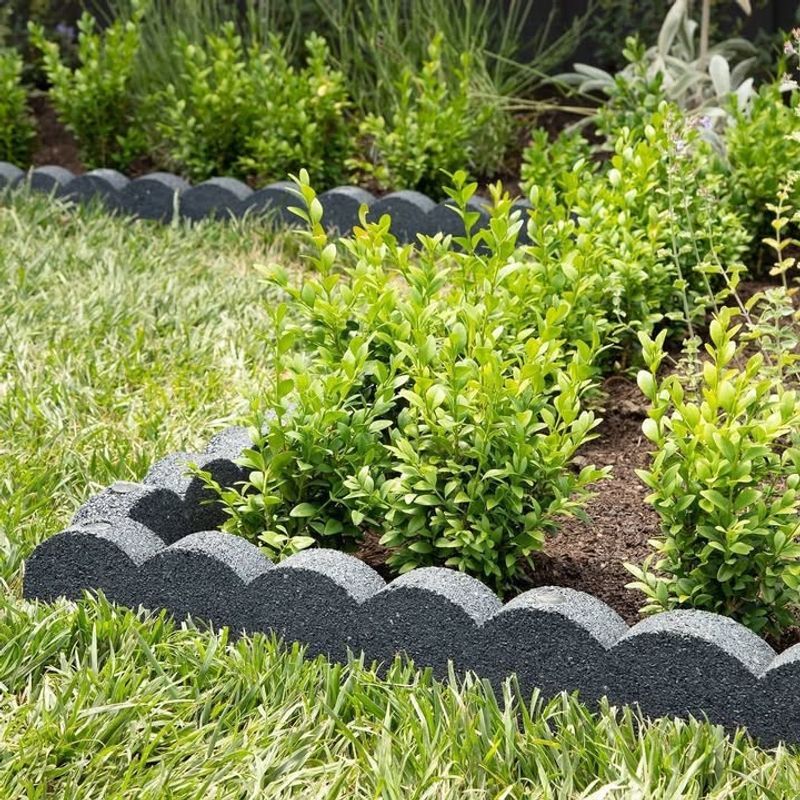
A smart, practical choice that often goes unnoticed is recycled rubber edging. Made from repurposed tires and rubber materials, this type of edging is flexible, durable, and surprisingly attractive once it is installed in your Texas garden.
It is a great example of eco-conscious landscaping that does not sacrifice style for sustainability.
One of the standout features of recycled rubber edging is its flexibility. It bends easily around curves and corners, making it ideal for gardens with sweeping, organic shapes rather than straight lines.
In Texas, where many homeowners prefer flowing, naturalistic garden designs, rubber edging can follow the contours of your landscape with ease.
Rubber is also incredibly resistant to Texas weather extremes. It does not crack in the summer heat, warp during sudden temperature drops, or break down in heavy rain.
Unlike wood, it will not rot or attract insects. Unlike metal, it will not rust.
That combination of resilience and low maintenance makes it a genuinely practical choice for busy Texas households.
Installation is simple enough for most weekend DIY projects. Rubber edging stakes easily into the ground and can be cut to any length with a utility knife.
It is often available in black or dark brown tones that blend naturally with soil and mulch, giving your garden beds a clean, finished appearance without drawing too much attention to the edging itself.
8. Concrete Or Cinder Block Edging
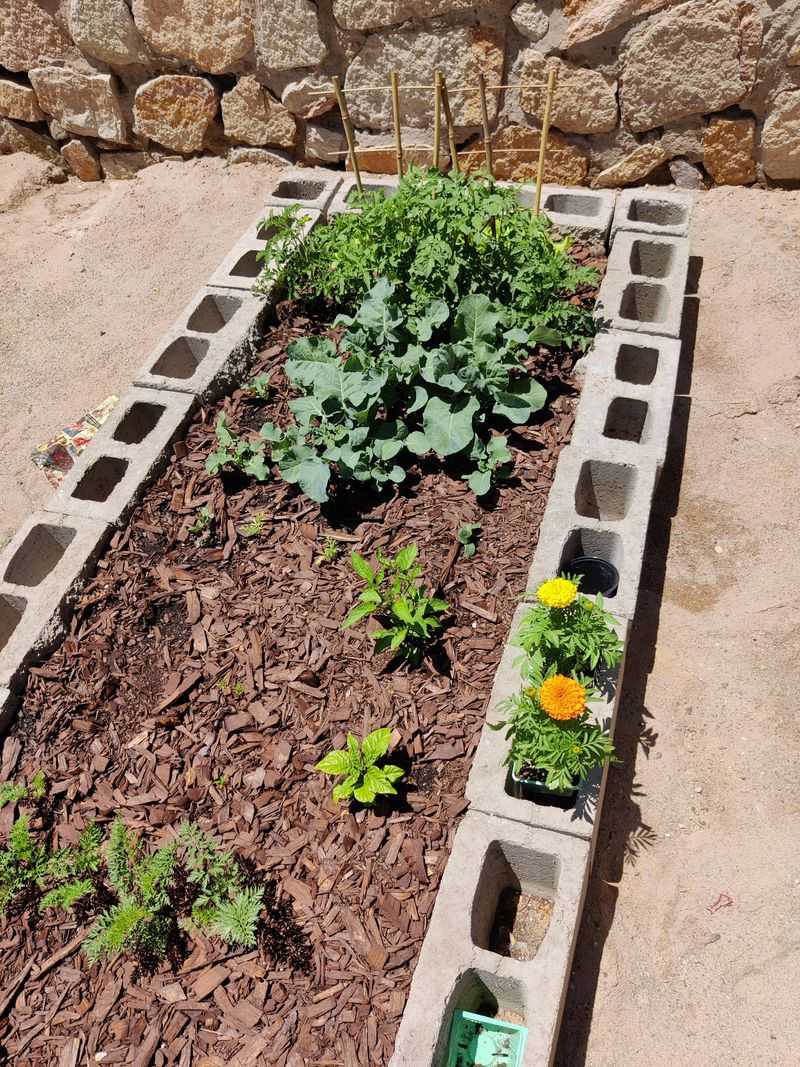
Bold, sturdy, and surprisingly versatile, concrete and cinder block edging is a powerhouse option for Texas homeowners who want their garden borders to last a lifetime. These materials are incredibly strong and can handle the intense heat, occasional flooding, and freeze-thaw cycles that parts of Texas experience throughout the year.
Cinder blocks are especially fun to work with because they have built-in hollow centers that can be used as mini planters. Fill them with soil and tuck in small succulents, herbs, or trailing flowers for a border that is both functional and eye-catching.
This creative trick is popular in urban Texas gardens where space is limited but personality is not.
Poured concrete edging offers an even cleaner, more seamless look. When formed and poured along garden bed edges, it creates a smooth, continuous border that is nearly impossible to move or shift over time.
It can be stamped or tinted to mimic the look of stone or brick if you want a more decorative finish without the higher cost of natural materials.
For a modern industrial look that is trending in cities like Houston and Dallas, consider painting cinder blocks in a bold color or whitewash finish. Pair them with sleek metal raised beds and gravel pathways for a cohesive outdoor aesthetic.
Concrete edging might not be the most glamorous choice on this list, but it is arguably one of the most reliable and longest-lasting options available in Texas.
9. Terracotta Or Tile Edge
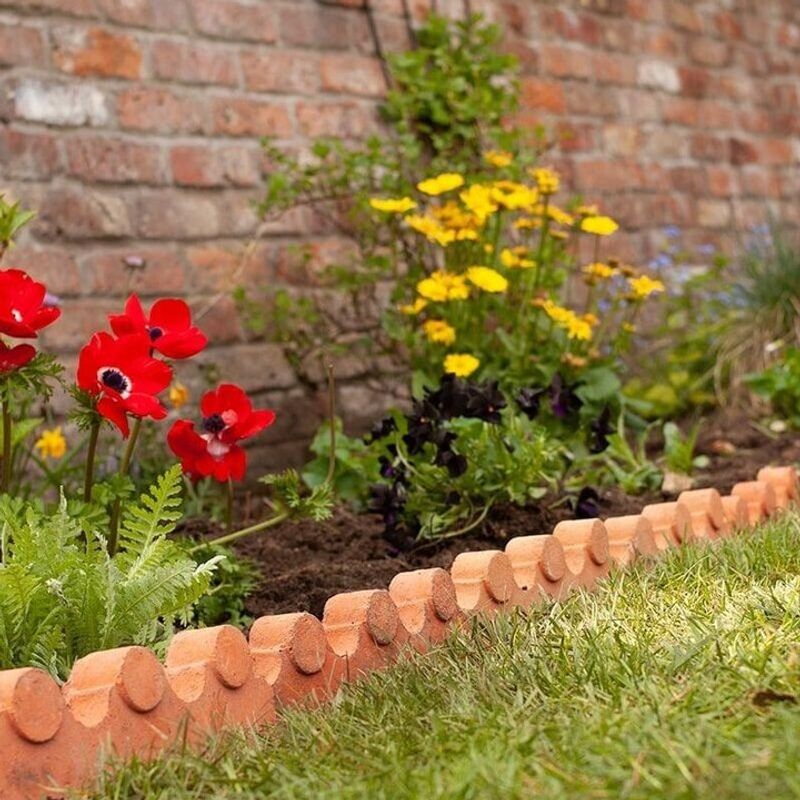
There is something undeniably warm and inviting about terracotta. The rich orange-red color of terracotta tiles brings a Mediterranean flair to Texas gardens that feels both exotic and perfectly at home in the Lone Star State.
Given Texas’s warm climate and sun-drenched days, terracotta edging fits right in with the natural color palette of the landscape.
Traditional terracotta edging tiles are curved at the top and set into the ground at a slight angle, creating a scalloped border that has been used in gardens for centuries. It is a classic look that never feels dated, and it pairs beautifully with colorful flowering plants, terracotta pots, and Mediterranean-style outdoor furniture.
In Texas cities like El Paso and Laredo, where Spanish and Mexican architectural influences are strong, this style of edging feels especially fitting.
Ceramic tiles offer a modern twist on the terracotta look. Hand-painted tiles with geometric or floral patterns can be set upright along garden edges to create a truly one-of-a-kind border.
This approach works wonderfully in smaller garden spaces where you want a big visual impact without a major investment.
Keep in mind that terracotta can crack if exposed to repeated freezing temperatures, so it is best suited for the warmer regions of Texas. In areas around Houston, the Rio Grande Valley, or the Gulf Coast, where hard freezes are rare, terracotta edging will perform beautifully for many seasons without needing replacement or special care.
10. Upcycled Glass Bottle Edge
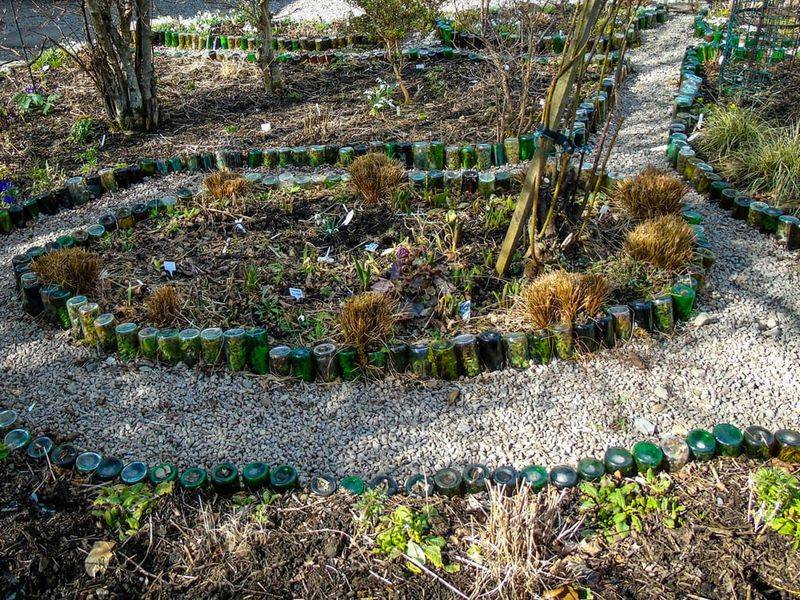
If you are looking for a garden edging idea that is truly one of a kind, upcycled glass bottle edging might be your new favorite project. Burying glass bottles upside down along garden bed edges creates a colorful, glowing border that catches sunlight and adds a magical, artistic touch to any Texas outdoor space.
It is creative, eco-friendly, and practically free to make.
The process is simple. Collect glass bottles in a variety of colors, wash them thoroughly, and bury them neck-down into the soil along your garden edge.
The bottoms of the bottles face upward, and when sunlight hits them, they glow in shades of green, blue, amber, and clear. The effect is especially beautiful in the late afternoon when Texas sun angles low and light pours through the glass.
Wine bottles, beer bottles, and even old olive oil bottles all work beautifully for this project. Mixing colors creates a stained-glass effect that looks stunning next to bright flowering plants or green foliage.
Using bottles of the same color gives a more uniform, intentional look that works well in modern or minimalist garden designs.
Beyond the visual appeal, glass bottle edging can spark conversation among visitors. Guests visiting your Texas garden will immediately notice the unique border and want to know how you made it.
It is proof that great garden design does not have to cost a lot of money, just a little creativity and a collection of bottles you might otherwise recycle anyway.