10 Places Ticks Hide In Your Yard In Fall
September air smells like crunchy leaves, warm apple cider, and somebody’s grill smoking down the street. Your yard looks calm, golden, and ready for lazy weekend afternoons.
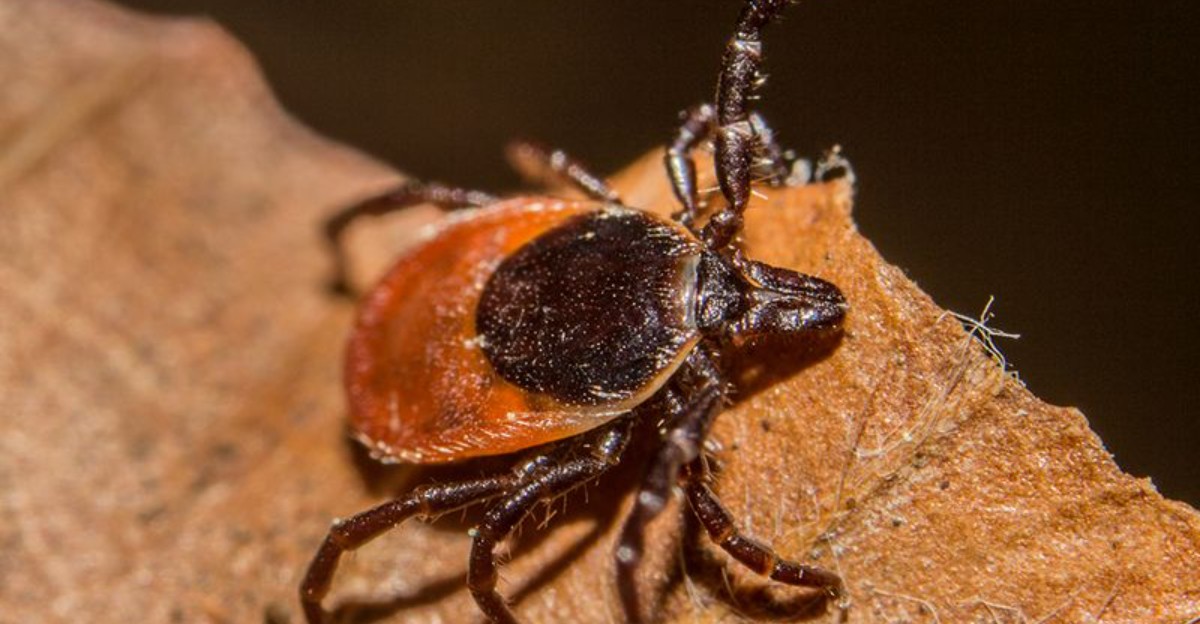
But something tiny is waiting out there, and it has a serious appetite. It is about the size of a sesame seed, twice as sneaky, and it loves a free ride
Cooler weather does not send these little hitchhikers packing like summer bugs do. In fact, fall is one of their busiest seasons for finding a warm snack.
Your dog, your kids, and your ankles all look like a buffet to them. Fortunately, they are picky about where they hang out.
Once you know their favorite spots, your yard feels a lot less mysterious. That pile of leaves by your porch could be hosting more guests than you’d guess.
1. Leaf Litter Piles
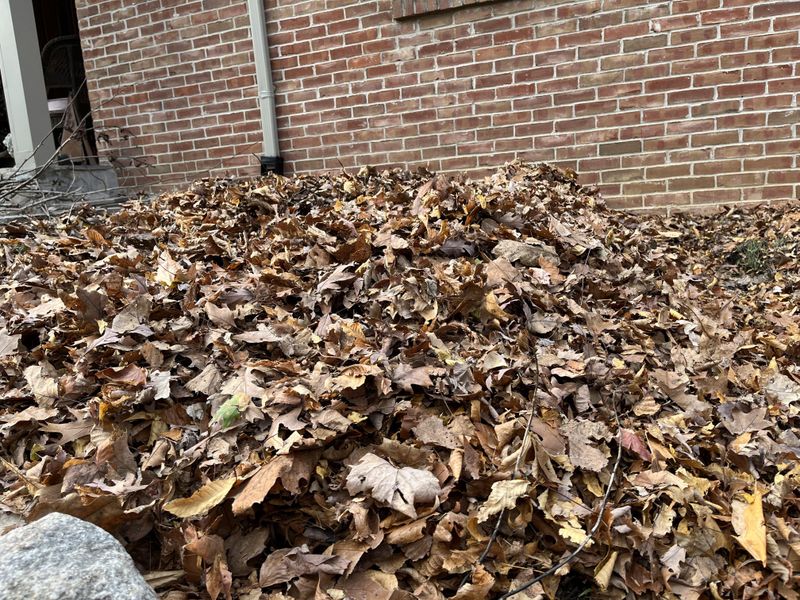
Kids love jumping into giant leaf piles, and ticks happen to love them just as much. Those damp, cozy layers act like a sleeping bag that keeps them safe from cold and dry air.
Ticks dry out fast, so they need steady moisture to survive the chilly fall season. Fallen leaves trap water underneath, creating a soggy little hideout right at ground level.
Blacklegged ticks, often called deer ticks, are especially active from September through November. The adults stay busy hunting for hosts on warm days until the ground freezes solid.
Luckily, the fix is simpler than you might think, and it doubles as exercise. Rake leaves away from paths, patios, play sets, and the edges of your lawn where people walk.
Bag them, compost them in a far corner, or shred them with a mower. Shredded leaves dry out faster and give ticks fewer places to curl up.
Did you know a single female tick can lay thousands of eggs? Keeping leaf piles under control now means fewer ticks bothering you next spring.
Wear long pants and gloves while raking, and tuck your pants into your socks. It may look silly, but your ankles will thank you later.
Once you finish, toss your clothes in a hot dryer for about ten minutes. The heat takes care of any sneaky riders that tagged along.
2. Tall Grass Areas
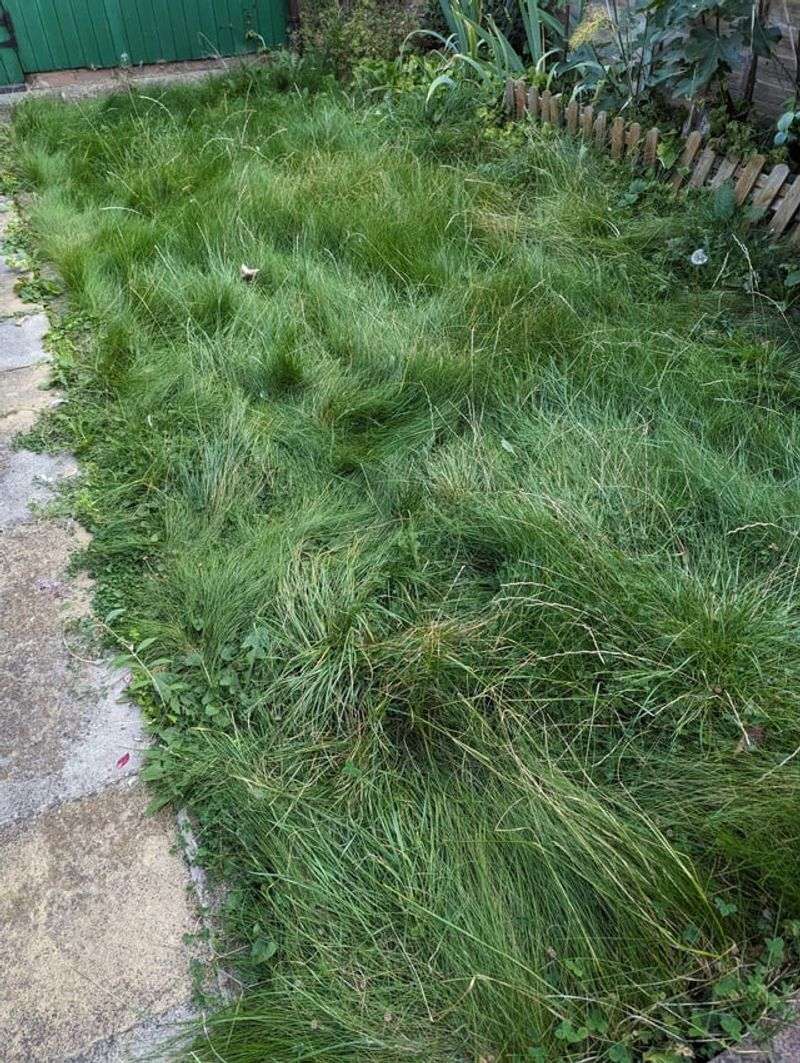
Ticks cannot jump or fly, so they rely on a clever trick called questing. They climb a blade of grass, stretch out their front legs, and wait for a ride.
Picture a tiny hitchhiker holding out its thumb on the side of a road. Now picture your bare leg brushing past, and you get the idea.
Tall grass gives them the perfect height to grab onto shins, ankles, and furry pets. It also holds moisture and shade, which keeps them comfortable during warm September afternoons.
The easiest defense is keeping your lawn trimmed to about three inches or shorter. Short grass lets sunlight reach the soil, and ticks strongly dislike hot, dry conditions.
Watch out for forgotten spots, like the strip behind the shed or around the mailbox. Those scruffy corners are easy to skip, but they make great tick hangouts.
If you love a wild meadow look, mow a wide path through it for walking. Stick to the center of the path so the grass does not brush against you.
Keep mowing well into fall, even when the grass grows more slowly. A final short cut before winter leaves fewer cozy spots for ticks to wait out the cold.
After a stroll through taller grass, do a quick tick check on yourself and your kids. Pay close attention to the backs of knees, waistbands, and behind the ears.
3. Wood Line Edges
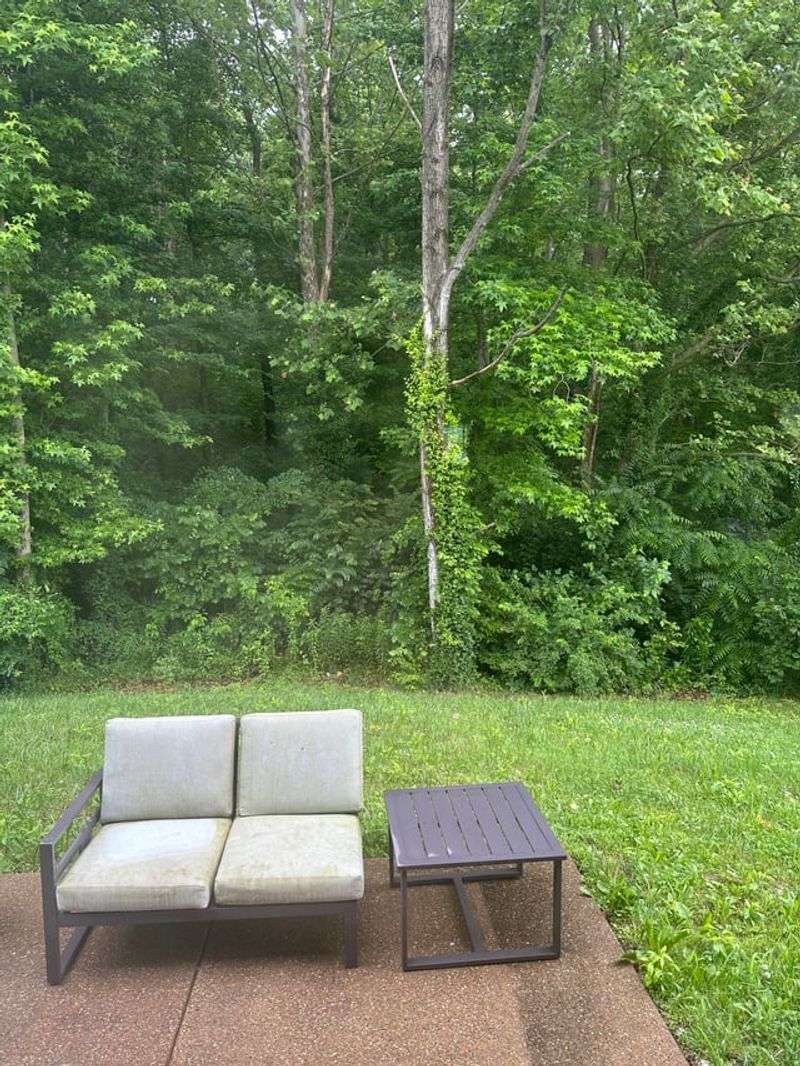
It only takes one quick game of fetch near the tree line for a dog to pick up several ticks. That short trip past the trees is often all it takes to bring ticks home.
The spot where your lawn meets the woods is a hot zone for ticks. Scientists call it an edge habitat, and it mixes sun, shade, and moisture in just the right amounts.
Mice, chipmunks, and deer love these borders because they offer food and quick hiding spots. Wherever those animals roam, ticks are usually close behind, waiting for their next meal.
Research shows most ticks in a yard live within about nine feet of the lawn edge. That narrow strip deserves extra attention this fall, especially in September.
One smart trick is laying down a three-foot barrier of wood chips or gravel. Ticks do not like crossing dry, open ground, so the barrier slows them down.
It also acts as a clear reminder for kids to stay on the lawn side. Place swing sets, sandboxes, and picnic tables well away from the trees.
Clearing low branches and weeds along the edge lets more sunlight in. More sun means drier ground, and drier ground means fewer ticks lurking nearby.
If you walk into the woods to grab a stray ball, do a quick check afterward. A two-minute look can save you a lot of worry later.
4. Dense Shrub Cover
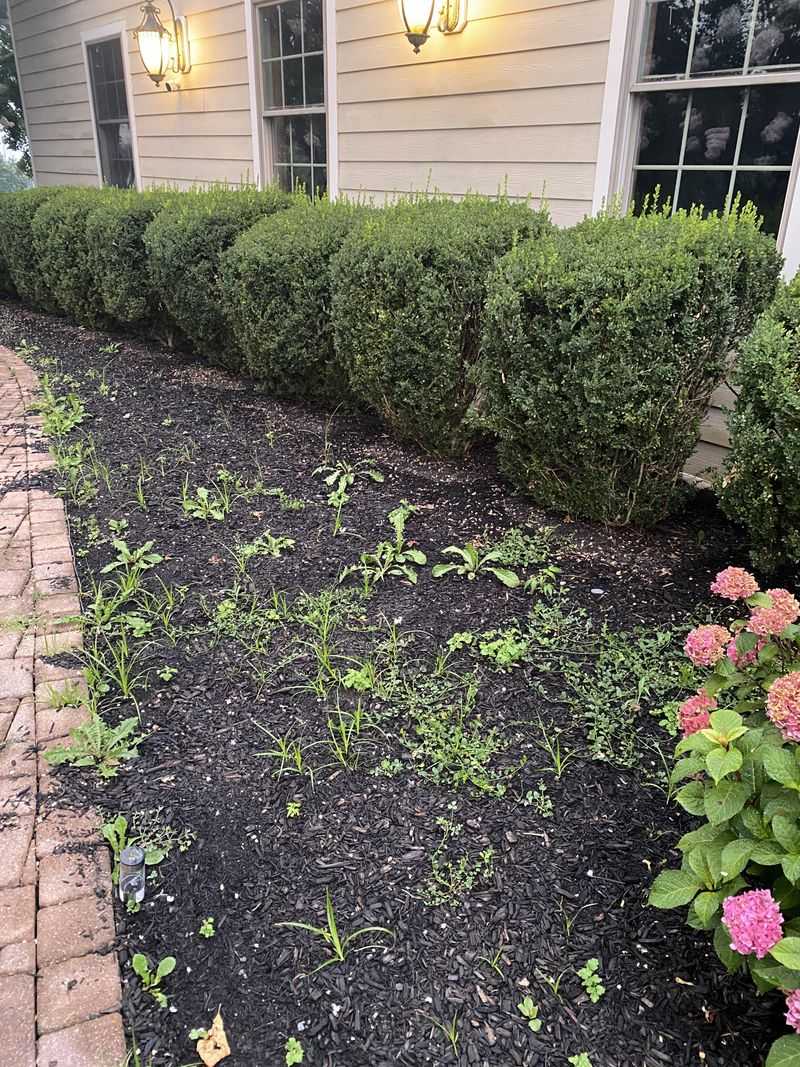
Ever notice how cool and damp it feels under a thick bush on a sunny day? Ticks notice too, and they treat that shady space like a private resort.
Dense shrubs block sunlight and trap humidity close to the ground. Their tangled branches also shelter mice and birds, which are favorite meals for young ticks.
Foundation plantings are a big concern since they sit right next to your doors. Every trip to the hose or trash can means brushing past those leafy hideouts.
Early fall is a great time to prune, since the plants are slowing down for winter. Trim lower branches so there are a few inches of open space above the soil.
That gap lets air flow through and helps the ground dry out after rain. It also makes it harder for mice to build cozy nests underneath.
Thin out crowded bushes so each plant has breathing room. A shrub you can see through is far less inviting to ticks than a leafy green wall.
Keep mulch beds neat and rake out old leaves that collect beneath the branches. Those forgotten leaves hold moisture and turn a tidy bed into a tick nursery.
Consider swapping a few overgrown shrubs for lower plants like ornamental grasses or sunny perennials. Your yard will look fresh, and the ticks will have one less hangout.
5. Fence Line Borders
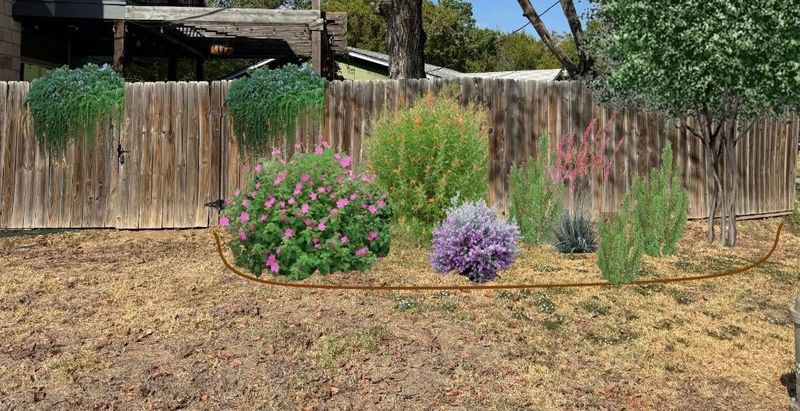
Fences keep dogs in and nosy neighbors out, but they do a lousy job with ticks. In fact, the strip along a fence is often one of the worst spots in a yard.
Mowers cannot reach right up against the posts, so grass and weeds grow tall there. That leftover jungle gives ticks shade, moisture, and a perfect place to wait.
Animals also like to travel along fences because they feel safer with something at their side. Rabbits, mice, and even foxes follow these lines and drop ticks as they go.
A string trimmer is your best buddy for this job. Cut the grass as low as you safely can on both sides of the fence.
Vines like ivy and honeysuckle love climbing fences, and they create thick, shady curtains. Pull them back or trim them hard before they swallow the whole fence line.
Another option is laying a narrow strip of gravel or mulch right under the fence. It keeps weeds down and gives you a clean edge that stays tidy with little effort.
If your fence borders a wooded lot, that side needs extra care. Ticks from the woods can easily creep through gaps and settle into the grass on your side.
Chatting with a neighbor over the fence? Keep your legs away from the weeds and give your pants a quick look when you head back inside.
6. Stone Walls And Woodpiles
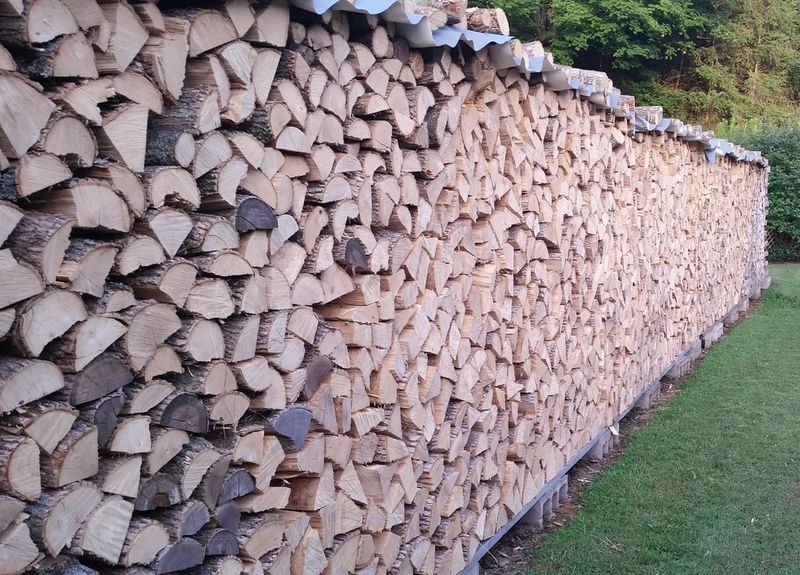
There is something charming about an old stone wall or a neat stack of firewood waiting for winter. Sadly, ticks find them charming too, though for less romantic reasons.
The real problem is the rodents living inside. Chipmunks and mice tuck themselves into cracks and gaps, and they often carry dozens of young ticks.
White-footed mice are major carriers of Lyme disease bacteria in many parts of the country. When a young tick feeds on an infected mouse, it can pick up those germs.
Since September is firewood season for many families, now is the perfect time to rethink your woodpile. Move it at least a few yards away from your house and play areas.
Stack the logs neatly on a rack so they sit off the ground. Good airflow keeps the wood dry, and dry wood is less appealing to rodents and ticks.
A sunny spot works best, since sunlight helps bake away moisture. Cover just the top of the pile so rain runs off while the sides stay open.
Stone walls are harder to move, but you can still make them less inviting. Keep weeds and leaves cleared from the base, and avoid letting kids climb or sit on them.
When you carry firewood indoors, wear gloves and long sleeves. Give your arms a quick check afterward, just to be safe.
7. Brush Piles And Logs

That pile of branches from last summer’s storm cleanup? It might be the busiest apartment building in your whole yard right now.
Brush piles and rotting logs offer shelter to mice, voles, chipmunks, and sometimes skunks. Every one of those tenants can carry ticks, and the damp wood keeps those ticks happy.
Rotting logs soak up rain like a sponge and hold onto that moisture for weeks. Underneath, the soil stays cool and dark, which is just how ticks like it.
Fall is a natural time for yard cleanup, so add brush piles to your to-do list. Haul them away, chip them into mulch, or check if your town offers free pickup.
Some people keep brush piles on purpose to help birds and other wildlife. If that sounds like you, place the pile far from your house, garden, and play areas.
Old logs used as garden borders or rustic seats deserve a second look this fall too. Roll one over, and you might be surprised by the critters hiding underneath.
Replace decaying logs with stone edging or treated lumber that stays dry. Your garden will look sharper, and you will cut down on hidden tick shelters.
While moving brush, wear gloves, long sleeves, and boots with pants tucked in. Afterward, shower within two hours to wash off any ticks that have not attached yet.
8. Wildlife Travel Paths

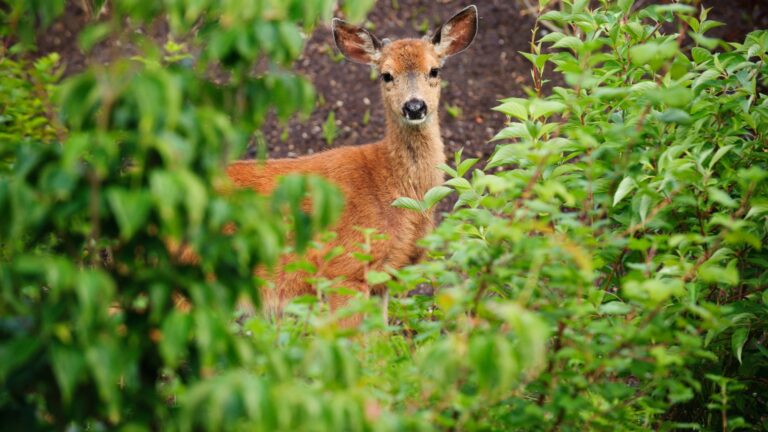
Put on your detective hat for a minute and look for narrow, worn trails across your yard. Those skinny paths are highways for deer, raccoons, and other nighttime visitors.
Animals are creatures of habit, so they use the same routes night after night. As they travel, ticks drop off their fur and land right along the trail.
Deer are a big deal because adult ticks feed and mate on them in fall. One well-fed female can drop off and lay a huge batch of eggs nearby.
Signs of a wildlife path include flattened grass, hoof prints, droppings, and gaps under fences. You might also spot nibbled plants in your garden, a classic clue that deer stopped by.
Discouraging deer is one of the best ways to lower tick numbers. Tall fencing works well, and deer-resistant plants like lavender and boxwood make your yard less tempting.
Skip bird feeders near the house during fall, since spilled seed draws mice and squirrels. Those small animals carry plenty of young ticks right onto your lawn.
Keep those trails mowed short so ticks have fewer places to wait. Motion-activated sprinklers can also gently encourage animals to find a new route around your yard.
Pets love sniffing along these trails, so watch where your dog explores. A quick brush-through after outdoor time helps catch ticks before they settle in.
9. Shaded Tree Areas

A hammock strung between two big oaks sounds like pure bliss on a September afternoon. Before you settle in, though, look at what is happening on the ground below.
Thick tree canopies block sunlight and keep the soil cool and moist. Add a layer of fallen leaves and acorns, and you have a tick paradise.
Acorns are a hidden part of the story, and a pretty surprising one. Big acorn years feed lots of mice, and a mouse boom typically leads to more ticks about two years later.
Scientists have tracked this pattern for years in the forests of the Northeast. So if your oaks are dropping acorns like crazy this fall, mark your calendar to stay alert in about two years.
Raise the canopy by trimming lower limbs so more sunlight reaches the grass. Even a little extra light can dry out the soil and make it less friendly to ticks.
Rake up leaves and acorns under your trees regularly throughout the fall season. It keeps the ground cleaner and gives rodents fewer reasons to hang around.
If you have outdoor seating under a shade tree, set it on a patio or gravel pad. A solid surface is much tougher for ticks to cross than grass or leaves.
Kids love climbing trees and building forts in shady spots. After playtime, a warm shower and a quick scalp check make a smart family habit.
10. Outdoor Pet Areas

Your dog thinks the backyard is the greatest place on Earth, and honestly, who could argue? Unfortunately, ticks agree, especially in the spots where pets like to lounge.
Dog runs, kennels, and favorite napping corners often sit near fences or bushes. Those edges are prime tick territory, and your furry friend is an easy target.
Pets can also carry ticks inside, where the pests may crawl onto family members. A single dog can bring home several ticks after one quick fall romp in the yard.
Start by keeping the grass short around dog houses, water bowls, and play zones. Pea gravel or rubber mulch makes a great base for a dog run and stays drier than grass.
Wash pet bedding often, especially if it stays outside on a porch or patio. Hot water and a hot dryer cycle handle any stowaways hiding in the fabric.
Talk to your vet about tick prevention, since fall is a peak season for adult ticks. Chewable tablets, topical drops, and special collars are all popular options.
Make a habit of checking your pet each time they come indoors. Run your fingers through their fur, focusing on ears, toes, armpits, and the collar area.
Keep a pair of fine-tipped tweezers near the back door for quick removal. Your pup gets a belly rub, and you get peace of mind.