13 Garden Plants That Are Illegal Or Soon To Be Banned In Florida
Florida gardeners love bold, fast-growing, eye-catching plants—but not everything that thrives here is welcome.
Some familiar ornamentals and backyard plants are now classified by the state as prohibited invasive species, making it illegal to sell, plant, or transport them in Florida.
Others have only recently been added to restricted lists or face expanding local bans as their environmental damage becomes clearer.
These plants don’t just spread aggressively; they crowd out native species, disrupt natural ecosystems, and can create costly problems during property sales, renovations, or land management.
Before you visit the nursery or let a “volunteer” plant take over your yard, here are 13 garden plants that are illegal—or increasingly restricted—in Florida, and why experts say they’re not worth the trouble.
1. Brazilian Pepper Tree
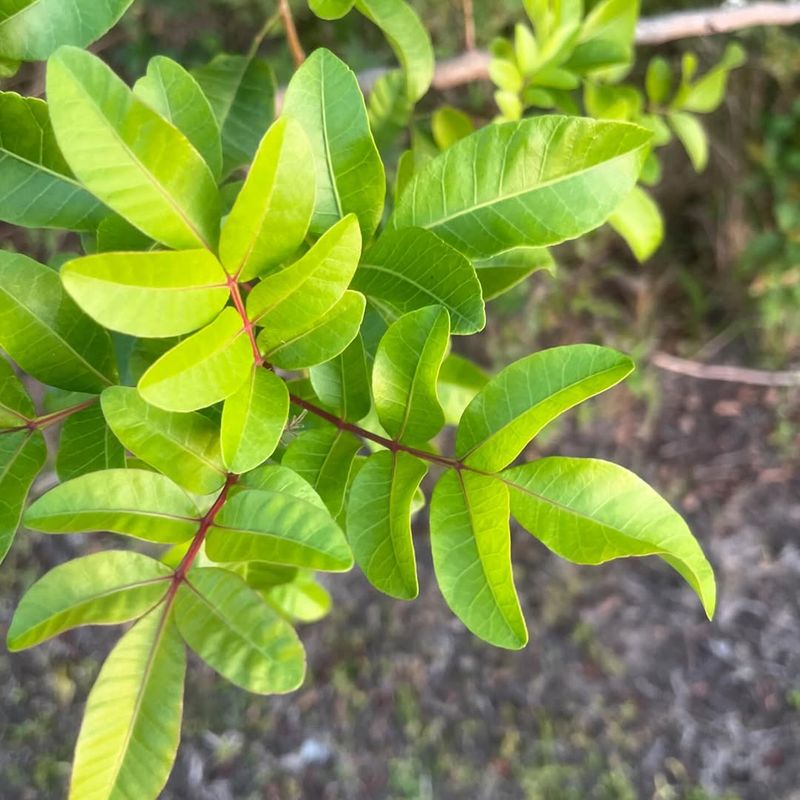
Bright red berries might make this tree look festive, but Brazilian pepper has earned its place on Florida’s most unwanted list.
Originally brought from South America as an ornamental plant, it spread like wildfire across the state.
The tree produces chemicals that prevent other plants from growing nearby, creating dense thickets that choke out native vegetation.
Birds eat the berries and spread seeds everywhere, making control nearly impossible once established.
Florida banned planting, selling, and transporting this species because it threatens natural areas, wetlands, and coastal habitats.
Property owners with existing trees may face significant removal costs if they choose to eliminate them, and unmanaged plants can spread aggressively over time.
The sap can cause skin irritation similar to poison ivy, adding another reason to avoid this troublemaker.
Many Floridians mistake it for a native species, allowing it to spread unchecked before its invasive nature becomes obvious.
Removing Brazilian pepper requires careful management, as cutting it down without treating the stump often leads to aggressive regrowth.
Native alternatives like Simpson’s stopper provide similar aesthetics without the environmental havoc.
2. Air Potato Vine
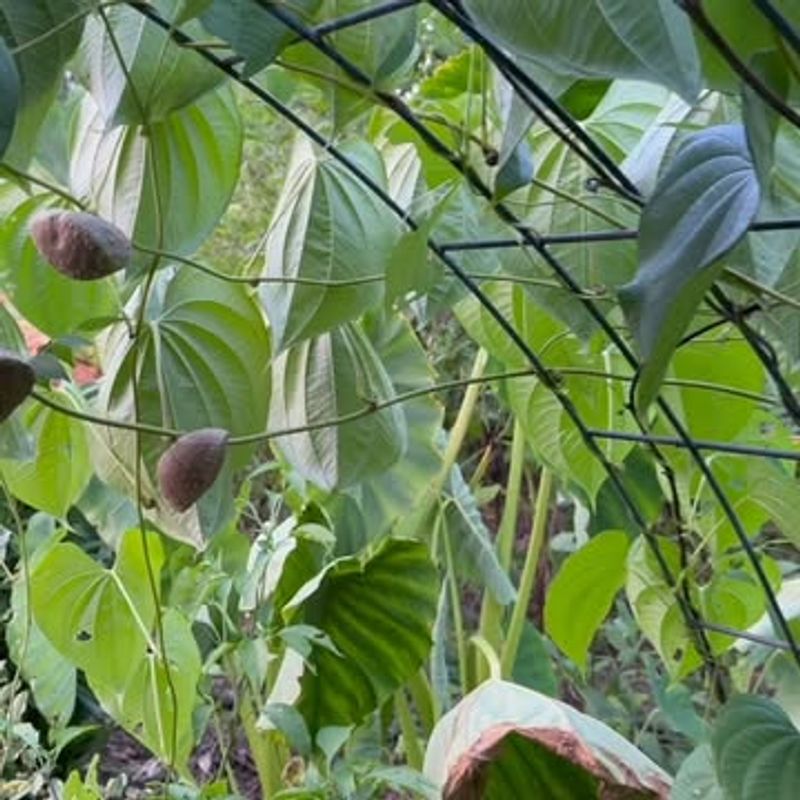
Those odd potato-like bulbs dangling from vines might seem curious, but air potato represents one of Florida’s fastest-growing invasive threats.
A single vine can grow up to eight inches per day during peak season, blanketing everything it climbs.
The plant produces hundreds of aerial tubers that drop to the ground and sprout new vines, creating exponential spread.
Florida classifies air potato as a prohibited species because it smothers native trees and shrubs under heavy blankets of foliage.
The vine blocks sunlight from reaching plants below, essentially suffocating entire ecosystems.
Even small fragments can regenerate into full plants, making removal challenging for homeowners.
State agencies have released specialized beetles that feed exclusively on air potato to help control populations.
Despite these efforts, the vine still appears in natural areas and occasionally in residential landscapes across Florida.
Gardeners sometimes mistake it for native yams, but those lack the distinctive aerial bulbils.
Property owners who discover air potato should remove it promptly and may choose to report sightings to help track local spread.
The bulbils remain viable in soil for years, requiring persistent monitoring even after vine removal.
3. Melaleuca Tree
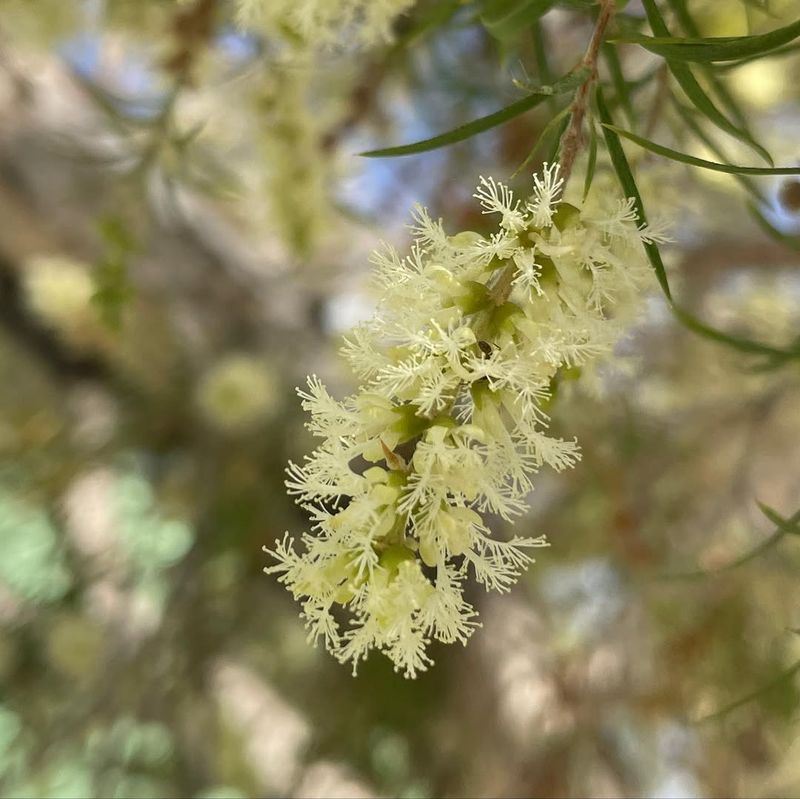
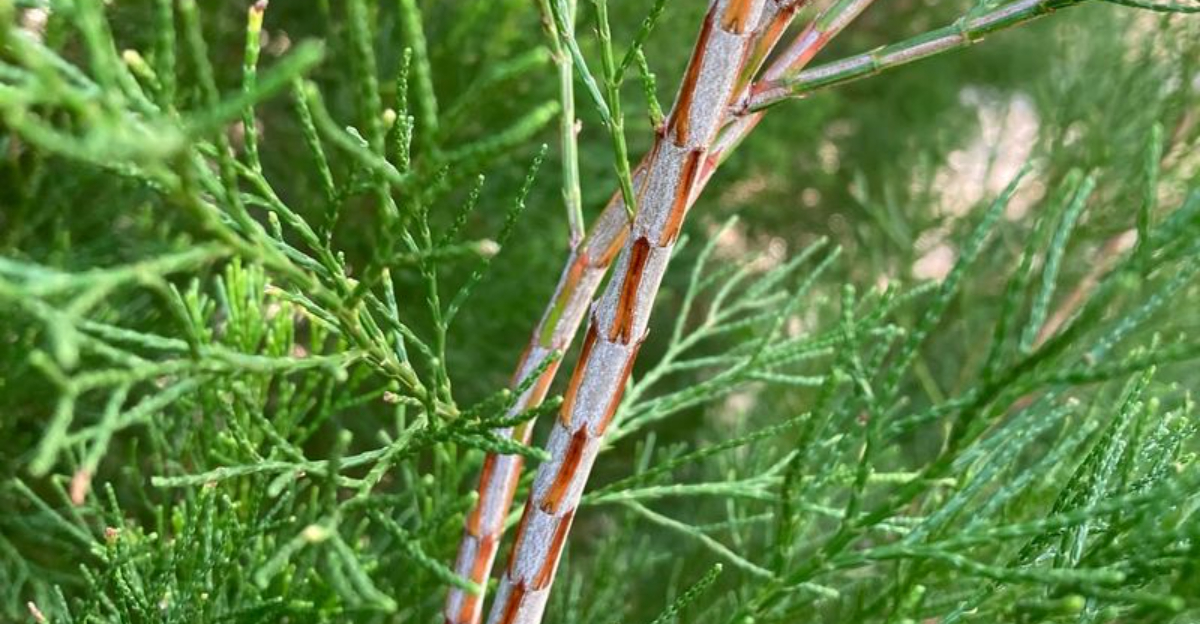
Papery white bark peeling in layers gives melaleuca a distinctive appearance that once made it popular for landscaping.
Australian settlers brought these trees to Florida in the early 1900s, promoting them for wetland drainage and timber production.
That decision turned catastrophic as melaleuca began consuming the Everglades at alarming rates.
Each tree produces millions of seeds annually, dispersed by wind across vast distances.
Florida banned melaleuca after it invaded over 500,000 acres of natural areas, displacing native sawgrass and cypress.
The trees drink enormous amounts of water, lowering water tables and altering entire wetland ecosystems.
Their dense stands provide poor habitat for native wildlife while increasing wildfire risk with their oily, flammable leaves.
Effective removal involves cutting trees and immediately treating stumps to prevent regrowth.
State programs have spent millions battling melaleuca infestations with limited success in some regions.
In some counties and conservation areas, local ordinances or land-management rules may require removal of existing melaleuca trees.
Native alternatives like dahoon holly offer similar aesthetics without environmental destruction.
The melaleuca story serves as a cautionary tale about introducing foreign species.
4. Old World Climbing Fern
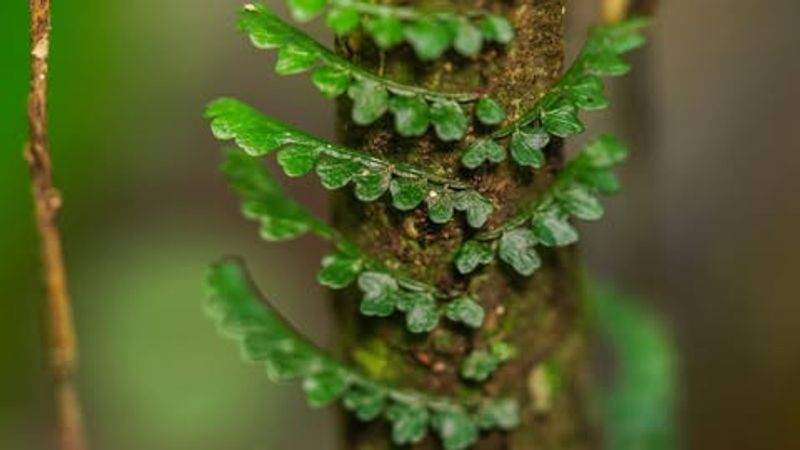
Delicate fronds might fool you into thinking this fern looks harmless, but Old World climbing fern ranks among Florida’s most destructive invasive plants.
Native to Africa, Asia, and Australia, it arrived in Florida through the ornamental plant trade.
The fern climbs trees using a twining rachis, eventually forming thick mats that block sunlight and add dangerous weight to branches.
Florida prohibited this species after it began smothering cypress swamps and pine flatwoods across the state.
A single plant can spread over 90 feet, creating continuous fuel ladders that turn ground fires into devastating canopy fires.
Spores disperse on wind and water, allowing rapid colonization of new areas.
The fern tolerates various conditions from wet swamps to dry uplands, making it extremely adaptable.
Manual removal proves difficult because any remaining rhizome fragments can regenerate quickly.
Chemical treatments require multiple applications and careful timing to achieve effective control.
Property owners may not notice infestations until the fern has spread into surrounding trees.
State agencies monitor populations closely but struggle to contain its spread through natural areas.
Reporting new sightings can help officials respond before populations become widespread.
5. Australian Pine
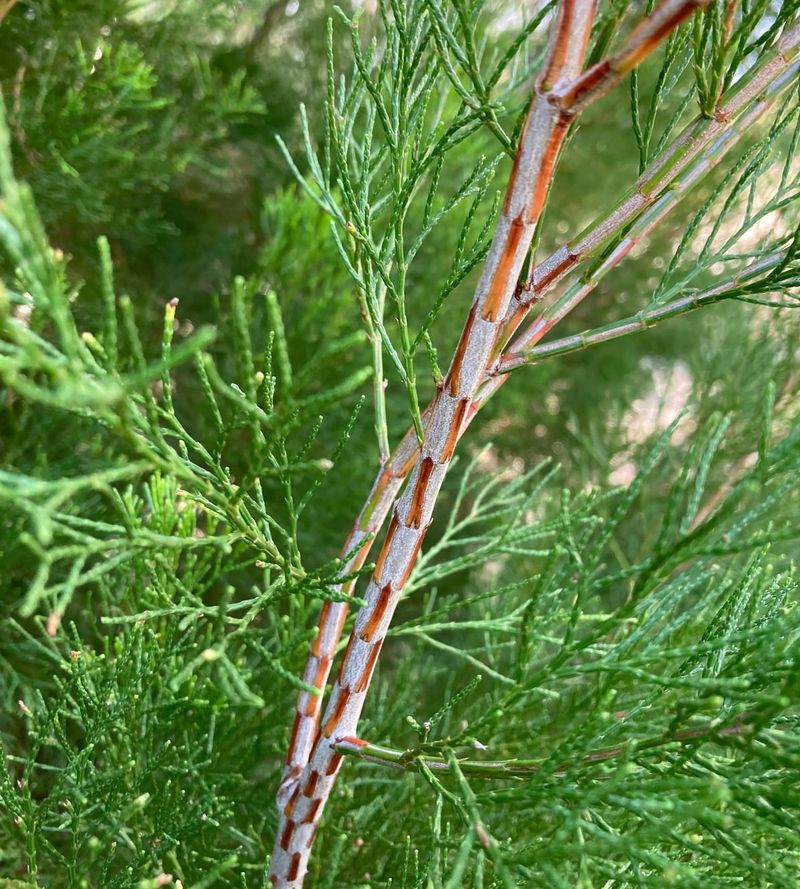
Graceful branches swaying in ocean breezes made Australian pine a popular coastal planting throughout the 20th century.
Despite its name, this species isn’t actually a pine but a casuarina tree from Australia and Southeast Asia.
Florida welcomed these fast-growing trees for windbreaks and erosion control along beaches.
That enthusiasm faded as Australian pines began displacing native dune vegetation and sea turtle nesting habitat.
The trees produce dense leaf litter that prevents native plants from establishing while their shallow roots offer little erosion protection during hurricanes.
Florida banned the sale, planting, and transport of Australian pine after recognizing the ecological damage these trees cause to coastal ecosystems.
Their allelopathic properties inhibit growth of nearby plants, creating monoculture stands.
Falling branches pose hazards during storms, and the trees frequently topple in high winds.
Many coastal communities have undertaken expensive removal projects to restore native vegetation.
The trees still dominate some Florida beaches despite decades of control efforts.
Native alternatives like sea grape and cabbage palm provide better wildlife habitat and storm resilience.
Homeowners near the coast should check local ordinances, as some municipalities or coastal management areas require removal of Australian pine trees.
6. Cogongrass

Fluffy white seed heads waving above razor-sharp leaves signal one of the world’s worst invasive weeds has arrived in your area.
Cogongrass entered Florida accidentally through packing materials from Asia, then spread intentionally as forage and for soil stabilization.
That experiment failed spectacularly as the grass proved nutritionally worthless to livestock and impossible to control.
Florida lists cogongrass as a prohibited species, making it illegal to sell, plant, or transport because it forms dense monocultures that exclude all other vegetation.
The grass contains high silica content that makes it unpalatable to most animals and resistant to herbivores.
Its extensive root system spreads rapidly through rhizomes, allowing patches to expand several feet annually.
Cogongrass increases fire intensity and frequency, then quickly recolonizes burned areas before native plants recover.
Eradication requires years of persistent treatment because roots can extend six feet deep.
Even tiny root fragments left in soil can regenerate into new plants.
Florida residents should learn to identify cogongrass, and reporting new sightings can help land managers respond before infestations spread.
The grass has invaded millions of acres across the southeastern United States.
Native alternatives like wiregrass provide similar ground cover without ecological devastation.
7. Water Hyacinth
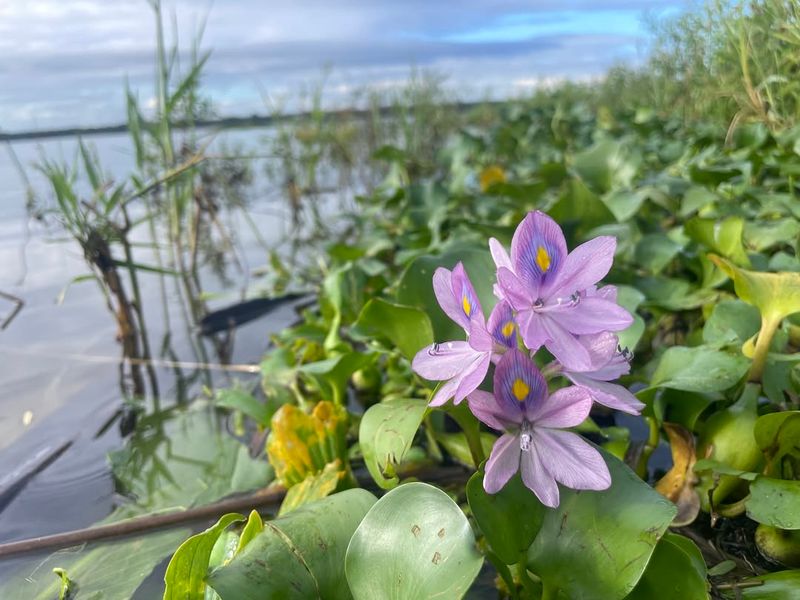
Stunning purple flowers floating on water attracted gardeners to water hyacinth when it first arrived from South America.
Those beautiful blooms quickly revealed their sinister nature as the plants multiplied explosively across Florida’s waterways.
A single plant can produce 65,000 offspring in one season, doubling population size every two weeks under ideal conditions.
Florida banned the sale, planting, and intentional introduction of water hyacinth after it began clogging rivers, lakes, and canals throughout the state.
Dense mats block sunlight from reaching underwater plants, causing oxygen depletion that harms fish and other aquatic life.
The floating masses impede boat navigation, clog water intake pipes, and provide mosquito breeding habitat.
Removal costs Florida millions annually through mechanical harvesting and chemical treatments.
Despite decades of control efforts, water hyacinth remains a persistent problem in many water bodies.
The plants absorb nutrients efficiently, making them attractive for wastewater treatment but dangerous in natural systems.
Freezing temperatures occasionally provide natural control in northern Florida, but southern populations grow year-round.
Property owners with ponds should avoid introducing water hyacinth, regardless of its ornamental appeal.
Native aquatic plants like pickerelweed offer beauty without ecological chaos.
8. Lygodium Fern Species
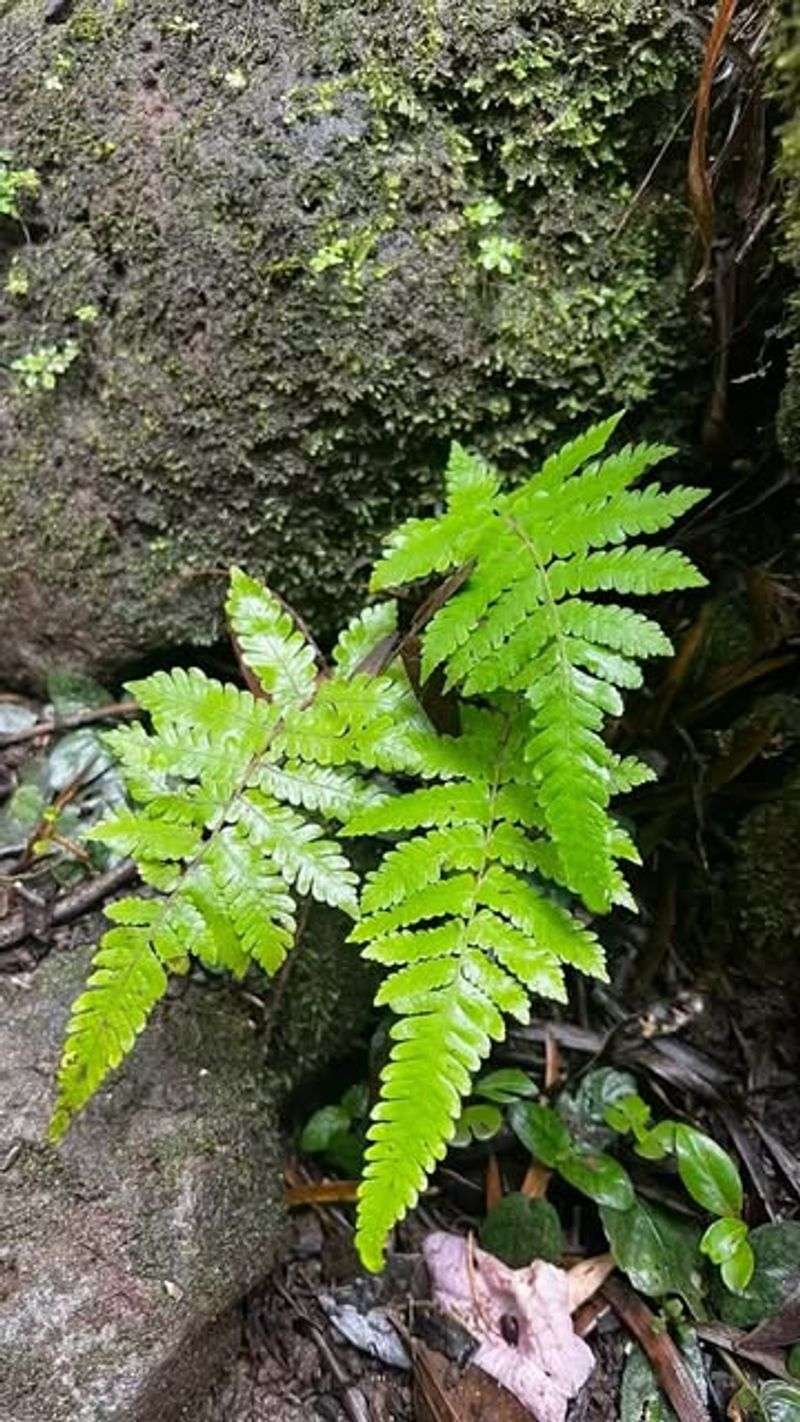
Feathery fronds climbing through forest canopies might appear enchanting until you realize certain lygodium species can smother everything they touch.
Japanese climbing fern joined Old World climbing fern on Florida’s prohibited list after demonstrating similar invasive behavior.
Both species arrived through the ornamental plant trade, escaping cultivation to invade natural areas.
These climbing ferns use specialized rachis structures that twine around surrounding vegetation, eventually forming dense curtains.
Florida banned Japanese climbing fern and Old World climbing fern because they create continuous fuel sources that intensify wildfires.
The ferns produce millions of microscopic spores that disperse on wind, clothing, and equipment.
Once established, infestations spread rapidly through both spores and vegetative growth.
Natural areas in central and south Florida have suffered extensive lygodium invasions affecting thousands of acres.
The ferns thrive in habitats ranging from wetlands to upland forests, making them highly adaptable.
Control typically requires integrated approaches combining herbicides, prescribed fire, and manual removal.
Property owners who discover these climbing ferns are encouraged to address them early, before small patches become difficult to manage.
Native ferns like royal fern provide similar aesthetic appeal without invasive tendencies.
Regular monitoring helps catch new introductions before they become established.
9. Tropical Soda Apple
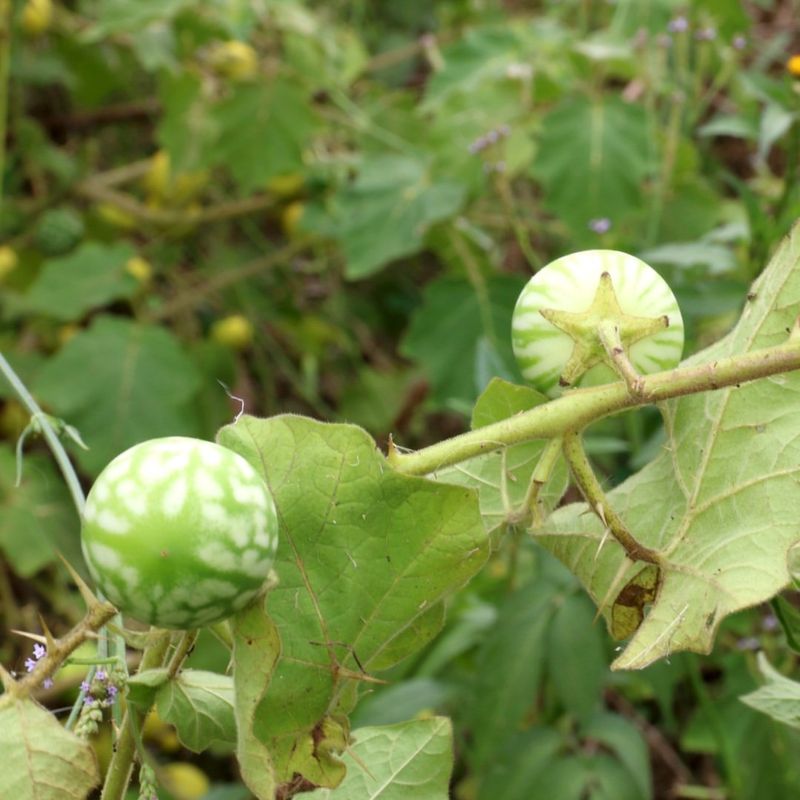
Yellow-striped fruit resembling tiny watermelons gave tropical soda apple its whimsical name, but Florida ranchers find nothing amusing about this thorny invader.
Native to South America, it likely arrived in Florida through contaminated cattle or grass seed.
The plant spread rapidly through pastures, natural areas, and roadsides across the state.
Florida classified tropical soda apple as a prohibited noxious weed, making it illegal to sell, plant, or transport because it forms dense, spiny thickets that render pastures unusable.
Cattle avoid the plant due to its sharp prickles, allowing it to outcompete valuable forage grasses.
Each plant produces thousands of seeds that remain viable in soil for years.
Birds and wildlife eat the fruit, dispersing seeds across vast distances.
The plant tolerates various soil conditions and quickly colonizes disturbed areas.
Removal requires persistent effort because plants can regenerate from root fragments.
Florida ranchers have spent millions controlling tropical soda apple through herbicides and biological control agents.
The state requires management of tropical soda apple on agricultural and grazing lands, and control is strongly encouraged elsewhere to prevent spread.
Equipment moving between properties should be cleaned to prevent accidentally spreading seeds.
Early detection and rapid response remain critical for preventing new infestations from establishing.
10. Chinese Tallow Tree
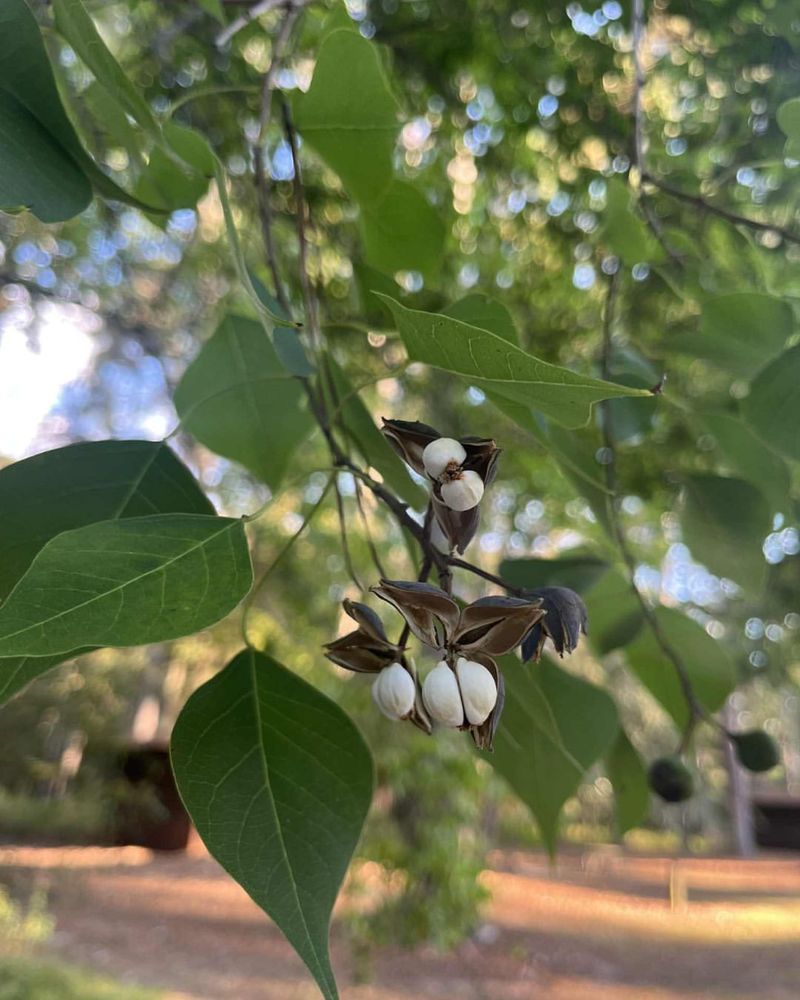
Brilliant fall foliage made Chinese tallow tree a favorite ornamental in Florida landscapes seeking autumn color.
That seasonal beauty comes at a steep ecological price as the tree aggressively invades wetlands and forests.
Native to China and Japan, it arrived in the United States in the 1700s for seed oil production.
Florida banned the sale, planting, and transport of Chinese tallow after recognizing its devastating impact on native ecosystems.
The tree produces thousands of waxy seeds that birds readily consume and spread.
Seedlings tolerate flooding, drought, and various soil types, allowing colonization of diverse habitats.
Dense stands form quickly, shading out native vegetation and altering soil chemistry.
The tree’s toxic sap can cause skin irritation, and all plant parts contain harmful compounds.
Florida wetlands have suffered extensive Chinese tallow invasions, particularly in coastal areas.
Effective removal involves cutting trees and treating stumps, as they resprout vigorously if left untreated.
Seeds remain viable in soil for several years, requiring ongoing monitoring.
Many Florida property owners remain unaware that Chinese tallow is now prohibited from sale or new planting under state regulations.
Native alternatives like red maple provide fall color without invasive tendencies.
Voluntary reporting of large infestations can help conservation agencies track and manage remaining populations.
11. Downy Rose Myrtle
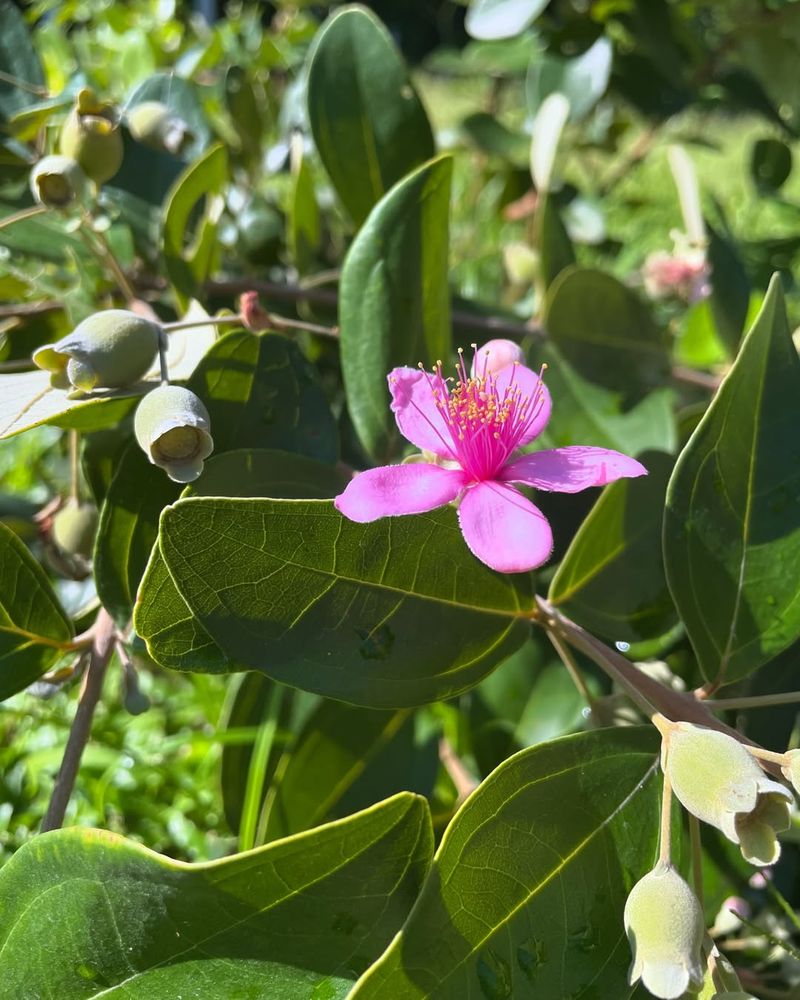
Soft pink flowers and fuzzy leaves gave downy rose myrtle ornamental appeal that led to widespread planting in Florida gardens.
This Asian native seemed like a perfect landscaping shrub until it began escaping cultivation and invading natural areas.
The plant produces abundant seeds dispersed by birds and other wildlife.
Florida added downy rose myrtle to its prohibited list, making it illegal to sell, plant, or transport after infestations developed in conservation lands and parks.
The shrub forms dense thickets that exclude native understory plants and reduce wildlife habitat quality.
It tolerates various light conditions from full sun to shade, allowing invasion of different ecosystem types.
The plant spreads through both seeds and vegetative reproduction from root systems.
Control efforts prove challenging because plants resprout after cutting unless roots are removed or treated.
Seeds remain viable in soil, creating persistent seed banks that complicate eradication.
Property owners with existing plants are encouraged to remove them before they produce seeds.
Native alternatives like Walter’s viburnum offer similar ornamental qualities without invasive behavior.
Florida’s warm climate provides ideal growing conditions for downy rose myrtle, enabling rapid spread.
Early detection in new areas allows faster response before populations expand.
12. Skunk Vine
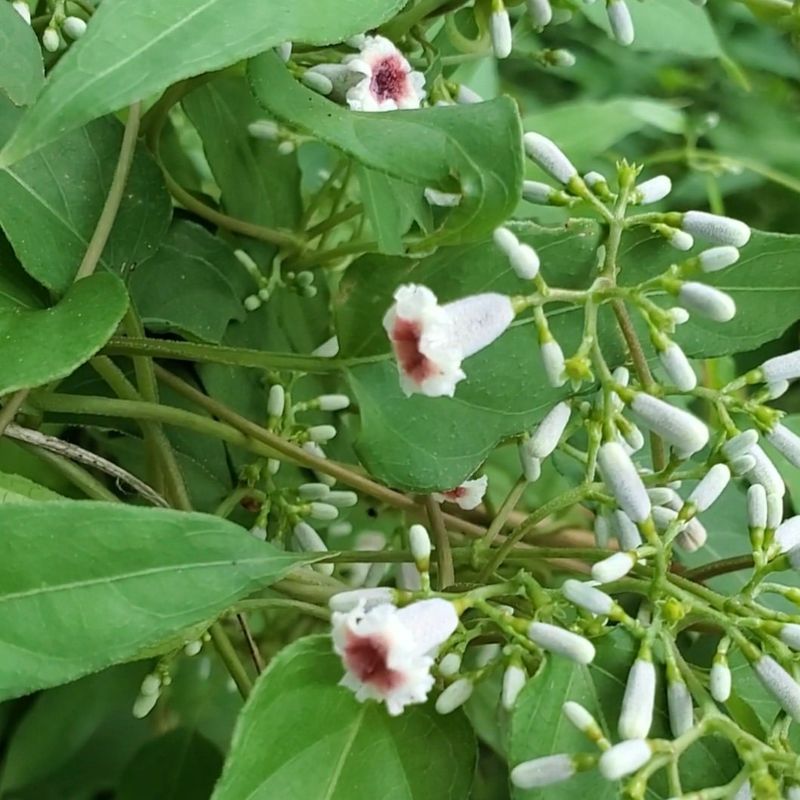
Heart-shaped leaves might look innocent, but crushing them releases a distinctive skunky odor that explains this vine’s memorable name.
Native to tropical Asia, skunk vine arrived in Florida as an ornamental plant valued for its attractive foliage.
That introduction proved disastrous as the vine began smothering native vegetation across the state.
Florida prohibited skunk vine after it invaded natural areas, parks, and residential properties.
The vine climbs using twining stems, forming dense mats over shrubs and trees.
It reproduces through both seeds and vegetative fragments, making control difficult.
Even small stem pieces left on the ground can root and establish new plants.
The vine tolerates various conditions and grows rapidly during warm months.
Its shade tolerance allows invasion of forest understories where it outcompetes native species.
Manual removal requires careful attention to collect all plant fragments.
Chemical treatment often proves necessary for established infestations.
Property owners are encouraged to inspect their yards regularly for this distinctive vine.
Native alternatives like coral honeysuckle provide attractive climbing plants without invasive tendencies.
The characteristic odor helps with identification, making skunk vine easier to recognize than some other invasive species.
Voluntary reporting of sightings assists Florida’s management efforts.
13. Hygrophila Species
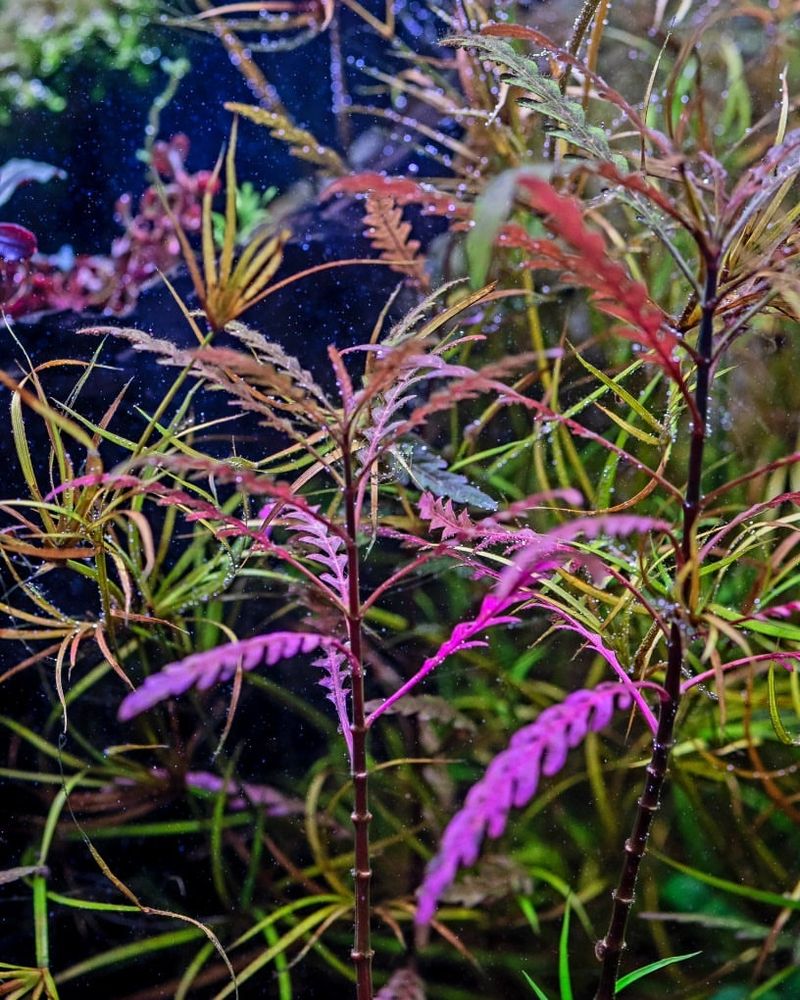
Attractive aquarium plants seemed harmless until several Hygrophila species escaped into Florida’s waterways and began clogging entire water systems.
These Asian natives arrived through the aquarium trade, often released by well-meaning hobbyists who did not understand the consequences.
Some species grow both submerged and emerged, allowing colonization of a wide range of aquatic habitats.
Florida banned specific Hygrophila species after they formed dense stands in canals, ditches, and natural water bodies.
The plants grow rapidly, reproducing through seeds and stem fragments.
Dense growth impedes water flow, increases flooding risk, blocks navigation, and outcompetes native aquatic vegetation, reducing habitat quality for fish and wildlife.
Control requires repeated mechanical harvesting or herbicide applications.
Fragments spread downstream, establishing new populations quickly.
Aquarium owners should never release plants into natural water bodies, regardless of how harmless they may seem.
Florida law prohibits possessing, selling, or transporting prohibited Hygrophila species.
Native aquatic plants provide better choices for water gardens and ponds.
Property owners with water features should ensure they only use approved species.
Voluntary reporting of Hygrophila infestations helps authorities respond before populations expand.
The plants’ rapid growth makes early intervention critical for successful management.